Bailin Gongfu Tea: What Makes This Fujian Black Tea Different?
Bailin Gongfu tea is a Fujian black tea that stands out for its golden tips and a honeyed, malty cup with very little smoke. It comes from Fuding in northeastern Fujian and is closely tied to the same white-tea cultivars that made that region famous. That connection gives Bailin Gongfu a softer, sweeter profile than many other black teas. The practical differences show up in leaf material, oxidation, and finish, and they matter whether you are buying a few hundred grams or a full wholesale lot.
Where Bailin Gongfu Tea Comes From
Bailin Gongfu is produced around Bailin and neighboring tea-growing villages near Fuding, close to Taimu Mountain in northeastern Fujian. This area is better known for white teas such as Baihao Yinzhen and Bai Mudan, and Bailin Gongfu shares part of that raw material base. Because the gardens already produce plump, downy buds for white tea, the same tippy leaf can be fully oxidized into black tea with a naturally soft body.
The coastal hills, frequent fog, and warm humid climate slow leaf development and encourage the accumulation of compounds that contribute sweetness and a smooth texture. This does not mean every Fuding tea tastes the same, but it helps explain why Bailin Gongfu often feels gentler than black teas from higher, cooler growing areas.

What Defines the Leaf and Processing
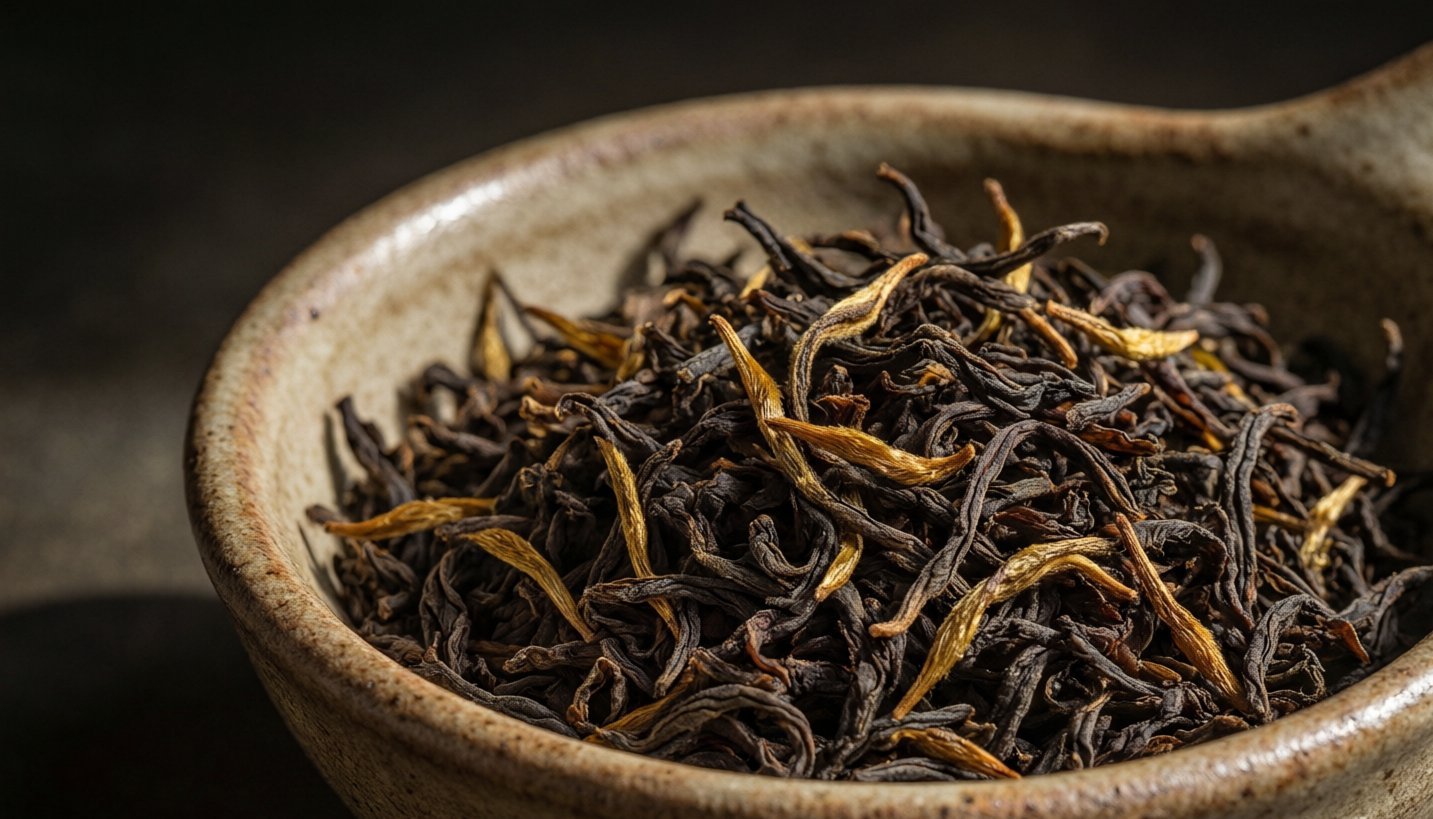
Two factors give Bailin Gongfu its recognizable character. First is cultivar. Many lots use Fuding Dabai and Fuding Dahao, whose buds are plump and covered in fine silver-white down. After full oxidation and drying, that down turns into the golden-orange tips that buyers associate with the style.
Second is processing. The leaves follow the main black tea steps of withering, rolling, oxidation, and drying, with extra sorting to preserve the tippy appearance. Bailin Gongfu is not smoked, unlike Lapsang Souchong. Its dry leaf is usually tight and gently twisted rather than fully broken. The resulting cup is smooth, clear, and bright red-orange.
How Bailin Gongfu Tastes Next to Other Fujian Black Teas
Bailin Gongfu belongs to the Minhong Gongfu family alongside Tanyang Gongfu and Zhenghe Gongfu. All three are Fujian black teas, but their cup personalities differ enough to matter in buying.
| Characteristic | Bailin Gongfu | Tanyang Gongfu | Zhenghe Gongfu |
|---|---|---|---|
| Flavor profile | Honey, malt, soft sweet potato, light cocoa | More floral and fruity, brighter, slightly sharper | Maltier, fuller, with a dry warm finish |
| Leaf appearance | Plump golden tips, downy buds, often showy | Smaller tighter strips, fewer exposed tips | Dark wiry leaf, less obviously golden |
| Liquor | Bright red-orange, clear, silky | Orange-red and aromatic | Deep red-brown with heavier body |
| Common use | Easy-drinking breakfast or everyday black tea | More aromatic and lively cup | More robust and mineral choice |
Bailin Gongfu often leads with sweetness and has lower astringency. Tanyang Gongfu can feel more perfumed and energetic. Zhenghe Gongfu tends to read as fuller and drier. That makes Bailin Gongfu the easiest of the three to drink plain, especially for people who want black tea without a smoky or sharply tannic edge.
Why Golden Tips Matter and What They Do Not Prove
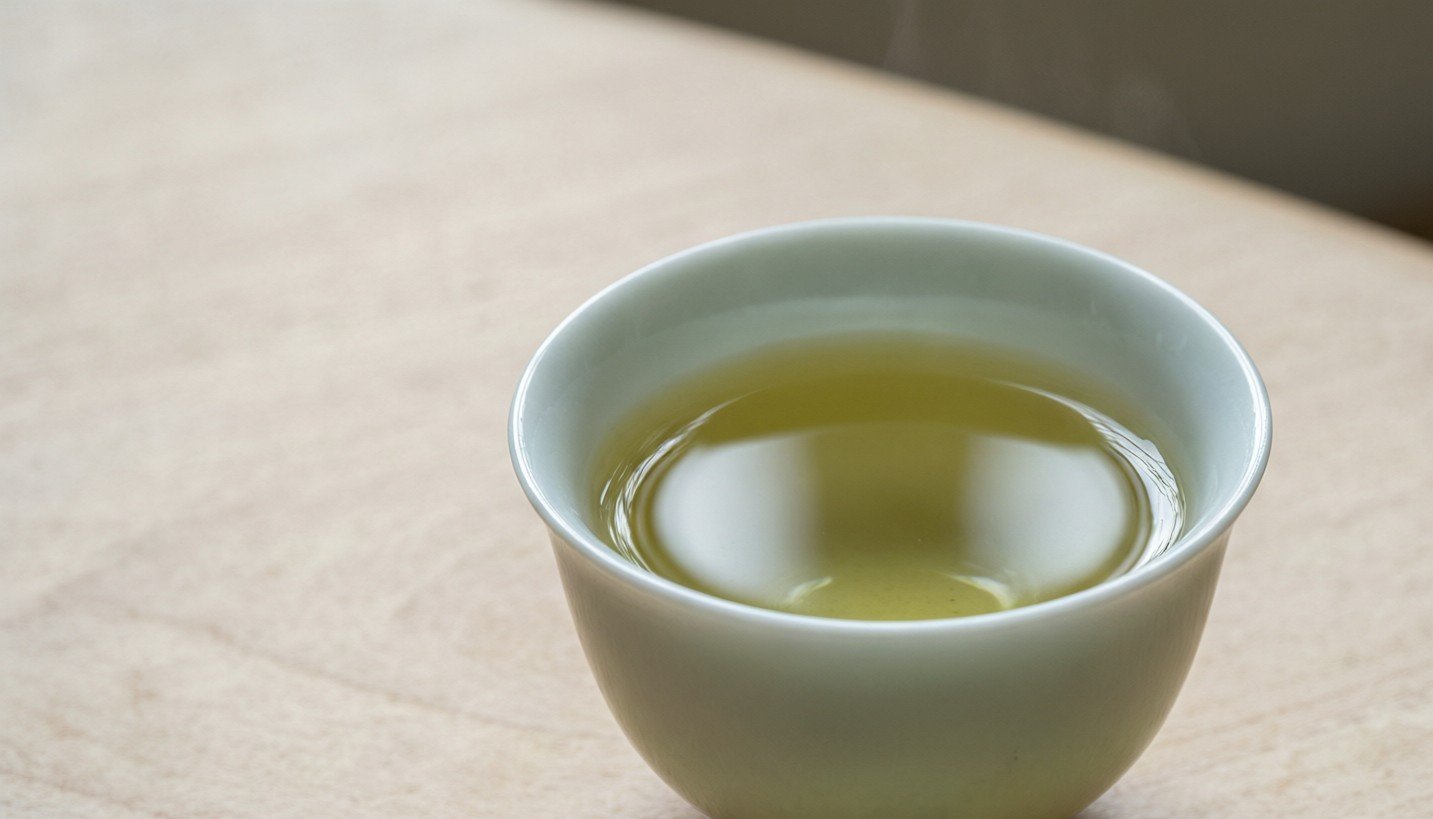
Golden tips are not just decoration. They show that young buds were included, and buds generally carry more amino acids and soluble compounds that create sweetness and a silky mouthfeel. This is a useful signal, but tip color alone does not guarantee a good lot.
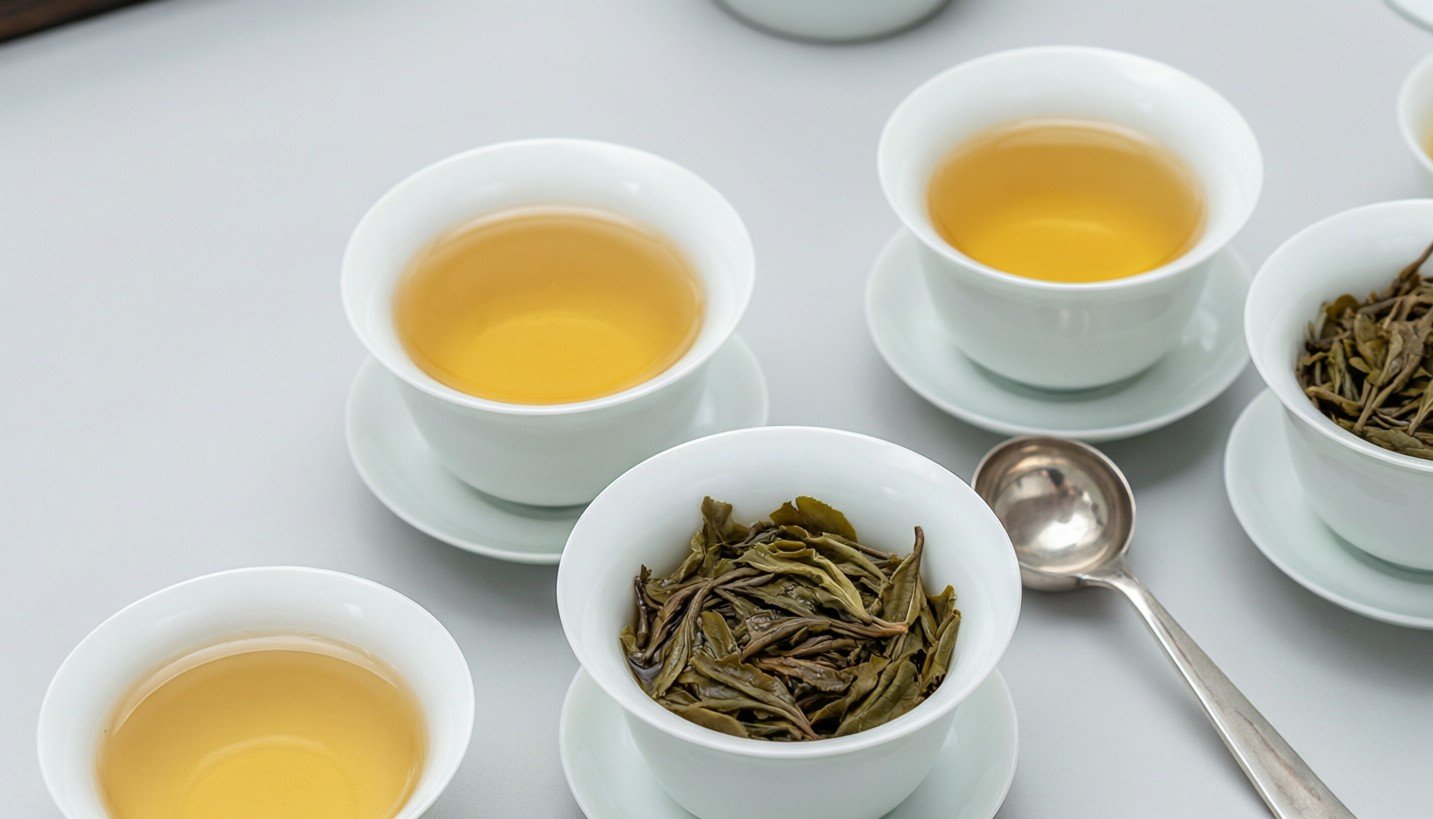
A heavily tippy tea can still be dull if the leaves are stale, over-dried, or made from low-elevation plants. Some lower-grade Bailin Gongfu is blended with tip-forward material to look better in a photo than it cups. The safest check is to smell the dry leaf, inspect the liquor, and brew the tea next to a known sample. A clean honey-malt cup should remain smooth even with a slightly longer steep.
How to Buy Bailin Gongfu Tea with Confidence
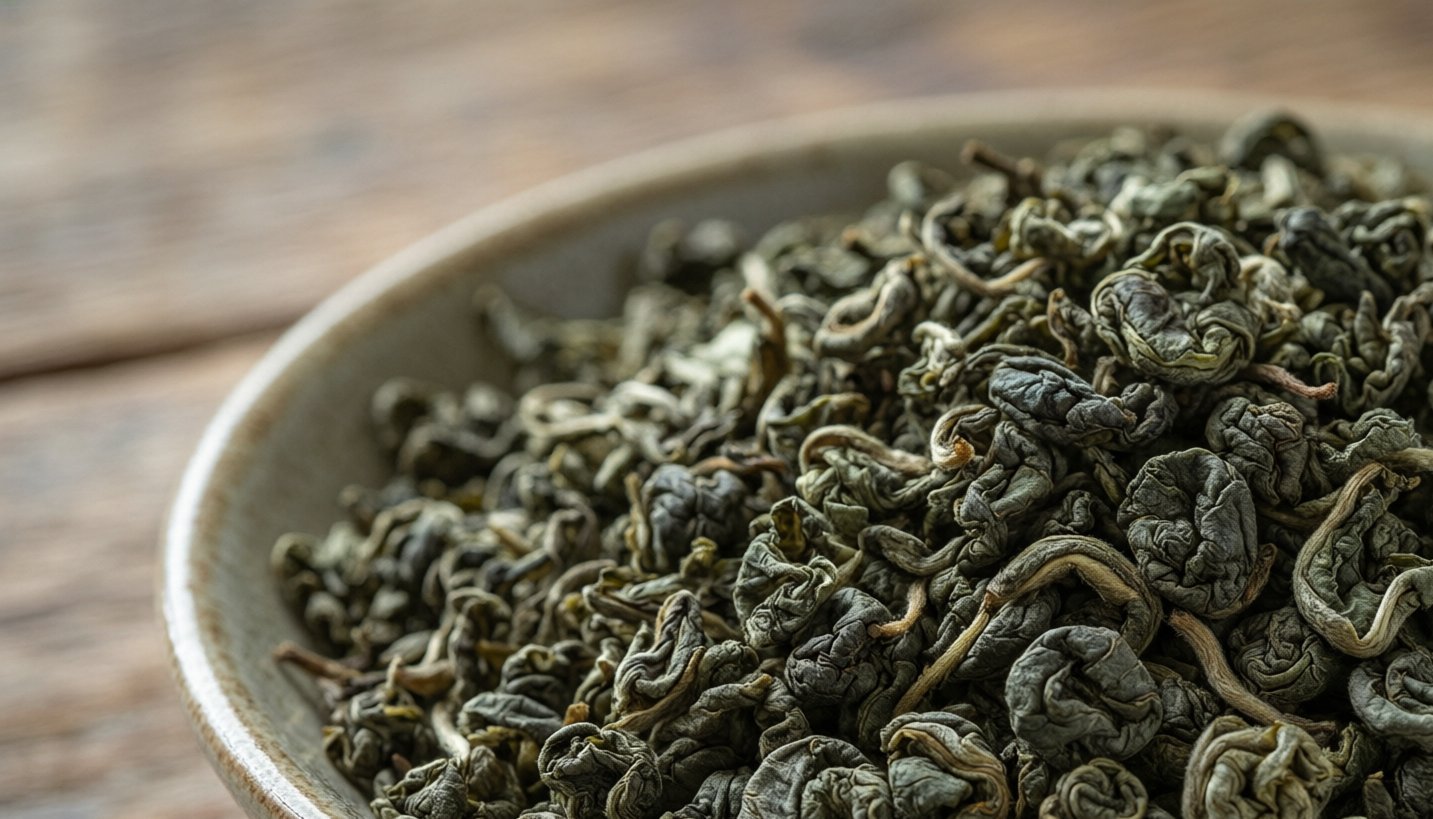
When sourcing, ask for the cultivar or leaf grade, harvest season, and whether the lot is single-origin or blended. Request a photo of the dry leaf and a brewed liquor in natural light. If possible, get a small cupping sample before committing to a large order.
A sound Bailin Gongfu lot should have a clean dry-leaf aroma, visible golden tips without a flat artificial orange color, a bright red-orange cup, and a creamy sweet finish without sourness or stale cardboard notes. Compare it against another Bailin Gongfu or a Tanyang Gongfu to separate genuine sweetness from astringency. For larger orders, confirm moisture content and packaging date before shipment.
Sourcing Bailin Gongfu Tea
If you are sourcing Bailin Gongfu for a tea program or wholesale order, tell us the leaf grade, tip ratio, harvest season, lot size, and target price. Email 427728483@qq.com and we can match that brief against available Fujian black tea lots.
FAQ
Is Bailin Gongfu the same as Tanyang Gongfu?
No. Both are famous Minhong Gongfu black teas, but Bailin Gongfu comes mainly from Fuding and is usually sweeter, softer, and more tippy. Tanyang Gongfu comes from Fu'an and tends to be more floral, aromatic, and lively.
Does Bailin Gongfu taste smoky?
Most Bailin Gongfu is not smoked. If a lot has a strong pine-smoke note, it may be intentionally blended with a smoked tea or mislabeled. Traditional Bailin Gongfu should taste honeyed and malty with little to no smoke.
What should I look for in good Bailin Gongfu?
Look for a clean dry-leaf aroma, visible golden tips without an unnatural uniform orange color, a bright red-orange liquor, and a creamy sweet finish without sourness or stale cardboard notes. The brewed cup should feel soft even at a three-minute steep.
How is Bailin Gongfu different from Bailin white tea?
Bailin white tea is lightly processed and often made from the same or similar Fuding Dabai material, but the leaves are withered and dried without deliberate oxidation. Bailin Gongfu is fully oxidized into black tea, which turns the soft sweetness darker and maltier. White tea tastes more fresh, hay-like, and gently floral.
No author description available.

白玉京