Mansong Pu-erh Brands Compared: A Buyer’s Decision Guide
Mansong Pu-erh brands are not all selling the same tea, even when the wrapper uses the same village name. Mansong is a small area inside the Yiwu mountain range, and its better lots are scarce, expensive, and frequently imitated. A useful comparison therefore starts with what the seller can prove: the specific growing area, harvest season, tree type, storage history, and the lot that will actually ship. Price and brand reputation are useful signals, but they do not replace that evidence.
What Makes Mansong Pu-erh Different From Other Yiwu Teas
Mansong sits among the forested high-elevation areas in the Yiwu mountains. Tea from this zone is often associated with a soft, thick body, a sweet aftertaste, and a floral or honeyed edge rather than the more aggressive bitterness found in some neighboring pu-erh areas. The impression changes with harvest, tree age, and storage, so no single tasting note is a reliable authenticity test. Scarcity is the more consistent factor: the core growing area is small, and demand from collectors and domestic buyers keeps well-documented lots at a premium.
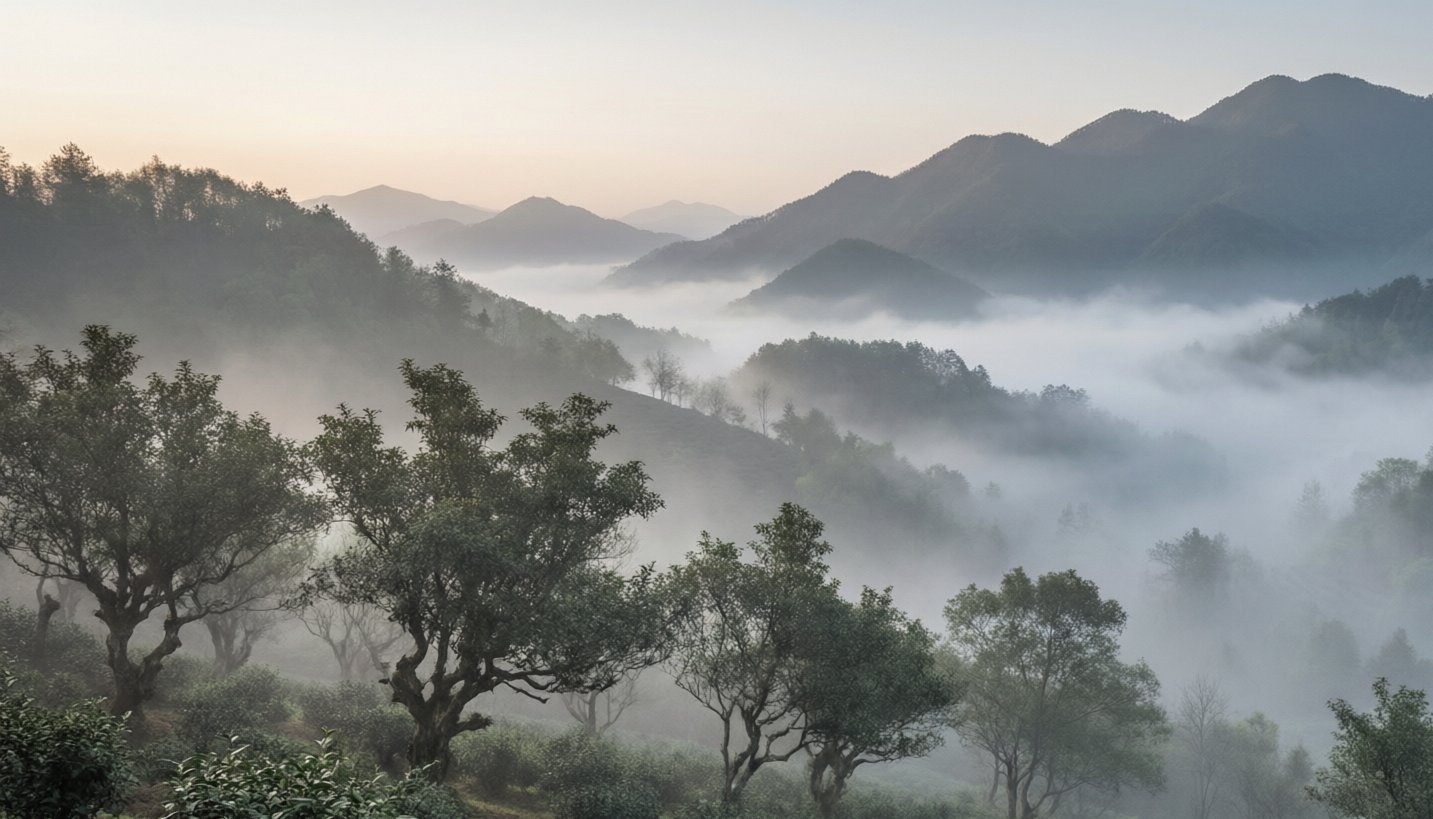
That combination matters for brand comparison because a seller can use the Mansong name to mean a single family's garden, a village blend, or a broad Yiwu-area product. When two lots carry the same name but sit far apart in price, the explanation is usually in those details rather than in the leaf quality alone.
How to Check a Mansong Pu-erh Label and Origin Claim
Start with the lot information, not the front wrapper. A useful offer should name the village or micro-area, the harvest season, the tree type or age category, the pressing date, and the storage location. The more specific the offer, the easier it is to verify against the sample. A generic label that only says Mansong, or Yiwu, does not confirm origin. In practice, some producers and vendors use the name for blends that include only a small share of Mansong material.
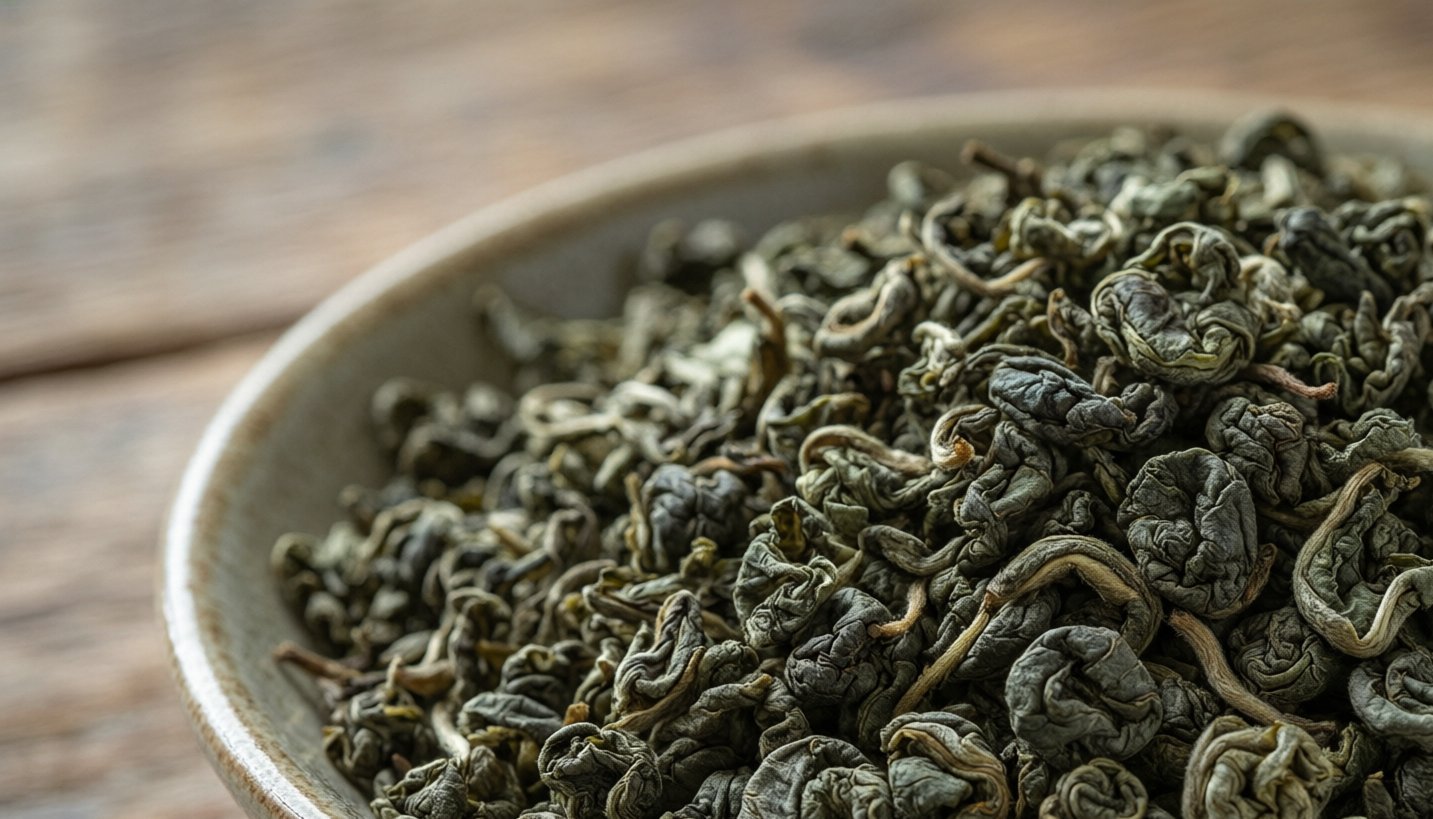
Dry leaf can give clues, but not proof. Mansong lots are often twisted and relatively whole, with visible buds in spring material. However, pressing and storage can change appearance enough that leaf shape alone should not decide the purchase.
Where the Main Types of Mansong Pu-erh Sellers Differ
Buyers usually meet four kinds of sellers, and each has a different strength and a different risk to check.
| Seller type | Typical strength | Main risk to check | Best fit |
|---|---|---|---|
| Village or farmer direct | Close to origin, detailed lot story | Processing variation and export paperwork | Experienced buyers with tasting access |
| Factory brand | Consistent pressing and packaging | Mansong content may be blended or limited | Retail, gifting, reliable reorders |
| Private label and aging specialist | Curated storage and vintage range | Markup; need proof of original material | Collectors and long-term stockists |
| Auction or collector resale | Documentation and provenance | Counterfeit risk and price swings | Buyers who can verify documents |
These categories overlap. A factory brand may press a village-sourced lot, and a private seller may handle factory-pressed cakes. The useful comparison is not the seller category but the evidence behind the specific lot.
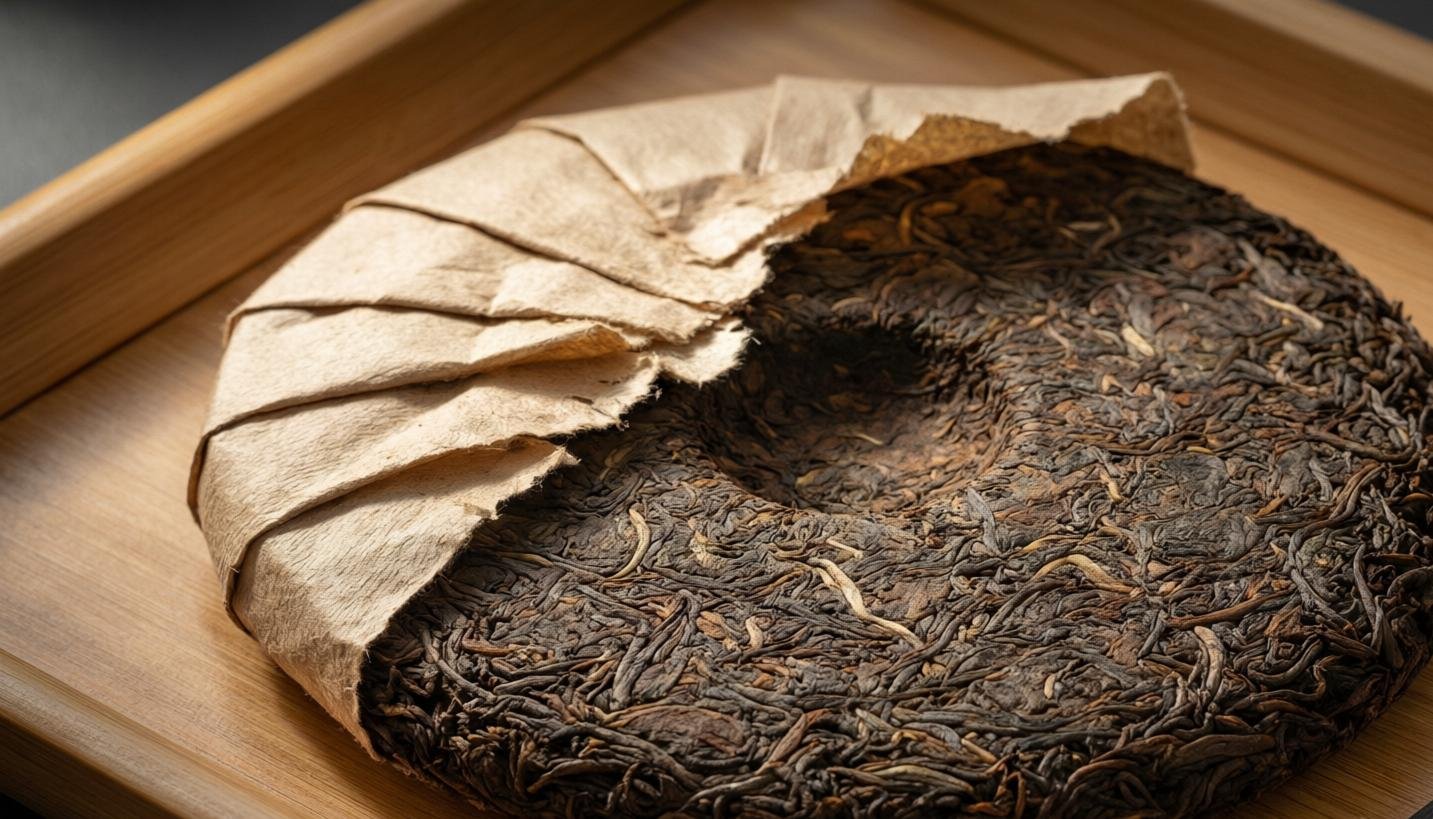
What to Verify Before You Choose a Supplier
Request a sample from the same lot that will ship, not a separate display sample. Taste it side by side with a comparable Yiwu tea so the differences have a reference point.
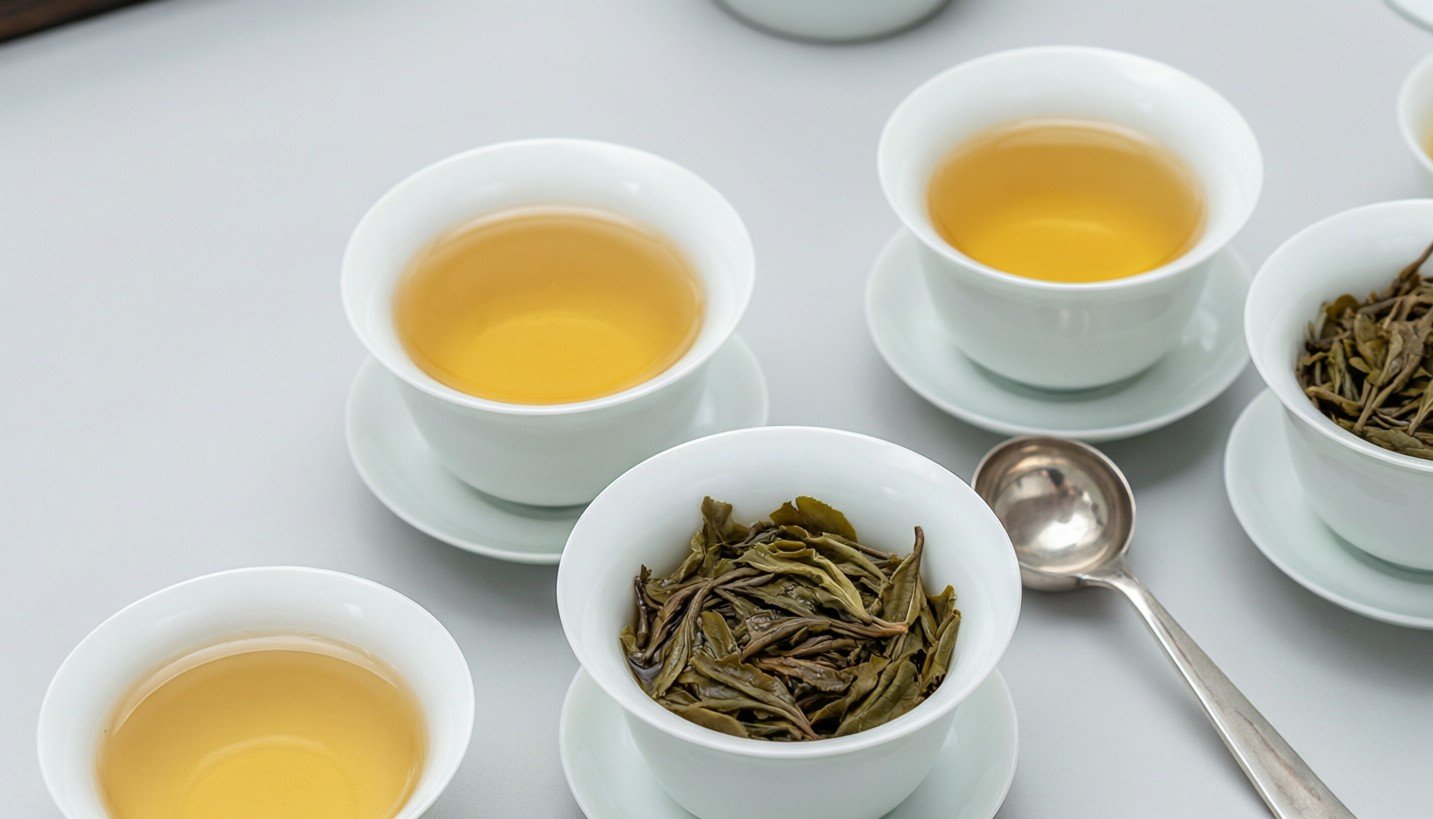
Ask for the production lot number if one exists, and for storage notes covering location, temperature, and humidity practices. For larger orders, confirm whether the supplier can separate the exact lot or whether the price is for a similar replacement. A low price is not a problem if the seller can show why it is low, for example a later harvest, younger trees, or a blend.
How to Compare Price, Age, and Storage Value
Mansong Pu-erh is typically priced above many other Yiwu teas, but price alone does not rank quality or age. Compare offers by the same unit, preferably price per gram or per cake at the same net weight, and include freight, insurance, and any import costs.
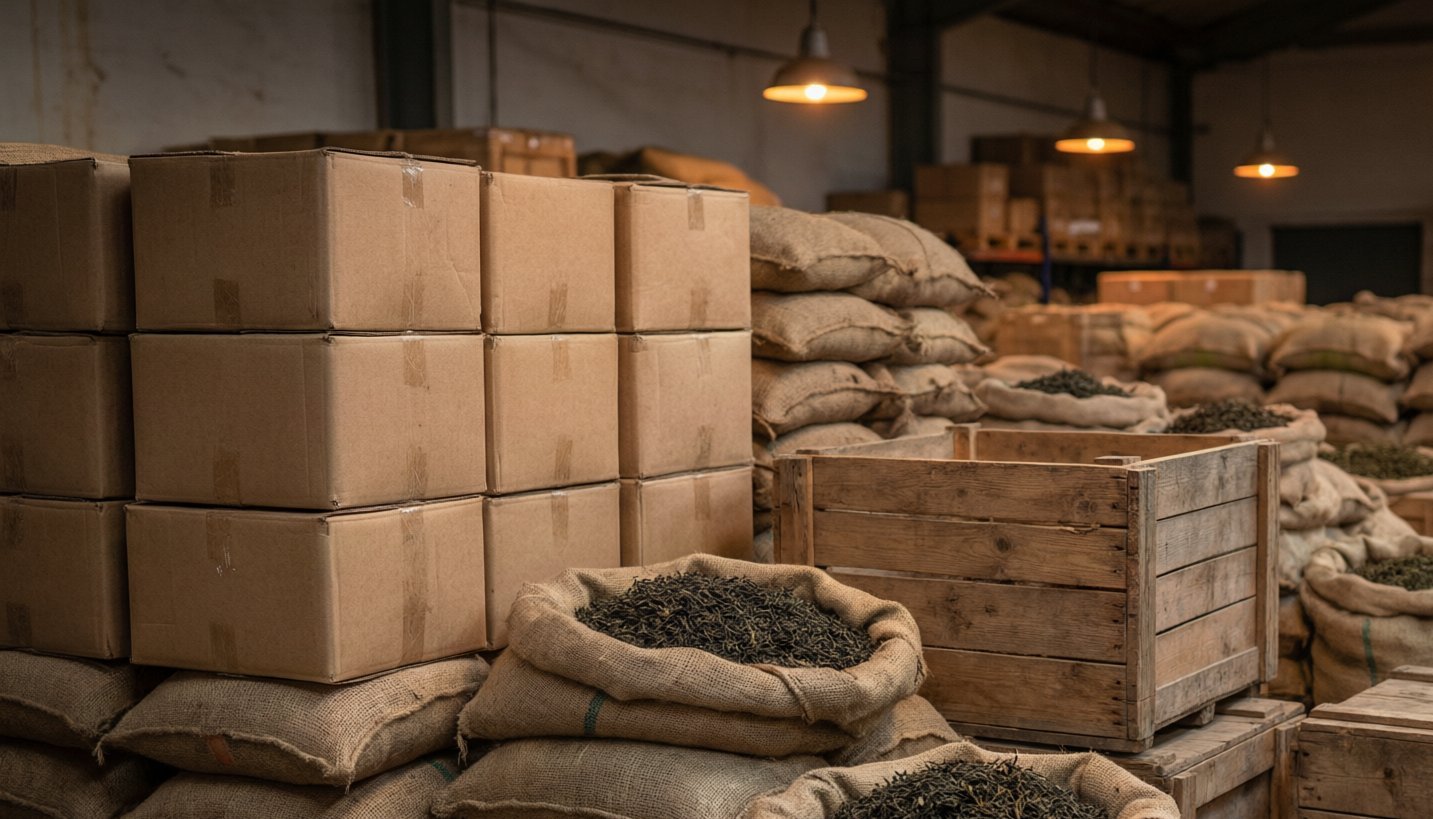
Value comes from whether the age and storage match your intended use. A clean dry-stored cake may be better for immediate drinking, while a more humid-stored cake may need time to settle. Very old Mansong claims deserve extra scrutiny, because the documentation should be just as convincing as the tea.
Sourcing Mansong Pu-erh With a Clear Specification
Compare suppliers on the same lot-level evidence, not on wrapper design or brand story. Before you commit, prepare a short specification: origin area, harvest season, tree type, cake weight, vintage, storage history, and target volume. If you want a second opinion on a current offer, send those details to Chinese tea suppliers at 427728483@qq.com with your preferred budget range. A clear specification makes it easier to negotiate and to hold the received tea to the agreed standard.
FAQ
Is Mansong always superior to other Yiwu pu-erh?
Not necessarily. Mansong has a strong reputation for soft, sweet, full-bodied tea, but a particular lot may be young, poorly stored, or blended. Other Yiwu areas can produce excellent tea at lower prices. Compare the actual sample and lot details rather than assuming the name wins by default.
Does a higher price mean a Mansong Pu-erh is authentic?
No. Price often reflects scarcity, tree age, harvest, and storage, but a seller can still overstate origin. High price without lot-level evidence is a risk, not a guarantee. Ask for the same specifics you would request at a lower price: micro-area, tree type, harvest, pressing, and storage.
Can a new buyer source Mansong Pu-erh safely?
Yes, if the first order is small. Buy samples from two or three suppliers, taste them blind against a known Yiwu tea, and keep notes. Use the sample that passed as the reference for the production lot. This slows the process but reduces the chance of buying an expensive label instead of the tea.
Should you always seek gushu Mansong?
Not for every use. Old-tree material is often more concentrated and expensive, but younger tree or blended lots can be clean, pleasant, and better suited to daily drinking or a lower price point. Decide whether you are buying to drink soon, to retail, or to age, then match the tree age and storage to that job.
No author description available.

白玉京