How to Brew Laoshan Tea: Water, Ratio, and Timing That Work
Laoshan tea is not a single brewing formula. The term usually refers to Laoshan green tea from the Laoshan area in Shandong, a pan-fired green with dense leaves and a soft mineral character, but Laoshan black tea is also common. The right method starts with identifying which type is in front of you. For the green style, lower water temperature and a short first steep preserve sweetness and keep bitterness low. For the black style, hotter water opens the malt and honey notes. Once type, water, ratio, vessel, and timing are aligned, the tea becomes repeatable instead of occasionally good.
Why Laoshan Tea Benefits from Careful Brewing
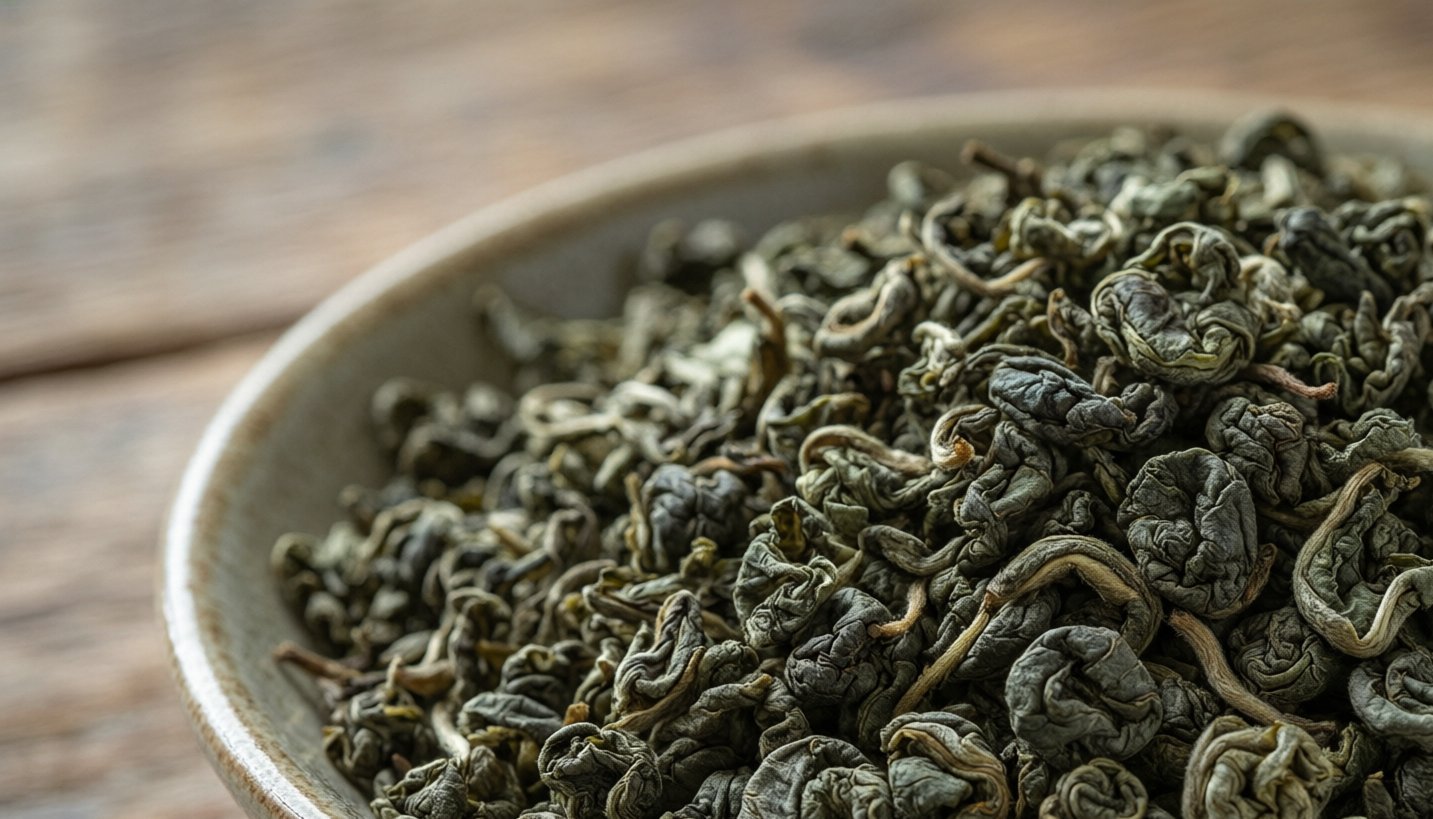
The leaves are often compact, so they release flavor gradually rather than all at once. The flavor you are protecting is the roasted chestnut or cooked corn sweetness that sits under the fresh vegetal note. If the water is too hot, that sweetness is overwhelmed by bitter catechins and the cup turns harsh. If the water is too cool, the leaf opens slowly and the first infusion tastes thin. Treat the first steep as a test of the leaf rather than the finished cup.
Choose the Right Water Temperature
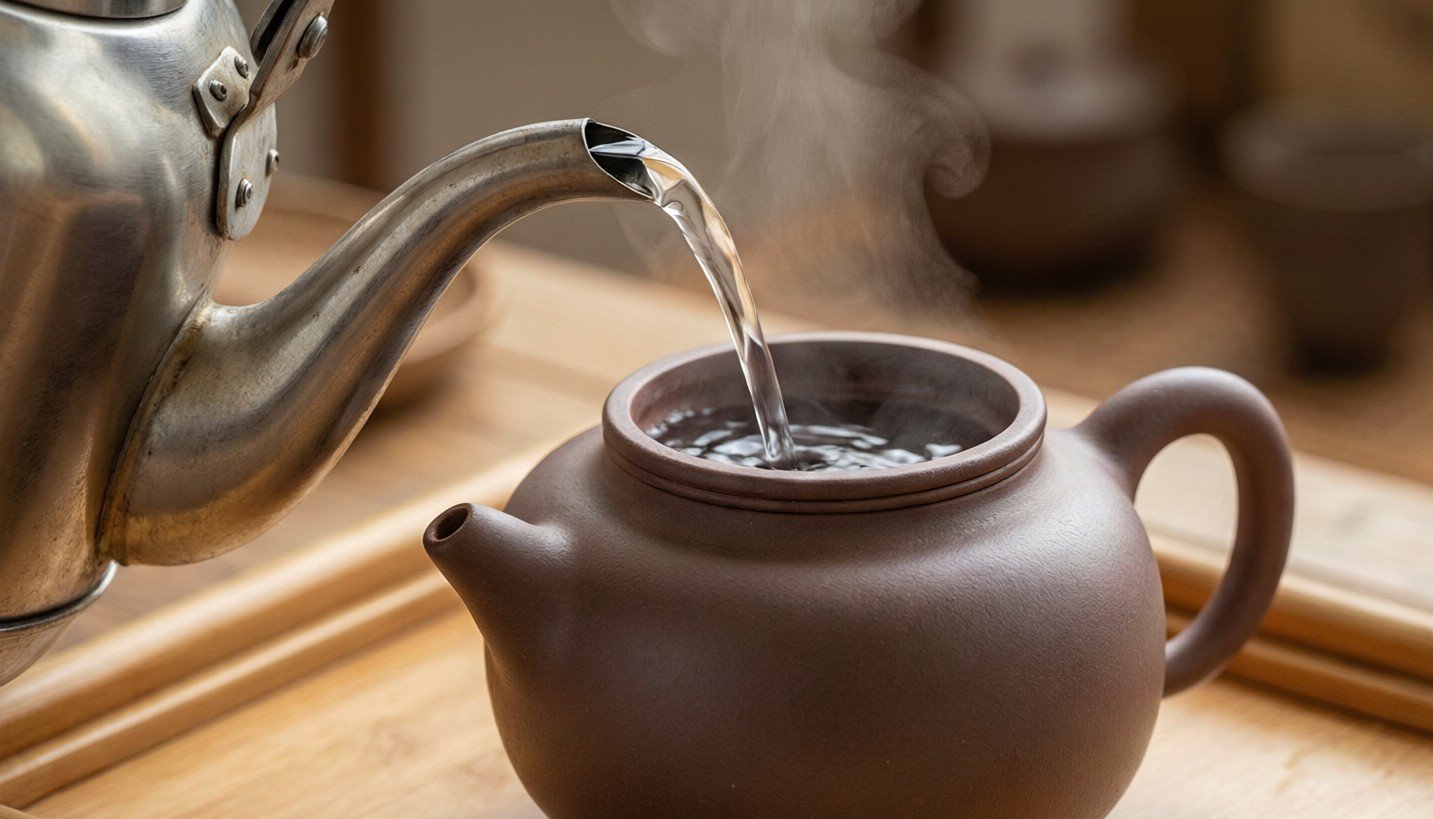
Use filtered or spring water if your tap water is hard or strongly chlorinated. Laoshan green tea generally starts well at 80°C (176°F). For early spring lots with many buds, drop to 75°C (167°F). Laoshan black tea performs better at 90 to 95°C (194 to 203°F). If you do not have a thermometer, bring the water to a boil and let it rest. For green tea, pour the boiled water into a cool pitcher or wait roughly two to three minutes before brewing. For black tea, rest it only 30 to 60 seconds. The exact wait depends on your kettle and room temperature, so use the first infusion as your check.
| Style | Starting water temperature | First steep | Notes |
|---|---|---|---|
| Laoshan green tea | 80°C (176°F) | 20 to 30 seconds | Add 5 to 10 seconds per refill |
| Early spring Laoshan green tea | 75°C (167°F) | 20 seconds | Keep the pour gentle |
| Laoshan black tea | 90 to 95°C (194 to 203°F) | 15 to 25 seconds | Can take a quick rinse |
Set the Leaf to Water Ratio
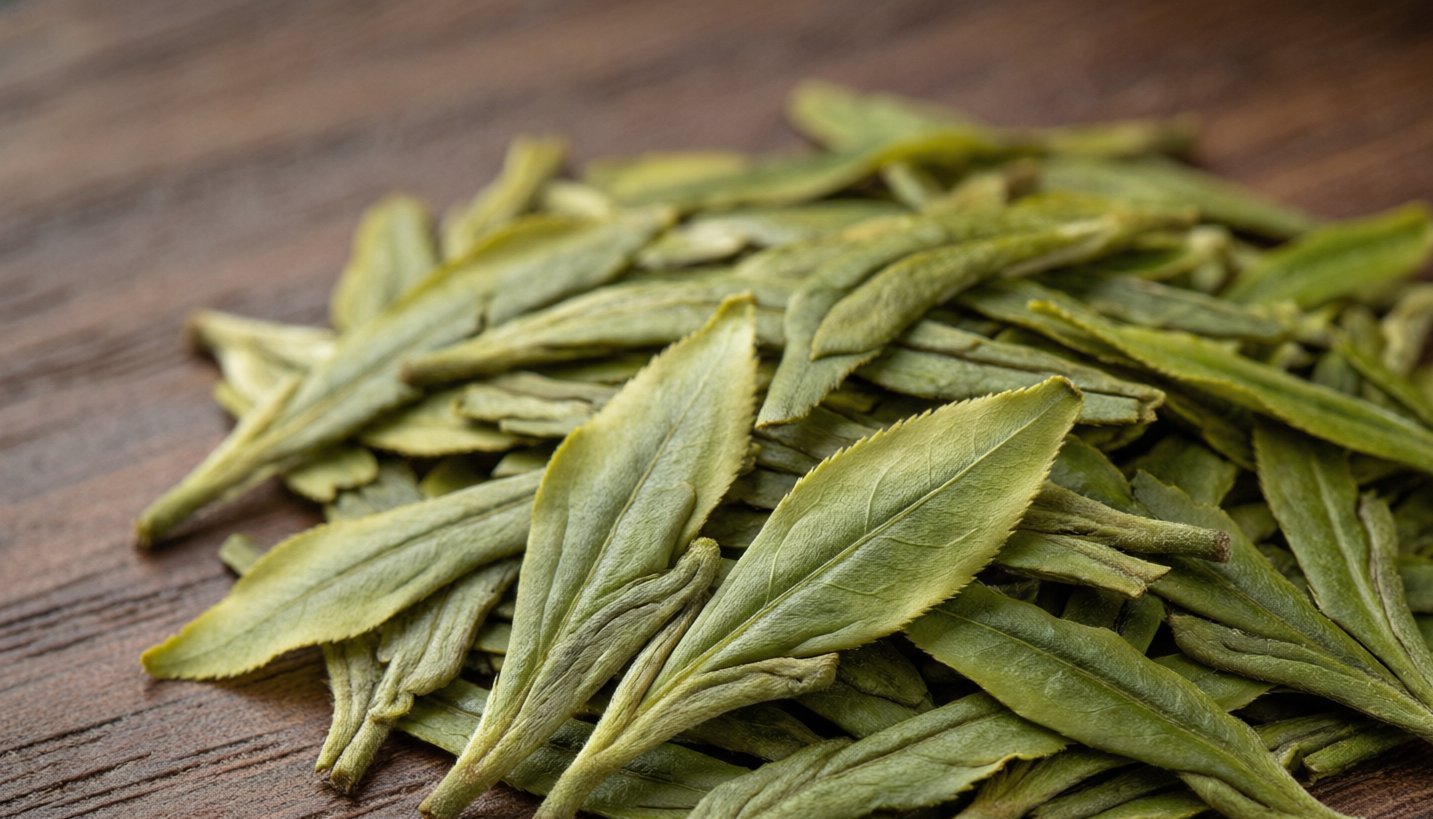
A reliable starting ratio is 3 grams of leaf for every 150 milliliters of water. For a 300 milliliter mug, use about 5 to 6 grams. If the tea is tightly rolled or very dense, use a little less. If it is fluffy, use a little more by volume. A scale removes the guesswork because a spoon measurement changes with leaf shape. Increase the ratio only after you taste the cup. More leaf gives more body but also more bitterness if the steep is too long.
Match the Vessel to the Style
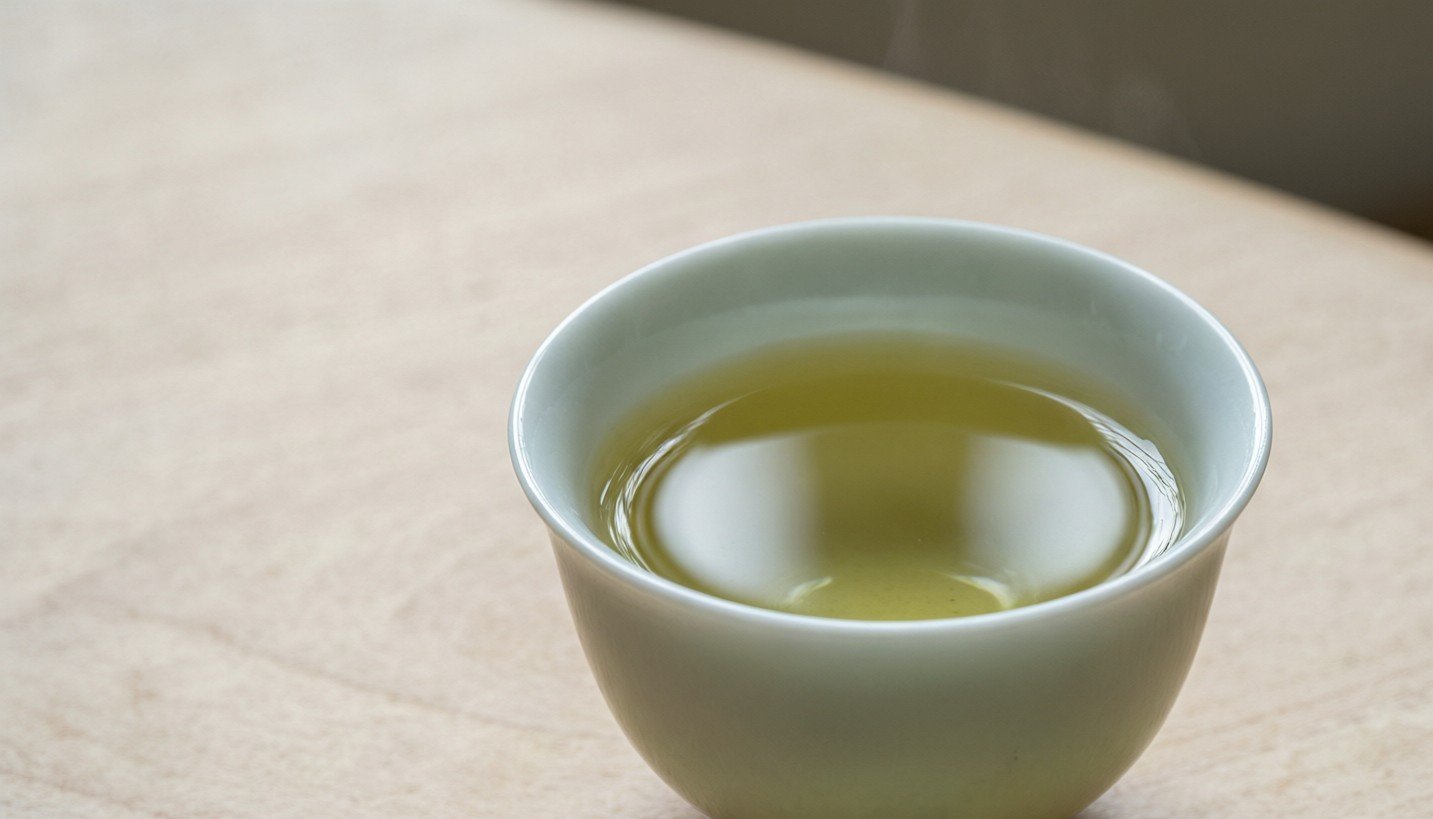
Glass or porcelain works well for Laoshan green tea because it lets the leaves move and makes the liquor color easy to read. A small gaiwan is ideal for short repeated infusions. A teapot is fine when you are serving several people, but remove or strain the water after the target time if you cannot pour the whole pot quickly. Avoid leaving the leaves sitting in water between infusions. Pour the tea out fully and leave the lid off between rounds.
Follow a Simple Brewing Sequence
- Warm the vessel with hot water, then pour it out.
- Add the measured leaf to the warm vessel.
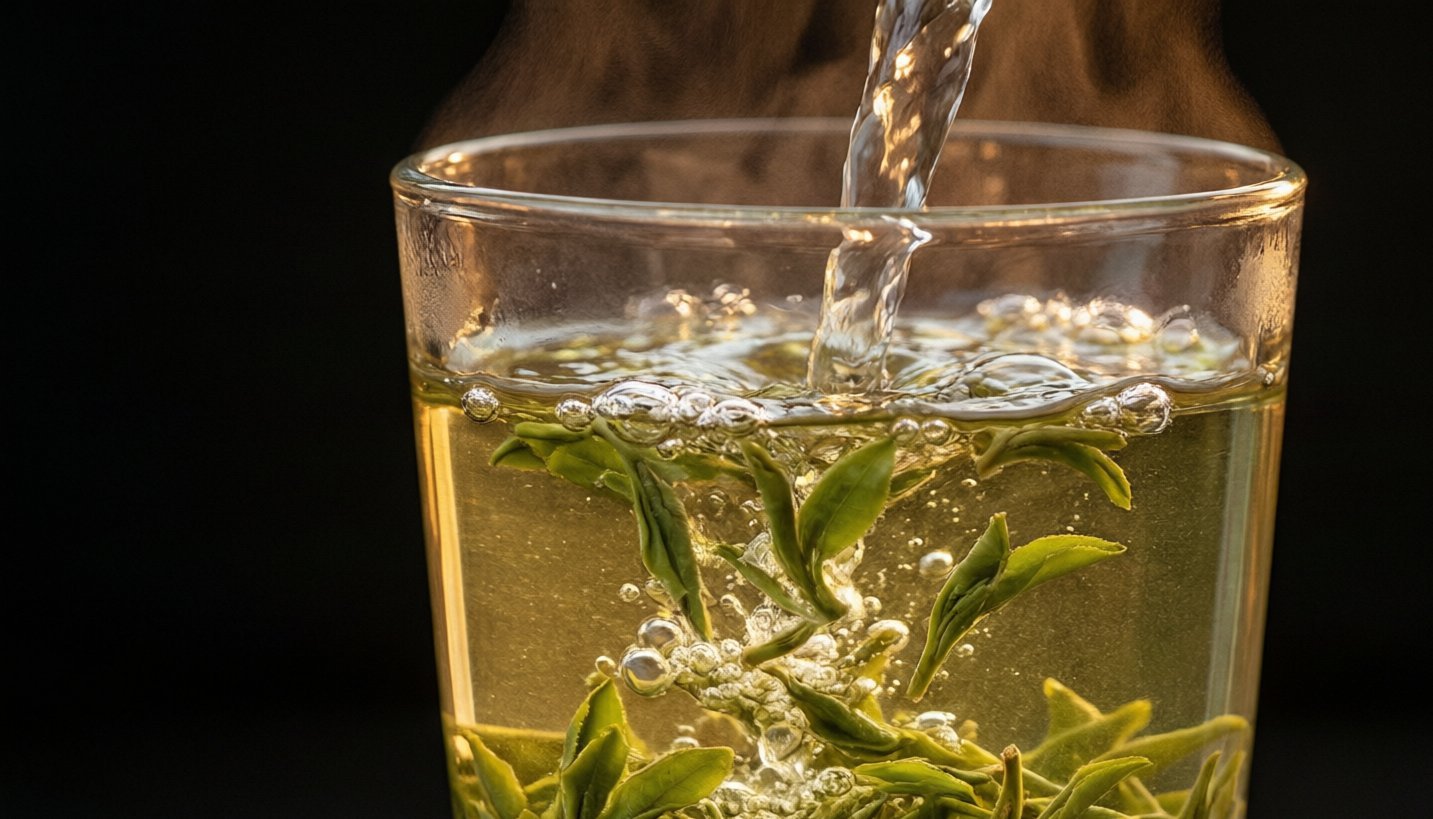
- For green tea, pour water in a steady, even circle rather than directly onto one spot. For black tea, the same even pour works well.
- Start with the shortest time in the table and pour the tea out completely.
- Taste. If the cup is too light, add 5 to 10 seconds on the next infusion instead of adding more leaf. If the cup is too sharp or drying, shorten the next infusion or lower the temperature by 2 to 3°C (about 5°F).
Adjust Green and Black Laoshan Tea Separately
Laoshan green and Laoshan black tea should not be treated as the same drink. Green tea gives the most useful result with moderate heat and a gentle first steep. Black tea can take hotter water and often improves with a quick rinse. The rinse is optional. If you use it, pour hot water over the leaf, swirl once, and discard the rinse within a few seconds. For green tea, skip the rinse because the first infusion carries much of the early sweetness. Re-steep the green tea three or four times, adding time slowly. Re-steep the black tea two or three times, using the same hot water or a slightly cooler second pour if the first cup was strong.
Avoid the Mistakes That Flatten the Flavor
Bitterness in Laoshan green tea usually comes from water that is too hot, a first steep that is too long, or too much leaf. Fix the steep time first, then the temperature, then the dose. Another mistake is pouring the next infusion before the vessel has drained. That makes the leaves stew and produces a flat, overcooked taste. Keeping the leaves dry between sessions matters more than water temperature once the first cup is right. Finally, do not judge the tea from the first second of the first sip. Let the cup cool slightly and taste again before changing a variable.
Get More from Your Laoshan Tea
Start with one controlled variable: brew the same tea twice, changing only the temperature or the steep time, and compare the cups side by side. When you need help matching a specific Laoshan lot to your brewing program or sourcing a consistent green or black style, email 427728483@qq.com with the tea name, harvest year, and how you plan to brew it.
FAQ
How long should I steep Laoshan green tea?
Start with 20 to 30 seconds for 3 grams of leaf in 150 milliliters of water. If the cup is too light, add 5 to 10 seconds on the next attempt rather than increasing the leaf dose. Early spring Laoshan green tea may need the shorter end of that range.
Can I use boiling water for Laoshan black tea?
Yes. Laoshan black tea generally brews well at 90 to 95°C. Let the water rest for 30 to 60 seconds after a full boil, then pour. Boiling water can also work for a quick rinse, but a long first steep at full boil may make the cup astringent.
How many infusions does Laoshan tea give?
Expect three or four useful infusions from a good Laoshan green tea. A Laoshan black tea may give two or three. The first infusion is often the most aromatic, while the second can show more body for green tea.
Is a gaiwan or teapot better for Laoshan tea?
A gaiwan is easier for short repeated infusions and for controlling the pour. A teapot is fine for serving several people if you can pour it out fully. Use glass or porcelain for green tea. For black tea, porcelain or a seasoned pot can work.
Why does my Laoshan tea taste bitter?
Usually the cause is water that is too hot, a steep that is too long, or too much leaf. Change only one variable at a time: shorten the steep first, then lower the temperature by a few degrees, then reduce the dose.
No author description available.

白玉京