How to Brew Yunnan Black Tea: Temperature, Ratio and Timing
Yunnan black tea, often sold as Dianhong, is a full-bodied black tea whose sweetness and malt character depend on water temperature, leaf-to-water ratio, and steep timing. The most common brewing failure is not using too much heat, but letting the leaves sit too long at too high a leaf concentration, which pulls out a sharp, dry tannin edge. This guide gives practical parameters for tight-leaf and golden-tip batches, then explains how to adjust when a brew tastes thin or bitter. Use the same ratio, temperature, and timing sequence when comparing supplier samples so the differences you notice come from the tea, not from changing technique.
Water Temperature for Yunnan Black Tea
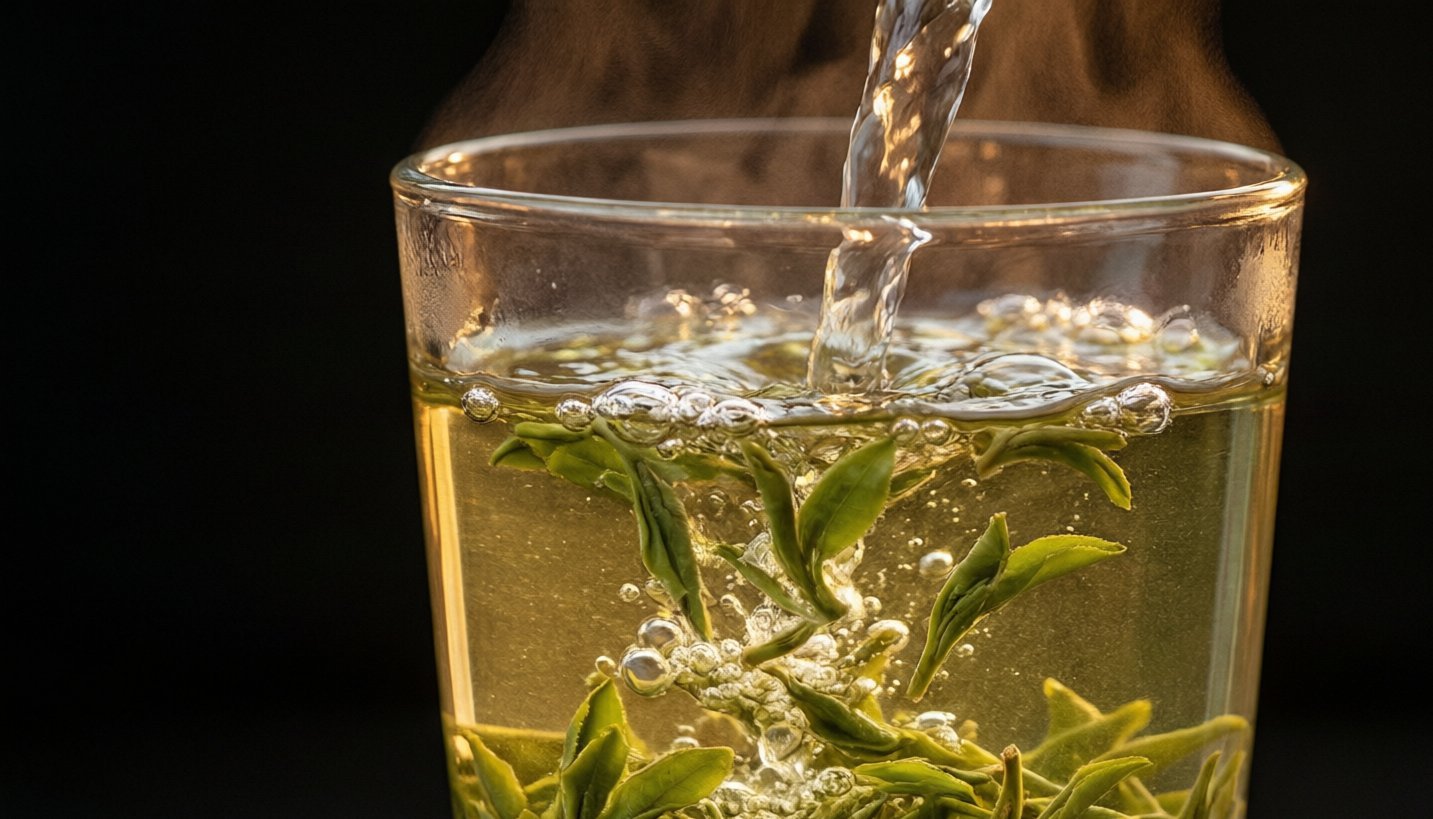
Dianhong is fully oxidized, so it can tolerate hotter water than green tea, but the best starting range is 90 to 95 degrees Celsius, or 195 to 205 degrees Fahrenheit. For dense, tippy golden-bud lots, start closer to 85 to 90 degrees Celsius to keep the honey and cocoa notes forward. For more broken or mature leaf grades, use the full 95 degrees Celsius or near-boiling water. If your water has been boiling hard and has lost dissolved oxygen, let it settle for 30 seconds before pouring. Flat-tasting infusions often come from stale or over-boiled water as much as from the tea itself.
Leaf-to-Water Ratio for Yunnan Black Tea
For gongfu brewing, use about 1 gram of leaf for every 15 to 20 milliliters of water, often 5 grams in a 100 milliliter gaiwan. This higher concentration gives short infusions enough body and lets the same leaves release several flavor layers. For Western-style brewing, use 2.5 to 3 grams per 250 milliliter mug. Any more will generate astringency before the sweetness develops. Because Yunnan black tea can be wiry or contain large golden buds, weight is more reliable than teaspoon volume. A kitchen scale removes the single largest source of inconsistent results.
| Style | Leaf-to-water ratio | First steep | Water temperature | How to adjust |
|---|---|---|---|---|
| Gongfu | 5 g per 100 ml | 5 to 10 seconds | 90 to 95 degrees Celsius | If bitter, reduce leaf or lower temperature; if weak, add leaf |
| Western | 2.5 to 3 g per 250 ml | 3 to 5 minutes | 95 degrees Celsius | If bitter, shorten time or lower temperature; if weak, add leaf |
Steep Timing and Re-Steeping
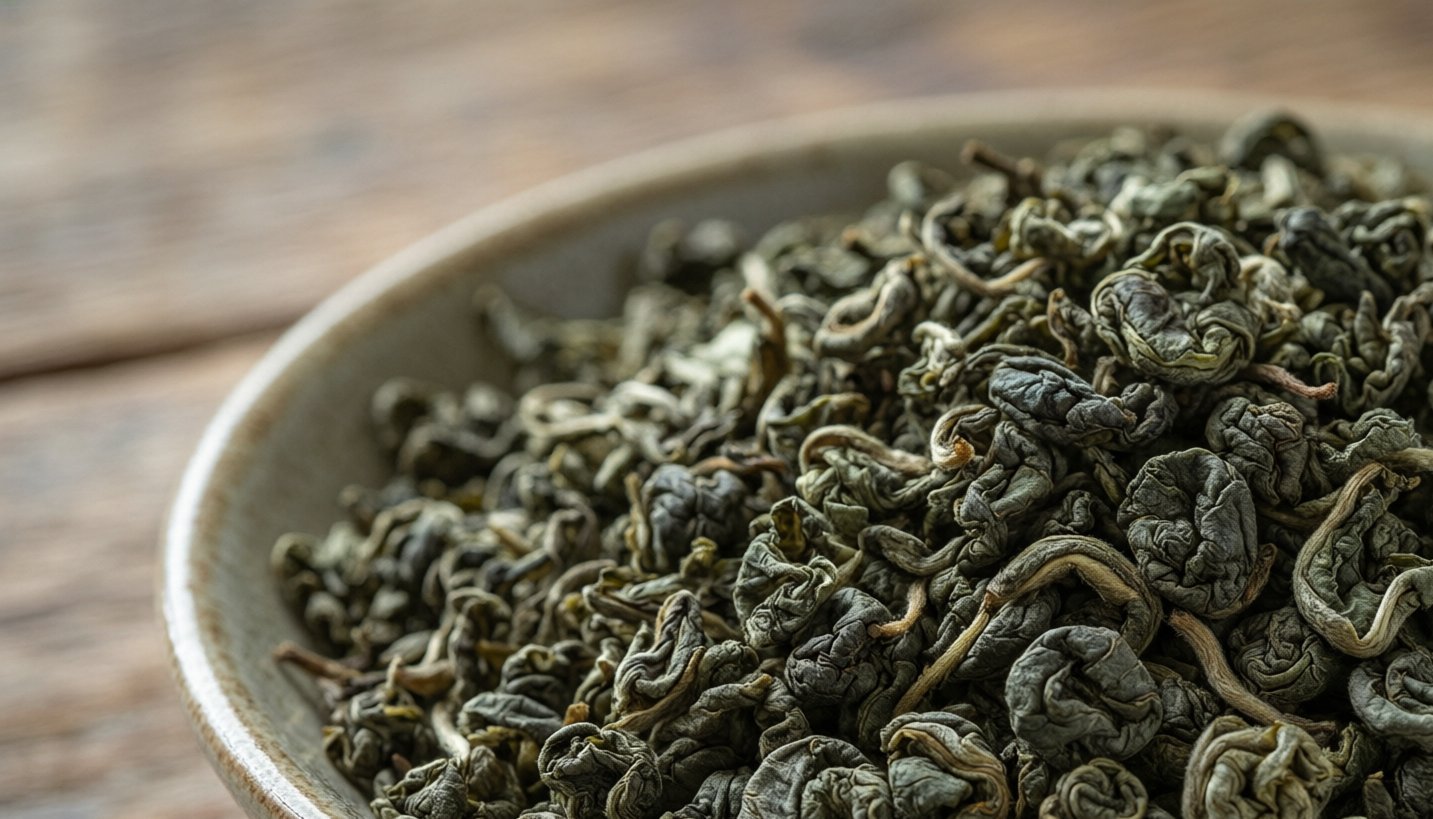
For gongfu brewing, begin with a very short first infusion of about 5 to 10 seconds and increase by 3 to 5 seconds on each following steep. The first infusion opens the leaf and removes surface dust without stripping the sweet top notes. For Western-style brewing, 3 to 5 minutes is enough for most grades; longer produces more color but not necessarily more sweetness. Yunnan black tea commonly gives four to six gongfu infusions, while Western brewing usually gives two useful infusions. Decant completely after every steep. If the leaves sit in the liquor between infusions, the next cup can become brassy and dry even if the timing looks correct.
Choosing a Brewing Vessel
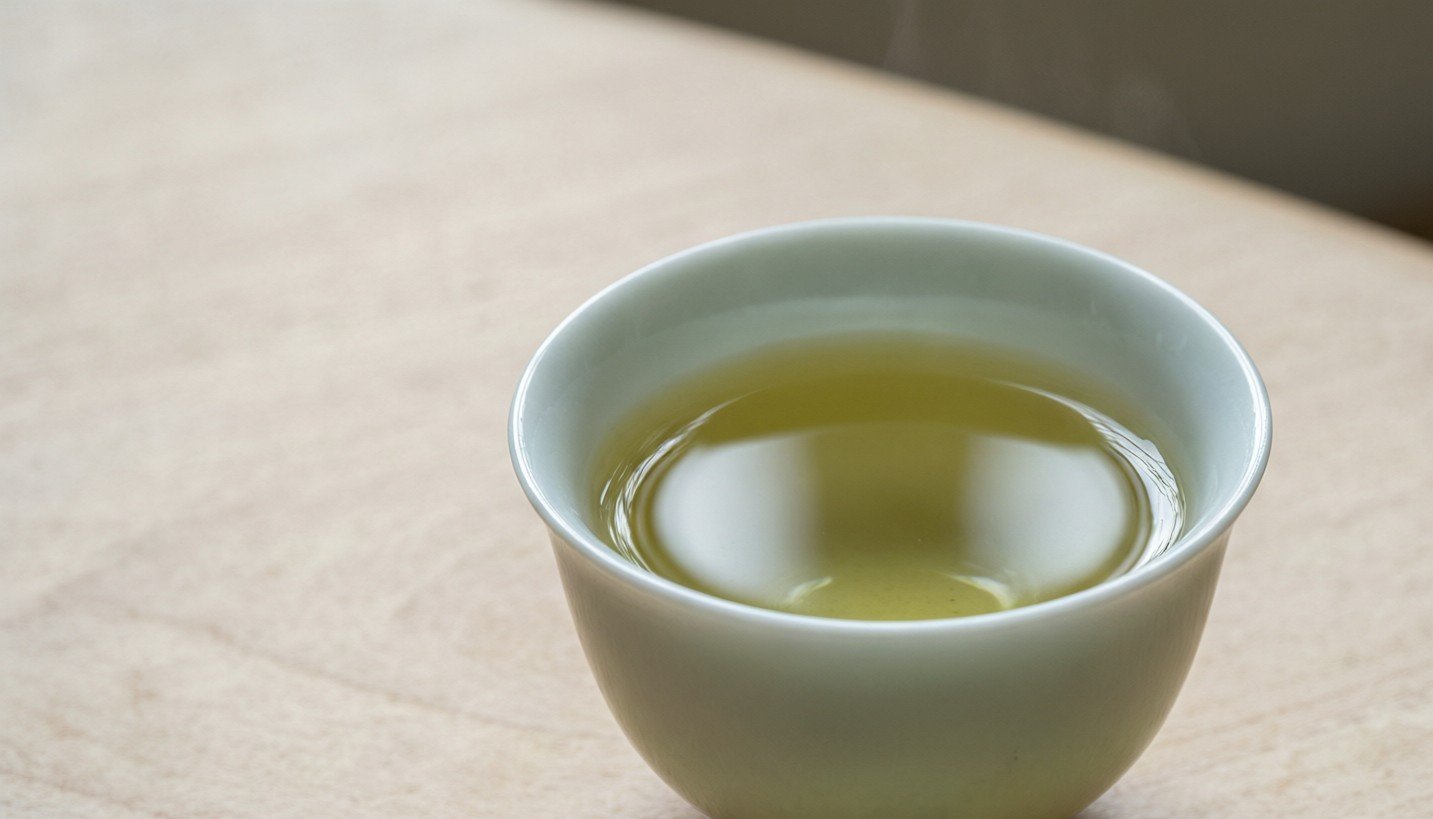
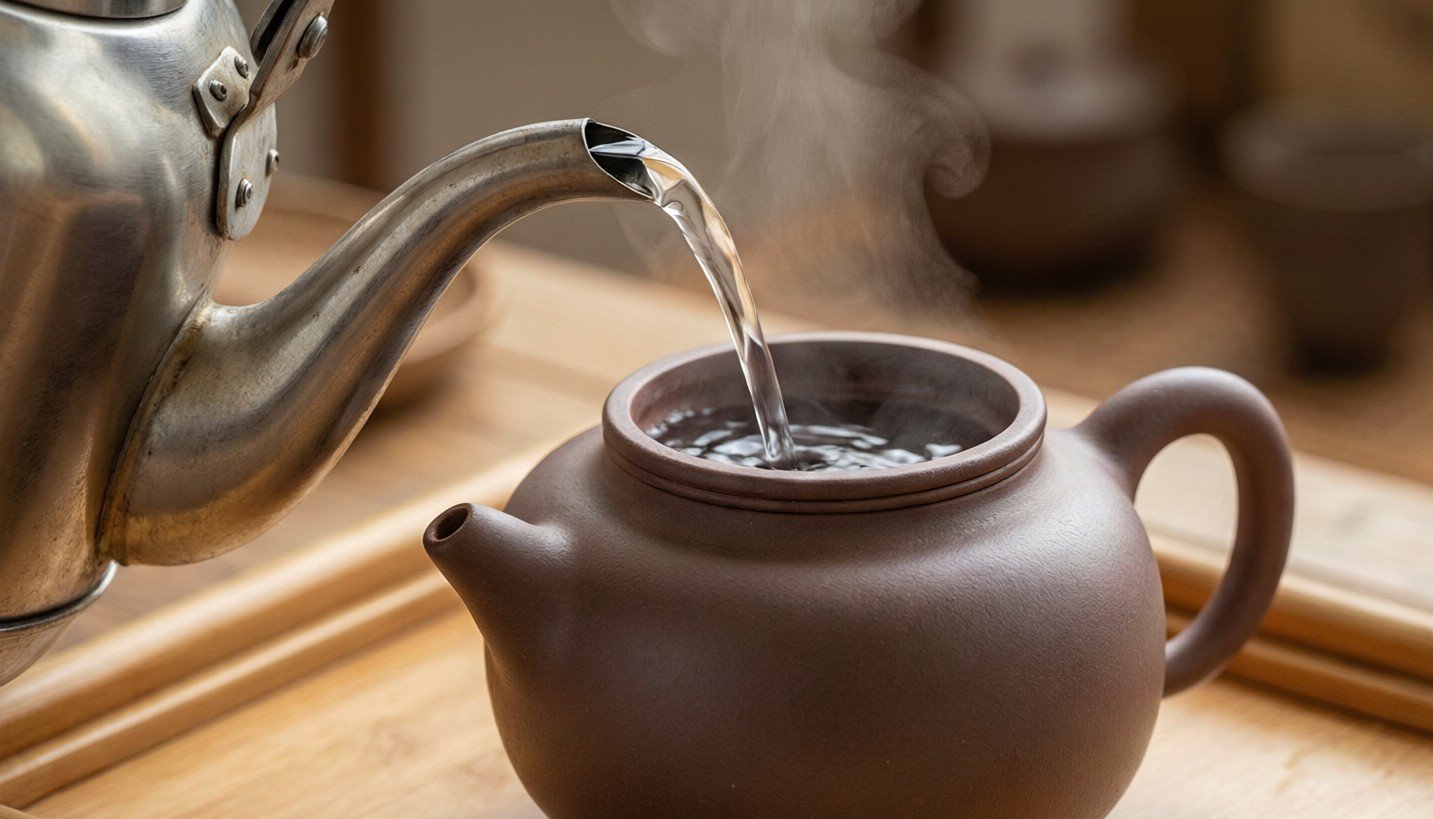
A porcelain gaiwan or porcelain teapot is the safest starting point because it does not retain heat or aroma between infusions, and it lets the golden-red liquor show clearly. A small unglazed clay pot can smooth out a rough batch, but it may also mute the floral top notes in high-grade golden-bud Dianhong. Prewarm the vessel before adding the leaves. With a small gaiwan, pour hot water over the inside and outside, then discard it. If you are brewing a broken-leaf grade in a mug, use a basket infuser with enough room for the leaves to expand; a cramped ball infuser extracts unevenly.
A Practical Yunnan Black Tea Brewing Sequence
Follow this order to make adjustments easier:
- Bring fresh water to 90 to 95 degrees Celsius, depending on leaf grade.
- Weigh the leaves and prewarm the vessel.
- Add the leaves and pour water evenly over the surface.
- Start with a 5 to 10 second gongfu infusion or a 3.5 minute Western infusion.
- Decant completely and taste.
- Adjust only one variable at a time: if bitter, shorten time, lower temperature, or reduce leaf; if thin, add leaf or extend time.
Record the parameters that work for a particular batch. A stable brewing record makes it easier to evaluate the next sample and to instruct staff or customers.

Order Yunnan Black Tea Samples for a Stable Brew
Brewing consistency starts with a defined leaf grade, plucking standard, and processing batch. Before ordering in volume, ask for the supplier's lot description, leaf grade, and harvest information, then brew the sample with the same temperature, ratio, and timing you plan to use. Send your target format, flavor profile, and monthly usage to Chinese tea suppliers at 427728483@qq.com and request a small brewing sample or a current specification sheet.
FAQ
Can I use boiling water for Yunnan black tea?
You can use near-boiling water for robust broken grades, but pour promptly and keep the first steep short. For high-grade golden-tip Dianhong, 90 to 95 degrees Celsius is safer because it preserves the honey and cocoa character. If the cup tastes sharp, lower the temperature before changing the leaf ratio.
Should I rinse Yunnan black tea?
A quick 3 to 5 second rinse with the same hot water can remove surface dust and begin opening the leaf. It is optional for clean whole-leaf grades, but useful for tightly rolled or broken material. Discard the rinse water before the first real infusion.
How many infusions can I expect?
With gongfu brewing, a good Yunnan black tea will usually give four to six infusions if you increase the time gradually. With Western brewing, expect two useful infusions. The early infusions carry more sweetness and floral notes, while later infusions become more malt and grain forward.
Does Dianhong benefit from milk or sweetener?
Broken or flat grades can handle milk, but high-grade golden-tip Dianhong is usually best plain because milk masks the cocoa and floral layers. If you add milk, brew the tea slightly stronger instead of boiling it: use a little more leaf or extend the steep by 30 to 45 seconds.
No author description available.

白玉京