What Is Bailin Gongfu Tea? A Buyer’s Guide
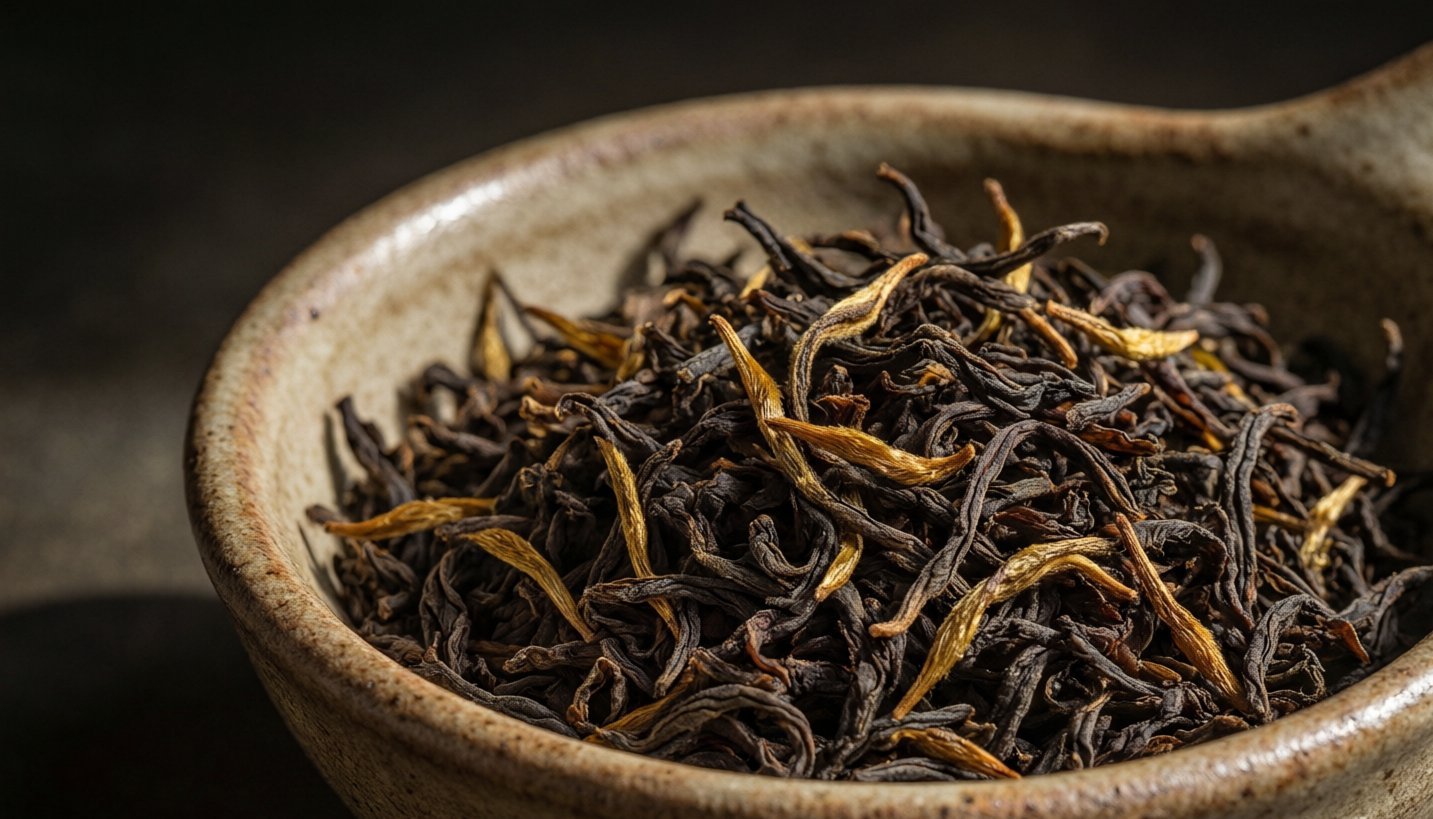
Bailin Gongfu is a traditional Fujian black tea, known in China as a red tea, produced around Bailin town in Fuding on the northeast coast of Fujian. It belongs to the Minhong Gongfu black tea family, where gongfu refers to skilled, careful workmanship rather than a brewing ceremony. In the cup, Bailin Gongfu tends to be smoother and less smoky than some other Fujian black teas, with a malty sweetness, gentle fruit notes, and a clean finish. For buyers, the practical question is not just what the name means, but which leaf material, grade, and finishing style actually match the customer or application they are buying for.
What Makes Bailin Gongfu Different From Other Fujian Black Teas
Fujian produces several famous gongfu black teas, and the names often refer to their traditional production areas. Bailin Gongfu comes from the Fuding area, while Tanyang Gongfu is associated with Fu'an and Zhenghe Gongfu with Zhenghe. All three use careful oxidation and shaping, but the local leaf material and producer habits create different cup characters.
| Characteristic | Bailin Gongfu | Tanyang Gongfu | Zhenghe Gongfu |
|---|---|---|---|
| Main origin | Bailin, Fuding | Tanyang, Fu'an | Zhenghe |
| Typical leaf material | Local Fuding tea plant varieties | Local Tanyang varieties | Zhenghe Dabai and local varieties |
| Common cup character | Smooth, malty, soft fruit, low smoke | Bright, brisk, often more aromatic and lively | Full, rounded, sometimes stronger body |
| Buyer fit | Clean everyday black tea, less aggressive profile | Aromatic retail lines and stronger fragrance | Heavier-bodied blends and classic Fujian black tea programs |
The table is a practical orientation, not a rigid quality ranking. Within each origin, grade, harvest period, and finishing decisions move the flavor more than the regional label alone.
How Bailin Gongfu Is Processed
The basic production path is similar to other Chinese black teas. Fresh leaves are withered to reduce moisture and make them pliable. Rolling or shaping breaks the leaf structure and encourages oxidation. The leaves then oxidize under controlled conditions before being dried to set the flavor and stabilize the tea for storage and shipping.
Bailin Gongfu's relatively soft, rounded profile often reflects moderate oxidation and careful drying rather than an aggressive, high-temperature roast. Producers may adjust the process by batch, so two lots labeled Bailin Gongfu can still differ in aroma, body, and color. Buyers should evaluate the actual tea rather than assuming the category name fixes the flavor.
Flavor Profile and Quality Signs Buyers Should Check
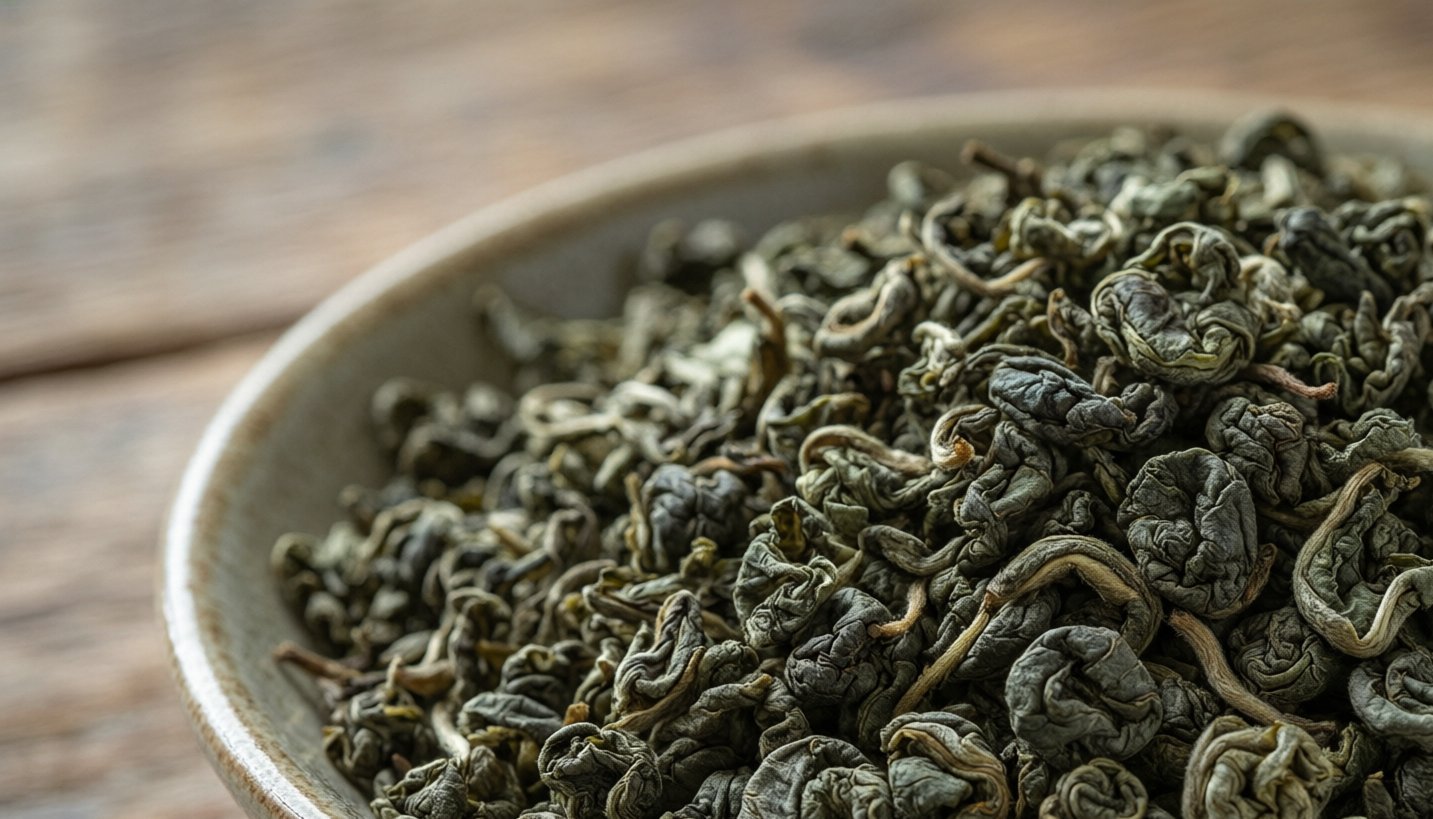
A well-made Bailin Gongfu often presents a red to amber liquor, a smooth malty entry, and a light fruit or honey note. It usually finishes clean without the heavy pine-smoke character found in some other Chinese black teas. The dry leaf tends to be tight and uniform, often with some golden tips, but the exact appearance changes by grade and plucking standard.
For sourcing, the useful checks are visible and assessable:
- Leaf uniformity: consistent size, shape, and color in the sample.
- Clean aroma: no stale, sour, moldy, or scorched notes.
- Liquor clarity: clear rather than cloudy or dull.
- Reproducibility: the pre-shipment sample should match the production lot description.
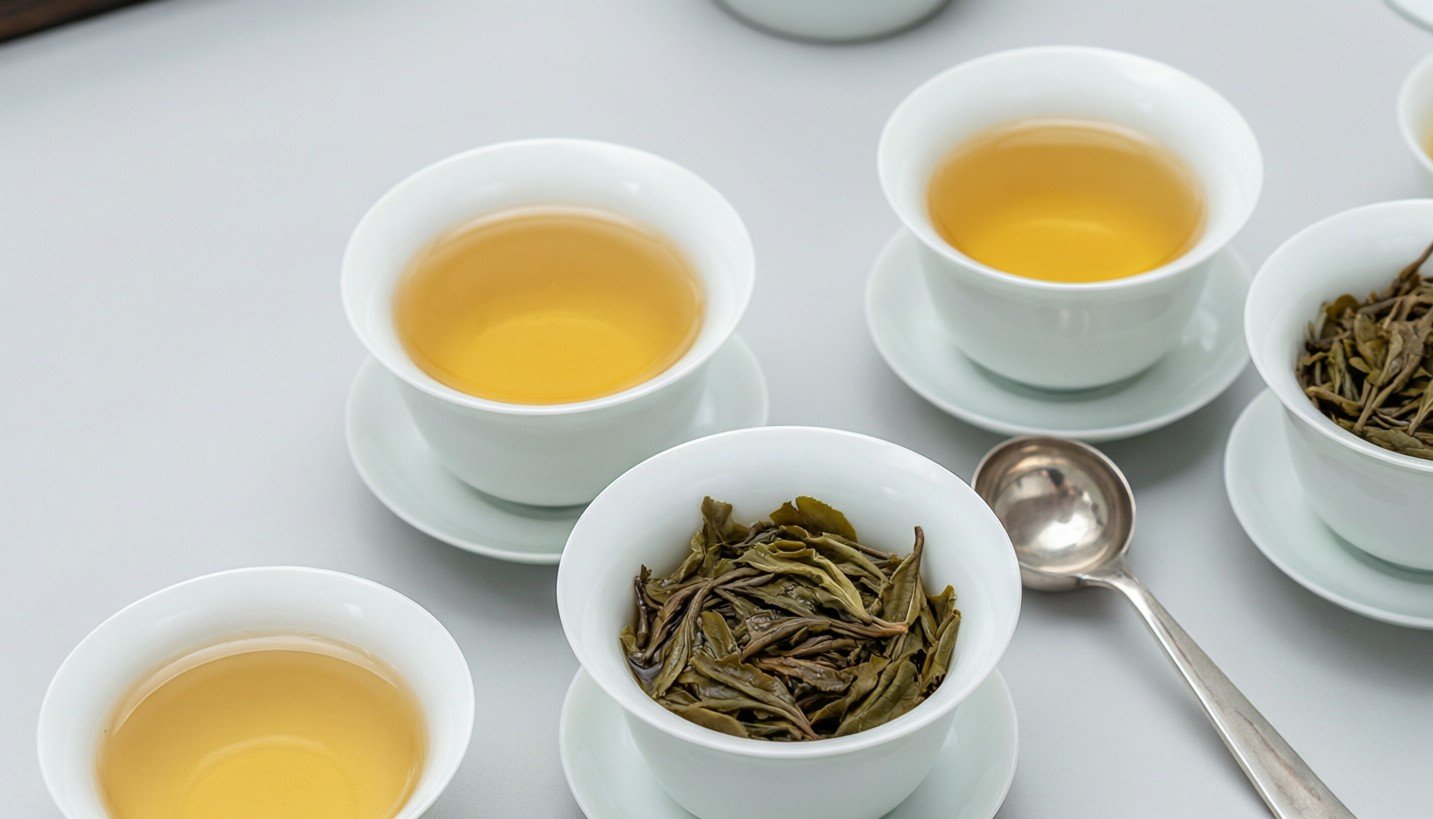
A single cupping sample can confirm the sample itself, not the whole batch. Request the lot number, production date, and confirmation that the sample was drawn from the same lot before relying on the result.
Sourcing Bailin Gongfu for Wholesale or Retail
The label Bailin Gongfu does not by itself confirm grade, leaf cultivar, harvest season, or processing quality. When selecting a supplier, ask for the production area, leaf grade, harvest period, finishing style, and available packaging formats. A clear answer to those questions helps separate a defined product from a generic label.
For private label and retail programs, also define the target cup profile. A smoother, softer Bailin Gongfu may work well as an approachable everyday black tea, while a lot with more tip content may support a premium presentation. Match the tea to the final use instead of buying only by name.
How to Brew Bailin Gongfu Successfully
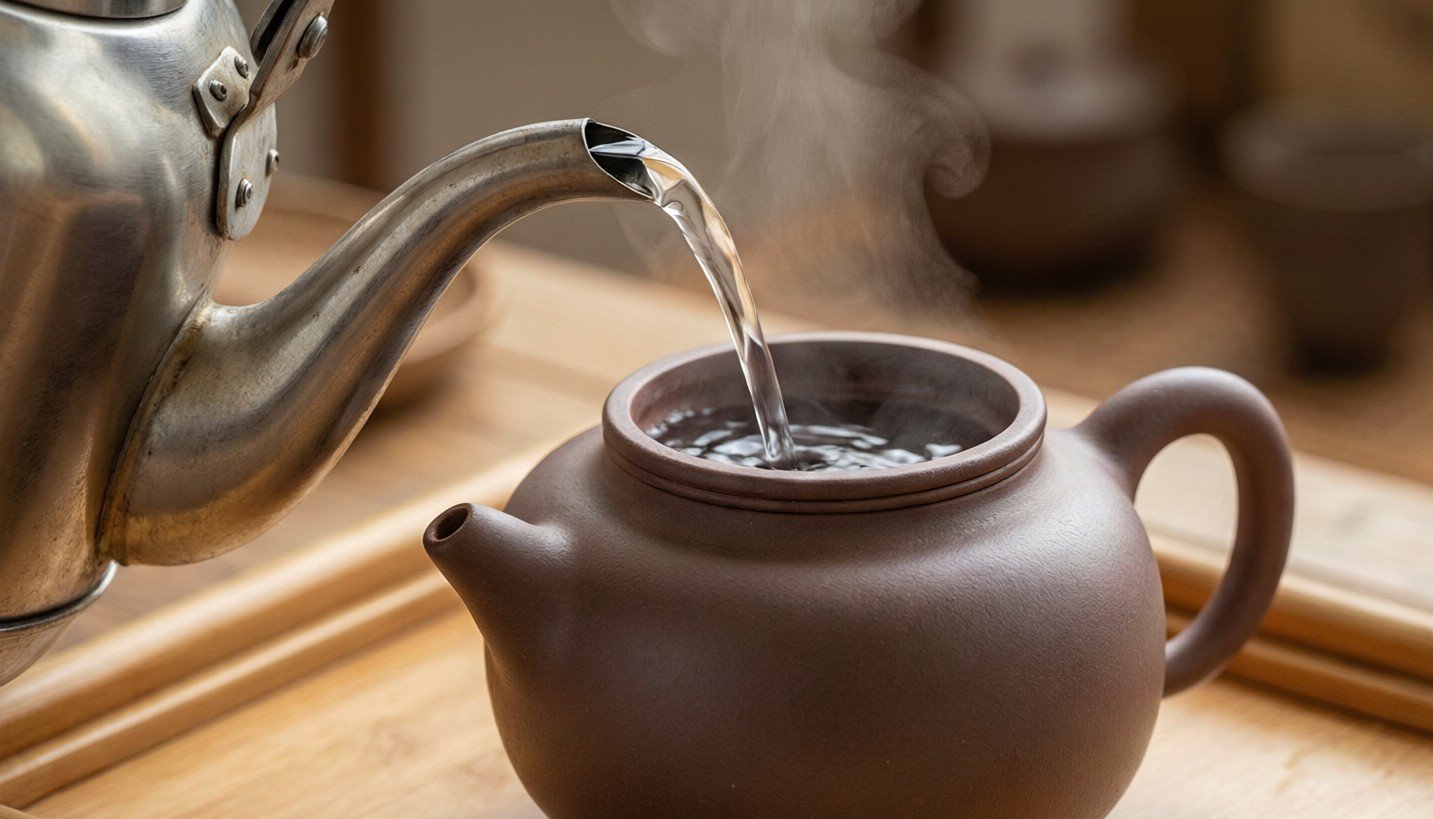
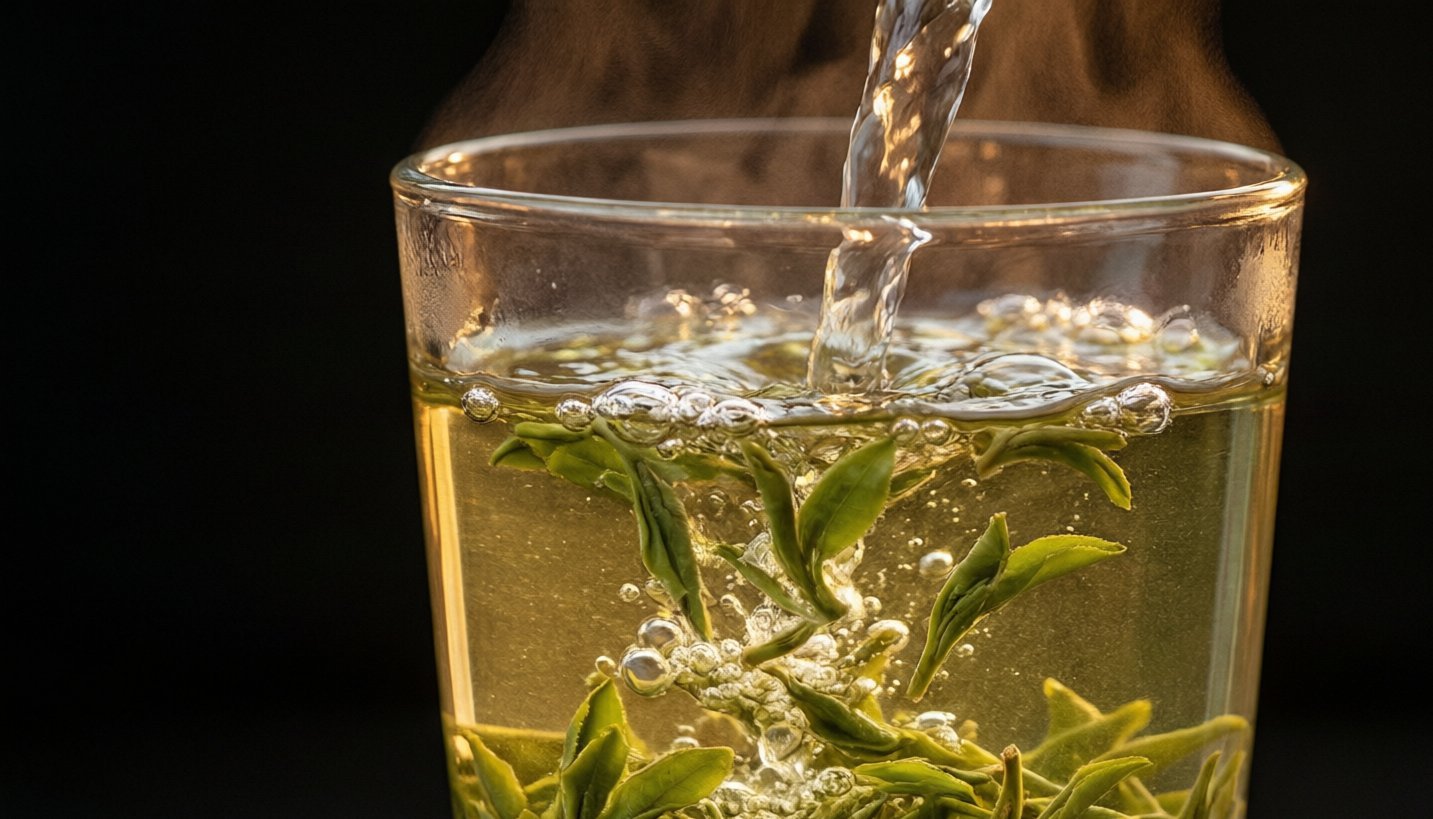
Bailin Gongfu tolerates simple brewing and benefits from short, controlled infusions. Use water just below a full boil, and keep the first steep brief. Taste the result before lengthening the next infusion. With a small teapot or gaiwan, a generous amount of leaf and repeated short steeps will usually show more of the tea's sweetness than one long steep.
If the tea is being prepared for customers, provide clear instructions with the product. A consistent brewing recommendation reduces complaints and helps the tea perform as expected.
Sourcing Bailin Gongfu With a Supplier Who Can Verify the Lot
For wholesale or private label orders, share the target grade, leaf appearance, volume, packaging, and destination market. That allows a supplier to recommend a matching Bailin Gongfu lot and provide a pre-shipment sample for approval. Contact Chinese tea suppliers at 427728483@qq.com.
FAQ
Is Bailin Gongfu a black tea or a red tea?
Both terms can be correct. In English, Bailin Gongfu is called a black tea because of its dark finished leaf and oxidized character. In Chinese, the same category is called red tea, or hong cha, because of the reddish color of the brewed liquor.
What is the difference between Bailin Gongfu and Tanyang Gongfu?
The main differences are origin and cup style. Bailin Gongfu comes from the Fuding area and often tastes smoother with a softer fruit note. Tanyang Gongfu, from Fu'an, is often more fragrant and brisk. The actual lot matters, but the regional names help buyers understand the general style direction.
What grade should a wholesale buyer request?
There is no universal grade ladder for Bailin Gongfu, so the request should describe the intended product. A buyer can specify leaf size, tip content, harvest period, and whether the tea will be sold as loose leaf, sachets, or a private label blend. The supplier can then offer a matching lot rather than only a generic grade name.
Does Bailin Gongfu improve with age?
Bailin Gongfu is usually selected for its fresh malty and fruit notes, not for long aging. It can remain drinkable if stored cleanly, but it is not typically positioned as an aged tea. Buyers should rely on current production samples and clear storage dates instead of expecting age to add value.
No author description available.

白玉京