How to Gift Yunnan Dianhong Tea Like a Pro: A Buyer’s Guide
Gifting Yunnan Dianhong tea is about more than choosing a pretty tin. Dianhong is a fully oxidized black tea from Yunnan, prized for golden buds, a sweet malty body, and a smooth finish that suits both casual drinkers and seasoned tea buyers. The gift lands when the grade, leaf quality, packaging, and brewing advice match the recipient's experience. This guide walks through each choice so you can buy with confidence, avoid the common mistake of paying for a fancy box around tired leaves, and give a tea that actually tastes as good as it looks.
What Makes Yunnan Dianhong Tea Gift-Worthy
Yunnan Dianhong comes mainly from western and southwestern Yunnan, especially the high-elevation tea gardens around Fengqing and Lincang. The newer leaf shoots carry golden tips, and those buds give the tea its signature malt-sweet, honeyed, sometimes cocoa-like character. Because the oxidation is relatively even and the leaf material is tender, the liquor is often bright amber or reddish-orange, smooth, and less astringent than many other black teas. That combination makes Dianhong a safer gift than a heavily smoked or aggressively bitter tea: it is distinctive enough to impress, but approachable enough for a recipient who does not yet have strong preferences.
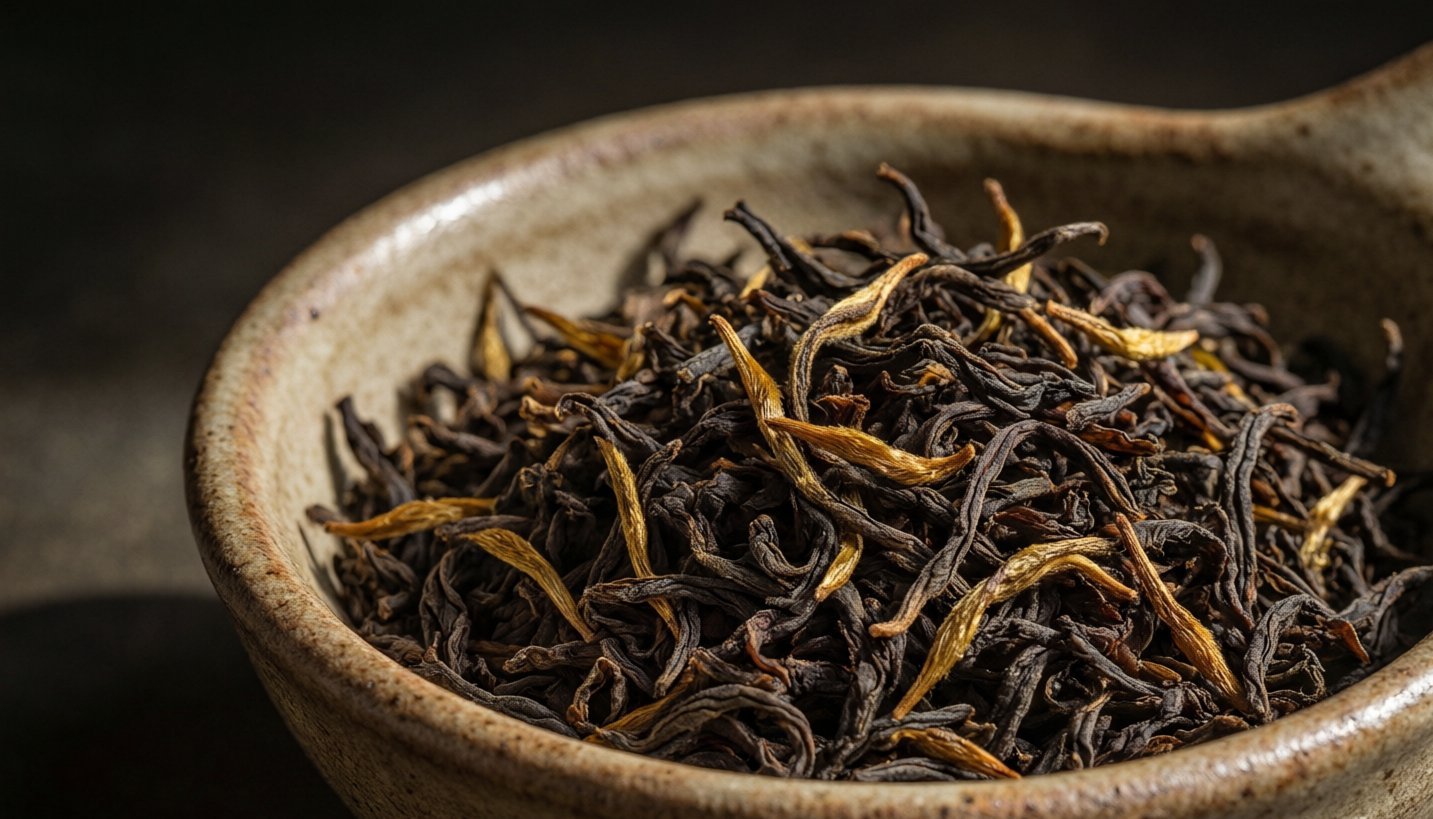
When the tea is fresh, the dry leaf should smell warm and sweet rather than flat or papery. This is one of the first checks in a gift purchase, because a stale Dianhong loses much of the bud aroma that makes the gift feel generous.
Match the Grade to the Recipient
Dianhong is not one single product. Different plucking standards and processing decisions create grades that look and taste different. A gift should match the recipient's brewing habits and experience, not simply the highest price. Whole-leaf Dianhong Gongfu is forgiving and easy to infuse in a mug or teapot. Golden Needle styles have more buds and a finer, more delicate sweetness, but they can be less tolerant of boiling water. Golden Snail or tightly curled versions look striking but are just as much about appearance as flavor.
| Grade or style | What it looks like | Flavor direction | Best fit |
|---|---|---|---|
| Dianhong Gongfu | Whole or broken strips, mixed golden and dark leaf | Full, malty, slightly biscuity | Everyday drinkers, office gifting |
| Golden Needle | Thin, downy golden buds | Honeyed, sweet, delicate | Recipients who enjoy lighter black tea |
| Golden Snail | Curled, dense golden-brown twists | Malty, cocoa, rounder body | Visually impressive gifts |
| Wild or old-tree Dianhong | Uneven, larger leaves, less uniform | Fruity, woody, complex, less sweet | Adventurous drinkers |
| Lower-grade broken | Small particles, few golden buds | Strong, brisk, less nuanced | Bulk office use or blending only |
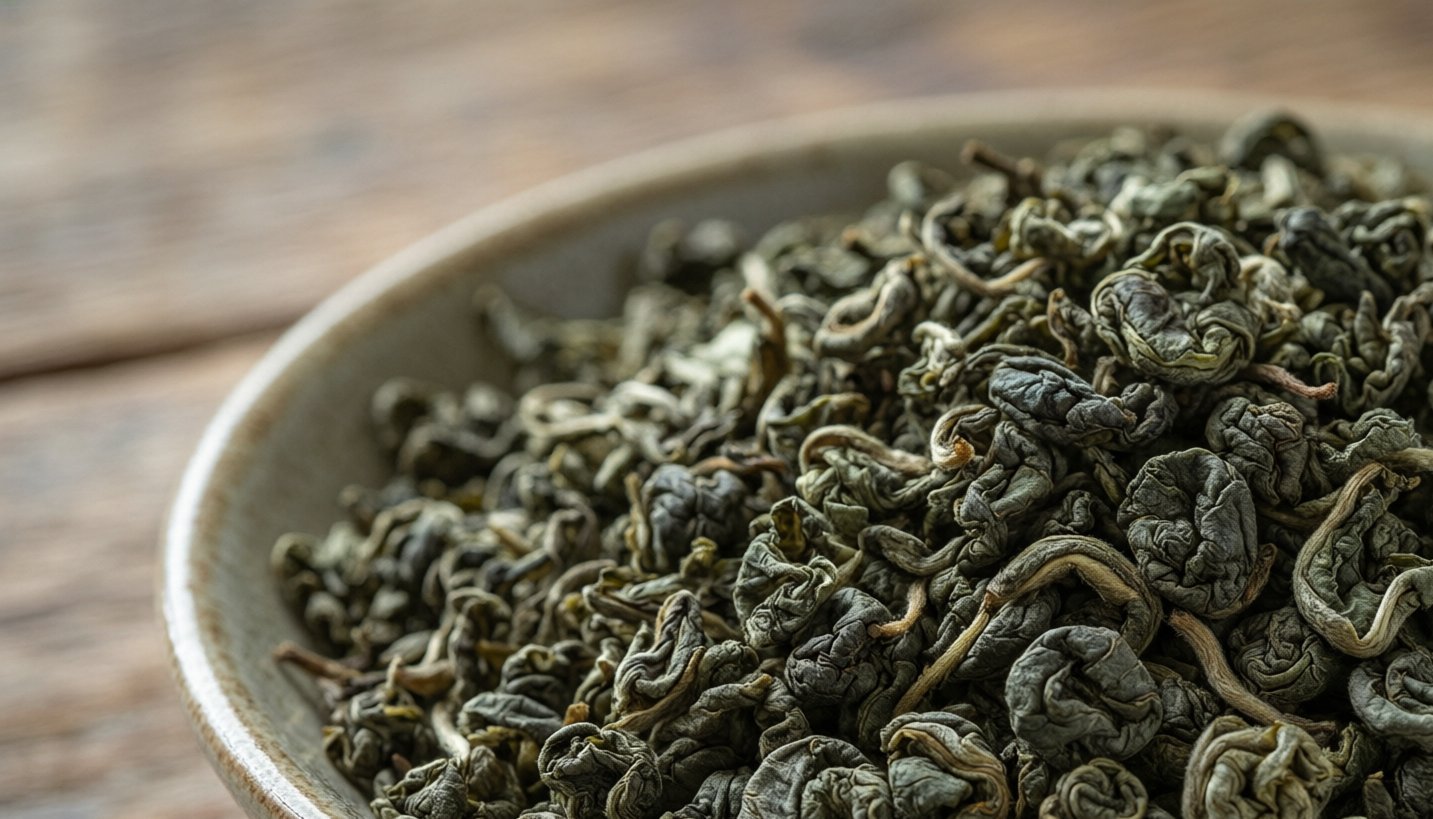
Not every supplier uses the same names, so ask about leaf grade, bud ratio, and harvest timing rather than relying only on the name printed on a gift set.
Check Leaf Quality Before You Buy
A good Dianhong gift should be visibly fresh. The dry leaf should be relatively whole, not dusty, with a healthy proportion of golden buds for the style. Rub a small amount between your fingers; fresh leaf feels dry and springy, not limp or brittle. The aroma should be sweet and malty, with no sour, moldy, or papery note. If the tea is packed in clear packaging, check whether the buds look bright gold rather than dull brown, although lighting can be misleading.
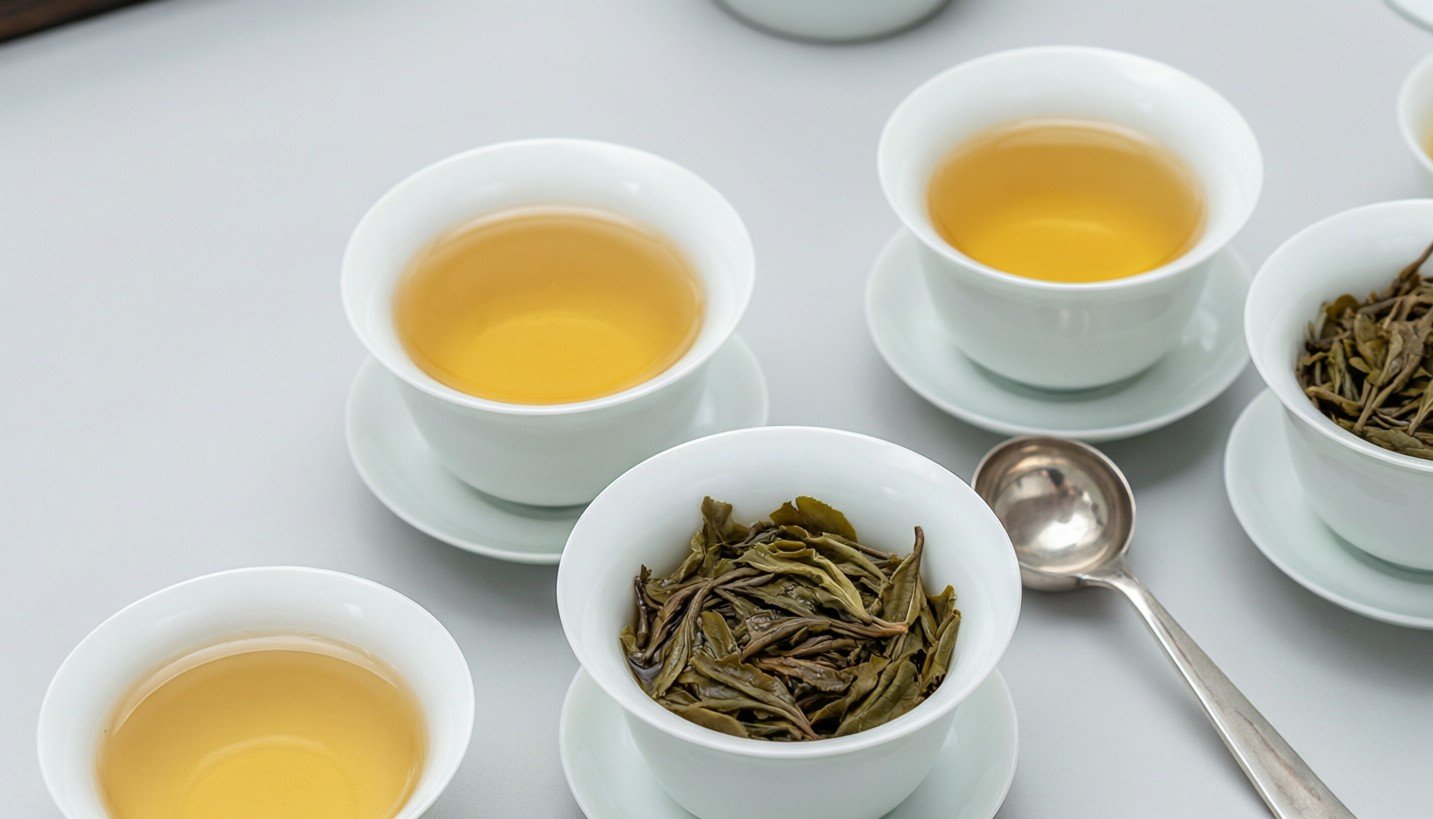
The brewed color is another check. A well-made Dianhong produces a clear amber to reddish-orange cup, not cloudy or flat brown. Cloudiness can be normal for some broken-leaf teas, but for a premium gift it is worth comparing a sample first.
Choose Packaging and Format That Protect Flavor
Flavor preservation is the functional half of gift packaging. Dianhong is aromatic and oxidized, so it needs a sealed, opaque container or a tightly sealed inner pouch inside a gift box. Avoid tins with loose transparent lids, thin paper boxes without an inner barrier, and decorative packaging that spends the budget on the outside while the tea inside sits in a clear plastic bag. The best gift formats keep the tea in a resealable foil-lined pouch, then place that pouch inside a rigid box or tin.
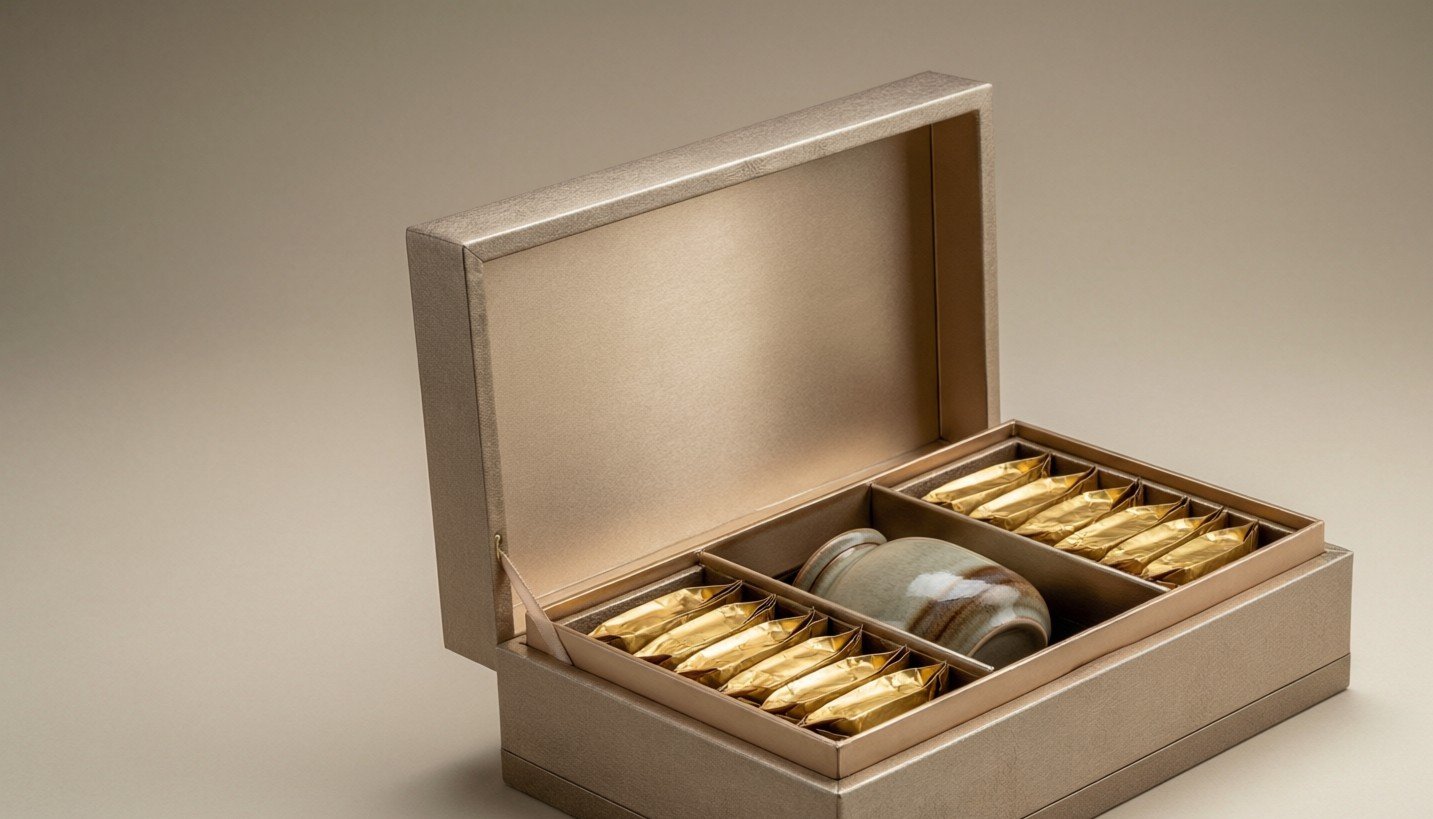
Small formats are safer than large loose bags. A 100-gram tin or two smaller sealed packets stay fresher after opening and give the recipient a chance to taste without committing a large amount. If buying in bulk, request sealed inner packs rather than one large open bag.
Set a Realistic Gift Budget
Dianhong prices vary widely because the same name can cover everything from commodity broken leaf to early-spring, bud-heavy small-batch tea. Budget by what actually changes quality: early spring harvest usually costs more than summer leaf; a high proportion of golden buds raises price; whole-leaf styles cost more than broken grades; and a decorative wooden box adds cost that does not improve the tea. Decide first how much of the budget should go to the tea itself and how much to presentation.
For a modest but credible gift, choose a fresh whole-leaf Gongfu in a sealed tin. For a premium gift, select a spring-picked Golden Needle or Golden Snail with clear harvest information and a simple, well-sealed package. For a business gift that needs visual presence, use a quality gift box, but verify the tea grade inside rather than trusting the outer design.
Add Brewing Notes That Help the Recipient Succeed
A gifted tea often disappoints because it is brewed carelessly. Include a small note with practical instructions instead of only a generic greeting. For most Dianhong, a good starting point is one heaped teaspoon of leaf per cup, water just off the boil, and a 20- to 30-second first steep. If the tea turns bitter, lower the temperature slightly and shorten the steep rather than adding more sugar or milk. A second and third infusion are usually possible and often bring out more of the honeyed finish.
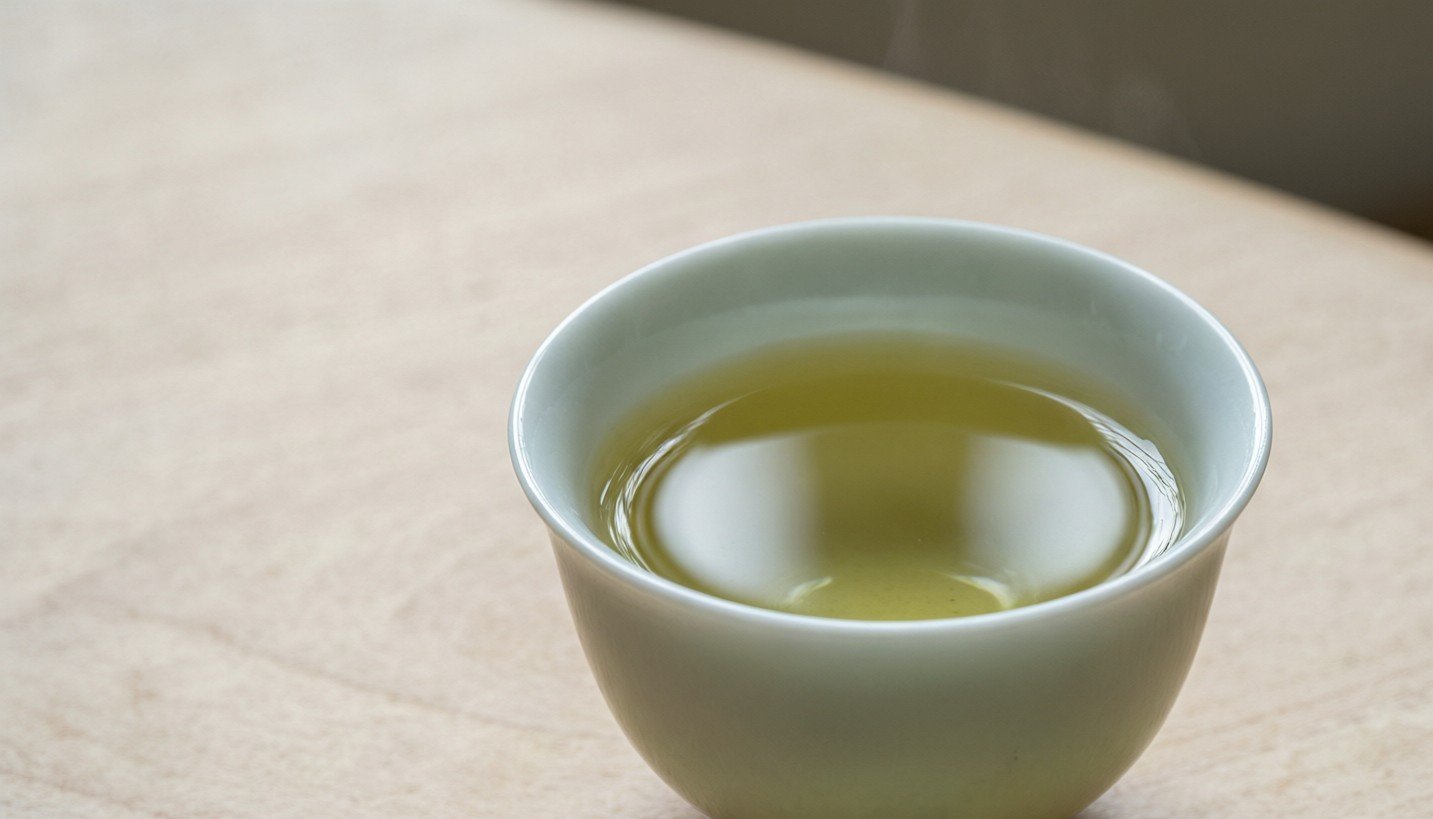
Write the note in plain language: what the tea is, when it was harvested if known, how much leaf to use, water temperature, and a reminder to store the opened pouch in a cool, dry, odor-free place. This turns a box into a complete gift.
Order Dianhong Tea Gift Selections from Chinese Tea Suppliers
Tell us the recipient's experience level, preferred flavor style, the format you want, and whether you need sealed pouches or a finished gift box. Chinese tea suppliers can help you match the right Dianhong grade to the occasion. Email 427728483@qq.com and we can also confirm sample photos of the dry leaf and liquor before you commit.
Yunnan Dianhong Tea Gift FAQ
What is the safest Dianhong choice for someone I do not know well?
Choose a fresh whole-leaf Dianhong Gongfu in a sealed tin. It is full-flavored without being aggressive, easy to brew in a mug, and less dependent on precise timing than bud-heavy styles. If you want a slightly more elegant gift, select a spring Golden Needle, but include simple brewing notes.
Does a heavier gift box mean better tea?
No. The outer box may be expensive while the tea inside is a low-grade broken leaf. Judge the tea first: ask about harvest, bud ratio, and leaf appearance, then choose packaging with a sealed inner pouch. A simple tin with excellent tea beats a heavy lacquered box with stale tea.
How long will a gifted Dianhong stay fresh?
It depends on packaging and storage. Inside an unopened foil-lined pouch, quality Dianhong can keep its main aroma for about a year, though it is best within the first several months after opening. Keep it sealed, cool, dry, and away from strong odors. A clear jar on a kitchen shelf near spices is the fastest way to flatten the flavor.
Should I choose loose leaf or tea bags?
Loose leaf is the better gift for flavor and visual appeal. Tea bags can be convenient, but they often contain smaller particles and lose aroma faster. If the recipient insists on bags, choose a high-quality whole-leaf sachet rather than a standard paper teabag.
What if the recipient usually adds milk and sugar?
Dianhong takes milk well because of its malty body. A broken or whole-leaf Gongfu will hold up better than a delicate Golden Needle. Tell the recipient to use a slightly stronger leaf-to-water ratio, then add milk and sugar to taste.
No author description available.

白玉京