Hua Zhuan Tea vs Hei Zhuan and Fu Zhuan: A Buyer’s Comparison
Hua Zhuan tea is a compressed dark tea from Anhua County in Hunan, often grouped with Hei Zhuan and Fu Zhuan as one of the three traditional Anhua brick teas. Its name refers to the decorative border pattern pressed into the brick, not to flavor or flowers. For wholesale buyers, the practical question is how that visual difference tracks with leaf grade, processing, aging, and taste. This comparison sorts Hua Zhuan from Hei Zhuan, Fu Zhuan, Qing Zhuan, and other post-fermented teas so you can request the right product instead of buying by label alone.
What Hua Zhuan Tea Is
Hua Zhuan is one of the three classic Anhua brick teas from Hunan Province, alongside Hei Zhuan and Fu Zhuan. The Chinese name means flower brick. The flower is a decorative border pattern pressed into the surface, not a flavoring ingredient and not the golden flower fungus associated with Fu Zhuan. The base material is Hunan dark tea that has been fixed, rolled, piled, dried, and compressed into a rectangular block. Because the name describes a visual feature rather than a processing requirement, it cannot be used alone to infer quality. A buyer still needs the leaf grade, pressing density, fermentation degree, and storage history.
How Hua Zhuan Differs From Hei Zhuan
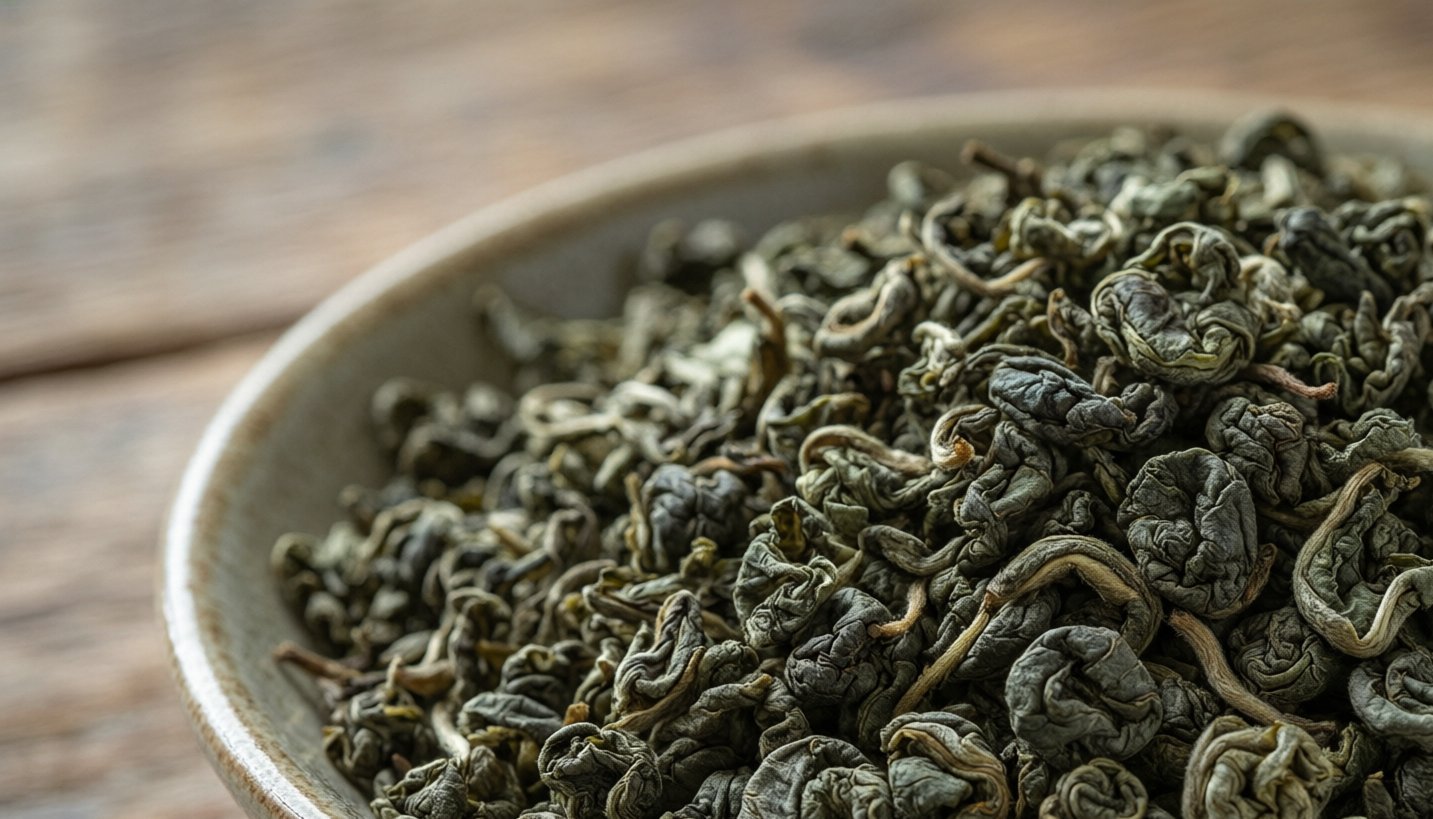
Hei Zhuan and Hua Zhuan are both pressed Hunan dark tea bricks, and the name difference can make them sound interchangeable. In practice, the two are usually distinguished by raw material grade and pressing style. Hei Zhuan is the older, darker, coarser style historically used for border trade. Hua Zhuan is typically made from a cleaner, slightly higher-grade leaf blend and pressed with a more distinct surface pattern. That does not mean every Hua Zhuan is automatically better than every Hei Zhuan. A low-grade Hua Zhuan can be rougher than a well-chosen Hei Zhuan. The useful comparison is lot to lot. Ask whether the material is spring or summer leaf, how tightly compressed the brick is, and how long it has aged.

How Hua Zhuan Differs From Fu Zhuan
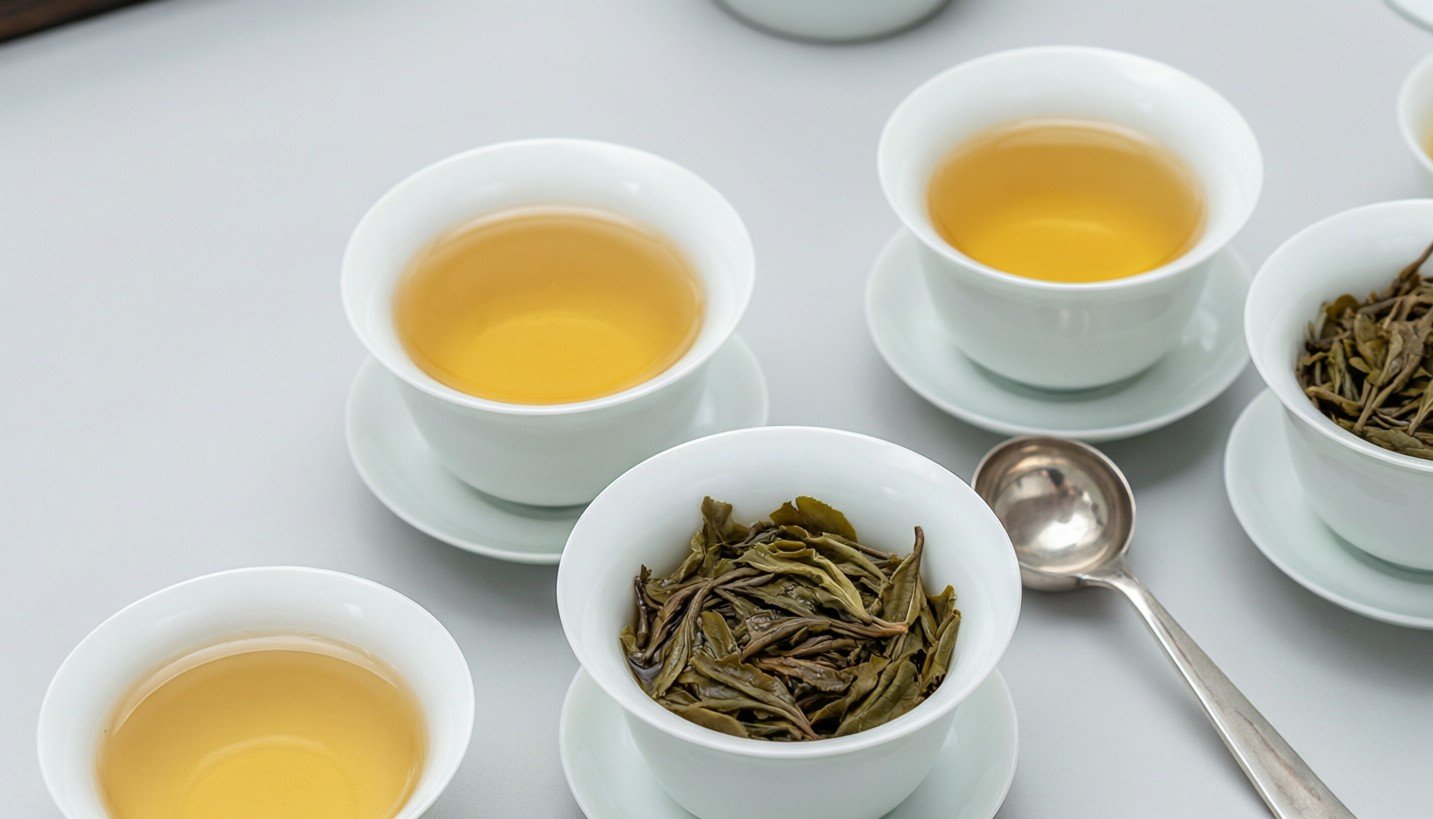
The most important distinction is biological. Fu Zhuan is deliberately inoculated and fermented under conditions that encourage Eurotium cristatum, the golden flower fungus visible as yellow specks through the brick. Hua Zhuan does not require that controlled microbial bloom. The two teas share a Hunan dark tea base, but they diverge in aroma and perceived character. Fu Zhuan is often earthier and more cellar-like, while Hua Zhuan is generally smoother, woodier, and less fungal on the nose, especially in young bricks. For a buyer deciding between them, this is a product-positioning question more than a quality ranking. If your customers expect visible golden flowers and a probiotic story, Fu Zhuan fits that expectation. If they want a cleaner, straightforward Anhua dark tea with a stronger visual brick identity, Hua Zhuan is a better starting point.
Hua Zhuan Compared With Other Post-Fermented Teas
Hua Zhuan also gets compared to dark teas outside Anhua. The table below separates the most common options by origin and what the buyer should check. Tasting descriptions are general and vary by lot, storage, and age.
| Tea | Origin | Processing character | Cup character | Buyer note |
|---|---|---|---|---|
| Hua Zhuan | Anhua, Hunan | Compressed dark tea with decorative border pattern | Smooth, earthy, woody, slightly sweet | Ask for pressing density and raw material grade |
| Hei Zhuan | Anhua, Hunan | Coarser, darker brick, older border-tea style | Mellow but more rustic | Specify leaf grade because lower grades are common |
| Fu Zhuan | Anhua, Hunan | Controlled fermentation with golden flower fungus | Earthy, cellar-like, fungal aroma | Check fungus development and storage age |
| Qing Zhuan | Chibi, Hubei | Hubei green brick tea, firmer old style | Lean, slightly tart | Confirm regional origin and compression year |
| Liu Bao | Guangxi | Post-fermented basket or brick style | Damp-wood, nutty, changing with age | Usually sold in baskets or loose bricks |
| Ripe Pu-erh | Yunnan | Wet-piled post-fermented tea | Thick, dark, composted earth | Confirm region and recipe year |
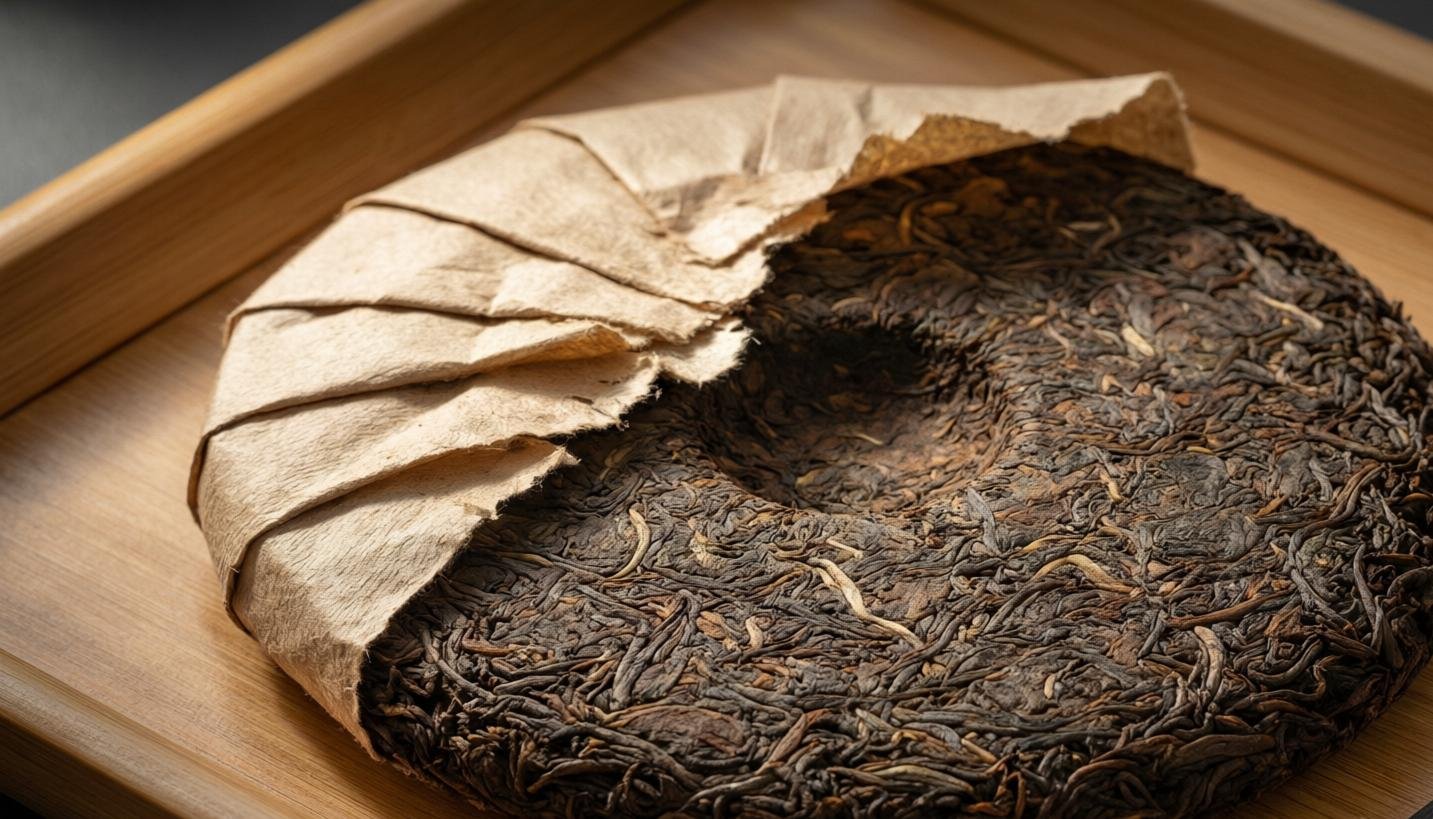
Qing Zhuan from Hubei, Liu Bao from Guangxi, and ripe Pu-erh from Yunnan are all post-fermented teas, but they are not interchangeable raw materials. Qing Zhuan tends to be leaner and more tart, with a long border-trade history. Liu Bao often carries a distinct damp-wood or nutty note. Ripe Pu-erh is heavier and more composted. Hua Zhuan, by comparison, sits closer to the subdued end of the dark-tea spectrum when the leaf quality is good and the storage has been stable. These differences matter when a customer tastes the tea plain, not just when they read the product label.
How the Production Method Changes Flavor and Aging
Compression affects more than shelf shape. A tightly pressed Hua Zhuan ages more slowly and less evenly than a looser brick because moisture has less access to the interior. That can be useful for long-term storage because the tea changes gradually and resists humidity fluctuations. The trade-off is that a very hard brick is harder to break cleanly, and buyers often dislike the extra labor. Looser pressing gives faster initial change but carries more storage risk if the warehouse is humid. The leaf grade also matters. Coarse stems and older leaf make the tea more mellow but less refined. Finer leaf gives a sweeter, cleaner first impression but can flatten with poor storage. Wholesale buyers should ask for both the pressing density and the leaf breakdown rather than judging only by the visible pattern.
How to Choose the Right Brick for Your Market
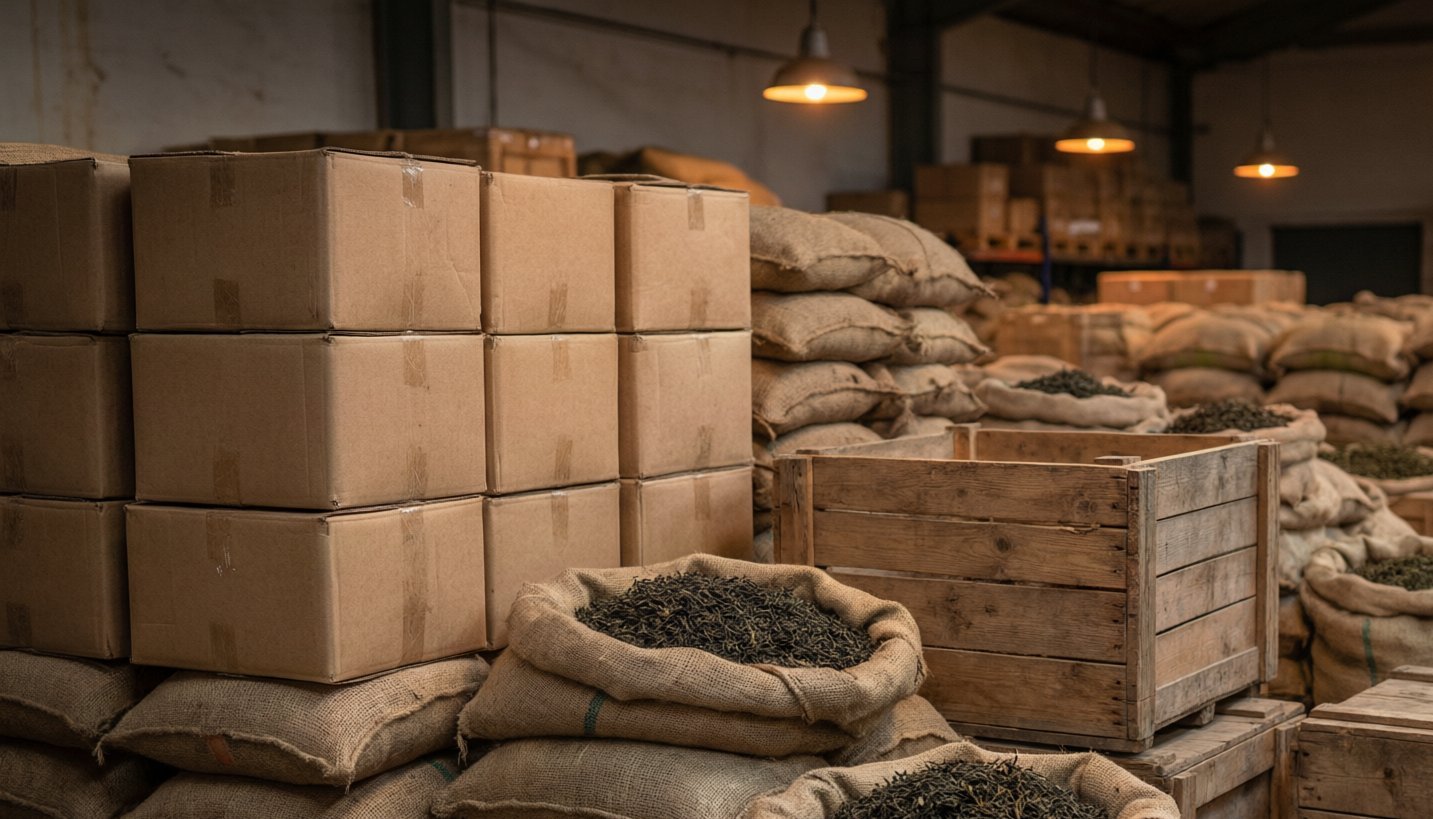
Start with cup character. For a customer that values smooth daily drinking, a middle-aged Hua Zhuan with visible clean leaf is easier to sell than a highly funky aged dark tea. For a specialty tea buyer who wants aging potential, choose a tighter brick from a documented batch. For a health-focused retail position, Fu Zhuan's golden flower story may be stronger, but Hua Zhuan can still be presented as a traditional Anhua dark tea with a clear origin. Decide the market position first, then choose the brick style, because the same raw material can be pressed to fit different buyer stories.
What to Ask Suppliers Before Buying
Request batch year, raw material grade, and the proportion of stems. Ask for a photo of the brick face and the back, not just product labels. Confirm the storage city and whether the tea has been moved between different humidity environments. Ask whether the tea is authentic Anhua dark tea, not another region's compressed product with a similar name. Ask for the pressing density if the brick is intended for aging. For a first order, request samples from at least two production years and cup them side by side before committing to volume.
Plan Your Next Hua Zhuan Sample Order
Before committing to a full container, narrow the choice to two or three Hua Zhuan batches and taste them against one Fu Zhuan and one Hei Zhuan reference. Send Chinese tea suppliers your market format, target price, and storage preference at 427728483@qq.com. We can help you match brick style, leaf grade, and batch age to the retail position you are building.
FAQ
Is Hua Zhuan the same as Fu Zhuan?
No. Fu Zhuan requires controlled germination of golden flower fungus through the brick, while Hua Zhuan does not. They share a Hunan dark-tea base, but the flavor and the buying checks differ.
Does Hua Zhuan improve with age?
Most well-stored Hua Zhuan becomes smoother and less sharp over time, especially if the brick is tightly pressed. The result depends on the leaf grade, storage humidity, and whether the brick was properly dried. Age alone does not guarantee quality.
How should Hua Zhuan be stored?
Keep it away from strong odors, direct sunlight, and frequent temperature swings. Use a clean, odor-free container with moderate humidity, and do not seal it completely if the storage room is dry. For long-term storage, keep the brick whole until use.
Is Hua Zhuan stronger than ripe Pu-erh?
Not as a rule. Ripe Pu-erh is usually heavier and more composted in flavor, while Hua Zhuan tends to be smoother and woodier. Strength can change with age and leaf grade, so compare specific lots rather than categories.
Can I buy Hua Zhuan in bulk for private label?
Yes. Many Anhua dark-tea suppliers offer plain bricks or custom inner tickets and packaging. Confirm the minimum order quantity, pressing lead time, and whether the batch documents support the origin claim before finalizing.
No author description available.

白玉京