5 Banzhang Pu-erh Brewing Mistakes That Ruin the Flavor
Banzhang Pu-erh does not hide its character. Young raw cakes from the Banzhang area in Menghai County often open with strong bitterness and a thick, coating mouthfeel, then shift into a long sweetness when the brewing is right. That transformation is easy to lose. The most common Banzhang Pu-erh brewing mistakes involve leaf ratio, water, and timing more than the leaf quality itself. These five errors are the usual reasons a promising cake tastes harsh, hollow, or sour instead of deep.
What Banzhang Pu-erh Should Taste Like
A well-brewed young Banzhang usually has a powerful front bitterness that turns into huigan, a returning sweetness rising from the throat. The texture is dense rather than thin, and the finish stays several minutes. That profile depends on extraction being quick and controlled at the start. If the leaves are compressed tightly or broken, the liquor will extract faster, and the same timing will produce more astringency. Treat the first session as a calibration rather than a fixed recipe.
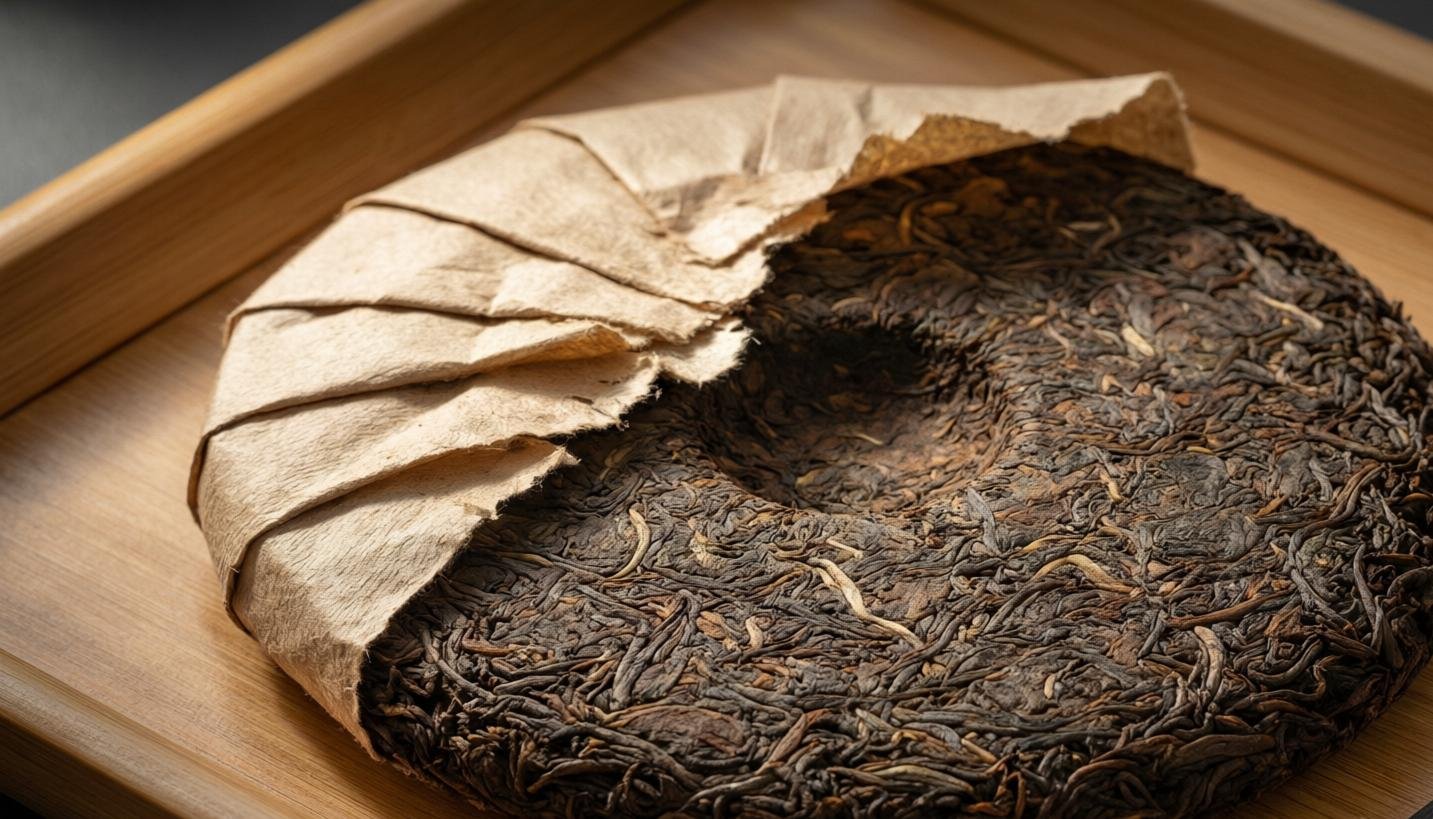
Overheating the Water
The first mistake is combining high heat with a delayed pour. Fresh raw Pu-erh can take high heat, but not every Banzhang lot benefits from a full rolling boil with a long hold. Water near 95°C is usually a safer starting point; for very young or finely broken material, 90°C may give a cleaner result. The problem is rarely temperature alone. It develops when hot water sits on leaves that have already started opening, pulling out tannin before the first controlled pour. Pour as soon as the water reaches the chosen temperature, and keep the first few steeps short.
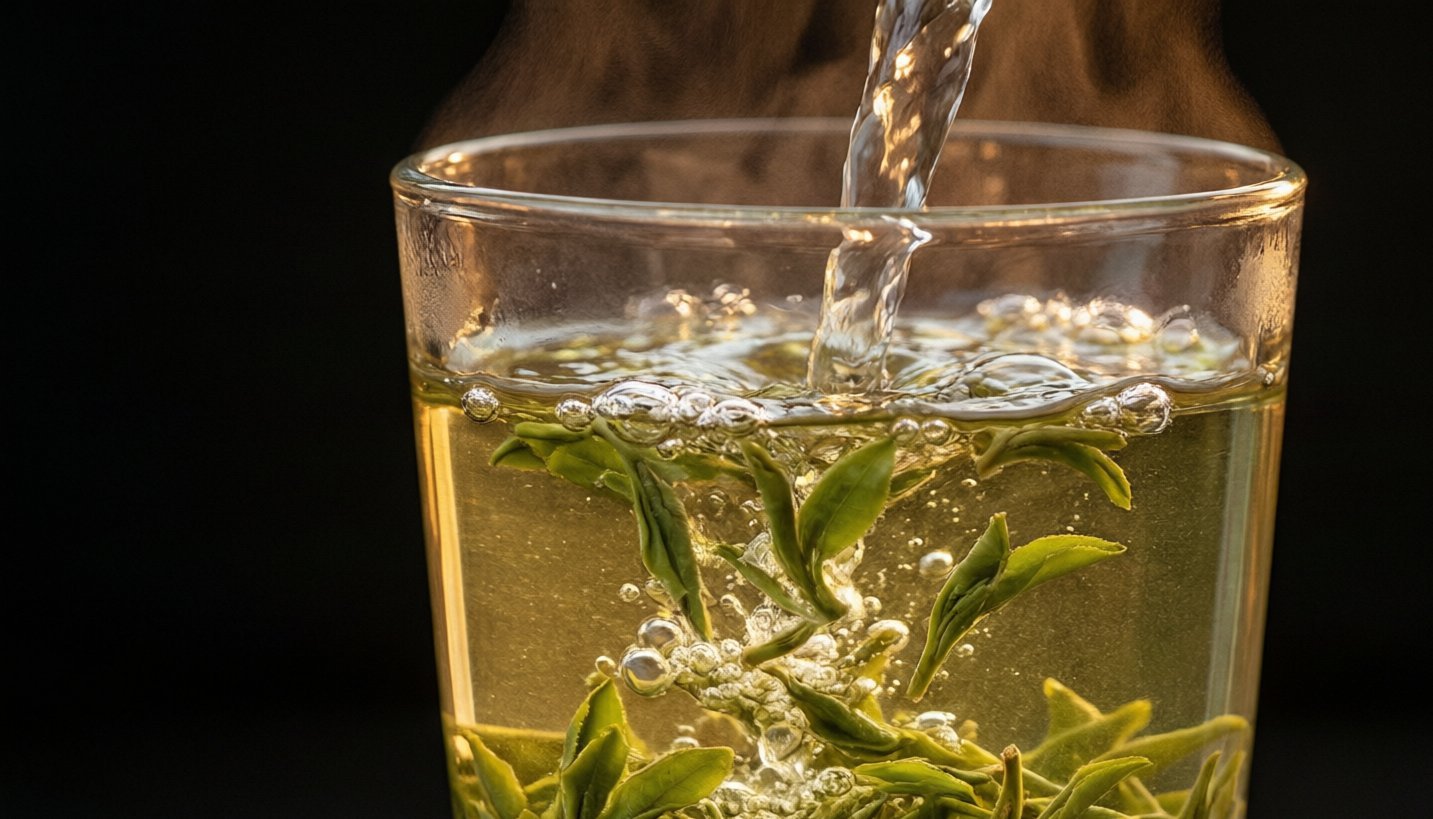
Overloading the Leaves
The second mistake is using too much leaf and then blaming the tea for the abrupt result. A common ratio for a gaiwan is around 1 g of leaf per 15-20 ml of water, but Banzhang often works better at the lighter end because its bitterness is so concentrated. In a 100-120 ml gaiwan, roughly 5-7 g is enough to show the tea's structure without turning the first infusion into a bitter wash. Overloading is often paired with a long steep, which compounds the problem. If the liquor is too intense, reduce leaf before making large changes in temperature.
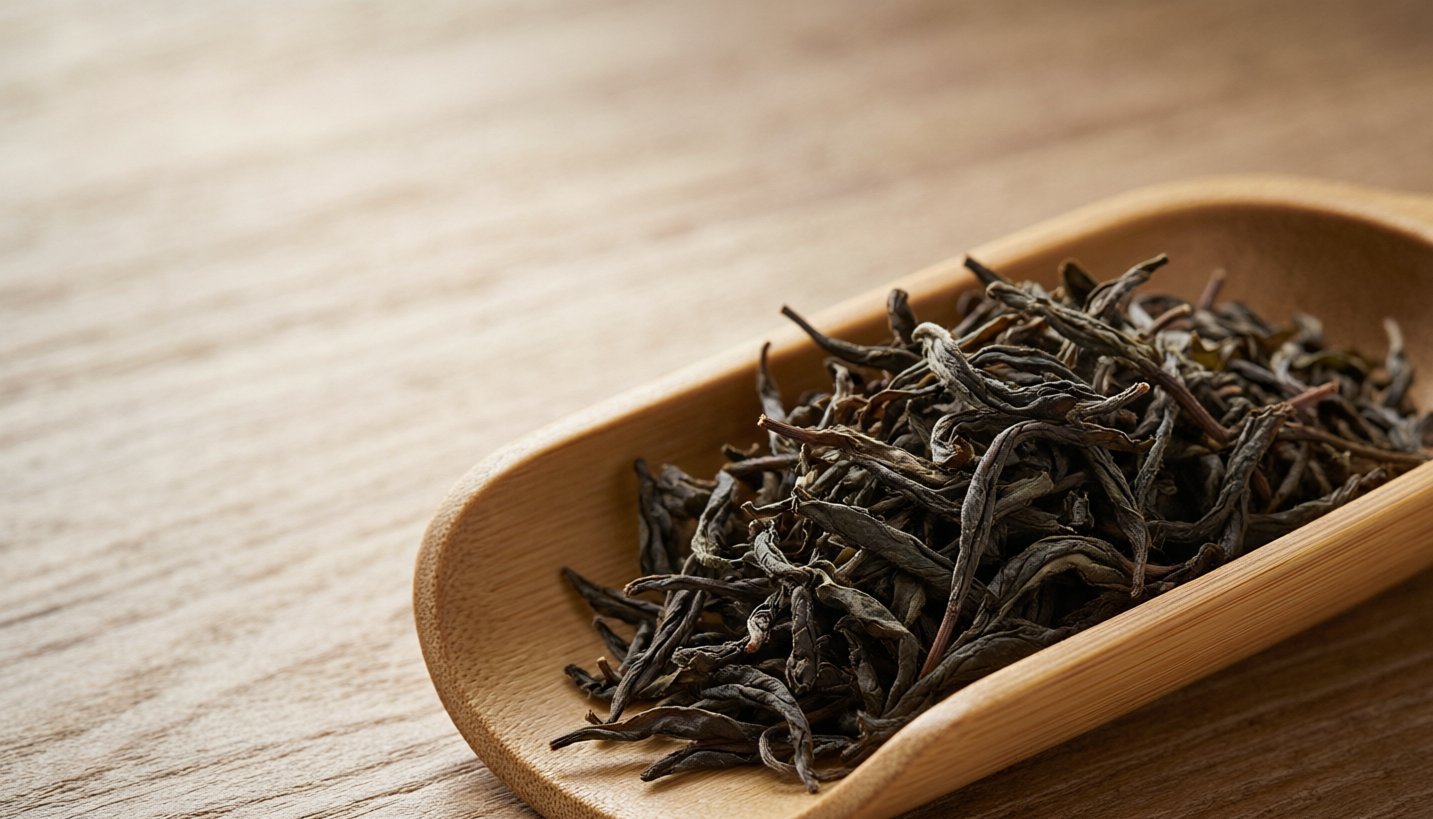
Pouring Too Hard
The third mistake is treating raw Pu-erh leaves as if they need to be beaten by the water stream. Pouring from high above the gaiwan or stirring the leaves between steeps breaks the leaf edges and releases more tannin. It also leaves tea liquor sitting on the leaves if the gaiwan is not drained completely. Pour low, steady, and along the side, then empty the gaiwan fully. The cup should receive the whole pour; any left-behind liquor will continue extracting and make the next round oddly harsh.
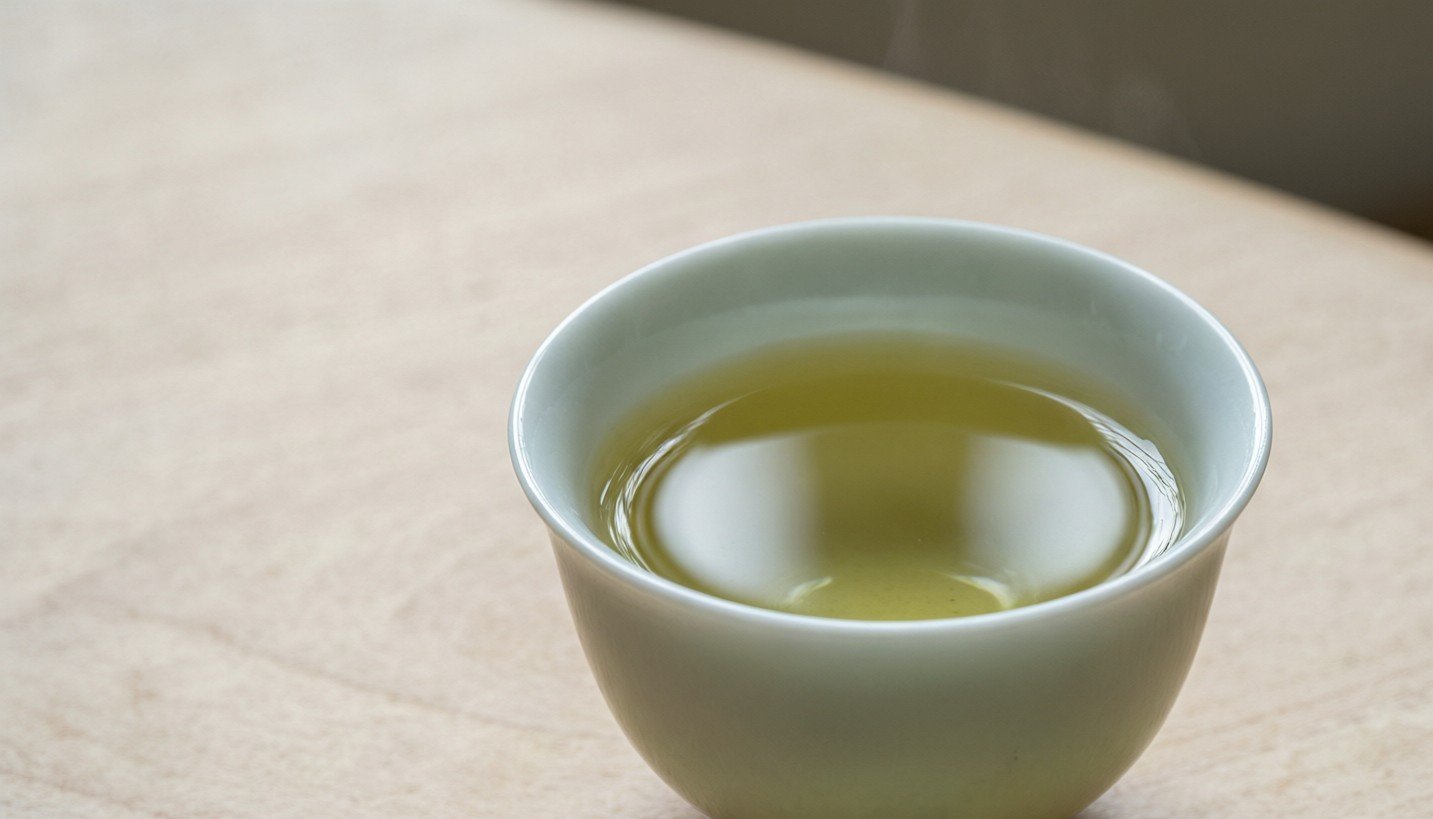
Using the Wrong Water
The fourth mistake is ignoring water quality. Hard or chlorinated water mutes the sweet return that makes Banzhang interesting. The same leaf can taste clean and mineral-driven with soft water, then chalky or flat with heavily treated tap water. Bottled spring water or filtered water with a modest mineral content is a practical baseline. If the tea tastes bitter without the expected huigan, change the water before blaming the cake. Let boiled water settle briefly after boiling, but do not let it cool so far that the leaves fail to open.
Judging the First Cup
The fifth mistake is overcorrecting after one harsh cup. The first infusion after a rinse is a diagnostic cup, not the final verdict. Young Banzhang can taste sharp and tight on first contact, especially if the cake was very recently pressed or traveled through heat. The second and third rounds often reveal the sweet mineral core. Cutting temperature or adding too little leaf after one sharp cup can make the next session weak. Keep notes on each round: aroma, texture, bitterness level, and aftertaste.
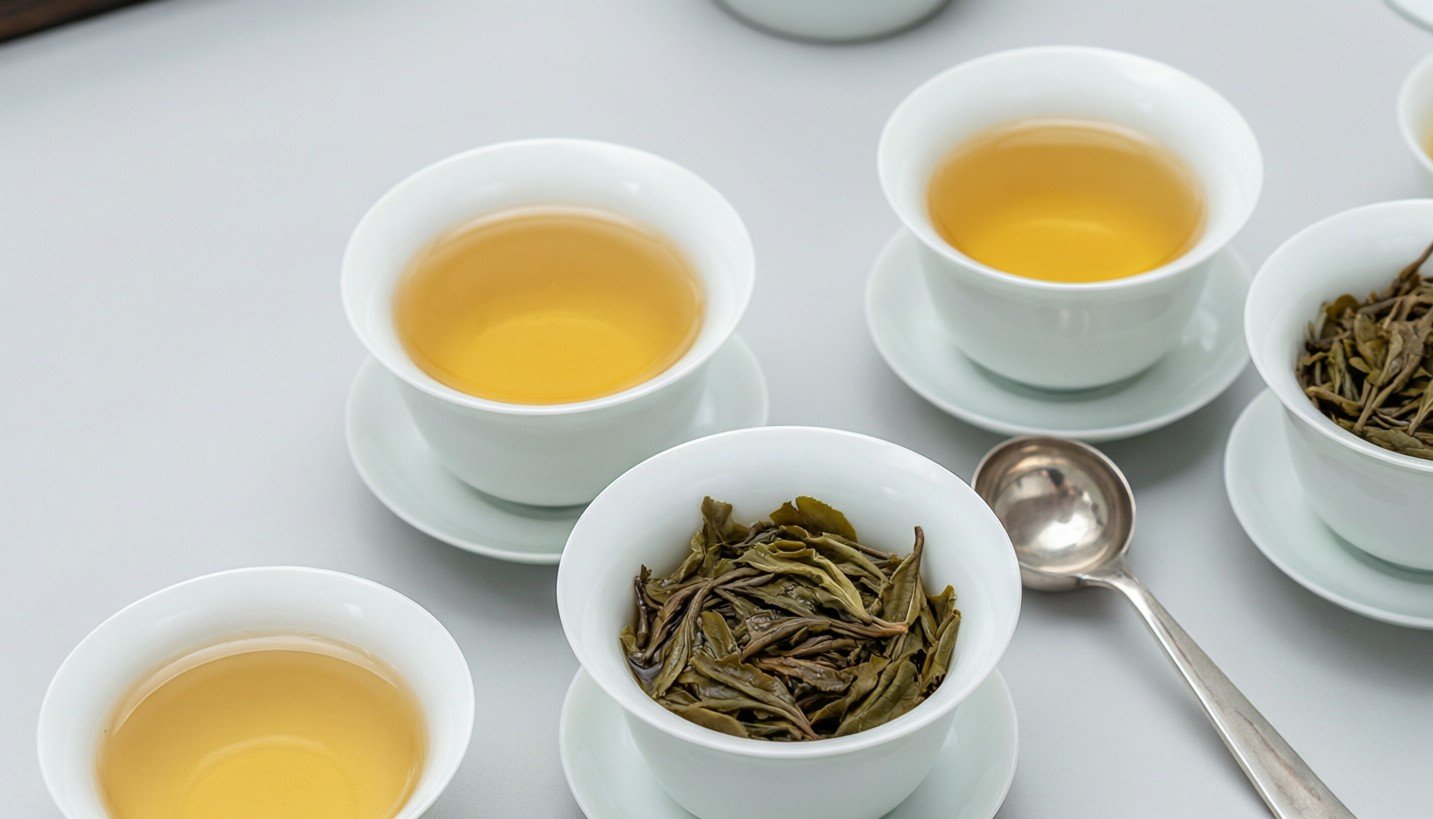
A Brewing Baseline for Banzhang
These are starting points, not universal rules. Adjust by leaf age, compression, storage, and your own water.
| Brewing factor | Starting point | Why it matters |
|---|---|---|
| Water temperature | 90-95°C | Opens leaves without locking in harsh tannin |
| Leaf ratio | 5-7 g per 100-120 ml gaiwan | Keeps bitterness structured and lets sweetness return |
| Rinse | One fast rinse, poured off immediately | Washes dust and wakes compressed leaves |
| First steeps | 5-10 seconds | Captures aroma before bitterness dominates |
| Later steeps | Add 5-10 seconds as rounds flatten | Maintains body without over-extracting |
Questions to Ask Before You Buy Banzhang
If you are buying Banzhang for resale, blending, or a private label, ask the supplier to confirm the specific area, year, pressing tightness, and whether the cake has been stored dry or humid. Those details change the brew. Send your lot information to Chinese tea suppliers at 427728483@qq.com and request a brewing sheet matched to the tea you are purchasing.
FAQ
Can I use boiling water for Banzhang?
Often yes, once you know the lot. Boiling water can be fine for well-aged or tightly compressed cakes, but young, broken, or recently pressed raw Pu-erh often becomes harsh when boiling water meets a long steep. Start at 90-95°C and shorten the pour. If the second round is still too astringent, lower the temperature slightly rather than adding lots of extra water.
How long should the first steep be?
After a quick rinse, try 5-10 seconds for the first full infusion. The exact time depends on leaf amount, compression, and water temperature. For 5-7 g in a 100-120 ml gaiwan at 90-95°C, 5-8 seconds is a sensible first step. Increase gradually from there.
Does a bitter first infusion mean the tea is bad?
No, especially with young Banzhang. Some bitterness is structural, and it should be followed by a returning sweetness. The warning sign is bitterness that dries the mouth and does not change by the second or third round, or a sour, hollow finish. If that continues after correcting water, ratio, and time, compare another sample.
What is the best ratio for a gaiwan?
Start around 5-7 g of leaf per 100-120 ml of water. Use the lower end for very aggressive young cakes or broken leaf, and the higher end for intact, aged, or softer lots. Adjust one variable at a time.
No author description available.

白玉京