What Is Huiming Tea? The Zhejiang Green Tea Buyers Should Know
Huiming tea is a premium green tea from Jingning County in southern Zhejiang Province, China. It is named after Huiming Temple, the local temple whose monks are credited with shaping the style. Buyers often meet Huiming through a single question: is it another Longjing lookalike or a distinct regional tea? The answer matters. Huiming has a softer, sweeter profile than many pan-fired Zhejiang greens, and its quality depends on high-altitude gardens, early spring picking, and careful fixation. This article explains what Huiming tea is, how it is made, how it tastes, and what buyers should check before ordering.
What Is Huiming Tea and Where Does It Come From
Huiming tea belongs to the green tea family, which means the leaves are heated soon after picking to stop oxidation and preserve their fresh, vegetal character. The name comes from Huiming Temple in Jingning County, part of Lishui in southwestern Zhejiang. Local tea history treats the temple as the origin of both the name and the tea-making tradition, though the current commercial style is produced by many nearby villages and small factories.
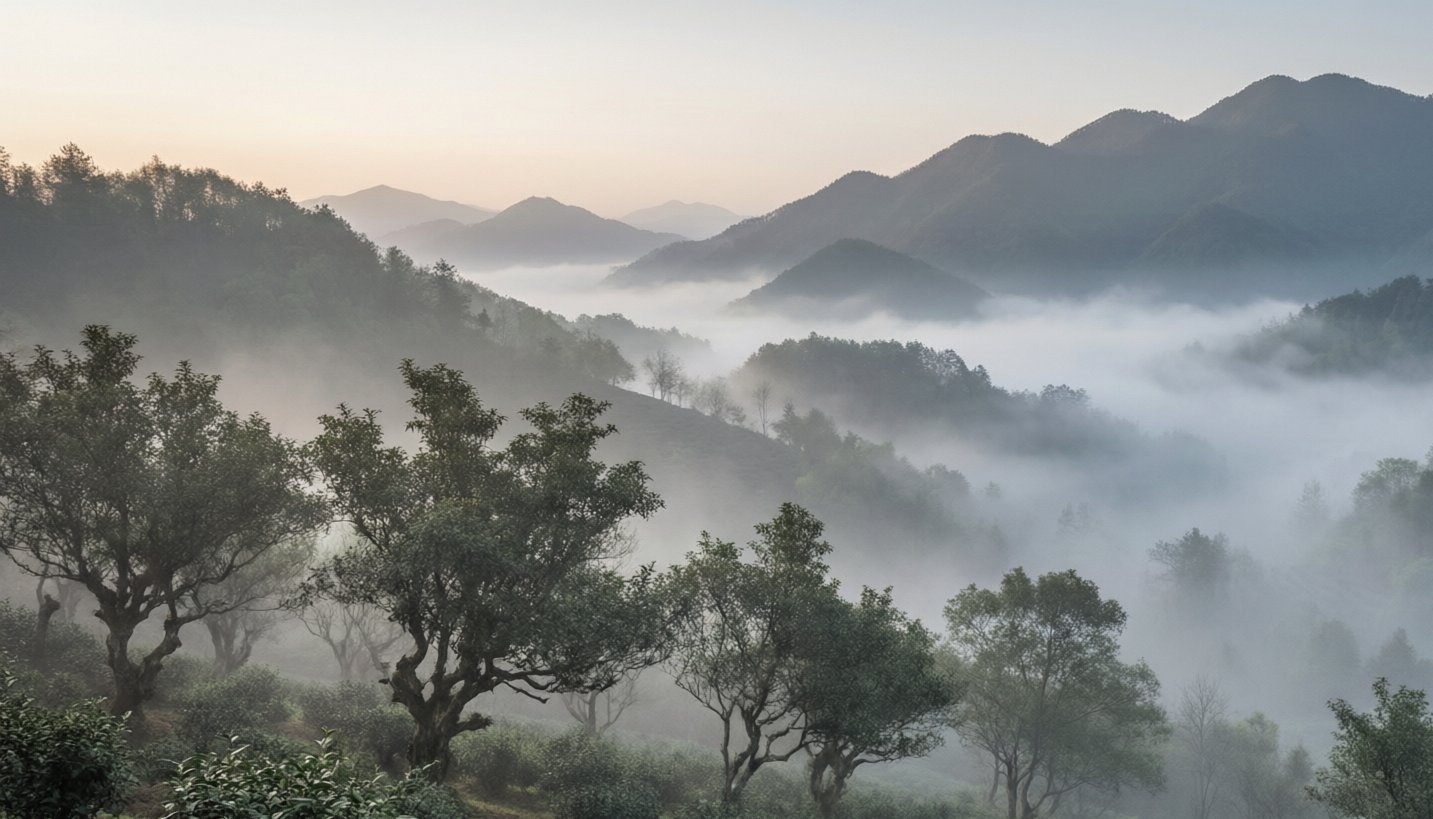
The production area is more mountainous and less intensively farmed than some better-known Zhejiang tea zones. Gardens sit at higher elevations, often on slopes with cloud cover and cool nights. Those conditions tend to slow leaf growth and concentrate amino acids, which contributes to the tea's rounded, sweet taste rather than aggressive astringency.
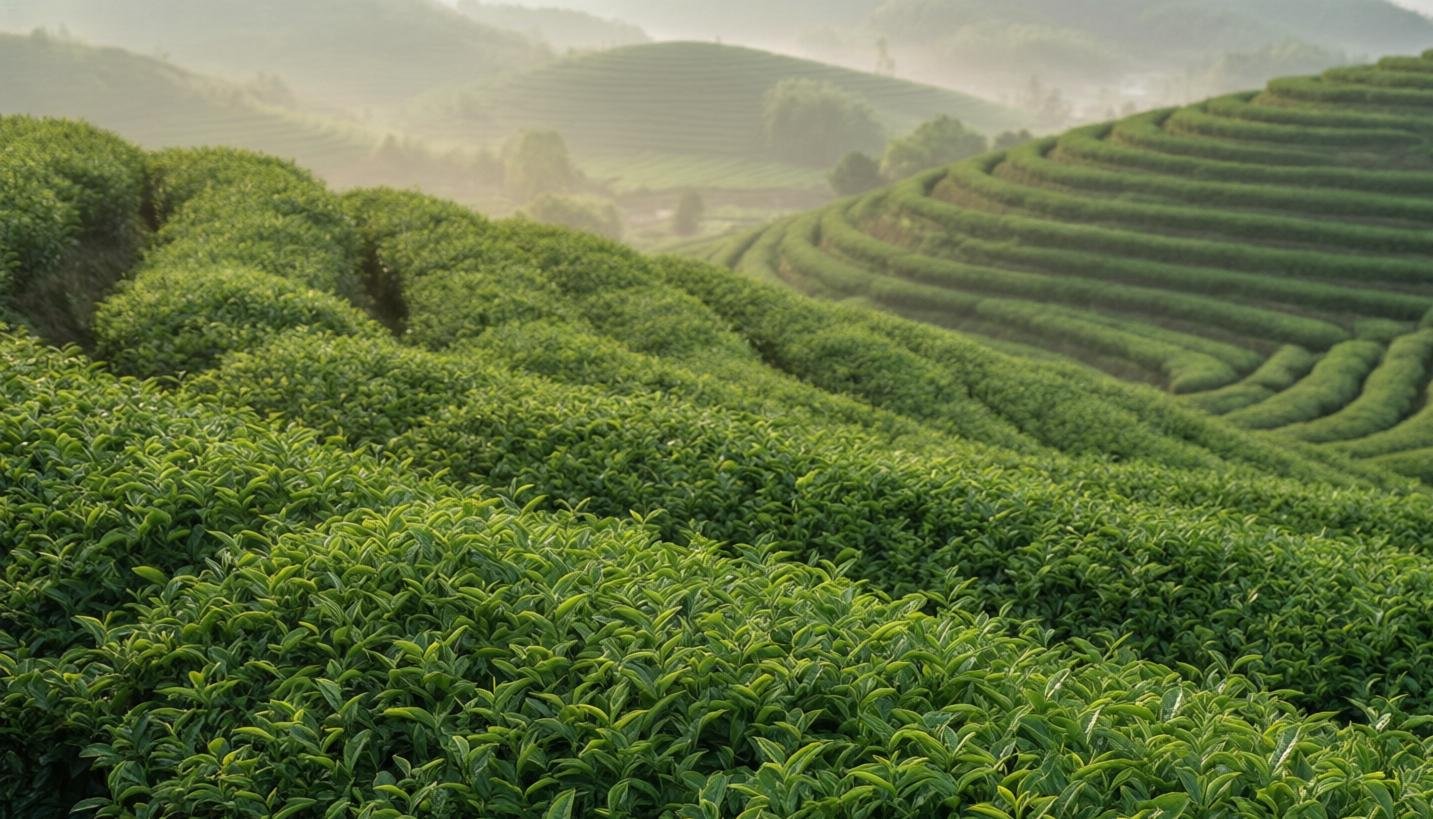
The bushes used for Huiming tea are mostly local and introduced early-sprouting cultivars suited to the area's climate. Early spring buds and one or two young leaves form the core material. Later harvests exist, but they usually produce a stronger, less refined cup and sell at a lower tier.
The region's thin, mineral-rich soils and frequent mist also shape the leaf. Because the gardens are scattered across Jingning's valleys and ridges, quality can vary noticeably by village, altitude, and picking date. That local variation is one reason buyers should treat Huiming tea as a category with clear grades rather than one interchangeable product.
How Huiming Tea Is Made
Huiming tea follows the core logic of green tea processing: heat the leaves early to deactivate the enzymes that would otherwise darken them. The method changed over time, but most careful producers now use a controlled pan-firing or roller-fixation step rather than open-flame drying alone.
The process begins with a short withering period after picking, just long enough to soften the leaves without letting them oxidize. Then the leaves are heated in a pan or drum. This fixation step removes the raw grassy edge and locks in the green color. The maker must keep the leaves moving so heat reaches the veins evenly without scorching the surface.
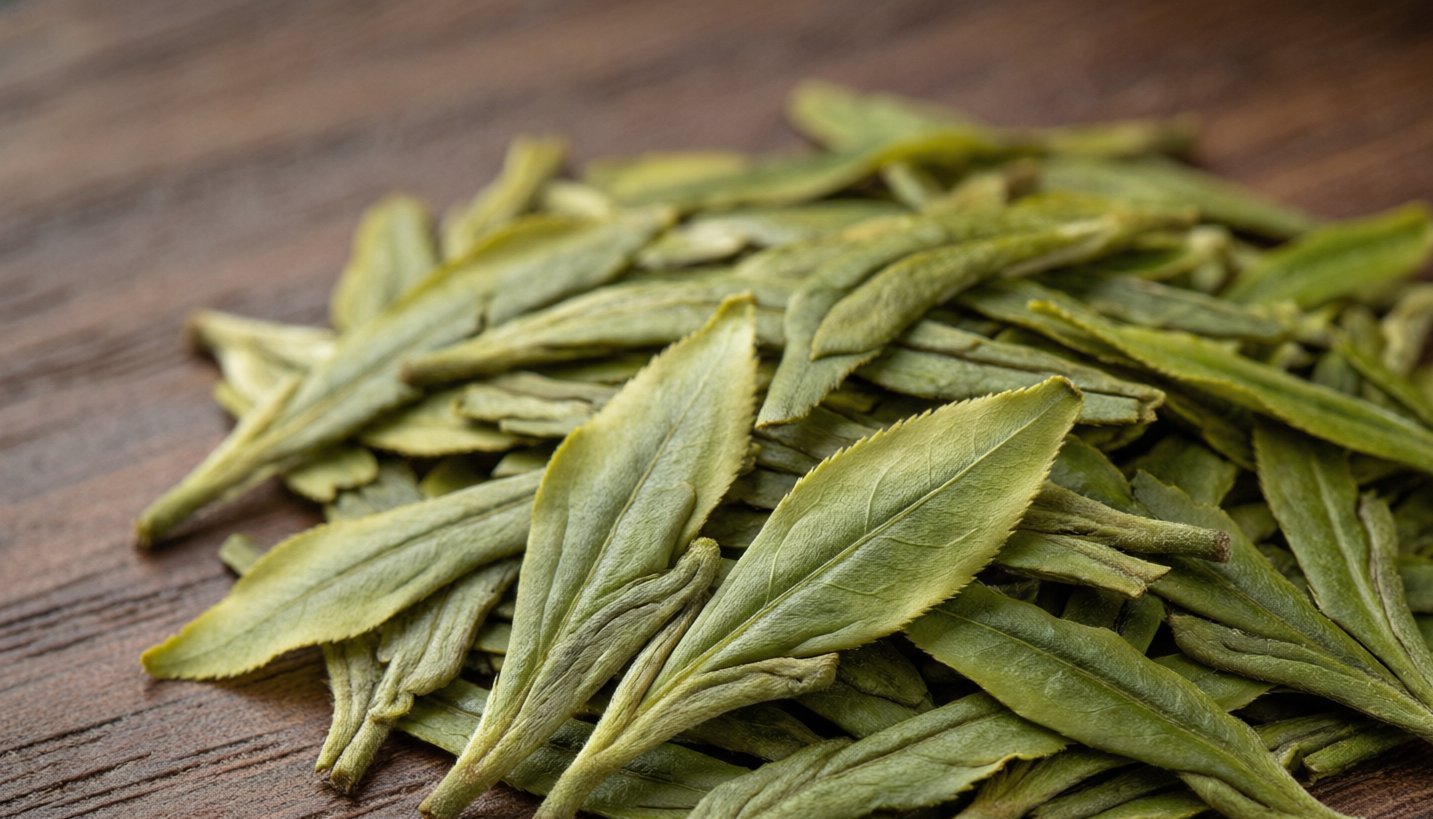
Next, the leaves are shaped and rolled. Huiming tea is not pressed into the flat, needle-like form of Longjing, nor into the tight curls of Biluochun. The dried leaf tends to be slender, a little twisted, and often slightly tippy, with visible fine down on early spring material.
Drying happens in stages. A lower, controlled temperature removes moisture without baking away the floral and chestnut notes. The final tea should feel dry to the touch but still snap cleanly rather than crumble like dust. That balance is a useful sign the tissue structure is intact.
What Does Huiming Tea Taste Like
The best Huiming tea is known for a soft, clean entry with a sweet aftertaste. It is less bluntly nutty than many Longjing batches and lighter than roasted greens. Common notes include chestnut, sweet corn silk, orchid-like florals, and a mild vegetable broth character. The aftertaste can linger without turning dry or chalky.
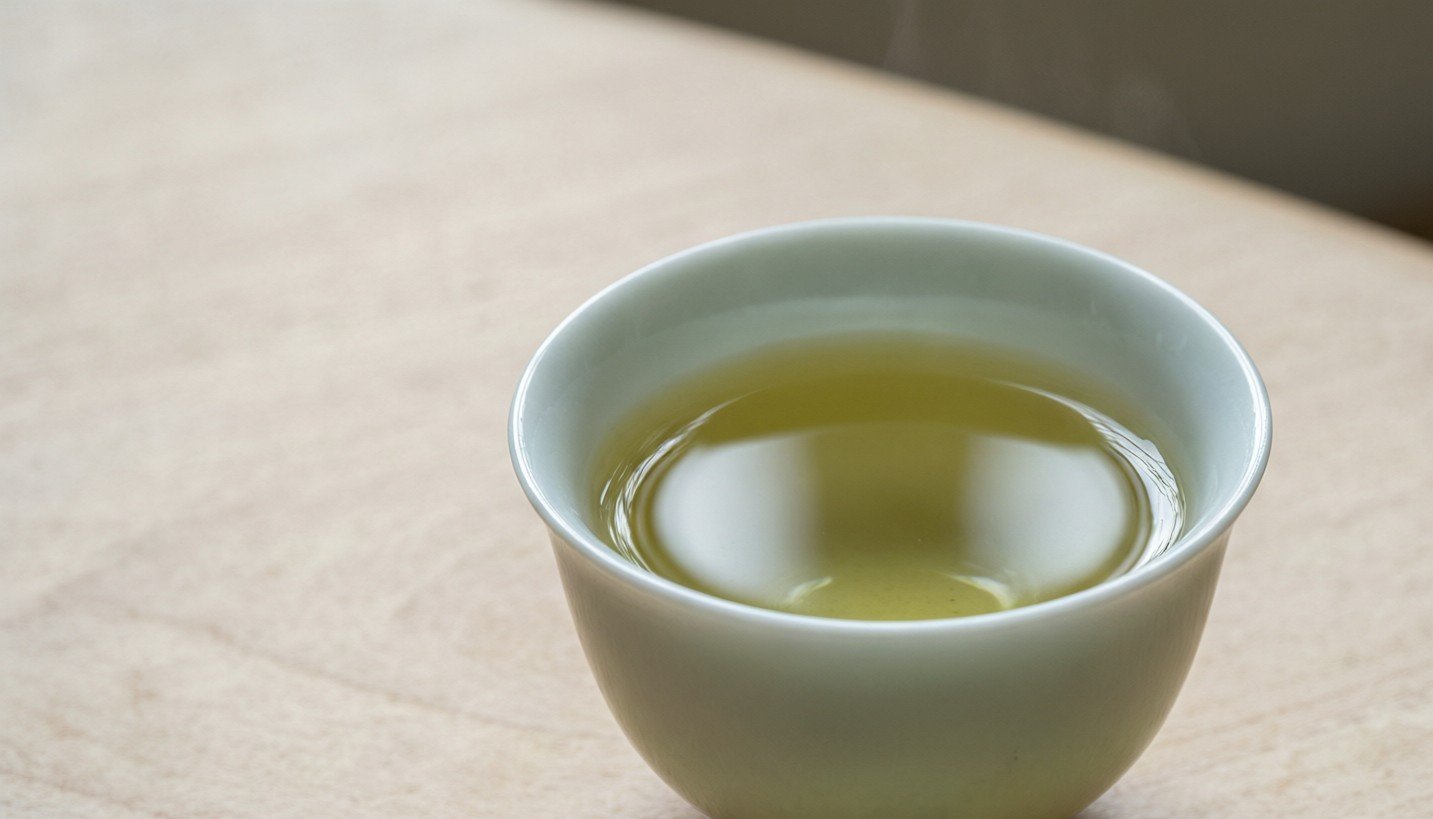
The liquor is usually pale green to yellow-green, bright rather than cloudy. A dull or brownish cup often points to old leaf, late harvest, or careless storage. High-quality spring batches can be re-steeped two or three times, with the second infusion sometimes sweeter than the first.
Huiming tea's balance is its main selling point. Many green teas chase a strong first impression but become bitter or hollow afterward. Huiming often works the other way: the first sip is gentle, and the sweetness builds through the finish. That structure makes it easier to drink across multiple infusions and more forgiving in an office or restaurant setting.
Huiming Tea vs Longjing and Other Zhejiang Green Teas
| Aspect | Huiming Tea | Longjing Tea | Biluochun Tea |
|---|---|---|---|
| Core region | Jingning County, Lishui | Hangzhou area | Mainly Jiangsu and some Zhejiang |
| Dry leaf shape | Slender and slightly twisted | Flat and sword-like | Tightly curled and downy |
| Aroma | Floral, chestnut, sweet corn | Toasted nut and bean | Fruity, floral, sometimes peachy |
| Taste focus | Soft, sweet, rounded | Roasted, savory, structured | Aromatic, juicy, delicate |
| Common brewing tolerance | Forgiving across infusions | Needs precise heat | Can become bitter if over-leafed |
| Buyer caution | Village and grade variance | Famous labels attract fakes | Downy appearance can hide rough leaf |
These three teas share Zhejiang green tea territory, but they are not interchangeable. Longjing offers roast depth, Biluochun offers aromatic lift, and Huiming offers a gentler, sweeter middle ground. For buyers building a balanced green tea program, Huiming can fill a role that a more famous name may not: a high-altitude tea with clear origin but less label-driven pricing.
How to Brew Huiming Tea
Use about 3 grams of leaf for a 150 to 200 milliliter vessel. Water temperature should be around 80 to 85 degrees Celsius for most early spring batches. If the tea is a later harvest or made from larger leaves, a slightly lower temperature can reduce bitterness.
Glass or porcelain works well because it does not hold heat too long. Start with a quick rinse only if the leaves are tightly made or the buyer wants to wake the aroma. Otherwise, the first infusion can go straight to serving.
Steep the first round for about 20 to 30 seconds. Later infusions can run slightly longer, adding 10 seconds or so each round. The point is to extract the sweet middle without pulling out the fibrous, drying character that comes with over-brewing.
Buying Huiming Tea and What to Check
First, check the dry leaf. Good spring Huiming tea should be whole, reasonably uniform, and alive in color. A green that looks dull gray, brown, or heavily broken usually signals old stock, late picking, or rough handling.
Smell the dry leaf before brewing. It should be clean and sweet, with no musty or stale note. After brewing, the leaf should open easily and show a bright green or yellow-green color. Dark, muddy leaves often mean the fixation was too slow or the raw material was weak.
Ask the supplier for origin detail, harvest date, and elevation when possible. Jingning's villages do not all produce the same quality, so a vague "Zhejiang Huiming" label is less useful than a specific production area and spring window. If buying wholesale, request a sample from the exact lot being offered, not a showpiece batch that may not match the shipment.
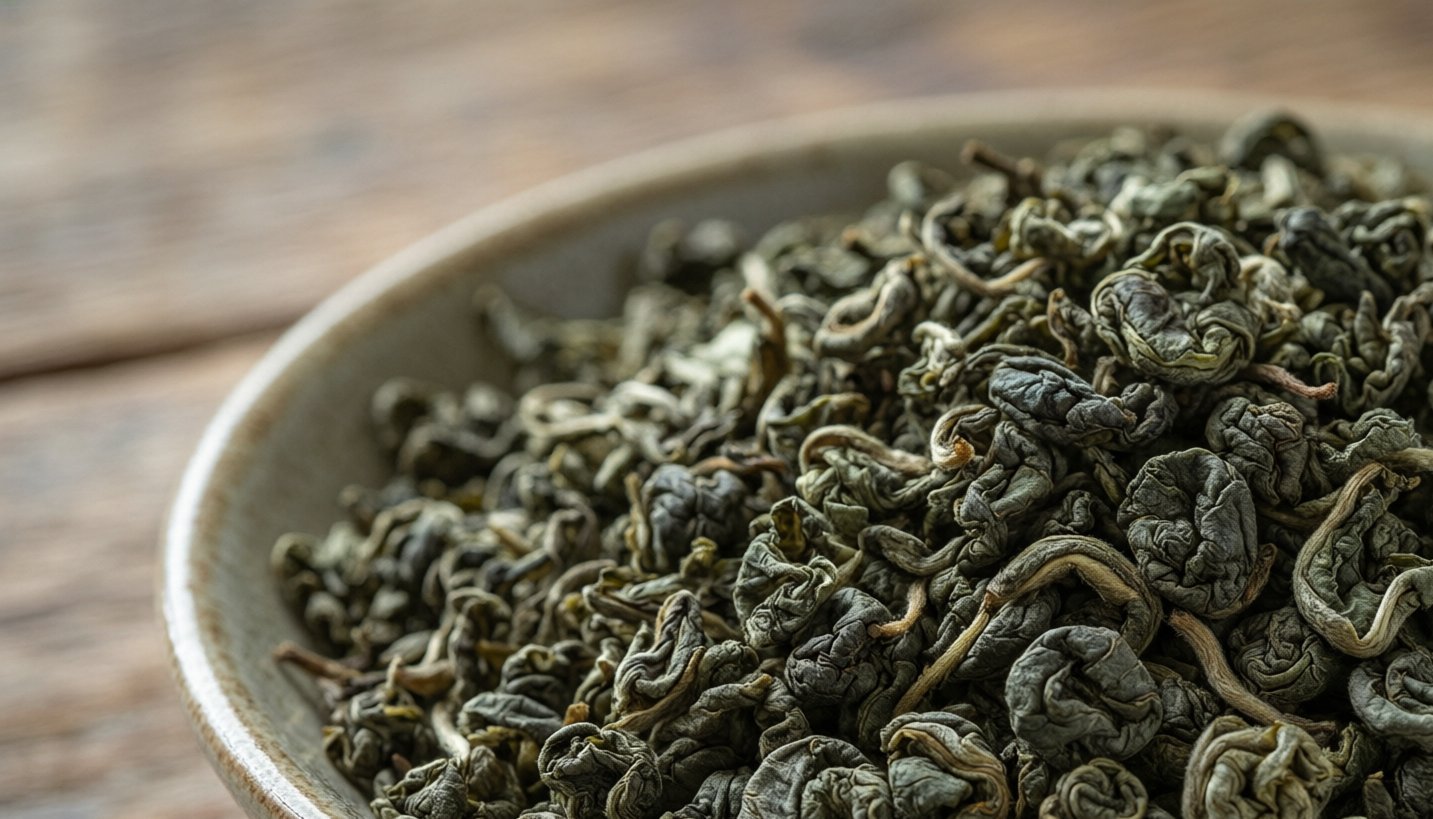
Storage matters as much as origin. Huiming tea is a green tea and should be kept cool, dry, sealed, and away from light. Wholesale buyers should confirm the tea has not been warehoused in open bags or near strong smells. For larger orders, consider asking about moisture content and packaging before the tea leaves the origin warehouse.
Sourcing Huiming Tea for Wholesale
Huiming tea works best for buyers who want a recognizable Zhejiang green tea with a clear story but less exposure to Longjing's counterfeit pressure. The key is to lock the grade, harvest window, and origin before price. Start with a small sample lot, then scale against a confirmed standard.
Tell us the harvest period, leaf grade, target quantity, and destination market. Contact Chinese tea suppliers at 427728483@qq.com.
FAQ
Is Huiming tea a green tea or a separate category
Huiming tea is a green tea. The name refers to its origin and local style, not to a different processing class. It is heated early to stop oxidation, just like Longjing or Biluochun, but the leaf shape, cultivar mix, and high-altitude conditions give it a different flavor profile.
Why is Huiming tea less well known than Longjing
Longjing has centuries of branding, imperial association, and a much larger production area. Huiming is smaller in volume and tied closely to Jingning County. That lower profile can be an advantage for buyers because the tea is less likely to be the target of large-scale label fraud, but it also means grades are less standardized.
What should buyers look for in good Huiming tea
Look for whole, fresh-colored dry leaf, a clean sweet aroma, and a bright yellow-green liquor. The tea should taste soft and sweet rather than sharply grassy or chalky. Origin detail, harvest date, and a sample from the exact offering matter more than packaging or a general "high mountain" claim.
How should Huiming tea be stored
Store it like any delicate green tea: cool, dry, sealed, and away from light and strong odors. Wholesale buyers should avoid open bags and warm warehouses. For long-term holding, refrigeration may help, but the tea must be sealed well and allowed to reach room temperature before opening to avoid condensation.
No author description available.

白玉京