Yiwu Tea Packaging Formats: Cakes, Bags & Bulk Options
Yiwu sits in Xishuangbanna, Yunnan, and its tea is known for a soft, fragrant, long-aging raw Pu-erh character. For wholesale buyers, the first real decision after choosing the tea is packaging: cake, retail bag, or bulk loose leaf. That choice changes shipped weight, carton dimensions, customs paperwork, private-label flexibility, and how the tea ages before it reaches the end customer.
This guide walks through the three main Yiwu tea packaging formats and what to request from suppliers before comparing prices.

Compressed Cakes: The Standard Yiwu Format
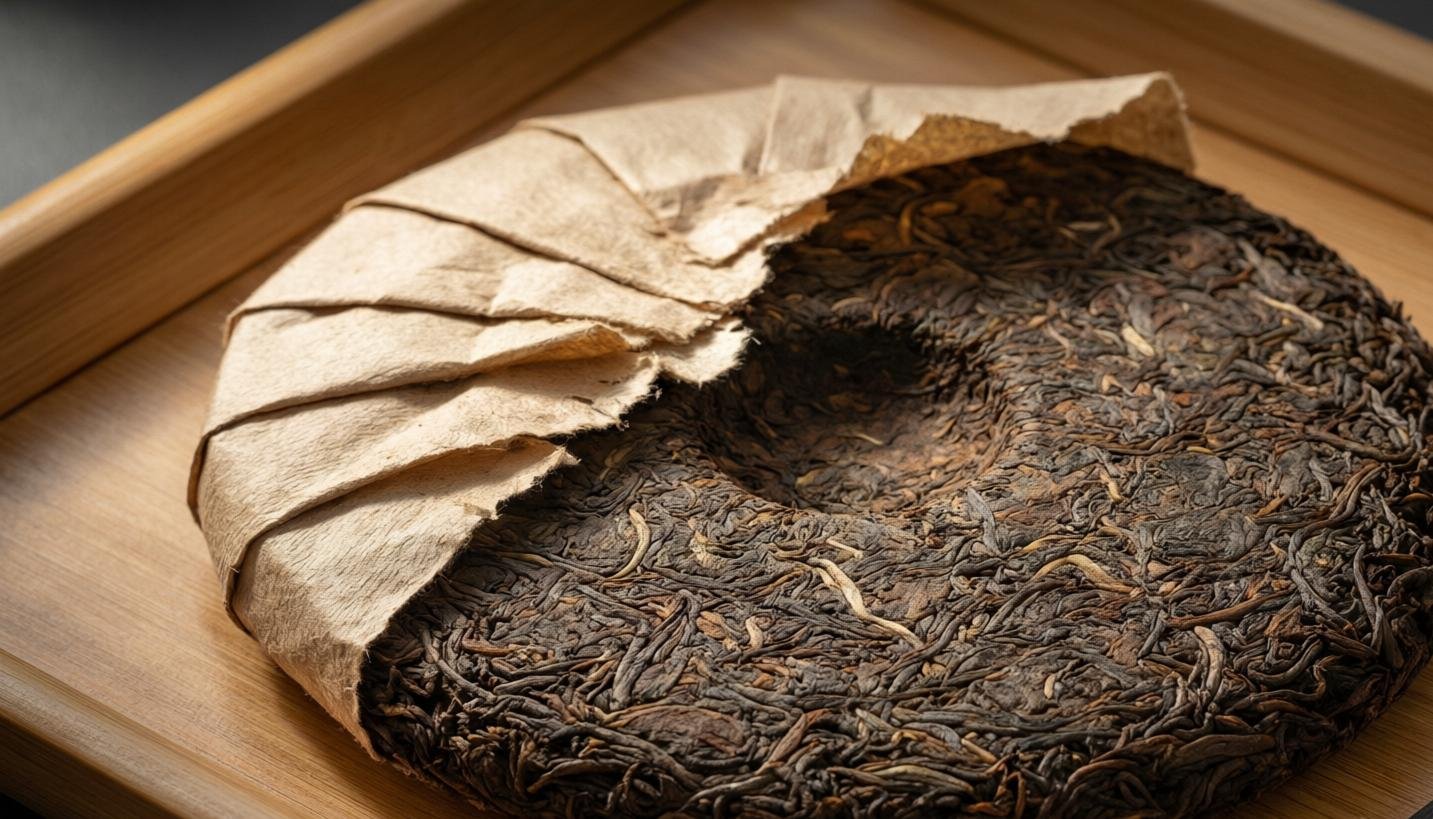
Compressed cakes are the most recognized Yiwu format. Tea leaves are steamed and pressed into discs; the most common weights are 357 g, 200 g, and 100 g, with larger 400 g and 500 g cakes also appearing in some production runs. Mini cakes and pressed "coins" are used for samples, gifting, and retail trial sets.
A standard cake usually has several layers: inner cotton paper, an outer wrapper, and sometimes a bamboo or paper tong holding multiple cakes. Many cakes include an embedded "nei fei" label pressed into the leaves, plus a production date, batch number, and factory identifier on the wrapper. On Chinese specification sheets, Yiwu raw Pu-erh is often classified under GB/T 22111-2008, the national standard for geographical indication Pu-erh tea [1].
For importers, cakes offer advantages in storage density and brand presentation. They also avoid requiring the buyer to repack loose tea on arrival. The trade-off is higher labor input from pressing and wrapping, which appears in the per-kilogram price. When comparing cake quotations, ask whether the price covers the inner paper, outer wrapper, carton, and tong packaging — not just the pressed tea.
Bags and Retail Packaging: Sample Pouches to Display Boxes
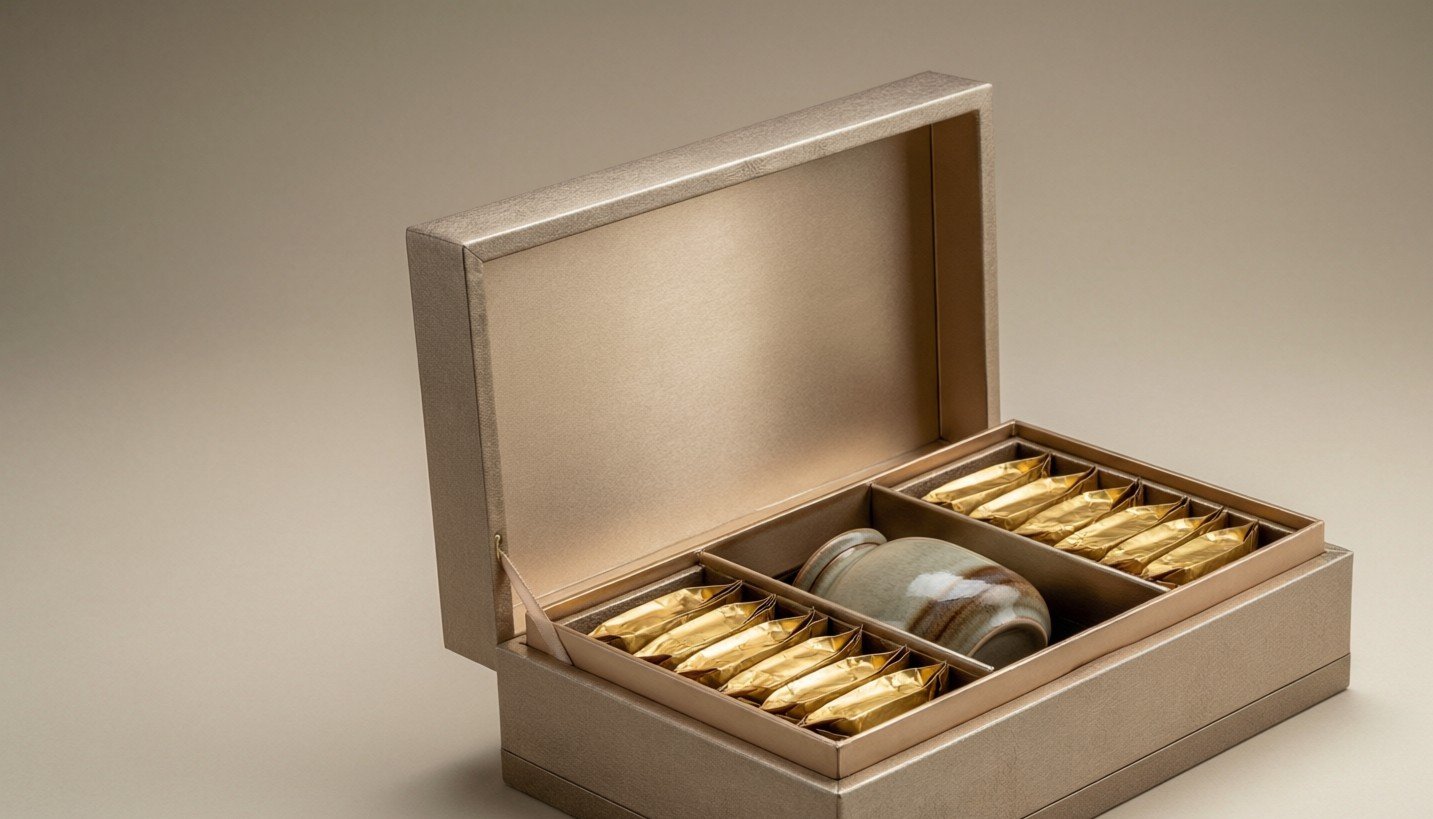
In Yiwu tea sourcing, "bags" usually means retail-ready pouches, not traditional tea bags. Common formats include 50 g, 100 g, and 250 g stand-up zip pouches with foil lining, plus single-serve 7–8 g sachets or pressed dragon balls. Some suppliers also offer gift boxes containing individually wrapped mini cakes or foil pouches.
Retail bags are the fastest route to shelf-ready inventory. They can carry a private label, a window, tasting notes, brewing instructions, and destination-market compliance information. A food-grade inner layer matters because Yiwu tea absorbs odors and moisture quickly; zipper pouches should seal cleanly and use an oxygen or moisture barrier appropriate for the tea's intended shelf life.
This format costs more per kilogram than bulk because of material, filling labor, and lower packaging efficiency. It also locks the buyer into a specific portion size and brand presentation. However, for boutique shops, online sellers, and corporate gifting, bags eliminate the need to repack products in the destination country.
Bulk Loose Leaf: The High-Volume Import Format
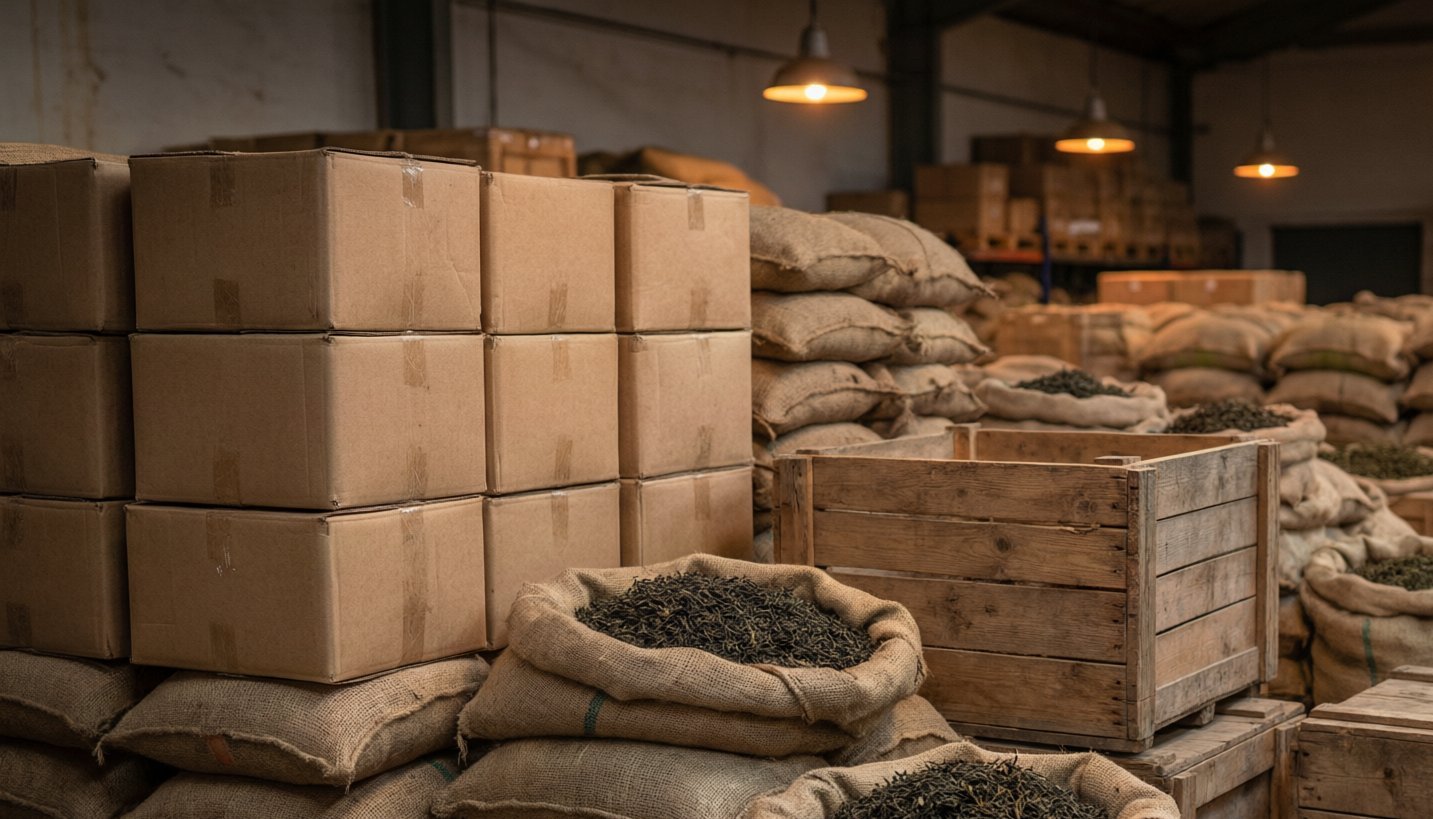
Bulk loose leaf is the practical format for private-label blenders, tea bag producers, RTD manufacturers, and importers who already have in-house packing capacity. Yiwu maocha or finished loose leaf is typically packed in food-grade polyethylene liners inside multiwall kraft or aluminum foil bags, then sealed into export cartons. Common outer carton sizes range from roughly 10 kg to 25 kg, depending on leaf density and supplier practice.
Bulk gives the lowest unit packaging cost and the greatest flexibility. The buyer controls final portioning, branding, and whether the tea becomes loose leaf packs, sachets, or a blend component. The risk is moisture and oxygen exposure once a carton is opened. An import shipment that will be repacked over several months needs a dry, odor-free warehouse and an internal stock rotation plan.
Some suppliers offer vacuum-compressed bulk bags to reduce freight volume. That works well for dense, finished leaf, but over-compression can crush delicate buds and create more broken pieces in high-grade Yiwu material. If compression is proposed, request photos of the compressed leaf after opening and a sample from the same production batch.
Comparing Yiwu Packaging Formats at a Glance
| Format | Common Units | Core Users | Main Trade-Off |
|---|---|---|---|
| Compressed cake | 100 g, 200 g, 357 g, 400 g | Brand importers, collectors, gift sellers | Higher pressing labor, strong presentation |
| Loose leaf pouch | 50 g, 100 g, 250 g | Retail shops, online sellers | Shelf-ready but less flexible |
| Sample sachet | 7–8 g, mini cake | Tasting kits, hotels, trial sales | High unit cost, low risk |
| Bulk loose leaf | 10–25 kg carton | Private label, blenders, RTD | Lowest cost, requires repacking |
| Gift box | Pouch, mini cake, or mixed set | Corporate sales, seasonal retail | Premium cost, strong gift margin |
For a direct quote on your target format, email xuansc2144@gmail.com with the format, unit weight, and destination market. The sourcing team will confirm inner packaging, carton count, and available compliance documents.
Packaging Materials, Compliance, and Aging
Packaging is also a compliance issue, not just a cosmetic choice. In the European Union, materials intended to come into contact with food fall under Regulation (EC) No 1935/2004 [2]. Many audited packing operations also run food safety systems built around ISO 22000:2018 [3]. Buyers should request supplier documentation for the inner liner, wrapper, and any printed carton material before committing to a private-label run.
For Yiwu raw Pu-erh, packaging affects how the tea evolves. Breathable paper wrappers allow slow oxygen and moisture exchange, which is generally the accepted approach for long-term aging. Fully sealed foil locks the tea's current state and slows change, making it more suitable for retail product stability. A wholesale buyer should therefore choose packaging according to whether the tea will be drunk soon, held as inventory, or marketed as an aging product.
Labeling requirements vary by market, but a complete wholesale specification includes product name, tea type, origin, net weight, production date, batch number, and storage conditions. Private-label boxes usually require separate artwork approval and a higher minimum than stock packaging.
Request a Format-Specific Yiwu Quote
To compare suppliers on equal terms, ask for the same details across every quote:
- Tea format and exact unit weight
- Inner packaging material and food-contact compliance
- Outer carton dimension, carton quantity, and gross weight
- Batch number, production date, and harvest year
- Available lab test or moisture report
- Sample policy and match between sample and production batch
- Private-label minimums and artwork timeline
Email xuansc2144@gmail.com with your target format, annual volume, and destination market. Our team will return a format-specific quote showing packaging breakdown, export carton count, and required documentation.
Frequently Asked Questions
Are Yiwu cakes always raw Pu-erh?
No. Yiwu is most famous for raw Sheng Pu-erh, but ripe Shou versions and some aged material also appear in cake form. Check the specification sheet for raw, ripe, or aged classification.
Which format is best for long-term aging?
Compressed cake is the most common aging format because wrapping and pressing influence oxygen and moisture exchange. Bulk loose leaf can age too, but it requires more careful warehouse control and is exposed faster once opened.
Can I order the same Yiwu tea in cakes and bulk?
Often yes, if the supplier holds enough stock from the same batch. Confirm that the sample, bulk lot, and pressed cakes carry the same batch reference before placing a split order.
What is the difference between retail bags and tea bags?
Retail bags are pouches of loose leaf, often with a zip seal and private label. Tea bags are filled portion packs, usually 2–3 g, and require different machinery, a different grade of leaf, and different compliance labeling.
How is pricing affected by packaging format?
Bulk loose leaf is generally the cheapest per kilogram. Cake pressing adds labor and materials, while retail pouches and gift boxes carry the highest per-unit packaging cost because of filling, design, and lower carton efficiency.
What should be printed on wholesale labels?
Product name, tea type, origin, net weight, batch number, production date, storage conditions, and importer or distributor information where required by the destination market.
References
[1] Standardization Administration of China. GB/T 22111-2008, Product of geographical indication—Pu'er tea. 2008.
[2] European Commission. Regulation (EC) No 1935/2004 on materials and articles intended to come into contact with food. 2004.
[3] International Organization for Standardization. ISO 22000:2018, Food safety management systems — Requirements for any organization in the food chain. 2018.
No author description available.

白玉京