Naka Pu-erh Tea Prices in 2026: What Importers Really Pay
Naka is one of Menghai’s quieter high-value pu-erh origins: more approachable than Laobanzhang in price, but with enough old-tree material and a distinct honey-bitter profile to hold a specialty position. For importers, the real question is not whether Naka has demand, but what a specific grade, season, and format should actually cost—and how to avoid paying old-tree prices for plantation leaf.
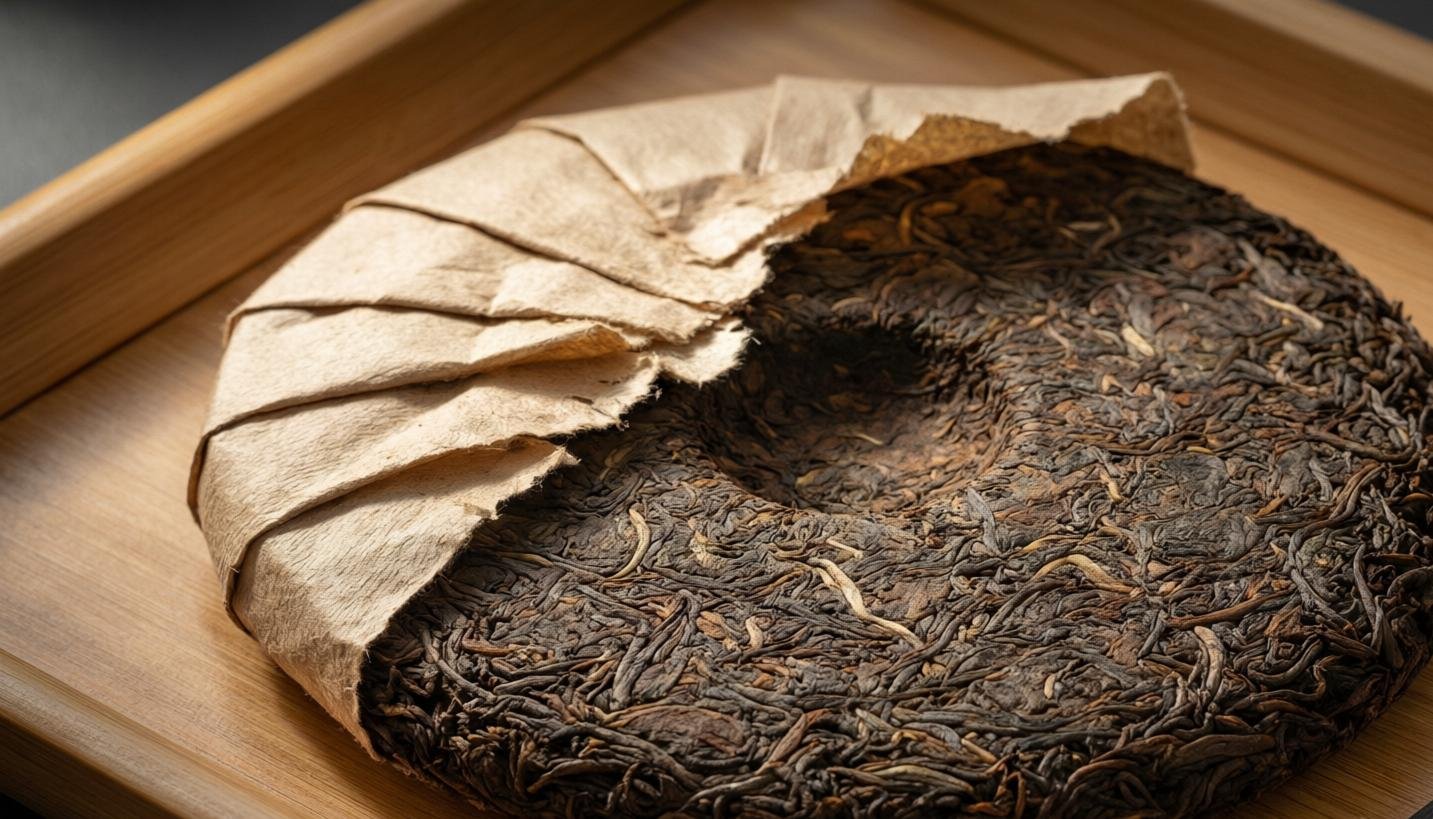
The price of Naka pu-erh spans a wide band because the name covers small-tree plantation maocha, blended old-tree material, single-origin gushu, and pressed sheng or shou in several formats. A reliable quotation therefore needs to specify more than “Naka.” It should fix the harvest year, tree age, season, grade, compression form, and whether the lot is ex-works Yunnan or FOB. [1][2]
What Naka Pu-erh Is and Why Its Price Sits Where It Does
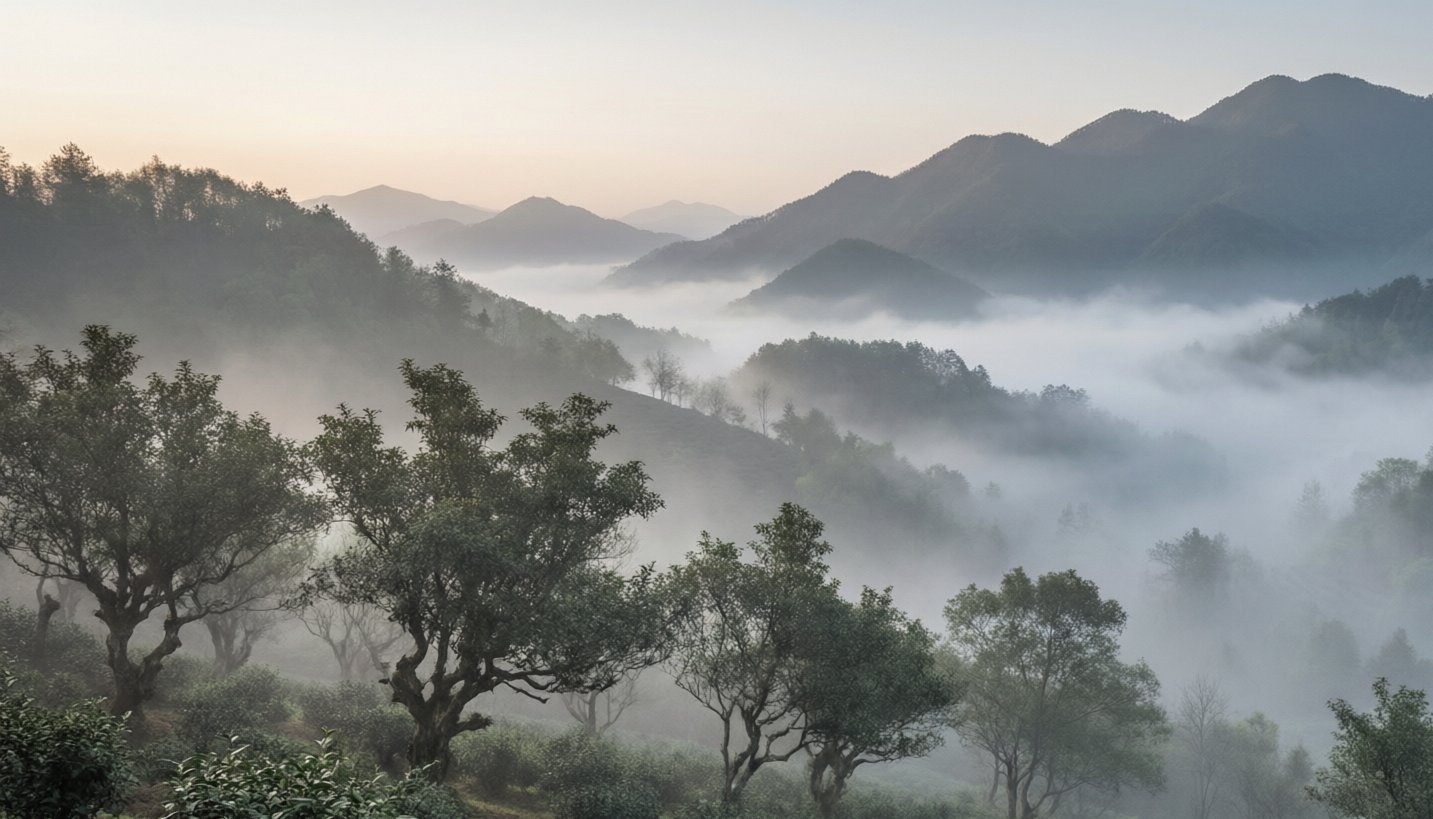
Naka is a tea-producing village area in Menghai County, Xishuangbanna Prefecture, Yunnan. Its gardens range from replanted terrace bushes to established old-tree gardens at altitude, and the better batches show a floral-honey top note with a structured bitterness that settles into returning sweetness. [2][3]
This position matters for pricing. Naka does not usually command the top Laobanzhang or Bingdao style premiums, but it sits above generic Menghai plantation sheng because its old-tree material is limited and the village has a documented production identity. [1] Buyers who treat Naka as a mid-tier premium origin often get a more consistent price-to-flavor ratio than those chasing the most speculative village names.
How the price is quoted in practice
Wholesale prices are normally quoted in RMB per kilogram for maocha or per 357-gram cake for pressed sheng. FOB prices add packing, export documentation, and the supplier’s logistics margin—usually converting at the current exchange rate plus 10–20% depending on volume and packaging. [2][4] Without this breakdown, two quotes are not directly comparable.
Naka Pu-erh Wholesale Price Ranges in 2025–2026
The ranges below reflect ex-works Yunnan wholesale levels reported for 2025 spring material, normalized to RMB per kilogram, with an approximate USD equivalent for a full-container mixed load. They are planning ranges, not fixed offers; actual lots move with harvest weather, tree-age verification, and supplier position. [1][4]
| Naka lot type | Ex-works RMB/kg | Approx. USD/kg FOB | Notes |
|---|---|---|---|
| Plantation terrace sheng maocha | 180–350 | 25–48 | Best for entry retail blends |
| Old-tree/gushu sheng maocha | 900–2,000 | 125–280 | Spring material, origin should be verified |
| Single-batch Naka gushu spring maocha | 2,500–6,000 | 350–800 | Small lots, often pre-sold early |
| Pressed sheng cake 357g, old-tree blend | 300–700 RMB/cake | 42–98 | Price per cake, not per kg |
| Shou pu-erh Naka blend, loose or pressed | 120–300 | 17–42 | Lower cost, fermentation margin |
Prices for aged Naka cakes are a different market: a cleanly stored 2018–2020 old-tree cake can trade at 1.5–3× its original release price, but liquidity is thinner and storage provenance is part of the valuation. [1]
These bands explain why an importer should never accept “Naka pu-erh” as a complete specification. A plantation lot at 220 RMB/kg and a gushu lot at 1,800 RMB/kg can both be accurately described as Naka, and the gap is mostly invisible after pressing unless the buyer checks the leaf set and the lot documentation.
Six Factors That Move Naka Pu-erh Prices
1. Tree age and garden status
The largest cost gap is between terrace tea and old-tree tea. Old-tree Naka generally carries a 2–5× premium over plantation Naka in the same season, but tree-age claims are only as useful as the supplier’s lot traceability. [2][4]
2. Harvest season
Spring maocha, particularly pre-Qingming, is the high-price benchmark. Late-spring and summer lots fall sharply, and autumn Naka can be 30–50% cheaper than spring material while still working well in mid-range blends. [1][4]
3. Origin precision
A lot from the core Naka village area is priced differently from broader Menghai-area tea sold with a Naka label. Origin specificity is one of the most common points of overpayment, which is why purchase contracts should name the garden or administrative area and attach a processing date. [2][3]
4. Processing and compression
Clean hand-firing, rested maocha before pressing, and compression that does not crush the leaves all add cost. A tight, poorly rested cake can be cheap, but it often drinks flat for the first two years and ages unevenly. [4]
5. Certifications and lab reports
For importers, pesticide residue and food safety compliance are not optional. A lot with EU MRL-compliant lab reports, organic or China organic certification, and a batch test report usually carries 10–15% over an equivalent uncertified lot, but it is the most predictable way to clear customs. [3][5]
6. Age and storage
Naka sheng improves with clean dry storage in Kunming or humid-but-ventilated Xishuangbanna conditions, and the market rewards aged lots with unbroken storage records. The premium is for provenance, not just age. [1][4]
For importers, the three variables that matter most are tree-age evidence, spring versus autumn material, and the lab report attached to the batch. Settling these before price negotiation keeps the quote honest.
How to Buy Naka Pu-erh Without Overpaying
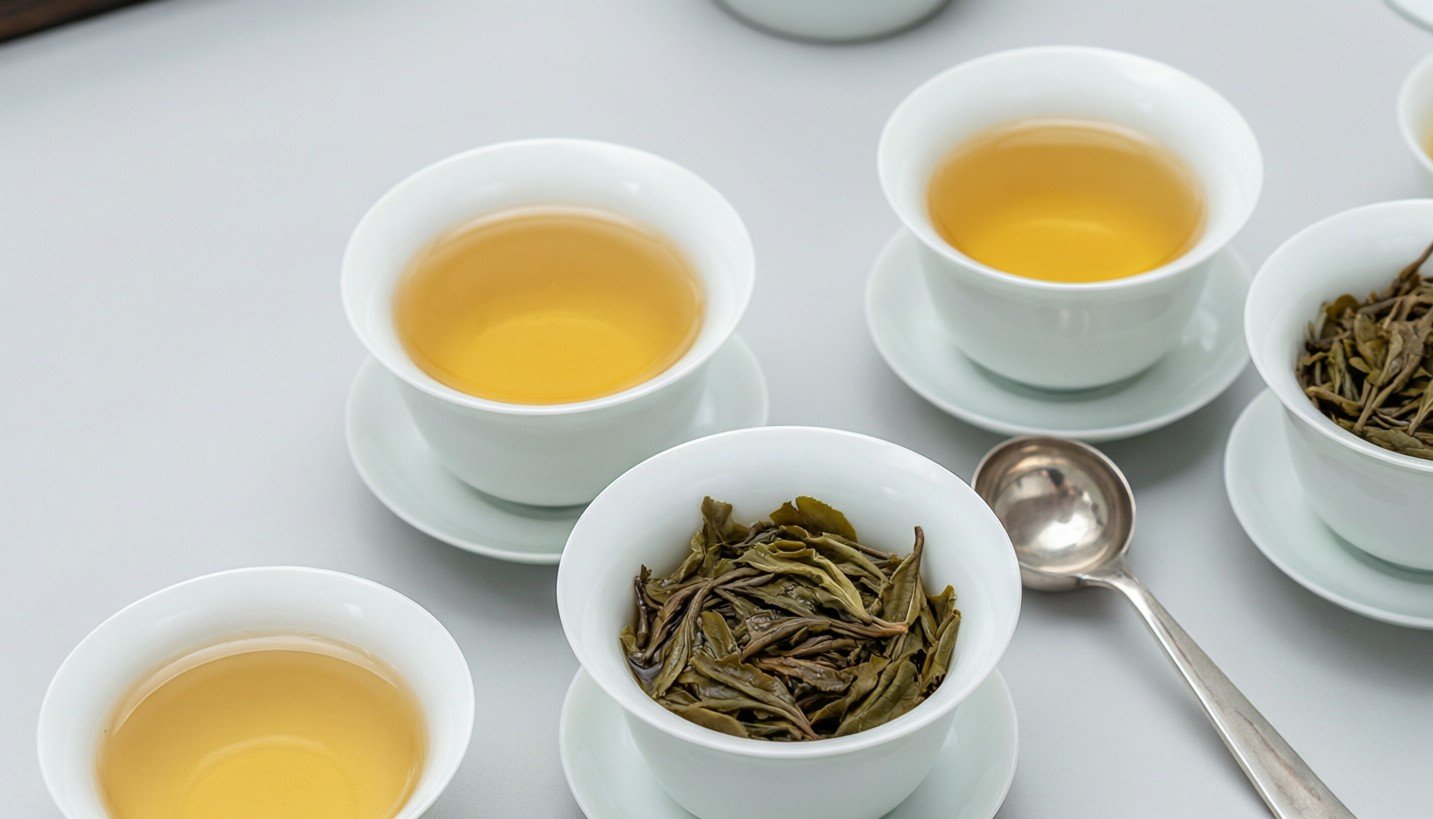
Start with a cupping set, not a price list. Request 50–100g samples from at least three suppliers, then cup them side by side using the same water, temperature, and ratio. A professional cupping set should include dry-leaf appearance, wet leaf, liquor color, aroma, body, bitterness, and finish notes. [3][4]
Then check the paper trail: lot number, harvest date, garden area, processing date, and lab report. If the supplier will not tie a price to a batch and a test report, treat the negotiated number as provisional.
A practical pre-order checklist
- Define the lot: year, season, Naka area or garden, terrace/gushu status.
- Fix the form: maocha loose, 357g cake, 200g cake, or pressed tuo.
- Request a raw leaf image before pressing and a post-pressing sample.
- Ask for pesticide residue and heavy metal reports valid for the destination market.
- Agree on ex-works versus FOB and the inspection standard.
- Put rejection rights in the contract for failed lab results or origin mismatch.
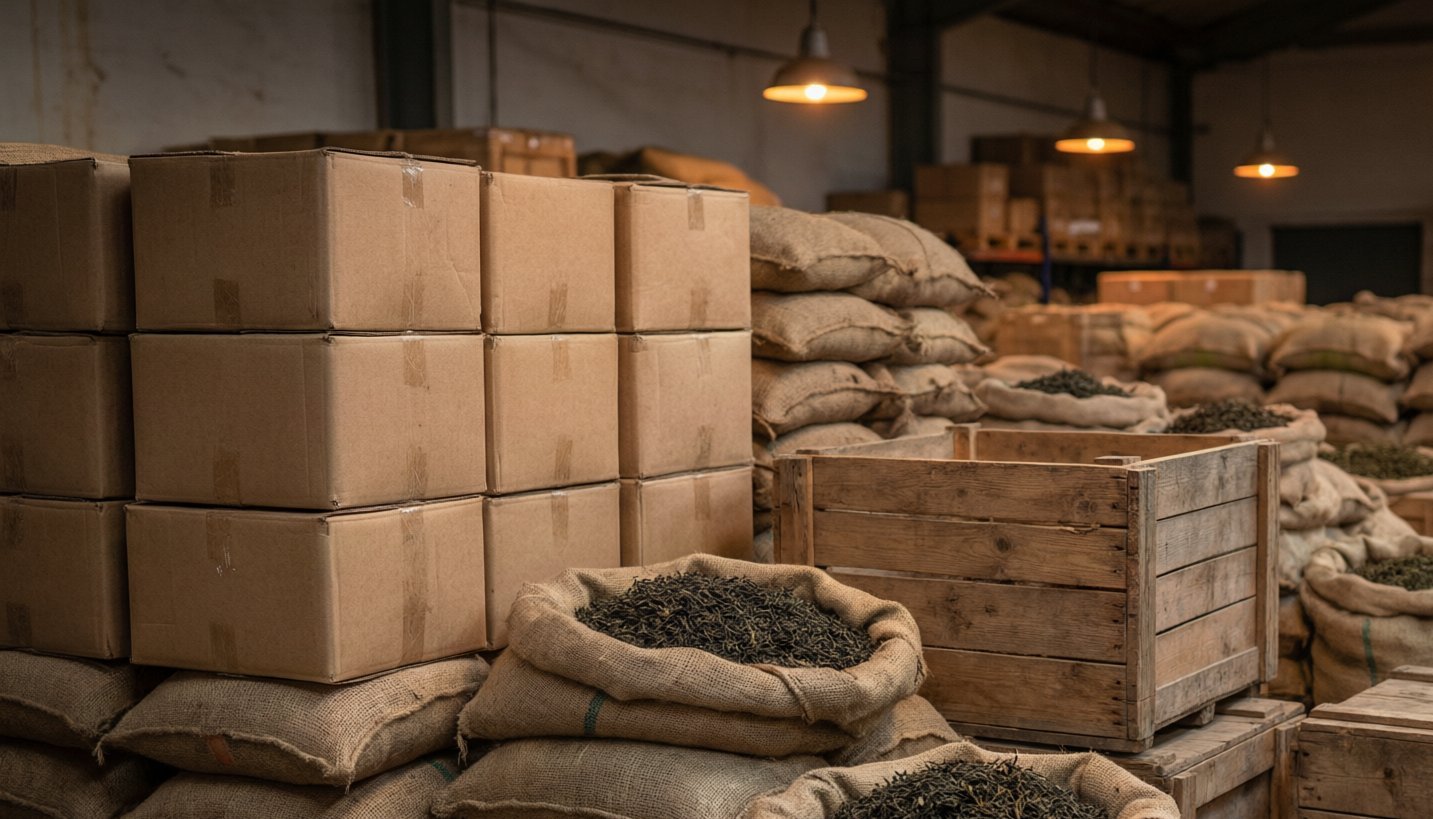
For your first order, a 50–200kg mixed lot of Naka plantation and mid-level old-tree material is a lower-risk way to learn the grade than committing to a single gushu micro-lot. Once the supplier passes cupping and paperwork over two seasons, scaling becomes a relationship discussion rather than a guess. [1][5]
How Naka Pu-erh Sits in a Wholesale Portfolio
Naka works best as the premium-but-not-prima-donna sheng in a buyer’s Yunnan range. It can anchor a specialty menu above everyday Menghai plantation sheng and below the most expensive Bulang or Yiwu micro-lots. The honey-bitter profile also gives it a clear sales story for customers moving from shou or floral oolong into raw pu-erh. [1][2]
If your market is price-led, lead with Naka plantation or autumn material. If your market is specialty retail and subscription-based, the old-tree spring lot is the more defensible purchase because the distinct flavor and traceable origin support a higher retail margin. Many importers carry both levels and use the plantation material to fill volume while the old-tree material builds brand authority. [1]
Source Naka Pu-erh with a Chinese Tea Supplier
If you are building a Naka pu-erh order for 2026, send a full specification to your Chinese tea supplier—including target grade, spring or autumn material, compression format, volume, destination port, and the certifications your market requires.
For direct sourcing support from a Chinese tea supplier, contact xuansc2144@gmail.com. Include “Naka Pu-erh RFQ” in the subject line and tell us the lot type, quantity, and destination market so we can respond with an accurate ex-works or FOB price and a sample plan.
Need a starting point? Ask for:
- Current spring Naka plantation and old-tree maocha ranges.
- A 60g cupping set covering three price points.
- A lab report template for EU or US pesticide limits.
- Lead time from pressing to container loading.
- Storage photos and the batch lot documentation format.
FAQ
What is Naka Pu-erh tea?
Naka is a pu-erh-producing village area in Menghai County, Yunnan. Its sheng is known for a honey-floral aroma and a structured bitterness that softens into sweetness; shou Naka is less common but available as a lower-cost entry point. [2]
How much does Naka Pu-erh cost per kilogram?
In 2025–2026 wholesale trade, plantation Naka maocha is commonly quoted at 180–350 RMB/kg, old-tree maocha at 900–2,000 RMB/kg, and premium single-batch gushu from 2,500 RMB/kg upward. FOB USD adds packing, documentation, and logistics margin. [1][4]
Is Naka Pu-erh cheaper than Laobanzhang?
Yes. Naka generally trades well below Laobanzhang and Bingdao style village premiums, but above generic Menghai plantation sheng. That is the core reason buyers treat Naka as a mid-premium origin with a clearer price-to-flavor ratio. [1]
Does Naka Pu-erh improve with age?
Old-tree Naka sheng often improves over 5–15 years with clean storage, developing warmer honey and tobacco-adjacent notes. Plantation Naka has less aging headroom and is usually better sold within a few seasons. [2][4]
What is the difference between Naka old tree and plantation?
Old-tree Naka comes from established tea trees, often deep-rooted and harvested in smaller quantities, with stronger aftertaste and higher price. Plantation Naka is higher-yield terrace tea—cleaner and more affordable, but with less complexity and shorter aging potential. [3][4]
How can importers verify Naka origin?
Request a batch lot number, harvest date, garden or administrative area, and a lab report. Compare the dry-leaf set, wet-leaf aroma, and post-pressing sample against the supplier’s description, and write the lot specifications into the purchase contract. [3][4]
What food safety certifications matter for Naka pu-erh?
At minimum, request pesticide residue and heavy metal tests that match your destination market. Depending on the market, add CNAS-accredited lab reports, organic certification, or the supplier’s CIQ/health-certificate trail. [3][5]
References
[1] China Tea Marketing Association, “2025 China Tea Price and Production Report,” Beijing, 2025.
[2] Menghai County Agriculture and Rural Affairs Bureau, “Naka Tea Industry Development Briefing,” Xishuangbanna, 2024.
[3] Standardization Administration of China, GB/T 22111-2008, Product of geographical indication—Pu’er tea, Beijing, 2008.
[4] Yunnan Academy of Agricultural Sciences Tea Research Institute, “Yunnan large-leaf tea germplasm and processing quality,” Kunming, 2021.
[5] Yunnan Provincial Statistics Bureau, “Yunnan agricultural product price monitoring and export data,” Kunming, 2025.
No author description available.

白玉京