Sun Moon Lake Black Tea Brewing: The Right Way
Sun Moon Lake black tea has a reputation for being friendlier than many Assam-heavy or Fujian black teas: softer tannin, less bitterness, and a sweet spice character that many drinkers describe as cinnamon, honey, or cooling mint. But that softness disappears quickly when the water is too hot, the leaves are stale, or the ratio drifts. The most reliable approach is to stop treating every Sun Moon Lake lot as one generic black tea and instead brew by cultivar. Ruby 18 and Jin Xuan behave very differently in the cup.
What You're Actually Brewing
Sun Moon Lake black tea comes mainly from Yuchi Township in Nantou County, Taiwan. The area's humid mountain-lake climate slows leaf growth and concentrates aroma compounds, which is part of why the finished tea often tastes sweeter than its processing level alone would suggest [1].
The two most common styles are worth separating before you heat water.
Ruby 18, officially TTES No. 18, was bred by Taiwan's Tea Research and Extension Station from a large-leaf Assam-type cultivar and a native wild tea line [2]. In a well-made batch, it combines malty body with cinnamon, dark honey, and a distinctive cooling quality that some compare to mint or eucalyptus. It can take near-boiling water without falling apart.
Jin Xuan black tea is the black-tea version of the milky oolong cultivar. Processed this way, it typically tastes rounder, creamier, and lighter, with less of Ruby 18's spice. It prefers slightly cooler water and shorter steeps.
This is why a single "correct" time and temperature for Sun Moon Lake black tea would be misleading. The right method starts with the leaf.
Choose the Right Leaves and Store Them Well
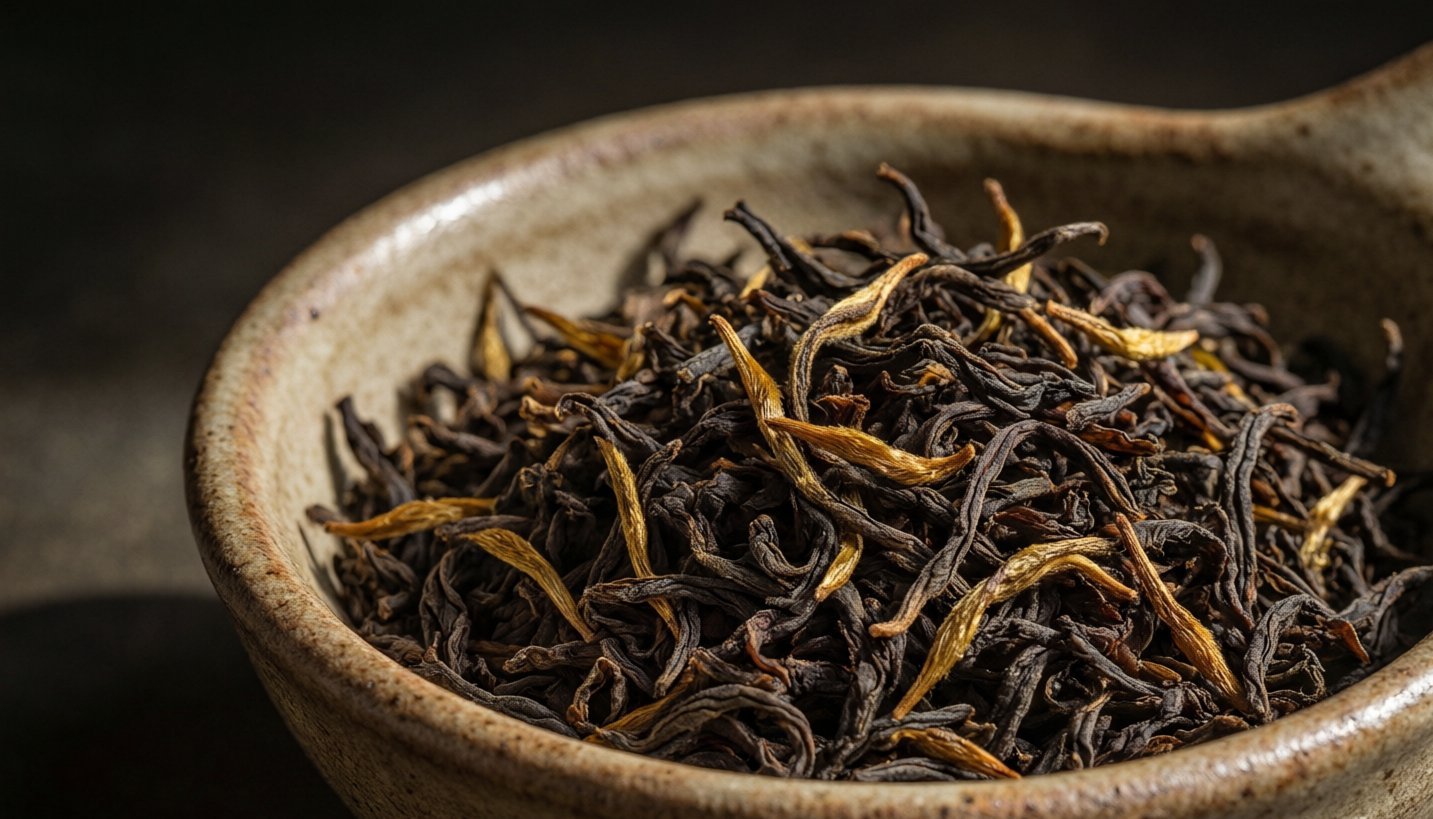
Before adjusting a single brewing variable, check the leaves themselves. Good Sun Moon Lake black tea is usually whole leaf or large broken pieces, dark brown to black, with some golden or reddish streaks in Ruby 18. The dry aroma should lean sweet: rock sugar, dark fruit, cinnamon, or honey. If it smells flat, papery, or sour, the cup will not improve with technique.
Storage matters more than many home brewers assume. Keep the tea in an airtight, opaque container away from heat, light, moisture, and strong kitchen odors. Sun Moon Lake black tea does not need refrigeration. A cool cupboard, a sealed bag with the air pressed out, and a reasonably quick drinking window preserve the honeyed top notes best.
One useful tasting exercise when evaluating a new lot is to cup Ruby 18 and Jin Xuan side by side at the same ratio and temperature. That quickly reveals whether a "flat" cup is coming from your water, your method, or the tea itself.
Water, Temperature, and Leaf Ratio
Use the softest, cleanest water you have. High chlorine content dulls the sweet finish of Sun Moon Lake black tea, and very hard water can make the tea taste chalky or metallic. If your tap water is harsh, bottled spring water is usually a meaningful upgrade rather than a snob detail.
For cupping and sensory evaluation, the reference approach in ISO 3103 is to use boiling water to prepare the liquor [3]. But cupping is designed to expose defects and compare samples, not to make the most pleasant drinking cup. For daily brewing, most Taiwanese makers push Ruby 18 harder and hold Jin Xuan gentler.
Suggested starting points:
| Style | Leaf | Water | Time |
|---|---|---|---|
| Ruby 18, gongfu | 5–6 g per 100–120 ml | 90–95°C | 20–25 sec first steep |
| Ruby 18, Western | 2.5–3 g per 250–300 ml | 90–95°C | 3–4 min |
| Jin Xuan black, gongfu | 5 g per 100–120 ml | 85–90°C | 15–20 sec first steep |
| Jin Xuan black, Western | 2.5–3 g per 250–300 ml | 85–90°C | 2.5–3 min |
These are starting points, not fixed laws. If a Ruby 18 brew turns harsh, lower the temperature in 3–5°C steps before adding more leaf. If Jin Xuan tastes too light, increase the ratio before lengthening the steep.
Gongfu Method for More Aroma
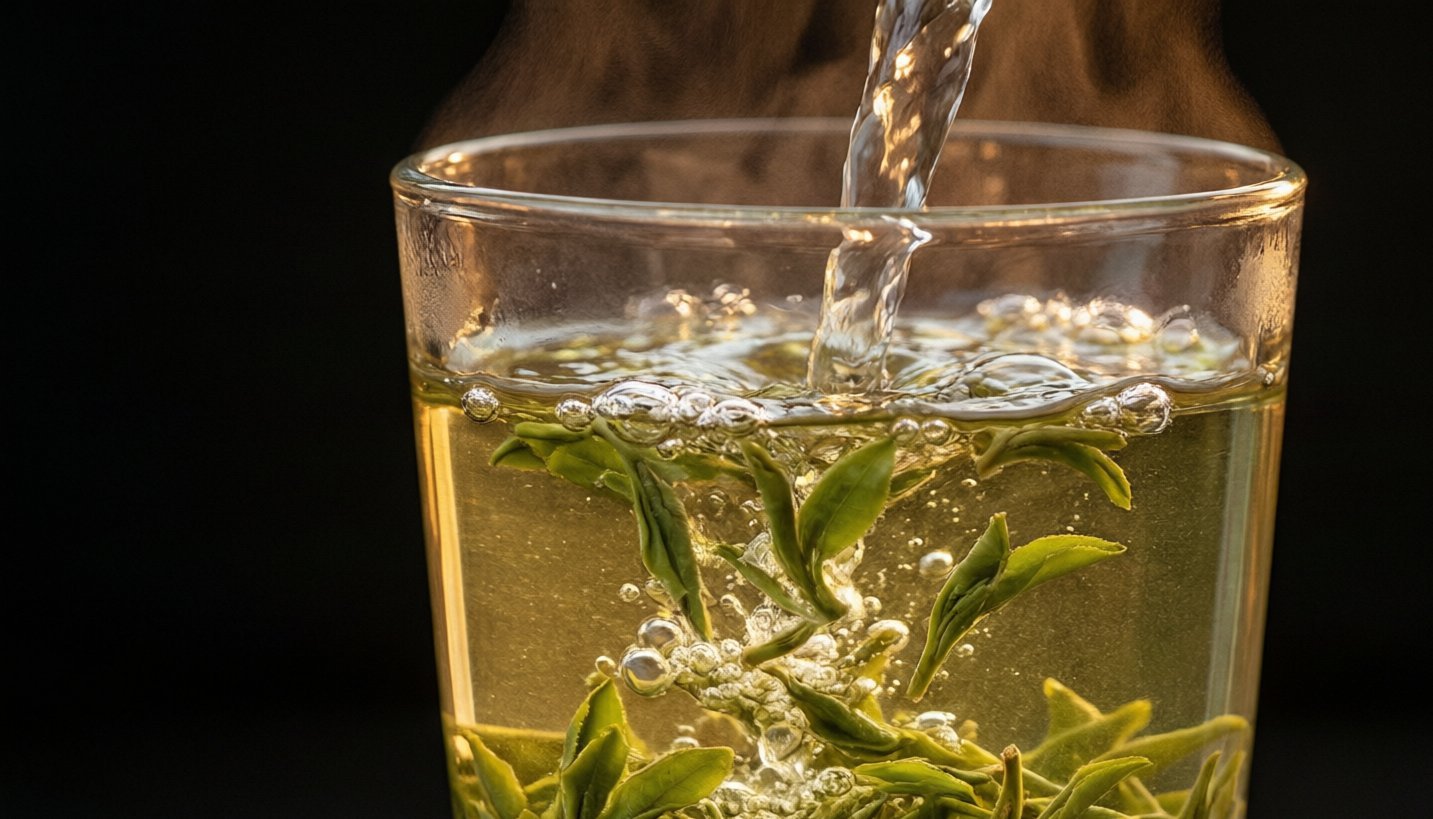
Gongfu brewing gives Sun Moon Lake black tea more intensity because the leaf concentration is higher and the steeps are short.
- Preheat the gaiwan or small teapot by filling it with hot water, then pouring it off.
- Add 5–6 g of Ruby 18 for a 100–120 ml vessel.
- Rinse the leaves quickly with water at 90–95°C, about 5 seconds, then discard the rinse.
- Add fresh water and steep 20–25 seconds for the first infusion.
- Pour all the liquor out. Do not leave tea sitting in the pot.
- Add 5–10 seconds to each later steep.
A good Ruby 18 often gives five or more distinct infusions, with the spice note strongest early and the honey note emerging in later steeps. Jin Xuan black tea generally peaks earlier and fades faster, so three to four solid infusions is common.
Western Method for Daily Drinking
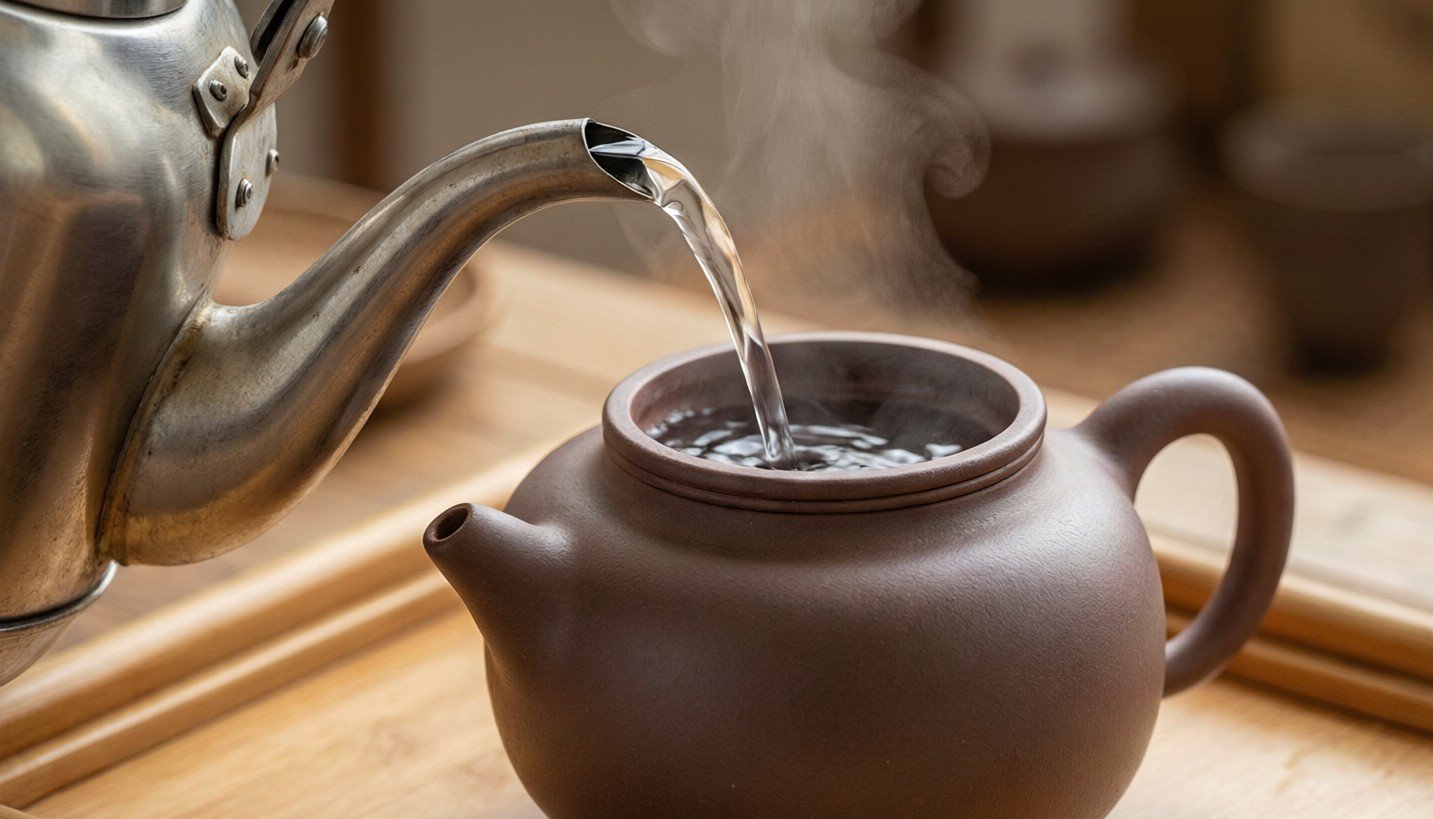
For a large mug or teapot, use a lower leaf ratio and a longer steep.
- Warm the mug or pot briefly with hot water.
- Add 2.5–3 g of leaf for every 250–300 ml of water.
- Pour water at 90–95°C for Ruby 18, or 85–90°C for Jin Xuan black.
- Steep 3–4 minutes, then remove the leaves.
- Taste before adding anything. Sun Moon Lake black tea is usually sweet enough on its own.
If you prefer milk, Ruby 18 holds up better than Jin Xuan. Its malt and cinnamon notes cut through without turning the cup sour. For iced tea, brew slightly stronger than you would drink hot, then cool quickly over ice.

Common Mistakes That Flatten the Cup
Small errors matter more with Sun Moon Lake black tea than with a blunt everyday black.
Using boiling water for every lot. Ruby 18 can often handle it, but Jin Xuan black can turn thin and sharp. Let the water sit 30–60 seconds after a rolling boil if you are unsure.
Steeping too long with too little leaf. A long soak extracts tannin faster than sweetness. More leaf and shorter time usually gives a rounder, sweeter result.
Skipping the rinse. For tightly rolled or heavily processed lots, a fast rinse wakes the leaf and removes surface dust without stealing much flavor.
Leaving the gaiwan lid off between steeps. Sun Moon Lake black tea loses its top notes when the wet leaf cools too much. Keep the lid on between infusions.
Stale leaf. No brewing method rescues tea stored in an open bag near a spice shelf or window.
Dial In: Cup Before You Commit
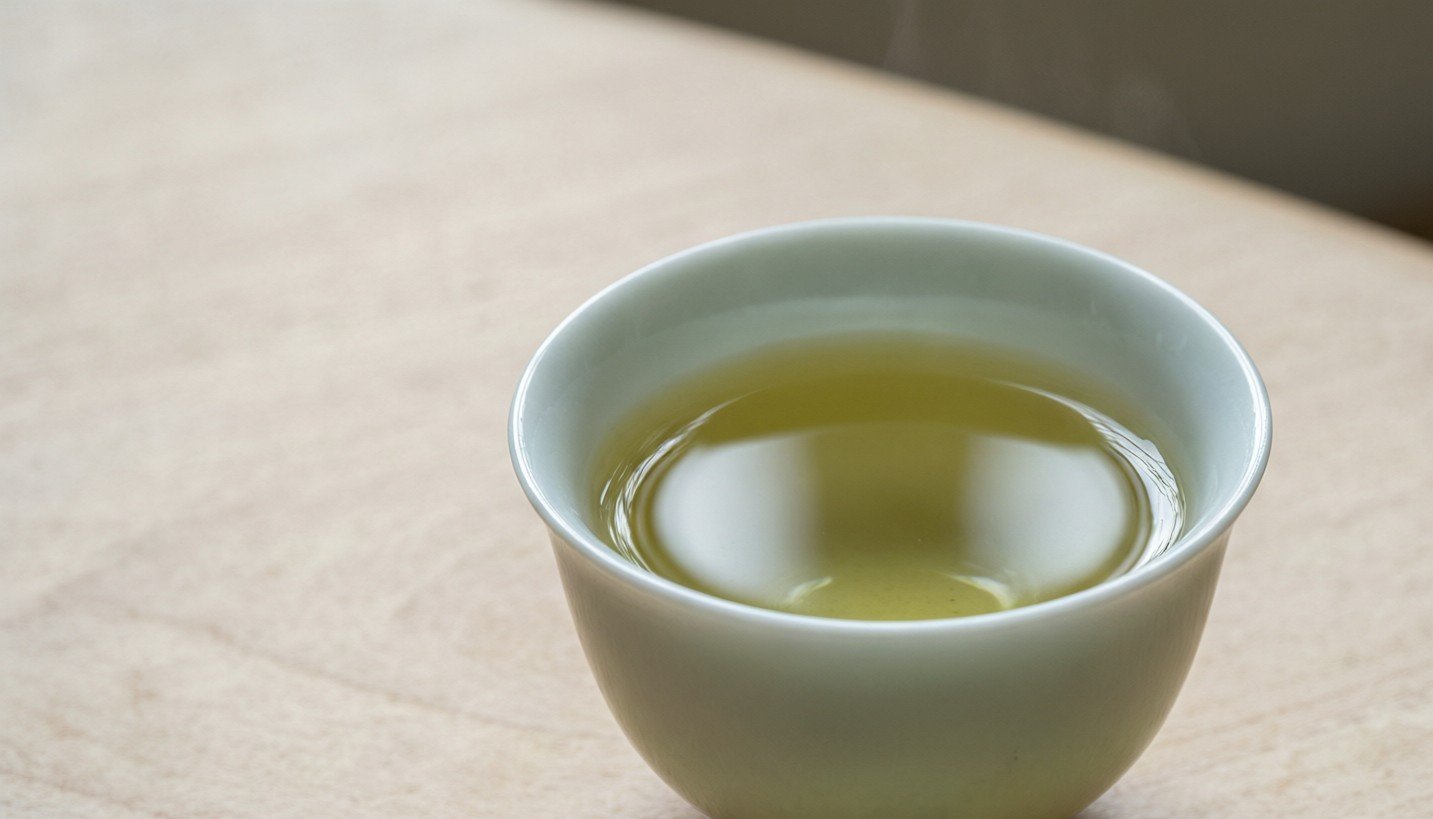
If you are buying by the box or by the carton, cup the tea before setting your final spec. Brew it exactly as your customers or staff will brew it, not only as a professional cupper would. Request a small sample lot, brew it with your local water, and compare it against the supplier's recommended parameters.
For help matching Sun Moon Lake black tea samples, brewing guidance, or current lot availability, email xuansc2144@gmail.com with your market, estimated monthly volume, and packaging preference.
Source Sun Moon Lake Black Tea for Your Business
Chinese tea suppliers works with buyers to select consistent Sun Moon Lake black tea lots for retail, foodservice, and private-label use. The goal is not to sell a name, but to match leaf grade, oxidation level, and price point to the way your customers actually drink the tea.
If you would like a current sample list, a cupping note, or packaging options, send your requirements to xuansc2144@gmail.com. Include your target price range, order quantity, and whether you need Ruby 18, Jin Xuan black, or both.
FAQ
Which water temperature is best for Sun Moon Lake black tea?
For Ruby 18, 90–95°C is a dependable starting point. For Jin Xuan black tea, 85–90°C often gives a sweeter, rounder cup. Adjust in small steps based on the lot and your water.
How much leaf should I use?
For gongfu brewing, use about 5–6 g per 100–120 ml of water. For Western brewing, use about 2.5–3 g per 250–300 ml. More leaf with a shorter steep usually tastes sweeter than less leaf with a long steep.
Does Sun Moon Lake black tea need milk?
No, but Ruby 18 takes milk better than Jin Xuan. Its malt and spice notes stay clear in a milky cup, while Jin Xuan often disappears behind the milk.
How many times can I steep the leaves?
Ruby 18 often gives five or more gongfu infusions. Jin Xuan black tea tends to peak in the first three or four. Add 5–10 seconds per subsequent steep and taste before automatic timing.
Should I rinse the leaves?
A fast 5-second rinse helps wake tightly rolled or heavily processed leaves and removes surface dust. It is optional in Western brewing but useful in gongfu brewing.
Can I drink Sun Moon Lake black tea cold?
Yes. Brew about 10–20 percent stronger than you would for a hot cup, then pour over ice or chill immediately. Ruby 18 holds its cinnamon and honey character especially well.
How should I store it?
Keep the leaves in an airtight, opaque container in a cool cupboard, away from heat, light, moisture, and strong odors. No refrigeration is needed if you drink the tea within a normal buying cycle.
References
[1] Sun Moon Lake National Scenic Area Administration, "Sun Moon Lake," Tourism Administration, Taiwan. https://www.sunmoonlake.gov.tw/
[2] Tea Research and Extension Station, "TTES No. 18," Ministry of Agriculture, Taiwan. https://www.tres.gov.tw/
[3] International Organization for Standardization, ISO 3103:2019, "Tea — Preparation of liquor for use in sensory tests," ISO, 2019.
No author description available.

白玉京