Xiaguan Tea vs Similar Pu-erh Teas: How It Really Compares
Xiaguan tea is not a tea variety. It is a compressed pu-erh style made by the Xiaguan Tea Factory in Dali, Yunnan, with the bowl-shaped tuocha as its signature form. Buyers often compare it with Dayi/Menghai recipes, Mengku sheng pu-erh, and generic Yunnan compressed tea. The real differences show up in flavor, compression, aging speed, and wholesale value.
Xiaguan Tea at a Glance
Xiaguan Tea Factory traces its industrial history to 1941, and its current producer is Yunnan Xiaguan Tuocha (Group) Co., Ltd. The most recognizable products are raw sheng and ripe shou tuocha, although the factory also produces cakes, bricks, and loose leaf.
The important point is that Xiaguan is a production style, not a single recipe. Recipe numbers such as 8653, 8613, and 8633 are common, and they are not interchangeable. Some lots emphasize high-compression raw material with sharper, more mineral character, while others are blended for softer drinking.
Under the Chinese national standard GB/T 22111-2008, pu-erh tea must come from Yunnan Province and be made from large-leaf sun-dried green tea [1]. Xiaguan tuocha fits that definition, but its smoked edge and dense bowl compression set it apart from many other Yunnan pu-erh products.
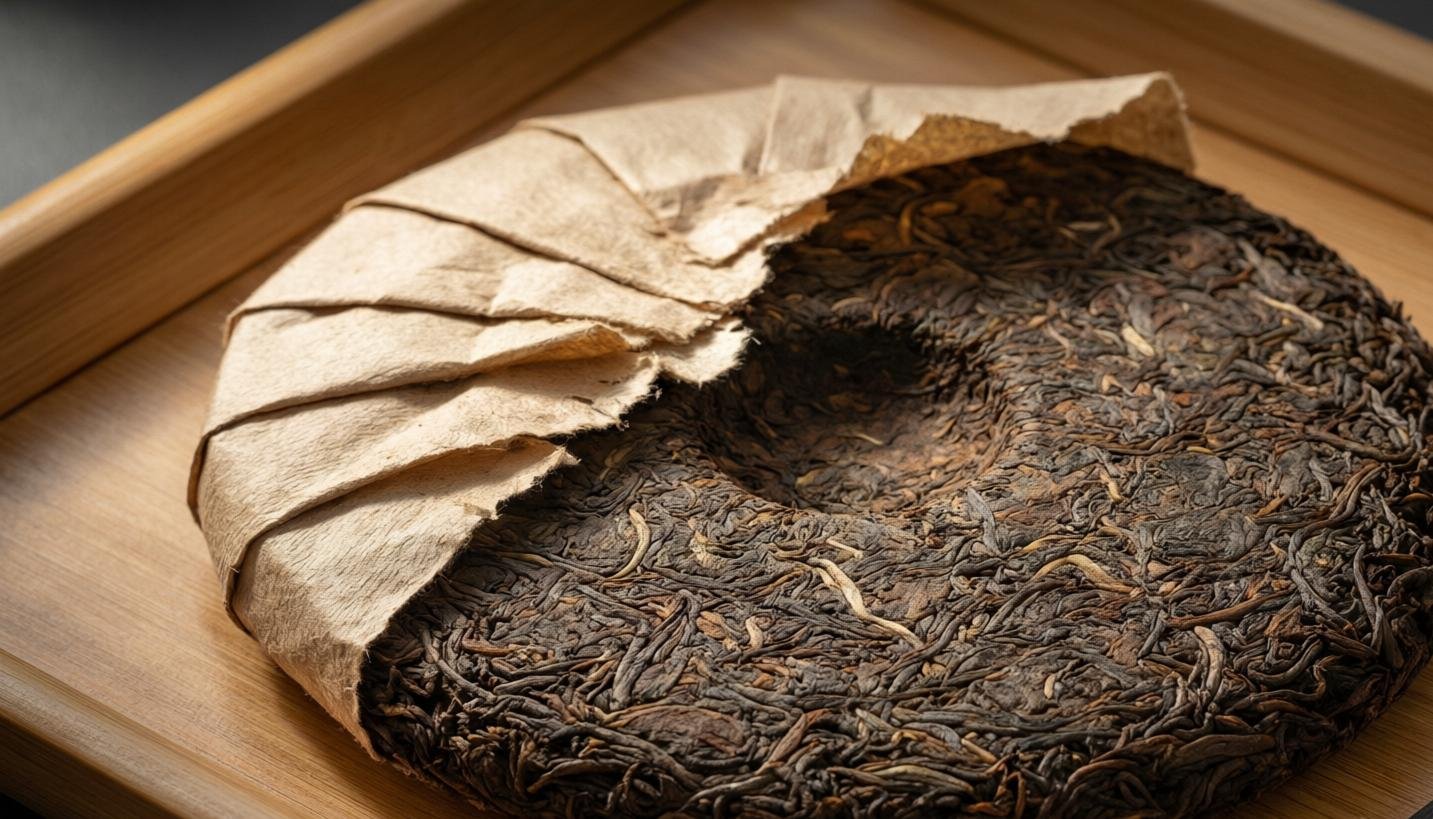
Flavor Profile: Xiaguan vs Dayi and Mengku
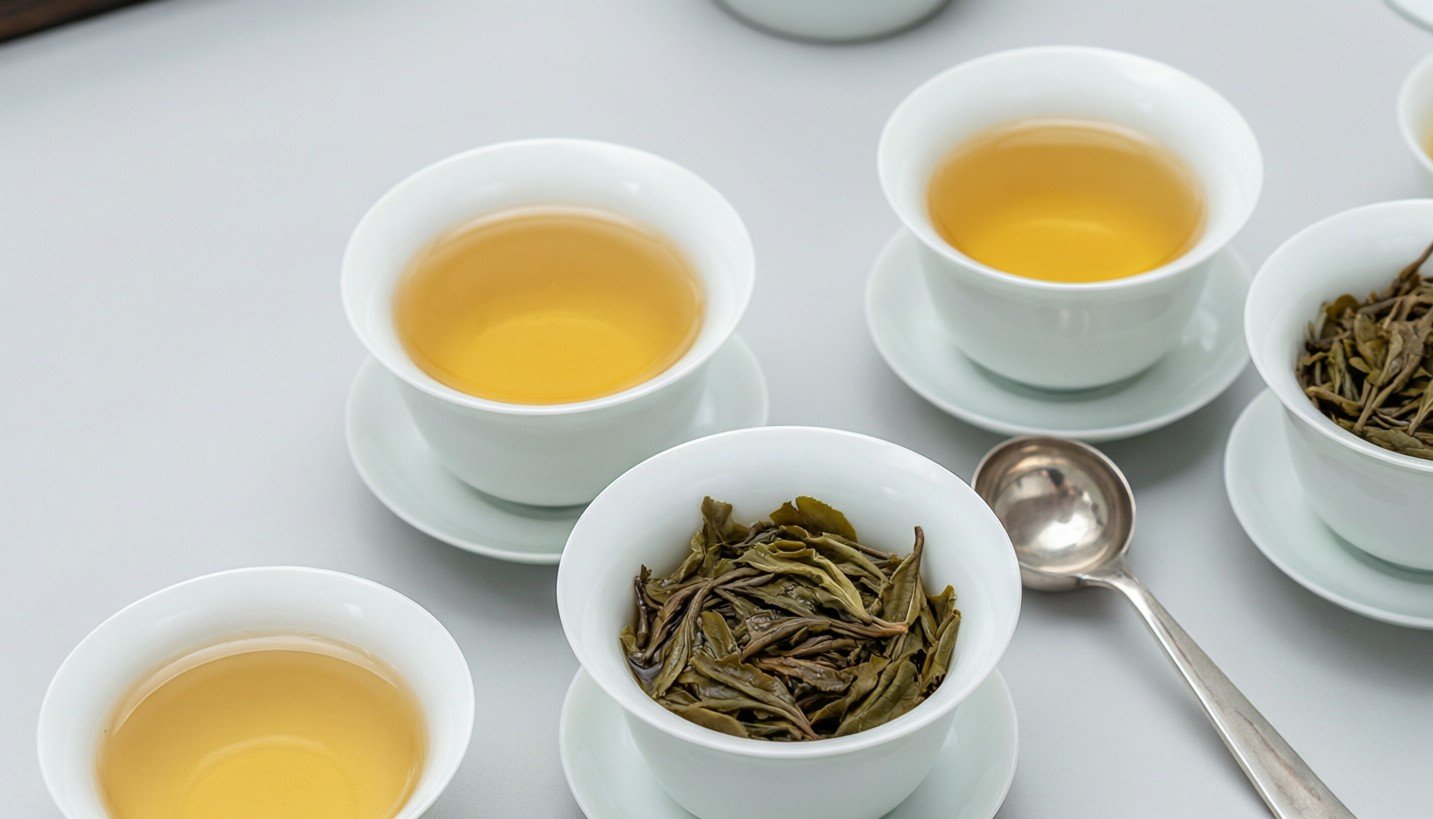
If you taste young Xiaguan sheng beside a Dayi/Menghai 7542, the difference is usually immediate. Xiaguan sheng tends to be more direct: smoky, mineral, brisk, and sometimes quite astringent in the first three to five years. Dayi 7542 is typically more balanced and floral, with rounded bitterness and a strong huigan.
Mengku sheng from Lincang, by comparison, often shows more upfront sweetness and fruit, but it can feel softer or less aggressive in the mid-palate. That makes Mengku easier for new drinkers, while Xiaguan rewards buyers who are willing to store tea and wait for the rough edge to settle.
| Attribute | Xiaguan Tuocha | Dayi/Menghai 7542 | Mengku Sheng |
|---|---|---|---|
| Main region | Dali, Yunnan | Menghai, Yunnan | Lincang, Yunnan |
| Typical form | Bowl-shaped tuocha | Cake | Cake |
| Young sheng profile | Smoky, mineral, brisk | Floral, balanced, classic | Sweet, fruity, softer |
| Astringency | High when young | Medium | Medium |
| Aftertaste | Strong and long | Strong and long | Medium to long |
| Aging direction | Tobacco, plum, darker depth | Dried fruit, classic pu-erh | Softer, sweeter |
For ripe shou, Xiaguan tends to be clean and nutty with less heavy wet-pile flavor than some unbranded shou. Dayi 7572 is the benchmark for smooth, sweet shou, and it is often more approachable. Xiaguan shou can taste leaner and slightly more structured.
Why the Tuo Shape Changes Everything
Xiaguan tuocha is usually compressed harder than a standard cake. The bowl-shaped mold creates a dense core that slows oxygen contact. That is not a defect; it changes the tea.
Denser compression slows early aging but can preserve more strength for long-term storage. The center of an old Xiaguan tuocha often tastes deeper and more layered than the outside edges. Loose pu-erh with the same raw material usually ages faster but loses some edge.
The trade-off is practical: Xiaguan tuo is harder to break apart than a loosely pressed cake. Buyers who value convenience often prefer cakes, while collectors and traditional drinkers accept the extra effort for the slower, rounder development.
Origin and Authenticity Signals
Authentic Xiaguan tea should have consistent factory markings: a clean wrapper, an embedded neifei (inner ticket), and a legible recipe or batch code. The factory name should match the period of production, because older packaging changed over the decades.
The actual raw material for Xiaguan blends can come from multiple Yunnan tea regions, including Lincang, Simao, and Dali-adjacent areas. That means Xiaguan is not a single-terroir product in the way some village-name pu-erh is marketed. Buyers should judge the batch, not just the factory name.

Aging Potential and Storage Behavior
Xiaguan sheng is one of the clearer examples of how compression and smoke interact over time. In the first few years, the smoky note can dominate. With clean, slightly humid storage, that smoke recedes and darker notes such as tobacco, plum pit, and old books emerge.
Compared with Dayi, Xiaguan can be less predictable. A well-stored 8653 can become outstanding, but a poorly stored Xiaguan may retain burnt or sour notes longer than a softer-pressed cake. That is why storage history matters as much as the recipe. Under controlled conditions, Dayi products often change more consistently, while Xiaguan products show wider variation but higher peaks.
For shou, the aging story is shorter. Ripe Xiaguan improves modestly over five to ten years, mainly losing pile flavor and becoming rounder. It does not transform the way raw sheng does [2].
Wholesale Price Logic
Xiaguan is usually positioned below famous village-area pu-erh such as Laobanzhang or Bingdao, but above generic unbranded tuocha. Price differences within Xiaguan come from recipe, age, storage, and compression quality.
When comparing quotes, calculate price per gram rather than per piece. Xiaguan tuocha is sold in multiple weights, commonly 100 g, 250 g, and 500 g. Two pieces that look similar can differ by 250% in actual tea volume. Ask for batch code, production date, storage location, and whether the tea is sheng or shou before comparing prices [3].
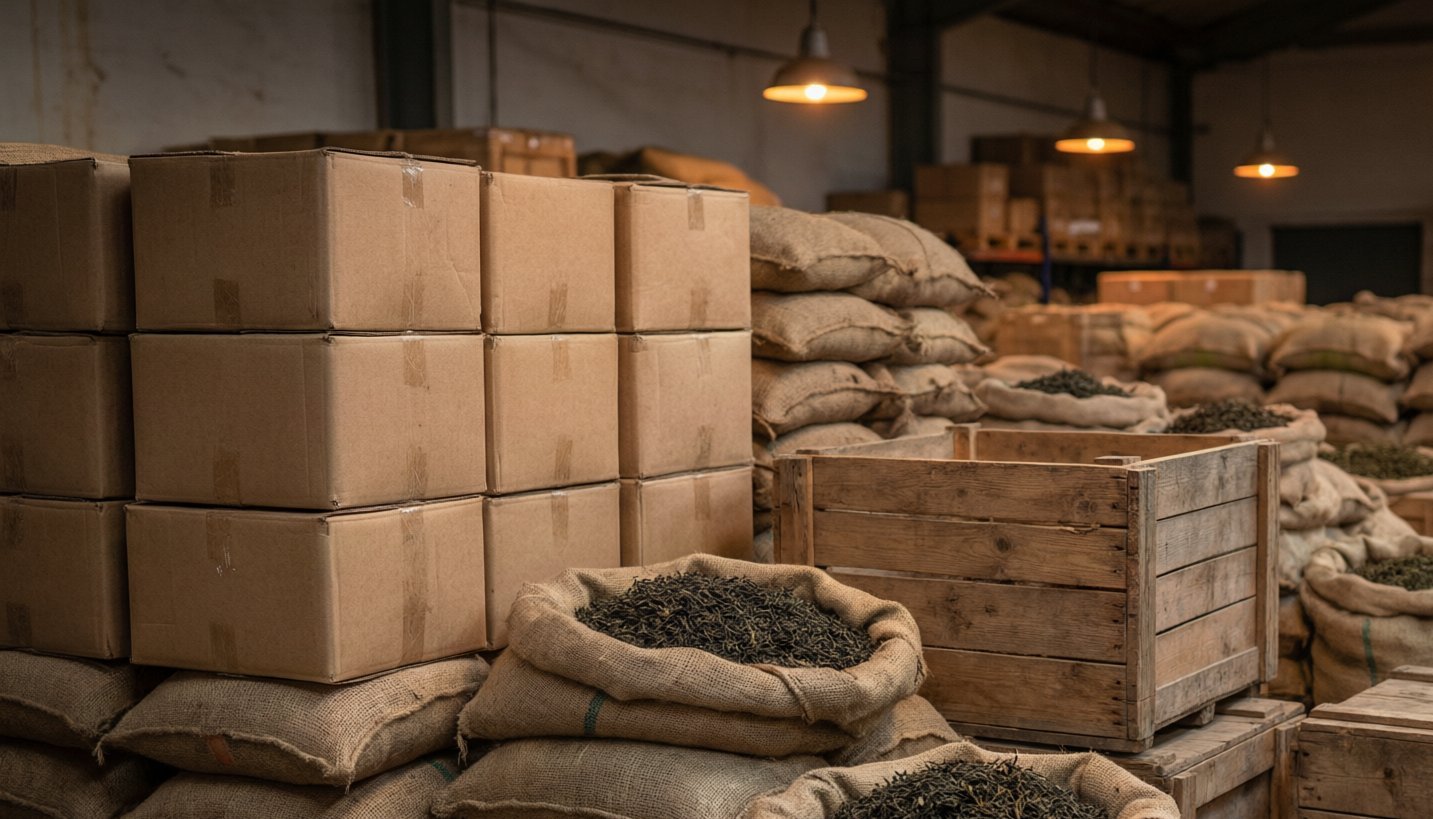
Sourcing note: If you are comparing Xiaguan with Dayi or Mengku, request tasting samples from the same age range and storage type. For sample kits and wholesale pricing, contact Chinese tea suppliers at xuansc2144@gmail.com.
Which One Should You Buy?
Choose Xiaguan if you want a strong, smoky, slow-aging pu-erh with traditional tuo-cha character and are willing to store it. Choose Dayi/Menghai if you want a benchmark product with more consistent aging and easier market recognition. Choose Mengku or similar Lincang sheng if your customers prefer earlier sweetness and softer structure.
For buyers building a range, one practical approach is to stock a small number of Xiaguan recipes for collectors, use Dayi-style cakes as the core list, and keep Mengku or similar teas as the drink-now option.
Sourcing Xiaguan Tea for Your Market
When you source Xiaguan tea for wholesale, ask for the following:
- Exact recipe and batch code
- Shengsheng or shou classification
- Production date and storage history
- Tasting samples from the same lot
- Pesticide and heavy-metal test reports
- Unit weight and per-gram landed cost
Contact Chinese tea suppliers at xuansc2144@gmail.com with your target market, volume, and preferred recipe style. Include whether you need loose leaf, cakes, or traditional tuocha.
FAQ
What is Xiaguan tea, exactly?
Xiaguan tea is compressed pu-erh produced by the Xiaguan Tea Factory in Dali, Yunnan. Its best-known form is the bowl-shaped tuocha, but the factory also makes cakes, bricks, and loose leaf.
Is Xiaguan tea a separate tea type from pu-erh?
No. Xiaguan is a producer style within pu-erh. Its products fall under the pu-erh standard GB/T 22111-2008, and they can be either raw sheng or ripe shou.
How does Xiaguan differ from Dayi/Menghai tea?
Xiaguan sheng is often smokier, denser, and more mineral in its early years. Dayi/Menghai recipes such as 7542 are usually more balanced and floral. Xiaguan tuocha is also compressed harder than many Dayi cakes, which slows early aging.
Which Xiaguan recipes are best for aging?
Recipes such as 8653 and 8613 are frequently collected, but aging depends on storage more than recipe number. Buy exact batches, not just model numbers, and request storage history before buying.
Is all Xiaguan tea smoky?
No. Smoke is common in traditional Xiaguan sheng, but it varies by lot and processing. Some recent products are cleaner, and Xiaguan shou is generally not smoky.
How do I buy authentic Xiaguan tea in bulk?
Confirm the factory name, wrapper, inner ticket, batch code, and seller’s storage record. Request samples from the actual lot and verify basic lab reports before committing to volume.
References
[1] Standardization Administration of the People’s Republic of China, Product of geographical indication — Pu’er tea, GB/T 22111-2008, 2008.
[2] International Organization for Standardization, Tea — Classification of tea types, ISO 20715:2023, 2023.
[3] Food and Agriculture Organization of the United Nations, International tea market: composition, prices and trade, 2022.
No author description available.

白玉京