Anji Black Tea Wholesale: MOQ, Pricing & Supplier Vetting Tips
Anji black tea gives wholesale buyers something rare in the black-tea category: a leaf that starts with the high amino-acid, low-astringency raw material associated with Anji Baicha and is then oxidized into a black tea rather than fixed as a green tea. For specialty retailers, office tea programs, and cafe buyers, it can be an easier introduction to single-origin Chinese black tea than more heavily roasted, smoky, or tannic styles.
This guide explains what Anji black tea is, how it is graded and priced, what MOQs look like in practice, how to vet a supplier, and how to structure an order so your first container does not become an expensive lesson.
What Makes Anji Black Tea Different
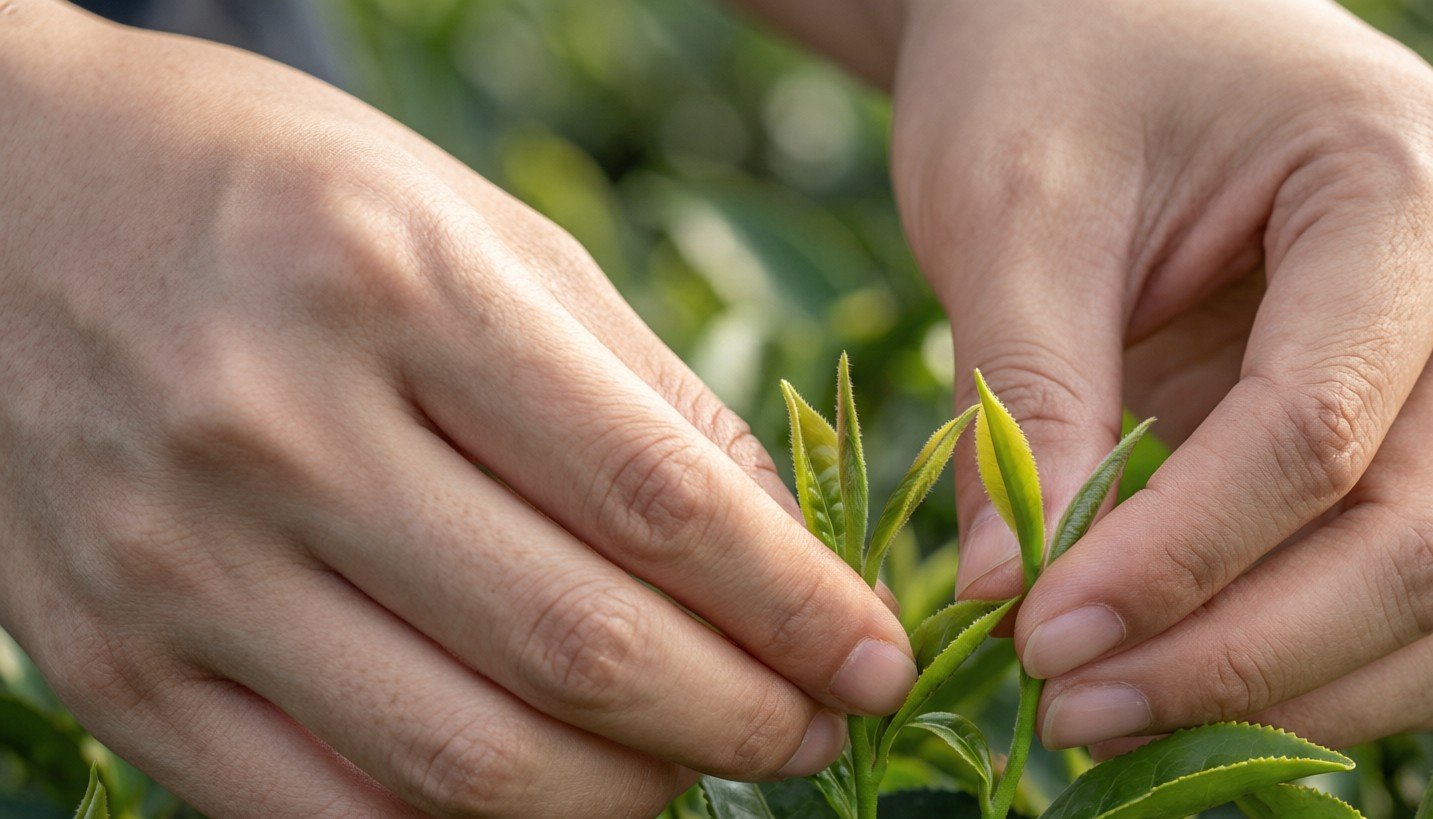
Most lots sold as Anji black tea come from Anji County in Huzhou, Zhejiang Province. The raw leaf is usually the Baiye No.1 cultivar, also written as White Leaf No.1, the same cultivar behind Anji Baicha. Under cool early-spring conditions, this cultivar can produce pale leaves with lower chlorophyll and higher amino-acid accumulation, especially theanine. That raw-material profile often carries through into a black tea with a softer, sweeter, cleaner cup and less aggressive bitterness than many other Chinese black teas.
In processing terms, Anji black tea generally follows the orthodox congou black-tea path: withering, rolling, oxidation, and drying. The Chinese national standard for black tea distinguishes broken, congou, and souchong styles, and Anji black tea normally fits the congou category [1]. ISO 20715 likewise records black tea as a fully oxidized tea type within the broader tea classification [2].
The resulting liquor is typically medium-bodied, with honey, stone-fruit, sweet-potato, or light malt notes. It tends to be less smoky than Lapsang Souchong and less assertively malty than many Yunnan black teas, which makes it versatile for both straight specialty sales and everyday wholesale formats.
How Anji Black Tea Is Graded and Priced
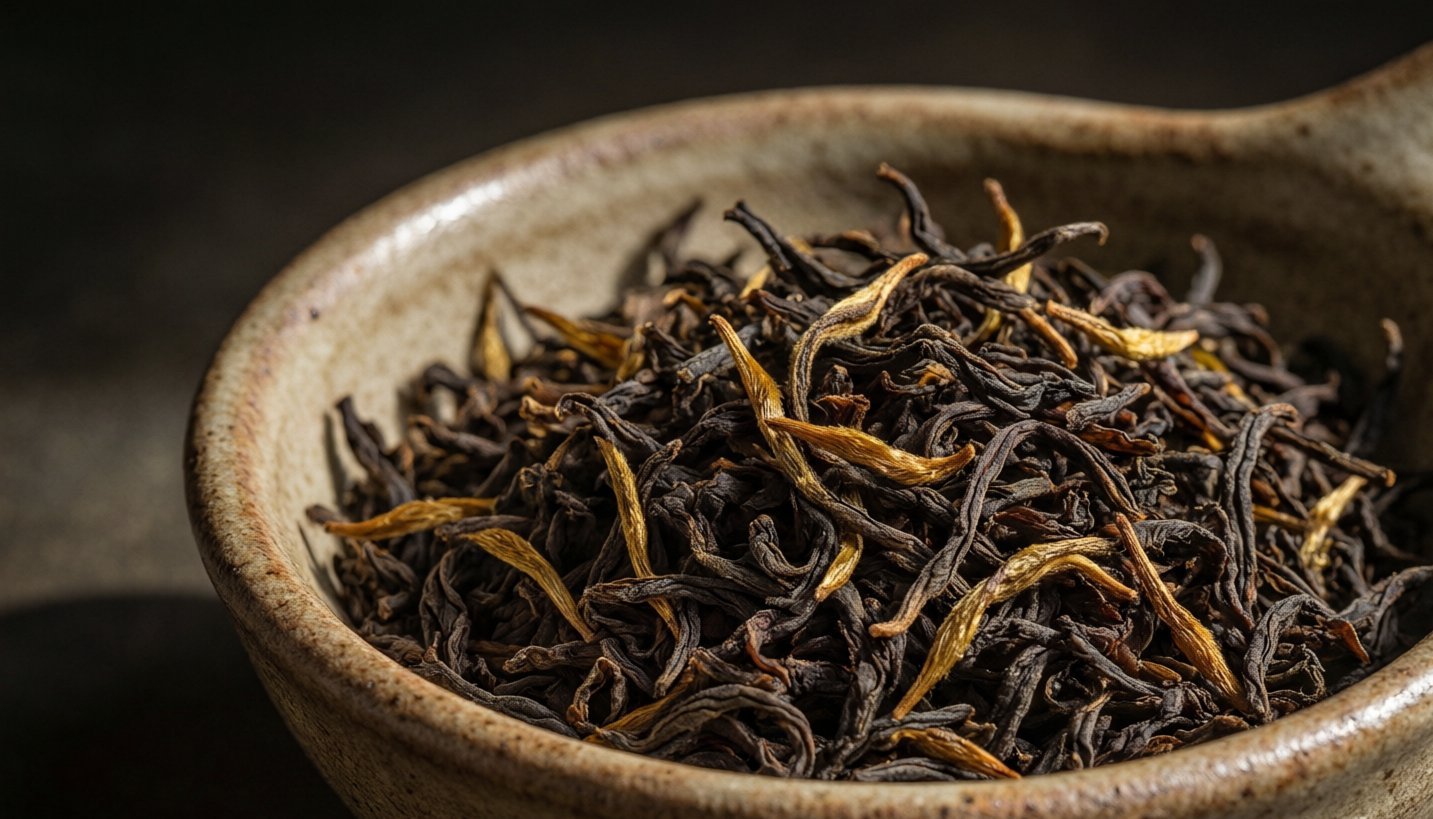
Like most Chinese teas, Anji black tea does not have a universal grade language. One factory may call a lot "Premium," another "AAAA," and a third may simply use a harvest-date code. The only reliable way to price it is to compare the physical leaf, cup profile, harvest window, and lot-specific test results.
The most important pricing signals are:
- Harvest window. Early spring lots with bud-heavy picking are usually the most expensive because the leaf is tender and amino-acid levels typically peak. Late spring and summer lots are darker, fruitier, and less costly.
- Leaf standard. Pure bud and one-bud-one-leaf lots cost more than one-bud-two-leaf or larger-leaf material.
- Aroma and cup clarity. A clean, lasting honey-orchid aroma with smooth texture commands a premium over flat, rough, or muddled cups.
- Leaf integrity and evenness. Tightly rolled, uniform leaf usually indicates more careful handling than broken, mixed, or uneven material.
- Certifications and testing. Organic, EU-MRL-compliant, or lot-specific third-party test reports can raise the quoted price because they raise the supplier's compliance cost.
Wholesale prices are not standardized. They move with harvest timing, grade, order size, packaging, shipping terms, and supply conditions in a given year. Always compare FOB or DAP quotes on the same grade, harvest window, and batch specification rather than on the tea name alone.
MOQ, Order Formats, and Negotiation
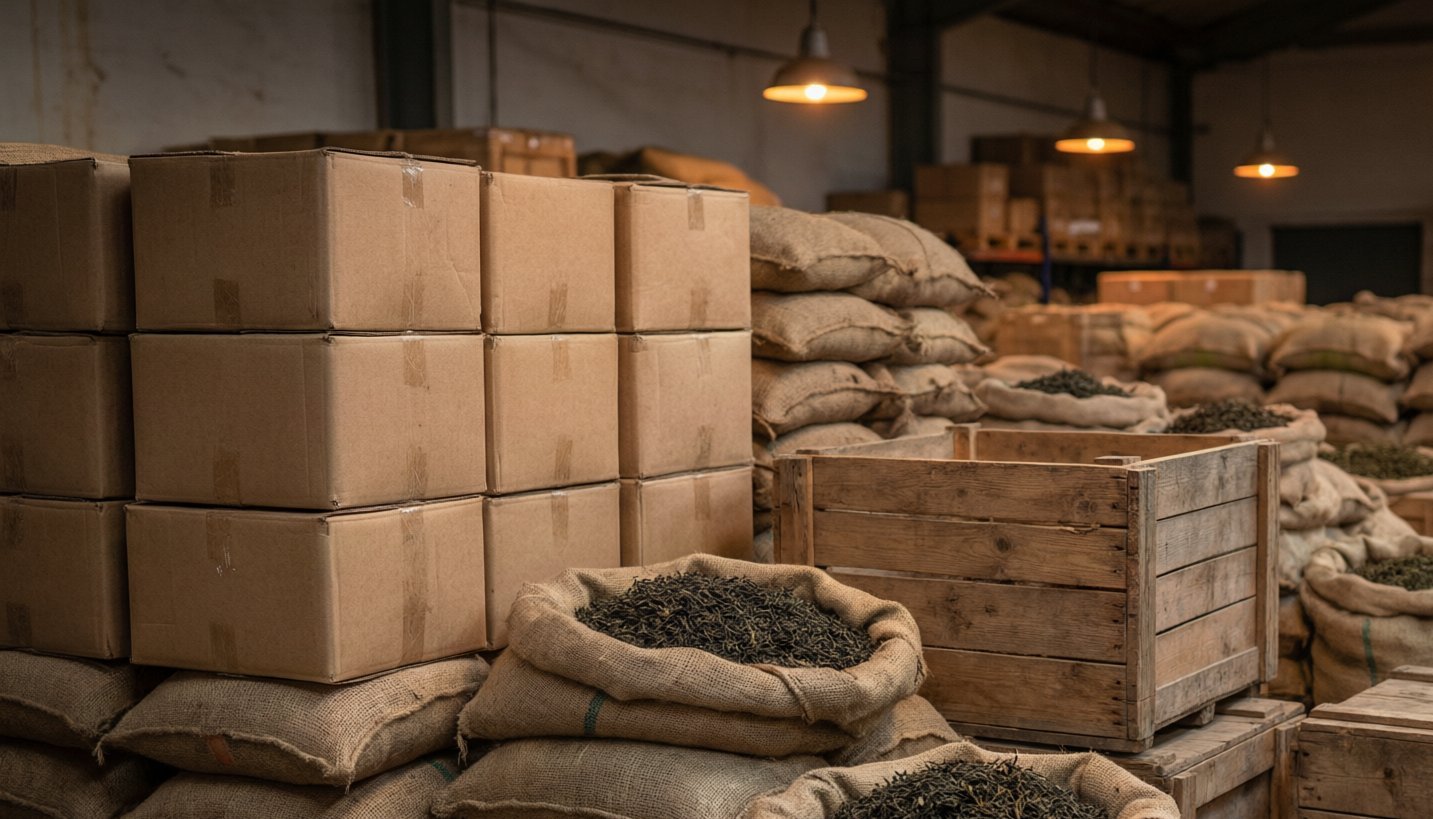
Trial MOQs for Anji black tea usually depend on the supplier model. Direct factories commonly accept trial orders in the 5–25 kg range on standard loose-leaf grades, though the trial price per kilogram may be higher than volume pricing. Trading companies sometimes split lots and offer lower trial MOQs, but that convenience is usually built into a higher unit price. Custom blends, private-label packs, and retail-format packaging often push MOQs to 50 kg or more.
The main order formats are:
- Bulk loose leaf in food-grade foil-lined cartons.
- Sample-sized or counter-top pouches.
- Custom retail tins, bags, or gift boxes.
- Nitrogen-flushed or oxygen-absorber packs for longer shelf visibility.
When you negotiate, keep the quote terms identical across suppliers: Incoterm, lead time, payment schedule, inspection rights, and retained-sample policy. Volume and repeat cadence are your strongest levers. Simpler packaging, port consolidation, and off-peak shipping can also reduce cost, but do not trade away traceability or test documentation to save a few cents per kilogram.
Supplier Vetting Checklist
Vetting matters more than the first quote. A low price on a name-only basis tells you very little if the supplier cannot show a business license, food-production license, batch traceability, or a test report.
Request at minimum:
- Business license and food-production or SC license.
- Customs registration or export filing if the tea will leave China.
- A product specification sheet with grade, harvest window, production date, lot number, moisture, and net weight.
- Lot-specific pesticide-residue, heavy-metal, and microbiological test results.
Then request a physical sample from the actual production batch, not a pre-production show sample. Cup the sample against a written score sheet that covers dry leaf, liquor color, aroma, taste, body, and aftertaste. If the batch is large enough, request a second sample from a different carton to check consistency.
Red flags include refusing samples, offering no lot traceability, quoting a very low price for a "high grade" without a specification, refusing to hold a retained sample, or being vague about contract terms.
Start a Supplier Conversation
If you are comparing Anji black tea lots, email xuansc2144@gmail.com with your target grade, monthly volume, destination country, and packaging preference. A direct inquiry with those details usually gets a more useful response than a general website form because it gives the supplier enough information to quote FOB or DAP on a comparable basis.
Quality Control, Packing, and Shipping
Use a standard cupping protocol so suppliers in different regions are evaluated the same way. ISO 3103 provides a reference method for preparing tea liquor: 2 g of tea per 100 ml of freshly boiling water, steeped for 6 minutes [3]. That may not be your retail brewing ratio, but it works as a consistent quality-control comparison.
For food-safety verification, domestic buyers can reference China's GB 2763 pesticide-residue limits, while European Union-bound buyers should confirm compliance with Regulation (EC) No 396/2005 [4][5]. For shipments to the U.S., factor in FDA prior-notice and facility-registration requirements, and confirm that the supplier can provide the required documentation [6].
Packing should protect the tea from oxygen, moisture, light, and odor. Bulk cartons should use food-grade liners, and retail packs should be heat-sealed with low oxygen transmission. For long-haul sea freight, consider moisture protection, pallet wrapping, and a clear carton-marking system that connects each carton to its lot number and production date.

Get a Wholesale Quote for Anji Black Tea
A usable quote should include the grade, harvest window, lot number, production date, Incoterm, packing unit, lead time, and test-report status. For current lot availability and direct pricing, contact xuansc2144@gmail.com and include those details in your first email. Request a specification sheet, a cupping set, and a lot-specific test report so quotes are genuinely comparable across suppliers.
Frequently Asked Questions
What is the typical MOQ for Anji black tea?
Trial MOQs often start around 5–25 kg for standard loose-leaf grades from direct factories, while custom retail, private-label, or blended formats may require 50 kg or more. Confirm the trade terms, such as FOB, DAP, or DDP, alongside the MOQ.
Is Anji black tea the same as Anji Baicha?
No. Anji Baicha is a green tea made from the Baiye No.1 cultivar and finished to preserve its green character. Anji black tea can use the same cultivar, but the leaves are oxidized as a black tea. The raw material may overlap, but the processing, flavor, color, and shelf behavior are different.
What should a supplier quote include?
A solid quote should include Incoterm, grade or harvest-window reference, lot number, production date, moisture, pesticide or contaminant test status, packing unit, lead time, and a retained-sample policy.
Why do prices vary so much for the same grade name?
Grade names are not standardized across the Chinese wholesale tea trade. One supplier's "Premium" can be another supplier's everyday grade. Compare physical samples, cupping results, harvest window, and specifications rather than relying on the printed grade label.
Can I request third-party testing before shipment?
Yes. Many buyers make inspection and third-party laboratory testing a condition of the purchase contract. Define the laboratory, test method, acceptable limits, and what happens if the batch fails before you sign.
References
[1] Standardization Administration of China, Black Tea — Part 2: Congou Black Tea, GB/T 13738.2, 2017.
[2] International Organization for Standardization, Tea — Classification of Tea Types, ISO 20715:2023.
[3] International Organization for Standardization, Tea — Preparation of Liquor for Use in Sensory Tests, ISO 3103:2019.
[4] National Health Commission of the People's Republic of China, National Food Safety Standard — Maximum Residue Limits for Pesticides in Food, GB 2763-2021.
[5] European Parliament and Council of the European Union, Regulation (EC) No 396/2005 on Maximum Residue Levels of Pesticides in or on Food and Feed.
[6] U.S. Food and Drug Administration, Food Facility Registration and Prior Notice for Imported Food, current import guidance.
No author description available.

白玉京