Bulang vs Nannuo Pu-erh: Bitter vs Soft Terroir and Buying Guide
Bulang and Nannuo are two Menghai Pu-erh terroirs that routinely confuse first-time buyers because both produce raw Pu-erh with obvious Yunnan character. The difference is in how that character lands on the palate: Bulang tends to hit with a bitter, muscular base, while Nannuo leans softer, sweeter, and more floral. This guide breaks down why the two mountains taste so different, how aging changes each profile, and how importers can buy either one without paying for a counterfeit story.
Where Bulang and Nannuo Sit on the Map
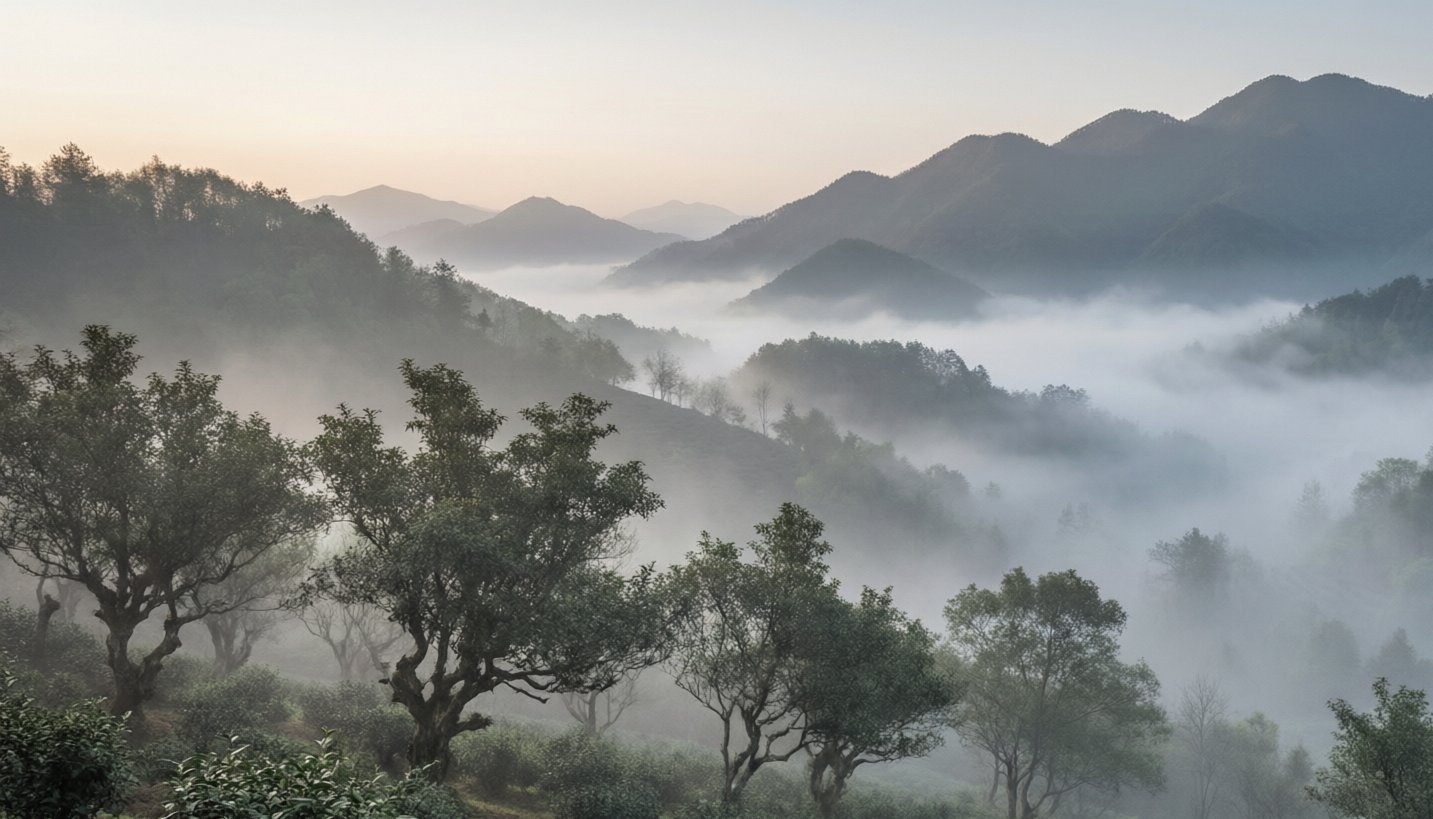
Both Bulang and Nannuo are in Menghai County, Xishuangbanna, Yunnan, but they are not interchangeable growing zones. Bulang Mountain is a broad tea area on the western side of the Lancang River, with villages such as Laobanzhang, Xinbanzhang, Man'e, and Banzhang old village anchoring its reputation. Many Bulang gardens sit between roughly 1,100 and 1,800 meters, with forest edge plots, sharp sun exposure, and lateritic soils in parts of the range.
Nannuo Mountain sits farther east within Menghai and is often described as a mist belt. Its tea gardens, including Banpo Laozhai, Shitou Laozhai, and Guniang Zhai, are generally spread across sloping, humid terrain around 1,300 to 1,900 meters. The soil tends to be red or yellow earth with richer leaf-litter layers, and cloud cover is more frequent than in some Bulang plots. That cooler, mistier rhythm matters because it slows leaf growth and shifts the balance between bitter polyphenols and soluble sugars [1][3].
Flavor Profile: Why Bulang Reads Bitter
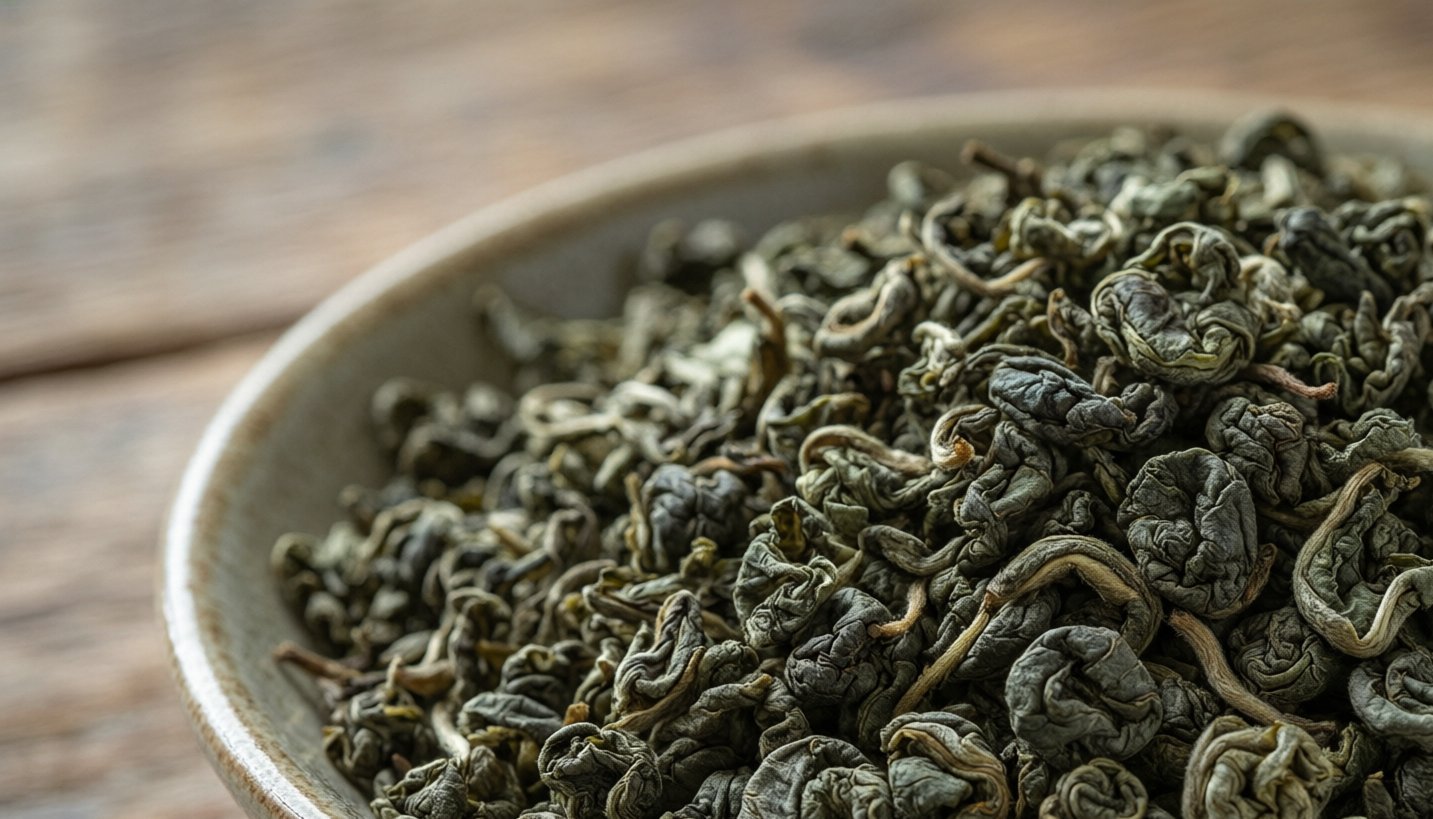
Bulang raw Pu-erh is famous for kuwei — a bitter taste that is structural rather than accidental. In a well-made Bulang tea, the bitterness appears in the first few infusions, then gives way to a strong salivating return called huigan. The tea often shows a broad, gripping mouthfeel, with notes such as wild honey, herbs, smoke, wood, and sometimes a cooling finish.
The bitter signature is not a flaw. It comes from a high ratio of polyphenols, particularly catechins, relative to free sugars in the leaf [2]. When the leaf is healthy and the processing is clean, that bitterness acts like architecture: it carries the tea through many infusions and gives the aftertaste something to resolve into. Buyers who describe Bulang as "too bitter" have usually tasted either over-extracted tea or low-quality leaf where bitterness was the only structure left.
Flavor Profile: Why Nannuo Reads Soft
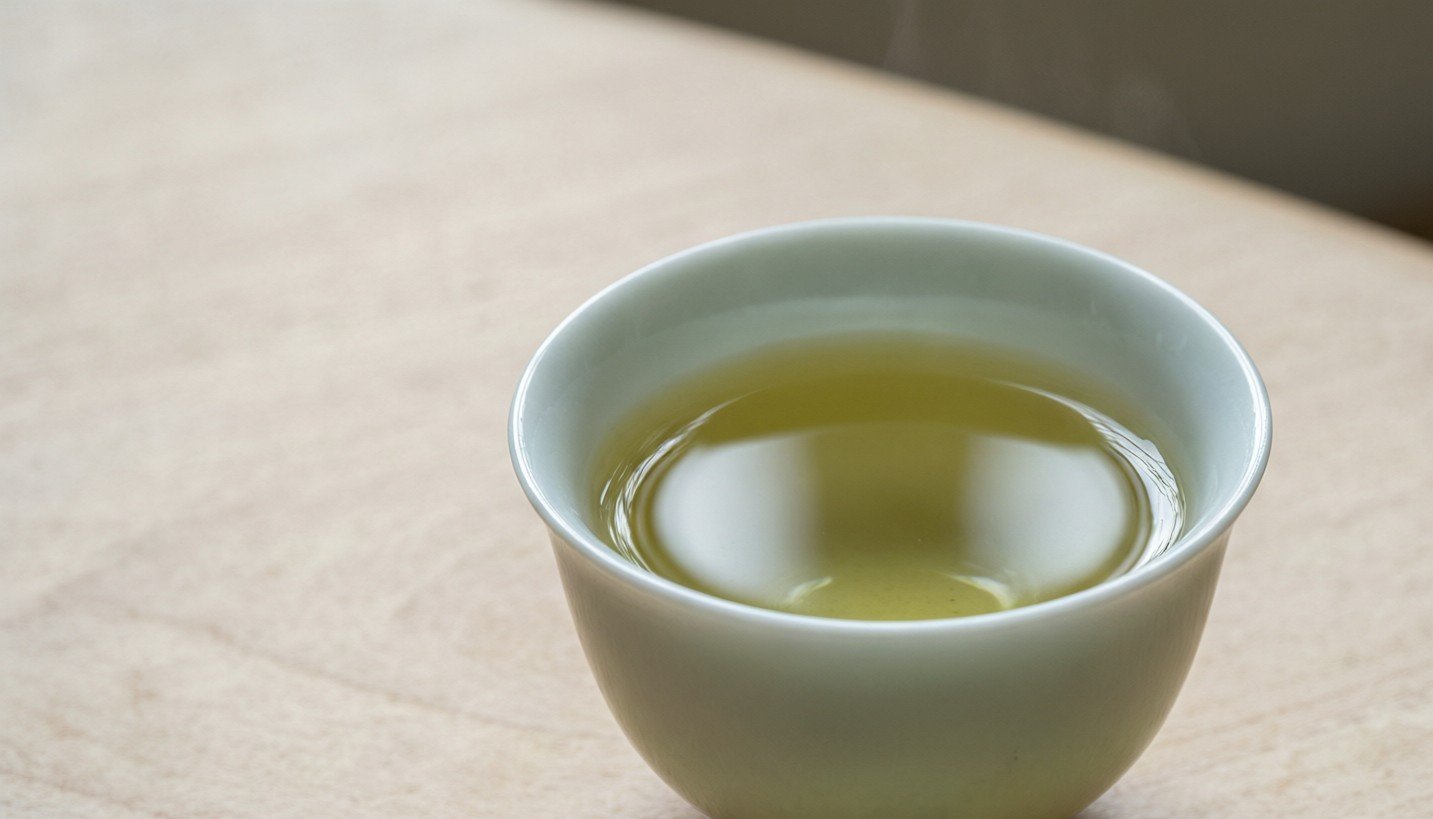
Nannuo raw Pu-erh is often used as a bridge between easy-drinking Yunnan tea and serious aged tea. Its liquor is typically lighter amber, with a smooth entry, honey sweetness, floral top notes, and a gentle stone-fruit or herb finish. The astringency is usually lower, the bitterness appears later or barely at all, and the aftertaste is softer but long.
That style comes from a different leaf chemistry balance: more soluble sugars and lower aggressive polyphenol load in the fresh leaf [2]. Nannuo still has Yunnan depth, but it expresses it through roundness rather than attack. This makes Nannuo easier to serve cold, easier for customers new to raw Pu-erh, and more forgiving when brewed casually.
Teacup Comparison at a Glance
| Attribute | Bulang | Nannuo |
|---|---|---|
| Opening taste | Bitter, dense, broad | Soft, honeyed, rounded |
| Body | Heavy, muscular | Medium, silky |
| Aftertaste | Strong huigan, long cooling finish | Gentle, persistent sweetness |
| Astringency | Medium to high in young tea | Low to medium |
| Aroma | Wild honey, herbs, wood, smoke | Floral, honey, faint stone fruit |
| Tolerance for brewing errors | Low | High |
| Market position | Connoisseur and investment demand | Premium daily and café-friendly |
Terroir Drivers Behind the Difference
The Bulang–Nannuo split is not a marketing label invented by tea merchants. It rests on observable growing conditions: altitude, cloud cover, soil mineral content, surrounding vegetation, and the age of the tea trees. Bulang's stronger sun exposure and thinner forest shade push the leaf to build more bitter defensive compounds. Nannuo's mistier, deeper-humus plots tend to produce leaf with a lower bitterness-to-sugar ratio.
Cultivar also plays a role. Both areas use large-leaf Camellia sinensis var. assamica, but local seed populations and replanted clones differ. Some Bulang old-tree populations are celebrated for their intensity, while many Nannuo lots come from older arbor trees that naturally brew rounder. Altitude alone does not decide the taste; it is the combination of altitude, soil, tree age, and harvest timing [1][3].
Processing Choices That Reinforce or Soften Bitterness
A skilled factory can make Bulang slightly more approachable or push Nannuo into a tighter frame. Kill-green temperature, rolling pressure, sun-drying time, and whether the maocha is blended from several plots all affect the final cup.
Bulang maocha is often processed with a slightly stronger kill-green to hold its structure, but if the fire is too hot, the tea locks in a harsh, baked bitterness that will not age well. Nannuo is usually processed to preserve its floral volatility, but under-drying can make it taste green and unstable. For importers, the takeaway is simple: buy terroir plus processing, not just mountain name.
Aging Potential: Does Bitterness Predict Age?
A young Bulang's bitterness is not a guarantee that it will age well, but it does give the tea raw material to convert. Over 10 to 15 years in dry, stable storage, aggressive catechins and bitter compounds oxidize and polymerize, shifting the profile toward dark honey, herbs, and a deep, sweet finish [2]. A well-aged Bulang can become the most complex tea in a collection.
Nannuo ages differently. Its stronger early sweetness can round out quickly, making the tea pleasant at 3 to 8 years. In over-dry storage, however, a soft Nannuo can flatten sooner than a dense Bulang. Neither profile is inherently better; the choice depends on how long the buyer intends to lay down inventory.
Bulang vs Nannuo in Wholesale Sourcing
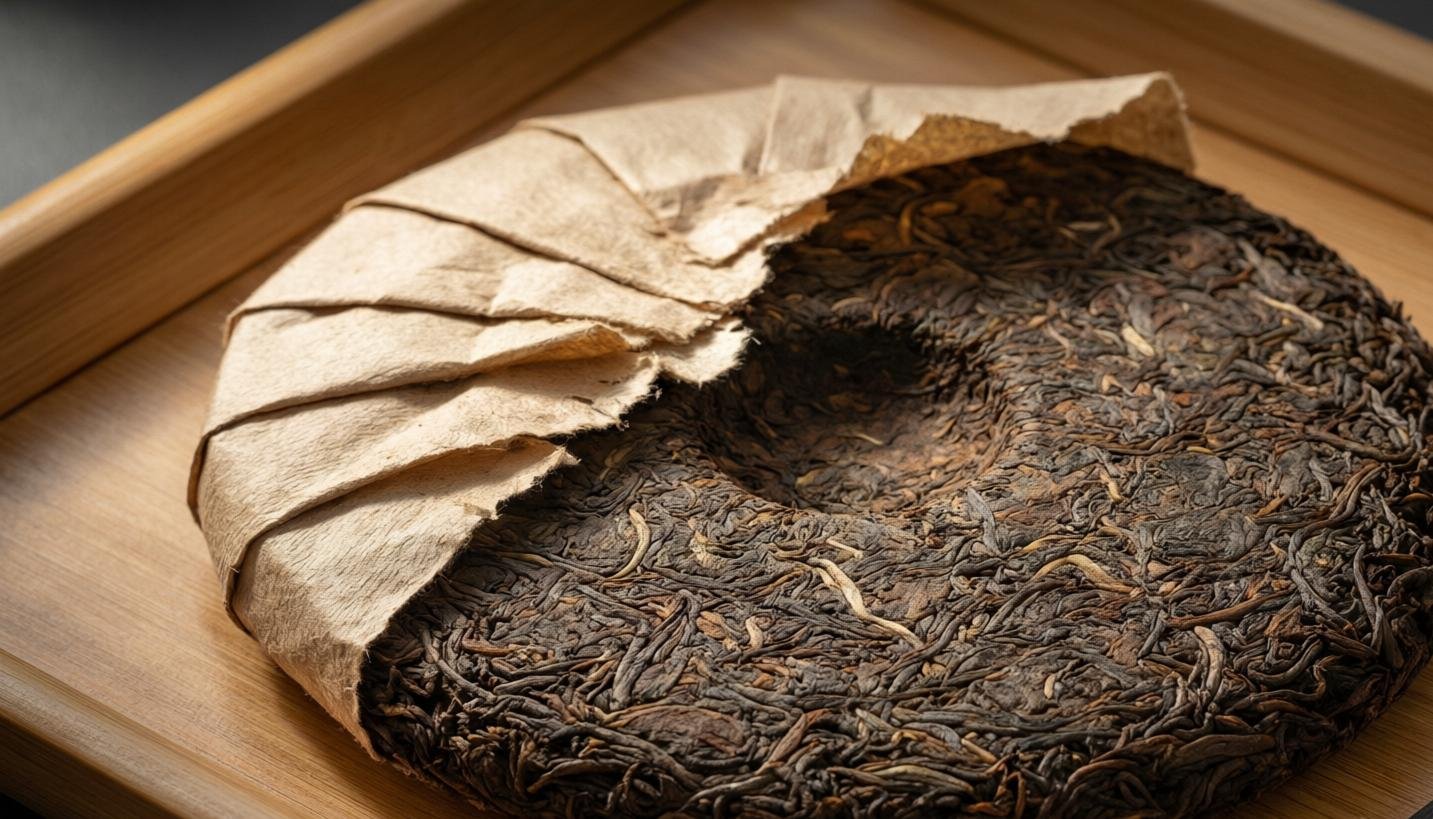
For wholesale buyers, the practical differences are price, authenticity risk, and lot consistency. Famous Bulang sub-areas — especially Laobanzhang and nearby Banzhang villages — trade at strong premiums, and counterfeit or stretched-lot Bulang is common. Nannuo is generally easier to source in stable volume at a more moderate price, though its top village lots can still command serious money.
When buying either terroir, ask for the specific village, harvest season, proportion of old-tree material, and a cupping sample from the exact lot being offered. A lab report should confirm pesticide residues and basic quality parameters. GB/T 22111-2008 defines Pu-erh tea and is a useful base reference, but it does not replace sensory verification of the mountain claim [1].
Importers comparing these two terroirs for a private label line should request a split cupping set — Bulang, Nannuo, and a blended version — before committing to a full lot. That single session usually clarifies which profile fits the market better than any bullet-point description.
How to Buy the Right One for Your Market
Choose Bulang if your customers are gongfu drinkers, collectors, or buyers who understand bitterness and aging structure. It makes a strong flagship for a connoisseur collection and performs well as a limited seasonal release. Avoid leading with Bulang in a mainstream café unless you provide brewing training and controlled steeping.
Choose Nannuo if your market wants premium tea without a steep learning curve. It works in office settings, cold-brew formats, hotel amenities, and introductory Pu-erh lines. Nannuo also blends well with Bulang when you want softness up front and depth in the finish.
Source Bulang and Nannuo with One Verified Supplier
We supply both terroirs from Menghai, from everyday premium lots to village-specific old-tree material. Before ordering, confirm the following with us:
- Village, harvest season, and tree-age estimate for the lot
- Whether the maocha is single-origin or blended
- Cupping notes from the exact production batch
- Pesticide residue and basic quality test report
- Packaging format: loose maocha, 200 g cakes, 357 g cakes, or bamboo-wrapped tongs
Email us at xuansc2144@gmail.com with your target cup profile, volume, and destination market. We will arrange a Bulang–Nannuo sample set so you can taste the terroir split before you buy.
Frequently Asked Questions
Which is more bitter, Bulang or Nannuo?
Bulang is generally much more bitter in young raw Pu-erh. Nannuo leans soft and sweet, with lower astringency in most lots.
Does Bulang bitterness soften with aging?
Yes. With stable dry or semi-dry storage over 10 to 15 years, much of the aggressive bitterness converts into deeper sweetness and herbal depth, though Bulang usually keeps more body than Nannuo.
Is Nannuo easier for Western customers?
Most buyers find Nannuo easier to appreciate without gongfu brewing skills. Its rounder texture and floral sweetness make it a safer entry point for cafes and everyday premium tea.
How do I avoid fake Bulang and Nannuo?
Ask for the specific village, harvest season, and sample from the exact lot. Compare the sample against neutral cupping notes, and require a lab report. If a famous name such as Laobanzhang is offered at a moderate price, treat the offer with extra scrutiny.
References
[1] Standardization Administration of China, GB/T 22111-2008, Product of Geographical Indication—Pu'er Tea, 2008.
[2] D. Chen et al., "Sensory and chemical comparison of raw Pu-erh teas from Bulang and Nannuo mountains," Journal of Tea Science, vol. 40, no. 3, pp. 215–222, 2020.
[3] Yunnan Tea Research Institute, "Origin and cultivar survey of Menghai Pu-erh tea gardens," 2019.
[4] China Tea Marketing Association, "2025–2026 Pu-erh market update and origin price trends," 2026.
No author description available.

白玉京