Fuding Aged White Tea Origins: Mapping the True Region
Fuding aged white tea has become one of the most requested Chinese teas among importers, but many sourcing mistakes begin with the same misunderstanding: treating “Fuding” as a brand rather than a bounded production area. The name only has legal and practical meaning when the leaf comes from designated townships within Fuding, processed according to Chinese white tea standards and protected by geographical indication rules [1][3]. Once that boundary is clear, the differences between lots—why one ages toward soft honey while another turns flat and papery—start to make sense.
What “Fuding White Tea” Legally Means
Fuding white tea is not a generic style. It is white tea produced within the county-level city of Fuding, in northeastern Fujian, using permitted local cultivars and processing methods. China’s geographical indication system treats the name as a controlled designation: tea made outside the defined area, or made from non-permitted material, cannot legally be sold as “Fuding white tea” under that GI framework [1][3].
At the product level, China’s national white tea standard defines the major white tea grades, including Baihao Yinzhen, Baimudan, Gongmei, and Shoumei [2]. The same grade names are used in Fuding, but the standard alone does not verify origin. Buyers need both the grade and the GI proof: they answer different questions.
The Geography Behind the Flavor
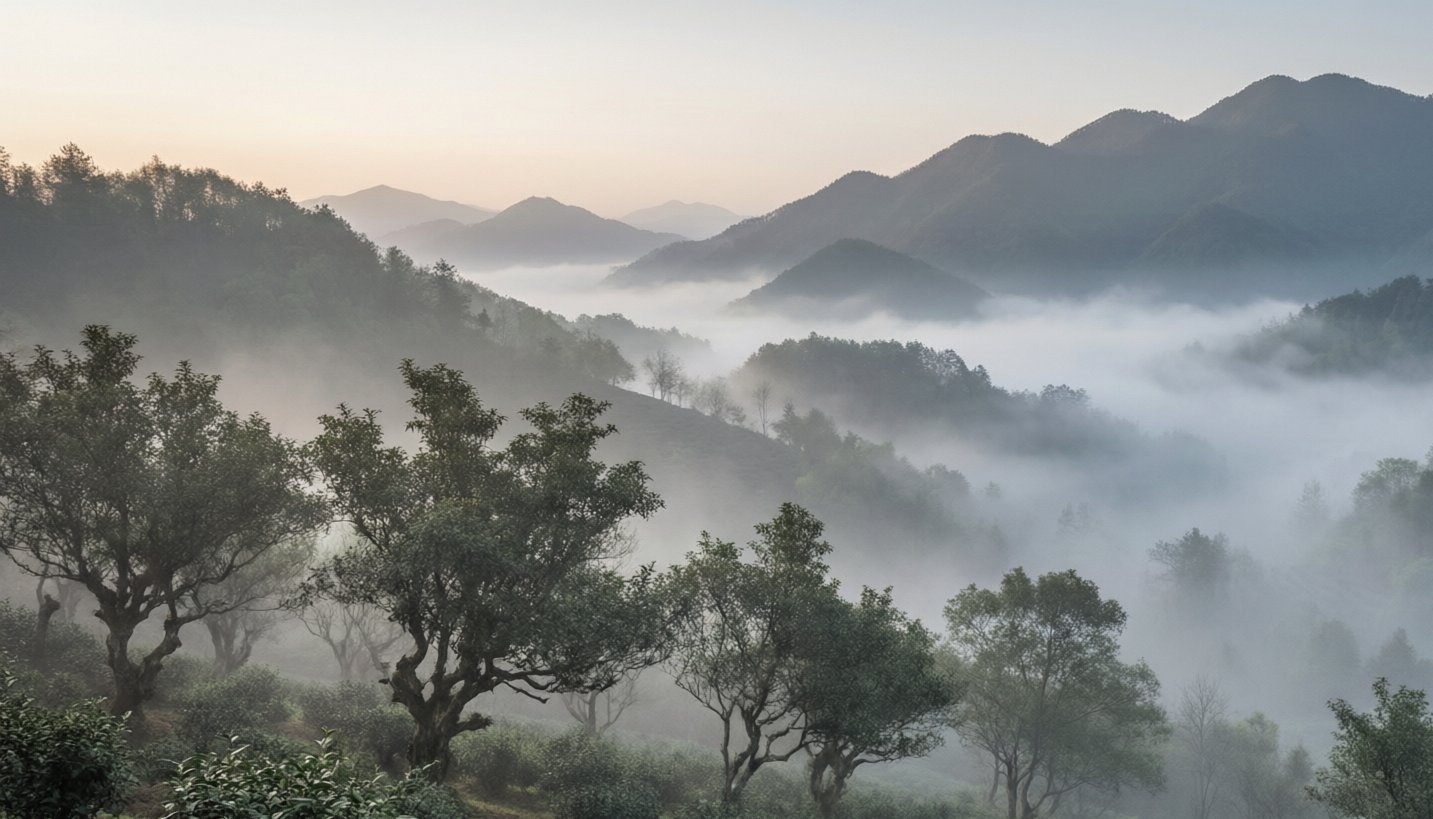
Fuding sits in northeastern Fujian, bordered by the East China Sea and backed by the Taimu Mountain range. The combination of coastal moisture, high humidity, frequent fog, and well-drained mountain slopes creates slow, extended withering conditions for fresh leaf [1]. That is one reason Fuding white tea has historically supported delicate natural withering rather than aggressive firing.
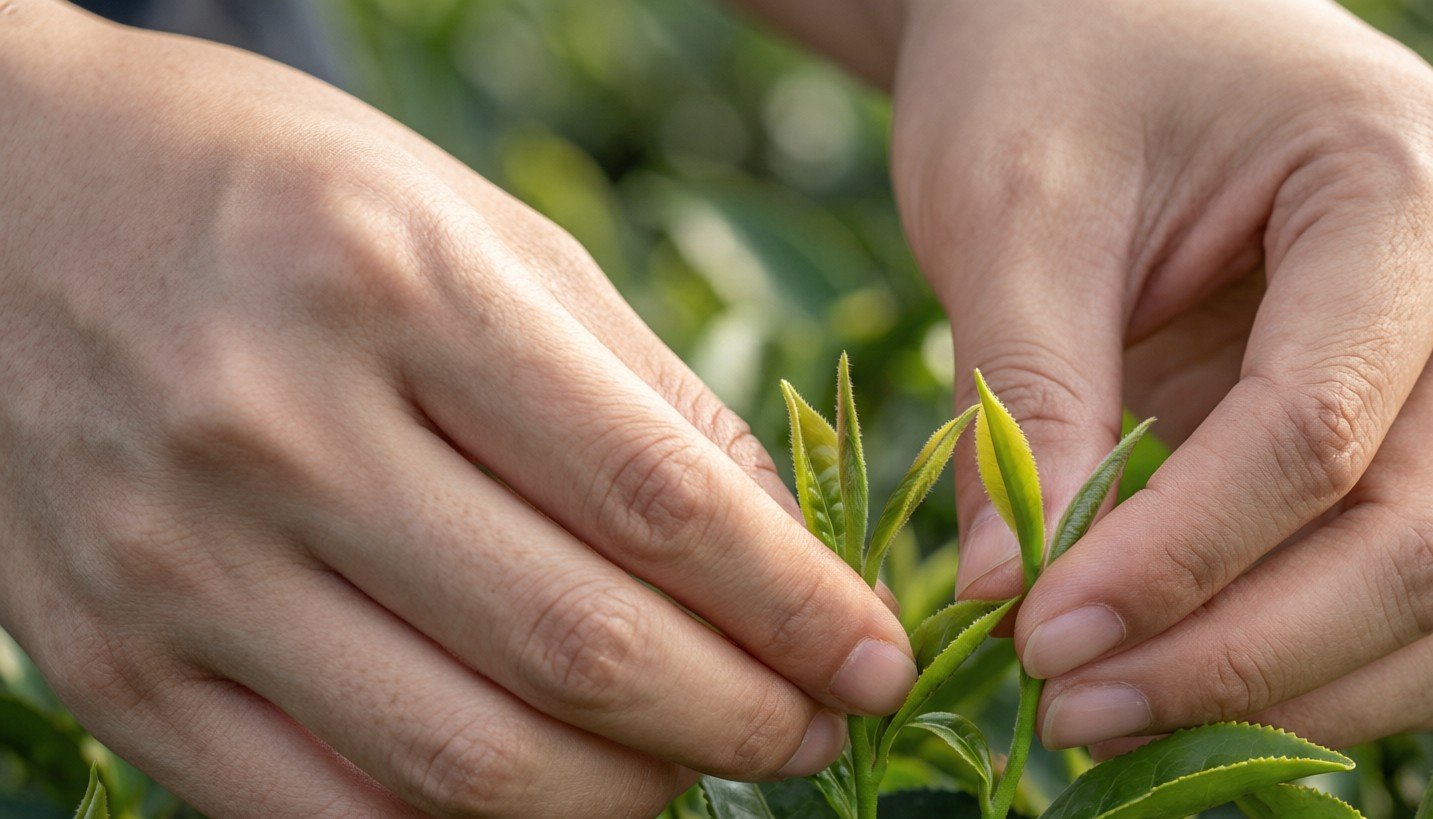
The growing landscape within Fuding is not uniform. Elevation, distance from the coast, forest cover, and soil type shift noticeably across townships, and those shifts appear in the cup. The table below is buyer shorthand drawn from how producers and buyers commonly describe township lots; it is not a legally graded sub-origin system [1].
| Core area | Terrain and position | Flavor character often associated with lots |
|---|---|---|
| Diantou | Low hills and a major processing/trade hub | Balanced, honeyed, accessible entry-to-mid-grade material |
| Bailin | Traditional trade town with gentle slopes | Clean, sweet, classic baseline Fuding character |
| Panxi | Higher mountain valleys with dense forest cover | Fuller body, wildflower notes, strong aging reputation |
| Guanyang | Inland and cooler with higher elevation | Light, crisp, high-aroma, softer first impression |
| Taimushan Town | Foothills of the Taimu range | Mineral, soft, slow-maturing structure |
The Local Cultivars
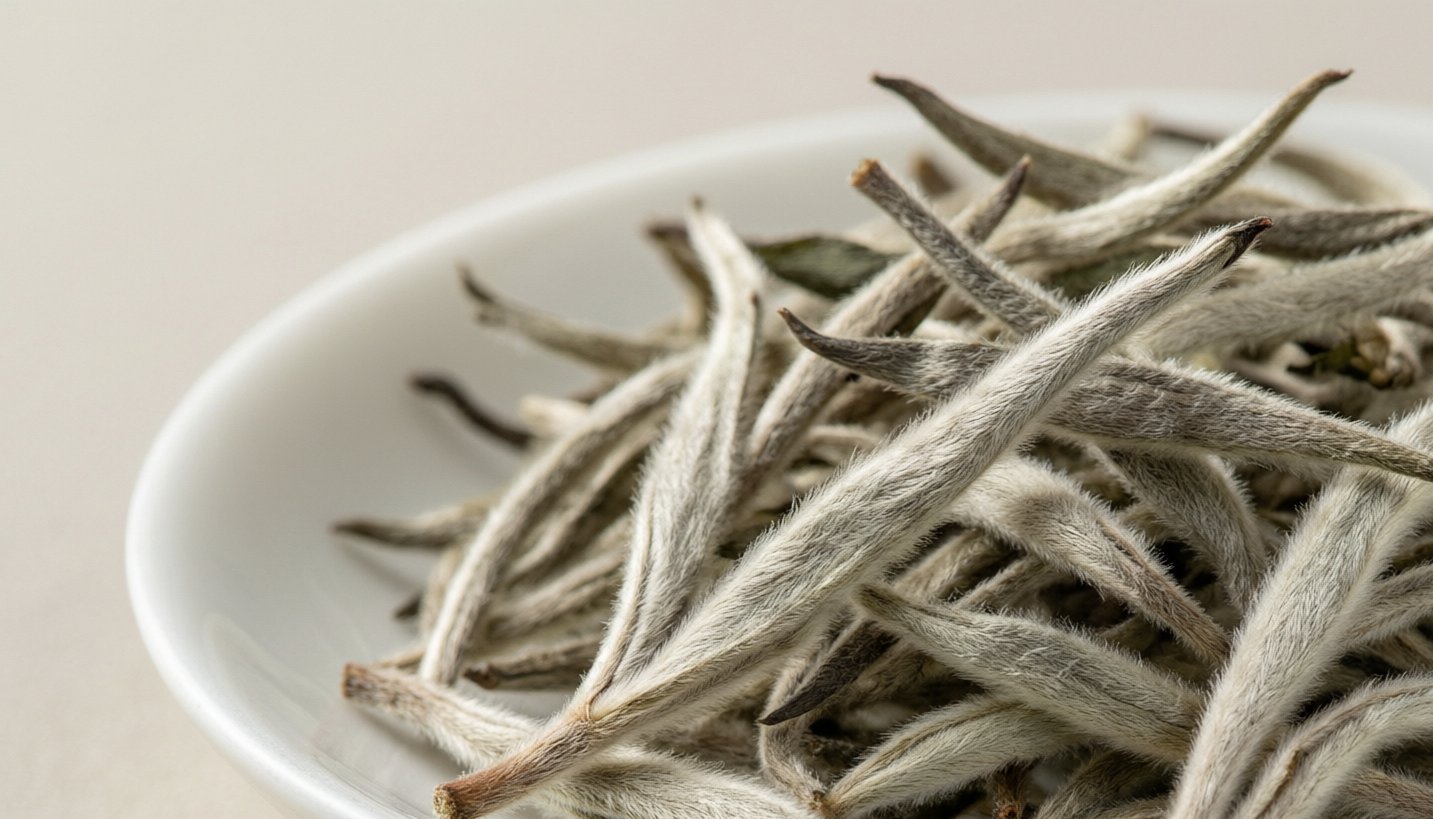
Two local bush types sit at the center of Fuding white tea: Fuding Dabai and Fuding Dahao. Both have thick, downy buds and broad leaves well suited to long withering; they are also the material most associated with the tea’s classic silvery appearance and the honey-like transformation that develops over years of aging [1]. Fuding aged white tea made from these cultivars tends to age differently from some other white tea origins because the leaf structure and local humidity allow a slower moisture exchange during storage.
This is why origin mapping matters at the cultivar level, not just the county level. A buyer who only verifies “Fuding” but not the cultivar and harvest grade may end up with a blend that ages unevenly across the lot.
Why This Region Supports Slow Aging
Fuding white tea is processed with minimal intervention: fresh leaf is withered—often partly outdoors under shaded or diffused conditions, then finished with low-temperature drying [1][2]. The process avoids the kill-green step used in green tea, leaving natural leaf components more intact to continue transforming in storage. Aged Fuding white tea is therefore not a different tea, but the same tea after controlled time.
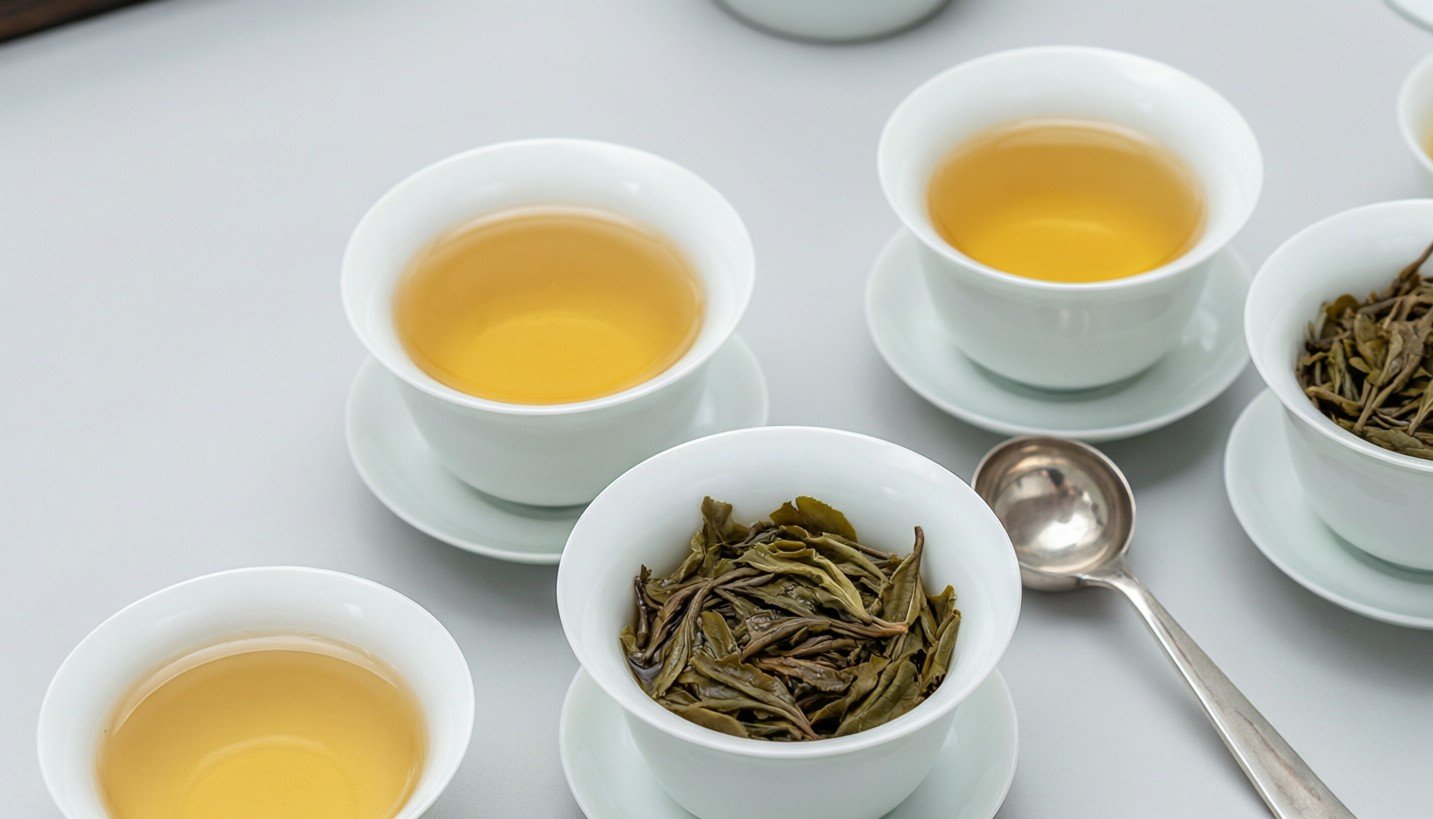
The change most buyers describe moves from fresh hay, honeysuckle, and soft melon in young tea toward dried date, dark honey, gentle herbs, and a thicker liquor in well-stored aged lots [1]. These are descriptive notes, not health claims, and they should be confirmed by cupping each batch before purchase.
How to Vet Origin When Sourcing
Origin is only as good as the documentation. For every Fuding aged white tea lot, request the following before price negotiation:
- GI certificate or proof that the lot is covered by the Fuding white tea protected designation [3]
- Production area listed to the township or at least county level
- Cultivar, harvest season, and year on the batch label
- Processing date and storage conditions after production
- Pesticide and tea test reports covering the finished lot
A lot without traceability can still taste good, but it is a trading risk: if a buyer cannot verify geography, the tea cannot be sold with a defensible Fuding aged white tea claim in a controlled market.
Need a direct comparison of Fuding township lots? Write to xuansc2144@gmail.com and request sub-region samples, harvest year details, and GI documentation. We can arrange side-by-side cupping sets for your buying team.
Frequently Asked Questions
Is all white tea from Fujian automatically “Fuding white tea”?
No. Fujian produces white tea in several areas, including Zhenghe and Jianyang. “Fuding white tea” is a narrower GI designation tied to Fuding’s defined townships and permitted cultivars [1][3].
What is the difference between Fuding and Zhenghe white tea?
Fuding’s coastal, mountain-facing conditions tend to produce white tea with a lighter first impression and strong honey development over time. Zhenghe, further inland at higher elevation, often shows a more herbaceous, grassy structure in young tea. Both are legitimate Fujian white teas, but they occupy different origin positions in the market [1].
Does “aged” always mean better quality?
No. Age only improves tea that was well made and well stored. Poorly withered leaf or humid storage can produce flat, stale, or musty results. Buyers should judge the current cup and the storage record before paying an age premium [2].
Which Fuding townships are most associated with aged white tea?
Panxi, Guanyang, Diantou, Bailin, and the Taimushan foothills are routinely named by producers and local buyers, but township alone does not guarantee quality. Elevation, bush age, harvest grade, and storage are equally important [1].
How can an importer verify Fuding aged white tea origin?
Ask for the GI documentation, batch-level production area, cultivar, harvest year, and storage records. Then cross-check the sample against the listed township’s typical cup profile and insist on full test reports before shipment [3].
What storage conditions keep Fuding aged white tea stable?
Store the tea sealed, away from strong odors and light, in a dry environment with moderate temperature and stable humidity. Avoid refrigeration and avoid exposing aged white tea to repeated air changes, which can dry the leaf and slow the intended transformation.
References
[1] Fuding Municipal People’s Government, “Fuding White Tea,” fuding.gov.cn.
[2] Standardization Administration of China, GB/T 22291-2017, White Tea.
[3] China National Intellectual Property Administration, Geographical Indication Product: Fuding White Tea.
No author description available.

白玉京