Yingde Black Tea: Proven Health Effects Backed by Evidence
Yingde black tea is usually sold on aroma, body, and malty depth before anything else. Ask about health effects, and the honest answer is layered: most peer-reviewed research covers black tea as a category—theaflavins, thearubigins, caffeine, and related flavonoids—rather than one Guangdong origin. That does not make the tea irrelevant to health. Yingde’s large-leaf cultivar and full oxidation produce a cup concentrated in the same flavonoid classes studied in human trials [1], [2]. The value is in reading the evidence without overselling it.
What Makes Yingde Black Tea Different
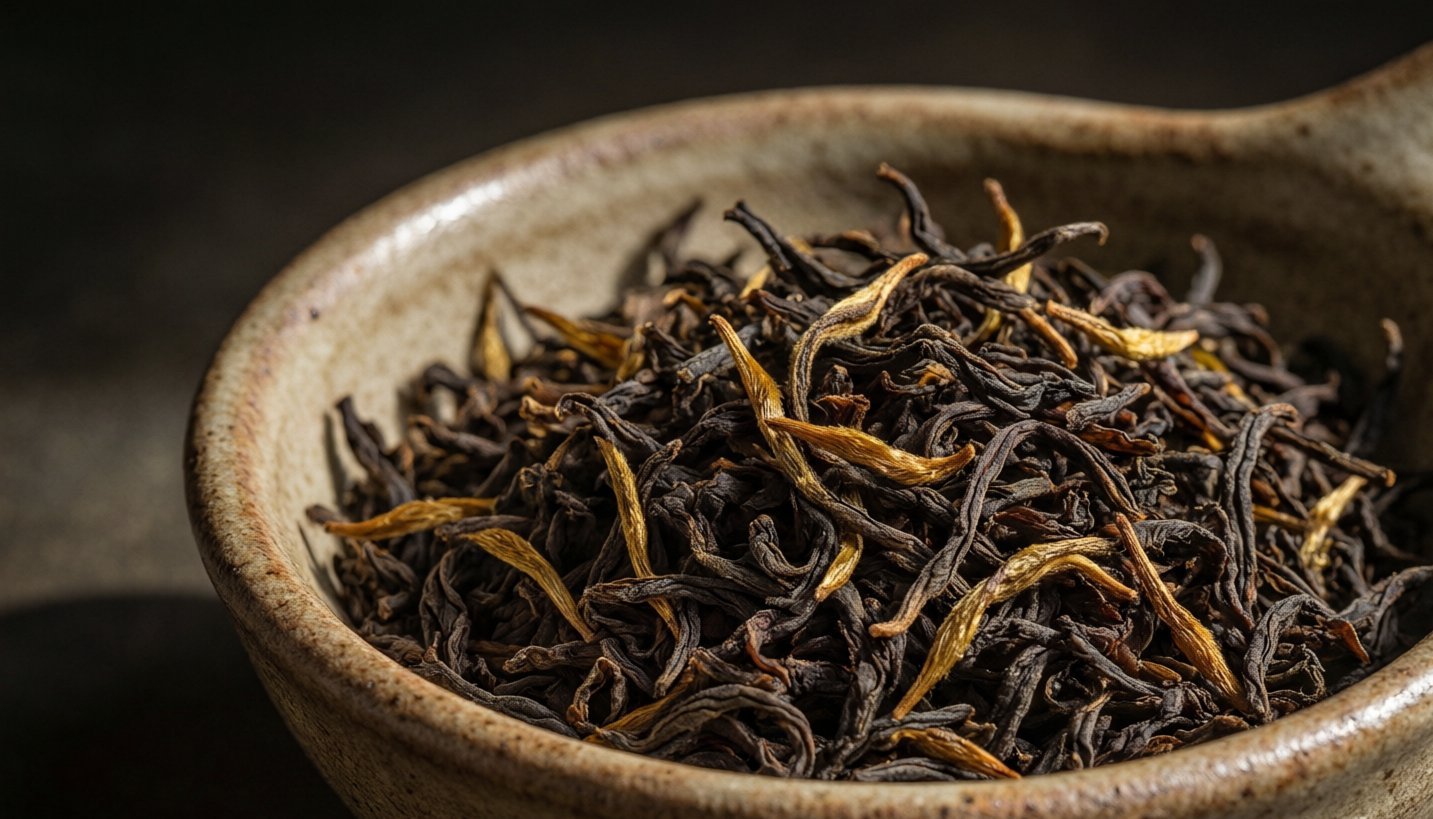
Yingde black tea, or Yingde hongcha, comes from Yingde in northern Guangdong province. It is typically made from large-leaf tea varieties and processed as a fully oxidized black tea, which shifts the leaf’s polyphenols toward theaflavins and thearubigins [1]. These compounds give the tea its copper-red liquor, ripe fruit, cocoa, and malt notes, and they are also the substances most often studied in black tea research.
From a buyer’s perspective, three characteristics matter when health-related claims appear on a label or sales sheet. First, harvest timing and leaf grade change polyphenol concentration, so a spring lot and an autumn lot are not interchangeable. Second, oxidation level changes the balance between theaflavins and thearubigins; lighter oxidation tends to preserve more theaflavins, while heavier oxidation builds body and color. Third, the final cup is always a combination of raw material, processing, and brewing. None of this makes Yingde a miracle tea, but it explains why properly made Yingde lots taste intense and test as flavonoid-rich black tea.
What the Evidence Actually Shows
The strongest claim that can be made today is that Yingde black tea belongs to a beverage category with modest, predominantly short-term human evidence for cardiovascular and metabolic markers. It has neither a regulatory-approved disease-prevention claim nor unique clinical proof that separates it from other well-processed black teas [2]. That is not a weakness; it is simply the state of the science.
| Health area | Evidence type | What research supports | Practical reading |
|---|---|---|---|
| Antioxidant status | Short-term human and laboratory studies | Black tea intake can increase plasma antioxidant capacity, but this does not directly equal disease prevention [1], [2] | Useful supportive message, not a treatment claim |
| Stroke risk | Meta-analysis of observational studies | Higher black tea intake is associated with lower stroke risk in several populations [3] | Promising pattern, not individual-level guarantee |
| Endothelial function | Small controlled trials | Regular black tea consumption may improve blood vessel function in the short term [4] | Relevant for cardiovascular positioning, with cautious wording |
| Caffeine effects | Safety assessments | Moderate caffeine improves alertness within usual intake limits [5] | Dose and timing matter more than origin |
The responsible approach for importers, retailers, and content teams is to avoid quoting precise percentage reductions from small trials. Instead, frame the evidence as black tea supporting a broader dietary pattern: unsweetened tea in place of sugar-sweetened drinks, consumed regularly, within caffeine tolerance.
Heart, Metabolic and Oral Health
Black tea flavonoids have attracted the most cardiovascular attention. A meta-analysis of stroke risk found that people drinking around three cups of black or green tea daily had lower stroke risk than those drinking less, though the studies are observational and cannot fully separate tea from other healthy behaviors [3]. Small controlled trials have also shown that black tea can improve brachial artery function after regular ingestion, with effects appearing within hours and maintained over weeks in some protocols [4]. These findings are real, but modest.
Metabolic effects follow a similar pattern. Some short trials report small improvements in markers such as LDL cholesterol or post-meal oxidative stress, but results are inconsistent across studies and rarely dramatic [2]. Yingde black tea is better positioned as a low-calorie replacement beverage than as a functional supplement. Its astringency and depth also make it satisfying without sweeteners, which is where much of the practical health benefit lies.
Oral health is a quieter advantage. Unsweetened black tea contains fluoride and polyphenols, and laboratory work suggests tea compounds can inhibit certain oral bacteria involved in plaque formation [2]. The key word is unsweetened. Adding sugar turns an otherwise neutral or mildly protective drink into a cavity risk, and milk or syrups change the calorie equation quickly.
Who Should Limit or Avoid It
Black tea is safe for most healthy adults when consumed in moderation, but caffeine sets the main boundary. The European Food Safety Authority considers up to 400 mg of caffeine per day from all sources to be of no safety concern for most healthy adults [5]. A cup of black tea naturally varies, but a strong 240 ml serving often falls below the caffeine content of a standard coffee serving.
Pregnancy changes the arithmetic. Current public health guidance in the United Kingdom recommends limiting caffeine to 200 mg per day during pregnancy and accounting for all sources, including tea, coffee, chocolate, and some medications [6]. People with caffeine sensitivity, anxiety disorders, certain arrhythmias, acid reflux, or sleep disturbance should also watch total daily intake rather than focusing only on tea.
Tannins in black tea can reduce absorption of non-heme iron from plant foods when tea is consumed with meals. The practical fix is spacing: drink Yingde black tea between meals rather than immediately after an iron-rich vegetarian meal [2]. Anyone taking medication should ask a clinician about timing, because tea polyphenols and caffeine can interact with certain drugs, including some stimulants and blood thinners—another reason health content around Yingde tea should stay conservative.
How to Brew It Without Losing the Polyphenols
Brewing changes both flavor and what ends up in the cup. For a balanced, less astringent Yingde black tea, use fresh water at 90–95°C and a ratio near 3 grams of leaf per 150 ml for cupping, or about 1 gram per 100 ml for everyday Western-style brewing. A 3–5 minute steep extracts theaflavins, thearubigins, and caffeine efficiently, but flash-boiling water and a very long steep increase bitterness without meaningfully improving the evidence.
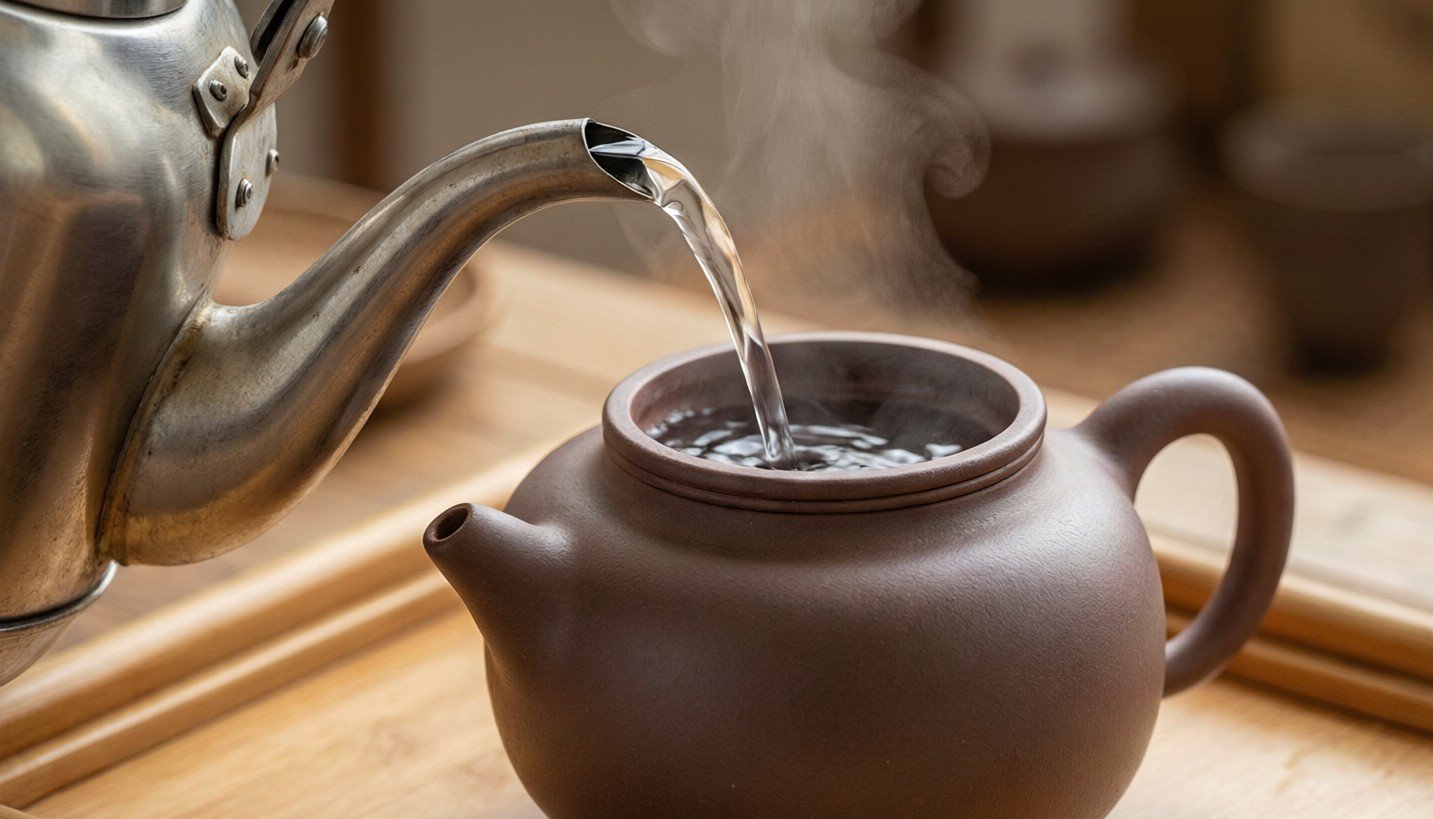
Yingde black tea also responds well to short gongfu steeps. Start with a quick rinse, then use 5–10 second infusions at the same temperature, extending gradually as the leaf opens. The swallowable advice for sellers: recommend plain or lightly sweetened preparation, and avoid turning a healthy beverage into a dessert format that undercuts the health messaging.
Sourcing note: if you are comparing Yingde lots for private label or bulk, request cupping notes, moisture content, and pesticide residue tests—not a health claim. Our team can send current material against your target profile. Email xuansc2144@gmail.com with your annual volume and destination market for samples.
Sourcing Yingde Black Tea You Can Verify
Chinese tea suppliers sources Yingde black tea in loose-leaf and bulk formats for importers, private label programs, and retail lines. Since health messaging must remain legally conservative, we provide the supporting documentation that matters: origin details, processing parameters, sensory notes, and compliance documents.
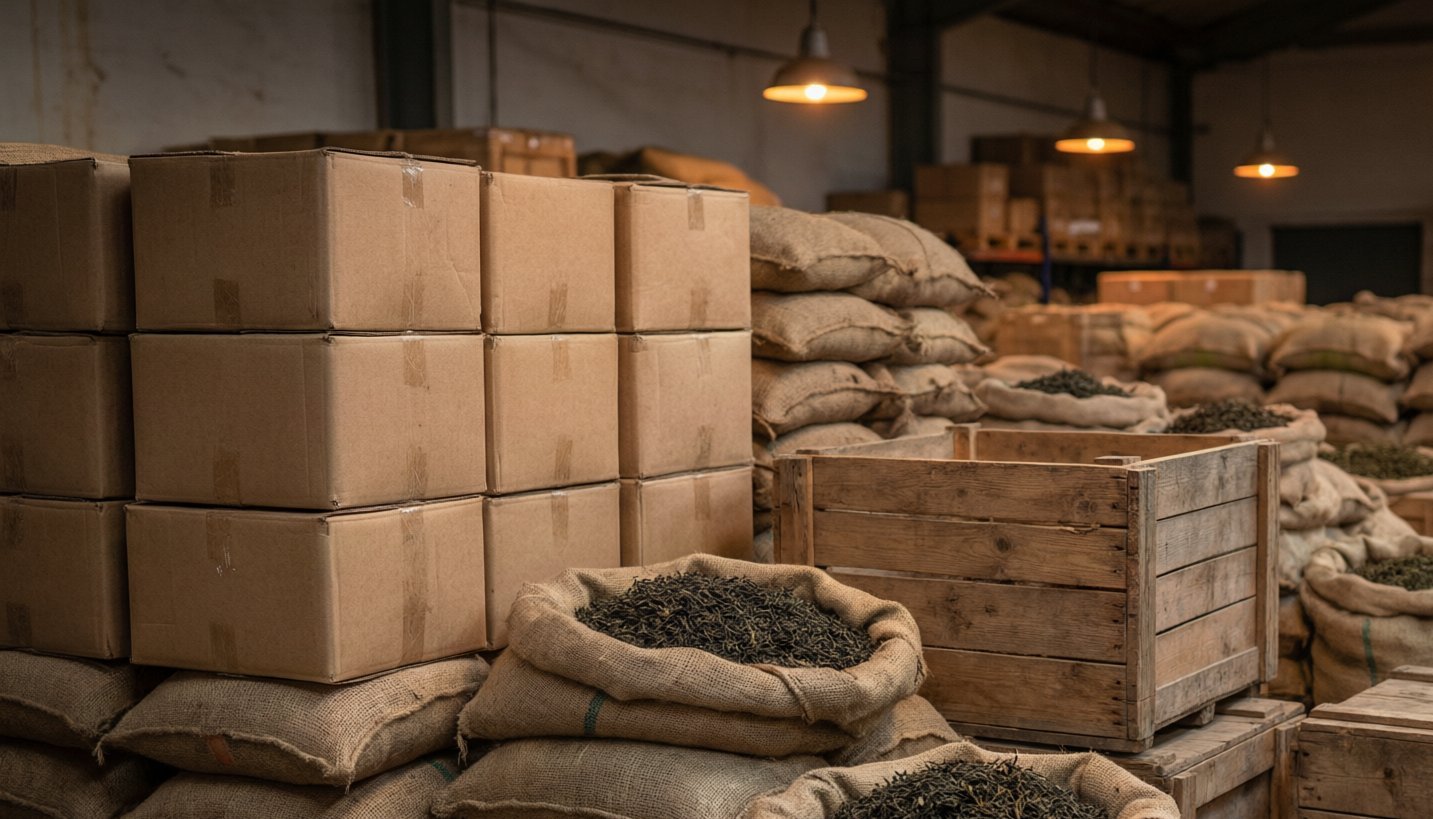
If you need Yingde black tea with defined grade, lot consistency, and clean testing, send your inquiry to xuansc2144@gmail.com with the target quality, annual volume, and market. We will reply with a specification sheet and sample plan before you commit.
Frequently Asked Questions
Does Yingde black tea contain more theaflavins than other black teas?
Not automatically. Large-leaf, fully oxidized Yingde often shows high theaflavin and thearubigin content, but values vary by cultivar, harvest date, oxidation level, and storage [1]. The only reliable answer for a specific lot is a laboratory or supplier test, not a blanket claim.
How many cups a day are safe?
Most healthy adults can consume several cups within a 400 mg daily caffeine limit, assuming modest caffeine from other sources [5]. During pregnancy, keep total caffeine near or below 200 mg per day and count tea as one of several sources [6].
Can Yingde black tea replace blood pressure or cholesterol medication?
No. The evidence supports tea as a modest dietary pattern component at best [3], [4]. No one should stop or adjust prescribed medication based on black tea consumption.
Does adding milk remove the polyphenols?
Milk does not eliminate polyphenols, but it changes astringency and may blunt some short-term vascular effects in small studies [2], [4]. The largest factor is still regular, unsweetened intake over time.
Who should drink less Yingde black tea?
People with severe caffeine sensitivity, reflux, sleep disturbance, and those advised by a clinician to limit tannins or caffeine should reduce intake. Timing matters most for iron absorption, so drink between meals when this is a concern [2], [5].
References
[1] S. A. Wiseman, D. A. Balentine, and B. Frei, “Antioxidants in tea,” Crit. Rev. Food Sci. Nutr., vol. 37, no. 8, pp. 705–718, 1997.
[2] E. J. Gardner, C. H. S. Ruxton, and A. R. Leeds, “Black tea—helpful or harmful? A review of the evidence,” Eur. J. Clin. Nutr., vol. 61, no. 1, pp. 3–18, 2007.
[3] L. Arab, W. Liu, and D. Elashoff, “Green and black tea consumption and risk of stroke: a meta-analysis,” Stroke, vol. 40, no. 5, pp. 1786–1792, 2009.
[4] J. M. Hodgson, I. B. Puddey, V. Burke, L. J. Beilin, and K. D. Croft, “Regular ingestion of black tea improves brachial artery vasodilator function,” Clin. Sci., vol. 102, no. 2, pp. 195–201, 2002.
[5] European Food Safety Authority, “Scientific opinion on the safety of caffeine,” EFSA J., vol. 13, no. 5, p. 4102, 2015.
[6] National Health Service, “Caffeine in pregnancy,” 2023. [Online]. Available: https://www.nhs.uk/pregnancy/keeping-well/foods-to-avoid/caffeine-in-pregnancy/
No author description available.

白玉京