Real vs Fake Yiwu Pu-erh: A Practical Buyer’s Test
Yiwu is one of the most commonly faked origin names in the pu-erh trade, and the reason is simple: the real stuff commands a premium, while the counterfeit version can be made from almost any soft, fragrant tea leaf and re-pressed behind a convincing wrapper. This guide gives you a practical, evidence-based test you can run before you commit to a purchase. It covers what Yiwu tea actually is, why it gets faked, how to inspect the leaf, liquor, and documentation, and what to ask a supplier before money changes hands.

What Yiwu Tea Actually Is
Yiwu is a township in Mengla County, Xishuangbanna, in southern Yunnan. It sits within the protected geographical indication area for Pu-erh tea defined under China's national standard [1]. Tea from Yiwu is typically made from large-leaf assamica cultivar material, processed as sun-dried green tea, and then pressed into sheng pu-erh cakes or sold as loose maocha.
The defining character real buyers look for is softness. Yiwu tea tends to express a gentle, rounded body, low-to-moderate astringency when young, a prominent sweet return after swallowing, and an aroma that leans floral, honeyed, or lightly woody rather than smoky or sharply bitter. That does not mean every Yiwu tea tastes the same. Altitude, tree age, processing, and storage all shift the profile. But the overall structure is usually more delicate than tea from nearby regions known for pronounced bitterness.
A seller may use the name "Yiwu" in several ways: pure single-origin Yiwu maocha, a Yiwu blend, a Yiwu-area tea, or—most misleading—a tea that is merely "Yiwu style." Only the first has a strong claim to the protected name, and even then the claim needs to be verified.
Why Yiwu Tea Gets Faked
Yiwu tea is expensive relative to generic pu-erh because of its reputation among collectors and drinkers, its relatively limited supply, and its ability to age into a softer, deeper tea. Counterfeiters exploit that price gap by re-labeling tea from other Yunnan regions—or sometimes from outside Yunnan entirely—as Yiwu.
The problem is compounded by market incentives. Many buyers make purchasing decisions at arm's length: they see a photo, read a story, and transfer money without cupping the tea against a known sample. That is the exact moment fake Yiwu tea succeeds. The wrapper is cheap to print, the cake face can be arranged to look attractive, and the origin claim is difficult to challenge after the fact.
A Seven-Point Test for Genuine Yiwu Tea
No single test proves an origin claim. Use all seven points together. If a tea fails several of them, walk away.
1. Inspect the Dry Leaf
Real Yiwu maocha is often long and relatively slender, with a mix of whole leaves and some broken fragments depending on pressing and handling. The color tends to be deep green in young sheng, darkening with age. Some Yiwu material shows a light, silvery bud presence, but it is not usually as densely golden or downy as a high-grade Yunnan black tea.
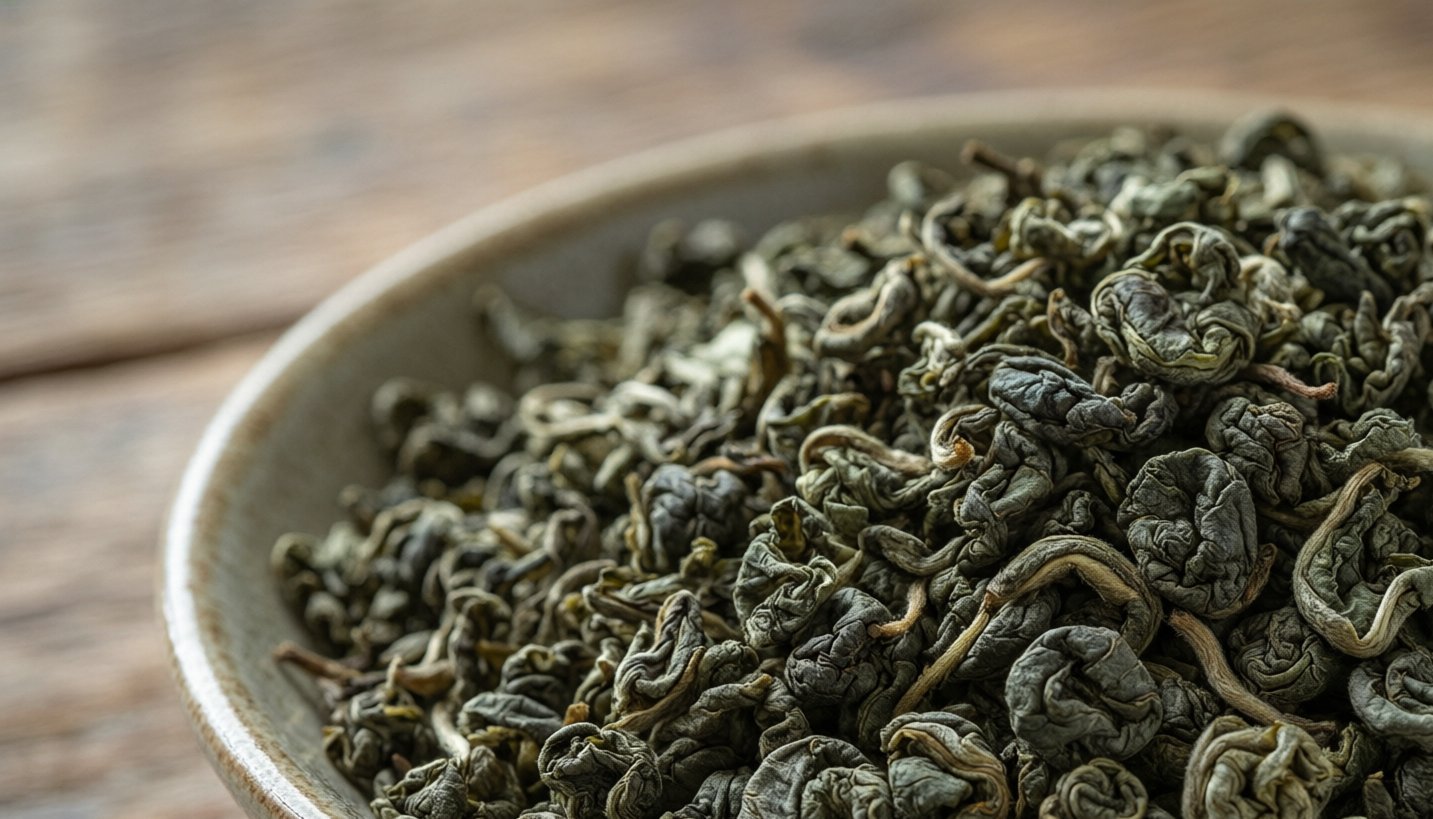
Visual cues are only a first filter. A clean, whole leaf with no dust and no foreign material is a baseline quality sign. But plantation tea from outside Yiwu can look nearly identical, so leaf appearance alone cannot prove origin.
2. Smell the Dry and Rinsed Leaf
Smell the dry cake or leaves first. A young Yiwu tends to carry a fresh, slightly sweet, floral or orchard-fruit note rather than heavy smoke, sourness, or a flat warehouse odor. After a quick rinse, the warmed leaf should open into the same aromatic register.
Be wary of tea that smells aggressively smoky to hide defects, or tea that has no aroma at all. A blank nose can mean stale leaf, poor processing, or material that was processed in a way that stripped its character.
3. Watch the Liquor
Young Yiwu sheng often brews a bright golden or light amber liquor with good clarity. With age, the color deepens toward orange or amber-brown. The liquor should not be cloudy, muddy, or reddish in a young cake unless the tea has been heavily oxidized or artificially aged.
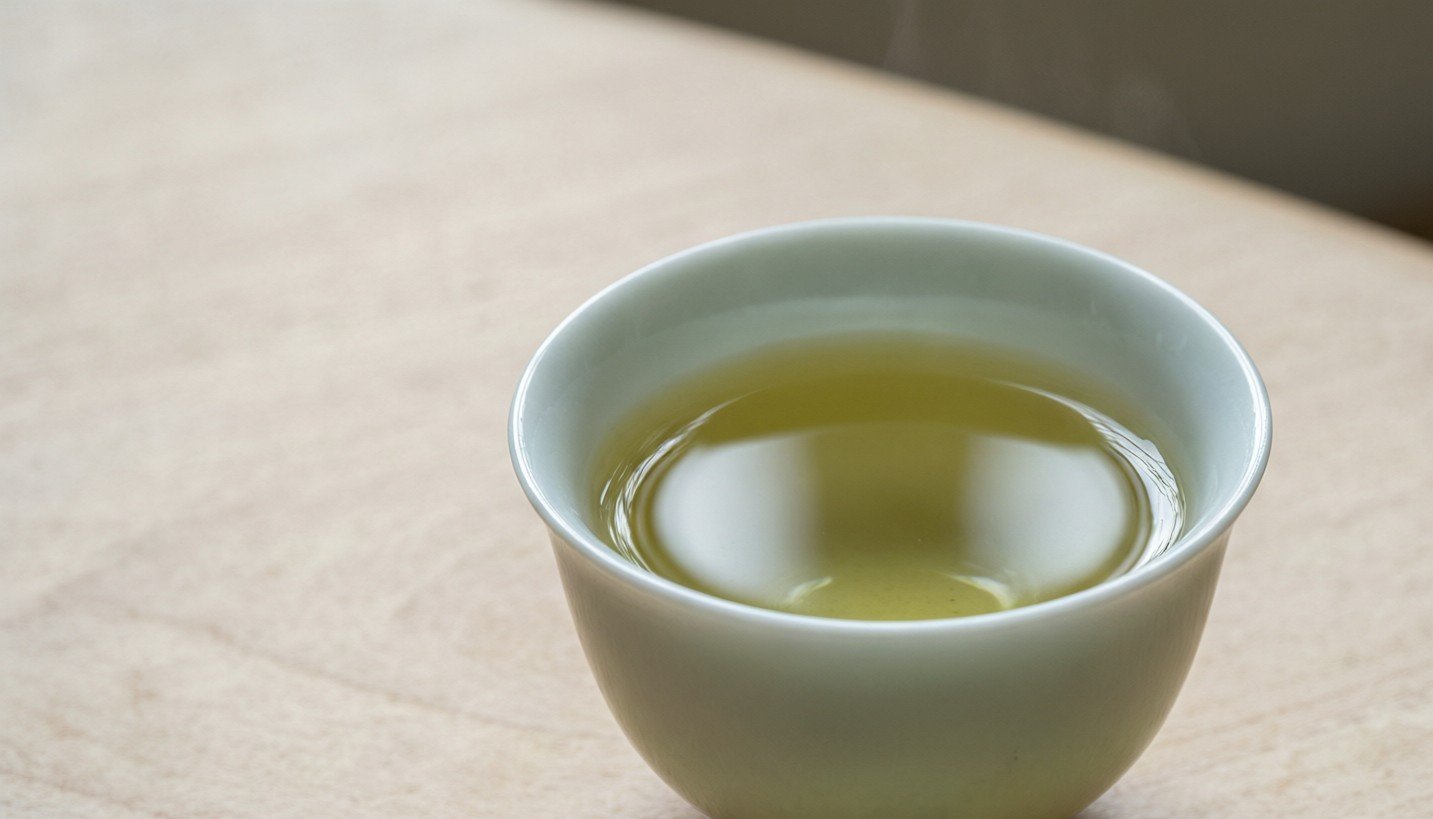
Color is a support signal, not a verdict. Storage conditions influence color substantially. Use liquor clarity and brightness as a quality check, and compare it with what you know about the tea's stated age.
4. Taste the Core Structure
This is where Yiwu tends to distinguish itself. Focus on four things:
- Sweet return: after swallowing, sweetness should build in the throat or mouth rather than fading immediately.
- Astringency: in a young Yiwu, astringency is usually present but soft, not harsh or sandpaper-like.
- Body: the mouthfeel often feels soft, thick, or slightly oily rather than thin and sharp.
- Aftertaste: the finish should linger, with a cooling or sweet sensation in the throat.
That structure is typical of Yiwu, but it is not proof on its own. Some non-Yiwu teas can imitate softness, especially when processed to be deliberately gentle.
5. Read the Infused Leaf
After several brews, inspect the spent leaves. Genuine ancient-tree Yiwu material often shows thick, elastic leaves with visible veins and an intact structure. Young plantation leaves are thinner, more brittle, and break apart more easily. If a seller claims ancient-tree Yiwu and the wet leaf looks like small, shredded plantation material, the story and the material do not match.
For example, if a 2018 cake is sold as pure ancient-tree Yiwu, the spent leaves should not be uniformly tiny, gray, or mushy after six infusions. Some breakage from pressing is normal, but the overall population should still include whole leaves.
6. Check the Wrapper and Batch Documentation
The wrapper is the weakest link in verification, but it still matters. Look for coherent information: production year, factory, weight, batch number, and any stated standard. Cross-check the printing against known reference photos when possible. A wrapper with a prestigious village name but no factory, no lot, and no production date is a red flag.
Documentation is stronger when it includes a seller's purchase record, a sample from the same tong, or a traceable lot number. However, documents can be forged as easily as wrappers. Treat them as supporting evidence, not proof.
7. Run a Cupping Benchmark Against a Known Sample
The most reliable test is comparative cupping. Brew the unknown sample side by side with a verified Yiwu tea using the same leaf weight, water temperature, and steeping time. The standardized sensory evaluation method gives you a repeatable framework [2].
Compare the wet leaf, liquor color, aroma, mouthfeel, and aftertaste in the same session. If the two teas behave very differently, the origin claim deserves more scrutiny. A single cupping may not settle every doubt, but it catches most obvious mismatches.
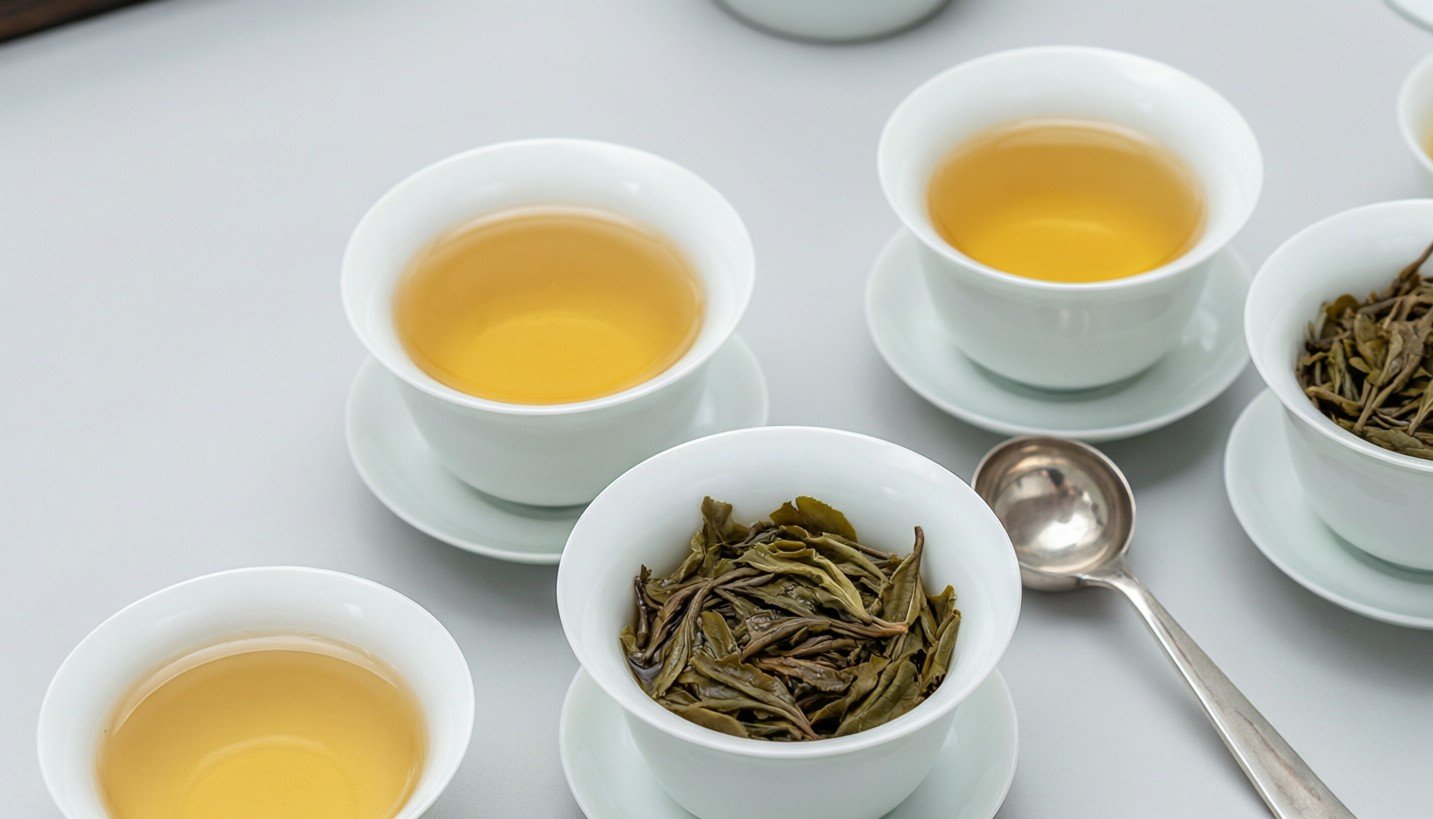
If you do not have a known Yiwu reference, buy a small amount from a supplier you already trust and keep it sealed as your benchmark. That sample becomes your control for every future purchase.
Before paying a deposit on any Yiwu offer, send the lot photos and request a 20-gram sample. For a second read on a specific offer, email xuansc2144@gmail.com with the subject line "Yiwu authentication" and include the wrapper, cake face, wet leaf, and stated price. A sourcing specialist will review the markers in this guide and give you a buy/no-buy read before you commit.
Where Most Fake Yiwu Tea Comes From
Counterfeit Yiwu tea usually falls into one of a few patterns. The first is regional substitution: tea from another Yunnan origin is pressed and sold under a Yiwu name because its leaf appearance can pass. The second is grade substitution: real Yiwu-area plantation tea is sold as ancient-tree Yiwu to capture a higher price. The third is blend misrepresentation: a small amount of Yiwu material is blended with cheaper tea and marketed as pure Yiwu.
There is also a documentation problem. Some sellers use generic wrappers printed with famous village names, then fill the order with whatever soft tea is available. This is why the wrapper test alone is almost worthless.
Questions to Ask Any Supplier
Run these questions before you buy:
- Which part of Yiwu does this tea come from, and who was the producer or initial buyer?
- Is this pure Yiwu, a Yiwu blend, or Yiwu-style tea?
- What year was the maocha picked, and when was the cake pressed?
- Can you send a sample from the same lot before full payment?
- What reference sample can you provide for comparison?
- Is there any batch-level traceability record or purchase documentation?
- If the tea is described as ancient-tree, what support exists for that claim?
A supplier who cannot answer these questions clearly is not necessarily fraudulent, but the burden of proof is on the seller. The better the documentation and the more willing the seller is to provide a sample, the safer the purchase.
Source Yiwu Tea With a Verification Trail
The safest way to buy Yiwu tea is through a sourcing process that keeps evidence at each step: leaf sample, wet leaf, liquor, wrapper, price, and documentation. If you are buying volume, insist on a small pre-shipment sample, and keep part of it as your reference.
To speak with a Chinese tea sourcing specialist, send your target specification, lot photos, and sample request to xuansc2144@gmail.com. Include:
- The tea's stated origin and village
- The weight and format you need
- The vintage or pressing year
- Any lab tests or certificates you require
- Photos of the wrapper, cake face, and dry leaf
The specialist will review material consistency, wrapper documentation, and pricing structure before you commit. This gives you a verification trail instead of a story.
FAQ
Can I reliably identify Yiwu tea by taste alone?
Not with certainty. Taste can point you in the right direction, but it cannot prove origin. Some non-Yiwu teas imitate the soft, sweet Yiwu profile well enough to fool a casual drinker. Use taste as one signal among several, and always compare against a known sample.
What is the difference between Yiwu and other tea from the Yiwu area?
"Yiwu-area" tea may come from nearby villages or townships within the broader region, while "Yiwu" should refer more narrowly to tea from Yiwu township itself. The distinction matters for price and authenticity, so ask the seller to be precise about the village and mountain name.
Does older Yiwu pu-erh get harder to verify?
Yes. As tea ages, the aroma and color shift, and the leaf becomes more uniformly dark. That makes visual and tactile differences harder to read. For aged cakes, wrapper history, storage record, and prior sample continuity become more important.
How much does Yiwu tea cost?
Yiwu tea is priced at a premium to generic pu-erh, but price alone is not a reliable test. Low prices are suspicious, yet high prices can also be used to sell counterfeit tea with a false sense of security. Judge the tea's material and documentation first, and use price only as a sanity check.
Should I ask for a lab test?
A lab test can confirm pesticide residues, moisture, or basic chemical parameters, but it will not tell you whether a tea is from Yiwu. Origin verification depends on material, sensory benchmarking, and traceability records. Request lab tests for safety, not as proof of origin.
Can the wrapper alone confirm authenticity?
No. Wrappers are the easiest part of fake tea to produce. A convincing wrapper can cover any leaf. Use the seven-point test in this guide and treat the wrapper as a minor supporting clue, never as evidence.
References
[1] GB/T 22111-2008, Product of geographical indication—Pu'er tea, General Administration of Quality Supervision, Inspection and Quarantine of the People's Republic of China, 2008.
[2] GB/T 23776-2018, Methodology for sensory evaluation of tea, Standardization Administration of the People's Republic of China, 2018.
No author description available.

白玉京