5 Red Flags to Spot Fake Raw Pu-erh Loose Leaf Tea
Fake raw Pu-erh loose leaf rarely announces itself. It usually appears as a bargain, a generic “ancient tree” label, or a lot that photographs well but does not taste, smell, or re-steep like raw Pu-erh. Raw Pu-erh has a defined identity under GB/T 22111-2008: it is a Yunnan large-leaf sun-dried tea, processed into either sheng or shu Pu-erh [1]. That definition gives buyers a practical benchmark. If a loose leaf lot cannot be traced back to that origin and processing style, the first red flag appears before any money changes hands.
Why Raw Pu-erh Loose Leaf Gets Faked
Loose leaf is easier to fake than a compressed cake because there is no visible compression, no wrapper, and often no wrapper label to cross-check. A seller can blend a small amount of genuine raw Pu-erh with cheaper Yunnan or non-Yunnan material, or use wet storage to push a young leaf toward an “aged” look. The buyer who relies on photos and a single short tasting is at a disadvantage.
Chinese prepackaged food labeling rules require more than a brand name. A legitimate label must state the product name, ingredient list, net content, producer, production date, shelf life, storage conditions, and the product standard code [2]. When those data points are missing or generic, treat the lot as unverified until proven otherwise.

Five Red Flags to Check Before You Buy
Red Flag 1: The Price Is Too Low for the Claim
Price is the first filter. A “Lao Banzhang” or “ancient tree” raw Pu-erh loose leaf offered below what the same grade normally trades for is usually a blend, a different village, or a different harvest season. Markets do fluctuate, but a claimed premium origin does not sell at commodity tea prices. When the gap is large, ask for the specific village, harvest date, and a lot photo in the field, not a marketing sentence.
Red Flag 2: The Dry Leaf Looks Too Uniform
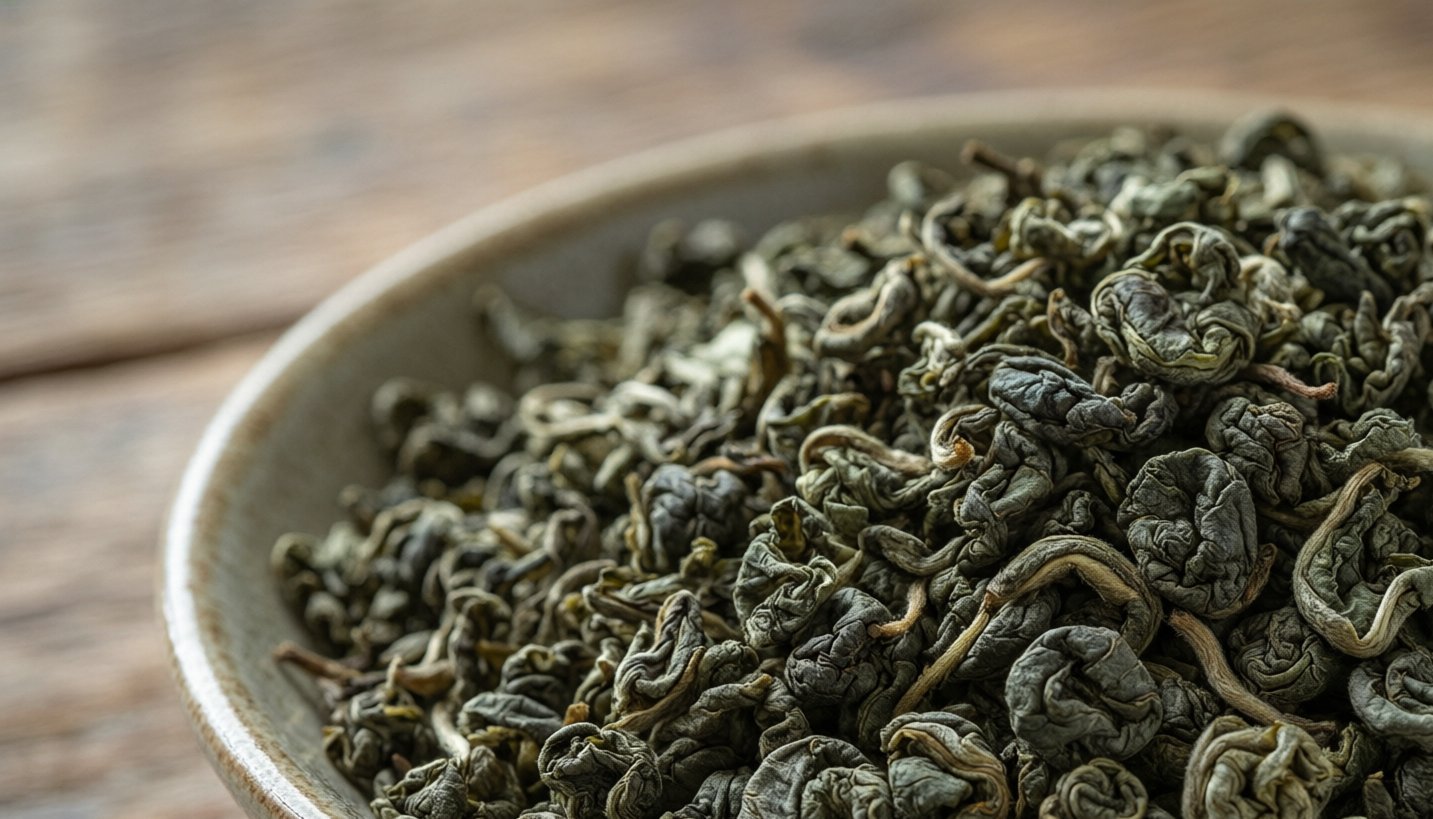
Real raw Pu-erh maocha is often a little irregular: mixed stem, varied leaf color, visible tips, and a natural sun-dried texture. A suspiciously uniform leaf, all the same size and color with no stem or dust, may be sieved, polished, or machine-sorted to hide the blend. Uniformity alone is not proof of a fake, but it is a signal to look harder at the other four checks.
Red Flag 3: The Label Does Not State Origin, Date, and Batch
Ask for a clear photo of the actual package label, not a sample image. The label should state the product name, ingredient, net content, producer, production date, shelf life, storage conditions, and standard code [2]. Many fake loose leaf lots arrive in plain bags with only “Yunnan Pu-erh” printed on a sticker. Missing harvest year, production date, batch number, or standard code is a red flag. The more generic the label, the weaker the traceability.
Red Flag 4: The Wet Leaf and Liquor Tell a Different Story
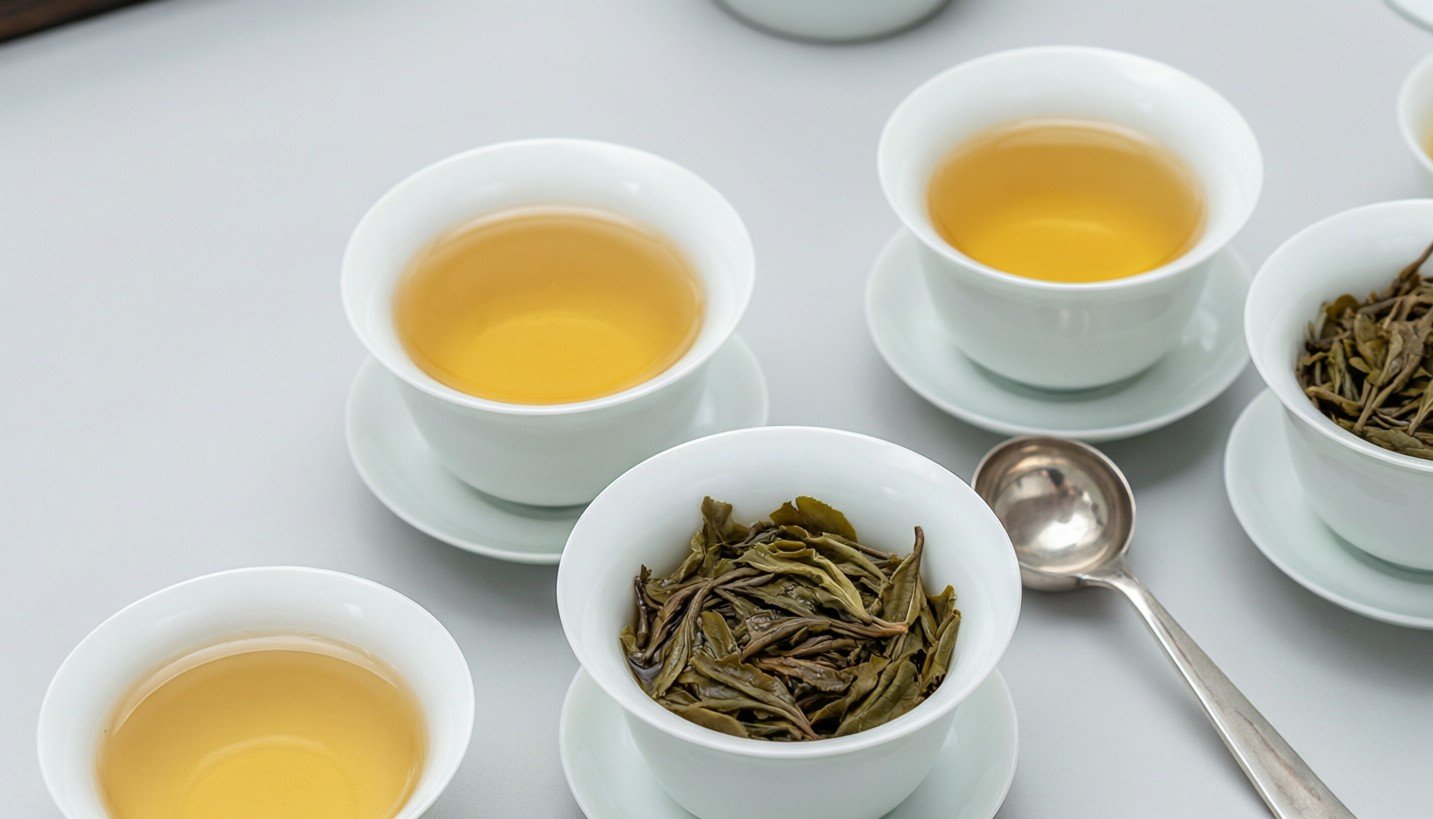
Raw Pu-erh is not a single taste, but young sheng tends to be bright, bitter-astringent on the front, then returning sweetness; aged or wet-stored raw shifts toward amber, but still re-steeps and should not taste sour, moldy, or fishy. If the liquor is unusually dark for the claimed age, or the fragrance is mostly roast, caramel, or compost, you may be drinking a different tea. Use a standardized sensory method rather than the memory of one cup [3].
Red Flag 5: The Supplier Cannot Show Traceable Evidence
A seller who knows the lot should be able to provide batch-level photos, harvest season, processing date, origin certificate or traceability documents, and a matching pre-shipment sample. If every request is answered with “trust me” or new marketing language, stop. Verified sourcing depends on documents that can be checked against the physical leaf.
Before you finalize a purchase order, request the five items together: batch number, harvest date, processing date, label photo, and a 30–50 g sample. If you are comparing multiple lots, score each one against this same list. For help verifying raw Pu-erh loose leaf before you import, send the lot details to xuansc2144@gmail.com and we will check them against the points above.
A 30-Second Pre-Shipment Check
Use the following five questions when a supplier sends photos or a sample. A single “no” is not always proof of a fake, but each failure raises risk.
| Check | What to Look For |
|---|---|
| Price | Does the price match the claimed origin, age, and grade? |
| Leaf | Is the leaf irregular, unpolished, and typical of raw maocha? |
| Label | Are origin, harvest date, production date, batch, and standard code present? |
| Liquor | Does the taste, color, and re-steep behavior match the claimed age? |
| Documents | Can the supplier produce batch photos, traceability, and a sample? |
Need Verified Raw Pu-erh Loose Leaf?
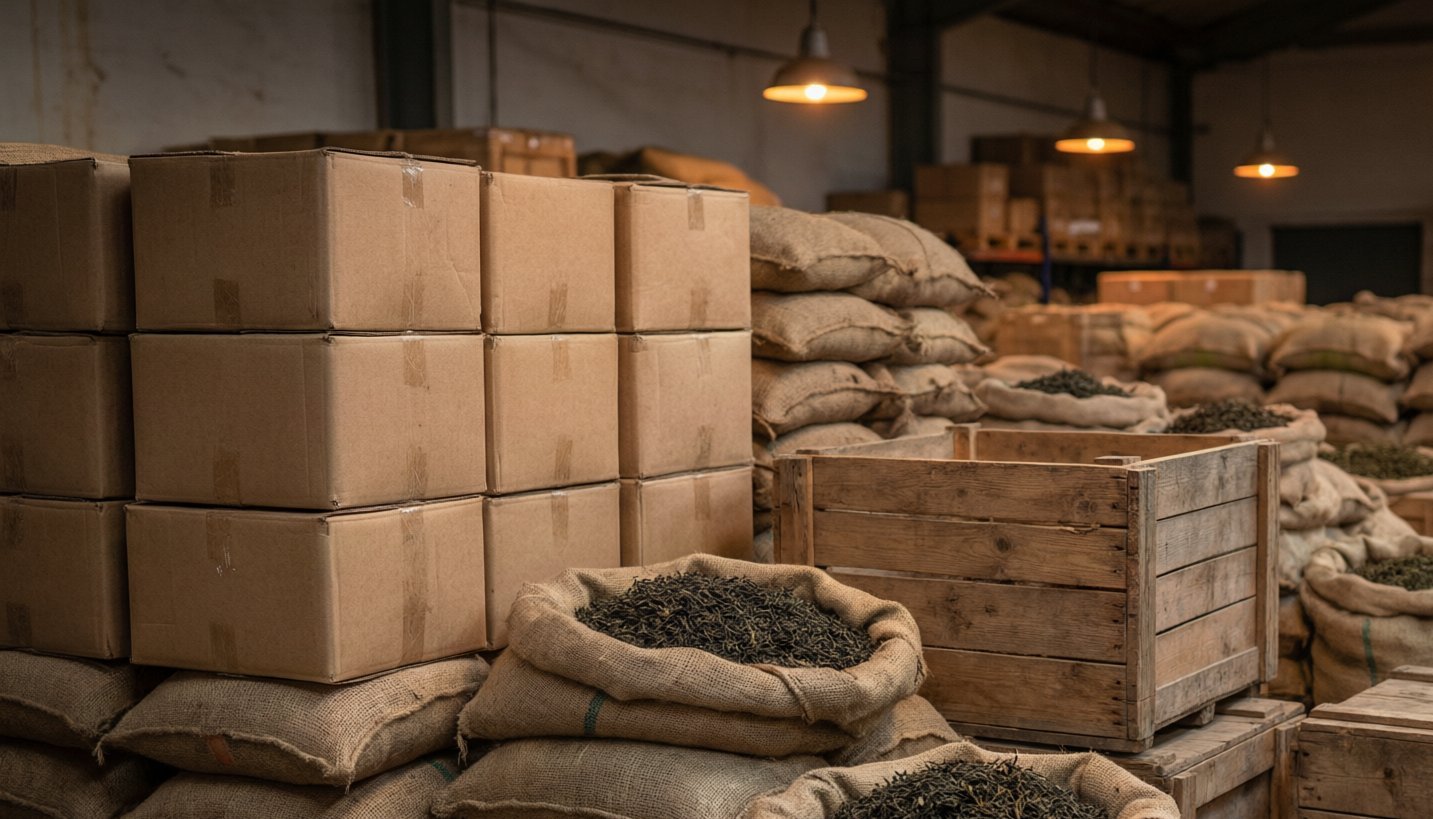
Raw Pu-erh becomes easier to buy when the supplier treats traceability as part of the product, not an add-on. If you are sourcing for a tea shop, distribution, or private label and want a second set of eyes on lot details, send the batch number, origin claim, and photos to xuansc2144@gmail.com. We will compare them against this checklist and tell you what still needs proof.
Frequently Asked Questions
Can fake raw Pu-erh loose leaf still come from Yunnan?
Yes. Many fakes use genuine Yunnan material but misstate the village, harvest year, or tree age. A Yunnan origin is not enough; the specific claim must be traceable.
Is a low price always a red flag?
No. Early spring tea from less famous villages can be affordable. The red flag is the gap between price and claim: a low price for a claimed famous ancient tree or specific single-origin lot.
What is the quickest test for a suspicious loose leaf lot?
Compare the claimed age with liquor color and re-steep longevity, then ask for batch-level photos and a standard code. If the first few steeps already collapse or taste sour, set the lot aside.
Should buyers reject tea with no standard code on the label?
If the tea is sold as prepackaged food, the absence of a product standard code and production information is a compliance problem [2]. For unbranded bulk maocha, request the same information in the supplier’s lot record instead.
References
[1] GB/T 22111-2008, Product of geographical indication—Pu’er tea, Standardization Administration of China, 2008.
[2] GB 7718-2011, National Food Safety Standard—General Standard for the Labeling of Prepackaged Foods, National Health and Family Planning Commission of China, 2011.
[3] GB/T 23776-2018, Methodology of sensory evaluation of tea, State Administration for Market Regulation / Standardization Administration of China, 2018.
No author description available.

白玉京