What Is Zhejiang White Tea? A Buyer’s Guide to Anji Baicha
Zhejiang white tea is the trade name most buyers hear for Anji Baicha, a spring green tea from Anji County in Huzhou, Zhejiang. The "white" in the name describes the leaf, not the processing method. For importers, retailers, and private-label buyers, the first thing to get right is the category: despite the label, this is a green tea with an unusual pale-leaf cultivar.
The Name Problem: Why "White Tea" Isn't White Tea
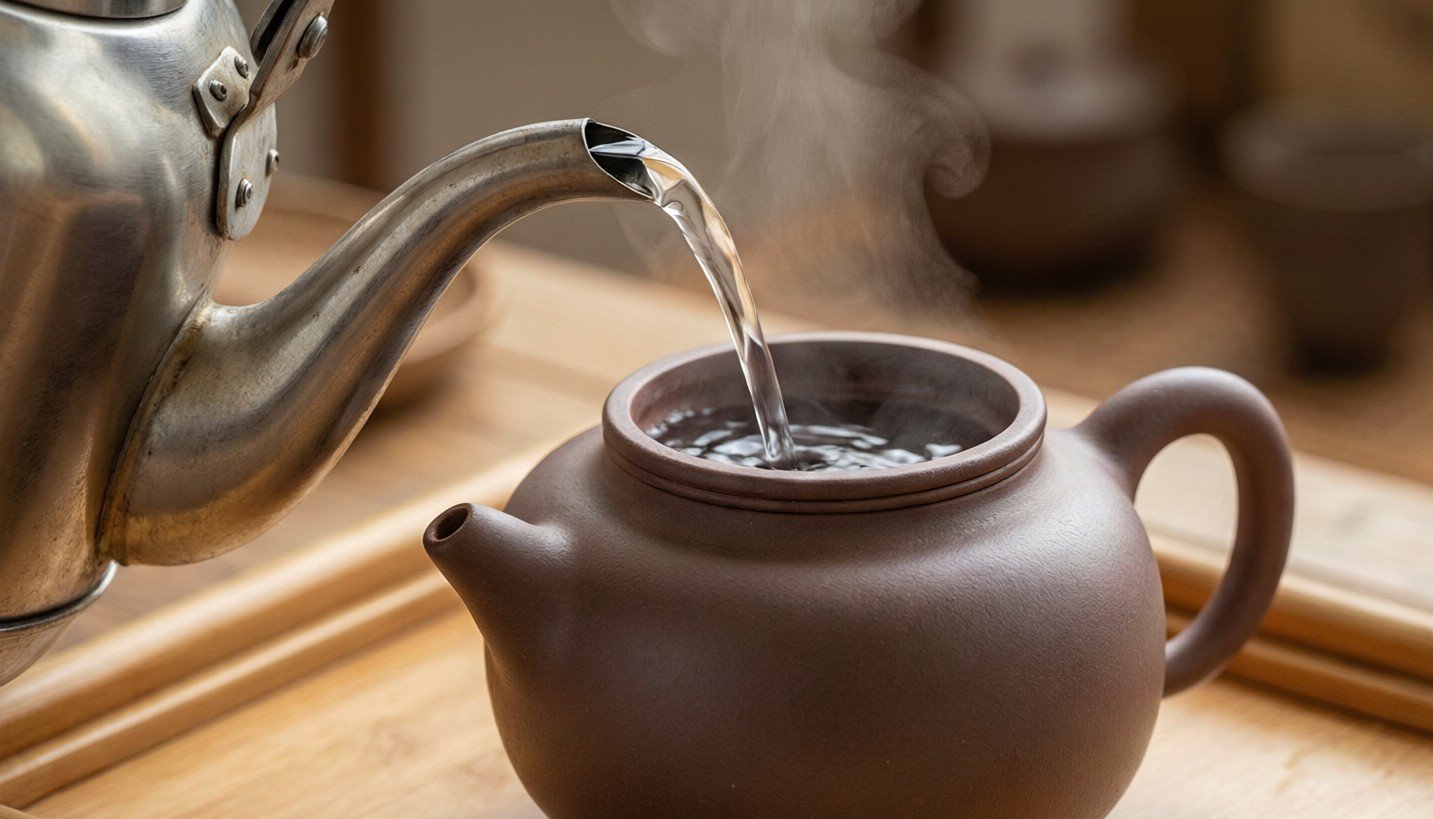
A tea's category is determined by how the fresh leaf is handled after plucking, not by the color of the finished leaf or the name on the bag. Under ISO 20715, tea types are classified primarily by oxidation route and manufacturing process [1]. True white teas, such as Fuding and Zhenghe white tea, are lightly withered and dried without a high-temperature "kill-green" step. Anji Baicha, by contrast, is fixed with heat early in processing to stop oxidation, which places it squarely in the green tea family [2].
The confusion is easy to understand in the field. In early spring, the Bai Ye No.1 cultivar used for authentic Anji Baicha produces jade-white to pale-yellow new leaves because chlorophyll development is temporarily suppressed at low temperatures. That visual trait created the "white tea" marketing name, but it does not change the processing logic [1][2].
What Zhejiang White Tea Actually Is
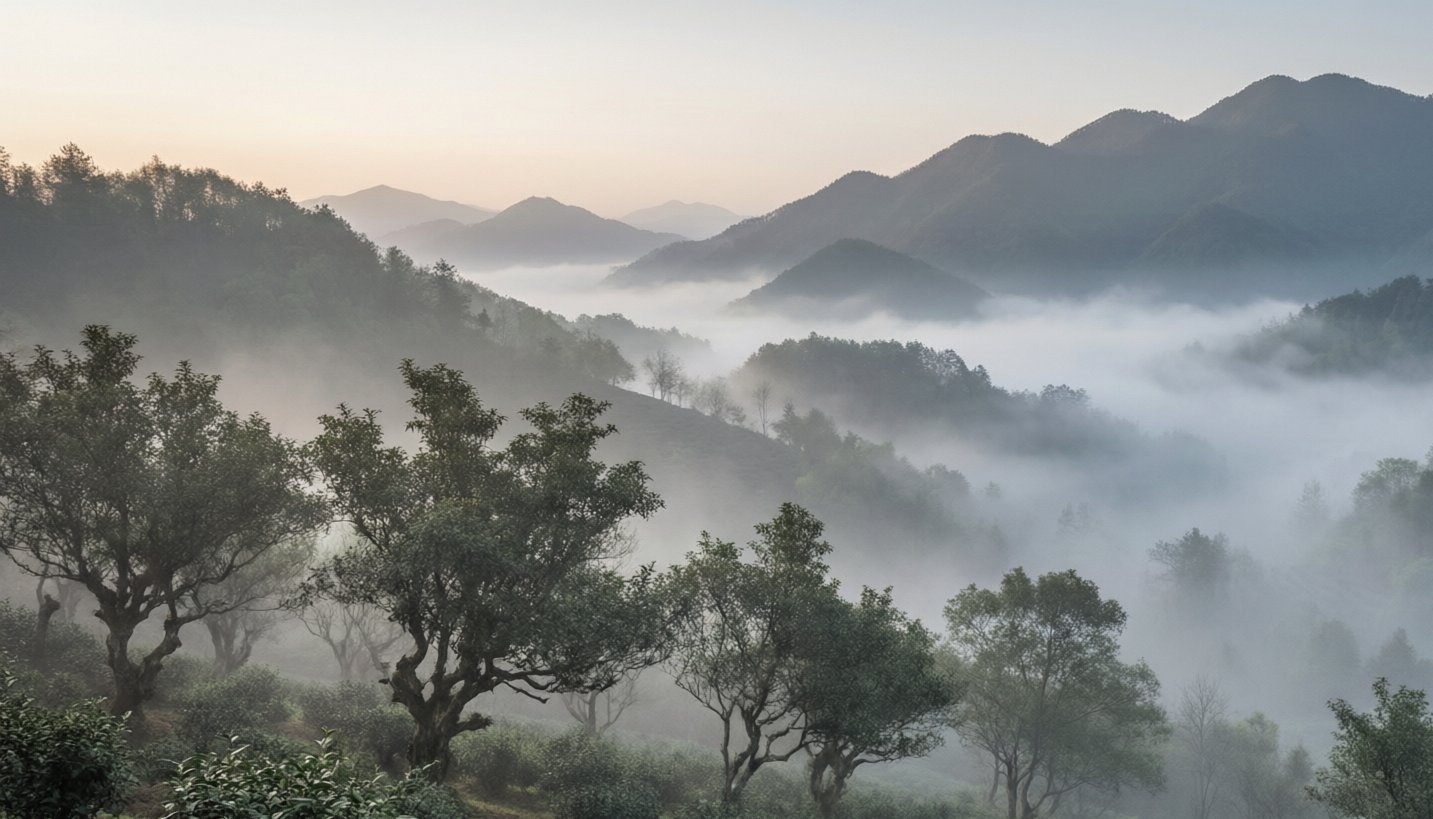
In commercial Chinese tea sourcing, "Zhejiang white tea" almost always points to Anji Baicha. The name means "Anji white tea," and Anji County is its legally protected origin. It is produced from the albino cultivar Bai Ye No.1, a temperature-sensitive variety that shows its characteristic pale leaf only when the early-spring weather stays cool.
Anji Baicha is protected as a geographical indication product and made according to the dedicated national standard GB/T 20354-2006 [3]. Separately, the geographical indication protection record for Anji Bai Cha was originally approved by China's quality supervision authority in 2004 [4]. For buyers, those two markers matter: a product can only be marketed as authentic Anji Baicha when it comes from the defined area and meets the standard's requirements.
The typical cup is soft, umami-forward, and low in bitterness compared with many other Chinese green teas. Aromatics lean toward fresh chestnut, young orchid, and sweet grass, with a clean, cooling finish. The pale leaf and delicate structure also mean the tea should be handled more gently than robust curled-leaf greens.
Grades Define Most of the Price
Zhejiang white tea is not one uniform product. Grading is driven mainly by plucking standard, timing, and leaf tenderness. Earlier harvests with finer budsets are limited in volume and command the highest wholesale prices.
| Grade Signal | What It Usually Means | Cup Character | Buyer Position |
|---|---|---|---|
| Pure bud or one bud with tiny leaf | Earliest spring plucking, lowest yield | Soft, sweet, high umami, delicate | Premium retail, gifting |
| One bud, one leaf | Core commercial grade | Balanced aroma and body | Daily specialty retail |
| One bud, two leaves or later pluck | More mature leaf, later harvest | Greener, firmer, less delicate | Value lines, foodservice |
These descriptions are qualitative because regional processors use their own internal grade names. The reliable way to compare lots is not to trust a vague "AAAA" label, but to request the exact plucking standard, harvest date, and the cultivar name Bai Ye No.1 [3].
How It Tastes and Why Quality Varies
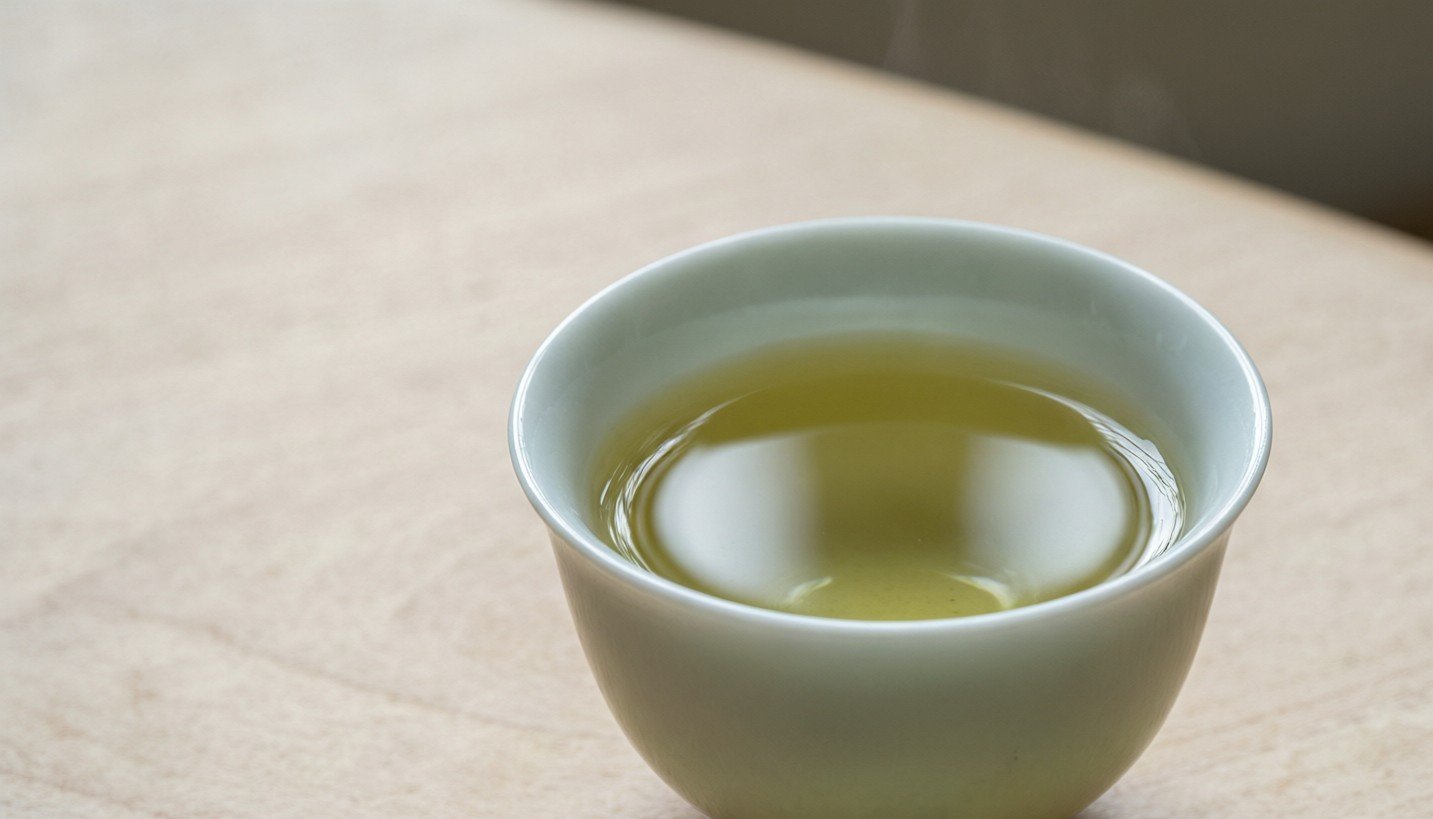
Authentic Anji Baicha tastes more like a fresh spring green tea than a white tea. Expect a pale jade liquor, a rounded body, and a distinctive savory sweetness that many tea professionals call umami. The finish should be clean, not astringent.
Three production factors move quality more than anything else:
- Harvest temperature: The pale-leaf trait depends on cool spring conditions. Unusually warm days reduce the visual whiteness and shift the flavor toward a more ordinary green profile.
- Fixation control: Because the leaf is thin and tender, high or uneven heat produces a dull, stewed taste. Skilled low-temperature fixation preserves the floral high notes.
- Post-harvest freshness: Anji Baicha is a fresh-drinking green tea. Poorly sealed storage accelerates aroma loss and turns the pale leaf yellow.
Brewing Zhejiang White Tea Without Ruining It
The leaf rewards a restrained brewing approach. As a practical starting point, use about 3 g of leaf per 150 ml of water at 80–85 °C. Steep for 60–90 seconds and adjust by grade: pure-bud lots may want slightly cooler water, while later-plucked grades can take a little more heat.
Glass or porcelain ware is the better choice over yixing clay because it does not retain heat as long. The point is to avoid cooking the leaf. Two or three infusions are normal for good lots; the second infusion often shows the clearest umami.
Before You Buy: What to Verify
Use these checks when comparing supplier samples:
- Confirm the listed origin is Anji County, Huzhou, Zhejiang.
- Require the cultivar name Bai Ye No.1 on the offer sheet.
- Ask for the harvest date; pre-Qingming lots are the premium window.
- Request the plucking standard in writing: pure bud, one bud one leaf, or later.
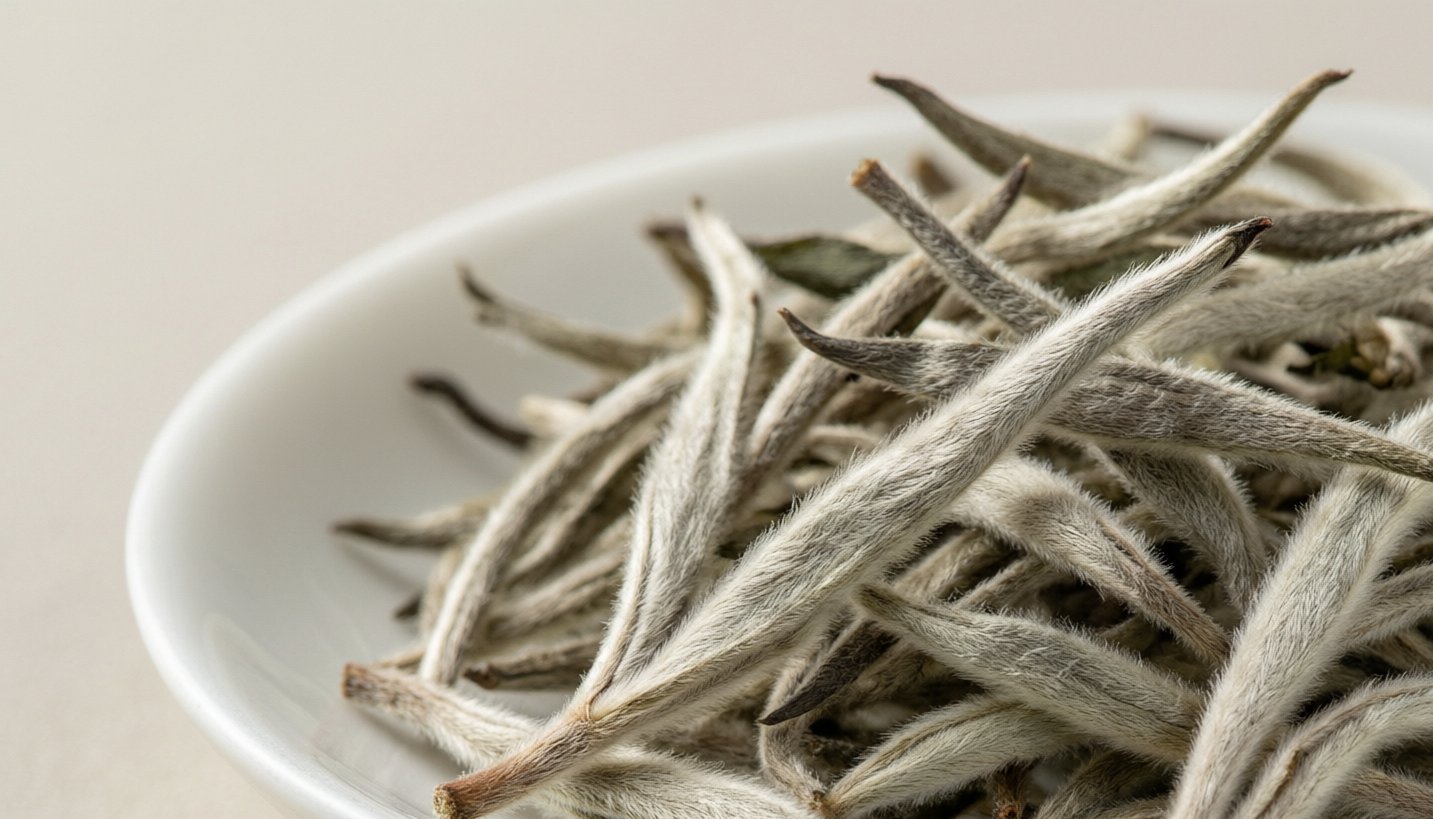
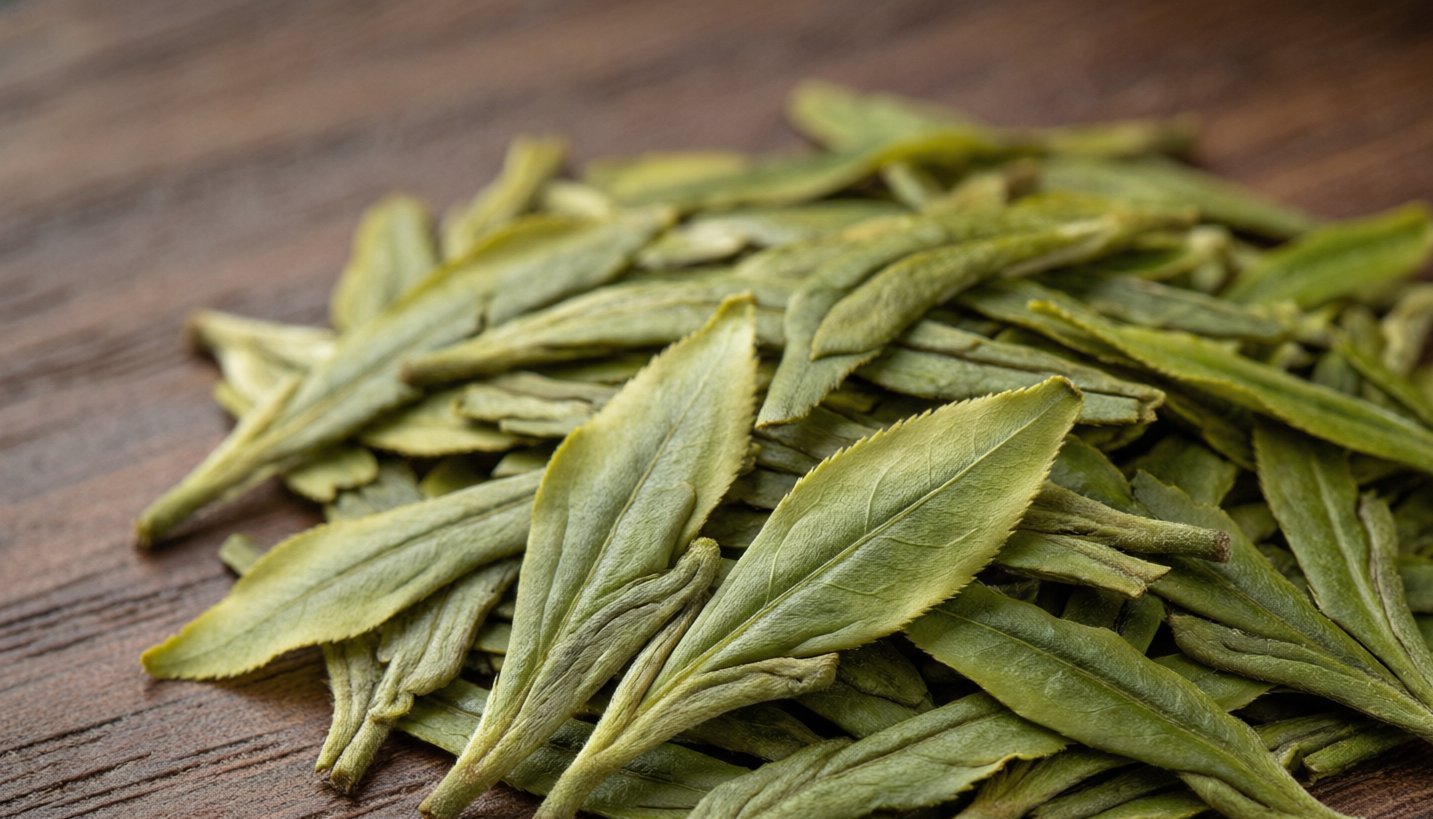
- Look for a pale jade, tippy, orderly leaf. Dull yellow or brittle leaf usually signals age or poor storage.
- Taste for a clean chestnut-orchid sweetness. Bitter, baked, or flat cups point to processing or storage problems.
Ready to compare real Anji Baicha against your current supplier's leaf? Send a message to
xuansc2144@gmail.comwith your target grade, monthly volume, and destination port. We'll reply with current lot photos, harvest dates, and wholesale reference pricing before you commit to samples.
Sourcing Zhejiang White Tea From Chinese Tea Suppliers
If you are building a retail line, a hospitality program, or a private-label green tea, sourcing the right Anji Baicha lot comes down to a short inquiry checklist:
- Target plucking standard and harvest window
- Monthly or per-order volume
- Packaging format: bulk, retail pouches, tins, or your own private label
- Destination market and required food-safety documentation
- Whether you need pre-shipment photos, lab testing, or third-party inspection
We help buyers match authentic Anji Baicha lots to grade, budget, and compliance requirements. For current harvest availability, wholesale pricing, and sample arrangements, contact Chinese tea suppliers at xuansc2144@gmail.com.
FAQ
Is Zhejiang white tea a white tea or a green tea?
It is a green tea. The name refers to the pale spring leaf color of the Bai Ye No.1 cultivar, but processing includes heat fixation that stops oxidation, which defines it as green tea under current tea classification [1][2].
What is the difference between Zhejiang white tea and Anji Baicha?
In most buying contexts, they are the same product. "Zhejiang white tea" is the broad market name, while Anji Baicha is the correct, geographically protected term for the tea made in Anji County [3][4].
Why are the leaves white?
The young leaves of the Bai Ye No.1 cultivar temporarily produce less chlorophyll during cool early-spring weather. As temperatures rise, the plant produces more chlorophyll and the leaf turns greener, which is why the pale appearance is strongest in early harvests.
How should I store it?
Keep it sealed, cool, dry, and away from light and strong odors. Because this is a fresh green tea, it is not a product to hold for long periods. Most buyers should plan to sell through within the current season rather than treating it as inventory that improves with age.
Is it high in caffeine?
It contains caffeine like other green teas, but the amount varies by grade, harvest timing, and brewing method. We do not make health claims about specific caffeine levels because reliable numbers depend on lot-level testing.
References
[1] ISO 20715:2023, Tea — Classification of Tea Types, International Organization for Standardization.
[2] GB/T 14456.1-2017, Green Tea — Part 1: Basic Requirements, Standardization Administration of China.
[3] GB/T 20354-2006, Product of Geographical Indication — Anji Bai Cha, Standardization Administration of China.
[4] China National Intellectual Property Administration / former AQSIQ, Anji Bai Cha Geographical Indication Protection Product, original approval published 2004.
No author description available.

白玉京