How Aging Changes Pu-erh Tea: A Tasting Guide
Pu-erh is one of the few tea categories that is actively transformed by time. A well-stored sheng cake is not simply an older version of itself; it is a different drink. The liquor deepens, the astringency softens, the aroma moves from flower basket to old library, and the mouthfeel turns thicker. But age is not a guarantee of quality. Understanding what actually changes—and what merely survives poor storage—is the core of tasting aged pu-erh with confidence.
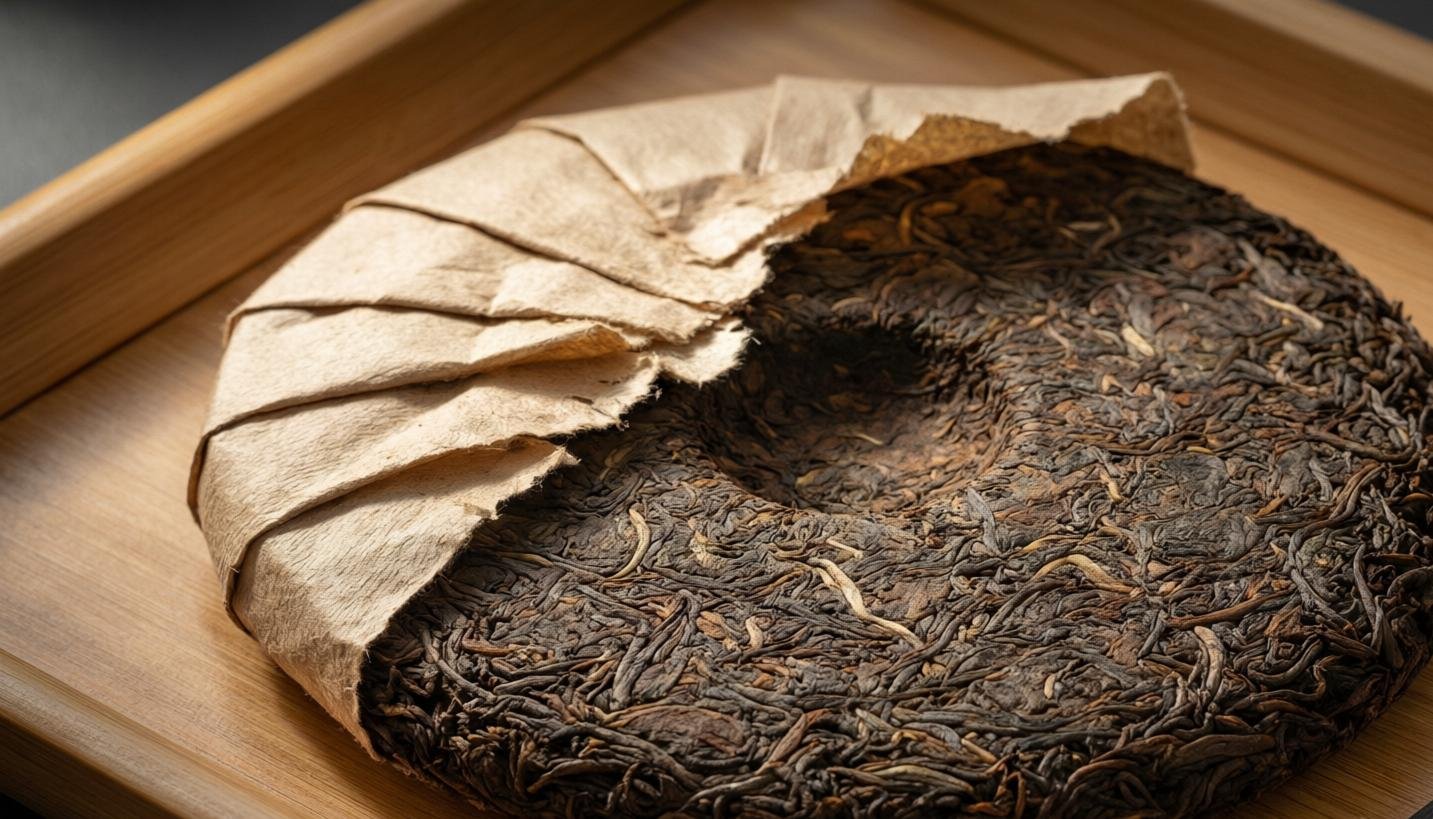
Why Pu-erh Ages Differently From Other Teas
Green tea is fixed early to stop oxidation. Oolong and black tea are crafted to a defined point and then locked in place. Raw pu-erh, by contrast, is sun-dried and deliberately left biologically active. Under China's Pu-erh geographical indication standard, GB/T 22111-2008, pu-erh is defined through Yunnan large-leaf sun-dried green tea that may be naturally fermented over time or processed by accelerated wet-piling into ripe pu-erh [1]. That open-ended processing is the reason age can change the cup so dramatically.
The engine of change is not a single reaction but a chain of them: residual oxidation, slow enzymatic activity, and the gradual work of microorganisms that arrive from the leaf, the press shop, and the storage environment [2]. In sheng pu-erh, these processes unfold over years or decades. In shou pu-erh, wet-piling compresses some of that transformation into weeks, so older shou changes less dramatically and mostly rounds out.
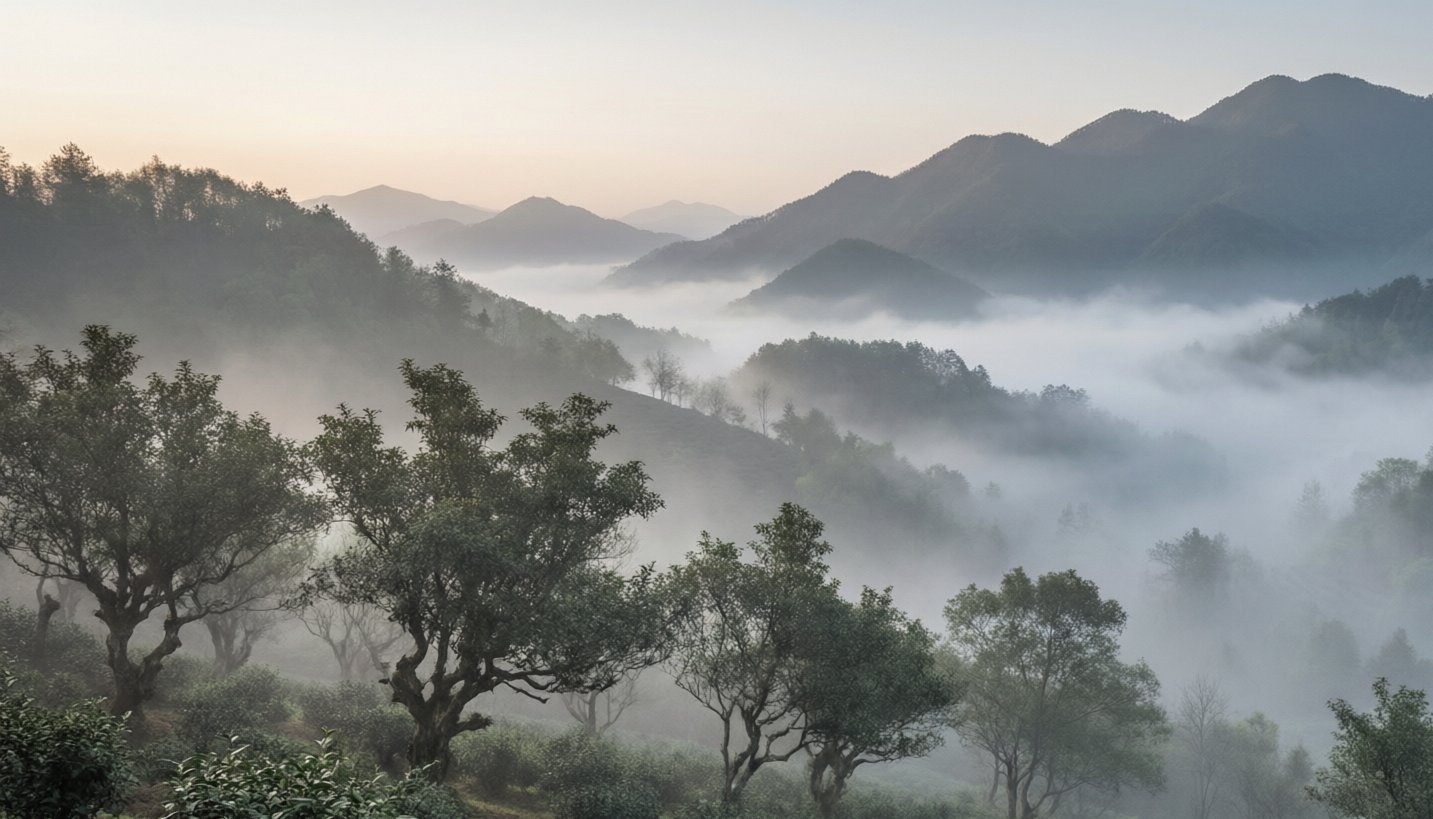
The Tasting Arc of Sheng Pu-erh
The useful way to calibrate aged pu-erh is not by exact year count but by the sensory stage a cake has reached. The table below summarizes what an experienced cupper tends to find across typical storage progressions.
| Approximate Stage | Liquor Color | Aroma | Taste | Mouthfeel |
|---|---|---|---|---|
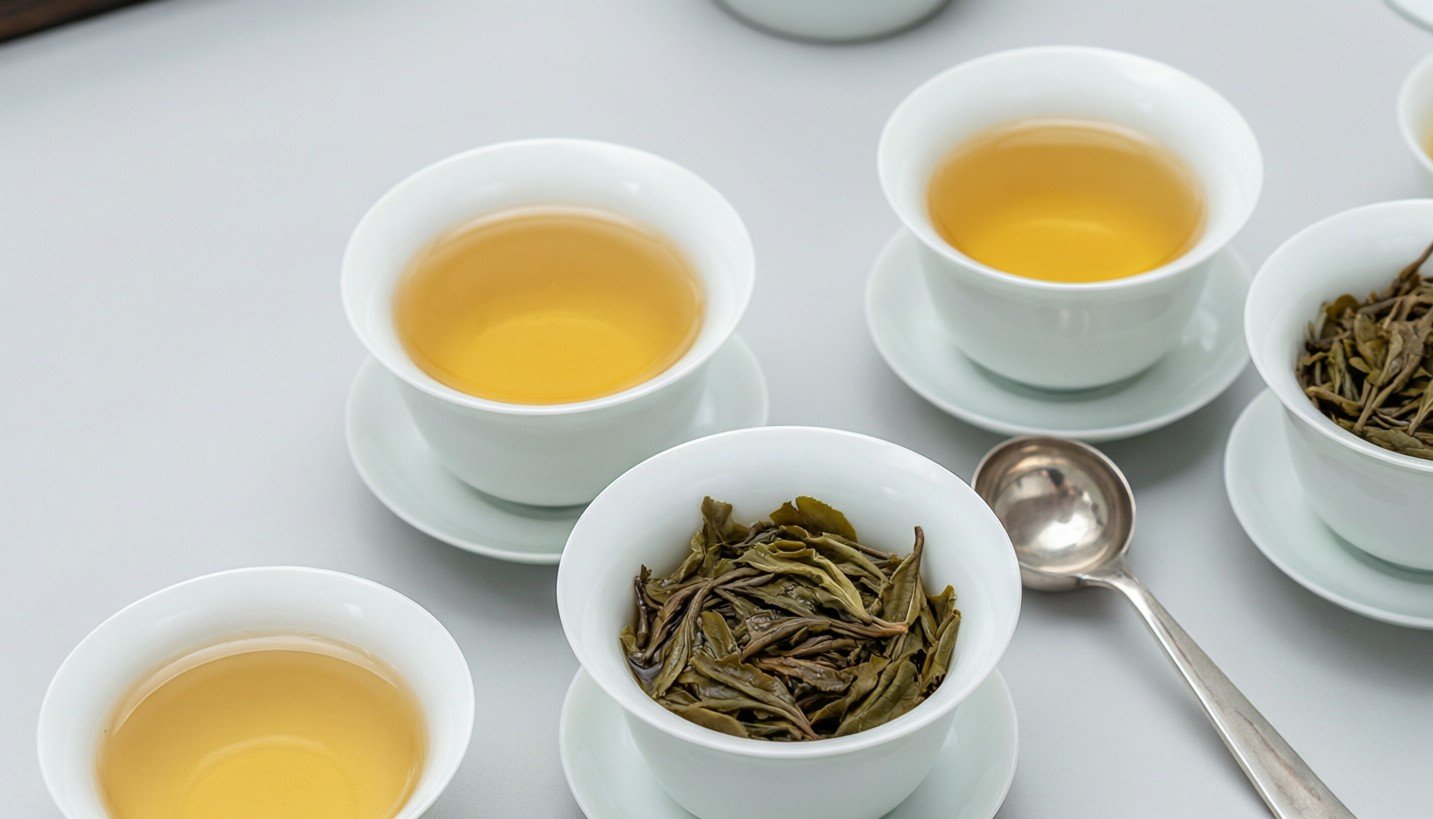
| Young, 0–3 years | Pale yellow to pale gold | Fresh grass, orchid, light honey | Bright, sometimes astringent | Crisp, lively |
| Early mid-age, 3–8 years | Amber | Dried apricot, grain, honey | Rounder, less bite | Softening, thicker |
| Mature, 8–15 years | Deep orange to light red | Aged wood, camphor, old paper | Smooth, deep sweetness | Dense, coating |
| Well-aged, 15–25+ years | Mahogany to dark red | Medicinal, ginseng, warm earth | Long, mellow finish | Silky, heavy body |
| Over-stored or damaged | Murky brown | Damp cellar, must, sour | Flat or harshly funky | Thin or muddy |
These stages are tendencies, not checkpoints. A dry-stored cake can still taste young at 10 years, while a humid-stored cake may look mature at six.
What Actually Changes as Sheng Pu-erh Ages
The shift in the cup comes from measurable changes in the leaf. Aging lowers astringent catechin levels while increasing gallic acid and other smaller polyphenols, which softens bitterness and adds a mellow, returning sweetness [2]. Dark tea pigments called theabrownins accumulate as fermentation progresses, deepening the liquor color and contributing to the thick mouthfeel associated with mature pu-erh [3]. Aromatic compounds also rearrange: the bright floral notes of fresh maocha fade, and woody, camphor, and medicinal notes become more available [2][3].
That is why tasting aged sheng is not just looking for "smooth." The best aged cakes retain a trace of their original energy while layering deeper notes beneath it. A cake that simply tastes flat or dead has usually lost material rather than matured.
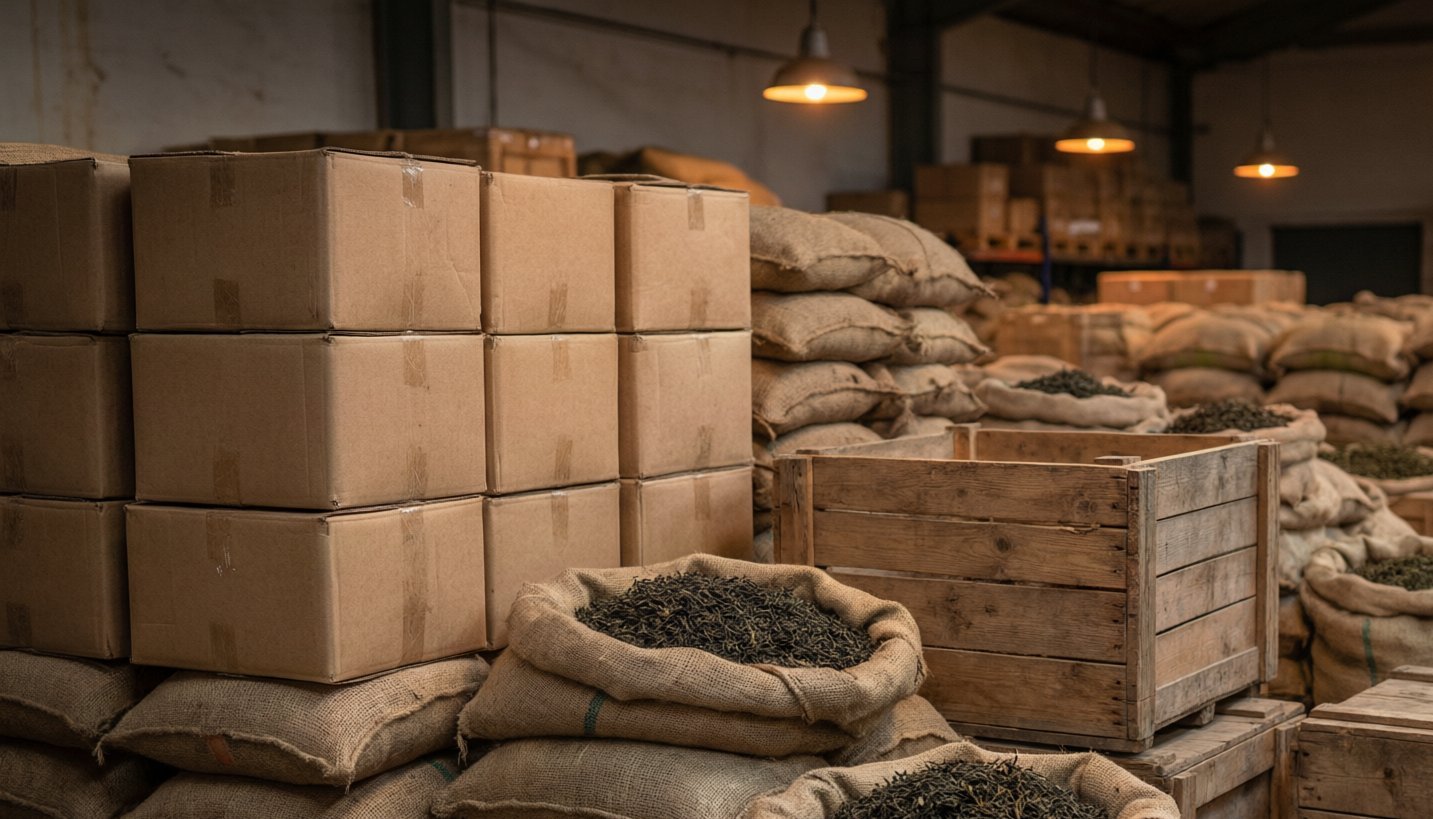
The Two Storage Paradigms: Wet and Dry
Where a cake sleeps decides what it becomes. In broad terms, humid storage accelerates transformation and can produce the dense, earthy, old-tea character prized in much of Guangdong and Hong Kong. Dry storage, as practiced in Kunming and many northern regions, slows aging and preserves more original fragrance but requires far more patience. Studies on storage conditions consistently show that both humidity and temperature shift pu-erh's volatile profile and moisture-driven fermentation balance [4].
For a buyer, the practical tasting question is whether the storage note is integrated or whether it dominates. A clean humid-aged cake may smell like warm cellar and old books, but the liquor should be clear and the sweetness should return after each sip. If the tea smells sharply musty, sour, or like wet cardboard, that is often a storage defect rather than age.
How to Taste Aged Pu-erh Like a Buyer
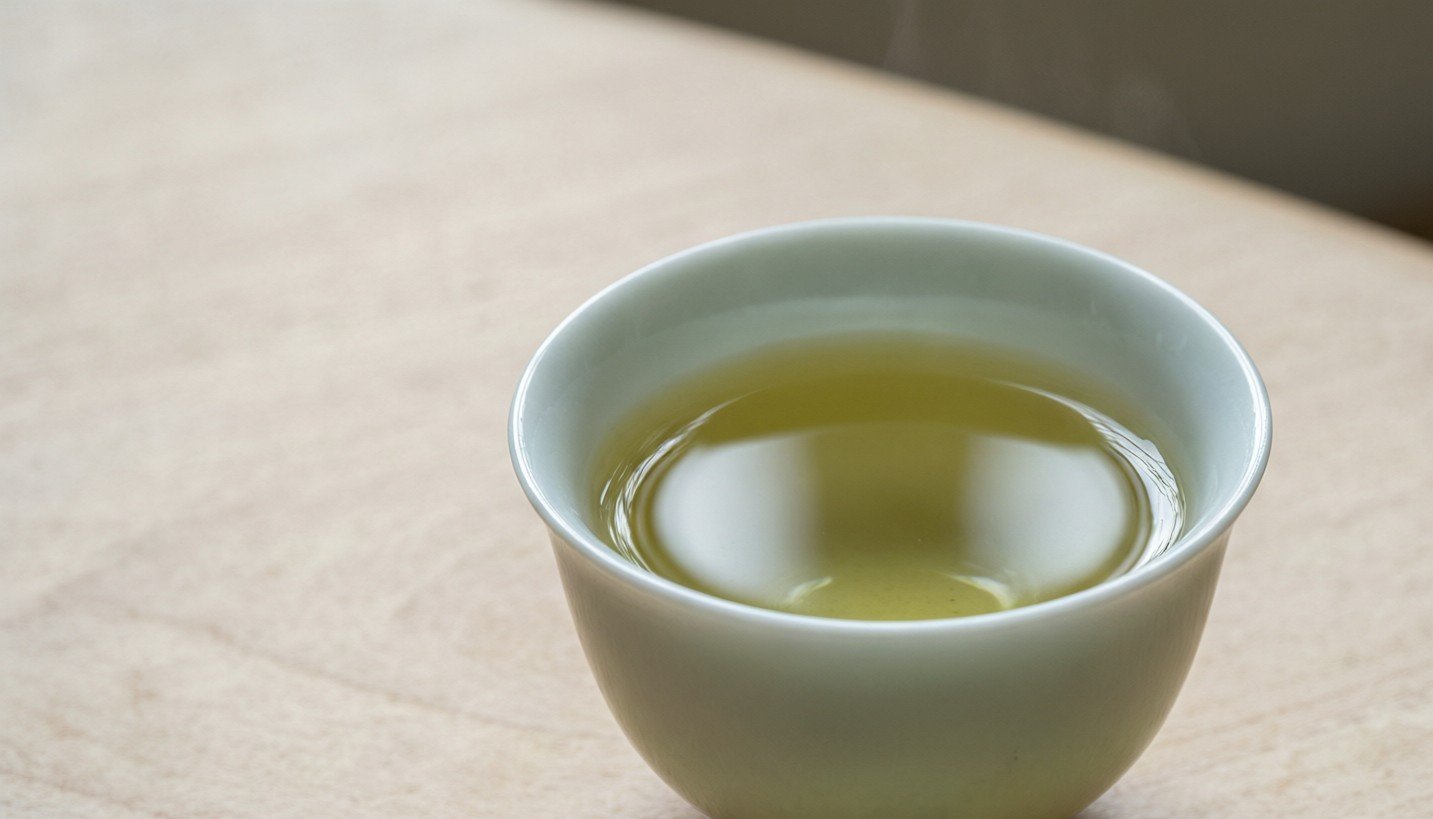
A structured flight beats a single casual cup. Start with a quick rinse to wake the leaf, then steep in short bursts with boiling water. Look at the liquor first: it should be bright, even when dark, never hazy or gray. Next smell the lid, the cup, and the wet leaf separately—good aged pu-erh gives different information at each point [5].
Then separate taste from mouthfeel. Young sheng announces itself on the tongue. Mature sheng announces itself in the throat and belly: warmth, returning sweetness, and a long finish that outlasts the sip. Pay attention to what happens after swallowing more than the first hit on the palate [5]. Finally, compare two or three ages side by side if possible; aging is a spectrum, and a young, mid-aged, and mature sample poured in one sitting makes the arc obvious.
Why Age Alone Is Not a Grade
Age can be faked, poorly stored, or simply irrelevant to quality. A cake from a weak raw material will not become outstanding just because it sat in a warehouse for twenty years. Time exposes, rather than fixes, the underlying leaf. For importers and buyers, the more reliable question is: does this cake show integrated age, clean storage, and a clear lineage back to a defined material and region? [6]
This is where sourcing discipline matters more than a birthday on the wrapper. Tasting notes should be tied to storage history, batch-level traceability, and a realistic price. The term "aged" is not a grade in any Chinese standard; the grade comes from raw material, processing, storage, and sensory result together [1][6].
Need help vetting an aged lot? If you are comparing two cakes or trying to read a supplier's storage claim, contact us at xuansc2144@gmail.com with photos of the wrapper, leaf, and liquor, and a short description of the storage. We can help you structure the tasting and spot red flags before you buy.
How to Build a Simple Aging Curve for Your Market
For a wholesale buyer, the most useful tool is a small reference set: one young sheng, one mid-aged cake, and one mature cake from the same or similar region. Taste them together every few months and record liquor color, aroma, taste, and finish. Over a year, you will develop a durable internal curve that protects you from overpaying for age that is not present. This reference set also trains staff and helps you translate pu-erh's complexity into customer-friendly language.
Source Aged Pu-erh With Confidence
Aged pu-erh is a tasting category, not just a price category. The difference between a cake that matured and a cake that merely endured is visible in the cup: bright color, integrated aroma, returning sweetness, and a long finish. When you evaluate a lot, judge the leaf, the storage, and the present flavor together—and leave age as supporting evidence rather than the headline.
Contact Chinese tea suppliers at xuansc2144@gmail.com for help building an aged-pu-erh tasting set, verifying storage history, or sourcing sheng and shou lots for your market. We work directly with Yunnan material and can structure samples so your next buying decision is built on comparison, not guesswork.
Frequently Asked Questions
Does all Pu-erh tea improve with age?
No. Raw pu-erh made from good material and stored cleanly has the greatest potential to improve, but even sheng does not improve forever. Ripe pu-erh changes less after wet-piling and is often ready to drink soon after production. Age alone does not make a weak cake better.
How can I tell if an aged pu-erh is well stored?
Look at the liquor, smell, and taste together. A bright, even liquor; an aroma that opens into wood, camphor, or subtle earth rather than sharp must; and a sweet, long finish suggest clean storage. Murky liquor, sourness, wet cardboard, or a dead, flat taste are warning signs.
What is the difference between wet-stored and dry-stored aged pu-erh?
Wet storage uses higher humidity and warmth to speed up fermentation, producing darker, earthier, and sometimes more medicinal notes. Dry storage preserves more original fragrance and develops more slowly. Neither is automatically better; the question is whether the storage character is clean and integrated.
Is older pu-erh always more expensive?
Not necessarily. Very old and well-documented cakes can be expensive, but many old teas with unclear storage or weak material trade far below famous marks. Price should follow verified material, storage, and sensory quality—not just the year on the wrapper.
What should I taste for in a mature sheng pu-erh?
Focus on returning sweetness, finish length, liquor brightness, and how the aroma shifts from cup to wet leaf to empty cup. The best mature sheng keeps a trace of its original energy beneath the aged notes and leaves the mouth feeling coated, not rough.
References
[1] Standardization Administration of China. GB/T 22111-2008, Product of Geographical Indication—Pu-erh Tea. Beijing, China.
[2] Zhang, L., et al. "Chemistry and biological activities of processed Camellia sinensis teas: A comprehensive review." Comprehensive Reviews in Food Science and Food Safety, 2019.
[3] Lv, H., et al. "Processing and chemical constituents of Pu-erh tea: A review." Food Research International, 2013.
[4] Xu, Y., et al. "Effects of storage conditions on the sensory and chemical quality of Pu-erh tea." Journal of Food Science, 2019.
[5] Standardization Administration of China. GB/T 23776-2018, Methodology for Sensory Evaluation of Tea. Beijing, China.
[6] Chen, H., et al. "Microbial community and metabolic dynamics during Pu-erh tea aging." International Journal of Food Microbiology, 2015.
No author description available.

白玉京