How Long Does Dayi Pu-erh Tea Keep? Storage Rules Explained
Dayi, produced by Menghai Tea Factory, is one of the most collected names in pu-erh tea. Its numbered recipes—including 7542, 7572, and 8582—are traded, cellared, and drunk across multiple decades. For buyers, the real question is not whether Dayi pu-erh "goes bad" on a fixed date. It is how long the tea can stay drinkable, pleasant, and commercially sound under the storage conditions it actually receives [1].
A properly stored compressed Dayi cake does not have a meaningful expiration date in the way fresh green tea does. Ripe Dayi can remain stable for many years, while raw Dayi changes noticeably year after year. Loose-leaf Dayi, damaged wrappers, or exposure to humidity can shorten useful life dramatically.
What "Shelf Life" Means for Dayi Pu-erh
Pu-erh is defined in China as a geographical indication product, and the national standard treats it as a tea suitable for long-term keeping under proper conditions rather than as a product with a short best-before window [1]. That changes how you should think about storage.
Unlike green tea, where freshness is the point, pu-erh is a post-fermented tea. Ripe Dayi has already gone through pile fermentation, so its flavor is comparatively stable. Raw Dayi retains enzymes and polyphenols that continue to oxidize and transform slowly in storage [2][3].
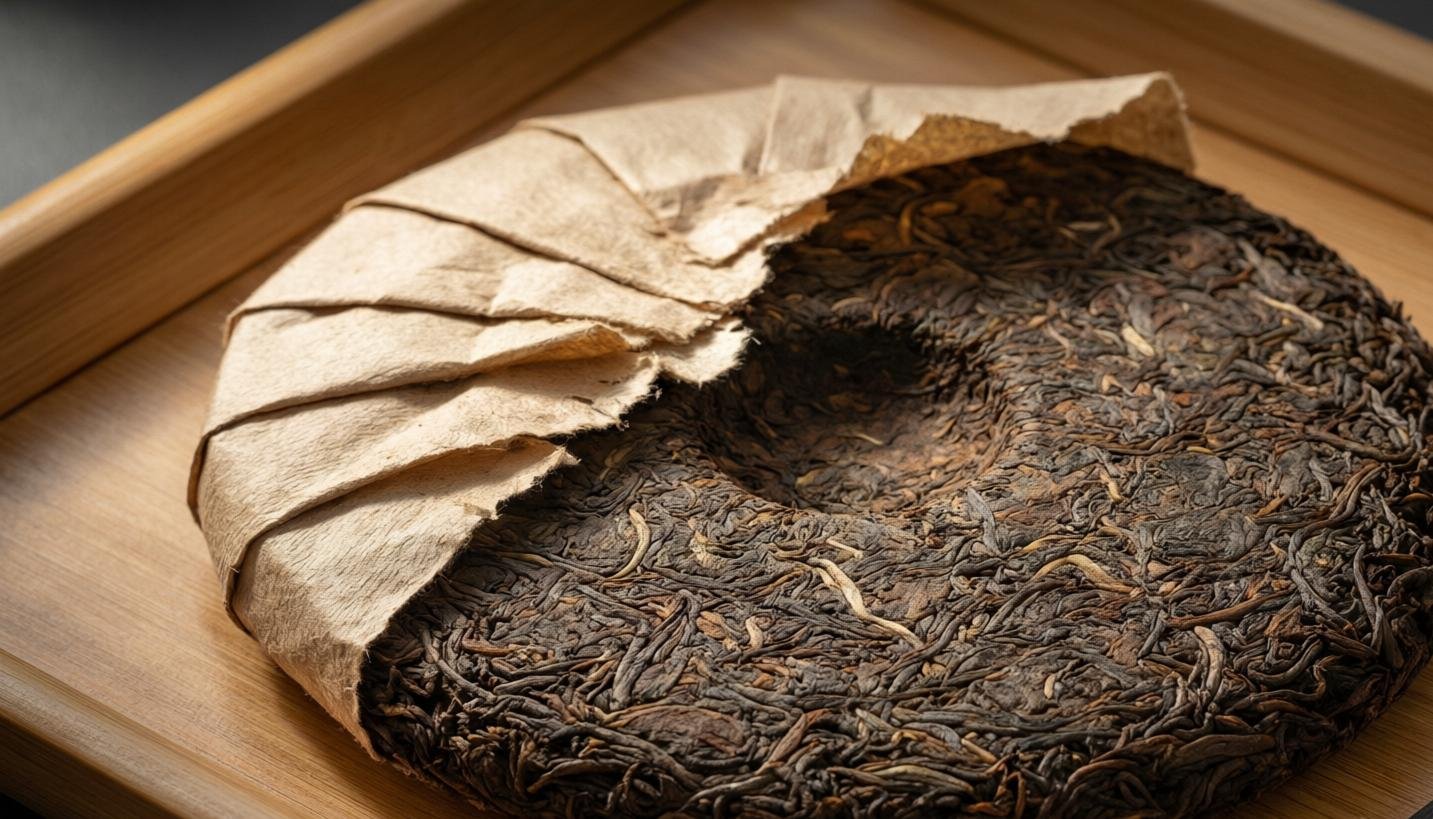
For practical purposes, the useful life of Dayi pu-erh depends on three things: whether the tea is compressed or loose, whether it is raw or ripe, and how well the storage environment is controlled.
The Four Storage Killers
Four factors cause most Dayi pu-erh storage failures: heat, moisture, light, and odor.
- Heat accelerates oxidation and can flatten the aroma.
- Moisture creates mold risk, sourness, and wrapper damage.
- Light degrades the leaf and fades the wrapper.
- Odor is absorbed by tea; it should never be stored near spices, cleaning products, fuel, or scented packaging.
The baseline recommended by the Chinese national standard is a clean, ventilated, dry, odor-free environment away from direct sunlight [1]. A cool interior cupboard or a climate-controlled storeroom works better than a kitchen shelf.
Refrigerators are generally a poor choice for aging pu-erh. The moisture and cross-odor risk are too high. If you need short-term storage, choose a dark, dry, odor-free container instead.
Raw Dayi vs Ripe Dayi: Different Aging Rules
Dayi's core recipes include raw numbers such as 7542 and ripe numbers such as 7572. The storage logic is not the same for both types.
| Factor | Ripe Dayi | Raw Dayi |
|---|---|---|
| Fermentation | Already pile-fermented | Slow natural transformation |
| Drinkability | Often good on release | Often astringent when young |
| 5–10 years | Rounds out and softens | Develops depth and complexity |
| Storage sensitivity | Stable if kept dry | More sensitive to heat and humidity |
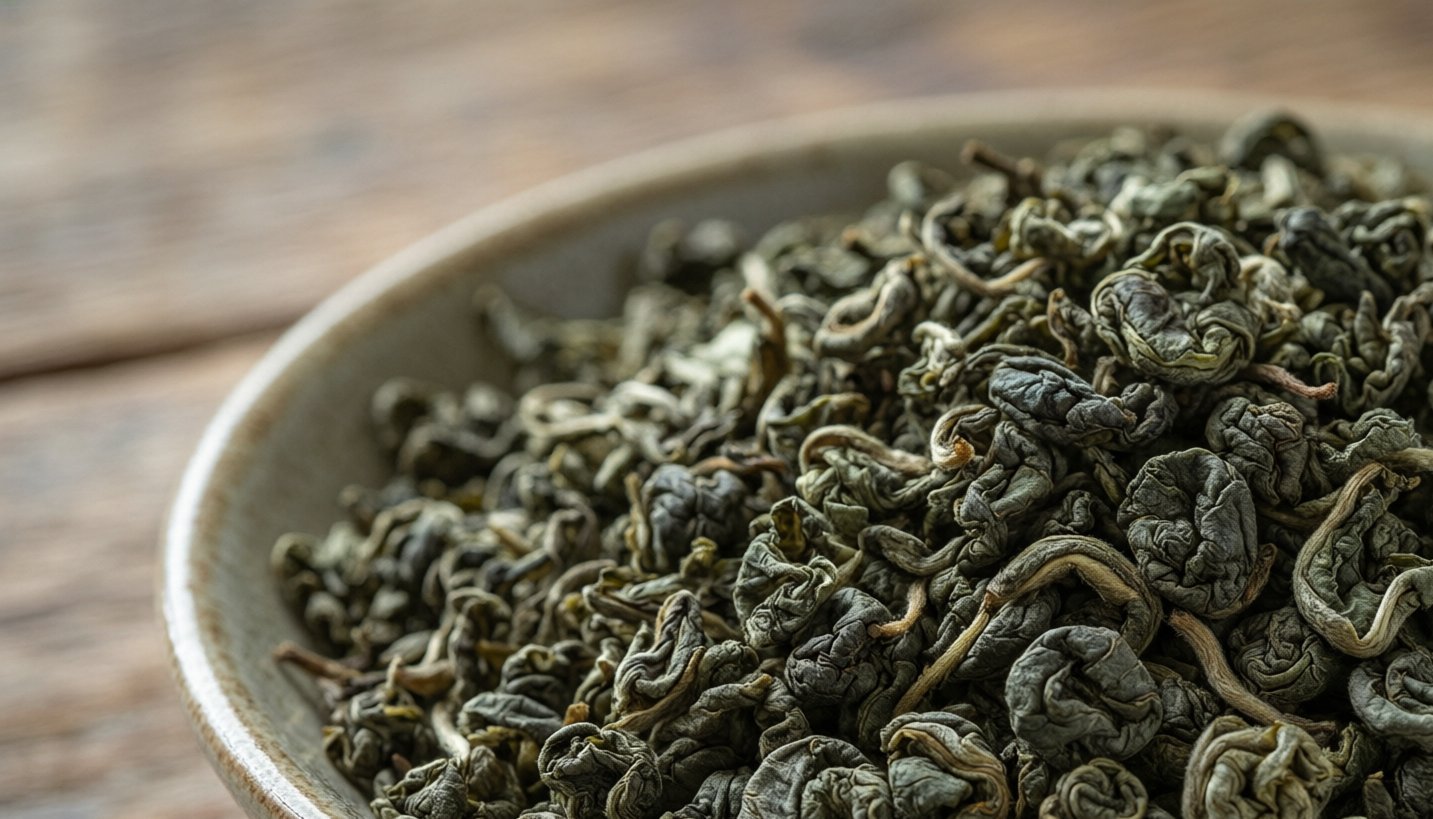
If you are buying wholesale, classify inventory by recipe type and storage history. A raw 7542 and a ripe 7572 from the same vintage will behave differently in the same warehouse.
Storage Rules That Work
The following rules apply whether you are keeping a few cakes or managing wholesale stock.
- Keep the original wrapper or use breathable paper. The wrapper carries recipe, brand, and batch information. Do not vacuum-pack for long-term aging.
- Store off the floor and away from walls. Use cardboard boxes, clay jars, or food-grade bins to buffer temperature and moisture changes.
- Separate raw and ripe cakes. They can exchange aroma over time.
- Inspect quarterly. Look for wrapper stains, soft spots, visible mold, or off smells.
- Label every batch. Record the recipe, arrival date, and storage location; rotate looser or broken-leaf stock first.
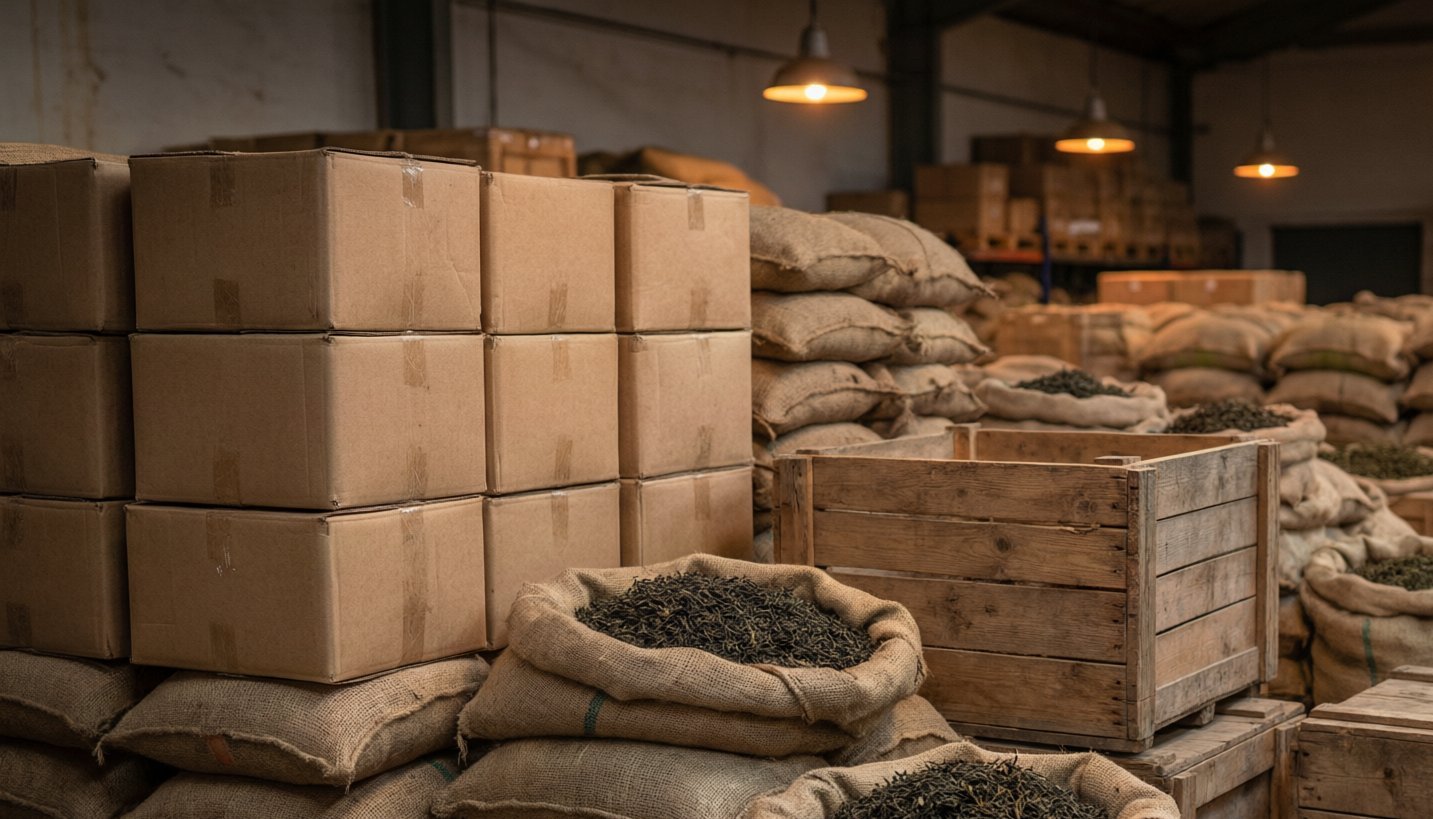
At wholesale volume, source-day storage is the hidden variable. Before committing to a Dayi lot, ask for batch photos, the storage city or warehouse type, and whether the seller can provide a moisture check. If you need Dayi Pu-erh in bulk from batches held in dry, odor-free storage, contact our sourcing team at xuansc2144@gmail.com with your target recipe, quantity, and market.
How to Tell If Dayi Pu-erh Has Gone Wrong
Trust the nose first. Warning signs include:
- Musty, sour, strong fishy, or chemical notes.
- Visible mold in white, green, black, or yellow patches.
- A cake that feels soft, spongy, or damp.
- Water-stained or oil-stained wrappers.
- Dull, cloudy, or harsh liquor.
Not every white bloom on aged pu-erh is harmful, but if it smells musty and wipes off as dusty, treat it as a defect. If there is any doubt about a batch, do not sell it or drink it.
Source Dayi Pu-erh with Storage You Can Trace
Whether you need current-year recipes or aged cakes, storage history changes both the price and the cup. Send the recipe, quantity, and target market to xuansc2144@gmail.com and our team can quote from stock held under dry, odor-free warehouse conditions.
Frequently Asked Questions
Does Dayi pu-erh tea expire?
Properly stored compressed Dayi pu-erh does not have the short expiration of green tea. The relevant standard describes long-term keeping under suitable conditions [1]. Ripe Dayi is stable, while raw Dayi gradually changes. What fails is usually the storage, not the calendar.
Can I refrigerate Dayi pu-erh?
Refrigeration is generally not recommended because of moisture and cross-odor risk. A dry, cool, dark, odor-free space is the safer rule for both raw and ripe cakes [1].
Should I keep the original wrapper?
Yes. The wrapper carries brand and batch information and matters for authenticity and resale. If it is damaged, rewrap the cake in breathable food-grade paper. Avoid sealing it in plastic for long-term aging.
How often should I inspect stored cakes?
Check quarterly in most settings. Look for wrapper stains, soft spots, visible mold, or off smells. If your storage area changes with the seasons, inspect when humidity shifts.
References
[1] GB/T 22111-2008, Geographical indications product—Pu'er tea, Standardization Administration of the People's Republic of China, 2008.
[2] M. L. Heiss and R. J. Heiss, The Tea Enthusiast's Handbook: A Guide to the World's Best Teas, Ten Speed Press, 2010.
[3] K. Gascoyne, F. Marchand, J. Desharnais, and H. Américi, Tea: History, Terroirs, Varieties, Firefly Books, 2018.
No author description available.

白玉京