Dianhong (Yunnan Black) Tea Origins: Mapping the True Region
Dianhong is often treated as if every black tea from Yunnan belongs to the same origin story. That simplification hides a specific map. The true origin of Dianhong (Yunnan Black) tea starts in one county—Fengqing—and spreads across a defined set of terroirs, most of them in Lincang, Baoshan, and Dehong. Understanding that map helps buyers separate classic Dianhong from generic Yunnan black tea, and it explains why leaf shape, malt sweetness, and golden tip density vary so much from lot to lot.
The 1939 Origin: Fengqing as the Anchor Point
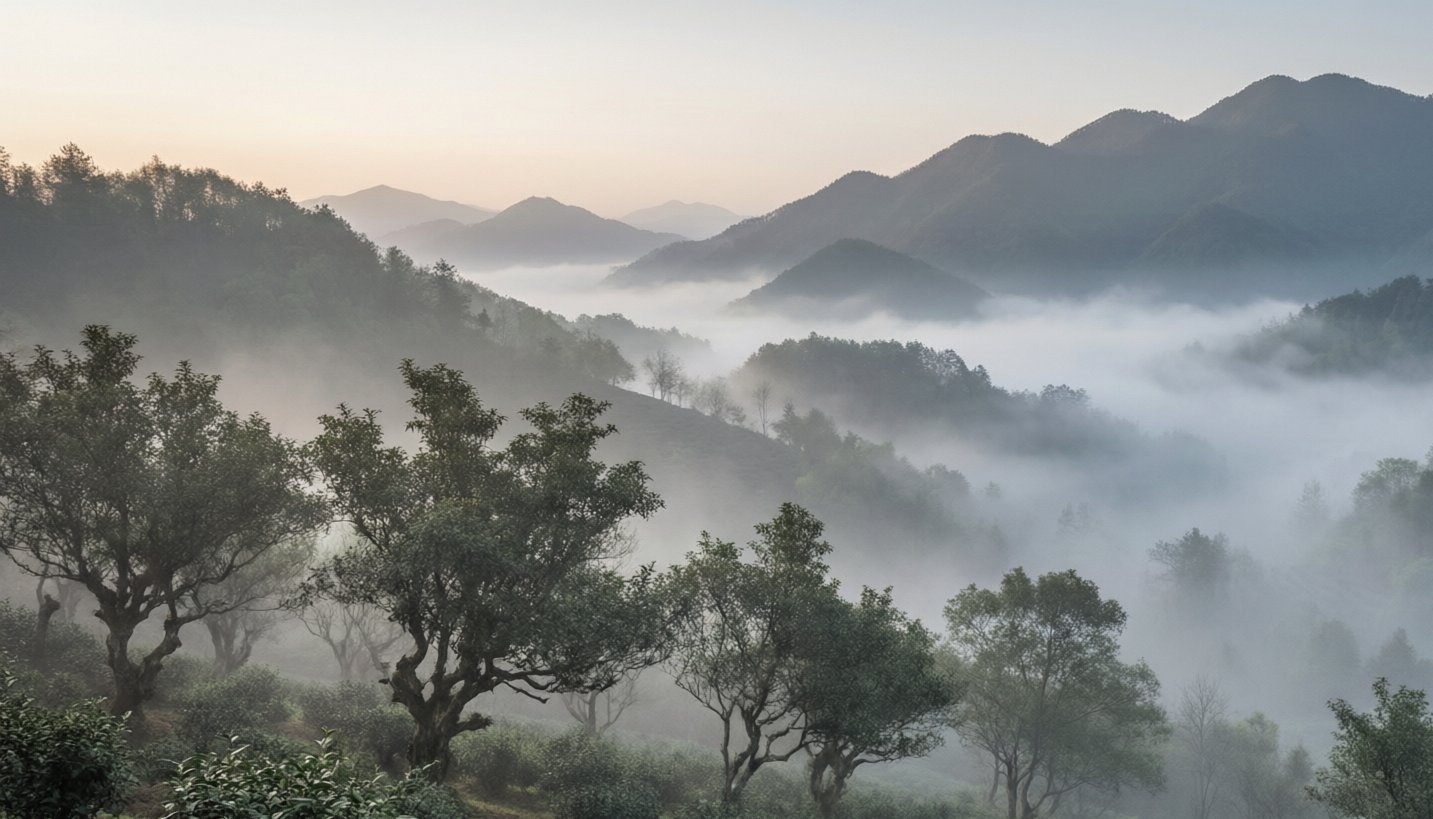
Fengqing County is the historical anchor of Dianhong. In 1939, tea technicians working to develop a domestic black tea supply base selected Fengqing's large-leaf tea for experimental production, establishing the first Dianhong processing line in the county [1][2].
The location mattered more than the tea category name. Fengqing sits in the southern extension of the Hengduan Mountains, with a high proportion of mature tea gardens and the large-leaf assamica variety that oxidizes into a bright, malty black tea [3]. This was not a random selection: the area already had the raw material and the altitude needed for slow, even oxidation.
Mapping the Core Counties
Three geographic groups define classic Dianhong.
Lincang group. This is the heart of the map. Fengqing is the reference point, but Yunxian, Yongde, Linxiang, and Shuangjiang also produce recognizable Dianhong. Yongde is especially associated with dense golden tips and a honeyed cup.
Baoshan group. Changning and Longling contribute leaf that is often lighter-bodied and more floral, with a brighter red liquor than Fengqing's heavier malt profile.
Dehong and southwestern Yunnan group. Lianghe, Yingjiang, and Longchuan produce a bolder style with deep color and stronger astringency when fully oxidized.
Some buyers include black teas from Pu'er and Xishuangbanna under "Yunnan black tea," but these are better understood as regional black teas unless they are made from large-leaf cultivars and processed through the Dianhong congou method [1].
Why Terroir Draws the Map's Borders
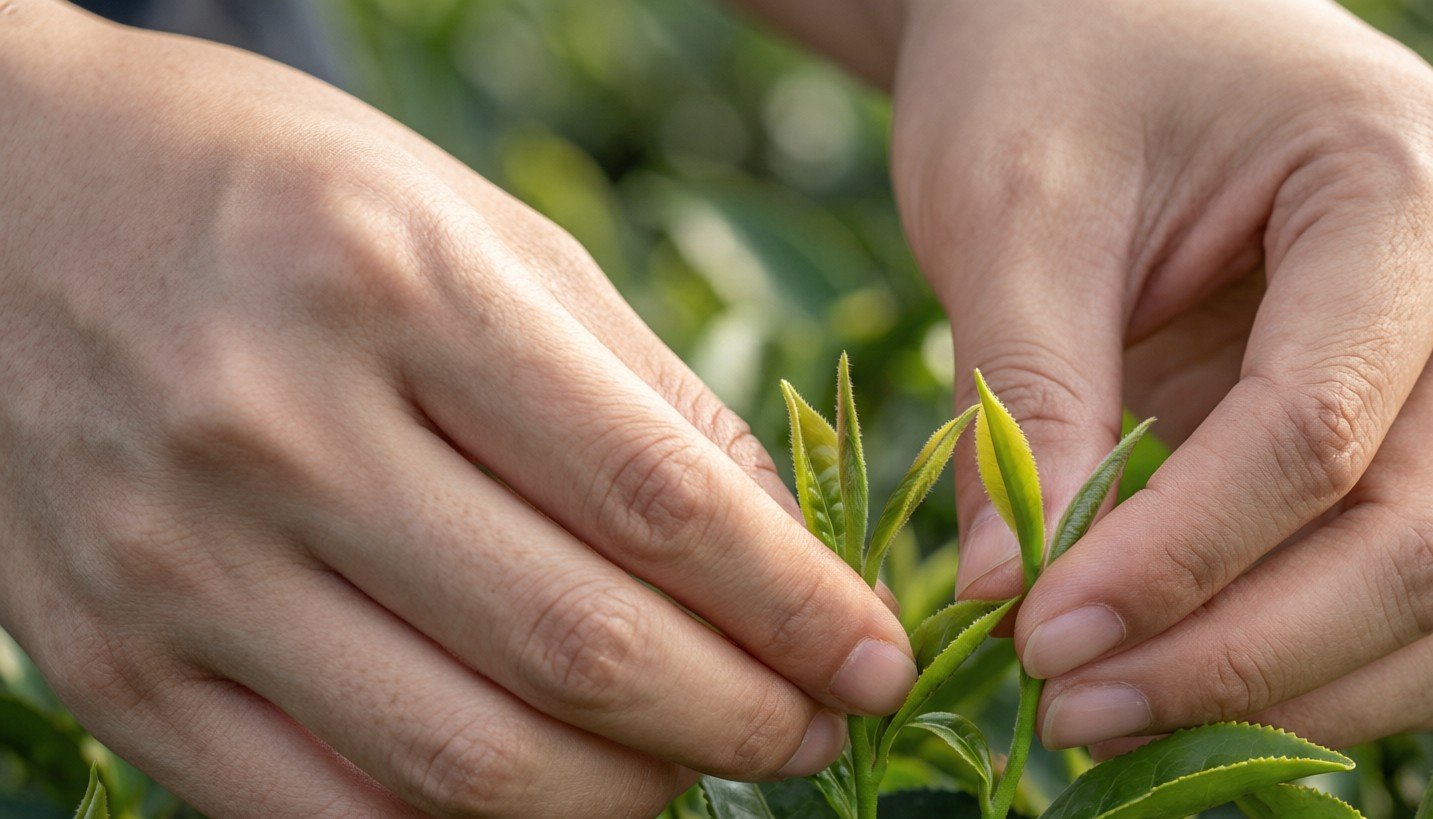
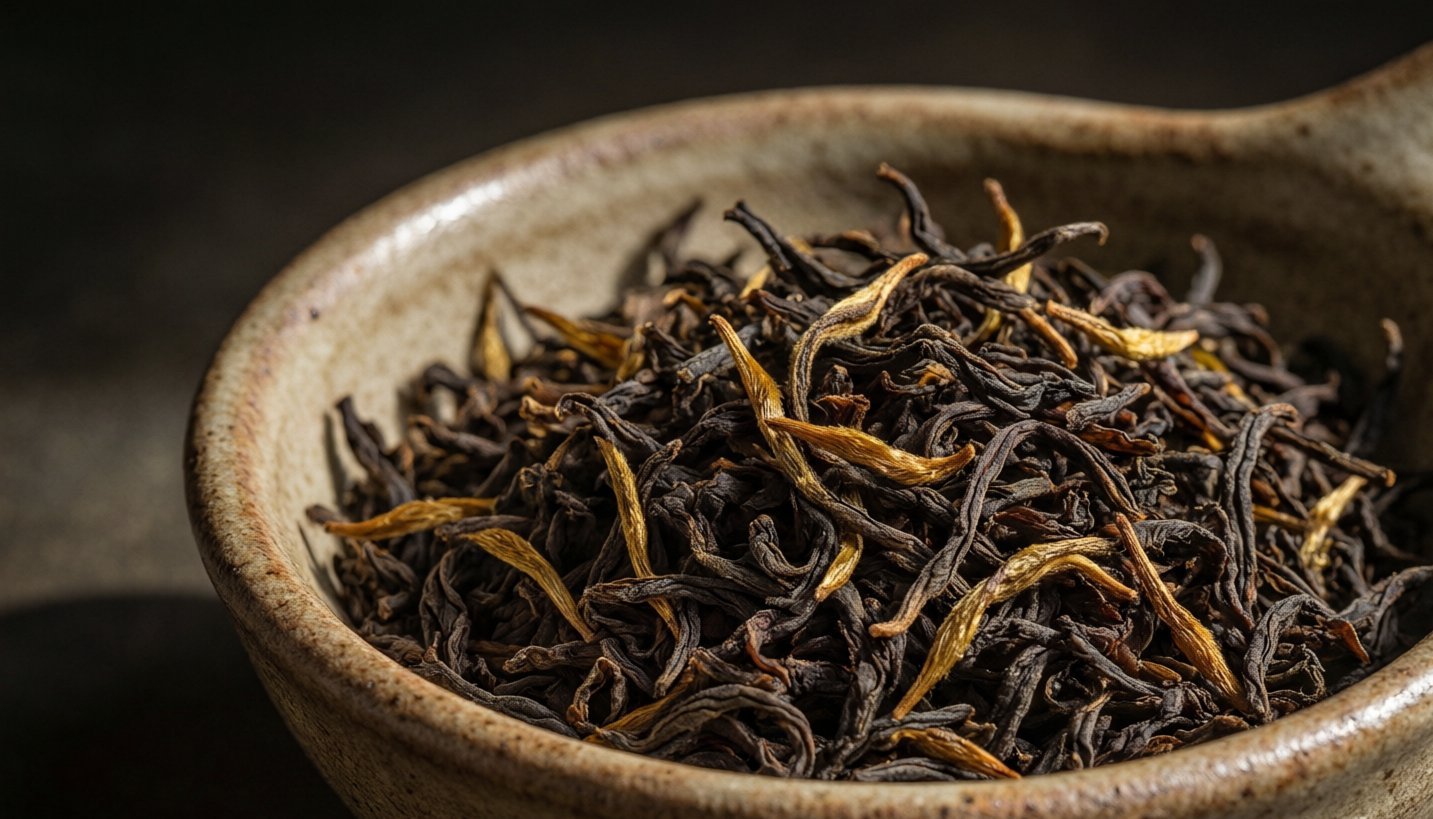
The map follows large-leaf tea adapting to high-humidity, high-elevation environments. Classic Dianhong character—sugary malt, honey, and an orange-red cup—comes from thick-leaved local cultivars and the slow oxidation of their high polyphenol content [3].
Lower, drier sites or smaller-leaf cultivars can produce black tea that is bright and brisk but lacks the round body buyers associate with Dianhong. That is why origin is not a marketing label. It is a set of growing conditions that show up in the cup.
From Origin to Sourcing Decisions
Origin mapping is not just geography. It is specification. When evaluating a Dianhong lot, ask four questions:
- Which county and village does the leaf come from?
- Is it a large-leaf Yunnan cultivar or a hybrid?
- Which harvest was picked—spring first flush or a later flush?
- Does the lot meet GB/T 13738.2-2017 as a congou black tea? [1]
These questions locate the tea on the map before cup performance is judged. They also make it harder for blended commodity black tea to be sold as premium single-origin Dianhong.
If you need an origin-verified Dianhong lot with sample documentation, email xuansc2144@gmail.com with your target grade and destination port. Direct sourcing inquiries should include cultivar, harvest window, and processing data.
Sourcing Dianhong (Yunnan Black) Tea from Origin
The Chinese tea suppliers team works with buyers who want Dianhong from mapped origins rather than blended commodity black tea. Tell us your volume, liquor color preference, and certification needs at xuansc2144@gmail.com, and we will recommend lots by county and grade. Samples ship after origin documents are confirmed.
Frequently Asked Questions
Where exactly was Dianhong first produced?
Dianhong's commercial origin point is Fengqing County, Yunnan. The county was selected for experimental production in 1939, and it remains the reference origin for classic Dianhong [1][2].
Is all Yunnan black tea considered Dianhong?
No. Yunnan produces many black tea styles, including regional direct-sun black teas and CTC black teas. To be classified as Dianhong in the narrow sense, the tea should come from Yunnan large-leaf cultivars and follow the congou black tea processing route [1].
What is the difference between Fengqing Dianhong and Baoshan Dianhong?
Fengqing Dianhong is typically heavier and maltier, with a thicker body. Baoshan Dianhong tends to be lighter and more floral, with a brighter red liquor. Both are valid Dianhong, but they occupy different positions on the flavor map.
Which standard should I ask for when buying Dianhong?
Ask whether the lot meets GB/T 13738.2-2017 for congou black tea [1]. This standard does not guarantee origin, but it provides a processing and quality reference. Origin should be confirmed separately through county-level sourcing documents and cultivar records.
References
[1] GB/T 13738.2-2017, Black tea—Part 2: Congou black tea, State Administration for Market Regulation, Beijing, China, 2017.
[2] Fengqing County People's Government, "Dianhong tea industry development overview," Fengqing, Yunnan, accessed 2026.
[3] Yunnan Provincial Department of Agriculture and Rural Affairs, "Yunnan tea industry development report," Kunming, 2025.
No author description available.

白玉京