Where Guizhou Black Tea Really Comes From: The 2026 Sourcing Map
Guizhou is often framed as a green tea province, but that framing hides a black tea story that has been building for more than a decade. The black tea that buyers now label “Guizhou black tea” is not one estate tea: it is a group of orthodox congou-style black teas produced across a band of high-elevation counties in southwestern China, led by Zunyi, Qianxinan Buyei and Miao Autonomous Prefecture, and Qiandongnan Miao and Dong Autonomous Prefecture [1][2].
The Short Answer: Where the Tea Actually Comes From
The core of Guizhou black tea sits in three production zones.
- Zunyi region, northern Guizhou: Meitan, Fenggang, and Yuqing counties produce Zunyi black tea, often marketed as “Zunyi Hong.” This is the largest commercial base and the most consistent source of export-grade lots.
- Qianxinan Buyei and Miao Autonomous Prefecture, southwestern Guizhou: Puan County anchors the “Puan Hong” style, with older tea gardens and a stronger specialty narrative.
- Qiandongnan Miao and Dong Autonomous Prefecture, southeastern Guizhou: Leishan County and the Leigong Mountain area supply high-mountain black tea with a lighter, more floral character [1].
Smaller volumes also come from Bijie, Qiannan, and Anshun, but most black tea intended for export is sorted, graded, and consolidated around Zunyi and Puan before shipment.
Why Guizhou, and Why Black Tea?
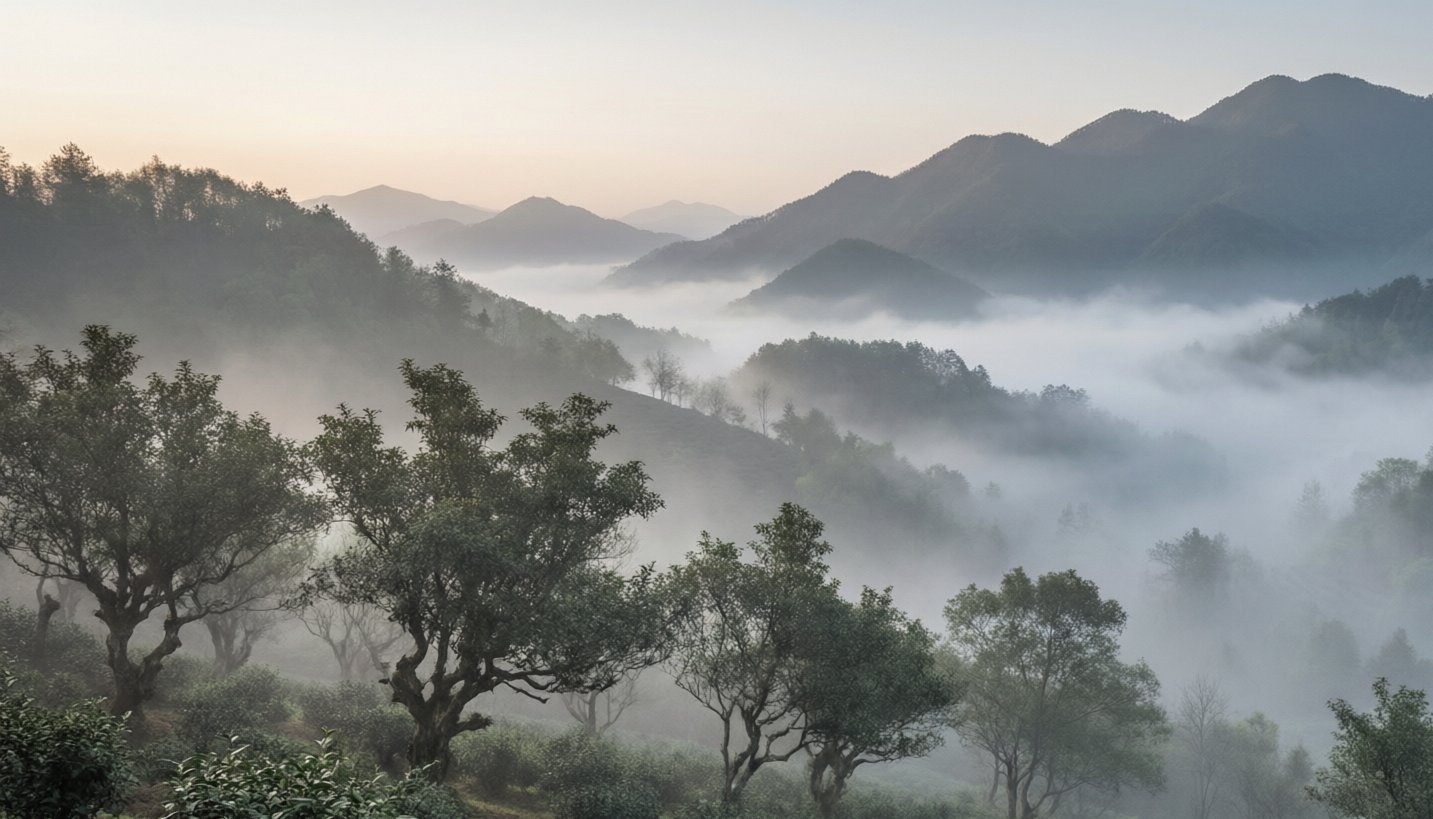
Guizhou’s tea landscape is a karst plateau marked by high cloud cover, acidic mineral soils, and wide day-night temperature swings. These conditions slow leaf maturation and favor aromatic black tea: slower growth tends to concentrate aroma precursors and produce a smoother cup with less aggressive astringency [1].
Two practical factors matter as much as terroir. First, black tea processing is more forgiving than ultra-premium green tea shaping when working with mixed cultivars and uneven spring flushes across the province. Second, black tea’s long shelf life and stable export format make it an easier first product for counties that lack major green tea brand equity. The result has been a steady shift in Guizhou’s production mix toward congou black tea made under China’s GB/T 13738.2 standard [3].
Key Producing Counties at a Glance
| Region | County or area | Representative name | Buyer notes |
|---|---|---|---|
| Zunyi | Meitan, Fenggang, Yuqing | Zunyi black tea (Zunyi Hong) | Largest volume; tea gardens commonly above 800 m; consistent lot sizing |
| Qianxinan | Puan County | Puan black tea (Puan Hong) | Strong origin story; older tea gardens; smaller average lot size |
| Qiandongnan | Leishan, Leigong Mountain | Leigongshan black tea | High-mountain profile; limited seasonal supply |
| Qiannan | Guiding, Weng’an | Guizhou congou black tea blends | Often produced for export-grade orthodox lots |
This is not a ranking; it is a sourcing map. Zunyi provides volume, Puan provides a compelling story, Leigongshan provides distinctiveness, and Qiannan often supplies blending material.
How Guizhou Black Tea Is Made
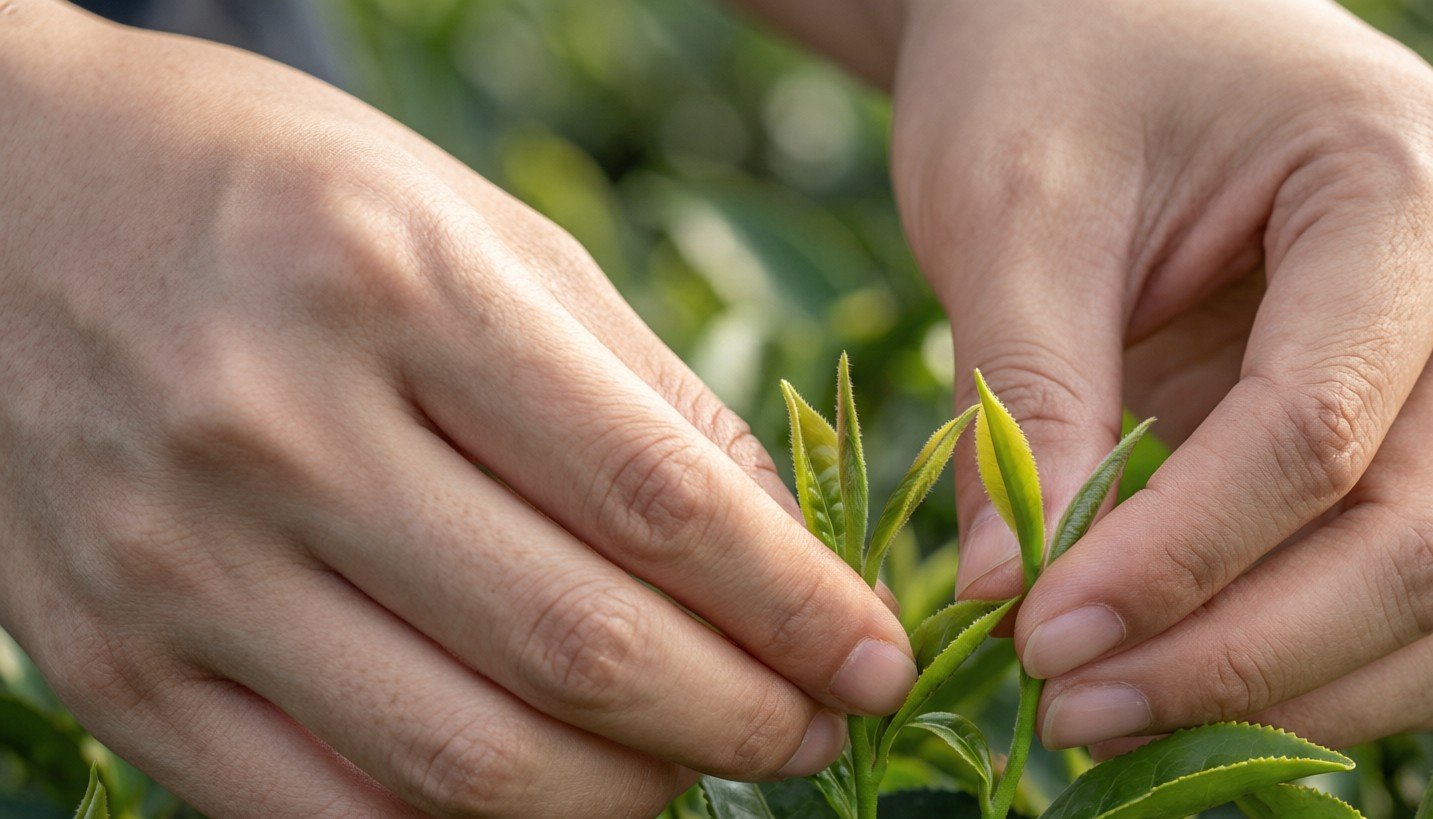
Most commercial Guizhou black tea follows the orthodox congou path rather than CTC. The typical flow runs:
- Withering: fresh leaf is spread on troughs or bamboo racks under natural or fan-assisted air movement.
- Rolling: softened leaf is twisted to break cell walls and initiate oxidation.
- Oxidation: the leaf rests in a cool, humid room until it turns coppery brown.
- Drying: hot air fixes color, reduces moisture, and locks in aroma.
Under GB/T 13738.2-2017, congou black tea must meet defined sensory and physical thresholds for moisture, ash, and classification [3]. When buying bulk, request the factory’s lot report against this standard rather than accepting a “single-estate” label at face value.
What Guizhou Black Tea Tastes Like
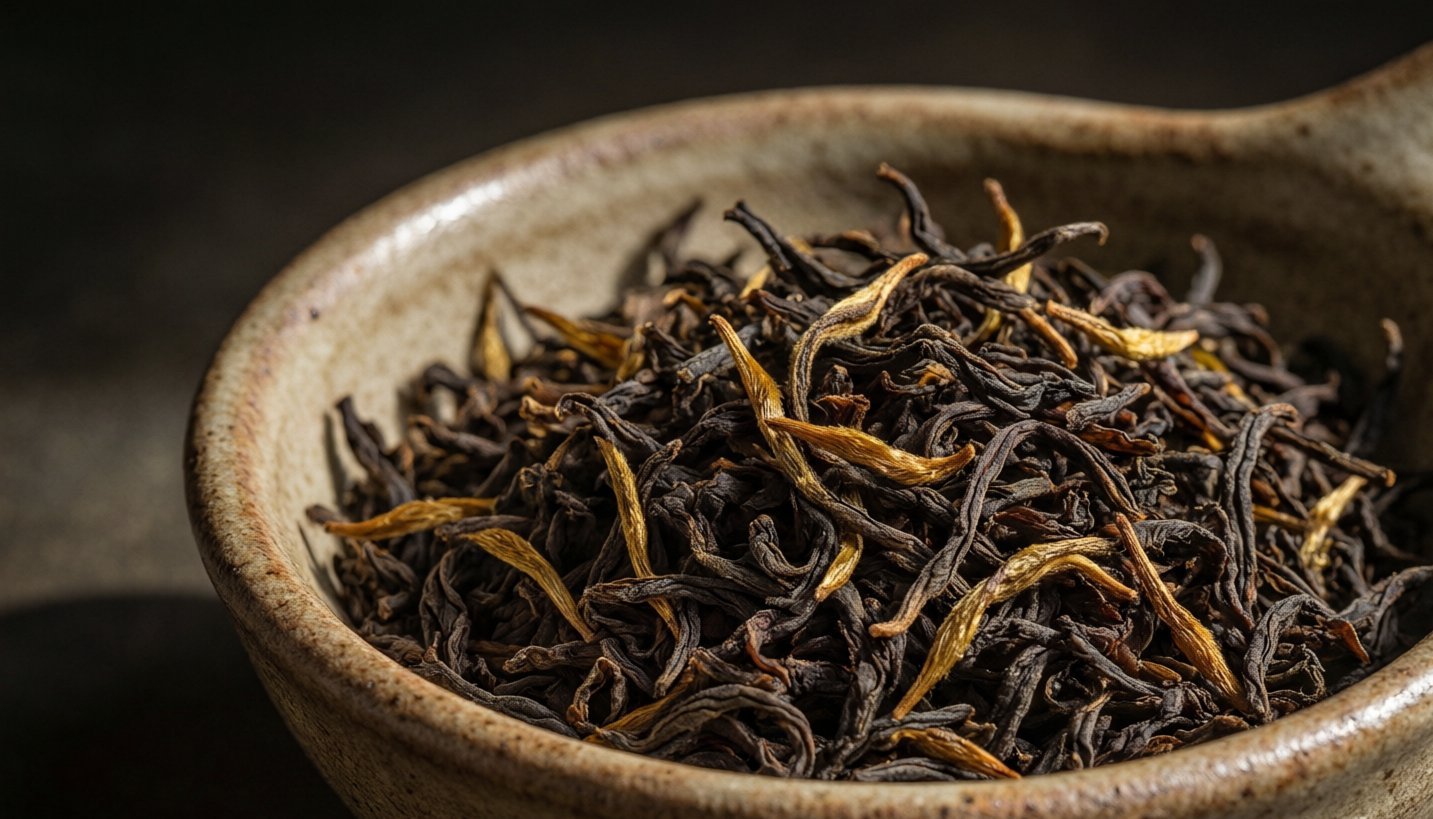
Expect a cup that is less about malty punch and more about high-altitude sweetness. Common descriptors are dried orange peel, baked sweet potato, brown sugar, and a clean mineral finish. Compared with Dianhong from Yunnan, Guizhou black tea is usually lighter-bodied, lower in overt malt, and less golden in the leaf. Compared with Keemun, it is often less floral and rounder.
Those differences matter for blending and menu building. Guizhou black tea works as a base for breakfast-style blends, a cost-stable orthodox option for tea bags, and a lower-astringency choice for RTD and cold brew lines.
How to Verify True Origin Before You Order
“Guizhou black tea” is a broad term, so the label alone does not prove origin. Before you commit to a container, build a short origin file for each lot:
- Request the factory’s county-level address and processing license.
- Ask for a lot-level traceability record showing leaf purchase area and harvest date.
- Require a sensory and physical test report against GB/T 13738.2-2017 [3].
- For Puan Hong or Zunyi Hong claims, ask whether the seller can supply local industry association certification or GI-related documentation.
- Cross-check altitude and garden claims with satellite imagery or supplier video showing plantation context, not just the processing workshop.
A supplier that can only show a warehouse and a Western-facing sales sheet is not proving origin; it is telling a story. The difference becomes visible when your customer audits the supply chain.
Get a Verified Guizhou Black Tea Quote
If you are building an orthodox black tea line, send your target cup profile, annual volume, and packaging format to xuansc2144@gmail.com. We can match you with verified lots and walk you through origin documentation before deposit.
Frequently Asked Questions About Guizhou Black Tea Origin
Is Guizhou black tea the same as Zunyi black tea?
No. Zunyi black tea is the largest regional style from northern Guizhou, but the category “Guizhou black tea” also includes Puan Hong, Leigongshan black tea, and blended congou lots from other counties [1].
What makes Guizhou black tea different from Yunnan black tea?
Yunnan black tea, especially Dianhong, typically comes from large-leaf tea cultivars and has a strong malty, golden-bud character. Guizhou black tea is usually softer, higher in fresh-fruit sweetness, and less aggressively malty, reflecting cooler plateau growing conditions [1][2].
Does Guizhou black tea contain caffeine?
Yes. It is made from Camellia sinensis, so it naturally contains caffeine. The exact level depends on cultivar, plucking standard, and brewing ratio, not on provincial origin.
How can I tell if a supplier is really sending Guizhou black tea?
Ask for county-level traceability, a GB/T 13738.2-2017 test report, and a factory license address inside Guizhou. If the seller only shows product photos and a generic “China origin” label, treat the origin claim as unverified [3].
Is Guizhou black tea suitable for Western tea bag and RTD formats?
Generally yes. Its orthodox leaf cuts well, and its rounded, low-astringency profile holds up in milk, sweetened RTD, and cold extraction. Always test your target format with a small batch first, because grass and roast notes can shift after processing.
End CTA
Source Guizhou Black Tea Direct From the Province
Need lot samples, pricing by grade, or a factory match? Contact us at xuansc2144@gmail.com with your volume, target profile, and destination market. We will return a shortlist with origin documentation and freight-ready packaging options.
References
[1] Guizhou Provincial Department of Agriculture and Rural Affairs, “Guizhou Tea Industry Development Overview,” Guiyang, China, accessed Jan. 2026.
[2] China Tea Marketing Association, “China Tea Industry Annual Report,” Beijing, 2025.
[3] Standardization Administration of China, GB/T 13738.2-2017, Black Tea—Part 2: Congou Black Tea, Beijing, 2017.
No author description available.

白玉京