Pu-erh Fresh Tea Investment: A Reality Check for Buyers
The phrase "pu-erh fresh tea" sits in an awkward place for investors. In the Yunnan tea trade, it usually describes newly harvested maocha and young raw sheng that has not yet developed the settled, mellow profile of aged pu-erh. The uncomfortable truth is that most fresh pu-erh is beverage inventory, not an investment asset. A small subset—well-sourced, well-made raw pu-erh from named terroirs with strong documentation—has a genuine collection story. The challenge is separating that subset from everything else being sold with the word "investment" attached.
What "Pu-erh Fresh Tea" Actually Means
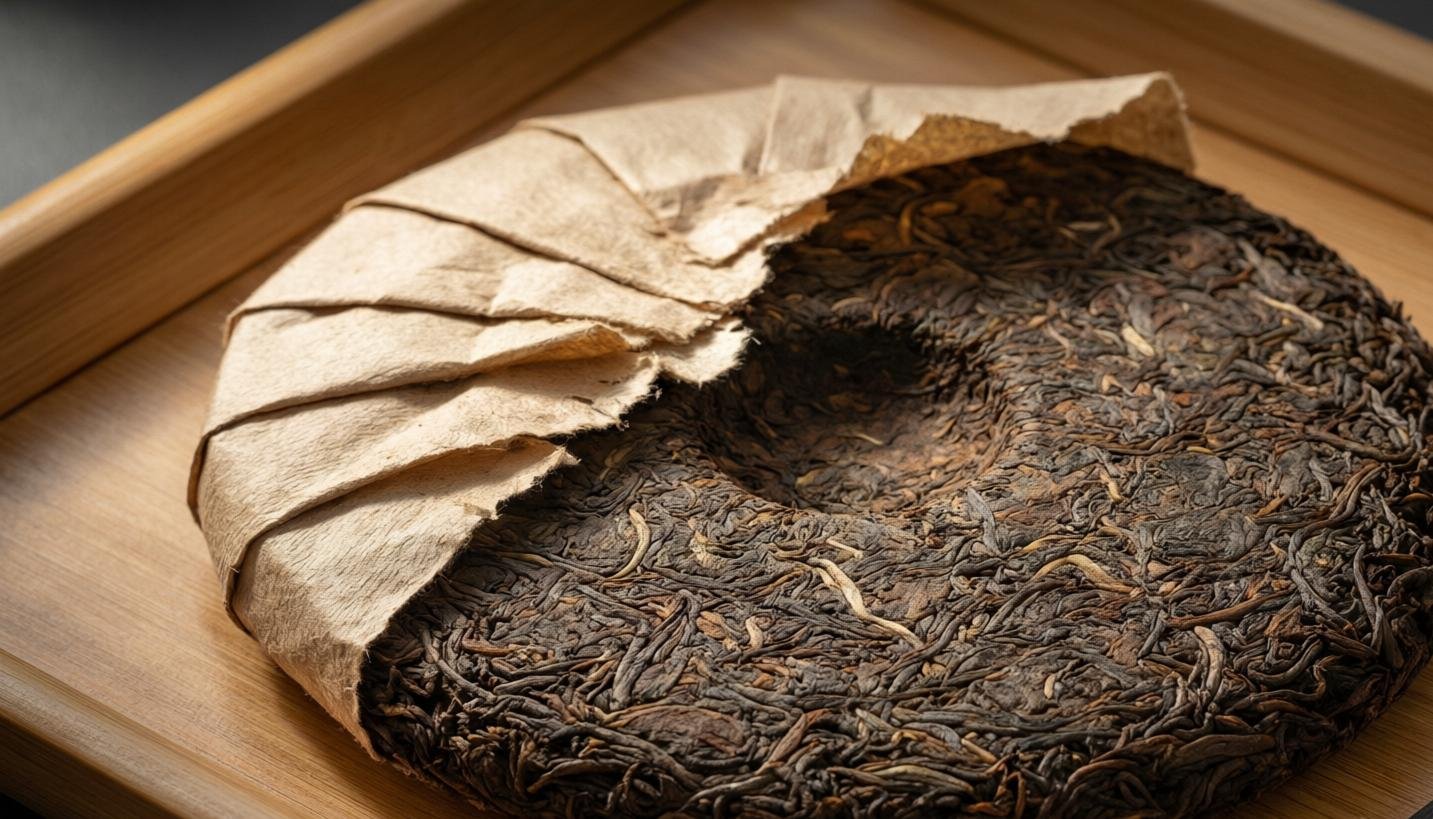
A lot of confusion comes from the word "fresh." Fresh pu-erh is not a separate processing category; it is simply young material. A freshly pressed raw sheng may be powerful, green, aromatic, and highly structured, but it does not yet have the smoother texture that aged sheng develops over years of slow oxidation and microbial activity. Ripe shou, by contrast, is already fermented during production and tends to occupy a different part of the market.
The important point for buyers is that investment potential is concentrated mostly in raw sheng with a long aging curve. Fresh ripe shou and everyday-grade fresh sheng serve the drinking market first. Buying them in quantity can still make inventory sense, but that is a sourcing decision, not a collection decision.

Where the Investment Case Comes From
Pu-erh's investment reputation comes from a real, if narrow, pattern. Certain raw sheng cakes from named villages or historically respected factories have performed well over holding periods measured in five to fifteen years [1]. What tends to separate those lots from the average cake is not age alone. It is the combination of recognizable terroir, careful processing, identifiable picking standards, neat compression, clean storage history, and a batch record that survives inspection.
The modern pu-erh investment narrative is often traced back to the 2006–2007 boom and its subsequent correction [1]. That cycle demonstrated how quickly market sentiment can detach from tea quality. Since then, prices have moved in uneven cycles, with attention shifting between Laobanzhang, Bingdao, Yiwu, Xigui, and other well-known Yunnan sourcing areas. None of this has made pu-erh a liquid asset. Exit usually depends on finding a buyer inside a small community of collectors, auction houses, or specialized dealers.
The Costs That Are Easy to Miss
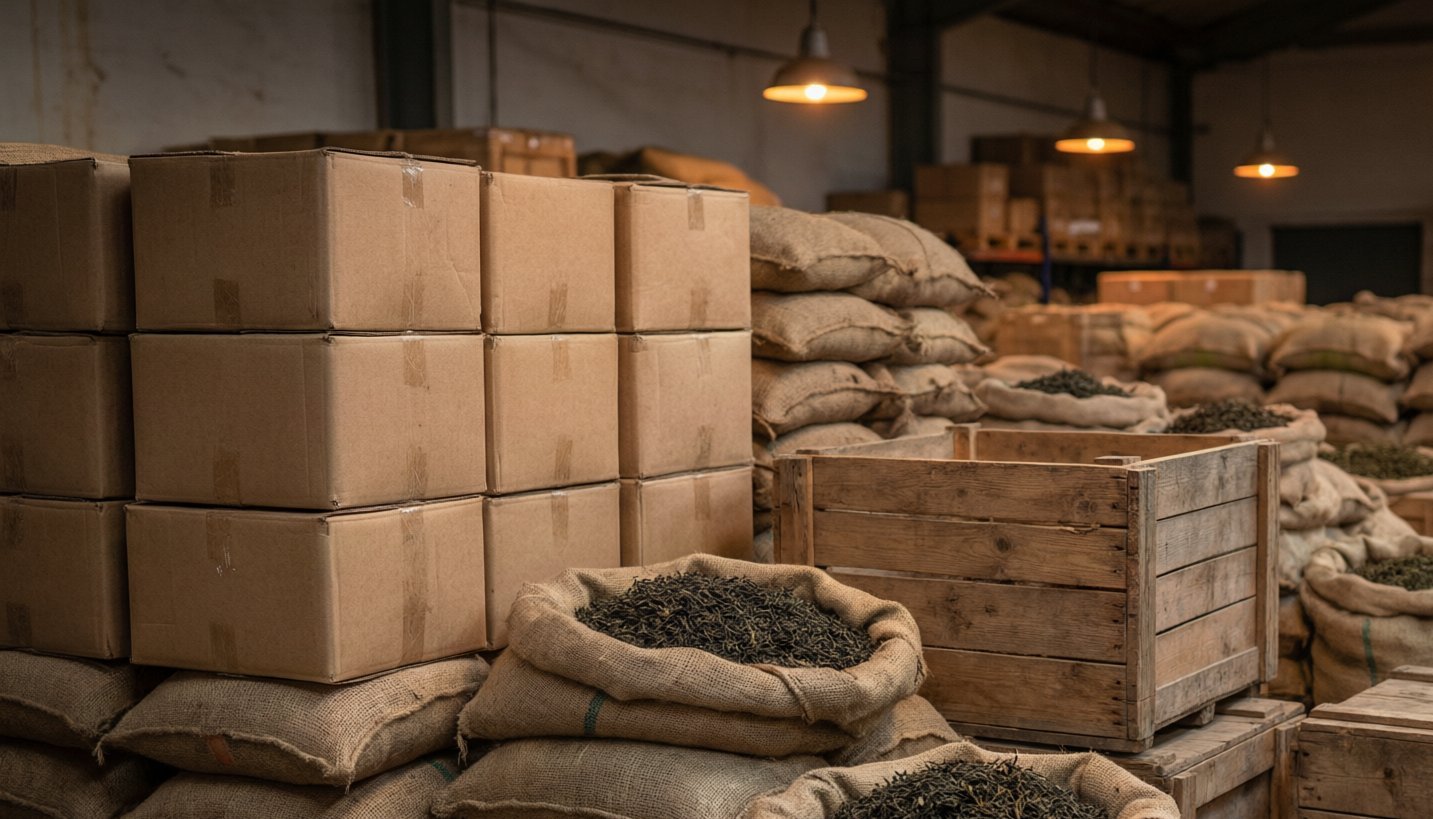
A fresh cake purchased today does not become an aged asset automatically. Storage is the largest hidden cost. Raw pu-erh requires controlled humidity and temperature, protection from light and odors, periodic inspection, and records that show the cake has not passed through flooding, over-drying, or contaminated environments. Buyers outside China also face freight, customs, insurance, and, in many jurisdictions, uncertainty about entry duty treatment for aged tea.
There are also less visible costs: sampling for cupping before commitment, laboratory testing for pesticide residues and moisture content, authentication and re-inspection after shipment, and the time required to resell. These expenses are manageable when the purchase is structured as a business inventory decision. They become a serious problem when a buyer treats them as friction-free "holding costs" for a speculative asset.
How to Check a Lot Before You Buy
The most useful discipline for a first-time pu-erh buyer is to inspect and taste before believing a price story. A batch passes the first screen when the wrapper, ticket, pressing quality, leaf grade, and storage record tell a consistent story. The second screen is the liquid itself: clarity, aroma, texture, bitterness structure, throat feel, and the condition after several infusions.
| Check item | What to verify | Why it matters |
|---|---|---|
| Origin claim | Village, mountain, or plantation name matches the seller's documentation | Named terroir drives much of the premium |
| Harvest season | Spring or autumn picking date stated consistently | Spring material often commands higher value |
| Processing method | Kill-green, rolling, sun-dry, and pressing conditions | Defects created at processing rarely improve much with age |
| Batch ticket | Factory ticket and pressing lot match the cake | Missing or reprinted tickets raise authenticity risk |
| Storage record | Humidity, temperature, and location history available | Storage quality decides whether the cake improves |
| Leaf grade | Bud-to-leaf ratio and stalk content align with grade | Grade inflation distorts price |
| Cup performance | Aroma persistence, bitterness control, mouthfeel, return sweetness | The best investment cakes usually cup well young |
| Third-party test | Moisture, pesticide residue, and, where required, export limits | Protects import clearance and long-term value |
If you are inspecting against a formal standard, GB/T 22111-2008 defines the product scope and basic requirements for pu-erh tea [2]. Meeting that standard is the floor, not a quality guarantee. The stronger signal is an unbroken paper trail from tea farmer to pressing factory to storage warehouse to your shipment.

Talk to a Sourcing Team That Understands Pu-erh
If you are buying pu-erh fresh tea as inventory or as a speculative position, the practical step is to route every lot through the same work you would use for wholesale sourcing: origin verification, batch inspection, cupping, storage review, and shipping documentation. Our team works with Chinese tea suppliers on exactly this. For questions on lot selection, MOQ, or a specific origin such as Yiwu, Bingdao, or Laobanzhang, contact us at xuansc2144@gmail.com and include the quantity, target grade, and preferred pressing format in your first message.
A Buyer's Position Checklist
Before committing capital, run through five questions:
- Is this cake being sold as tea or as a financial product? Tea should be drinkable and verifiable.
- Do I have independent proof of origin and storage, or only the seller's description?
- What is my realistic exit path, and who would buy this specific lot in three or seven years?
- Can I store it properly for the full intended holding period?
- Does the purchase still make sense if resale takes much longer than expected?
If any answer is missing, treat the purchase as inventory with uncertain resale, not as an investment with a predicted return.
End CTA
Chinese tea suppliers can help you source young raw pu-erh, ripe pu-erh, and aged stock with a transparent chain of lot data. To discuss a specific requirement, send your destination market, target quantity, grade range, and packaging preference to xuansc2144@gmail.com. We will respond with practical sourcing options rather than a price story.
FAQ
Is fresh pu-erh a safe investment?
No single tea category is a safe investment in the sense of a bank deposit or treasury bill. Some well-chosen raw sheng has appreciated, but fresh pu-erh as a broad category includes everyday drinking tea that will never become a valuable collectible.
Which type ages better, sheng or shou?
Raw sheng usually shows the more dramatic againg curve and receives most collector attention. Ripe shou changes more slowly and is mostly bought for drinking, not for long-term collection returns.
How long do you need to hold pu-erh for it to improve?
This depends on the material and storage, but many buyers find that raw sheng begins to show meaningful smoother character after five to ten years under correct storage. Some cakes improve for much longer; others never develop the profile the buyer expected.
How do I verify a batch is authentic?
Verify the wrapper, batch ticket, pressing quality, leaf grade, storage record, and cup character as one package. Where possible, buy from a supplier who can show the chain from tea farmer to pressing factory to warehouse, and cup the lot before shipment.
Does "fresh tea" mean better investment potential?
Not on its own. Fresh tea simply means young material. The investment potential comes from the specific origin, grade, processing, documentation, and storage—not from the fact that the tea is freshly made.
References
[1] China Tea Marketing Association, "China Tea Industry Development Report," 2024. [Online]. Available: http://www.ctma.com.cn/
[2] National Standard of the People's Republic of China, GB/T 22111-2008, Product of Geographical Indication—Pu-erh Tea, Standardization Administration of China, 2008.
[3] Yunnan Provincial Department of Agriculture and Rural Affairs, "Tea Industry Statistics and Market Notes," 2024. [Online]. Available: https://nync.yn.gov.cn/
No author description available.

白玉京