Yihong Tea Around the World: Export Markets and Demand Drivers
Yihong tea is one of China’s established black tea families, produced mainly in western Hubei around Yichang and sold internationally as Congou, broken grades, and CTC. Global demand for Yihong tea sits less in rare single-origin auctions and more in blending, milk tea bases, and dependable mid-price black tea programs. That market position changes what buyers should request from suppliers, because leaf grade, cut size, liquor brightness, and food safety documentation often matter more than a regional story alone. This guide explains where export demand is coming from, how market requirements differ, and which sourcing checks protect an import program.
Where Yihong Tea Fits in Global Black Tea Demand
For many importing markets, black tea remains a core volume category, and Chinese black teas generally split between orthodox leaf styles and smaller cut grades for tea bags, milk tea, and extraction. Yihong occupies a flexible position in that split. It is not mainly sold as a rare collectible; its export value comes from producing a strong, bright cup at a controlled cost, which makes it useful in blends and quick-service tea programs.
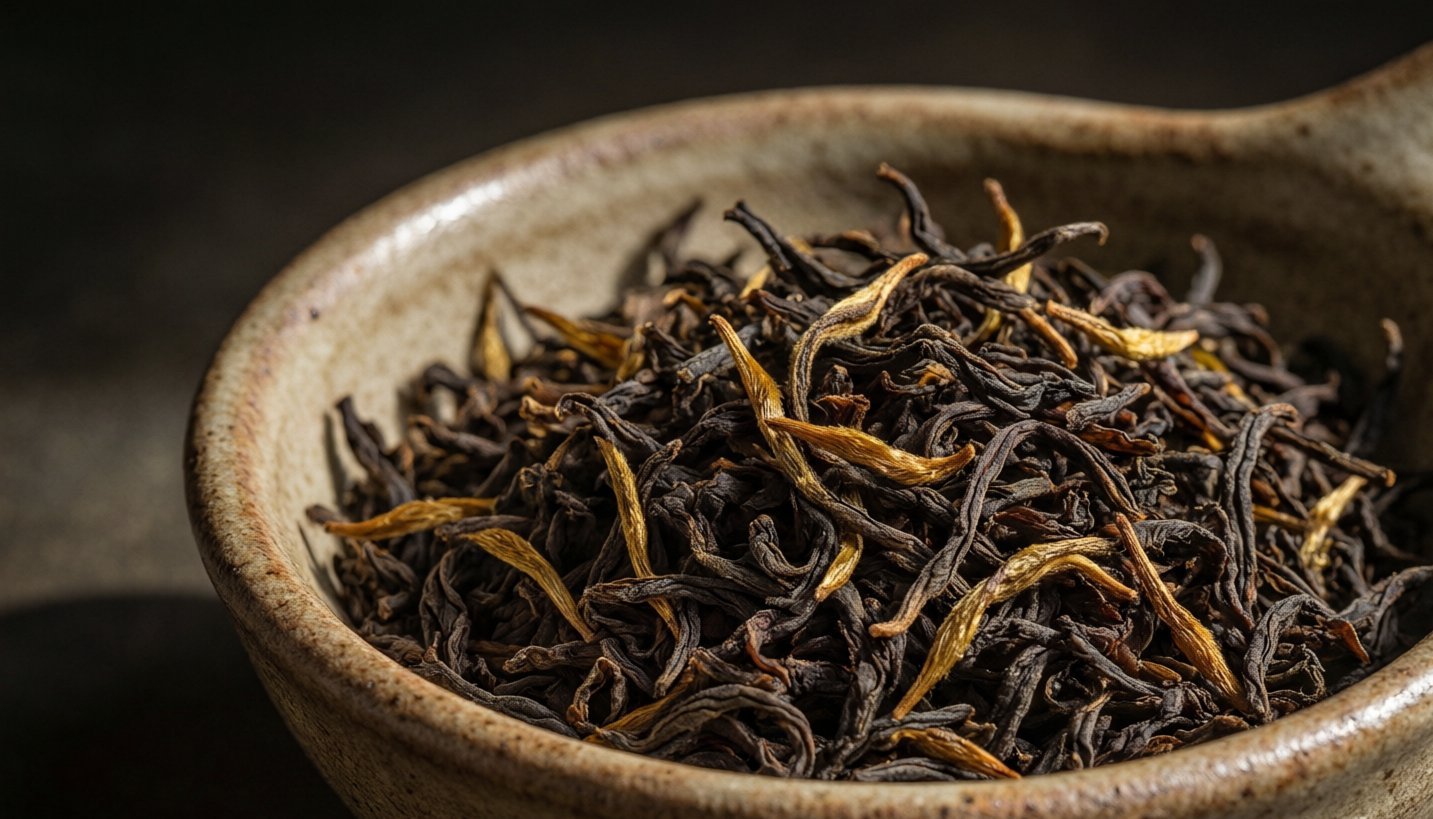
The name Yihong covers multiple production styles rather than one narrow grade. Buyers therefore benefit from treating it as a product family and confirming the exact format, origin county, harvest period, and processing method before comparing prices. A Congou selection and a CTC selection can share the Yihong name but behave differently in the cup and in the supply contract.

What Export Buyers Actually Source
Most Yihong export programs revolve around four broad formats. They differ in leaf size, extraction speed, cup weight, and price, so the same origin does not mean the same product.
| Format | Typical use | What importers should confirm |
|---|---|---|
| Congou leaf | Loose specialty and premium blends | Leaf uniformity, stem content, brightness, aroma |
| Broken grades | Tea bags and Western-style blends | Particle size range, density, strength, color |
| CTC | Milk tea, RTD, high-volume quick brew | Extraction speed, bitterness, color, moisture |
| Fannings and dust | Tea bags and extraction | Surface area, moisture, foreign matter, packing |
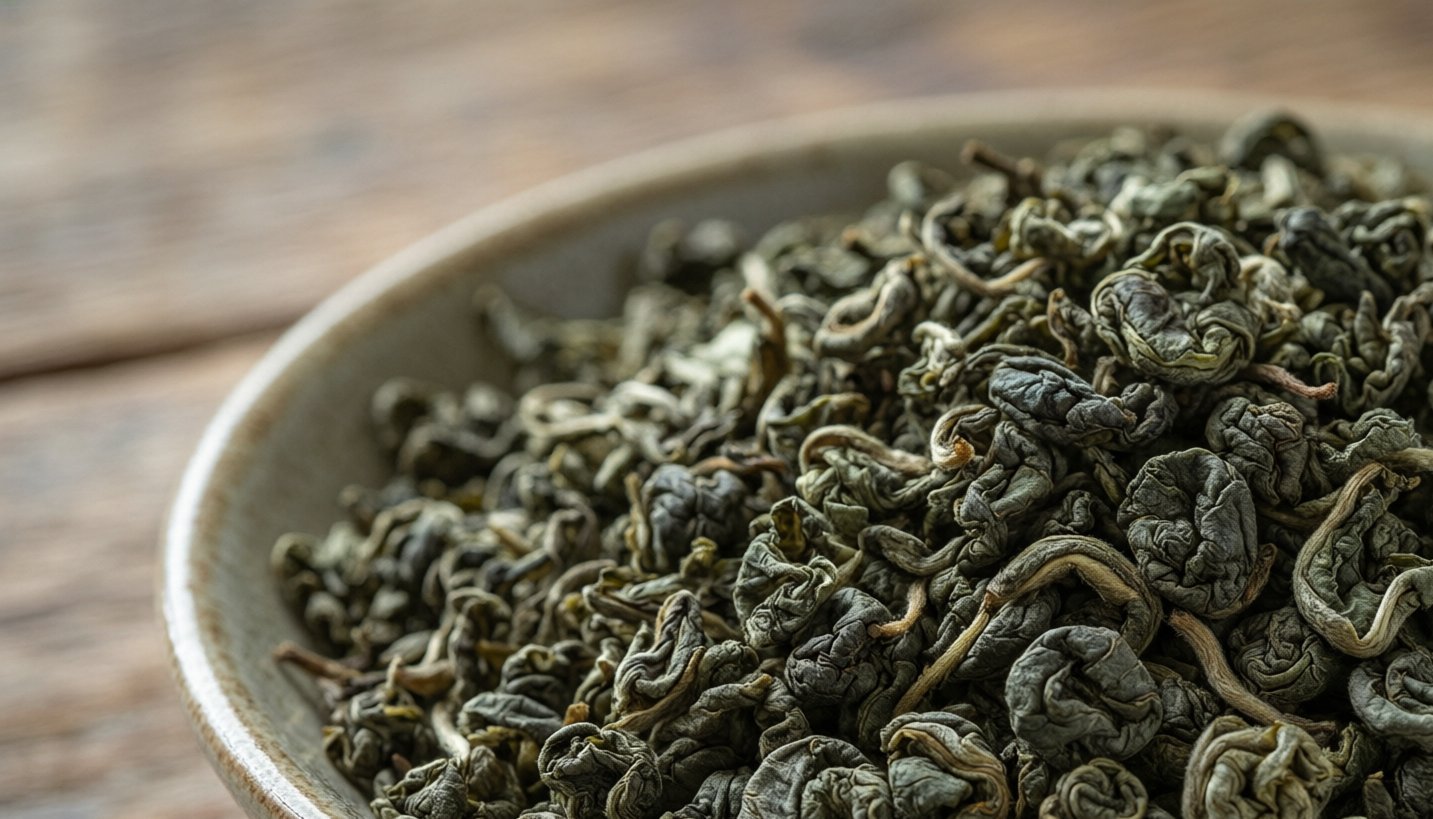
One common mistake is to compare two Yihong prices using only the grade name. A buyer should request a sieve profile or particle size range and a brewed sample because BOP from one exporter can be cut differently from BOP from another. The same logic applies to liquor brightness: a grade can look correct dry but taste flat or muddy after brewing.
Key Export Markets and How Demand Differs
Yihong demand is not one global market. It is a collection of regional black tea habits, and each habit rewards a different combination of cut, strength, and documentation.
| Market | Preferred Yihong format | Demand driver | Key check |
|---|---|---|---|
| Russia and Central Asia | Orthodox Congou and strong broken grades | Full-bodied morning tea, long-standing black tea culture | Destination MRLs, full liquor strength, winter packing |
| Middle East and North Africa | Broken grades and tea bag cuts | High extraction, hotel and foodservice use | Microbiological and contaminant tests, possibly halal documentation |
| Europe | Tea bag grades and specialty loose tea | Retail and specialty blends | EU MRL compliance, traceability, packaging compliance |
| Southeast Asia | CTC and strong broken grades | Milk tea and RTD bases | Price stability, rapid color extraction, consistent lot strength |
| North America | Specialty loose tea and RTD inputs | Smaller but documentation-heavy channels | Organic requests, pesticide transparency, stable supply |
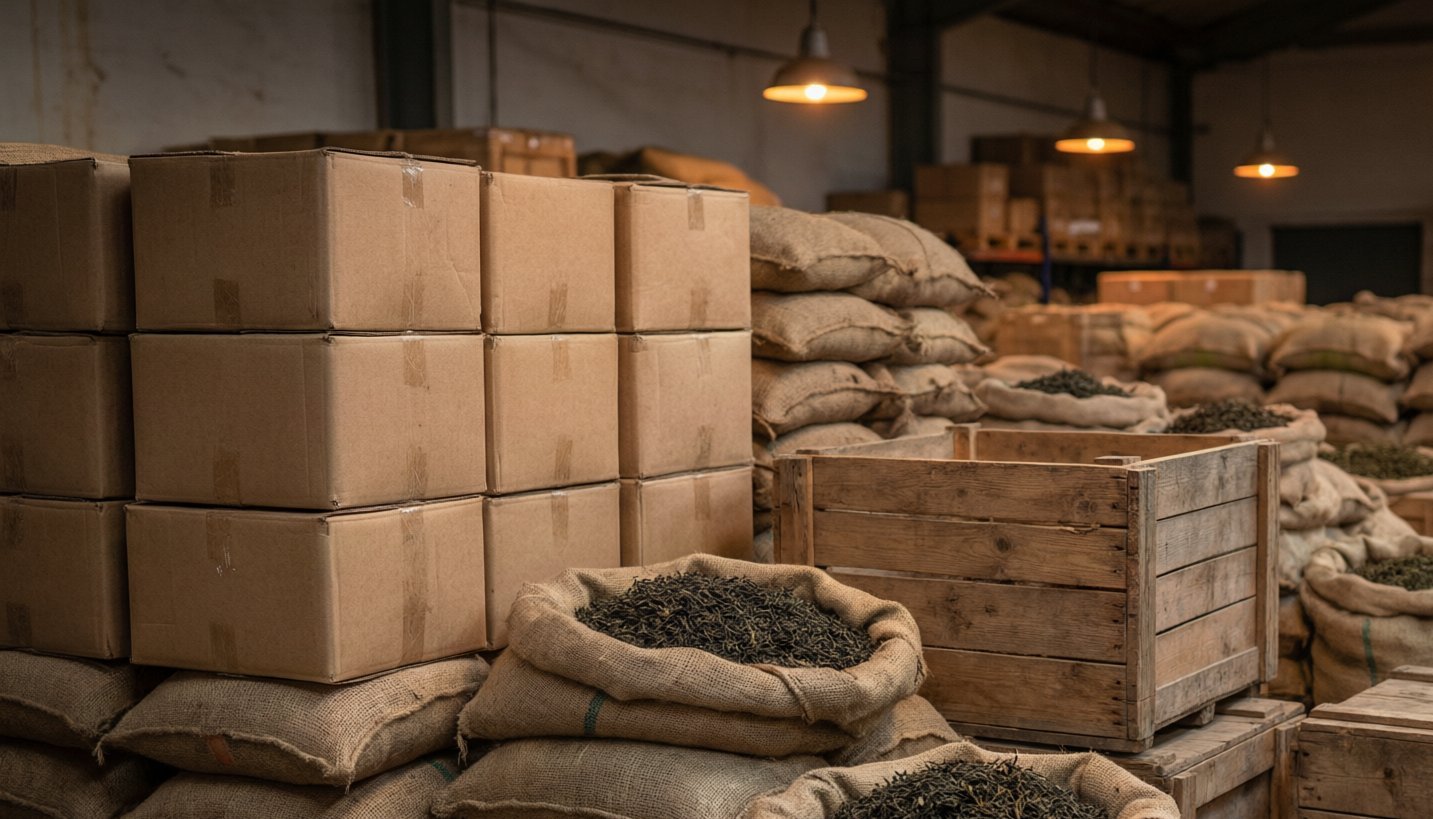
These are broad market patterns, not a promise offtake. A supplier should still be asked how a specific lot performed in the destination market, whether the shipping pack suits the climate, and which tests were run for that market.
Quality, Food Safety and Supply Risks to Check
Three risks matter across every Yihong export market. First, grade alone does not confirm cup quality, so buyers should cup the brewed tea from the actual pre-shipment lot. Second, food safety requirements are destination-specific, and a test report for one country may not satisfy another. Third, moisture and packing determine whether tea arrives with the same aroma and flowability it had before shipment.
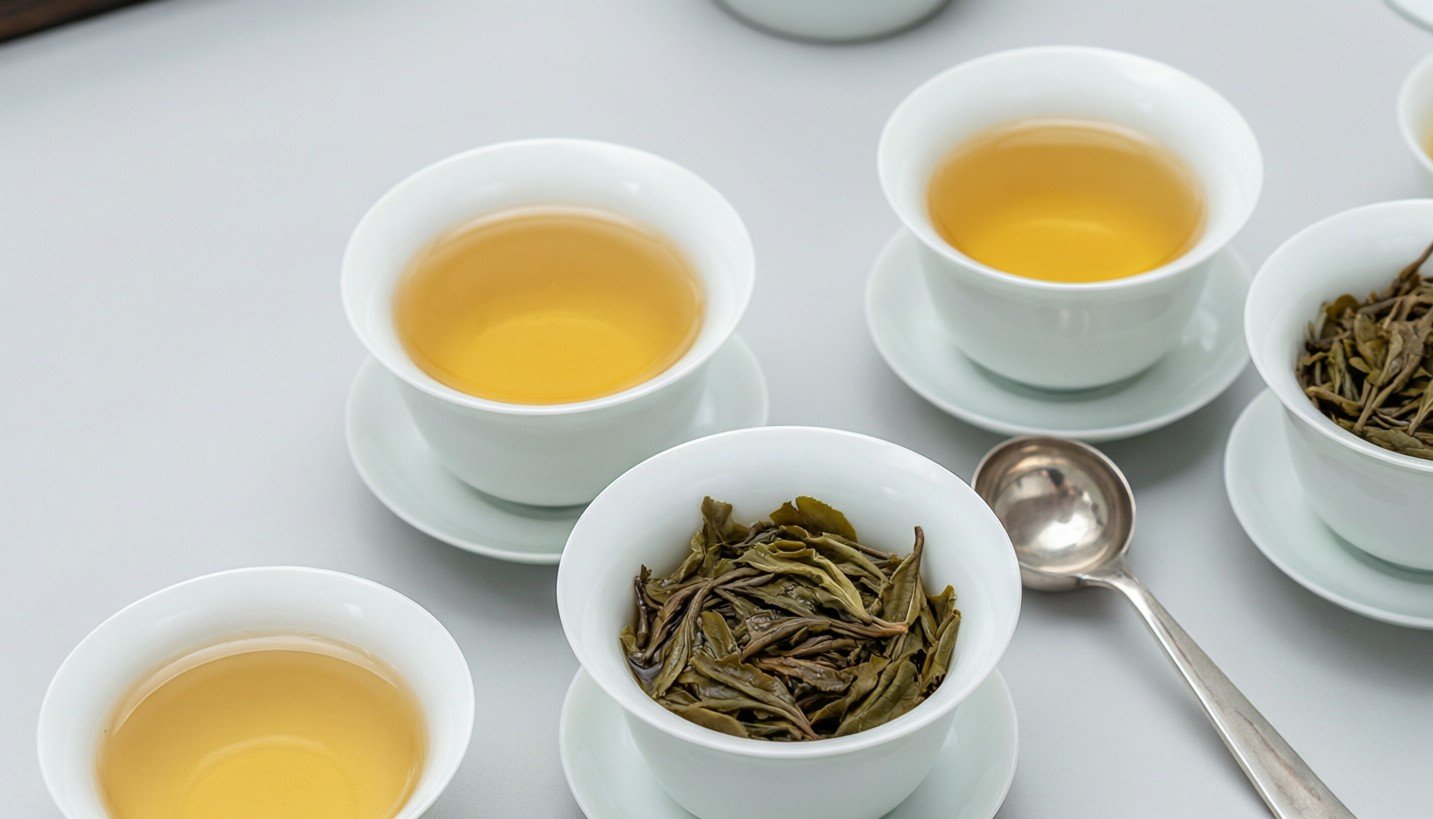
Useful checks include:
- Request the current lot number, production date, and source county for each offer.
- Confirm sieve profile, moisture specification, and foreign matter control.
- Ask for destination-specific pesticide MRL, heavy metal, and microbiological reports from a recognized laboratory.
- Retain a reference sample and compare it with the arriving container.
- Check packing layers, odor isolation, and pallet condition before shipment from a humid warehouse.
Sourcing Terms That Protect an Import Program
A stable Yihong import program depends on the contract as much as the tea. Buyers should specify the grade and sieve range, moisture limit, destination MRL list, packing format, lot traceability, and shipment window before payment terms are fixed. If a sample is approved, the contract should say the shipped lot must match the approved sample within the stated tolerance.
It is also reasonable to ask for a small pre-shipment batch to be cup-tested and then resealed under the supplier’s lot number. This gives both sides a reference point if a dispute arises. Price should be compared only after these terms are equal, otherwise a lower quote can hide a wider cut, higher moisture, or weaker liquor.
Send a Workable Yihong Tea Inquiry
To get useful quotations, send Chinese tea suppliers the destination market, preferred cut size, annual volume, required MRL list, and packing format at 427728483@qq.com. A specific request lets a supplier match the right Yihong grade and documentation instead of quoting a generic bulk price.
FAQ
Is Yihong tea the same as Chinese red tea?
Yes in the broad sense. In Chinese classification, black tea is called red tea, and Yihong is one of the major red tea families from Hubei. The name does not specify leaf size, so buyers still need to confirm whether they are buying Congou, broken, or CTC.
Which Yihong grade is best for milk tea?
Most milk tea programs use broken grades or CTC because they extract quickly and produce strong color without requiring a long steep. The best choice depends on the recipe, desired bitterness, and cost target, so the decision should be made by cupping several cuts with the actual milk and sweetener.
Does Yihong tea need special export storage?
It needs the same attention as other black teas. Keep lots dry, away from strong odors, and packed with a moisture barrier for humid or long transit routes. The buyer should confirm the moisture specification and check the tea again on arrival, especially when the container passes through major temperature changes.
Can Yihong tea meet EU pesticide limits?
Some lots can, but compliance is not automatic from the tea name. Buyers should request a current EU MRL test report for the actual batch from a recognized laboratory and make destination-specific compliance a written approval condition.
No author description available.

白玉京