How to Spot Fake Steamed Green Tea: 5 Red Flags Buyers Miss
Fake steamed green tea usually fails at the leaf, the aroma, the cup, the paperwork, or the price. Authentic steamed green tea is made by fixing fresh leaves with steam rather than dry pan heat, which preserves a bright green color and a fresh, slightly marine sweetness. When buyers judge only the label or the price, they can accept a lower-grade tea that is old, blended, or simply not steamed at all. This guide explains five red flags to check before you order, so you can evaluate a sample quickly and ask the supplier better questions.
What Steamed Green Tea Should Look Like
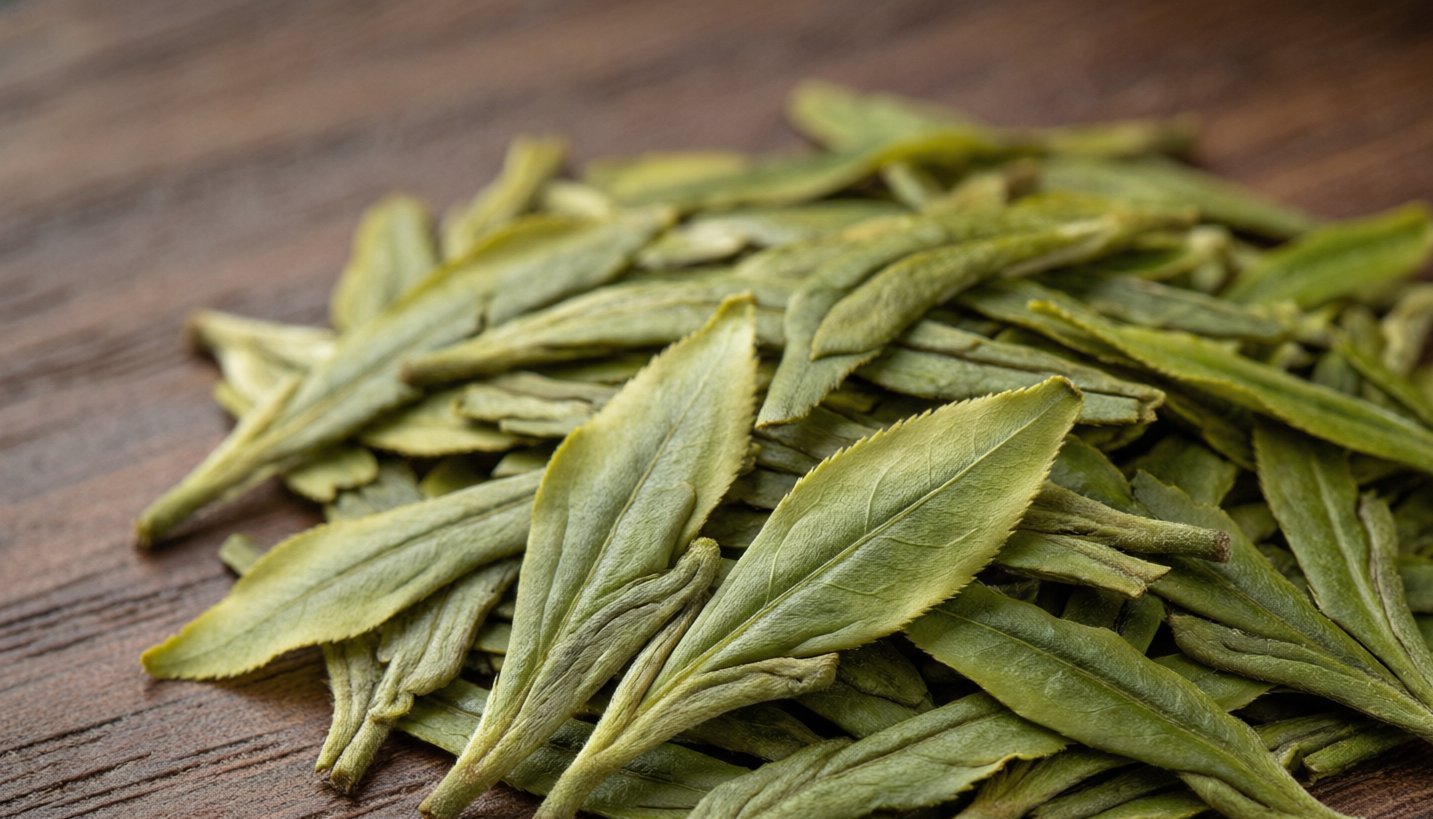
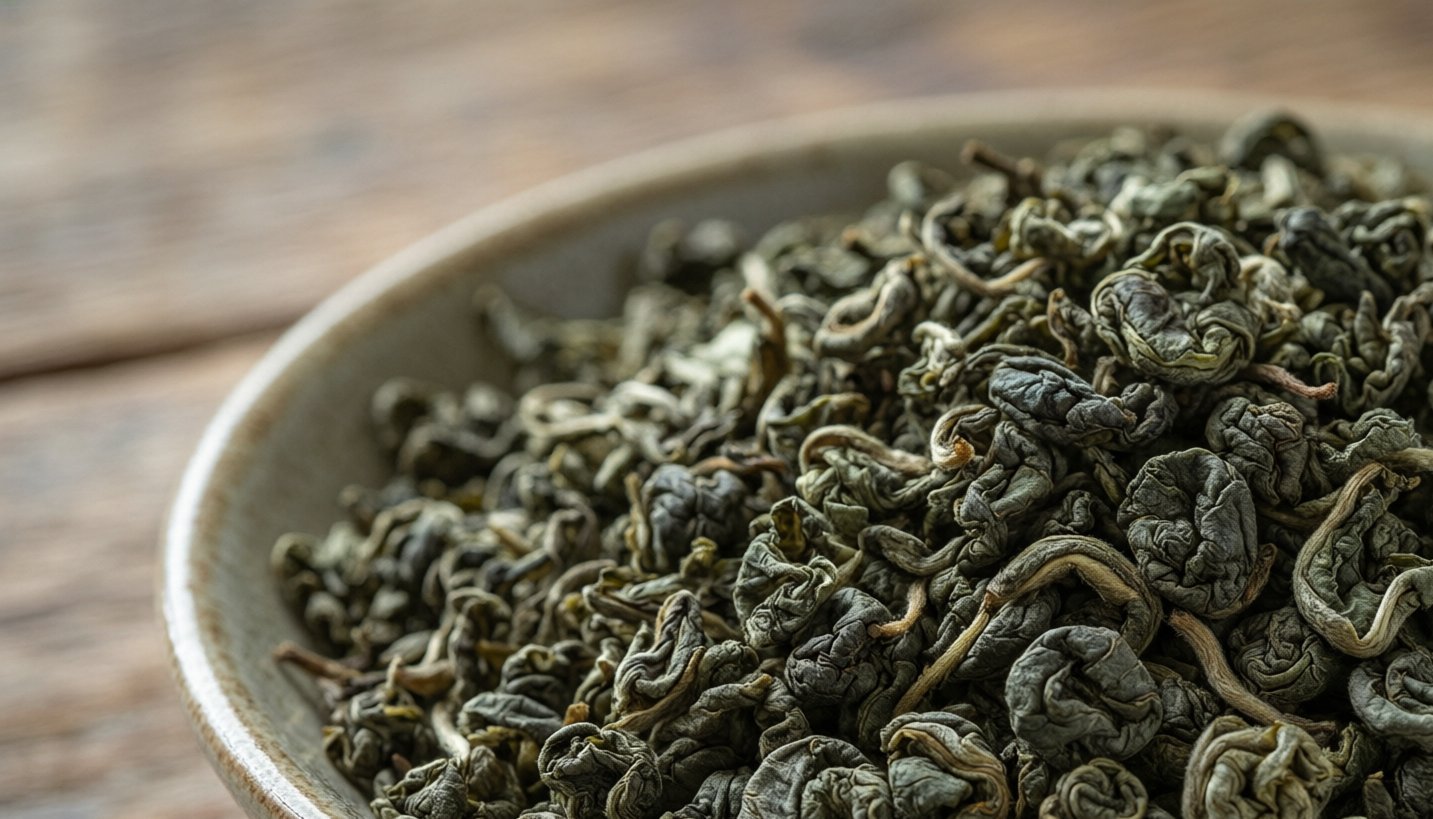
Steamed green tea should look clean, fresh, and specific. The dry leaf is usually deep green with a slight gloss, and the pieces are more uniform than broken, dull, or gray-brown leaves. Depending on the style, the leaf may be needle-shaped, twisted, or lightly curled, but it should not look like a random mix of sizes and colors. The fresh scent should come from the leaf itself rather than from the packaging.
Red Flag 1: The Dry Leaf Looks Dull, Broken, or Too Perfect
A dull, browned, or grayish dry leaf often means the tea is old, poorly stored, or was not processed as claimed. Authentic steamed green tea keeps more of its green pigment because steam fixation is fast and gentle, but the color should still look natural. A suspiciously bright, uniform green can be another warning sign, because some low-grade teas are colored or blended to imitate fresh spring material.
Rub a few dry leaves on a damp white paper towel and press lightly. If the leaves leave a clear green smudge, artificial color may be present. A little yellow-green transfer from leaf dust is normal, but a strong green stain warrants a closer look at the sample.
Red Flag 2: The Aroma Is Flat, Sour, or Artificially Perfumed
Authentic steamed green tea usually smells like fresh-cut grass, sweet corn, mung bean, steamed vegetables, or a light marine note. Those aromas should be present when the dry leaf is smelled and again after the leaves are warmed in a preheated cup. A fake or mislabeled tea often smells flat, papery, sour, or overly roasted. If the tea has a strong perfume or candy-like scent, the producer may be covering stale leaf or trying to imitate the fresh spring profile.
A clean steamed green tea should not smell sharp, smoky, or like hay. If the sample needs a marketing description to explain its aroma, trust your nose first.
Red Flag 3: The Brewed Liquor Tastes Bitter, Thin, or Brown
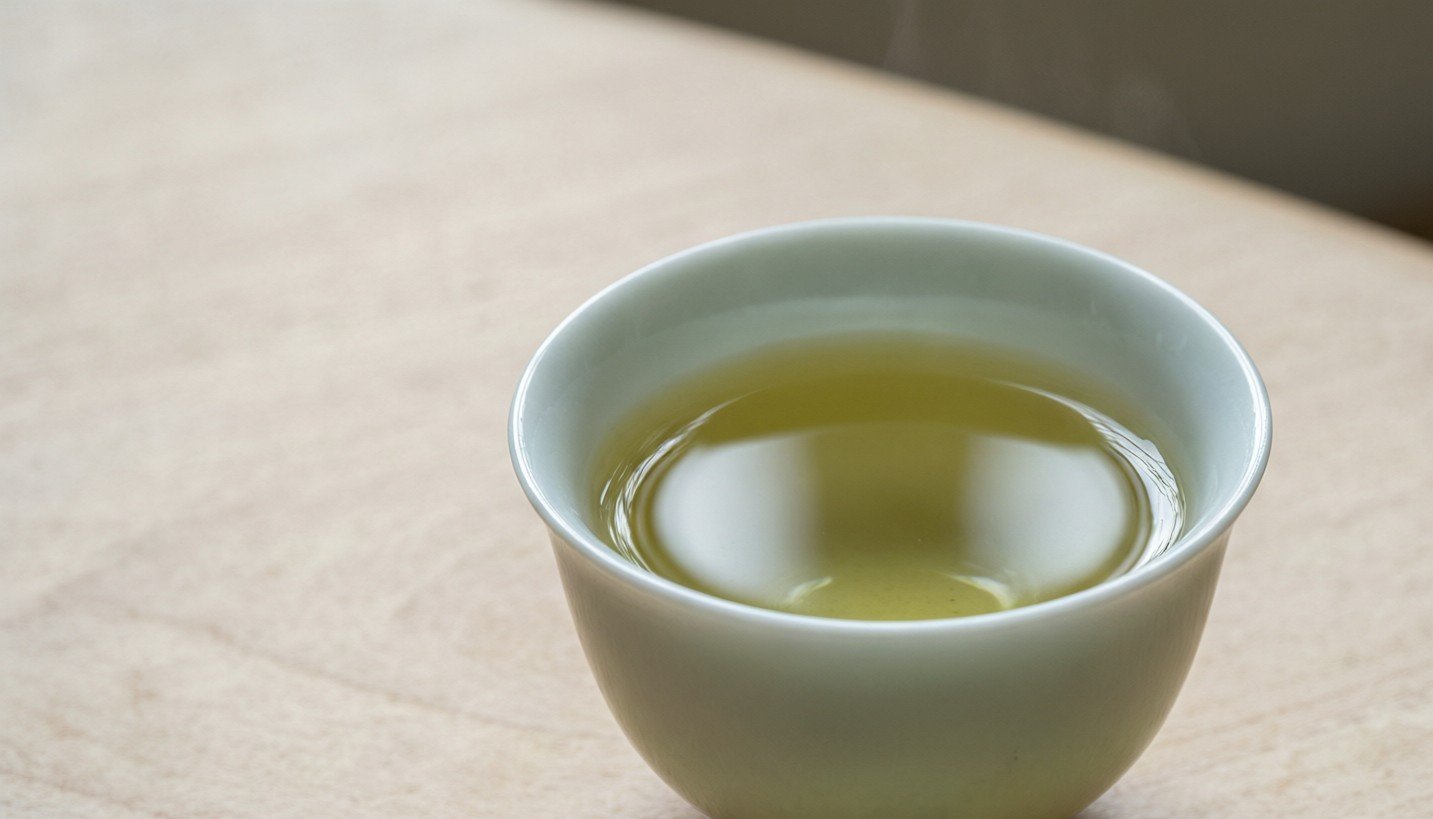
Brew a small sample with neutral water at about 80 degrees Celsius, or 176 degrees Fahrenheit. Authentic steamed green tea usually produces a clear, pale green to yellow-green liquor. The mouthfeel should be soft, juicy, and slightly savory, with a clean aftertaste. If the liquor is brown, cloudy, or unusually vivid green, the tea may be old, stored too hot, or artificially colored.
Bitterness alone does not prove a fake, because water temperature and steeping time also matter. But if a properly brewed sample is thin, sour, or harsh with no sweetness returning in the finish, the tea is probably not the grade it claims to be.
Red Flag 4: The Origin and Harvest Claims Do Not Line Up
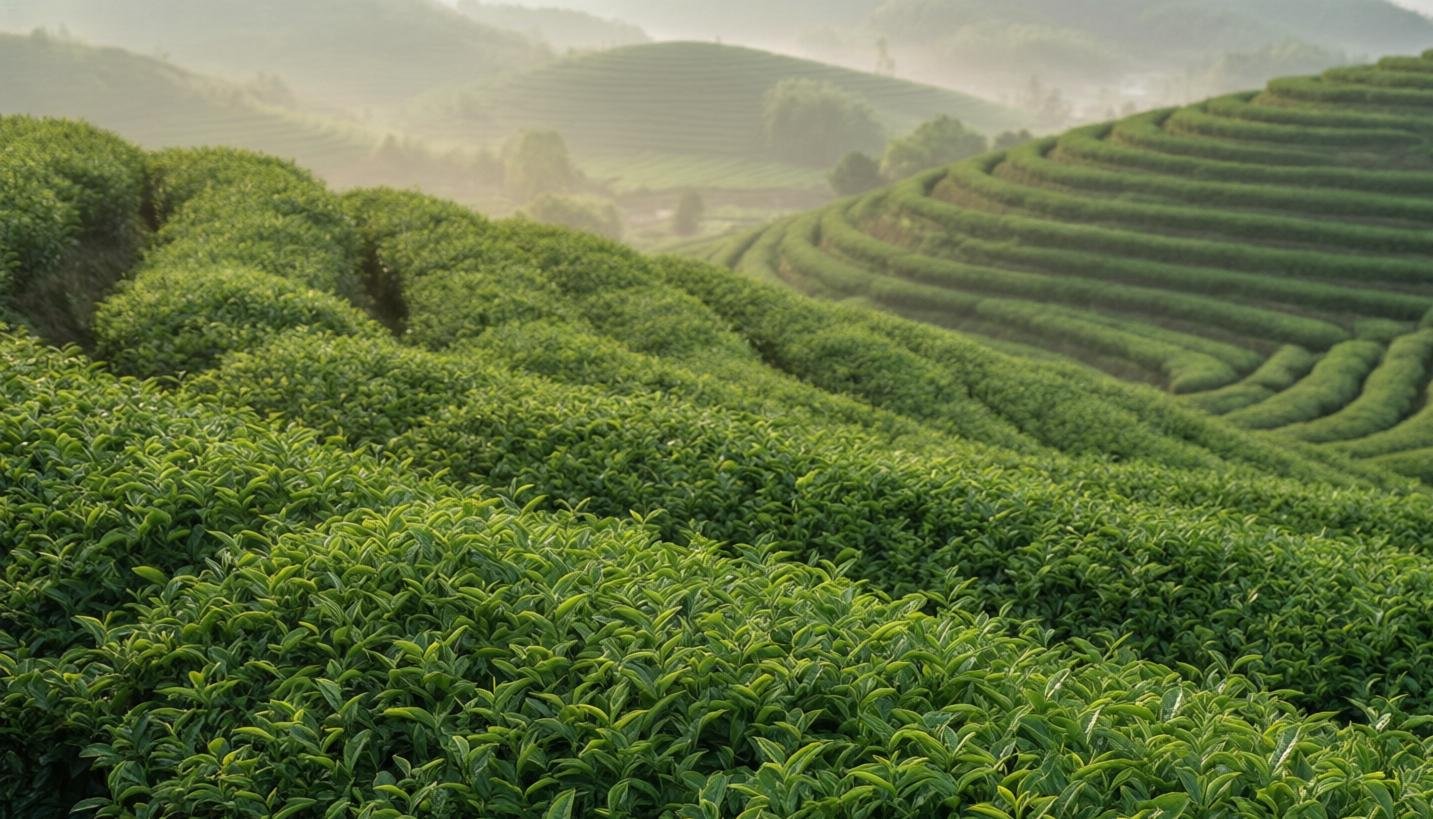
Steamed green tea is tied to specific production methods and often to specific regions. A supplier should be able to name the production area, harvest date, cultivar or tea bush variety, and the factory or processing method. Vague wording such as "premium green tea" or "fresh spring tea" without a lot number or harvest window is a warning sign.
Early spring labels are especially easy to misuse. Pre-Qingming tea is limited, but some sellers attach the name to late-spring or summer leaf because the buyer sees only the marketing term. Ask whether the tea is pure single-origin material or a blend. A blend is not necessarily fake, but it should not be sold as a single named lot.
Red Flag 5: The Price and Availability Conflict with the Harvest Calendar
A very low price is not proof of fraud, but it is a useful signal. If a tea is labeled as early spring, high-mountain, or bud-heavy steamed green tea and is still available year-round at a low price, at least one part of that story is likely wrong. Premium spring tea is seasonal, and the best lots move quickly. Late-season leaf, machine-harvested material, or blended tea can be sold honestly at lower prices, but the label should say what the buyer is actually getting.
Compare the quote against the stated harvest date, leaf grade, and quantity. If the supplier cannot explain why the price is far below the normal range for that harvest, treat the explanation as part of the sample evaluation.
| Check | Authentic signal | Warning sign |
|---|---|---|
| Dry leaf | Deep green, glossy, uniform, natural texture | Dull, brown, broken, or oddly bright green |
| Aroma | Fresh grass, sweet corn, mung bean, light marine note | Flat, sour, smoky, papery, or perfumed |
| Liquor | Clear pale green to yellow-green, soft, savory finish | Brown, cloudy, harsh, thin, or artificially green |
| Origin | Named area, harvest date, cultivar, lot or factory | Vague label, missing harvest window, borrowed spring term |
| Price | Consistent with season, grade, and harvest timing | Suspiciously low for the stated early-spring quality |
What to Ask Before You Buy
Request a small set that includes the dry leaf, brewed liquor, and the supplier's tea description. Ask for the exact production area, harvest date, processing method, and whether the tea is a single lot or blend. If the supplier has a pesticide test report or certificate, ask for the report number and the batch it covers. A good seller can answer these questions without hesitation.
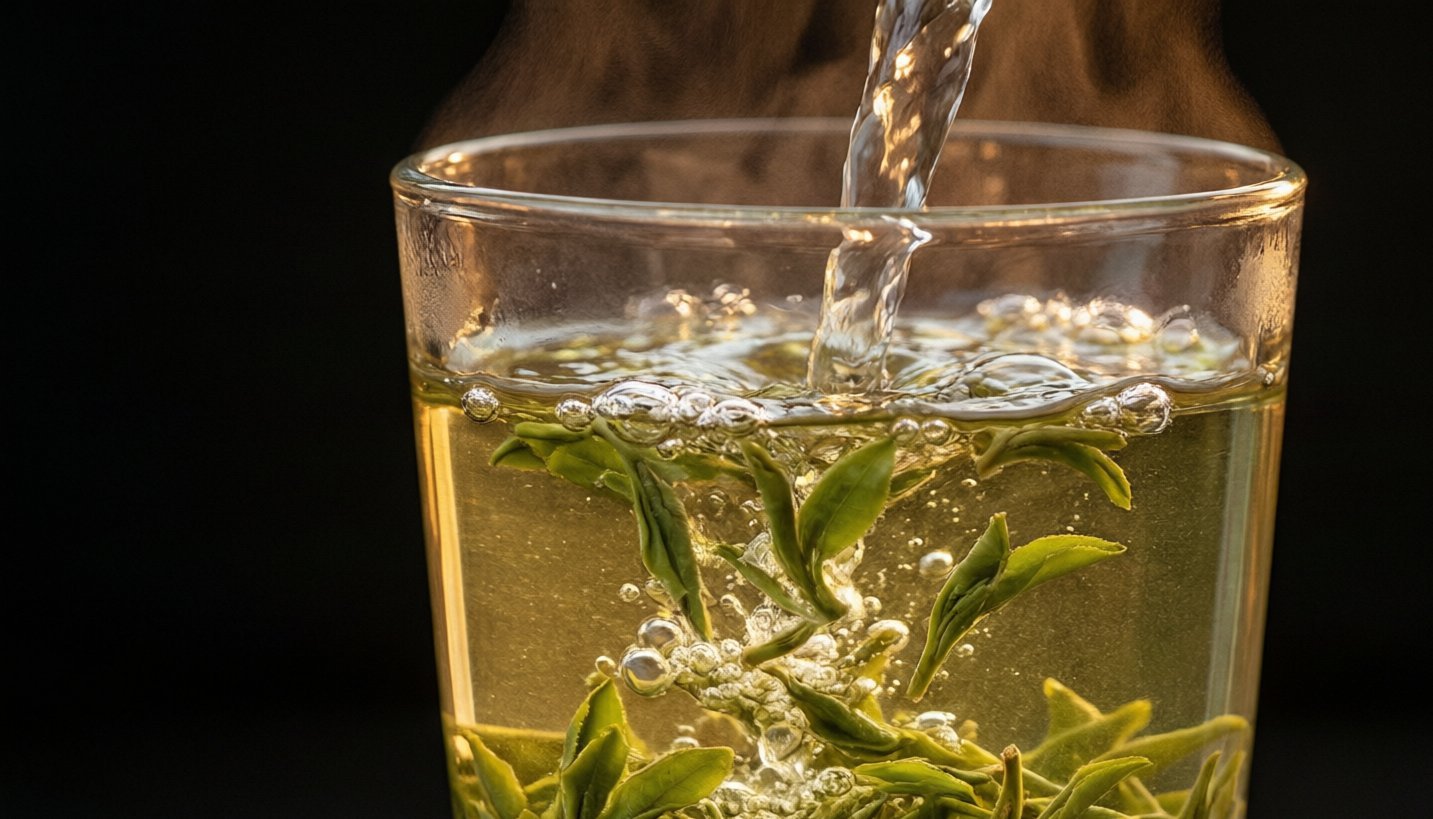
Pour the sample yourself instead of relying only on photos or a seller's tasting note. Use the same water, temperature, and cup for every sample so the comparison is fair. If the tea fails two or more of the checks above, it is usually safer to reject the lot or ask for a replacement sample.
Get the Right Sample Before You Commit
Send the tea name, harvest date, production area, leaf photos, brewed-liquor photos, and any available test report to Chinese tea suppliers at 427728483@qq.com. Include the target grade, quantity, and your required delivery window.
FAQ
Can a photo tell me whether steamed green tea is fake?
A photo helps, but it does not prove authenticity. Color can be changed by lighting, filters, or packaging, and a good-looking photo can still hide stale leaf. Ask for a short video or a sample set, then compare the dry leaf, aroma, and brewed liquor yourself.
Does dry-leaf color alone confirm a fake?
No. Color is one clue, not a final judgment. Some authentic steamed green teas are naturally lighter or darker depending on cultivar, harvest, and storage. Use color together with aroma, liquor clarity, origin information, and price.
Is a green mark on a wet paper towel always proof of dye?
Not always. A small amount of yellow-green leaf dust or fine broken particles can transfer to a damp paper towel. A strong, even green stain is more suspicious. When in doubt, compare the test with a known authentic sample and check whether the brewed liquor also looks unnaturally green.
Should I avoid all cheap steamed green tea?
No. Some lower-priced steamed green teas are young, machine-harvested, or late-season material sold honestly. The problem is when an inexpensive tea is labeled as premium early-spring material. Check whether the description matches the price and ask the supplier to explain the harvest and grade.
No author description available.

白玉京