How to Store Souchong Tea and Keep It Fresh Longer
How to store Souchong tea comes down to controlling five conditions: oxygen, moisture, heat, light, and surrounding odors. Souchong black tea, including smoked Lapsang Souchong and the less smoky Wuyi Souchong styles, loses freshness through repeated contact with those elements. The fix is a stable, dark, airtight storage setup. When those conditions are controlled, the tea can hold its character for months after opening and for longer in unopened bulk packaging, with the smoke note softening gradually rather than turning stale.
Why Souchong Tea Fades Faster Than Many Drinkers Expect
Souchong tea is not especially fragile compared with green tea, but it does have two traits that make careless storage obvious. The leaves are fully oxidized and often hold a light coating of pine-smoke compounds, which are volatile and sensitive to heat and air. The dry leaf is also porous enough to absorb moisture and strong smells from its environment. A loosely closed pouch on a bright kitchen shelf can flatten the top notes within weeks, while the same tea kept in a sealed tin in a dark cabinet can still smell lively months later.
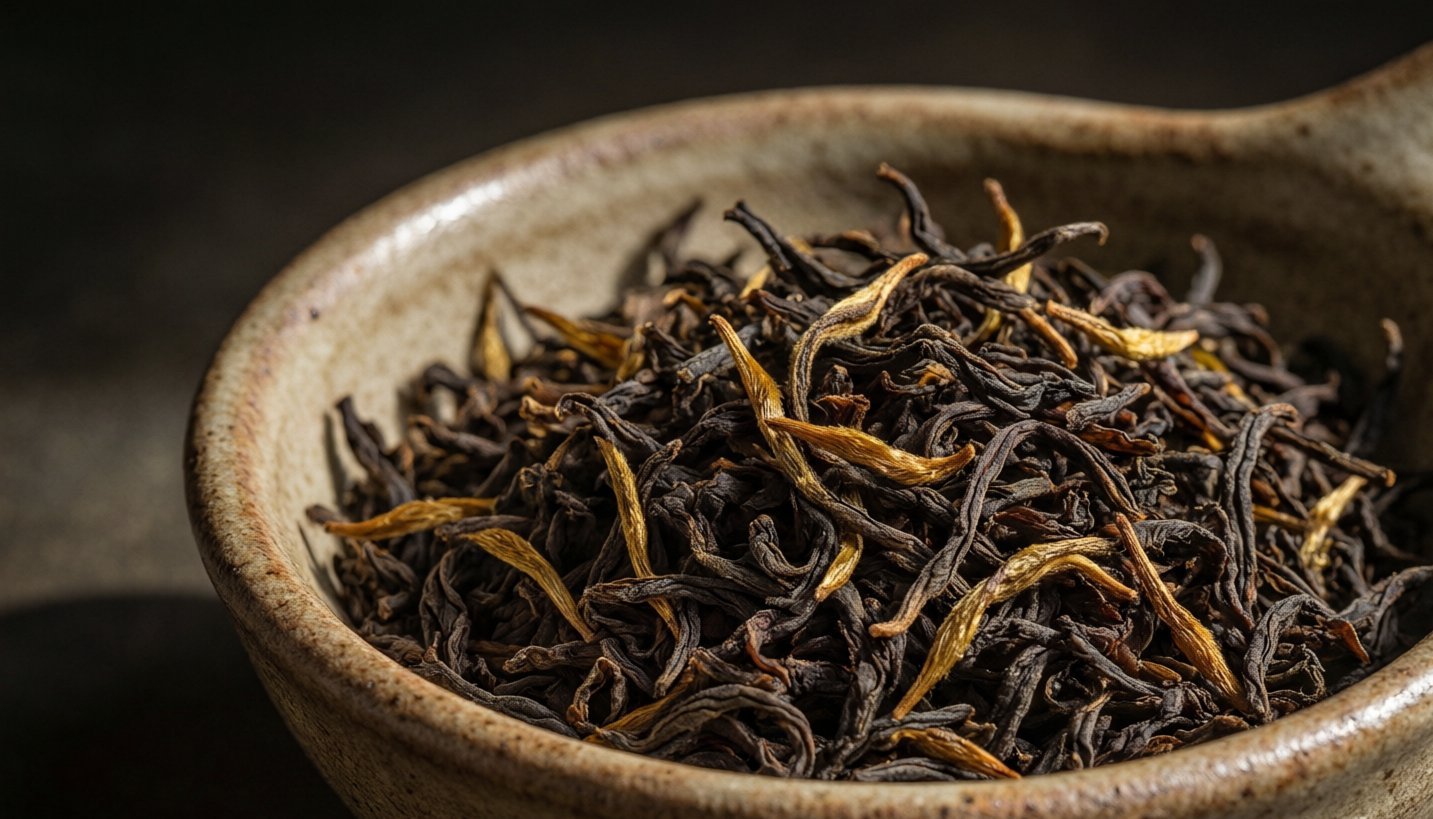
Souchong tea also shows age through its brewed cup. Fresh leaf tends to have a rounded sweetness under the smoke; older or poorly stored leaf can become thin, papery, and slightly harsh because the aromatic oils have evaporated while the remaining tannins become more prominent. Understanding this helps you judge whether storage conditions are working.
The Best Containers for Souchong Tea
The first rule is to choose a container that blocks air, light, and odor transfer. Food-grade resealable bags with an aluminum or foil layer work well, especially for split portions. Ceramic jars with a tight inner lid, lacquered metal tins, and glass jars with a reliable silicone gasket are also suitable, but clear glass only works if the jar stays inside a closed cabinet.
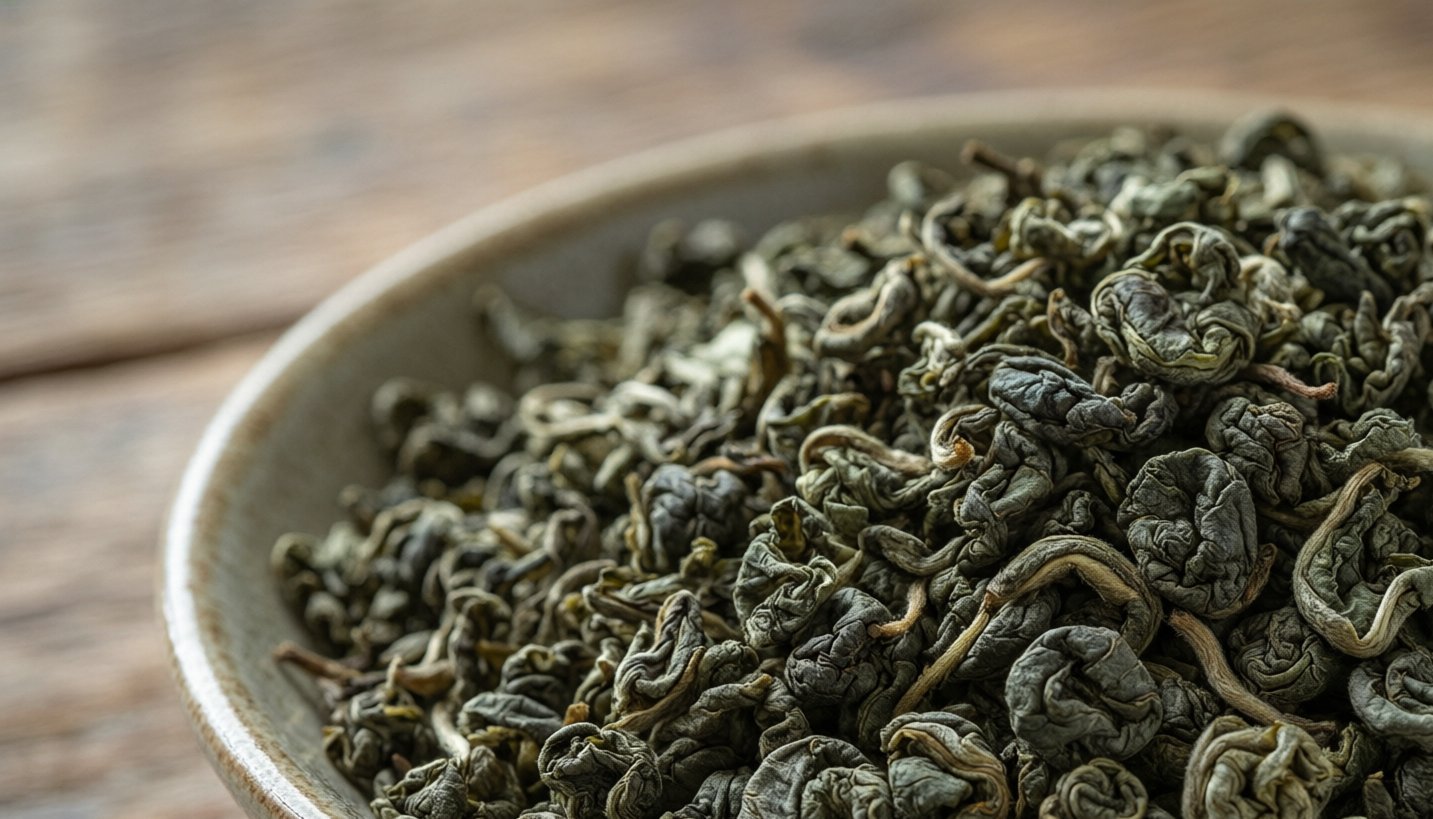
Avoid storing Souchong tea in the original paper bag or a loosely folded pouch once opened. Paper and thin plastic are useful for short-term shipping, but they allow continuous air exchange. If you keep the original bag, place it inside a second airtight container and press out as much air as possible without crushing the leaves.
Temperature, Humidity, Light, and Odor Control
Storage conditions matter more than the exact container, because a well-sealed tin left on a warm shelf will still lose aroma faster than a modest pouch kept in a cool dark place. Keep Souchong tea away from stoves, kettles, sunny windows, and appliances that release heat. A stable room-temperature cabinet is usually better than a storage spot that fluctuates between warm daytime and cold nighttime air.
| Storage factor | What to do | Why it matters |
|---|---|---|
| Air | Use an airtight seal and reduce headspace | Limits oxidation and evaporation of smoke and sweet aromatic oils |
| Moisture | Keep the tea dry and avoid damp areas | Prevents clumping, mold, and flavor absorption |
| Heat | Store away from direct heat and sunlight | Slows chemical changes that flatten the aroma |
| Light | Keep in an opaque container or dark cabinet | Protects leaf color and volatile aroma compounds |
| Odors | Isolate from coffee, spices, and cleaning supplies | Prevents the dry leaves from taking on foreign smells |
Souchong tea does not need aggressive climate control for everyday storage. The practical test is simple: after a few days in its storage spot, open the container and check whether the leaves still release a clean, slightly smoky sweetness rather than a stale or musty note. If the storage area smells like the kitchen or warehouse, the tea will eventually smell like it too.
Handling Opened Packs Without Losing Aroma
Every time you open the main container, you replace a small amount of protected atmosphere with room air. For daily use, divide a larger purchase into a small working jar and a larger reserve. Keep the reserve sealed and refill the working jar only when it is empty. This reduces the number of times the long-term supply is exposed to air and humidity.
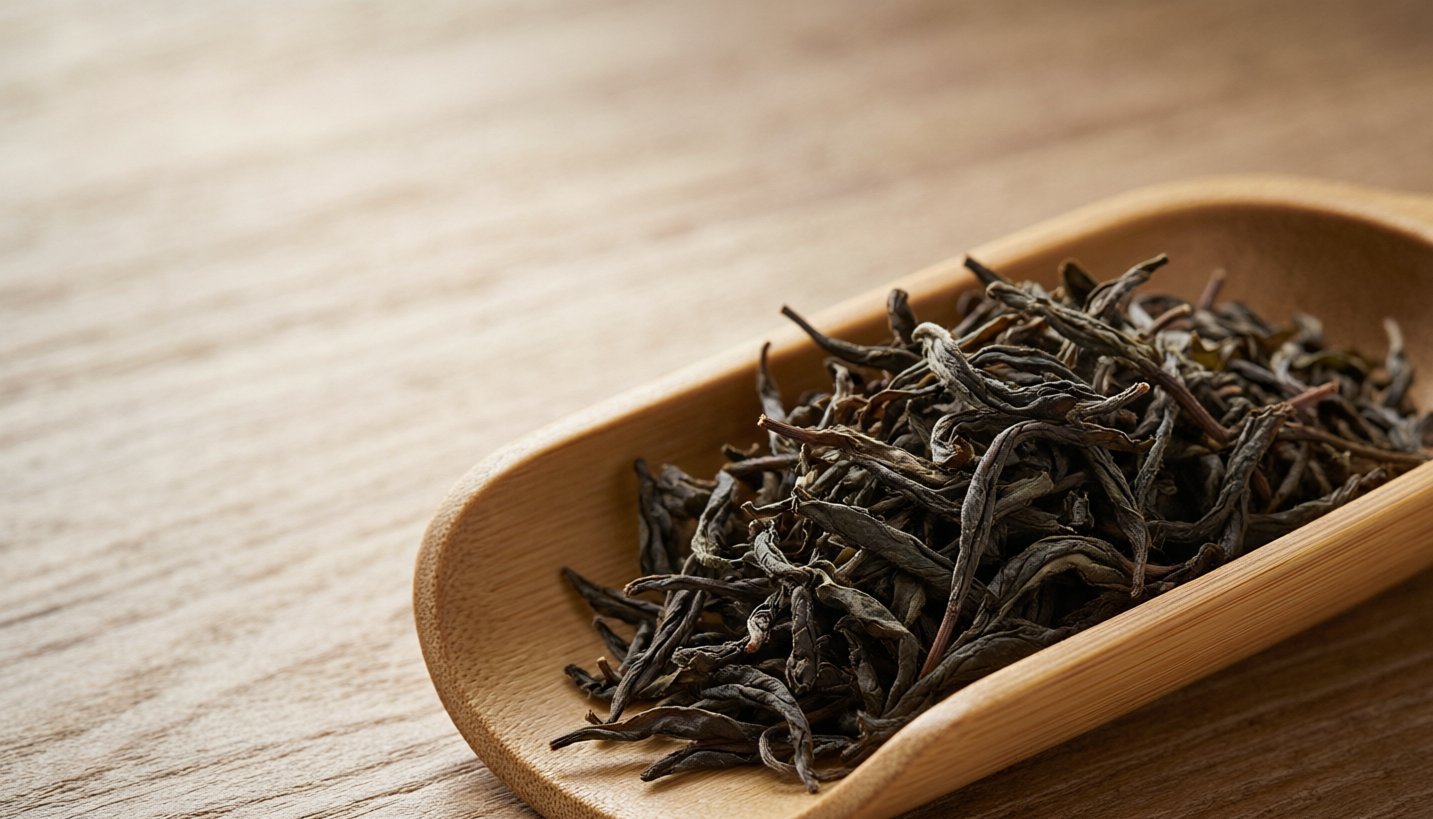
Use a clean, dry spoon or scoop to take leaves from the jar. Moisture from a wet spoon or from your hands can raise the local moisture level around the leaf and start the process of clumping and flavor loss. After scooping, close the container promptly rather than leaving it open while the water boils.
Bulk Storage for Souchong Tea Buyers
Wholesale and bulk buyers should think in layers. The primary pack should be a food-grade, moisture-barrier bag, ideally foil-lined or high-barrier plastic, and the secondary pack should be a clean carton that keeps the bag away from light, floor moisture, and rough handling. Pallets and shelves should be dry, clean, and off the floor, away from dock doors and heating pipes.
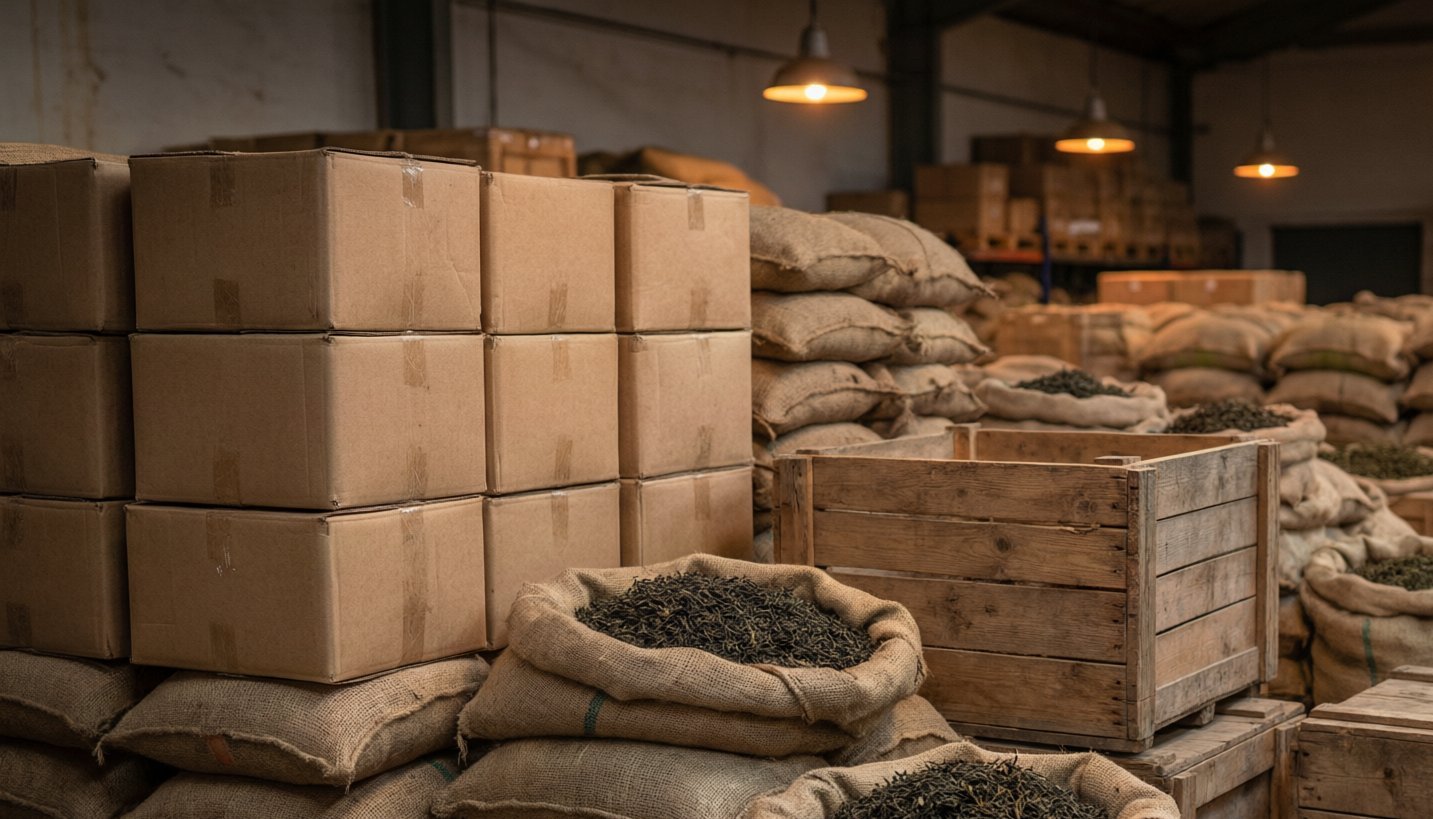
For longer stock, rotate inventory by first-in first-out and keep lot labels facing outward so older tea moves first. Souchong tea held for wholesale does not need to be refrigerated, but it should not be stored in a hot container or a damp warehouse corner. A stable, moderate environment preserves the smoked character better than repeated changes in temperature and humidity.
Signs Your Stored Souchong Tea Has Turned
Before brewing, look for visual and aromatic warnings. Dry Souchong leaf should be loose or lightly twisted, not clumping together. The smell should be clean, sweet, and smoky if the style is smoked, without a sour, musty, or stale oil note. Any visible mold, white fuzz, or dark wet spots means the tea should be discarded.
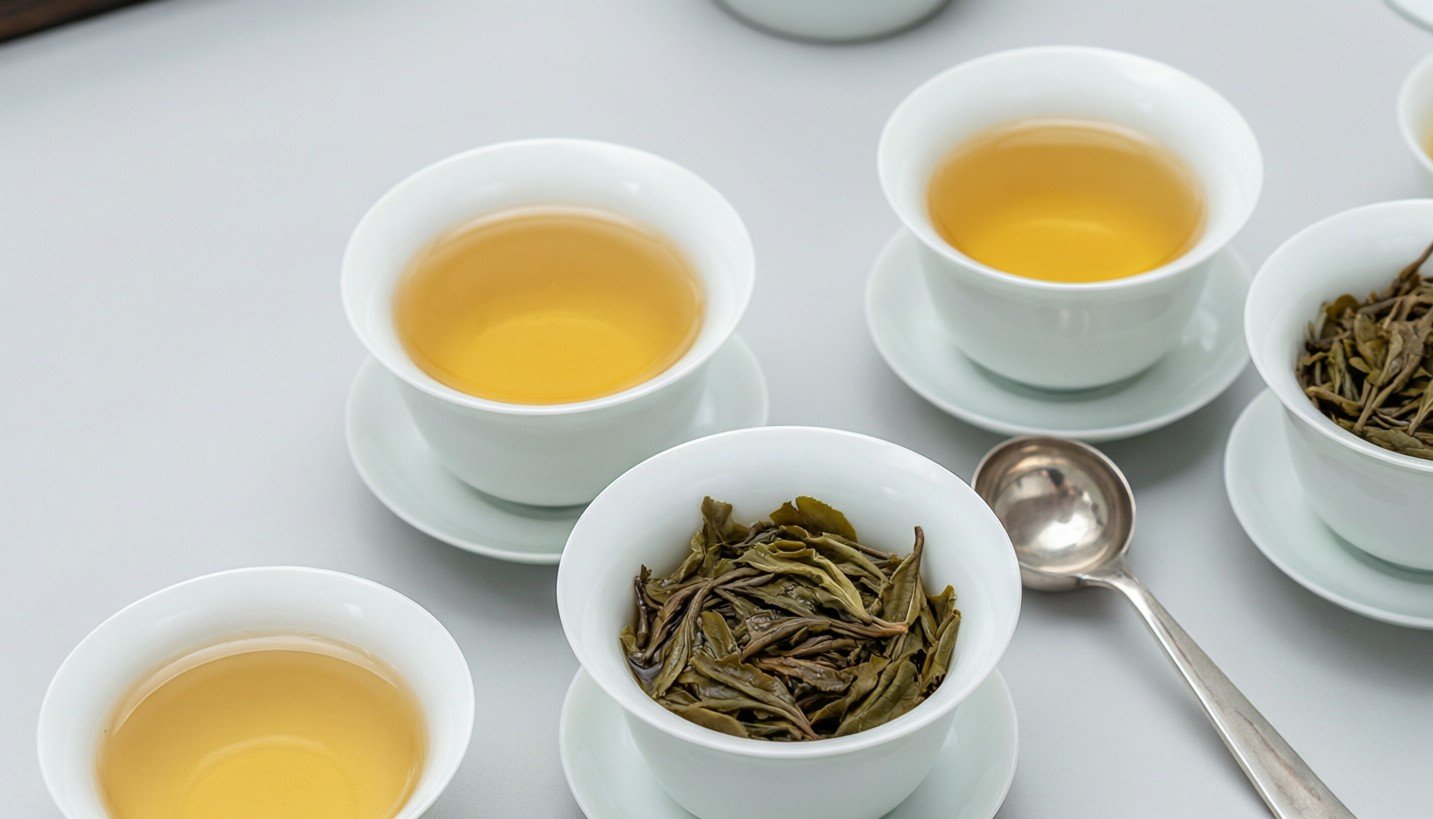
A weak or flat first cup is not always a sign of spoilage; it can simply mean the tea has aged or the water temperature was too low. The more serious signals are a stale odor when the dry leaf is warmed, a broth that tastes sour or dusty, or leaves that remain heavy and damp rather than expanding cleanly. If storage conditions were dry and sealed, old Souchong tea may still be drinkable even when the smoke has faded; if conditions were damp, do not keep it.
Sourcing Souchong Tea With Storage in Mind
If you are buying Souchong tea for retail or wholesale and want to confirm that the pack format, moisture level, and shipment conditions will protect its smoky freshness, send us your order size and storage plan. Chinese tea suppliers can help you select an appropriate pack and answer sourcing questions at 427728483@qq.com.
Frequently Asked Questions
Does Souchong tea need to be refrigerated?
Refrigeration is usually unnecessary for Souchong tea. Cold storage can create condensation when a pack is moved in and out of the cold, which introduces moisture when the leaves are most vulnerable. A stable, dark, airtight cabinet is the safer everyday choice, particularly for a smoked black tea whose aroma is more affected by heat and air than by time alone.
How long does Souchong tea stay fresh after opening?
With a sealed container and cool, dark, odor-free storage, dry Souchong tea can keep its best character for several months after opening, with the smoky top notes softening gradually. There is no fixed date that applies to every pack, because the original moisture level, packaging, and opening frequency matter more than time alone. When the cup becomes flat but not sour or musty, the tea is safe to drink but past its peak.
Can I store Souchong tea in a glass jar?
A glass jar works if it has an airtight gasket and is kept inside a closed cabinet. Clear glass on a counter exposes the leaf to light and daily temperature swings, which can fade the smoke note and sweetness. If you prefer glass for display, choose dark or UV-protective glass and store it away from direct light.
Does the smoky aroma fade even in sealed packaging?
Yes, even well-sealed Souchong tea can lose some of the high, smoky top notes over time because the volatile compounds that carry them slowly break down. Airtight storage slows that process, but it does not stop it completely. The goal is to slow the loss enough that the tea still tastes balanced and clean when brewed, not to make the original aroma last indefinitely.
No author description available.

白玉京