Fujian Black Tea for Western Importers: Sourcing and Demand
Fujian black tea is not a single product but a family of styles that can serve different parts of a Western importer's catalogue. The practical opportunity is narrower and more durable than buying a generic black tea. An importer who understands the differences among Lapsang Souchong, Jinjunmei, Zhenghe Gongfu, Tanyang Gongfu, and Bailin Gongfu can choose lots that fit a retail shelf, a tea bag line, a foodservice menu, or a private label without forcing one tea into every job.
This guide explains the styles, quality signals, and sourcing checks that matter when you are deciding where Fujian black tea belongs in your range.
What Makes Fujian Black Tea Worth Sourcing
Western buyers often treat black tea as a known quantity. They compare Assam, Ceylon, and breakfast blends on strength, colour, and price. Fujian black tea competes on a different part of the value chain. It offers defined origin character, skilled oxidation and firing, and enough variety to support both premium loose leaf and everyday formats.
The mechanism behind that character is not mysterious. Leaf cultivar, withering time, rolling method, oxidation control, and final drying all shape whether the cup becomes malty, fruity, smoky, or smooth. That gives an importer more positioning room than a generic black tea offers, but it also means the buying decision needs more specification. A lot that works for a delicate premium line may disappear in a breakfast blend, while a heavily smoked lot can dominate a blend unless the smoke character is intentional.
Fujian Black Tea Styles Importers Should Know
The table below separates the main Fujian black tea styles by flavour direction, Western channel fit, and the sourcing issue most likely to affect the decision.
| Fujian style | Flavour direction | Best Western channel | Main sourcing check |
|---|---|---|---|
| Lapsang Souchong | Smoky, pine resin, savoury | Specialty retail, gift sets, smoky blends | Confirm smoke type and intensity from the actual batch |
| Jinjunmei | Honeyed, malty, smooth | Premium loose leaf, private label | Check bud proportion and origin traceability |
| Zhenghe Gongfu | Malty, cocoa-like, rounded | Everyday premium, tea bags, foodservice | Confirm leaf grade and lot consistency |
| Tanyang Gongfu | Sweet, fruity, full-bodied | Specialty retail, blends, RTD pilots | Check cultivar and oxidation level |
| Bailin Gongfu | Dried fruit, soft, slightly floral | Premium everyday, hotel or restaurant supply | Confirm leaf quality and shelf performance |
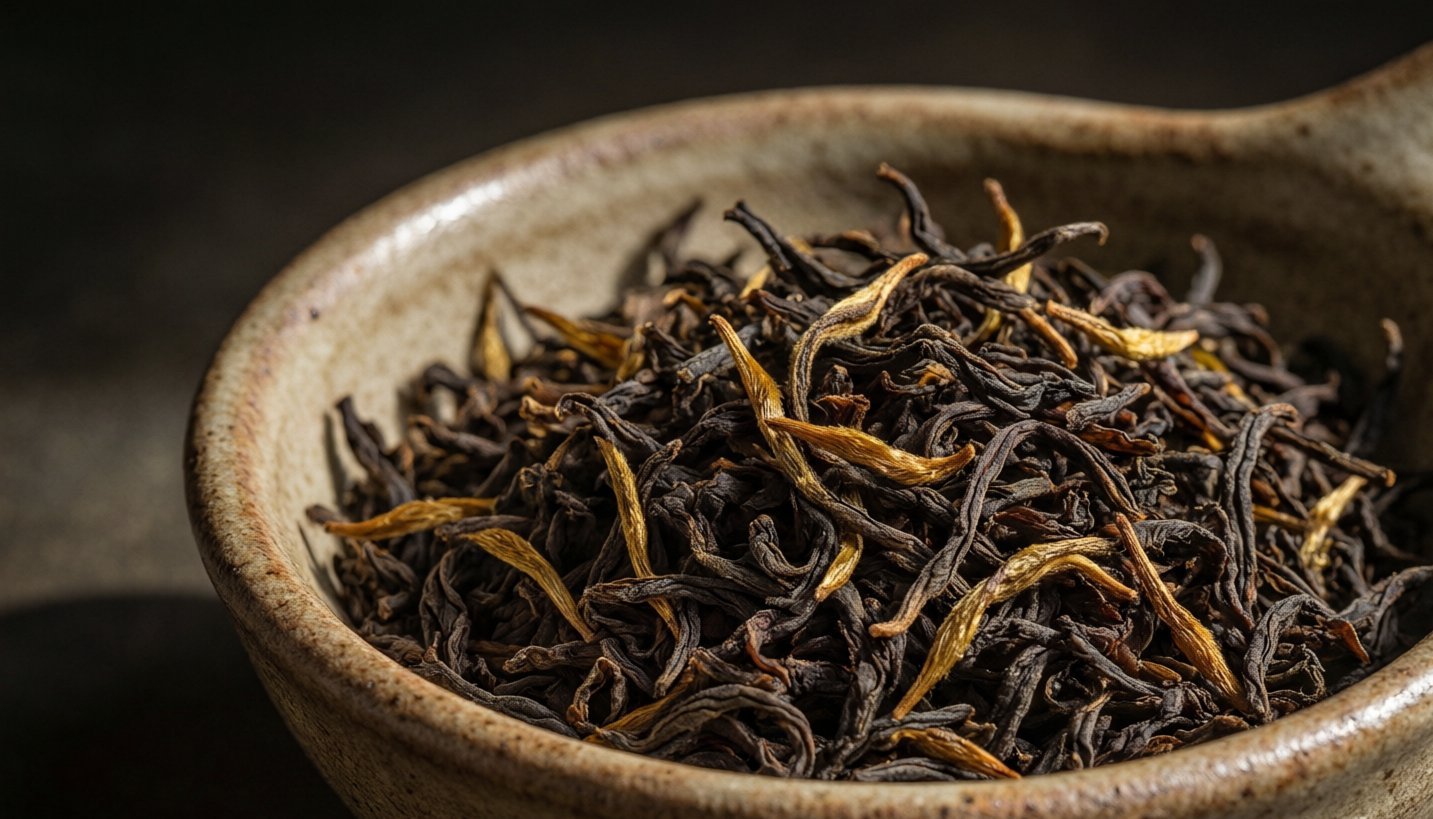
These styles do not replace each other. A buyer who wants a clean morning tea may prefer Zhenghe Gongfu over Lapsang Souchong, while a retailer building a smoky tea collection may want Lapsang front and centre. The useful decision is not which Fujian black tea is best in general, but which style fits the format and the purchaser's promise to the final customer.
Harvest, Grade and Processing Signals That Change Price
Price differences in Fujian black tea usually start before the leaf reaches the factory. Early spring harvests with a high proportion of buds produce more aromatic, textured liquor, but they require more labour and more careful oxidation control. Larger, later-picked leaves can still make a satisfying everyday tea, but they tend to sit at a lower price point and may need more aggressive firing to hold their shape during transport.
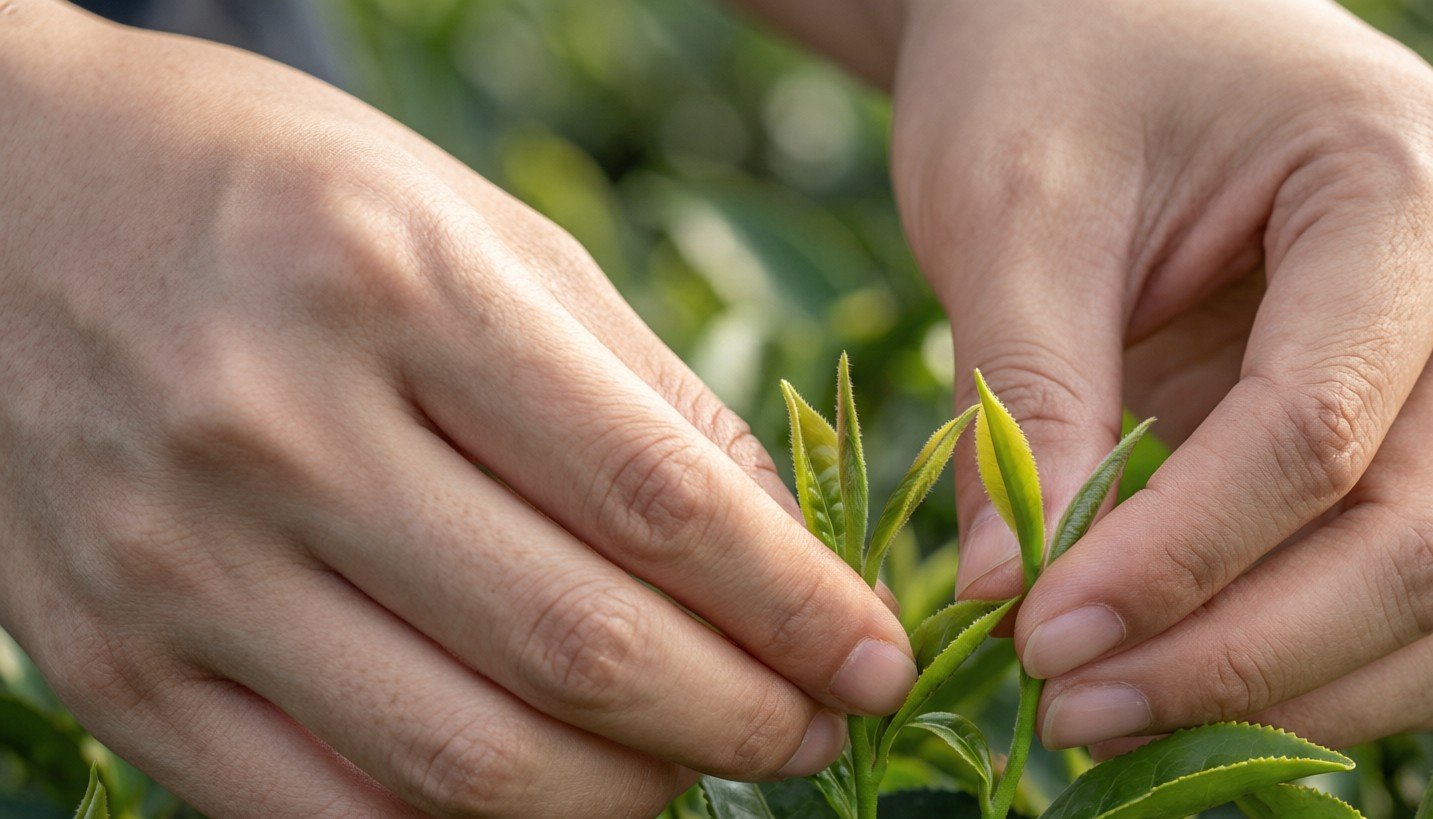
Processing choices change the final product in ways that are easy to overlook on a data sheet. A slow wither allows more aromatic compounds to develop, but it also takes time and holding capacity. Longer oxidation deepens the malt and cocoa notes, while over-oxidation can flatten the cup and make the tea taste dull rather than full. The final firing locks in shelf life and can add a caramel or roasted edge, but excessive heat can cover a weak leaf instead of fixing it. When comparing lots, ask for the harvest period, leaf grade, and firing character, not just the grade name.
Where the Practical Import Opportunity Sits
For importers, the opportunity is rarely in competing with the cheapest black tea on the market. The more workable positions are in categories where origin, flavour clarity, and a consistent story justify a higher margin.
Premium loose leaf works when the tea can be sold in smaller packs with clear brewing guidance and origin detail. Tea bag and foodservice formats work when the chosen style holds its strength in shorter infusions and when lot consistency is reliable enough for repeat supply. Private label works when the importer can match a style to a brand promise, such as a smooth breakfast tea or a smoky evening tea. Gift and hospitality formats work when the packaging and presentation help the buyer justify the price.
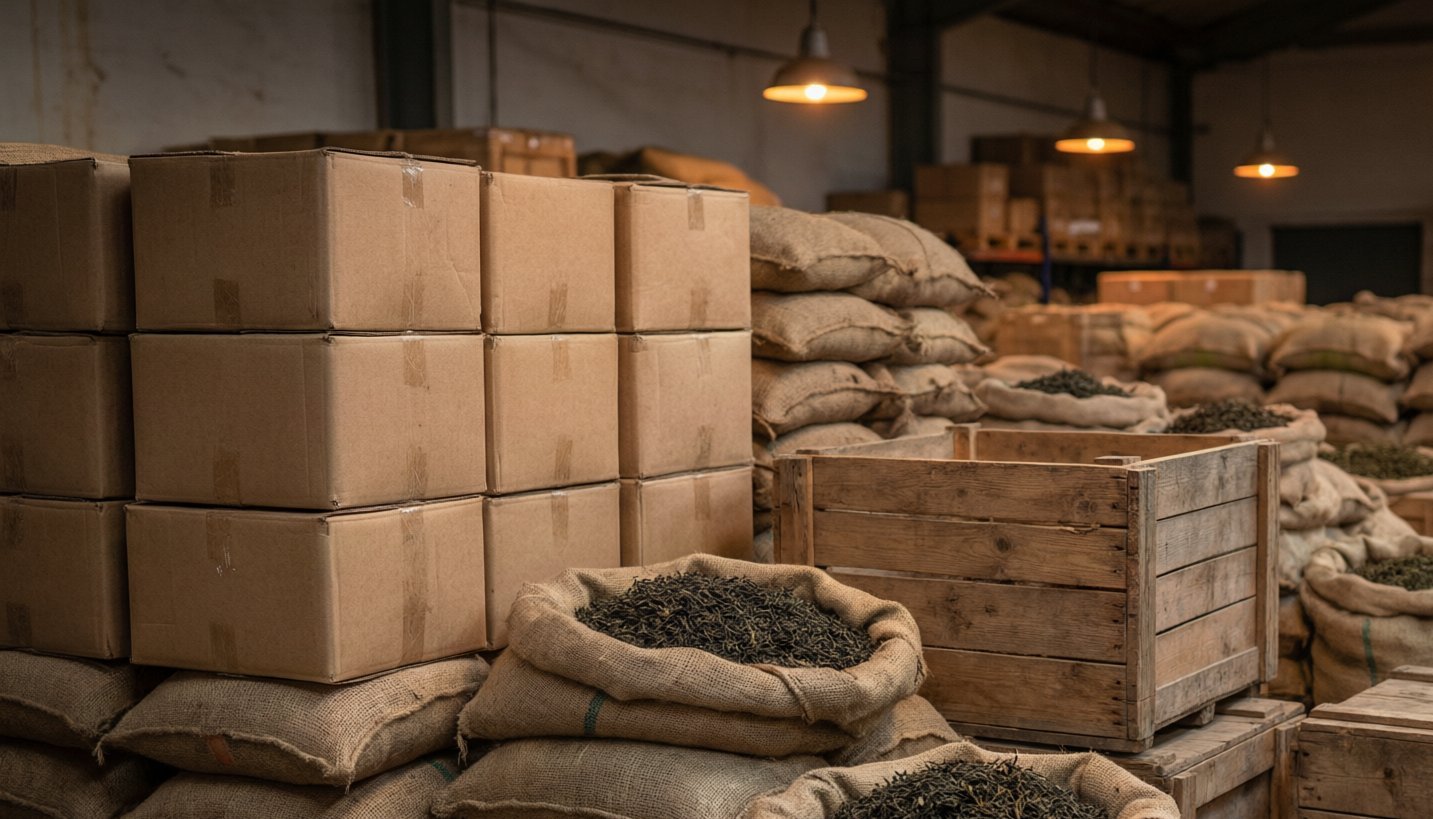
Bulk buying does not remove the need for style selection. A container of mixed or undifferentiated Fujian black tea may look cheaper on paper, but it can be harder to sell because the customer cannot clearly identify what makes the tea worth buying. The better import opportunity is usually a smaller range of clearly specified lots that each have a defined use.
Sourcing and Compliance Checks Before Buying
A workable Fujian black tea purchase depends on more than a favourable sample. Samples prove what the supplier could produce at one point in time, while an import programme needs repeatable quality and destination-market compliance.
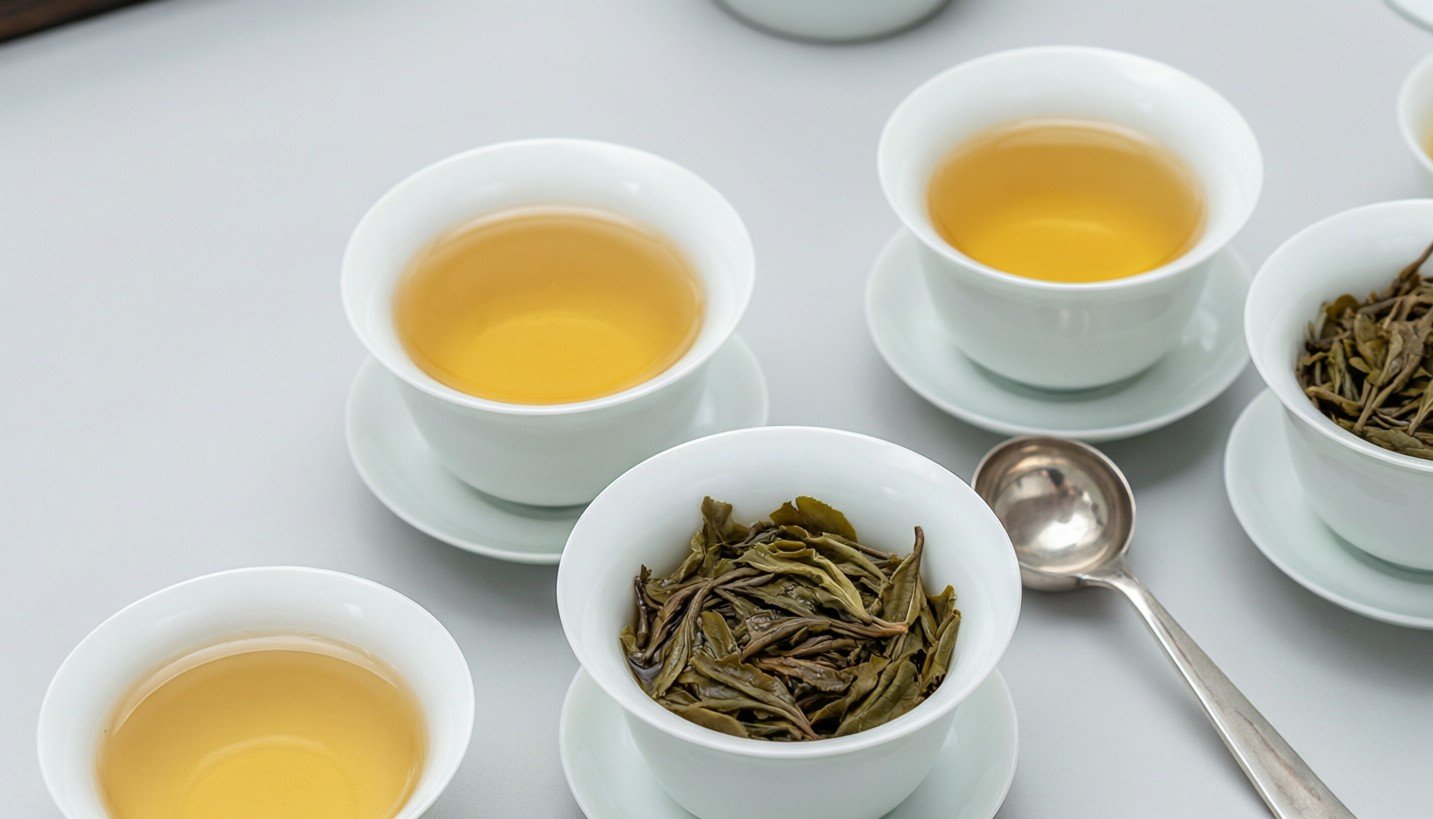
Start by cupping the actual lot against a reference sample or a previous approved batch. The first check is whether the liquor, leaf appearance, and aroma line up with the grade and style the supplier declared. Then look for consistency indicators: leaf size distribution, presence of broken material, moisture level, and any sign of uneven oxidation or firing.
Before committing, confirm the documentation you need for your market. Ask for pesticide residue test results that follow the relevant export protocol, product specification sheets, packing details, and any certification that the destination buyer expects. Storage and transport conditions also matter because Fujian black tea can lose its aromatic edge if it is kept wet or packed in unsuitable material. A precise specification protects you more than a general promise of quality.
Positioning for Retail, Foodservice and Private Label
The way you position Fujian black tea should follow the style, not the other way around. A Lapsang Souchong may succeed in a gourmet or cocktail-focused range because its smoke is memorable, while the same tea could fail in a mainstream breakfast section where consumers expect a smoother cup. A Jinjunmei or Bailin Gongfu can carry a premium story if the packaging explains the bud grade, the harvest, and the expected cup character.
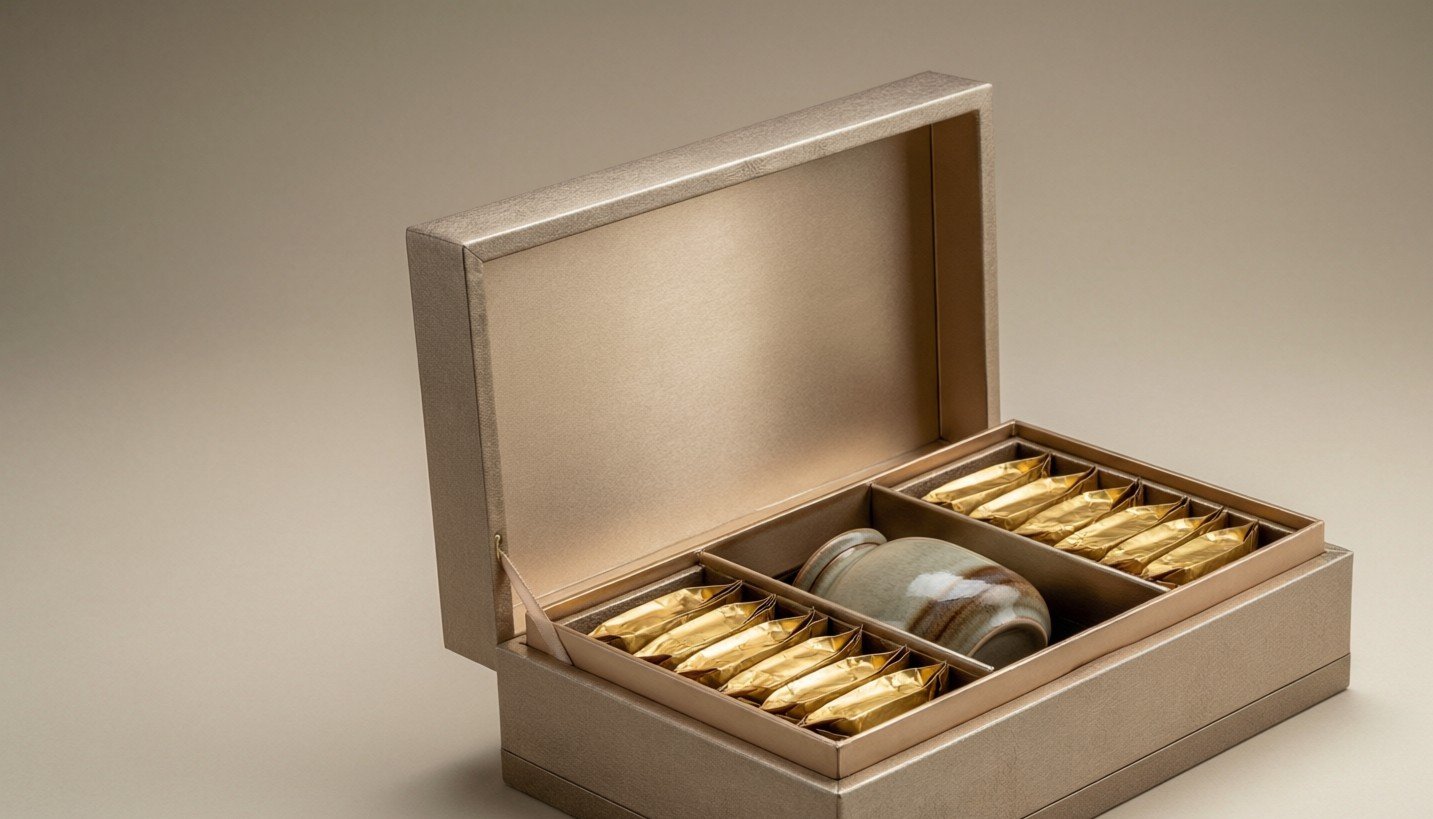
For foodservice, short, practical brewing instructions matter more than a long origin story. For private label, consistency across production batches matters more than a single exceptional sample. In every channel, the positioning should tell the buyer what to expect before they taste, so the tea does not have to sell itself through surprise.
Turn the Opportunity into a Sourcing Brief
Before sampling, define the style, grade, harvest window, target pack size, retail price point, and destination compliance requirements. That brief allows a supplier to recommend matching Fujian black tea lots instead of sending a broad list. Send those details to Chinese tea suppliers at 427728483@qq.com for a shortlist that fits your market.
FAQ
What is the difference between Fujian black tea and Assam or Ceylon black tea?
Fujian black tea tends to be more aromatic and varied in cup character, with a wider range from smoky to honeyed to soft and fruity. Assam and Ceylon black teas are often chosen for strength and briskness in blends. Fujian styles can work in blends, but they usually add complexity rather than simply darkening the cup.
Which Fujian black tea style is easiest to sell in Western retail?
Zhenghe Gongfu is often the easiest entry point because its malt and cocoa notes are familiar to consumers who already drink black tea. It can move into tea bags, loose leaf, or private label without demanding a strong education story. Lapsang Souchong is easier to differentiate but more polarising.
Do Fujian black teas require special storage?
They do not need refrigeration, but they need dry, cool, sealed storage away from strong odours. Smoked styles should be packed separately so the smoke character does not transfer to other teas. Airtight packaging and a stable warehouse temperature help preserve the aromatic quality.
What should importers check before signing a contract?
Check the actual lot sample against the specification, request residue test results, confirm the leaf grade and harvest period, and agree on packing and moisture standards. Ask for a reference batch or approval sample system so repeat shipments can be compared with the first approved lot.
Is Fujian black tea suitable for RTD or tea bags?
Selected styles can work because their flavour holds up in shorter infusions. Zhenghe Gongfu and Tanyang Gongfu are more practical for these formats than a very smoky or very delicate lot. The key is to test the chosen lot in the exact intended brewing time and concentration, not to assume that a strong loose-leaf flavour will transfer automatically.
No author description available.

白玉京