How to Judge Wuyi Rock Tea Quality in 30 Seconds
Wuyi Rock Tea quality can be screened quickly when you check the right markers in order: dry leaf shape and roast, dry aroma, liquor color and mouthfeel, then wet leaf and aftertaste. Yancha is an oolong from the Wuyi Mountains, but not every tea carrying the name has the mineral depth buyers pay for. A 30-second check will not certify a lot; it separates batches worth a full cupping from those that fail on basic leaf, roast, or liquor signals before you spend more time and money.
Start With the Right Quality Target
In rock tea, quality is not only about the cultivar. Rougui, Shuixian, Dahongpao, and Qilan can all be excellent or ordinary depending on origin, plucking standard, roast skill, and leaf handling. The first task is to define what you are checking: identity, condition, or grade. Some checks confirm the tea is genuinely rock tea and not an outer-mountain oolong. Others confirm the batch was stored cleanly and roasted without fault. Others still distinguish everyday commercial grade from zhengyan or complex blended reserve material. Do not let a single strong point, such as a heavy roast or a famous name, stand in for the full picture.
Dry Leaf: Shape, Uniformity, and Roast Signs
Begin with the dry leaf. Good Wuyi Rock Tea is twisted rather than tightly rolled like many Anxi oolongs. The leaves should be relatively uniform in size and color, heavy for their volume, and dry enough to snap but not so brittle that the batch is mostly dust. A glossy or slightly oily surface is a positive sign; a dull gray or dry appearance often points to weak roast, old leaf, or poor storage. Some broken pieces are normal after transport, but a high proportion of powder or chopped leaf reduces batch value.
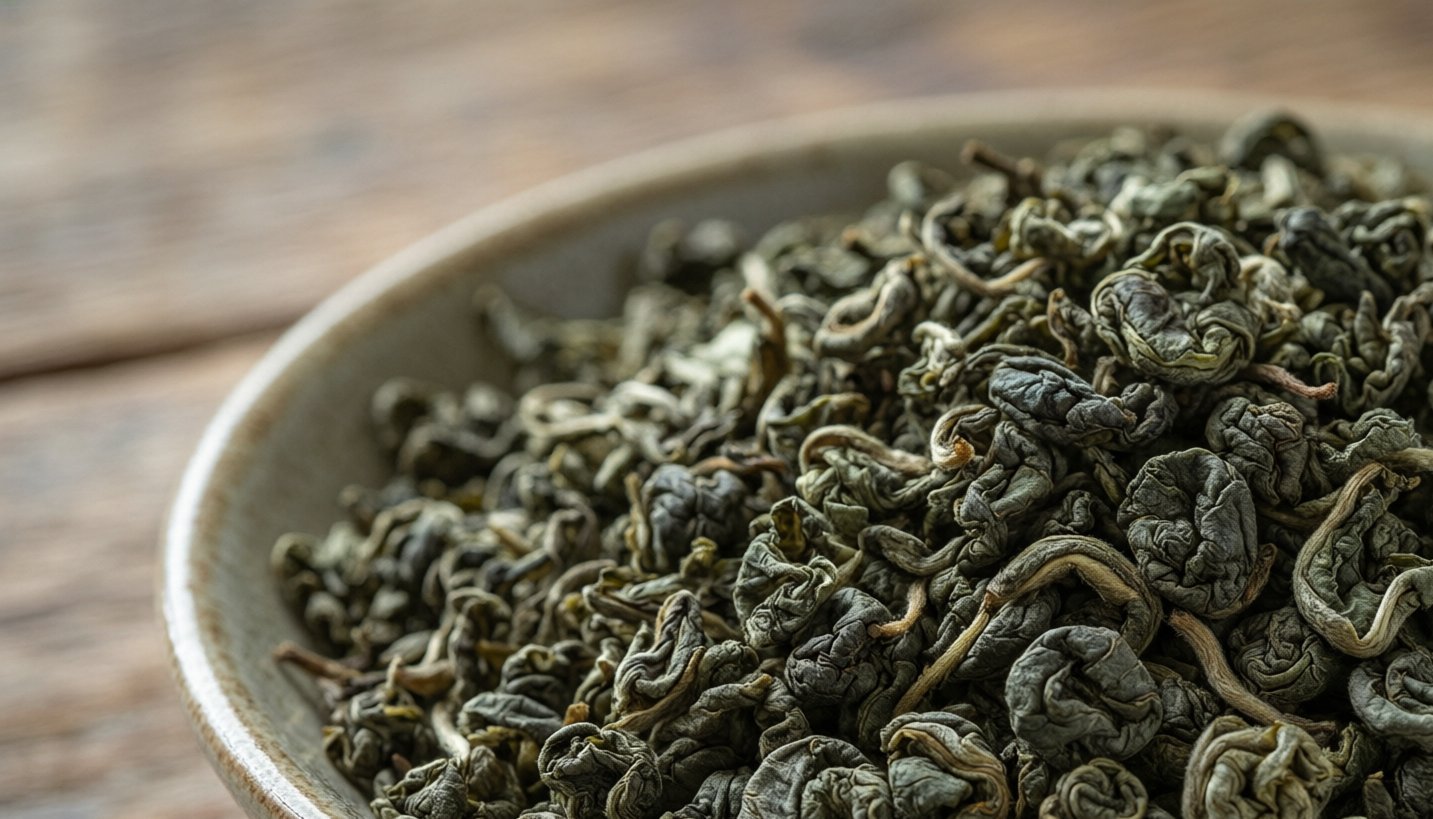
Smell the dry leaf before adding water. The aroma should be clean and warm: baked grain, dried fruit, orchid, cinnamon, or stone fruit depending on cultivar and roast. Be suspicious of sour, wet-paper, smoked, moldy, or empty notes. A roast that smells like charcoal ash rather than integrated sweetness is a defect signal.
Aroma: The Quickest Honesty Test
Aroma tells more in a few seconds than many descriptions. After a quick rinse or on the first steep, check whether the fragrance rises from the cup and remains clear. Strong aroma is not the same as quality. A loud but sharp or alcoholic note can come from over-roasting, young leaf, or processing faults. Quality aroma holds together: it has a top note and a deeper roasted or mineral base, and it does not collapse into wet leaves, sourness, or smoke.
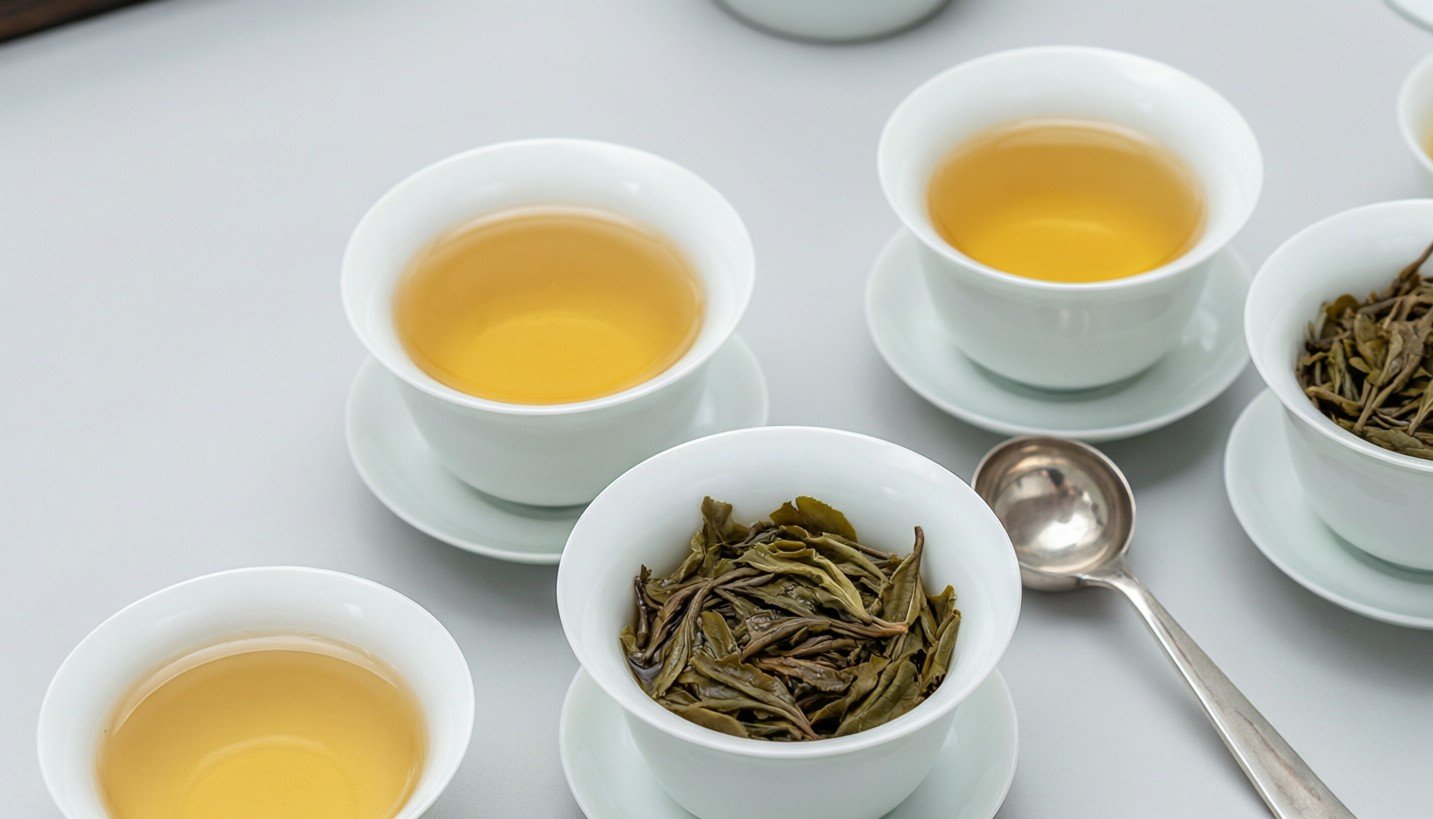
Pay attention to the empty cup. With good yancha, the cup often keeps a sweet mineral and floral scent after the liquor is gone. This linger is one of the practical signs of good raw material. If the empty cup smells only of char or nothing, the tea may lack the base material to age or re-steep well.
Liquor Color, Body, and Yanyun
Look at the liquor. Wuyi Rock Tea should be clear and bright, usually golden, amber, or light orange depending on roast and oxidation. Cloudiness, gray tones, or a flat brown that looks like weak coffee are warning signs. Clarity is not optional; filtration or storage problems often show here.
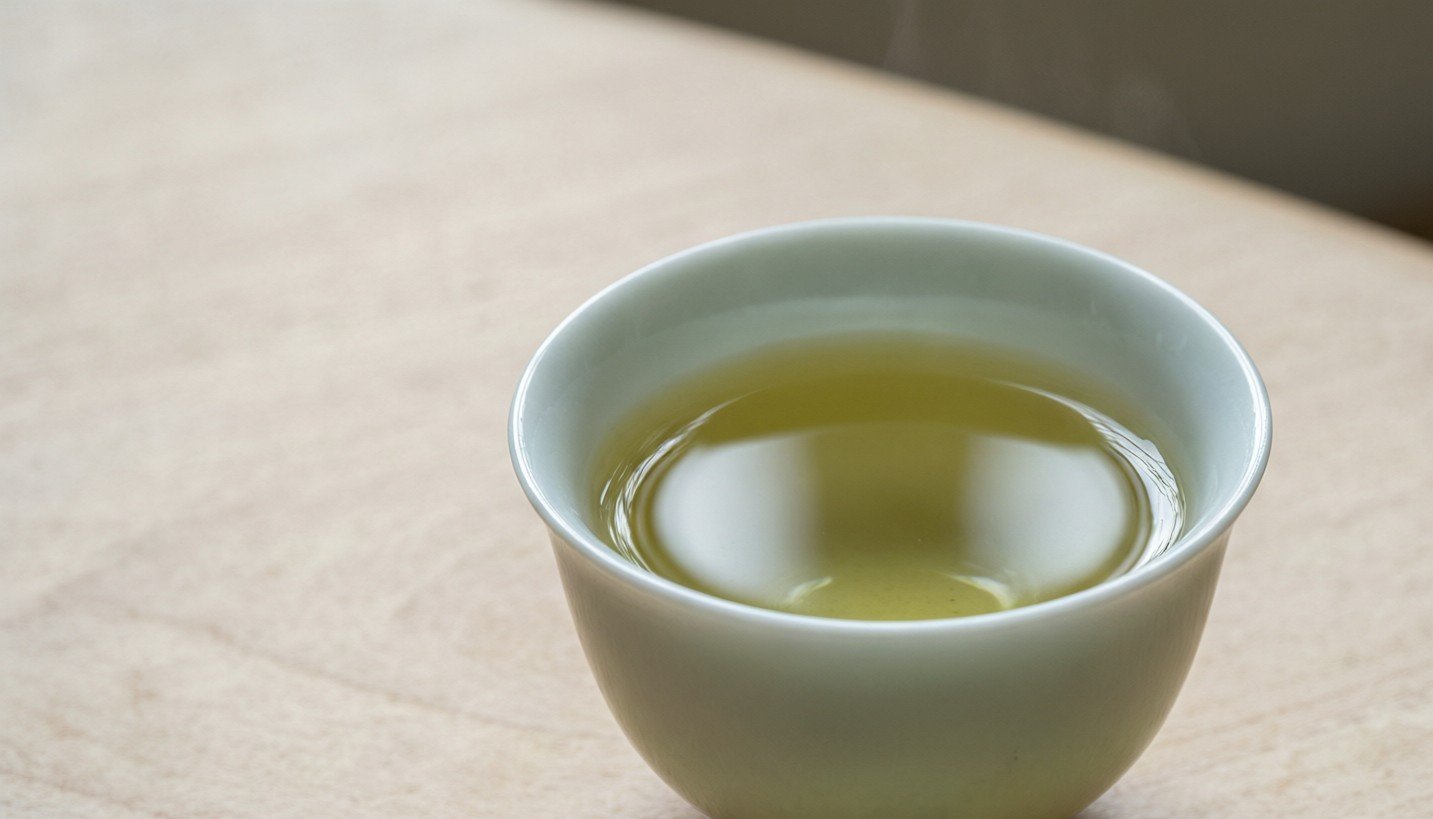
Taste for body and yanyun. Yanyun is the mineral, saline, or rocky aftertaste that separates good Wuyi rock tea from generic oolong. It should appear as a clean, salivating finish, not as bitterness, ash, or grain husk. The liquor may feel medium to full with a smooth or slightly grippy texture, but it should not taste sharp, sour, or scorched. A tea with thin body and no finish may still be drinkable, but it is not carrying the structure that rock tea buyers usually pay for.
Wet Leaf and the 30-Second Scorecard
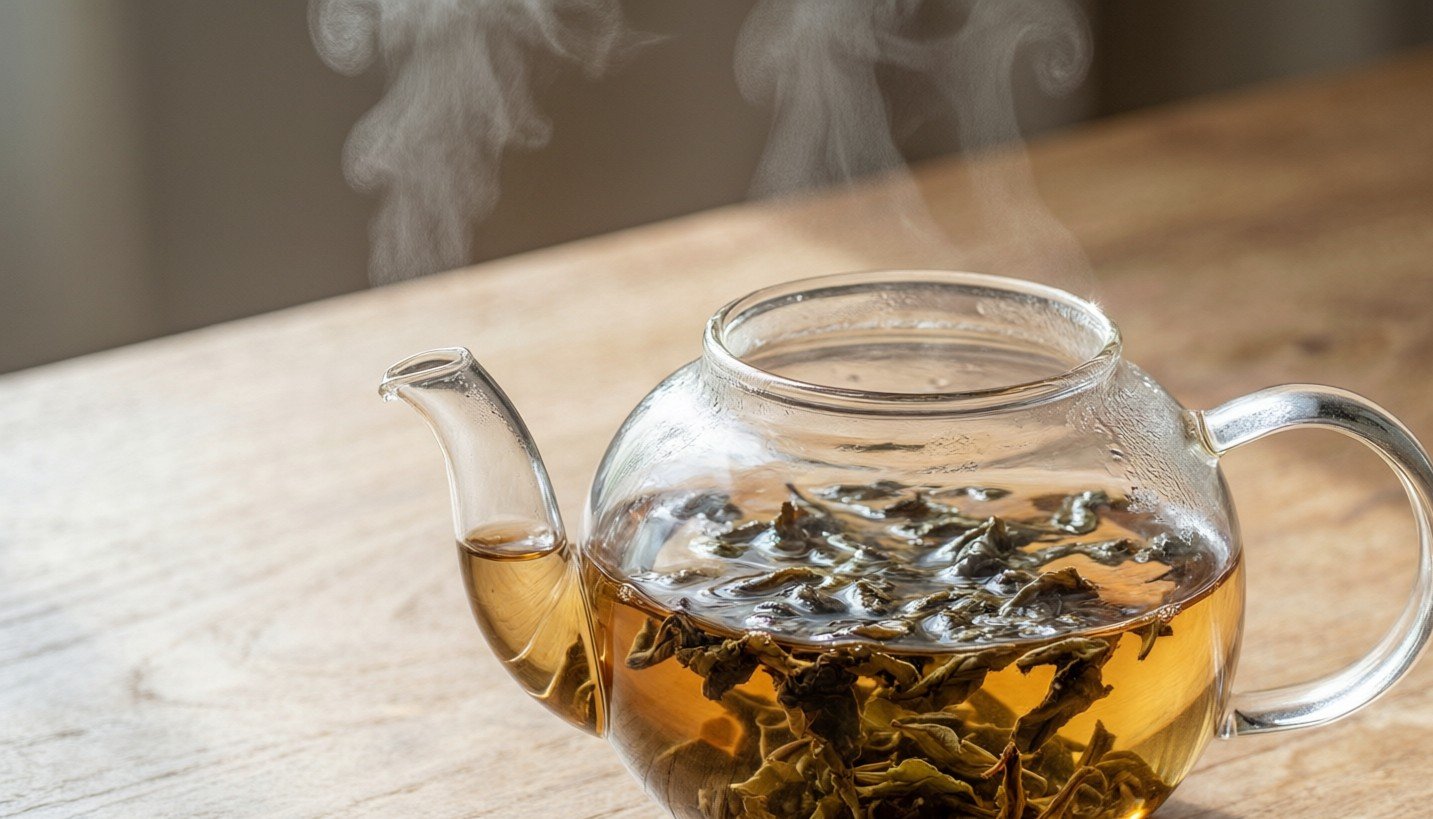
Check the wet leaf after the first or second steep. Good leaves open evenly and keep some elasticity. You should see leaf edges that are not all shredded; hand-plucked or carefully processed material often shows a reddish edge where bruising concentrated oxidation, while the center remains green. Spent leaves should not turn fully black or mushy. Uniform leaf size and color in the spent leaf are more reliable than the dry leaf alone because roasting can hide flaws.
Use a simple six-point screen.
| Check | Positive sign | Warning sign |
|---|---|---|
| Dry leaf | Twisted, glossy, uniform, clean roast | Dull, broken, dusty, sour or ashy |
| Dry aroma | Baked grain, fruit, orchid, cinnamon | Wet paper, mold, smoke, empty |
| Liquor | Clear golden to amber | Cloudy, gray, flat brown |
| First aroma | Layered, sweet, integrated | Sharp, alcoholic, sour, one-note |
| Mouthfeel | Medium to full, salivating finish | Thin, biting, scorched, sour |
| Wet leaf | Opens evenly, elastic, red edge | Mushy, black, shredded, uneven |
A batch that passes all six points is worth a serious cupping. One or two faults can be acceptable in low-cost commercial material, but they change what you should pay and how you should describe the tea.
Origin, Roast, and Price Warnings
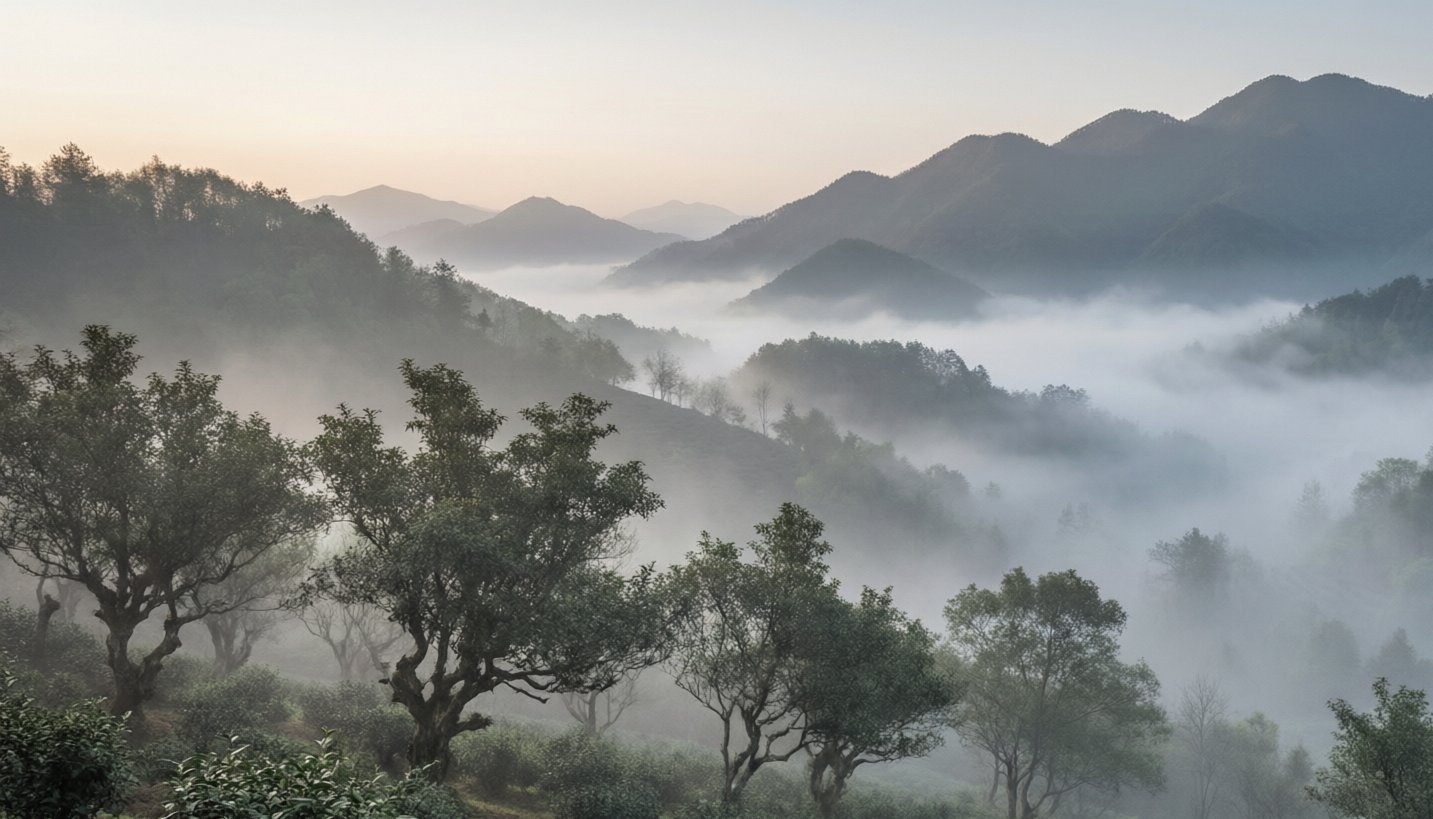
Origin matters because Wuyi Rock Tea is a geographical indication product. Zhengyan material from the protected mountain area is rare and expensive; banyan and outer-mountain teas use the same processing methods but usually lack the same mineral depth. A low price does not automatically mean fake tea, but a very low price for a famous name such as Dahongpao or Niuroukeng Rougui should reset your expectations. Ask whether the tea is sold by cultivar, origin zone, harvest year, and roast level, not only by story.
Roast is another point buyers misread. A heavy roast can cover weak raw material in the short term, but the tea often thins out in later steeps and loses its aroma. A lighter roast preserves more floral character but punishes poor leaf or storage more visibly. Neither is automatically better. The useful question is whether the roast works with the leaf and whether the aftertaste returns cleanly after several infusions.
Send a Better Sourcing Inquiry
When you are buying Wuyi Rock Tea in bulk, send the details that matter from this check: cultivar, origin claim, harvest year, roast level, and photos or short notes on dry leaf, liquor, and wet leaf. A clear request helps a supplier confirm whether the lot matches your quality screen. For batch sourcing support, contact Chinese tea suppliers at 427728483@qq.com.
FAQ
Does stronger roast mean higher quality Wuyi Rock Tea?
No. Roast is a style and a processing decision, not a grade. A heavier roast can deepen body and sweetness, but it can also hide thin or stale leaf. Judge the roast together with liquor clarity and aftertaste; a good heavy roast still returns sweetness, not ashy bitterness, after several steeps.
What is yanyun and can you taste it in 30 seconds?
Yanyun is the rock rhyme or mineral aftertaste associated with good Wuyi Rock Tea. You can screen for it by checking whether the finish is clean, salivating, and slightly mineral rather than sour or biting. A full confirmation takes several infusions, so use the 30-second check to identify promising batches, not to grade the tea completely.
Is zhengyan origin always better than banyan or outer mountain tea?
Not automatically. Zhengyan material has the clearest terroir and usually the highest price, but a poorly made zhengyan tea can be worse than a carefully made banyan tea. Origin sets potential; plucking, roast, and storage determine what actually reaches the cup.
How much broken leaf is acceptable in a Wuyi Rock Tea batch?
Some broken pieces are normal for strip-style oolong, especially after shipping. A light scattering of broken leaf is acceptable. A high proportion of dust or chopped leaf is not; it lowers brewing consistency and often signals rough sorting or lower-grade material.
No author description available.

白玉京