Xinyang Tea Cost in 2026: What Buyers Actually Pay
In 2026, Xinyang tea does not have one market price. A buyer asking for Xinyang Maojian will receive quotes that differ by harvest date, bud-to-leaf ratio, village of origin, moisture content, order volume, and packaging. That spread is normal because the label covers a family of green teas rather than one standard product. The practical question is not what the tea costs in general, but what grade, lot size, and specification you are asking a supplier to quote. This guide explains the cost drivers and the quote details that make prices comparable.
Why a Single Price Does Not Exist
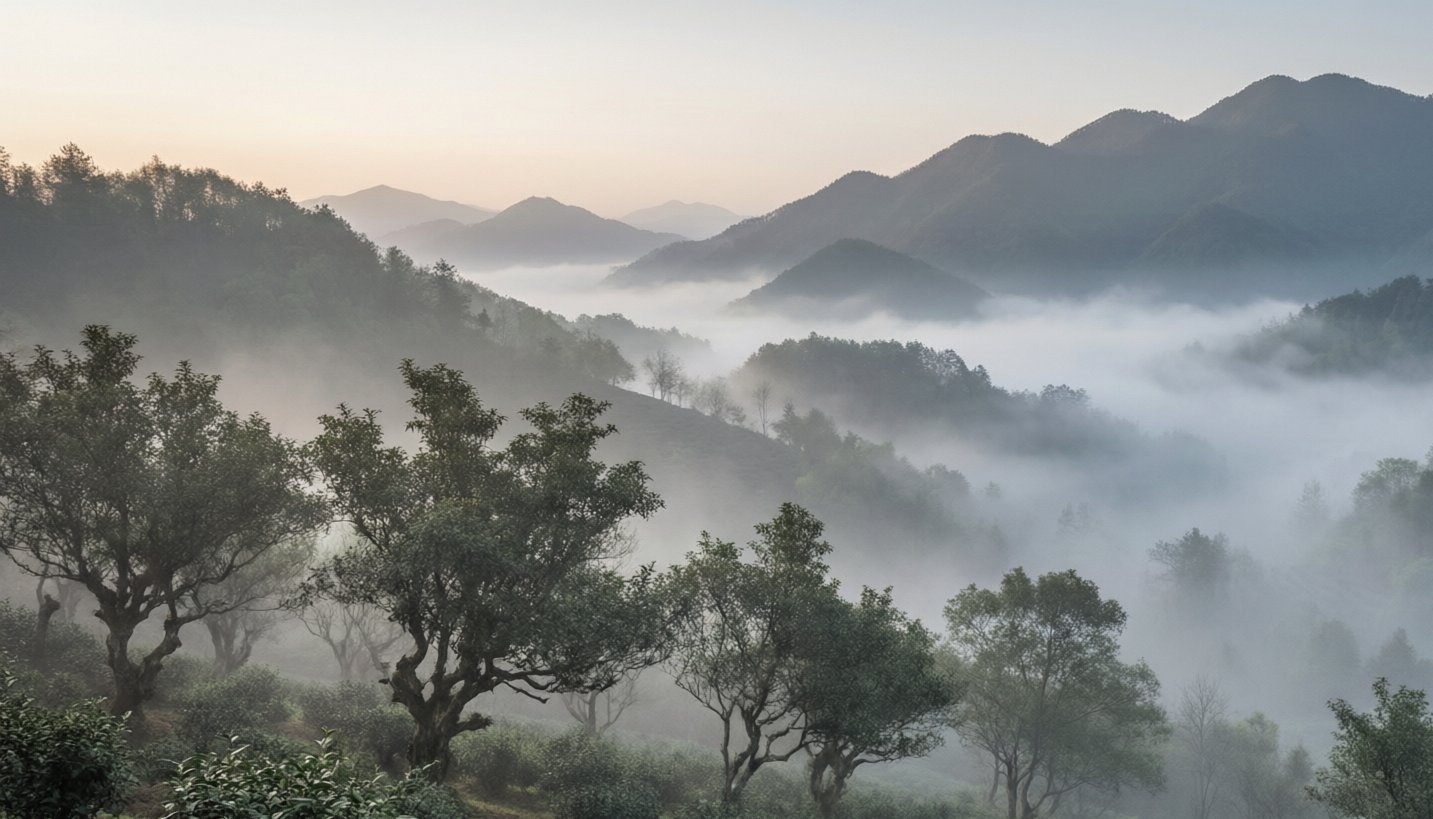
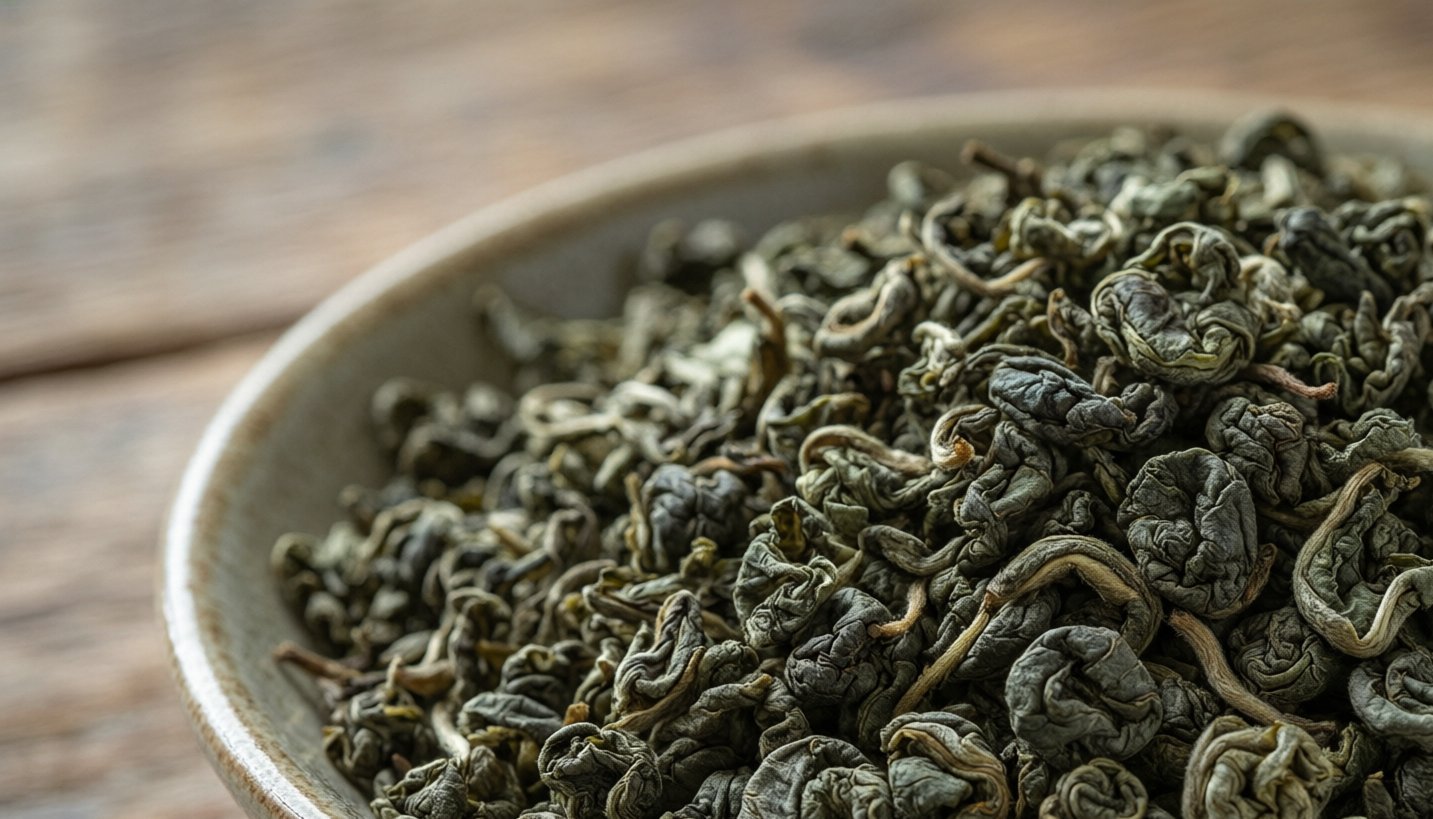
Xinyang tea usually means Xinyang Maojian, a green tea from southern Henan, but the name alone does not fix quality. Teas sold under this name come from different elevations, soil conditions, and processing batches. Some lots are picked before Qingming and consist mainly of buds and the first leaf. Others are picked later and include larger, more open leaves. Both are Xinyang tea. They are not the same cost. A quote from one supplier can therefore be higher than another quote without either being wrong. The comparison is meaningful only when the leaf grade, picking date, and moisture specification are identical or close.
What Moves the Price in 2026
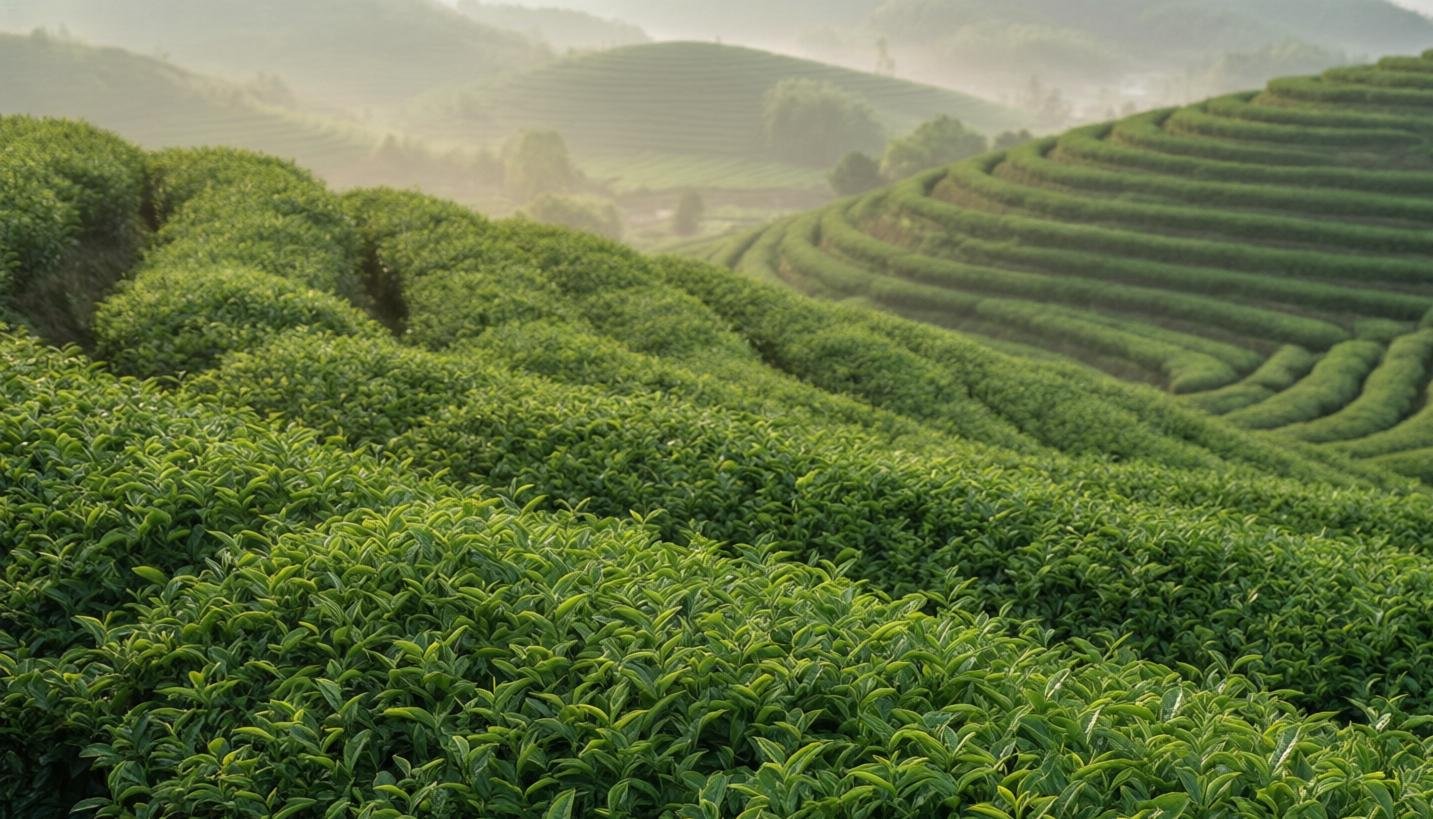
Labor remains a major factor. Early spring picking is slower because buds are small and the window is short. Later growth can be harvested faster and is more likely to be machine assisted. The cost difference is not an indication of fraud; it reflects yield and speed.
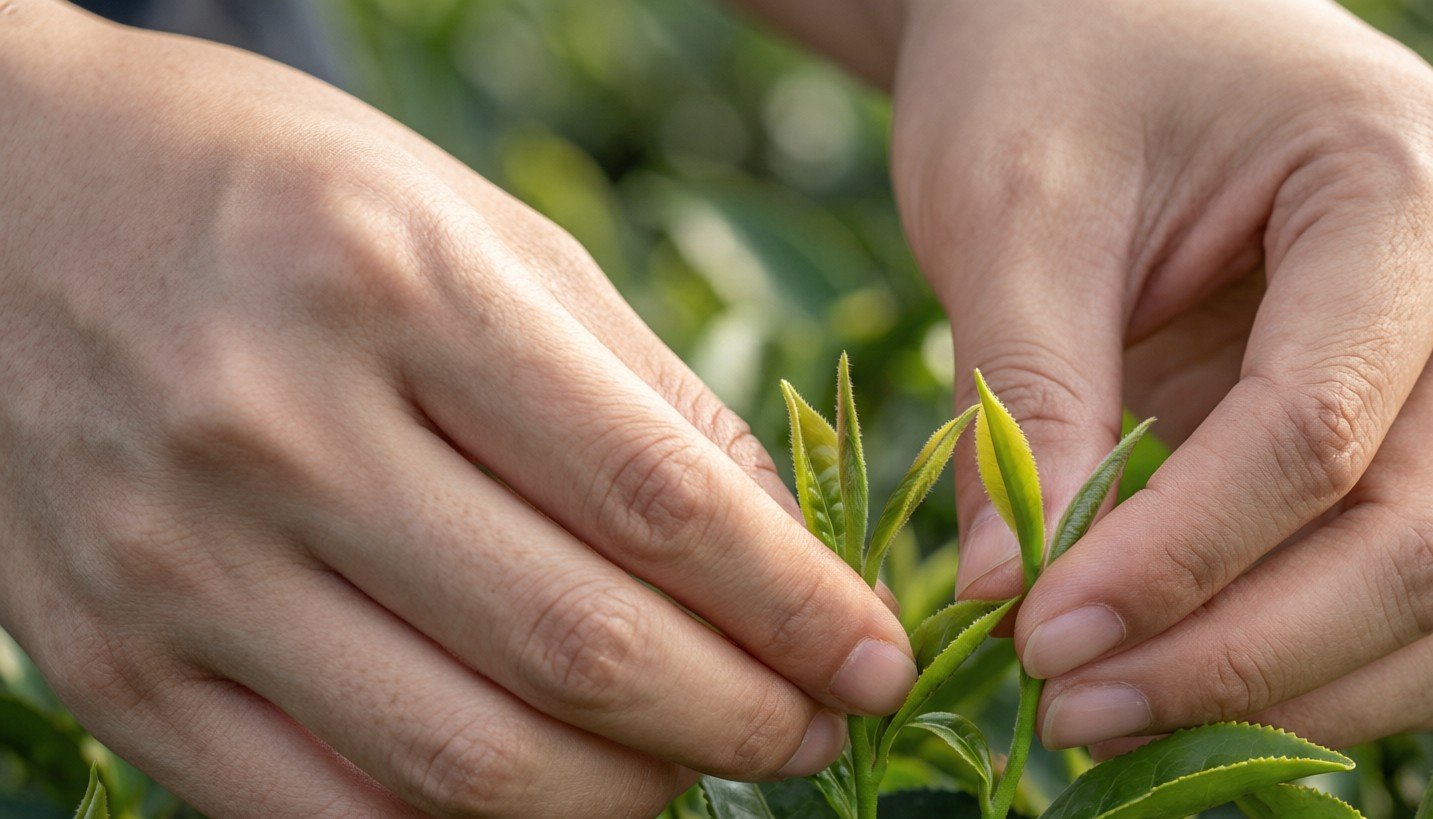
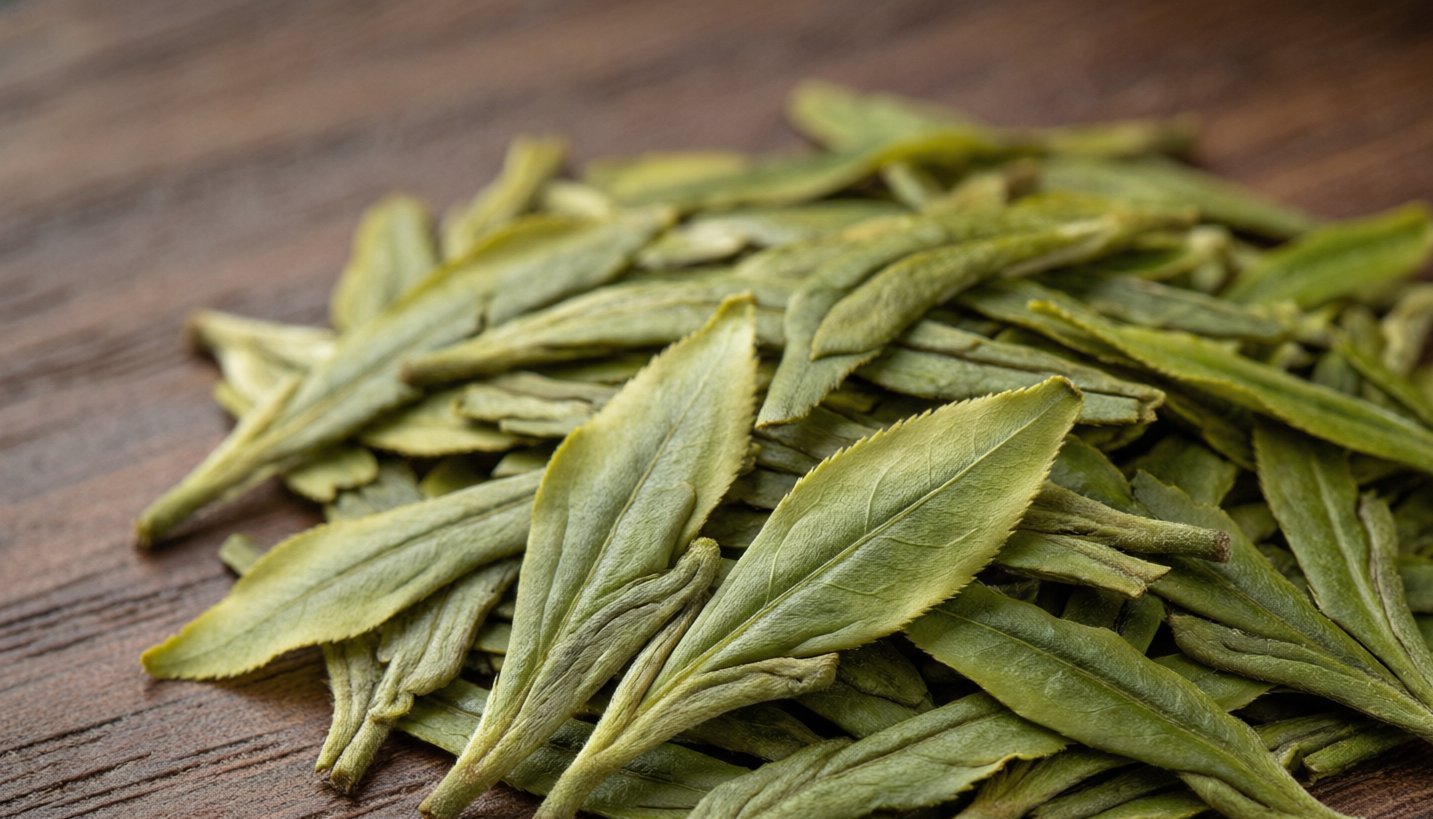
Leaf sorting matters as much as harvest date. A lot sold as pure bud or one bud one leaf must be sorted to remove broken leaf, stems, and nonconforming pieces. That sorting reduces the usable weight and raises the cost per finished kilogram. A lower-cost lot may still be clean and fresh, but the leaf standard will be broader.
Processing and final drying also affect cost. Small batch processing gives the producer more control but lacks the throughput of continuous production. Lower moisture content may reduce water weight, but over-drying can create fragile leaf. Buyers should confirm the target moisture and the test method rather than assuming a lower figure is always better.
Harvest Windows and Leaf Standards
Pre-Qingming Xinyang tea is the most expensive segment because supply is limited and bud weight is low. Pre-Grain Rain lots are later and usually trade below pre-Qingming from the same area. Summer leaf is cheaper still and often used for value blends or foodservice. When a buyer compares prices, the picking window should be written into the quotation, not described as spring tea.
Leaf standard should be named the same way: pure bud, one bud one leaf, one bud two leaves, or broad leaf. Each standard has a different plucking cost and yield. A supplier that does not state the bud share should be asked to provide it before the price is accepted.
How Wholesale Quotes Are Structured
Wholesale quotes usually start per kilogram, but the price is not the whole cost. Packaging, moisture, batch size, and shipping terms change the landed figure. A carton of bulk tea may have a lower unit price than the same tea packed in retail tins, but the retail pack includes materials and packing labor. Private label work adds another layer. Buyers should compare the full specification, not the first number on a price list.
| Quote element | What to confirm | Why it changes cost |
|---|---|---|
| Harvest date | Exact picking window, not just spring tea | Earlier bud-heavy lots cost more |
| Leaf standard | Bud share, one bud one leaf, or broader grade | Plucking and sorting change yield and labor |
| Moisture content | Target percentage and test method | Drier tea reduces water weight but can affect handling |
| Origin area | Village or mountain area within Xinyang | Core-area lots carry a premium |
| Processing batch | Small batch or continuous line | Small runs often cost more per kilogram |
| Packaging | Bulk carton, foil bag, retail tin, private label | Materials and packing labor add cost |
Some suppliers quote FOB, others ex works or CIF. Each basis allocates freight and insurance differently. Confirm the basis, payment terms, and minimum order quantity before judging a price. A quote with a low unit price but a high minimum order is not automatically better for a small importer.
Comparing Quotes Without Overpaying
Request three or more quotations with the same specification: picking window, leaf standard, moisture limit, origin area, batch size, and packaging. This method removes the common problem of comparing a pre-Qingming bud lot with a summer leaf lot. If a quote looks unusually low, ask what changes in the specification. The reduction may come from later picking, broader leaf grade, or higher moisture. If it looks unusually high, ask whether it includes sorting, low moisture, or a small batch. The answer is usually in the specification, not in the supplier's name.
Do not treat a high price as proof of quality or a low price as proof of value. Price is useful only when it attaches to a measurable grade and condition.
2026 Market Checks Before You Commit
Before ordering, ask for the current harvest status and the expected delivery window. Weather in the producing area can shift harvest dates and yields, which changes availability even when the nominal grade is the same. Check whether the lot has been produced or is still being finished. Ask for a sample from the actual batch, not a reference sample from an earlier season. The 2026 price is only final when the specification, batch, and shipping terms are fixed.
Request a Comparable Xinyang Tea Quote
If you are sourcing Xinyang tea, send Chinese tea suppliers the picking window, leaf standard, target moisture, annual volume, packaging, and destination. We will quote the supply options that match those requirements. Contact us at 427728483@qq.com.
FAQ
Is Xinyang tea the same as Xinyang Maojian?
In export contexts the two names often refer to the same green tea style, but Xinyang tea can also include other local green teas from the area. If you need the specific Maojian leaf shape and taste, name Xinyang Maojian in the quotation so the supplier does not offer a broader regional blend.
What should I ask before accepting a tea price?
Ask for the picking window, leaf standard, moisture content, origin area within Xinyang, batch size, packaging, minimum order quantity, and delivery terms. With those details, quotes become comparable. Without them, a price difference may only reflect a different grade.
Why are pre-Qingming lots so much more expensive?
Early spring growth is limited, buds weigh little, and the picking window is short. Pluckers collect less weight in the same working time, and the lot may need more sorting. Those factors raise the finished cost per kilogram compared with later harvests.
Is a lower moisture percentage always better?
Not always. Very low moisture can make leaf brittle and increase breakage during transport and packing. The important check is that the moisture target matches your storage and handling plan and that the test method is stated clearly in the quotation.
No author description available.

白玉京