How Liu Bao Tea Ages: Flavor, Storage, and Buying Decisions
Liu Bao tea can improve for years, but age alone does not create quality. The tea is a post-fermented dark tea from Guangxi, and its aging path depends on the starting leaf grade, the degree of initial pile fermentation, and the storage climate around it. Young Liu Bao often tastes coarse, slightly sour, or narrowly earthy. With controlled humidity and time, enzymatic and microbial activity can round those edges and build a deeper, smoother profile. Poor storage, however, can dry the tea out, flatten its aroma, or introduce off notes. This article explains what actually changes as Liu Bao ages, the conditions that help or hurt, and what buyers should check before paying an age premium.
What Liu Bao Tea Is and Why Age Changes It
Liu Bao is a dark tea produced mainly in Wuzhou, Guangxi. The basic process typically includes fixation, rolling or shaping, pile fermentation, drying, and often steaming into baskets or compression. That early pile fermentation distinguishes Liu Bao from green tea and sets up the material for later change. During storage, residual enzymes, naturally present microorganisms, and slow moisture exchange continue to alter the leaf.

The raw material matters before aging begins. A well-made Liu Bao with enough structure and clean processing has more to gain over time. A tea that was over-fermented at the start, too roughly handled, or contaminated during production will not become more valuable simply because it sits in a warehouse for another five years. The leaf needs enough soluble material and enough microbial balance to support a long, gradual transformation.
How Flavor Develops Over Time
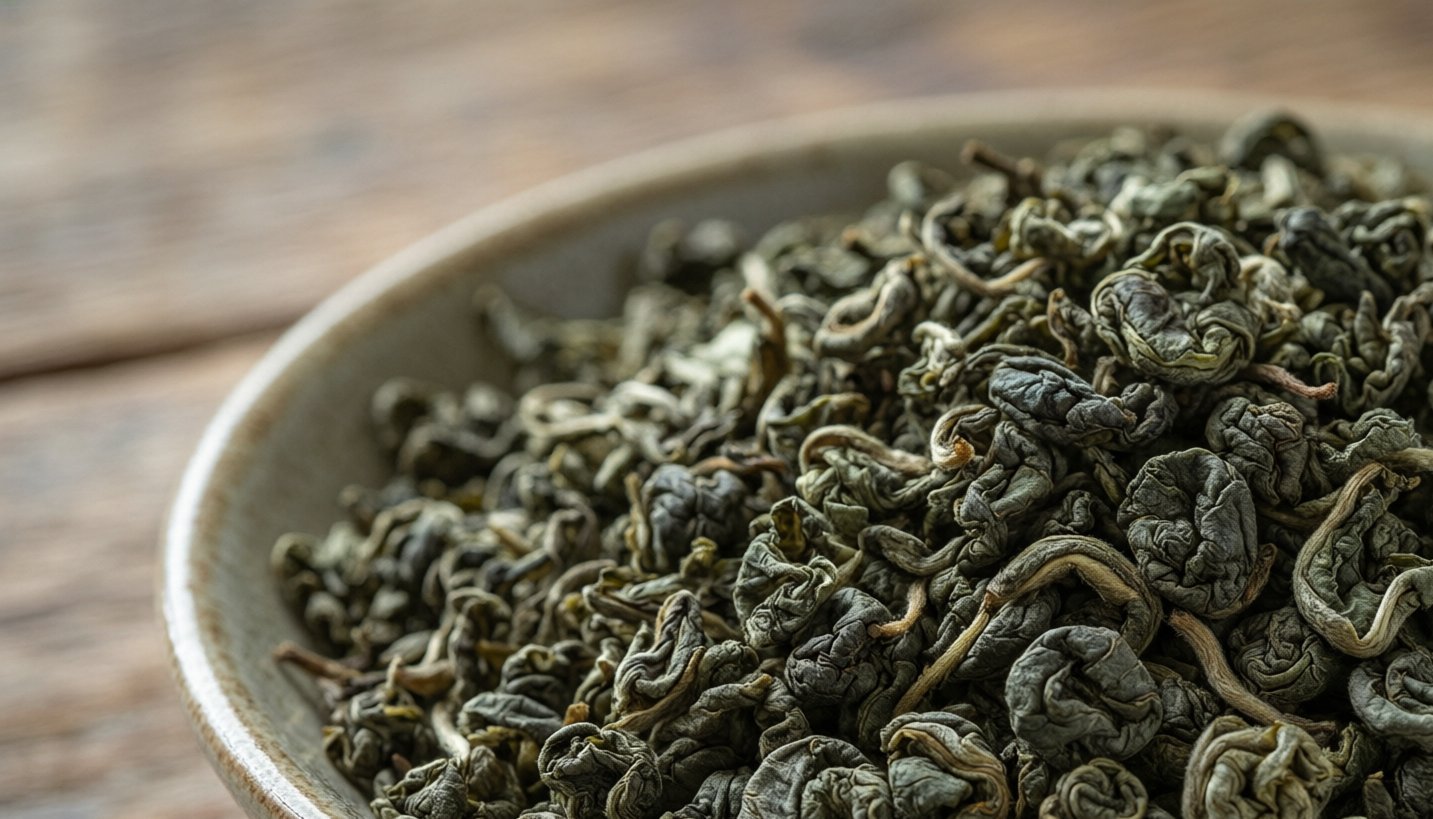
Age changes Liu Bao on several fronts at once. Bitterness and sharp astringency tend to soften as polyphenols oxidize and polymerize. The aroma moves away from fresh leaf notes toward aged wood, dried fruit, herbs, and sometimes camphor or betel nut depending on storage. The liquor deepens in color and usually becomes clearer if the tea was stored with enough airflow and stable humidity.
| Characteristic | Young Liu Bao | Properly aged Liu Bao |
|---|---|---|
| Liquor color | Orange-yellow to light red, sometimes cloudy | Deep red-brown to amber, usually clearer |
| Aroma | Leafy, earthy, occasionally sour or smoky | Aged wood, dried fruit, herbal, camphor or betel nut notes |
| Taste | Brisk, astringent, can feel thin or rough | Smoother, fuller, with less sharp astringency |
| Mouthfeel | Often dry or grainy | Softer and more coating, sometimes cooling |
| Aftertaste | Short or slightly sour | Lingering sweet, herbal, or woody return |
The pace of that change is not uniform. A tea stored in a warm, moderately humid environment may evolve faster, while a dry, cool warehouse will slow the transformation and preserve more of the original edge. This is why two batches of Liu Bao from the same year can taste years apart by the time they reach a buyer.
Storage Conditions That Decide the Result
Aging is most reliable when the tea is kept away from direct sunlight and strong odors, with enough air exchange to prevent staleness but not so much that the tea dries out. Moderate humidity helps the tea stay active, while excessive moisture invites mold and musty character. Stable conditions usually beat dramatic seasonal swings because the leaf changes more evenly.
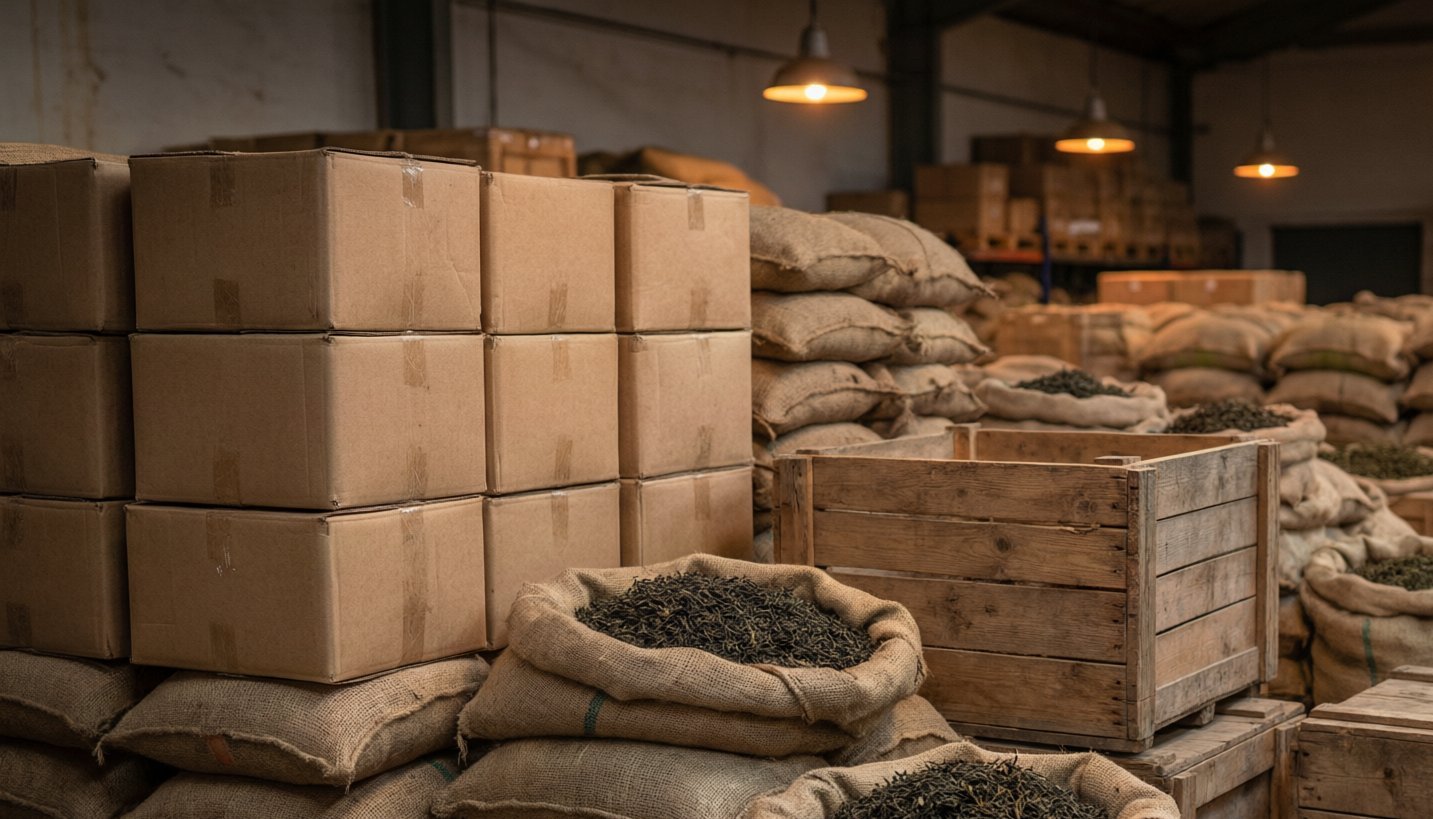
Traditional Guangxi storage, dry warehouse storage, and hot humid storage produce different styles. Traditional storage often gives a deeper, older taste with an earthy or medicinal tone. Dry storage preserves more clarity and sweetness but can leave the tea tighter. Very humid storage produces pronounced aged notes, yet it also carries a higher risk of off flavors if the air is not clean. Buyers should ask about storage method as closely as they ask about age.
What Aging Cannot Fix
Age does not reliably repair a weak or defective base. A tea that was sour from poor fermentation may stay sour, while a tea with musty contamination will simply become older and still smell unclean. Age also cannot replace leaf quality. A rough, thin Liu Bao may soften somewhat, but it will not develop the density and depth of a tea that began with stronger material.
Poor storage creates its own problems. A dry, airy warehouse can make the tea taste hollow or papery. A damp, enclosed room can introduce a stale, muddy note that some sellers incorrectly describe as aged character. Clean aroma first, then aged sweetness, is the safer order to judge. If the wet leaf smells sour, rubbery, or moldy, no number of years makes that a premium.
How to Judge Aged Liu Bao Before Buying
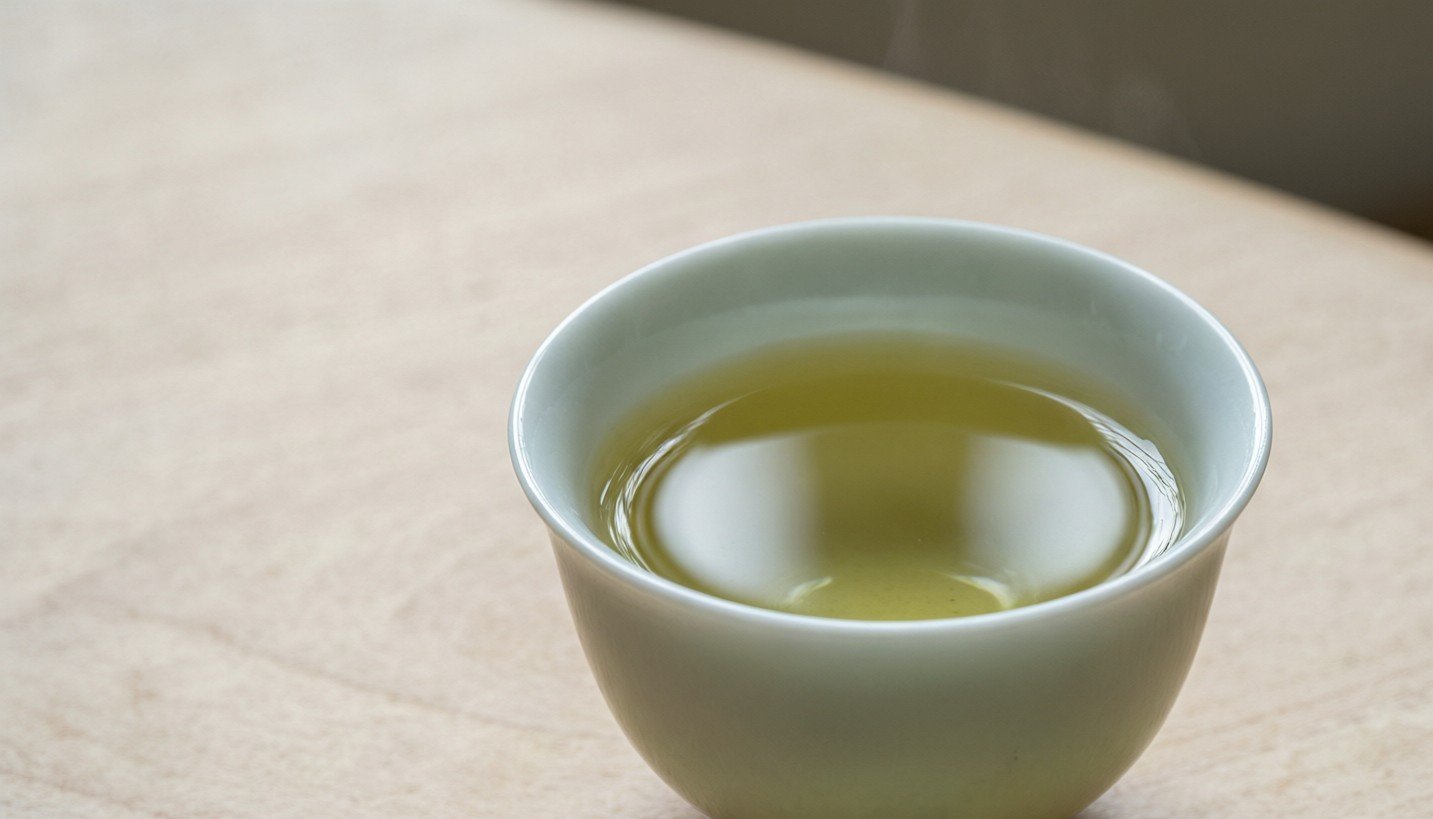
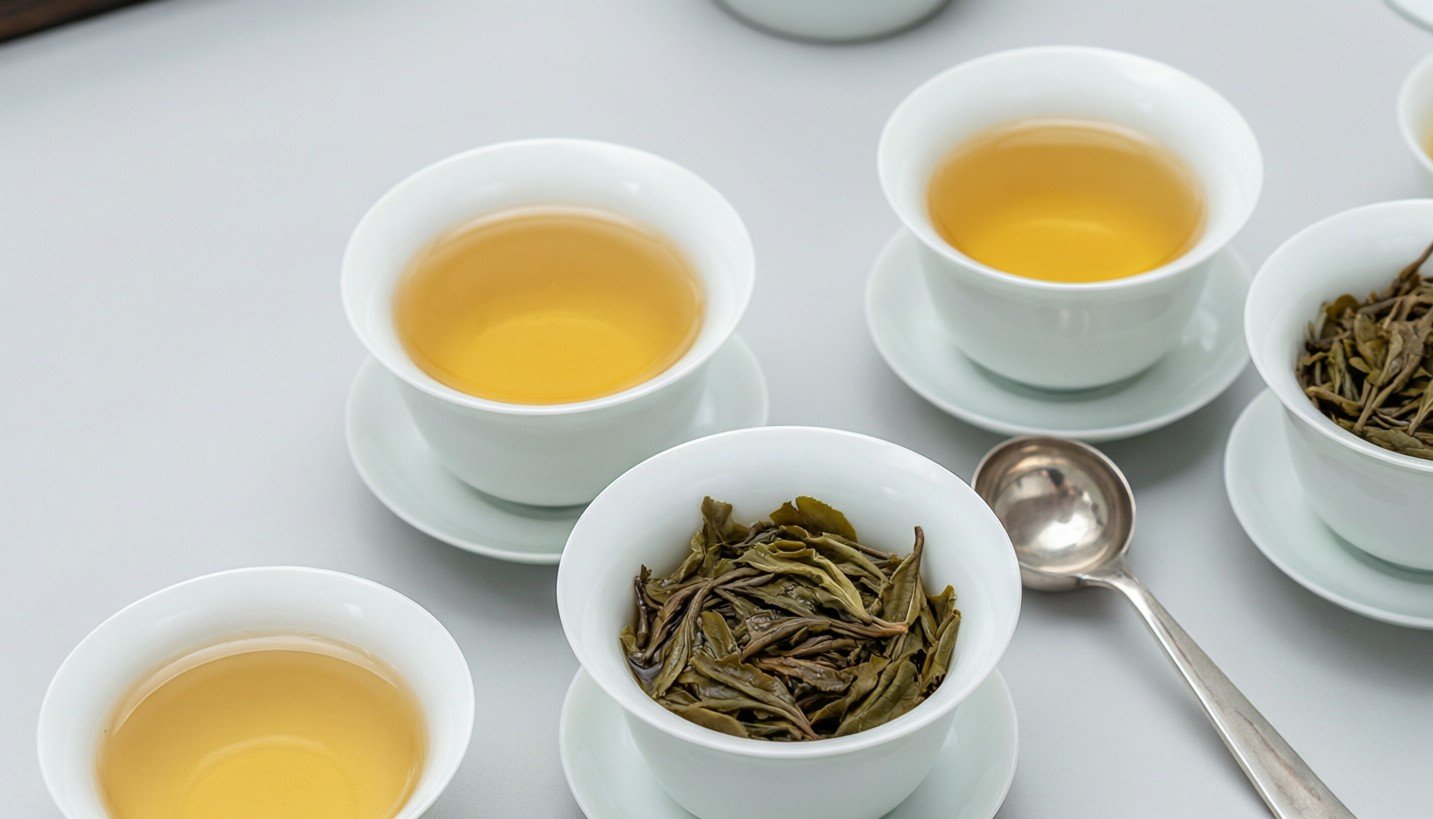
Start with the liquor. A well-aged Liu Bao should be clear or only lightly cloudy, with a red-brown to amber tone. Cloudy is not automatically bad, but it should make you look more carefully at the leaf and storage history. The aroma should be clean and layered. Aged wood, dried plum, herbs, and a light camphor note are common, while sharp sourness or damp basement smells are warning signs.
Then judge the mouthfeel and return. Properly aged Liu Bao often feels smooth and full, with a sweetness that appears after the first earthy impression. The aftertaste should be clean and lingering. Check the wet leaf for elasticity and uniformity. Brittle, blackened, or unnaturally dark leaves can indicate over-fermentation, roasting to imitate age, or storage damage.
A Practical Buying Checklist for Liu Bao Tea
- Ask where and how the tea was stored, not just for the production year.
- Check whether the dry and wet leaf smell clean before evaluating the aged notes.
- Taste for smoothness and returning sweetness rather than age claims on the label.
- Compare the liquor, mouthfeel, and aftertaste of the exact lot before committing.
- Request a sample from the specific basket or batch you intend to purchase.
Sourcing Aged Liu Bao Tea
If you are comparing lots or planning a wholesale or private label purchase, send the target age range, preferred storage style, and order volume to Chinese tea suppliers at 427728483@qq.com. A specific brief helps match the right material and avoid paying a premium for years that the tea does not show in the cup.
FAQ
Does all Liu Bao tea improve with age?
No. Liu Bao with clean processing, adequate leaf strength, and stable storage can improve for many years. Weak, over-fermented, or poorly stored tea may soften slightly, but it will not develop the depth buyers expect from aged examples.
How long should Liu Bao tea age?
There is no single correct answer. Some Liu Bao becomes approachable after three to five years, while traditional or well-structured lots continue changing for a decade or more. The starting material, storage method, and personal taste matter more than a fixed number of years.
Can I age Liu Bao tea at home?
You can, but the result is less predictable than warehouse aging. Keep the tea away from light, strong odors, and excessive humidity. A stable room temperature and moderate airflow are safer than trying to accelerate the process with heat or moisture, which often damages the tea.
What does properly aged Liu Bao taste like?
It often tastes smooth, full, and earthy at first, then opens into dried fruit, aged wood, herbs, or a light camphor note. The sweetness should return after swallowing, and the aftertaste should be clean. A sour, musty, or hollow finish usually points to processing or storage faults rather than age.
No author description available.

白玉京