White Peony White Tea Shelf Life: Storage Rules That Work
White Peony white tea keeps far longer than many buyers expect, but the real answer is not a fixed date. Bai Mudan, the white tea made from one bud and one or two leaves, has a low moisture content and light oxidation level that make it more forgiving than fresh green tea. When the leaves are kept dry, dark, cool, and free from strong odors, the tea usually stays pleasant for several years and often develops a rounder, honeyed character. The key is not chasing an expiration date but controlling the conditions that cause white tea to fade, absorb moisture, or pick up foreign smells. The storage rules below apply to loose leaf, pressed cakes, and bulk lots.
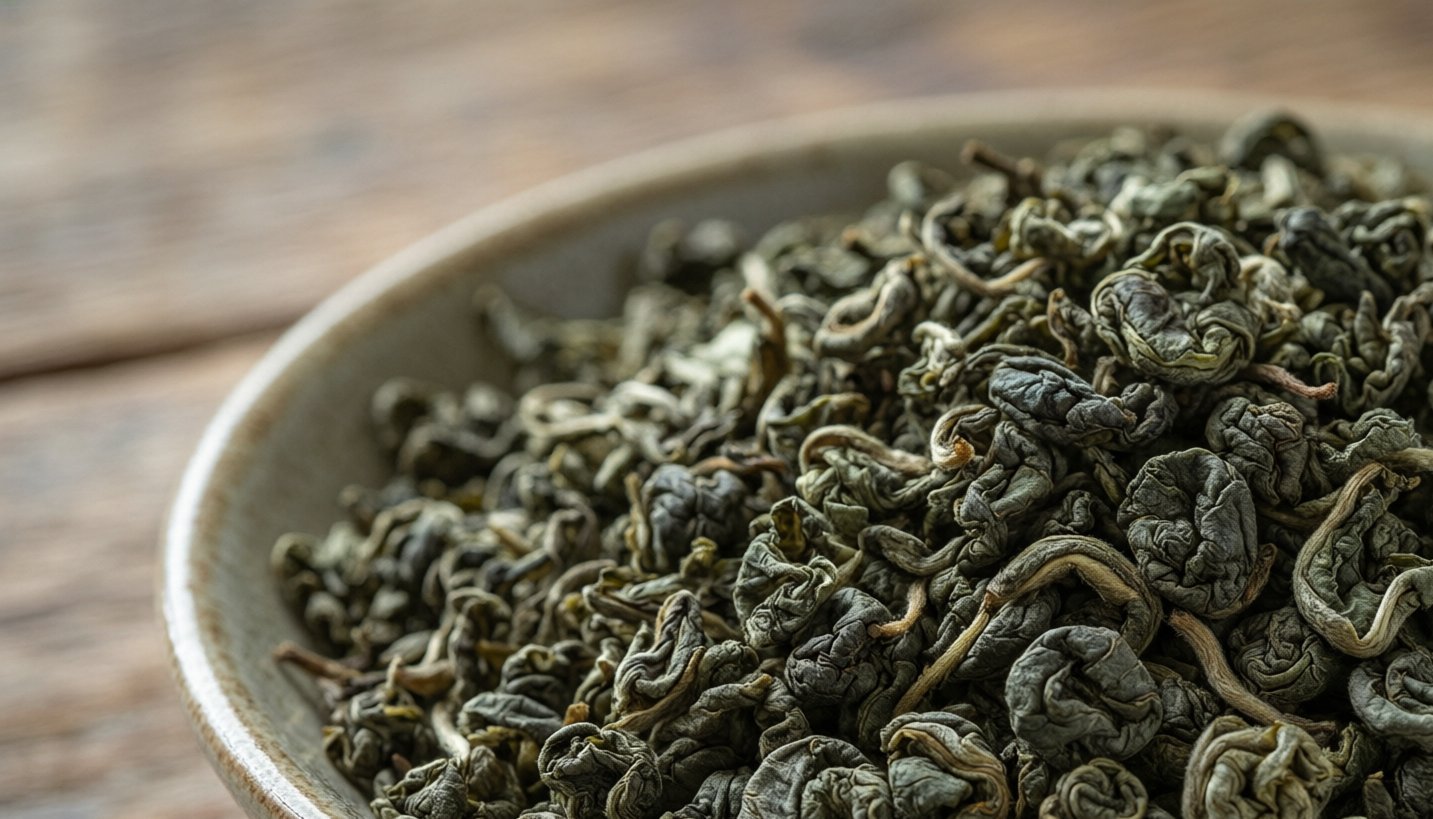
Why White Peony Is More Durable Than Fresh Green Tea
White Peony is only withered and dried, so it keeps a relatively low moisture level and a small amount of natural enzyme activity. That is why a clean, well-sealed Bai Mudan can mature slowly instead of going stale immediately. Fresh green tea has been fixed by heat to stop oxidation, which makes it more dependent on cold storage and early drinking.
The practical difference is that White Peony can tolerate normal room-temperature storage far better when the surrounding environment is controlled. The main risks are not age itself but added moisture, high heat, bright light, and strong surrounding odors. Once those are managed, the tea has room to soften and develop deeper sweetness.
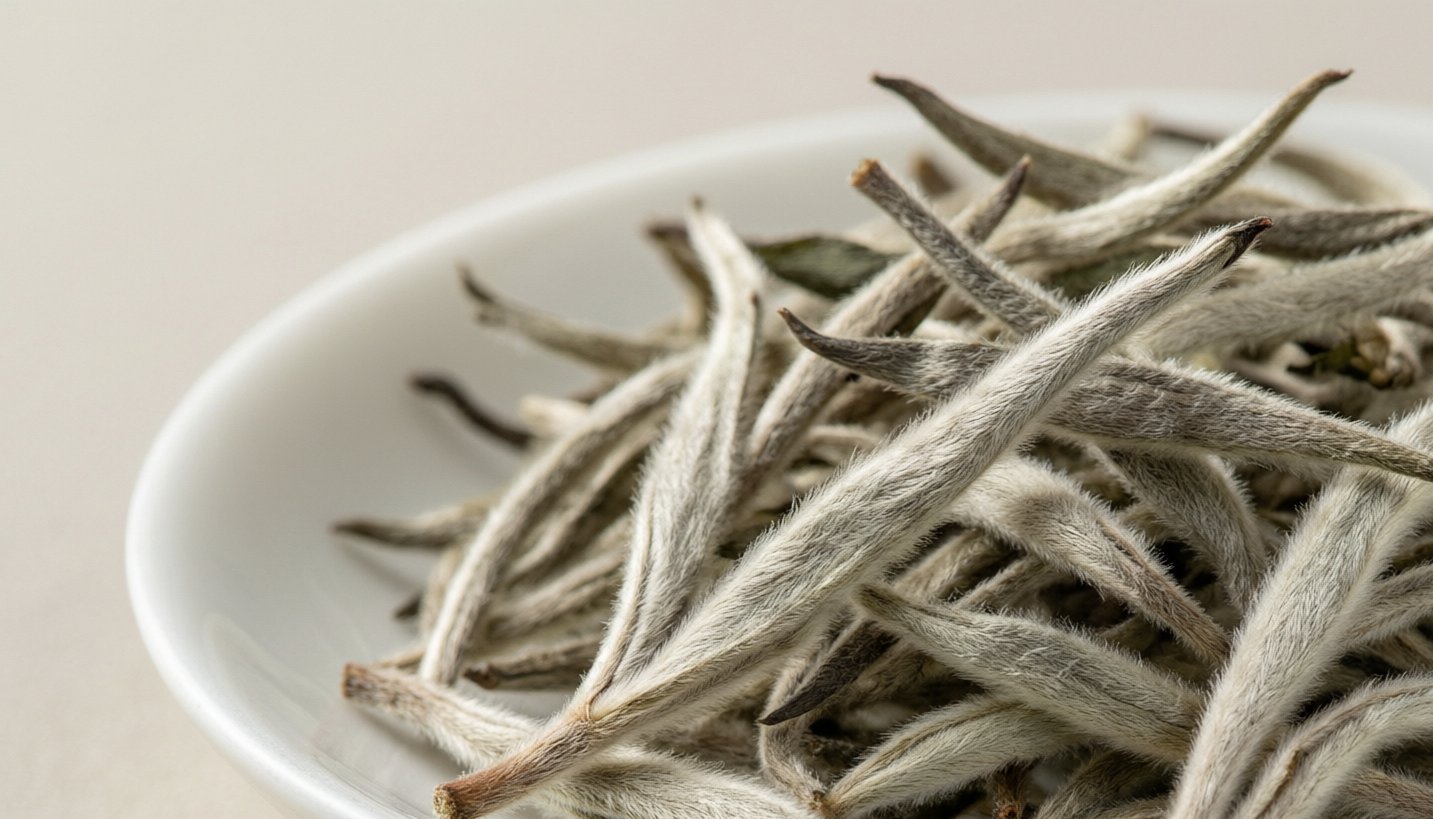
A Practical Timeline for Storing Bai Mudan
A clean, dry lot can remain pleasant for three years or more, and a well-sealed batch may still taste good well beyond that. There is no single cutoff because the same tea stored in a humid warehouse and a dry cupboard will age very differently.
In the first six to twelve months, the tea tends to keep more fresh melon, spring flower, and light grassy notes. From roughly the second year onward, those brighter notes often settle into honey, dried herbs, and a softer, deeper texture. Some darkening of the dry leaf is normal. The goal is not to stop all change but to prevent the change from becoming flat, sour, or musty.
The Storage Conditions That Matter Most
Each factor affects a different failure path. A tea can look intact and still have faded or absorbed a neighboring smell.
| Storage factor | Why it matters | Workable rule | Warning sign |
|---|---|---|---|
| Moisture | Damp air softens the leaf and creates mold risk | Keep the tea dry and use sealed packaging | Leaves feel limp or clump together |
| Light | Bright light accelerates aroma loss and browning | Store in opaque or dark containers away from windows | Dry leaves look dull or bleached |
| Heat | Warmth speeds chemical change and can flatten aroma | Keep tea in a cool room, not above appliances or hot pipes | Aroma smells flat immediately after opening |
| Odors | Dry tea is porous and picks up surrounding smells | Use food-grade, odor-neutral containers | Tea smells like cardboard, spice, or cleaning products |
| Air exchange | Repeated opening exposes the tea to oxygen and moisture | Refill a small daily jar from a sealed mother bag | An opened jar loses fragrance within days |
How to Store Loose Leaf Cakes and Bulk White Peony
The format changes the practical setup, not the core rules.
For loose leaf, use a clean resealable food-grade bag and press out excess air before sealing. Keep only a small working amount in a jar for daily use, and refill that jar from the larger sealed bag. This limits how often the main stock is opened.
For pressed cakes, leave the original breathable wrapper in place and add an outer sealed bag or closed container. The wrapper protects the surface, while the outer seal controls moisture and odor. Do not wrap a slightly damp cake tightly and then store it warm.
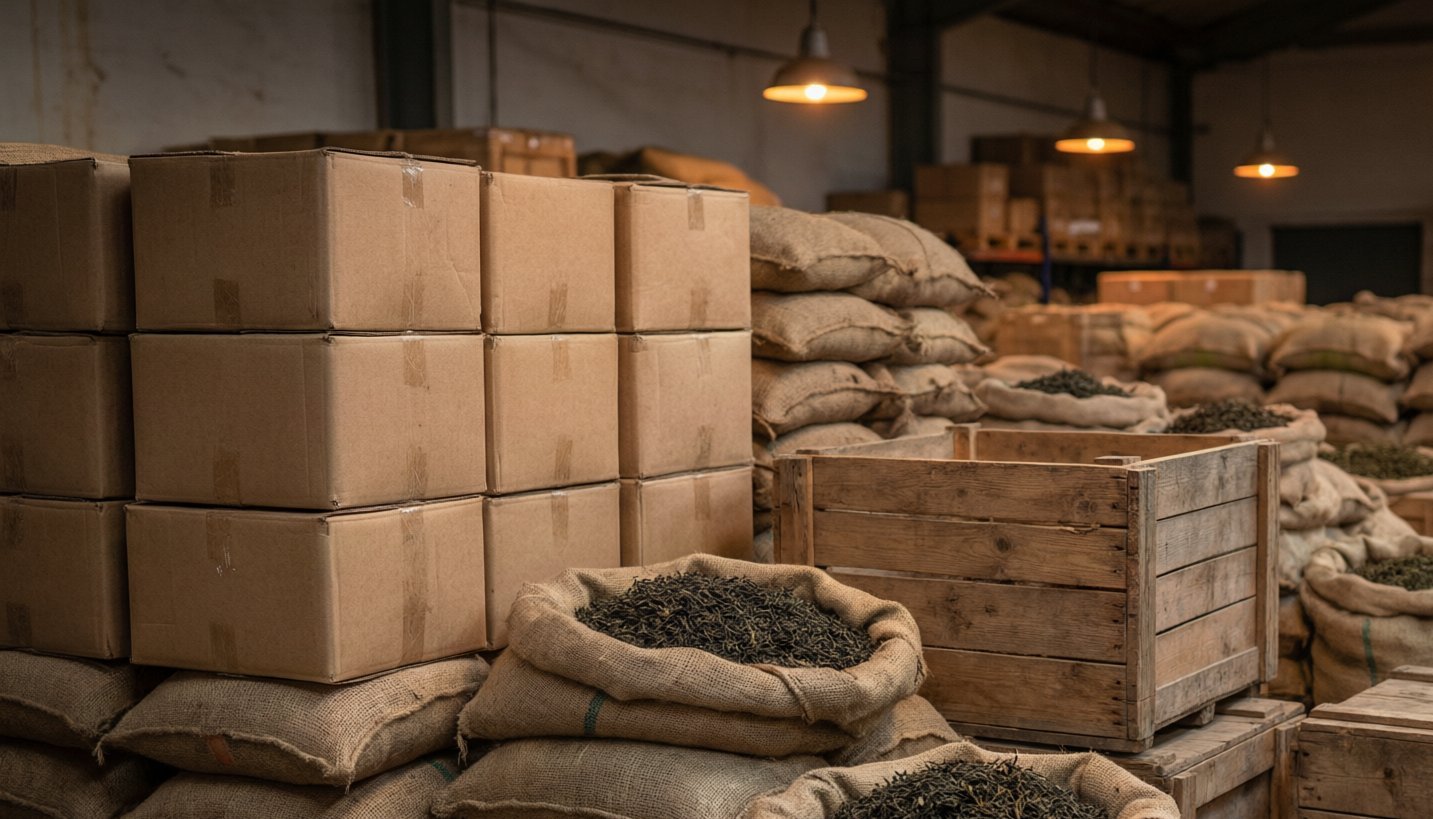
For bulk lots, inspect the carton liner and make sure the tea is not stacked directly against a warm wall or a damp floor. Split very large lots only when necessary, because every transfer introduces air and handling.
Signs Your White Peony Has Faded or Turned
Before brewing older Bai Mudan, check the dry leaf. A clean aged white peony can smell like hay, honey, dried flowers, or light wood. A batch that has turned may smell sour, musty, oily, or like the box it was stored in.
Visible mold is a clear discard signal. Some darkening of the leaves is normal with age, but fuzzy or spotty mold is not. Brew a small test cup if the dry leaf passes inspection. A flat aroma with a sour, stale, or unclean aftertaste usually means the tea has absorbed moisture or surrounding odors and will not improve.
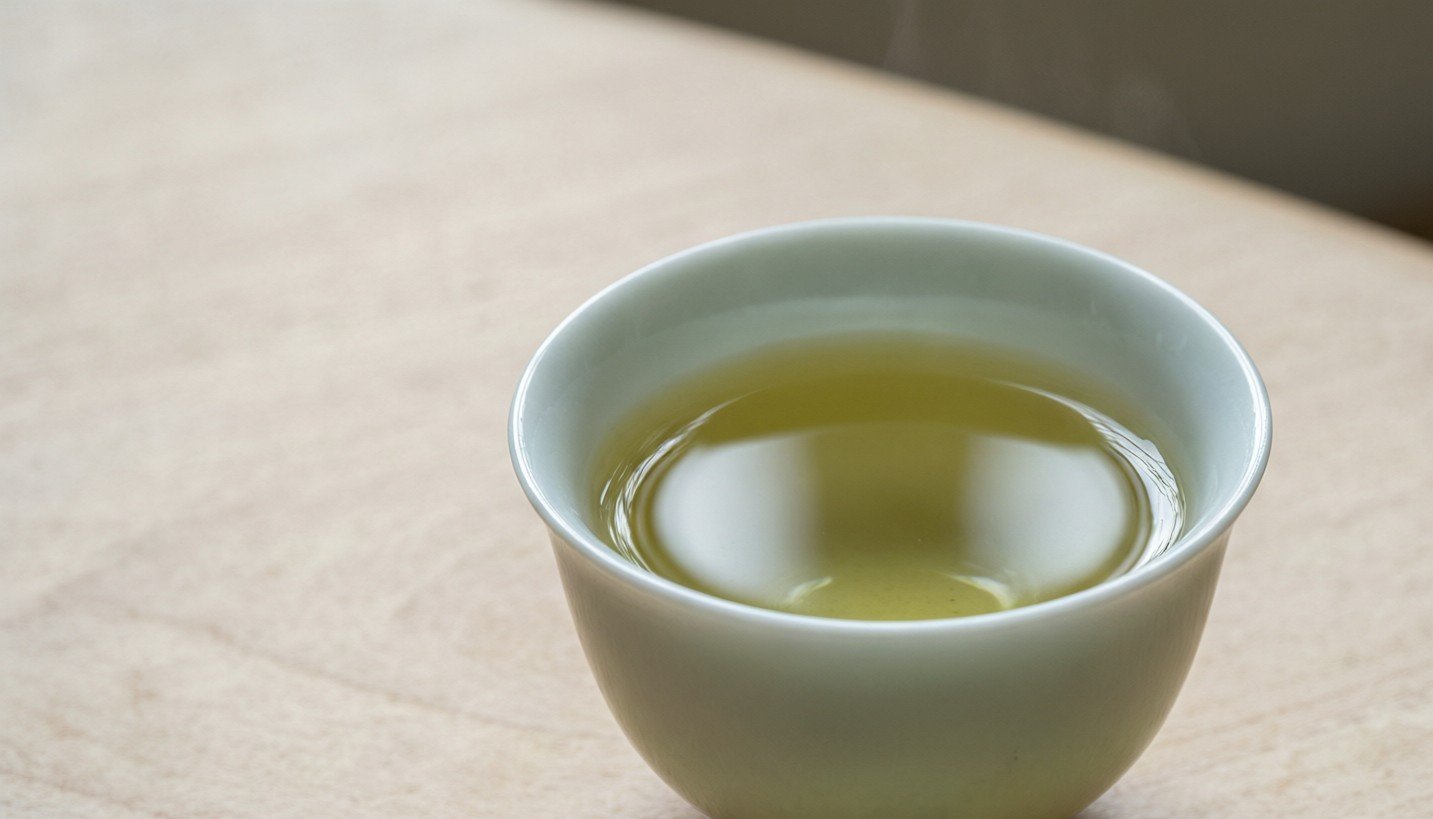
Storage Mistakes That Quietly Damage White Peony
The most common mistake is storing the tea in a clear glass jar on a shelf near a window. The jar looks attractive, but light and daily air exchange slowly strip the aroma.
Another common error is putting opened tea in the refrigerator. When a chilled container is opened, warm room air can condense on the leaves and raise local moisture. A cool, dark cupboard is more reliable unless the packaging will remain sealed and undisturbed.
Strong-smelling neighbors are also a frequent problem. White Peony should not sit next to coffee, spices, dried herbs, or cleaning products. Finally, do not treat a long-term bag as a daily source. Every opening pulls in fresh air, so the mother bag should stay sealed while a smaller jar handles regular use.
Plan Your White Peony Storage Before You Buy
If you are sourcing Bai Mudan in bulk, check the harvest year, moisture level, and packaging before the tea leaves the warehouse. A lot that is already soft, damp, or poorly sealed will not improve later. For help selecting White Peony with storage-friendly packing, contact Chinese tea suppliers at 427728483@qq.com.
FAQ
Does Bai Mudan actually get better with age?
It can, but only when the tea started clean and dry. Withering and drying leave enough natural character for white tea to mellow and develop honey or dried fruit notes. Poorly stored Bai Mudan does not improve; it flattens or picks up moisture.
Should I refrigerate White Peony white tea?
Refrigeration is usually not needed and often causes more problems than it solves. When a chilled container is opened, warm air can condense on the leaves and raise local moisture. A cool, dark cupboard is more reliable unless you have sealed packaging and will not open it often.
How can I tell if older White Peony is still safe to drink?
First check the dry leaves for visible mold, mustiness, or a rancid note. If the leaves smell clean and the brewed tea has no sour or stale aftertaste, it is likely still drinkable. Some darkening and a deeper aroma are normal signs of age.
Does opened White Peony need to be drunk faster?
Opened portions are exposed to more air and moisture than the sealed mother bag. A small daily-use jar that is refilled weekly keeps the larger stock closed. You do not need to finish opened tea immediately, but you should close it promptly and keep it away from light and odors.
No author description available.

白玉京