When to Buy Longjing Tea: A Seasonal Buying Guide
Knowing when to buy Longjing (Dragon Well) tea matters more than choosing a grade label in the abstract. The main buying window for fresh spring Longjing opens in late March and runs through the first three weeks of April. The earliest pre-Qingming leaf commands the highest price, while later pre-Guyu leaf offers a different balance of aroma, body, and cost. The right choice depends on whether you want the most delicate early-season cup, a more affordable daily lot, or inventory that will hold up through the year without losing its fresh character.
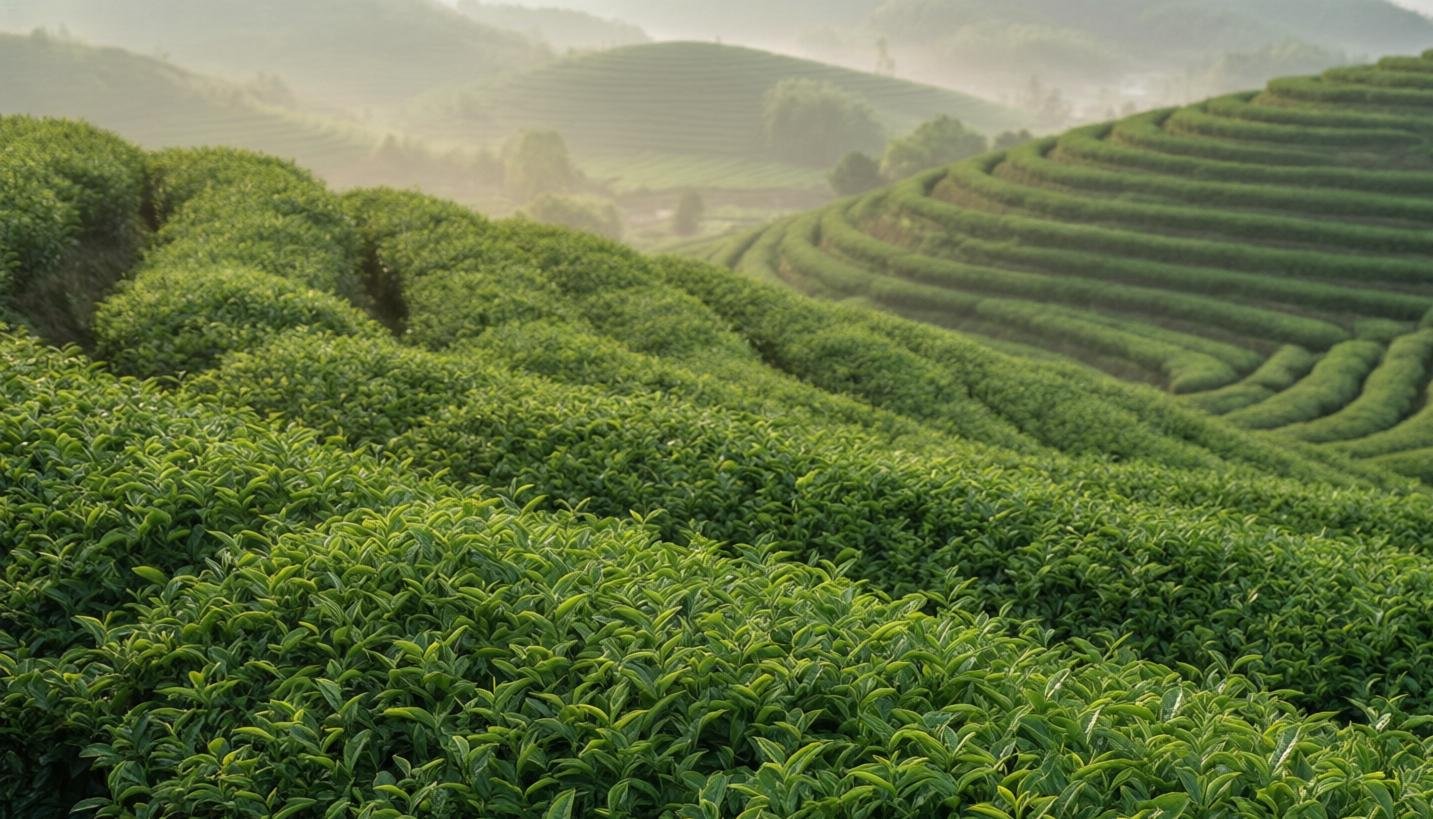
Why Does Harvest Timing Change Longjing Quality?
Longjing is a spring green tea, so the picking date controls more than just the label. In Zhejiang's tea gardens, early spring growth is slow and cool, which lets the young leaves accumulate higher levels of amino acids and lower levels of bitter catechins before they develop the tougher texture of later growth. That combination produces the smooth, chestnut-like sweetness that buyers expect from Longjing.
Later growth is not lower quality in every sense. As the weather warms, leaves grow faster and become larger, more fibrous, and slightly more vegetal. These lots can still make a pleasant cup, but they will not have the same delicate top note or tender mouthfeel as early spring leaf. Understanding this mechanism helps you pay for the actual difference rather than for a seasonal story alone.
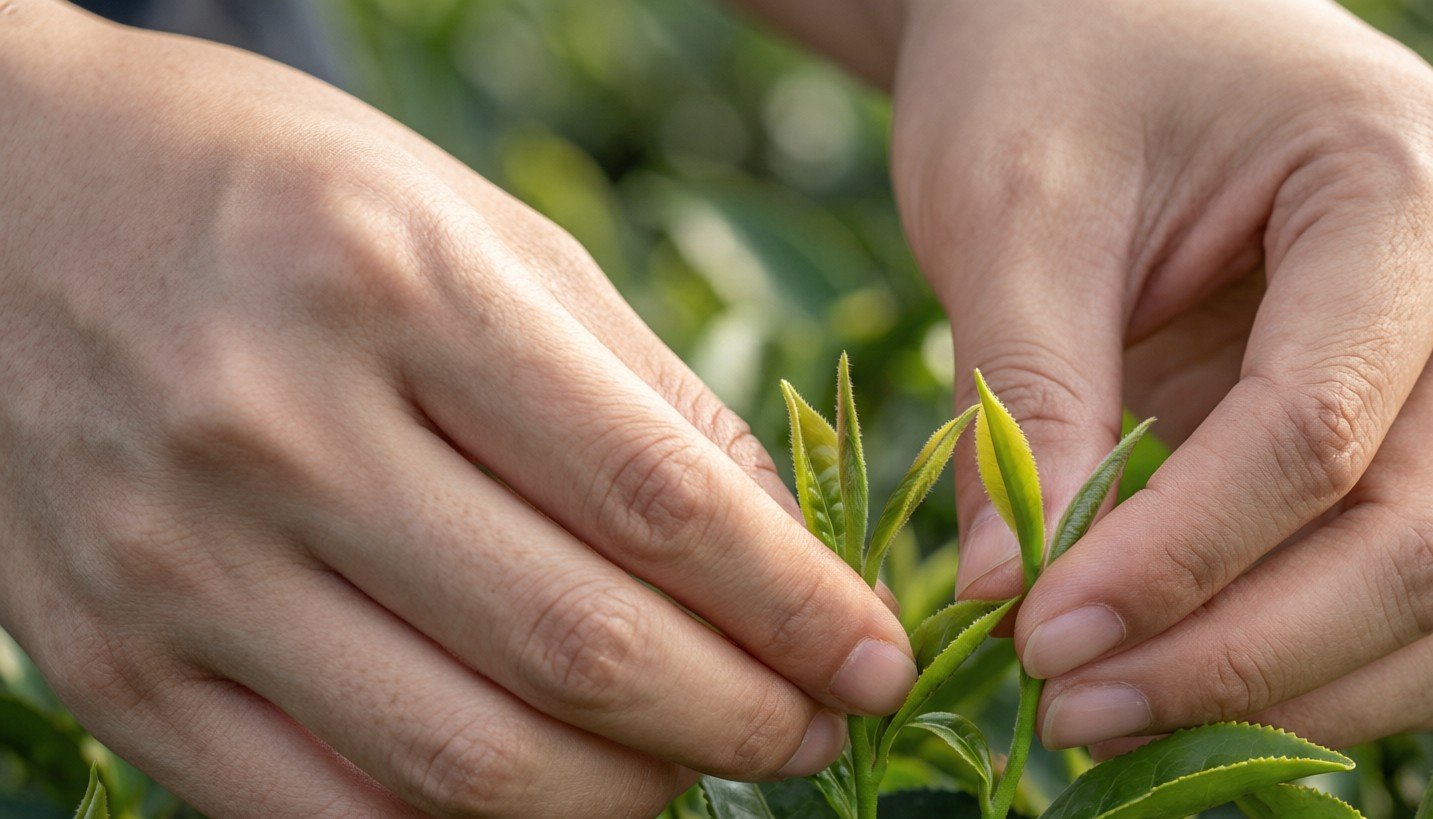
What Does Pre-Qingming Longjing Offer?
Pre-Qingming Longjing, often called Mingqian tea, is picked before the Qingming solar term, which falls on April 4 or 5 depending on the year. This is the smallest and most famous harvest window. The leaves are typically one bud and one young leaf, very tender, and limited in volume because weather conditions can shorten the picking window significantly.
This scarcity explains most of the price. Pre-Qingming lots tend to have a light, fresh, chestnut aroma and a delicate sweetness that disappears quickly after the first few infusions. They are excellent for premium retail, gifts, and buyers whose customers expect the classic Longjing profile, but they are not automatically the best value for every use. Some early lots can taste lighter in body than a slightly later harvest, which matters if your market prefers a stronger cup.
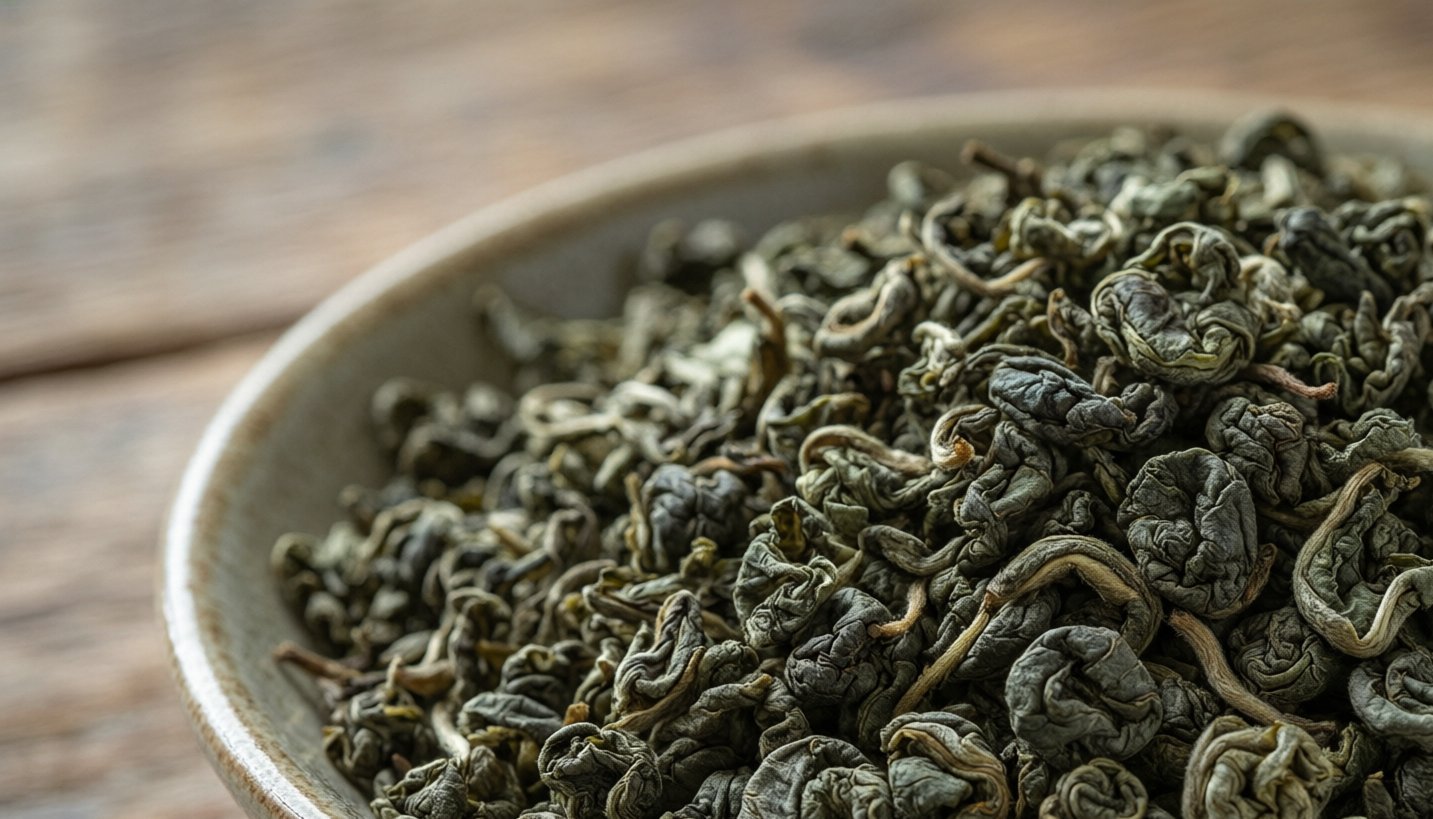
| Harvest window | Typical picking time | Leaf character | Price and best use |
|---|---|---|---|
| Pre-Qingming | Late March to about April 5 | Small, tender buds and one leaf; light chestnut aroma, delicate sweetness | Highest price; best for premium retail, gifts, and light-tasting customers |
| Pre-Guyu | Around April 6 to April 20 | Fuller leaf sets; stronger aroma, more body | Mid price; best for daily drinking, cafes, and restaurants |
| Late spring | After April 20 | Larger, more mature leaf; less delicate, more vegetal | Lower price; useful for high-volume or blended use when freshness is confirmed |
When Is Pre-Guyu and Late Spring Tea the Better Buy?
Pre-Guyu Longjing, also called Yuqian tea, is harvested before the Guyu solar term around April 20. These leaves have had a little more time to develop, so the liquor often has more weight and a longer finish, even though it lacks some of the early spring delicacy. For buyers who need a tea that performs well in a larger pot, a cafe setting, or a daily office brew, this window can be the better commercial choice.
Late spring Longjing is less expensive because the leaf is more mature and the supply is larger. It is not a fake or a defective product, but it should be priced and positioned differently from Mingqian tea. The risk comes when a seller uses an early-season label for a late-season lot, so the harvest date should always be tied to the price and the grade.
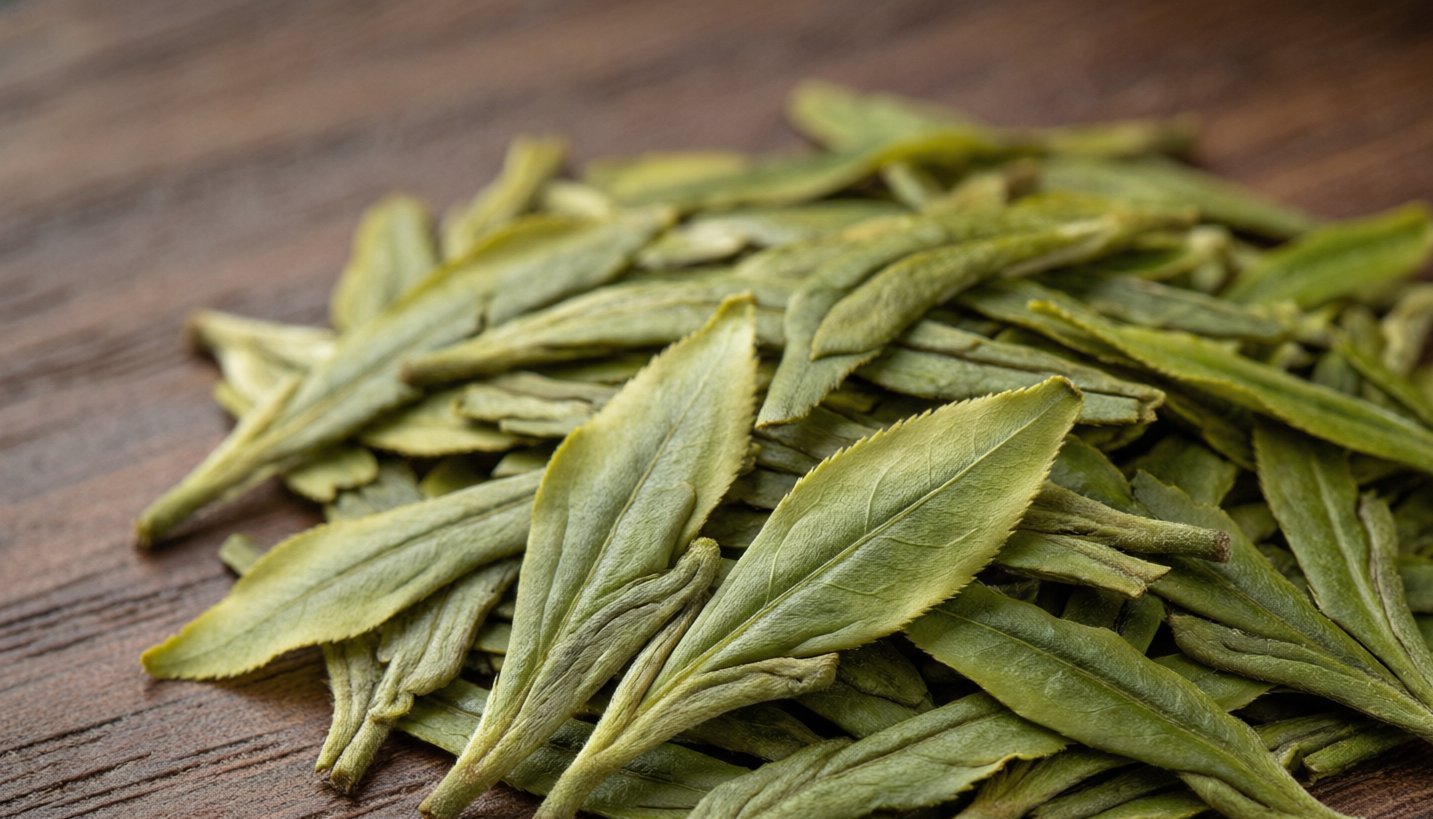
How Can Buyers Verify Harvest Date Before Ordering?
The most useful question is not whether the tea is called Longjing, but when and where it was picked. Ask the supplier for the specific picking period, not just the words "spring tea" or "new tea." A credible lot should be identifiable by harvest window, origin area, and grade, especially if you are paying a pre-Qingming premium.
Look at the dry leaf as a quick check. Fresh spring Longjing tends to be flat, smooth, and uniformly green or yellowish green, with a clean chestnut or roasted aroma. Dull brown color, broken leaf, or a flat smell may mean the tea is old, poorly stored, or not from the stated window. Also ask about packaging and pack date. Longjing needs airtight, cool, dark, dry storage from the moment it is finished.
What Should You Check When Buying Outside Spring?
Most Longjing is sold in the spring harvest season, but buyers sometimes need to restock later in the year. In that case, the main risk is not the season itself but how the tea was stored after production. A well-sealed spring lot can still be usable in summer or early autumn, but green tea does not improve with age. It gradually loses aroma, brightness, and the fresh chestnut note that defines Longjing.
When buying outside the main season, ask for the original harvest date and the packaging date, and confirm that the lot has been kept in cool, dry, dark conditions. Vacuum sealing or nitrogen flushing is a good sign. If a fall purchase is described as freshly picked Longjing, treat that claim with caution unless the supplier can explain the specific picking period and location.
Plan Your Spring Longjing Order
Before you commit to a Longjing lot, decide which harvest window fits your market. If your customers want the classic early-spring chestnut aroma and delicate texture, focus on pre-Qingming lots and ask for the exact picking date. If you need better margin or a more robust daily tea, compare pre-Guyu batches against the same quality checks.
Send the harvest window, grade, origin area, lot size, and target delivery date to Chinese tea suppliers at 427728483@qq.com, and we can check available lots against your freshness and storage requirements.
Frequently Asked Questions
What is the difference between pre-Qingming and pre-Guyu Longjing?
Pre-Qingming Longjing is picked before the Qingming period around April 4 or 5. It is the most delicate, aromatic, and expensive window. Pre-Guyu Longjing is picked before the Guyu period around April 20. It has a fuller body, a stronger aroma, and a lower price. Choose pre-Qingming for premium or gift use and pre-Guyu for daily drinking or food service.
Does Longjing tea improve with age?
No. Longjing is a fresh green tea, not an aged tea. It should be consumed within six to twelve months when stored properly. Over time it loses its bright green color, chestnut aroma, and smooth sweetness. If you want a tea that improves with age, consider pu-erh or a suitable aged white tea instead.
Can I still buy good Longjing after spring?
Yes, but the freshness depends on storage and packaging. A spring lot that was vacuum sealed and kept cool, dry, and dark can still be acceptable in summer or early autumn. Ask for the original harvest date and the packaging date. Avoid vague claims of fresh autumn Longjing unless the supplier provides a clear picking period and origin.
How do I know a Longjing lot is fresh?
Check the dry leaf first. Fresh Longjing should look flat, smooth, and evenly green or yellowish green, with a clean chestnut or roasted aroma. Dull brown color, broken leaf, or a flat smell suggests poor storage or age. Also ask for the exact picking date and packaging date, and confirm that the lot has been kept in airtight packaging away from heat and light.
No author description available.

白玉京