Xinyang Black Tea Brands Worth the Money: A Buyer’s Guide
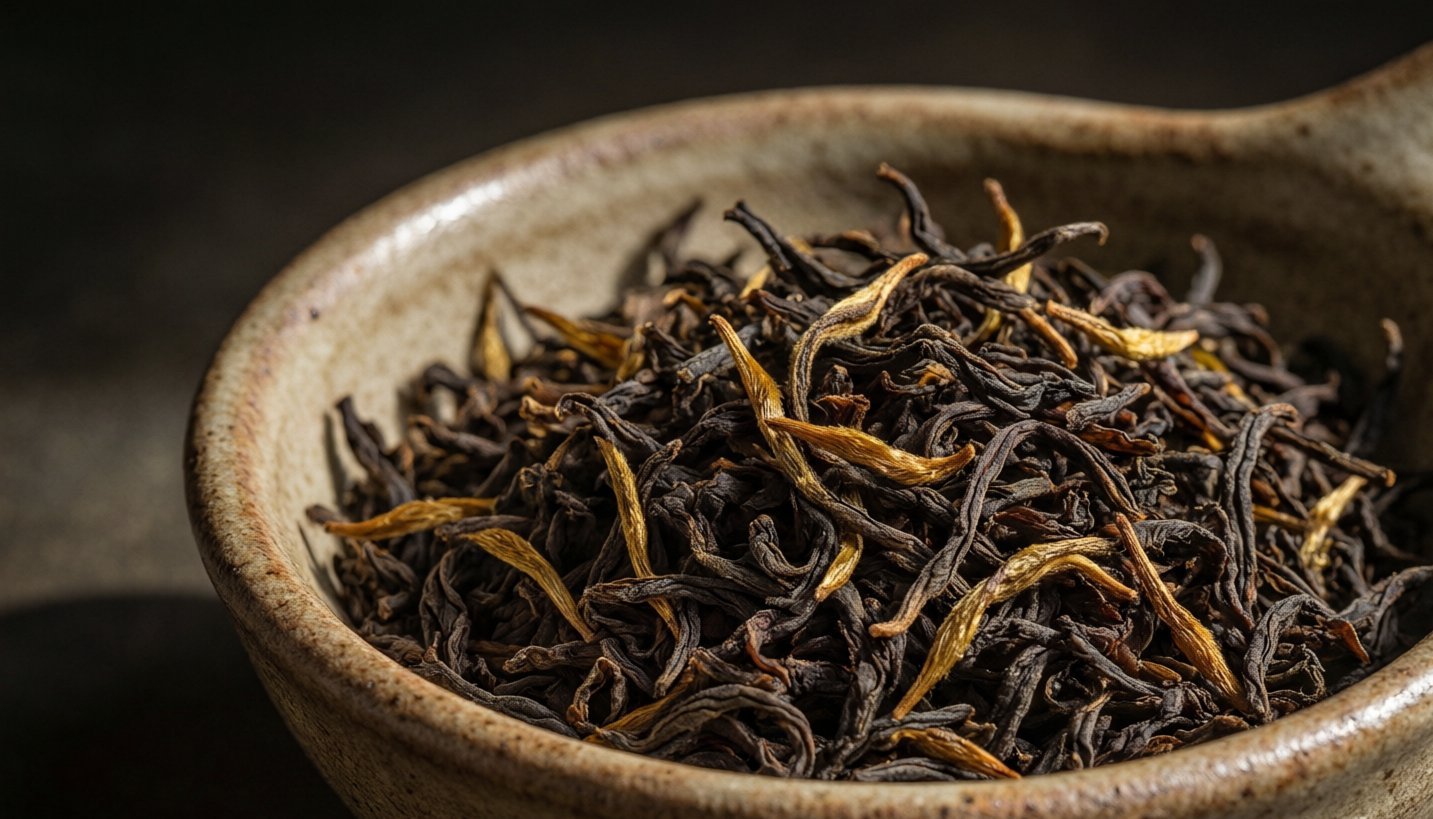
Xinyang is best known for its green tea, but the same high-altitude gardens in southern Henan now produce a small-volume black tea — usually sold as Xinyang Hongcha or Xinyang black tea. Because the category is newer than Keemun or Dianhong, brand names are not especially reliable shortcuts. This guide ranks what actually deserves the money: grades, producer types, and verification points, not just labels. Demand for whole-leaf specialty tea has held firmer than low-grade commodity tea in recent market reports [3].
Where Xinyang Black Tea Sits in the Market
Most Xinyang black tea is made in the Congou, or gongfu, style: leaves are withered, rolled, fully oxidized, and dried [1]. Compared with the malty weight of Yunnan Dianhong, Xinyang black tea often carries a cleaner, stone-fruit-like note and a lighter body. That difference matters when you decide how much to pay, because price should track cup character and leaf grade more than a famous provincial name.
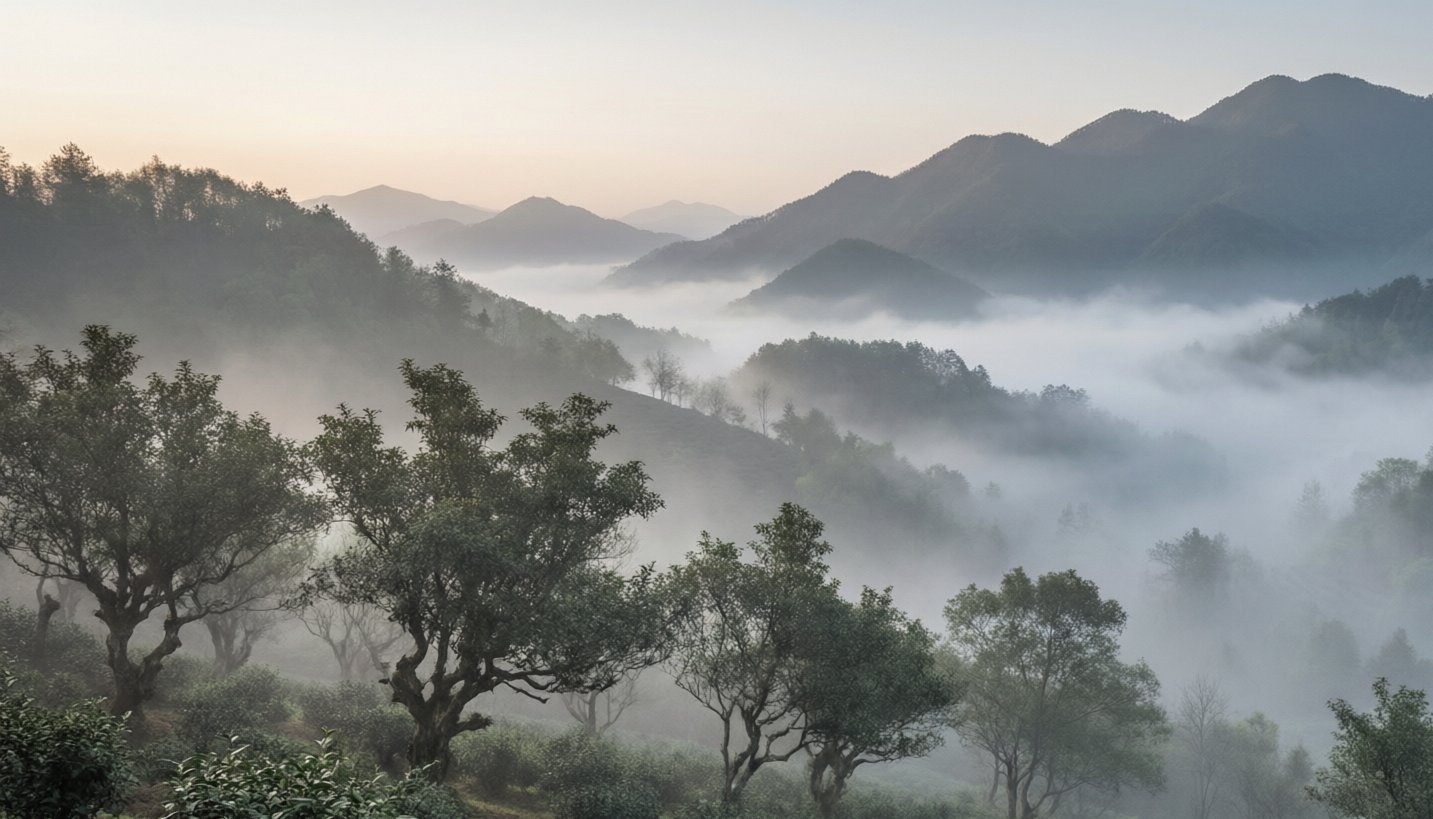
Xinyang sits around 32°N latitude, with many gardens between roughly 300 and 800 meters. Cool springs slow growth, which raises leaf density and cost, but also improves mouthfeel when the lot is made carefully. ISO 3720:2011 basic black tea requirements are a useful minimum gate for import lots [2], especially when factory test data is incomplete.
How to Read the Three Value Tiers
The most useful way to buy Xinyang black tea is by tier, not by brand name alone.
| Tier | What you should get | What is not worth paying extra for |
|---|---|---|
| Entry-level | Uniform machine-harvested leaf, brisk cup, clean woody finish | Heavy gift packaging, long shelf-life claims |
| Daily-drinking | Slightly broken leaf with visible golden tips, smooth sweet note, no sour aftertaste | "Wild" or "ancient tree" labels without trace |
| Premium | Early-spring or high-altitude hand-picked strips, bright orange-red liquor, layered sweetness | Age claims, oversized boxes, exaggerated health language |
These visual and cup markers are consistent with Congou black tea grading under GB/T 13738.2 [1], but they are not a substitute for blind cupping.
Sourcing shortcut: Name your tier before you ask for price. If you want a matched lot list, email 427728483@qq.com with "Xinyang black tea" and your order volume.
Which Producer Types Are Worth Paying For
Pay for the production model and the evidence, not just the label.
- Factory with its own garden base — usually more consistent across lots. Ask for GPS plot and harvest dates.
- Trading company with transparent trace — useful for combining small farmer lots, but only if lab reports and cupping notes accompany the tea.
- Farm-direct micro-lots — can be excellent, but variable. Pay only after sample cupping and grade confirmation.
- Gift-box-first brands — judge the tea inside, not the case.
Among established Xinyang names, Longtan (龙潭) and Wenxin (文新) are the most widely distributed tea brands from Xinyang. Both are primarily green tea companies with smaller black tea lines, so treat their black tea as a benchmark of standardized production rather than a guarantee of high value. The "Xinyang Hong" label itself is a regional product name, not a single brand, so quality varies widely from lot to lot.
Verification Checklist Before You Pay
Before accepting any quoted price, confirm these points.
- Request grade, harvest date, production date, and batch number. Be cautious if the harvest year is missing.
- Ask for pesticide residue and heavy metal testing matched to your destination market, such as EU MRLs or U.S. FDA import tolerances.
- Require cupping notes covering dry leaf, wet leaf, liquor color, aroma, and finish.
- Check dry leaf shape: tight strips, some golden tip, no dust, stems, or foreign matter.
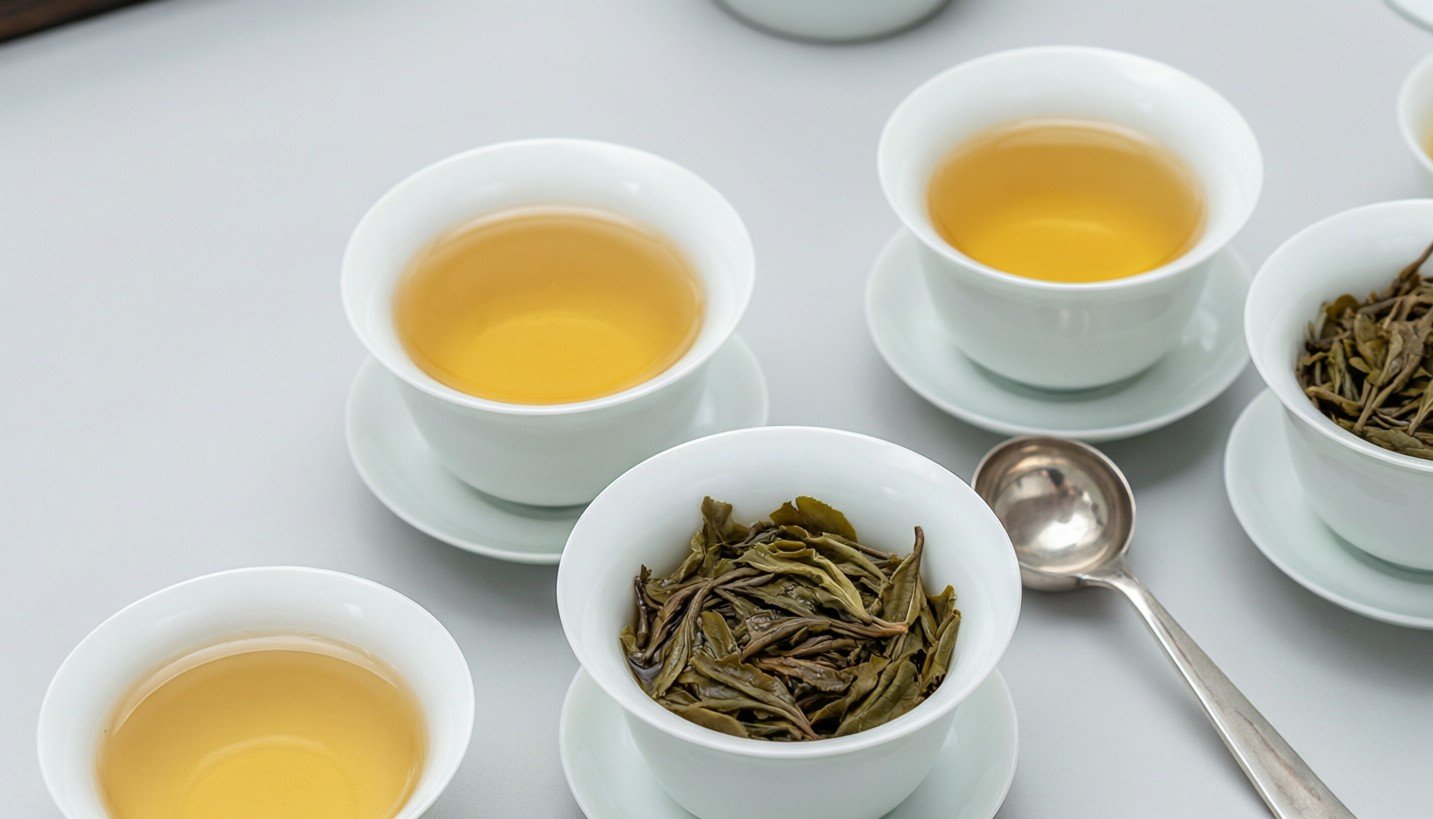
- Inspect wet leaf after brewing: it should be reddish-brown, not dull black. A stewed or sour cup is a reason to negotiate down or pass.
- Compare at least two lots at the same price point; do not buy a single brand on reputation alone.
Price Traps That Make Ordinary Tea Look Premium
Several packaging and marketing moves add cost without adding quality.
- "Wild" or "ancient tree" wording with no village, altitude, or lot number
- "Aged" black tea claims — Xinyang black tea is made for fresh consumption, and aging benefit is unproven at this tier
- Heavy ceramic or wooden gift boxes
- "Golden tip" marketing without stating the actual tip percentage
- "Direct from tea farmer" language where the seller cannot produce test reports or batch trace
Before you pay, send candidate lot details to 427728483@qq.com. We can help you compare the same grade across factories and flag pricing that does not match the leaf.
Source Xinyang Black Tea Without the Guesswork
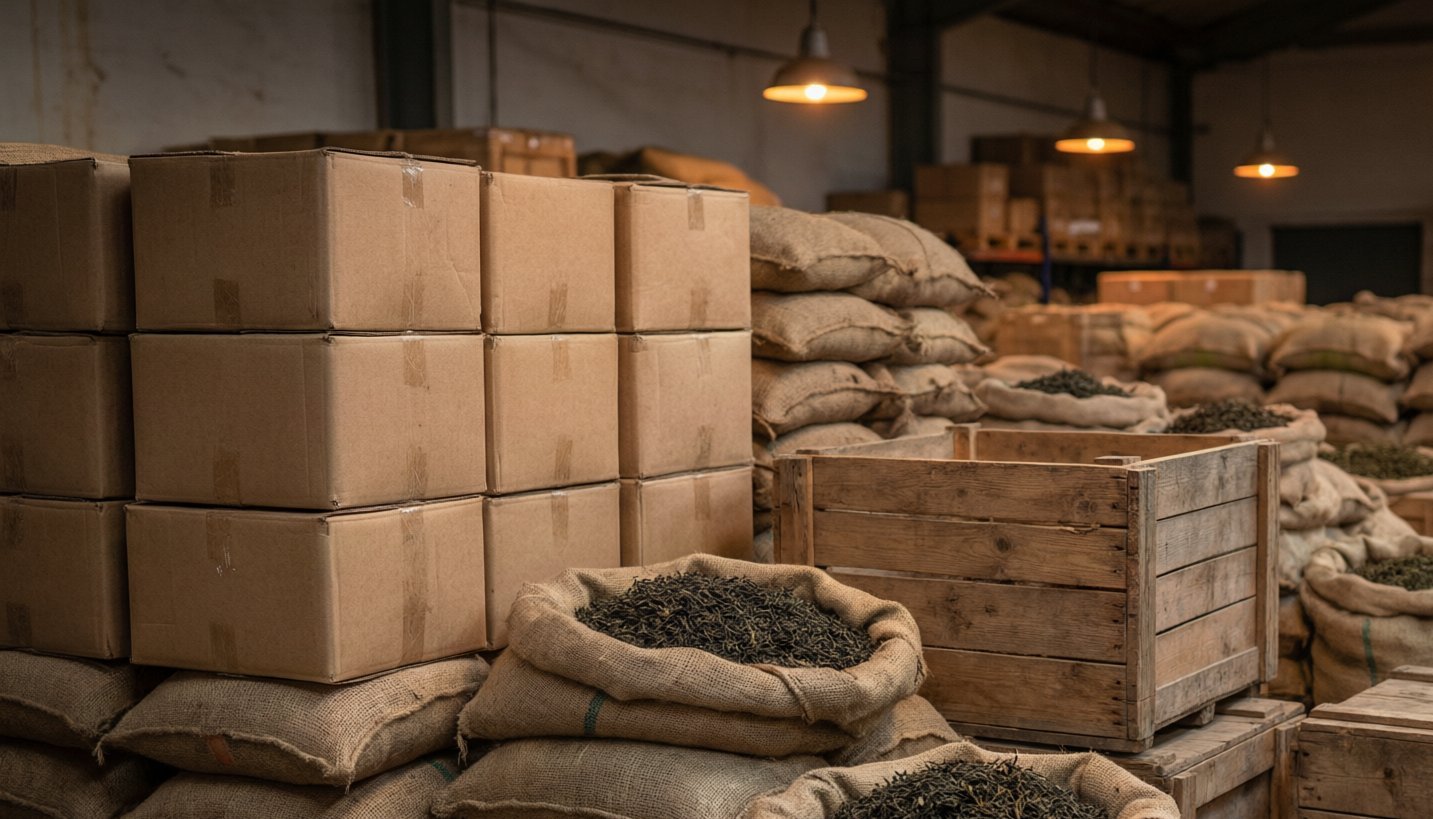
Working with Chinese tea suppliers, we help buyers match the right Xinyang black tea grade to their retail or wholesale program. Send your target volume, market, and packaging format to 427728483@qq.com. We will reply with current harvest photos, sample cupping notes, and FOB price guidance.
Frequently Asked Questions
Is Xinyang black tea the same as Xinyang Maojian?
No. Xinyang Maojian is a green tea that is fixed early to stop oxidation. Xinyang black tea is fully oxidized. They share a region, but the process and cup character are completely different.
Which grade is the best value for first-time buyers?
The daily-drinking tier is usually the safest starting point: visible golden tips, a clean sweet finish, and pricing that makes sense for repeated orders. Ask for one spring lot and one autumn lot to compare before committing.
Does Xinyang black tea improve with age?
Generally not. Unlike raw pu-erh or some dark teas, Xinyang black tea is produced for fresh consumption. Buy within 12 to 18 months of production and store it properly to hold aroma and flavor.
How should I store Xinyang black tea?
Keep it cool, dry, dark, and sealed, away from strong odors. For bulk wholesale storage, use oxygen-barrier packaging and avoid storing black tea next to spices, cleaning products, or strong-smelling goods.
References
[1] Standardization Administration of China. GB/T 13738.2-2017, Black tea — Part 2: Congou black tea.
[2] International Organization for Standardization. ISO 3720:2011, Black tea — Definition and basic requirements.
[3] FAO Intergovernmental Group on Tea. Current market situation and medium-term outlook. FAO, 2023.
No author description available.

白玉京