Lu’an Guapian Tea Quality: How to Judge It in 30 Seconds
Most buyers judge Lu'an Guapian by price first and appearance second. In practice, the first 30 seconds with the dry leaf tell you more than the invoice does. The tea should look like what it is: a leaf-only green tea from the protected Lu'an area, made without buds or stems, with a flat, oval shape and a cool emerald color. If the batch fails the quick checks below, it will usually fail in the cup too.
The 30-Second Sequence, Step by Step
0–10 Seconds: Dry Leaf Shape and Uniformity
Take a handful and look at it once. Real Lu'an Guapian is flat and oval, often described as "melon-seed shaped." It should be mostly unbroken, without buds, stems, or powdery dust. The surface should look dry and slightly frosted, not glossy or wet. Uniformity matters more than a single perfect leaf: a batch with consistent size and color is usually made from one controlled processing line [1].
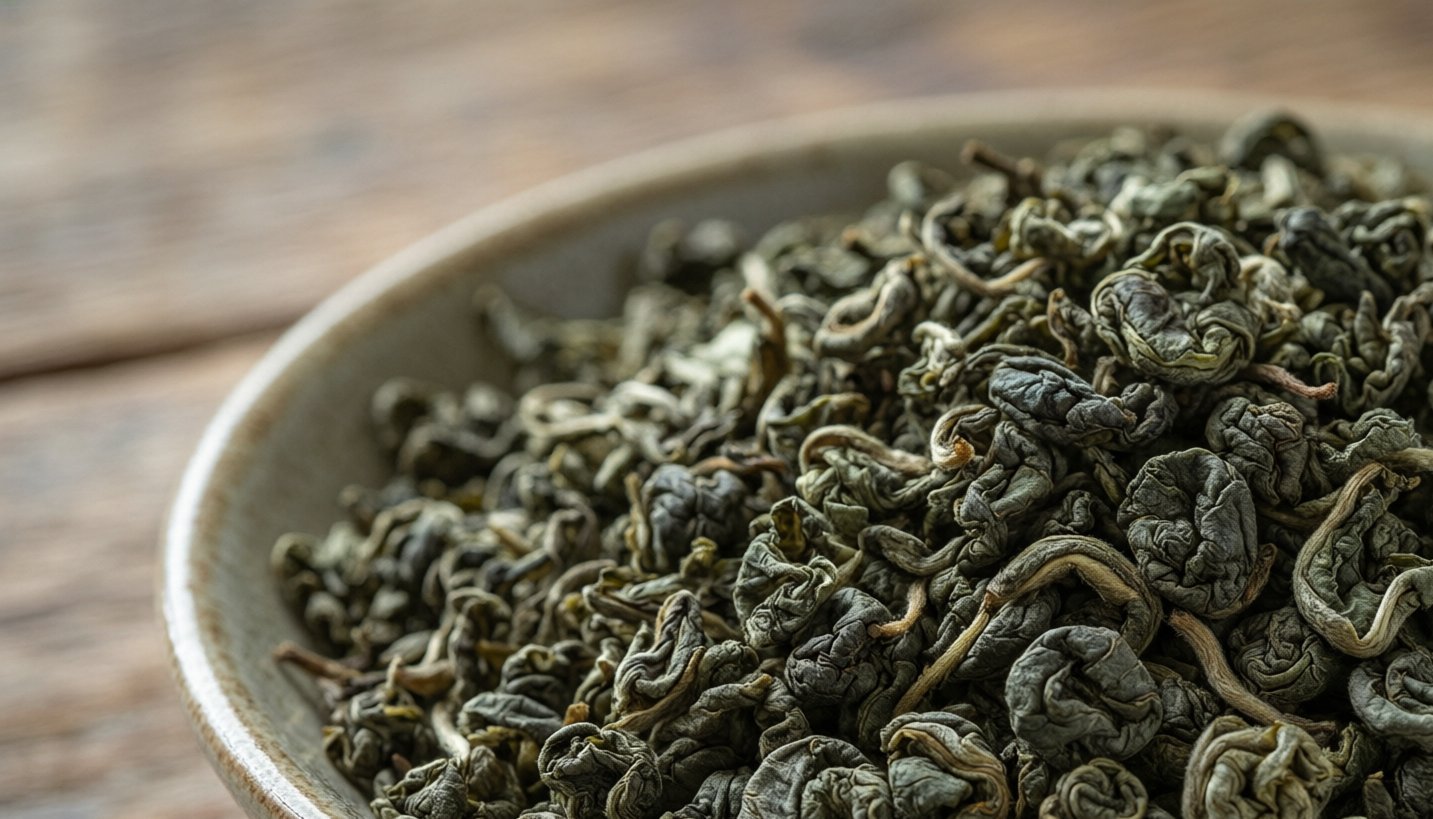
What fails this step: mixed leaf grades, obvious stems, small fragmented material, or leaves that look shiny and oiled. Any of these suggests a blended or over-handled lot.
10–20 Seconds: Aroma and Color
Rub a few leaves lightly between your fingers and smell. High-quality Lu'an Guapian has a clean, chestnut-like or orchid-like freshness. It should not smell smoky, sour, musty, or like stale hay. The dry color should be a natural deep green with a silvery-white sheen, not dull grey, yellow-brown, or unnaturally bright green [2].
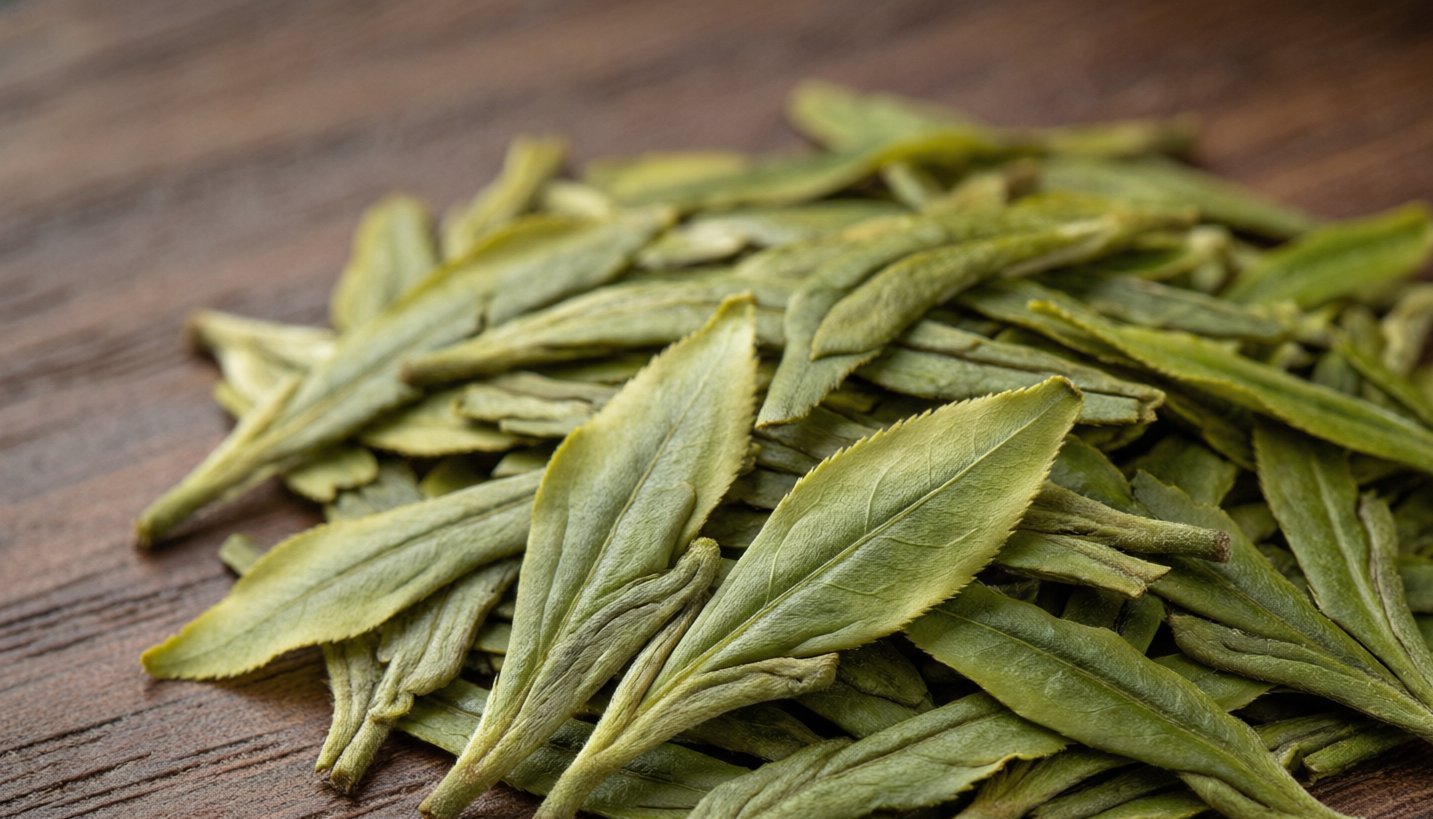
A flat, papery scent usually means the tea has absorbed moisture or sat too long. A sharp green smell can mean the firing was rushed, which often leaves a rough, bitter edge in the cup.
20–30 Seconds: Liquor and Leaf Base
Put a few leaves in a white cup, add hot water, and look at the liquor within the first few seconds. Good Lu'an Guapian produces a clear, bright yellow-green liquor, not cloudy or brown. The aroma should open quickly and remain clean [2].
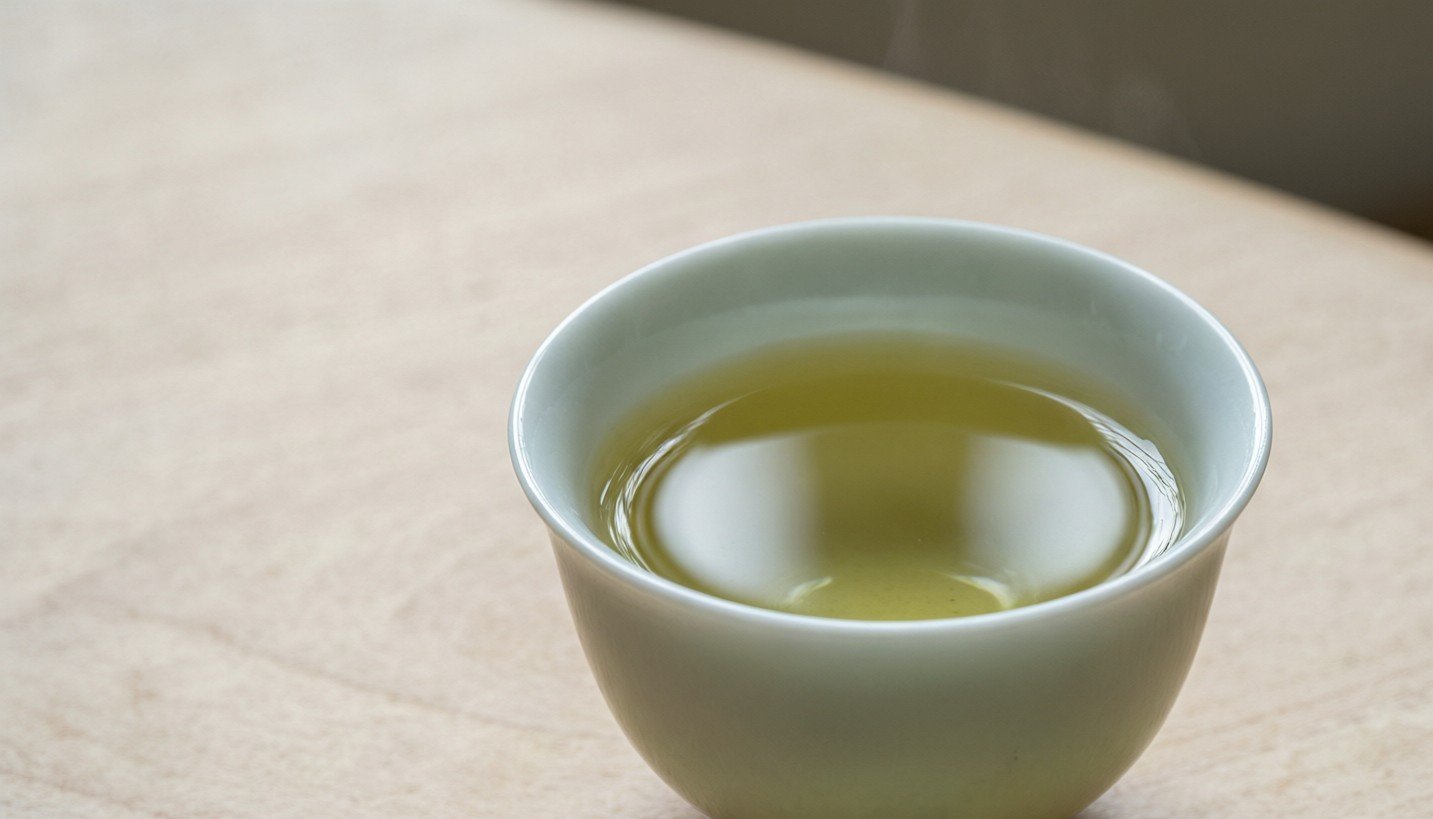
Taste a small sip. The best batches are brisk and rounded, with a noticeable sweet return after swallowing. Harsh bitterness, flatness, or a dry scratchy finish are defects. After the leaves unfurl, they should be tender and bright green, with even edges and no dark-red oxidation spots [2].
What the Standards Actually Say
Chinese sensory evaluation standards do not judge tea by a single phrase. They separate quality into five elements: dry leaf appearance, liquor color, aroma, taste, and infused leaf [2]. Lu'an Guapian's geographical indication standard adds origin and processing requirements, because the protected area and the leaf-only plucking style are part of the product definition [1]. Green tea basics set the outer limits for moisture, sensory cleanliness, and foreign matter [3].

This is why a 30-second check works: you are not guessing. You are running a compressed version of the same visual and sensory checks a professional buyer uses before sending samples to the lab.
Buying by the lot rather than the cup? Before you lock quantities, request batch photos shot in daylight, the harvest date, and the most recent pesticide residue test report. Send those to 427728483@qq.com along with the grade and quantity, and you will get a straight read on whether the lot matches the reference leaves before you pay.
Red Flags That Should Stop the Order
| Red flag | What it usually means |
|---|---|
| Buds or stems mixed into the leaf | Not standard Lu'an Guapian processing |
| Dull grey or brown color | Old stock, poor storage, or late-harvest leaf |
| Cloudy liquor or oily surface | Excessive heat, broken material, or contamination risk |
| Smoky or sour aroma | Firing defect or moisture damage |
| Harsh bitterness with no sweetness | Rough processing or low-grade raw leaf |
One warning: do not judge by green color alone. Stored tea can be dyed or refreshed, and some high-mountain batches naturally look slightly muted in artificial light. Shape, aroma, and liquor clarity are harder to fake.
Source Lu'an Guapian With Confidence
The difference between a good Lu'an Guapian and a weak one is usually visible before you finish your first cup. Standardize the 30-second check across every lot you receive, keep a reference sample from the first approved batch, and compare every new arrival against it.
For wholesale sourcing, sample requests, grade verification, or batch documentation, contact our team at 427728483@qq.com with the leaf grade, target quantity, and shipping destination. Ask for the harvest date, storage conditions, and available test reports in the same email so the evaluation can begin immediately.
FAQ
Is Lu'an Guapian supposed to have buds?
No. Standard Lu'an Guapian is made from mature leaves without buds or stems. That leaf-only style is part of its protected processing method, not a defect [1]. If a batch arrives with visible buds and stems, it should be reclassified or rejected.
Why does some Lu'an Guapian look grey instead of emerald?
Grey or dull color usually points to old stock, exposure to heat or moisture, or late-harvest material. A slight white frost is normal and comes from fine processing, but a flat grey tone across most of the batch is a warning sign, especially if the aroma is weak [2].
Can I rely on the 30-second check for high-end purchases?
The 30-second check should be your first screen, not your final contract. It catches most visual, aroma, and texture problems quickly. For premium lots or large orders, follow it with cupping under standard conditions and laboratory tests for moisture, pesticide residues, and foreign matter [2][3].
How should I store Lu'an Guapian after buying?
Keep it cool, dry, sealed, and away from light and strong odors. Green tea has a shorter fresh window than dark tea, so buy in quantities you can rotate quickly. If a batch is intended for long-term storage, vacuum packaging or cold storage works better than room-temperature storage [3].
References
[1] Standardization Administration of China. GB/T 18957-2008, Product of geographical indication — Lu'an Guapian tea.
[2] Standardization Administration of China. GB/T 23776-2018, Methodology for sensory evaluation of tea.
[3] Standardization Administration of China. GB/T 14456.1-2017, Green tea — Part 1: Basic requirements.
No author description available.

白玉京