Gongmei White Tea Prices in 2026: What Buyers Really Pay
Gongmei white tea does not have one price. A fresh spring Grade 1 loose lot from Fuding can cost three to four times less than a cleanly stored seven-year cake with verified provenance. That spread is not random: grade, harvest season, origin, processing, and storage age all move the quote before packaging, testing, and freight enter the calculation.
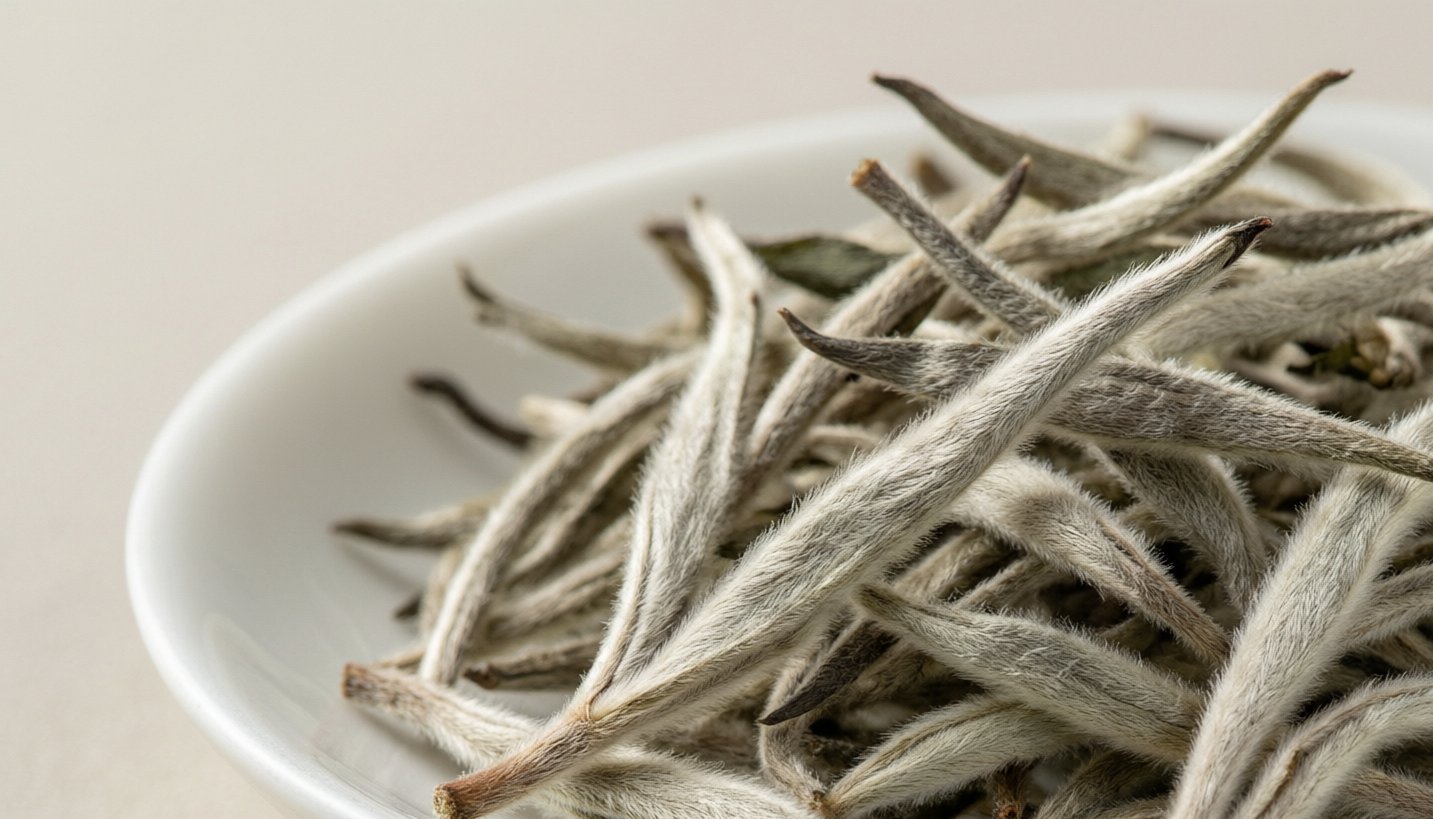
Why Gongmei White Tea Prices Vary More Than Other White Tea Grades
Gongmei sits between Bai Mudan and Shoumei in the white tea hierarchy. Under China’s national white tea standard, Gongmei is a defined grade made from a tender bud with two to three leaves; Shoumei permits more mature leaves, while Bai Mudan typically retains a higher bud share [1].
That difference matters commercially. Bud-heavy material is more labor-intensive to pick and costs more per kilogram of fresh leaf. Gongmei, with a lower bud ratio than Bai Mudan but a more refined standard than Shoumei, moves across a wider pricing band because small changes in plucking standard, leaf tenderness, and sorting produce visibly different material.
Other factors push the range further:
- Origin: Fuding, Zhenghe, Jianyang, and Songxi all produce Gongmei, but Fuding material often carries a market premium because of demand, not always because of objectively higher quality.
- Harvest season: Spring Gongmei typically has tighter leaf shape and more balanced flavor. Autumn Gongmei can be larger-leafed and cheaper.
- Form: Loose leaf and pressed cake versions of the same base material can carry different per-kilogram economics.
- Age: Three-year and seven-year lots are priced differently, but age alone should not justify an extreme premium.
The result is that two suppliers may both say “Gongmei” while quoting very different products.
2026 Wholesale Price Ranges by Grade, Form, and Harvest
The following are market-indicative FOB China ranges for clean, properly documented lots at typical wholesale quantities of 25 to 50 kilograms. They are observational ranges rather than fixed offers [2].
| Product form | Typical FOB China range | Notes |
|---|---|---|
| New spring loose Gongmei, Grade 1 | $22–42/kg | Tender leaf, Fuding or Fuding-style material |
| New autumn loose Gongmei | $14–28/kg | Larger, more mature leaf; lighter aroma |
| Aged loose Gongmei, 3–5 years | $38–70/kg | Premium depends on base grade and storage |
| Aged loose Gongmei, 7+ years | $60–130/kg | Clean dry storage is essential; provenance drives value |
| Pressed Gongmei cake, 300–357 g | $10–28/cake | Roughly $30–80/kg equivalent; cake weight is not a pricing standard |
Retail prices usually land well above these levels after international freight, duties, packaging, storage, and margin. An importer seeing a $25/kg FOB quote should not be surprised when the same tea reaches Western retail at $70 to $110/kg.
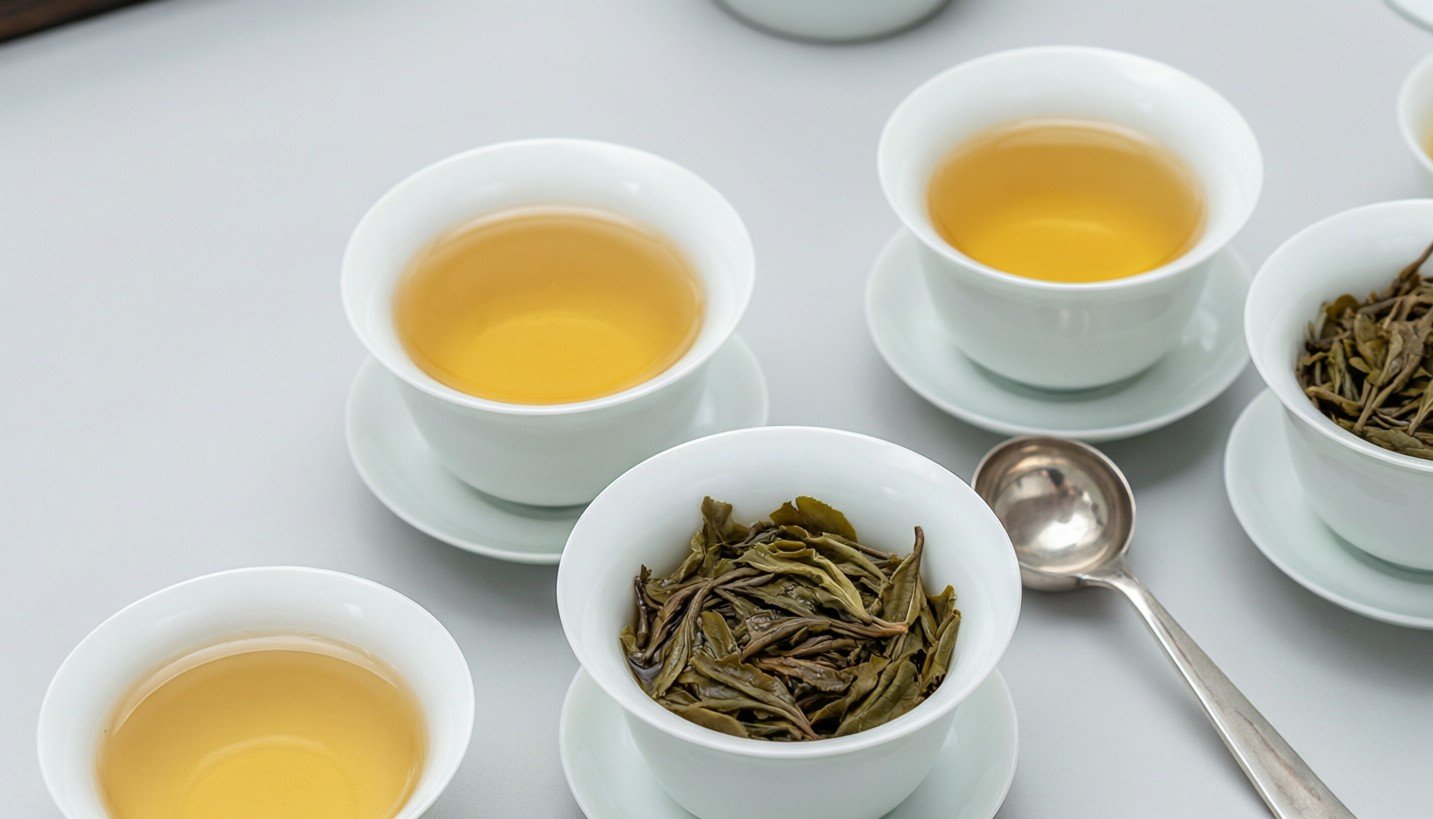
How Aging Changes Gongmei Prices
Aged white tea is not automatically valuable, but Gongmei has legitimate aging potential. Over several years in clean, dry storage, the fresh grassy and floral notes shift toward honey, dried fruit, warm hay, and sometimes a medicinal or herbal quality. That change can support a higher price.
The storage premium depends on several conditions:
- Temperature and humidity control: Many buyers look for storage around 20–25°C with humidity in the 45–60% range, away from odor and direct light.
- Base material quality: A seven-year tea made from thin, poorly sorted leaf will not age into a premium product.
- Provenance chain: The buyer should be able to see harvest year, origin, storage location, and lot history. Without this, age is only a label.
- Storage type: Clean dry storage is far easier to value than humid or inconsistently stored material.
The market tends to step prices at one year, three years, seven years, and ten years. After seven years, price dispersion widens because storage quality becomes the dominant variable.
Not every old Gongmei deserves the asking price. If the brewed leaf is dull brown without aroma, the soup is flat, and the seller cannot explain the storage history, the age premium may be unsupported.
Grade Confusion: Gongmei vs Shoumei vs Bai Mudan
One of the most common pricing traps is grade shifting. Buyers should understand where Gongmei sits:
- Bai Mudan: One bud with one to two leaves in many plucks; higher bud share, more floral top notes.
- Gongmei: One bud with two to three leaves; tender but leafier than Bai Mudan.
- Shoumei: Mature leaves and broader plucking; lower leaf cost and stronger, less delicate character.
Because Gongmei carries a better label than Shoumei, some sellers label coarse Shoumei material as Gongmei to capture a higher price. The difference should be visible in the dry leaf: Gongmei should still show consistent bud-bearing tips and tender, smaller leaves. If the lot looks like large, broken, or mostly stem-heavy leaf sold as premium Gongmei, treat the quote with caution.
When evaluating a sample, check:
- Bud-to-leaf ratio and leaf tenderness
- Uniformity of color and shape
- Cleanliness and broken-leaf percentage
- Liquor color, aroma, and aftertaste
- Whether the brewed leaves support the stated grade
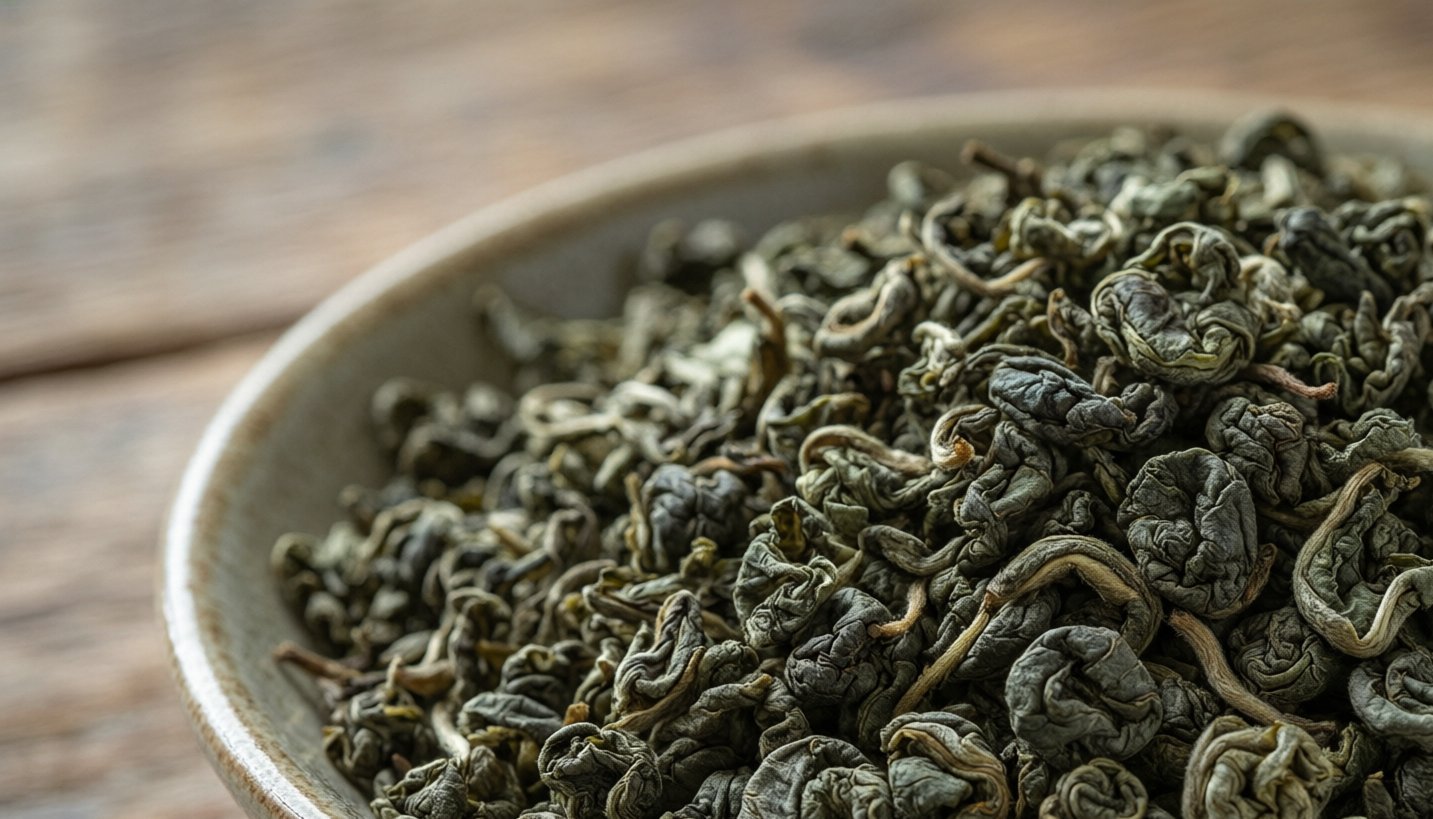
Six Cost Components Behind a Supplier Quote
A credible Gongmei quote is built from measurable components rather than a single markup.
- Fresh leaf cost: Spring tender material costs more than autumn or summer leaf. Altitude, garden location, and harvest labor all affect this line.
- Processing yield: Withering, sorting, and drying reduce fresh-leaf weight, and the final yield differs by grade and leaf condition.
- Sorting and grading: Removing yellow, broken, or overly mature leaves increases consistency and cost.
- Testing and certification: Pesticide screening, heavy metal tests, and compliance work for EU, US, or organic buyers add per-lot cost. EU maximum residue limits are a common benchmark for export screening [3].
- Packaging and pressing: Loose kilogram packs, gift sets, and pressed cakes each have different material and labor costs.
- Aging and inventory carry cost: A supplier holding tea for three to seven years is financing storage space and tied-up capital.
When a quote is unusually cheap, one of these components is usually being compressed, often at the expense of sorting consistency or testing.
How to Compare Quotes Without Overpaying
Ask for more than a price list. A serious quote should include:
- Grade and harvest year
- Origin at county or mountain level
- Harvest season
- Dry leaf image and brewed leaf image
- Storage method and duration, for aged lots
- Moisture, pesticide, and heavy metal test results
- MOQ, packaging, and Incoterms
Compare quotes on equivalent terms. A $18/kg autumn lot is not a better deal than a $30/kg spring Grade 1 lot if the buyer needed tender, bud-bearing spring material.
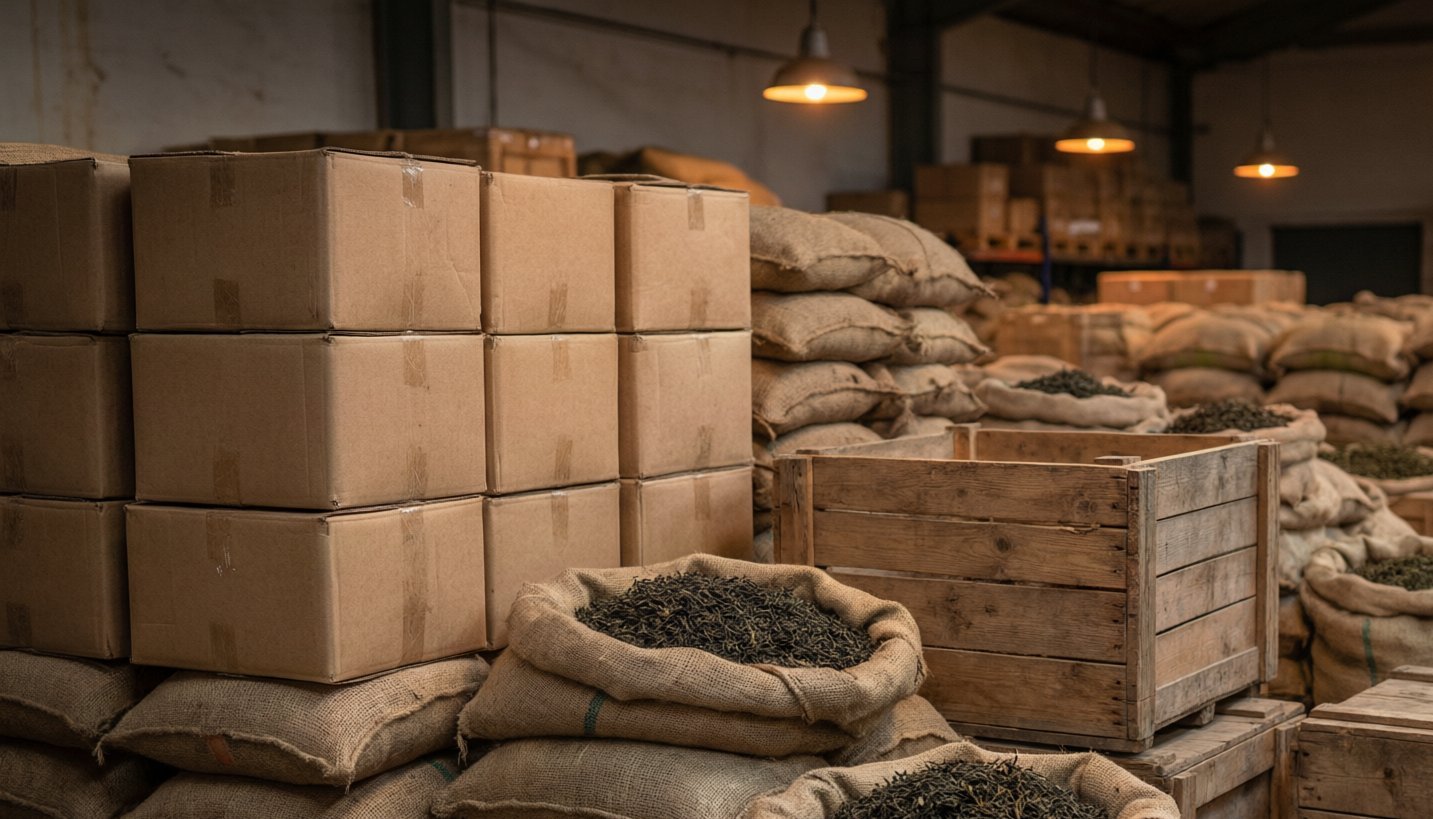
Sourcing note: If you are comparing Gongmei lots across loose and pressed formats, send your target grade, harvest window, annual volume, and destination market to 427728483@qq.com. The team can return wholesale pricing options matched to grade, age, and test documentation rather than a single unqualified number.
Work With a Chinese Tea Sourcing Team
For importers, tea brands, and wholesale buyers looking for Gongmei white tea, the focus should be on documented quality before price negotiation. We source Gongmei from Fuding and surrounding producing areas, with options for loose lots, private label packaging, and certified export material.
Send your requirements to 427728483@qq.com with the following:
- Target grade and harvest year
- Quantity and preferred form
- Packaging and destination market requirements
- Lab testing or certification needs
A sourcing specialist can respond with available lots, price ranges, sampling instructions, and lead times.
FAQ
What is a fair wholesale price for new Gongmei in 2026?
For clean spring Grade 1 loose material at 25–50 kg MOQ, market-indicative FOB China pricing tends to fall between $22 and $42 per kilogram. Autumn lots and lower grades usually price lower.
Is aged Gongmei always worth the premium?
No. Aged Gongmei is worth more when the base leaf is sound and storage is clean, dry, and documented. Age by itself does not guarantee better flavor or higher value.
What is the difference between Gongmei and Shoumei?
Gongmei is a more tender grade made from a bud with two to three leaves. Shoumei allows more mature leaves and broader plucking. Gongmei should look more uniform and bud-bearing than Shoumei.
What MOQ should I expect from Chinese Gongmei suppliers?
Small wholesale orders often start at 10–25 kg. More flexible pricing and private label options usually begin around 50 kg or more, depending on the supplier and packaging format.
How do I verify the grade before buying?
Request dry leaf and brewed leaf photos, ask for the harvest year and plucking standard, and cup a physical sample. Compare bud share, leaf size, uniformity, and liquor character against a known Gongmei reference.
Does Gongmei improve with age?
Gongmei can improve over three to ten years in clean, dry storage. The fresh profile becomes rounder, sweeter, and more honeyed. Poor storage or weak base material limits this potential.
References
[1] Standardization Administration of China. GB/T 22291-2017, White tea.
[2] China Tea Marketing Association. China tea production and marketing survey, 2024–2025.
[3] European Commission. Regulation (EC) No 396/2005 on maximum residue levels of pesticides in food and feed.
No author description available.

白玉京