Best Pu-erh Tuocha Brands Worth the Money in 2026
If you are buying pu-erh tuocha for your own shelves, a retail line, or a wholesale account, the brand is one of the most useful shortcuts you can use — but only if you understand what sits behind the label. A tuocha is a compressed pu-erh form pressed into a bowl or nest shape, traditionally made for easier storage, transport, and portioning. Under the Chinese national standard GB/T 22111, pu-erh tea refers to products made from Yunnan large-leaf sun-dried green tea that have undergone post-fermentation or natural aging pathways [1]. The shape itself, however, says very little about whether a specific lot is worth your money.
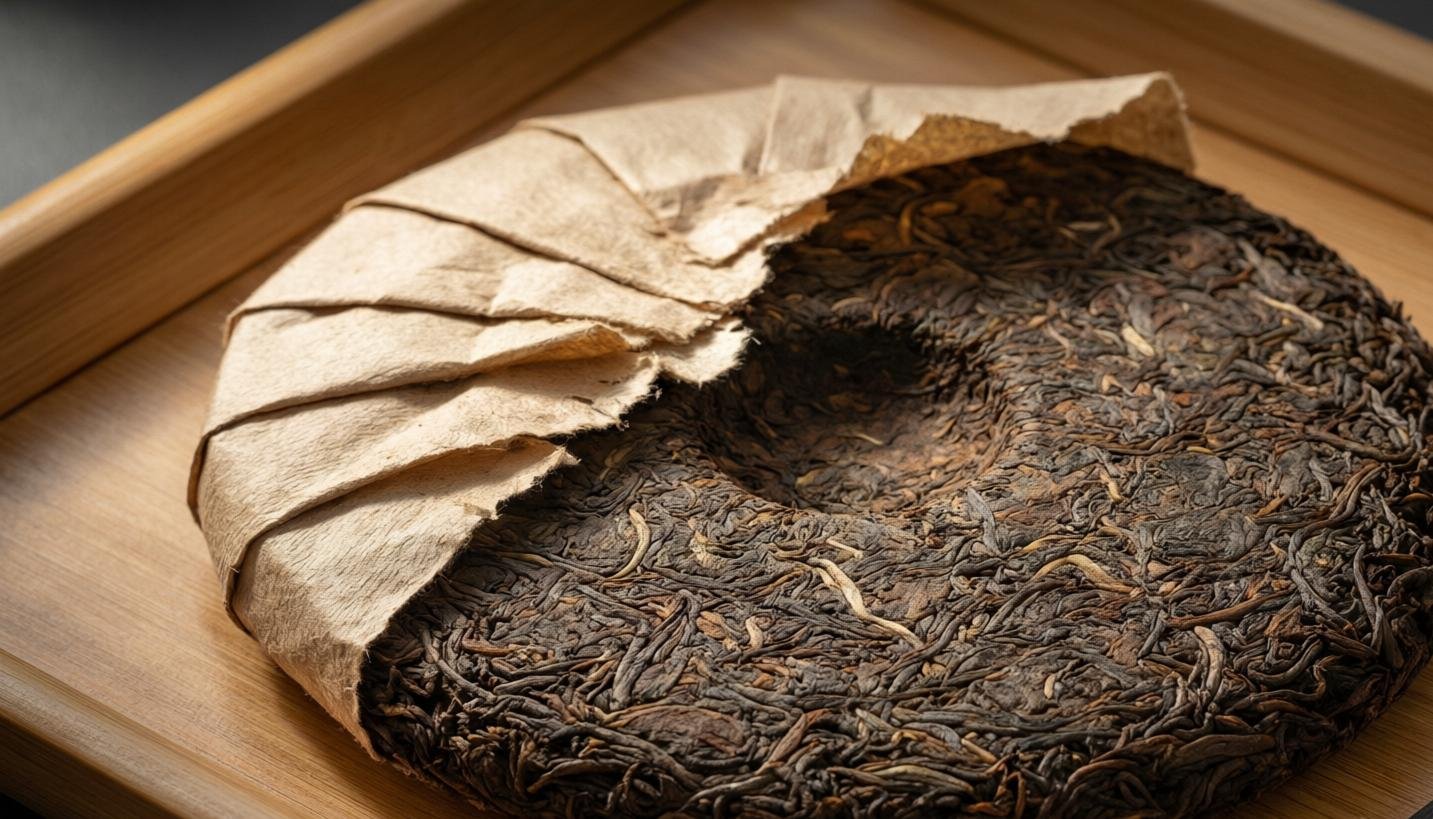
The real value equation in pu-erh tuocha comes down to five factors: raw material identity, pressing quality, storage cleanliness, batch consistency, and how honestly the brand describes age and origin. A well-known factory name can help with all five, but it can also inflate prices for ordinary material. That is why a ranking of “worth the money” brands has to separate reliable quality from collector hype.
What to Look for in a Pu-erh Tuocha Brand
Before comparing factories, it helps to define what you are actually paying for. In commercial buying, the useful question is not “which brand is most famous” but “which brand gives me the most consistent quality, the clearest origin story, and the lowest risk of overpaying for a label.”
Raw material is the first filter. A tuocha made from spring, bud-heavy, single-origin Yunnan leaf usually costs more than a blend of summer and autumn leaves. The grade is not always printed on the wrapper, so you should ask for the internal ticket or factory code, not just the outer design. Pressing quality is the second filter: the tuocha should be evenly compressed, with distinct leaf strands, no scorched or charred spots, and no foreign matter. Loose edges or a crumbly structure may indicate careless machine pressing or poor storage later [1].
Storage is the third and often ignored filter. A pu-erh tuocha stored too wet can taste muddy or sour, while one stored too dry may remain harsh and thin. The cleanest signal is a fresh, natural aroma without must, smoke, chemical, or perfume-like notes. Batch consistency matters more for wholesale than for a one-time personal purchase: two tuochas from the same recipe should brew close to one another, not taste like different teas.
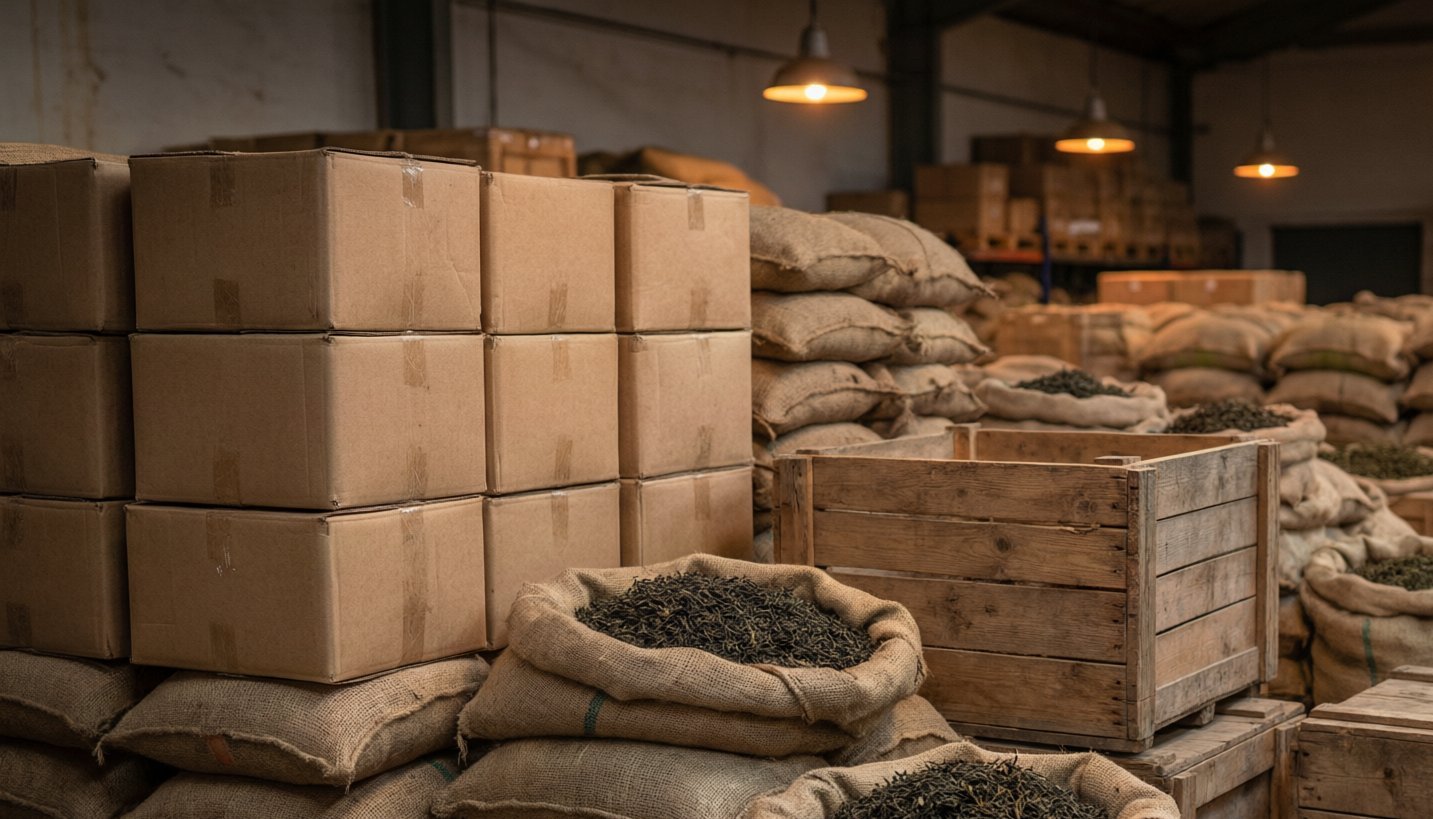
Finally, brand transparency matters. Some factories clearly mark production date, recipe number, raw material zone, and net weight. Others use vague wrapper language like “ancient tree” without any lot traceability. The latter is where buyers most often overpay. A brand worth the money is one that lets you verify most of what you are paying for.
If you are comparing live supplier lots, send your target volume, grade, and destination market to 427728483@qq.com. The fastest way to get an accurate picture is to request two or three batch samples against the same cupping sheet — one entry, one mid, one premium — so you can taste the actual spread instead of relying on marketing photos or wrapper claims.
Ranking: Pu-erh Tuocha Brands Worth Your Money in 2026
This ranking is built from three practical angles: quality-to-price ratio, sourcing transparency, and wholesale reliability. It is not a list of the most expensive or most collectible labels. Some famous brands intentionally fall into the “watch-out” category because their premium often exceeds what is inside the wrapper.
1. Xiaguan Tea Factory — the value benchmark
Xiaguan is the reference point for affordable, age-worthy tuocha. The factory has decades of experience with bowl-shaped compression, and its standard recipes tend to be more consistent than many newer labels. For importers, Xiaguan offers a useful middle ground: recognizable name, clear production codes, widely available stock, and prices that usually track leaf grade rather than pure speculation. The main caveat is that some lower-priced Xiaguan tuochas use chopped or smaller-leaf material with a smoky edge, which is acceptable for daily drinking but not a strong aging bet. For buyers who want a safe first container or a house daily-drinker, Xiaguan is difficult to beat on value.
2. Mengku Rongshi — the terroir play
Mengku Rongshi is worth attention when the buyer cares more about raw material character than about a famous wrapper. The company is strongly associated with Mengku-region leaf, and its better tuochas tend to show clear geographic identity: a broad, soft mouthfeel with decent endurance. That makes Mengku Rongshi a good fit for specialty retailers who want to tell an origin story. The watch-out is batch variation; smaller and mid-tier recipes can change noticeably from year to year, so wholesale buyers should ask for the exact production batch and not assume last year’s sample matches this year’s offer.
3. Lancang Ancient Tea — the premium shou specialist
Lancang Ancient Tea deserves its spot for ripe, or shou, tuochas that actually taste clean and can develop further with careful storage. Many cheap shou tuochas are flat, woody, or overly earthy, but Lancang’s better series often show a creamy, sweet, almost dried-fruit character. That quality comes at a premium, and the brand’s famous recipes are frequently imitated. Buyers should verify the wrapper, internal ticket, and seller’s storage record before paying up. For retailers who can support a higher price point, the better Lancang lots can justify their cost.
4. Dayi / Menghai Tea Factory — the consistency leader, not always the value leader
Dayi is the most recognizable modern pu-erh brand, and its strength is batch consistency. A Dayi recipe bought this year is far more likely to taste close to the same recipe from a previous year than many small-factory alternatives. That reliability is valuable in wholesale because your customers know what to expect. The flip side is price: Dayi’s strongest vintage and boutique lines can carry a collector premium that has little connection to drinking quality. For money-to-quality, the sweet spot is usually Dayi’s standard shou tuocha range rather than its hyped limited releases. Buy Dayi for consistency and resale confidence, not for cheap leaf.
5. Longrun Tea Group — the commercial workhorse
Longrun is another practical choice for volume buyers. Its products are generally clean, standardized, and easier to order in repeat quantities than small-batch artisan lots. The tea is not usually the most distinctive or age-worthy, but it is consistent enough for foodservice, corporate gifting, and private-label programs. Longrun makes sense when your priority is supply stability and a safe, readable product rather than a collector story. Buyers should still cup every incoming batch, but the failure rate tends to be lower than with no-name online lots.
Brands to approach with caution
CNNP and several older provincial labels carry strong historical names but a much wider range of modern production quality. Many wrapper designs are widely copied, and the same visual design can hide very different leaf grades. There are good CNNP-era stocks, but they require serious verification: storage condition, internal ticket, and trustworthy provenance. Do not pay a collector premium for a generic CNNP wrapper just because it looks old.
A simple comparison can help anchor your buying decision:
| Brand | Main strength | Watch-out | Best fit |
|---|---|---|---|
| Xiaguan | Value and age-worthy baseline | Lower tiers can be smoky or chopped | First container, daily drinker |
| Mengku Rongshi | Clear Mengku terroir | Batch variation by year | Specialty retail, origin storytelling |
| Lancang Ancient | Clean, sweet shou | High price, frequent imitations | Premium shou program |
| Dayi | Excellent batch consistency | Collector premium on hyped lines | Wholesale with repeat customers |
| Longrun | Standardized, stable supply | Less distinctive character | Foodservice, private label, gifting |
How to Judge a Specific Tuocha Before You Pay
A brand ranking can narrow your search, but the actual decision should always happen at the sample level. The same factory can ship a great batch one season and an ordinary one the next, so your process matters more than the logo.
Start with the dry leaf. The strands should be visible and fairly intact, not dust or crushed fragments. For ripe tuocha, a clean, sweet, slightly woody aroma is a good sign. For raw tuocha, you want a fresh, green, sometimes honeyed note rather than flat or tired smells. Next, check the compression: the bowl should be firm but not bullet-hard, because overly tight pressing can slow aging and make the tuocha difficult to break apart cleanly [1].
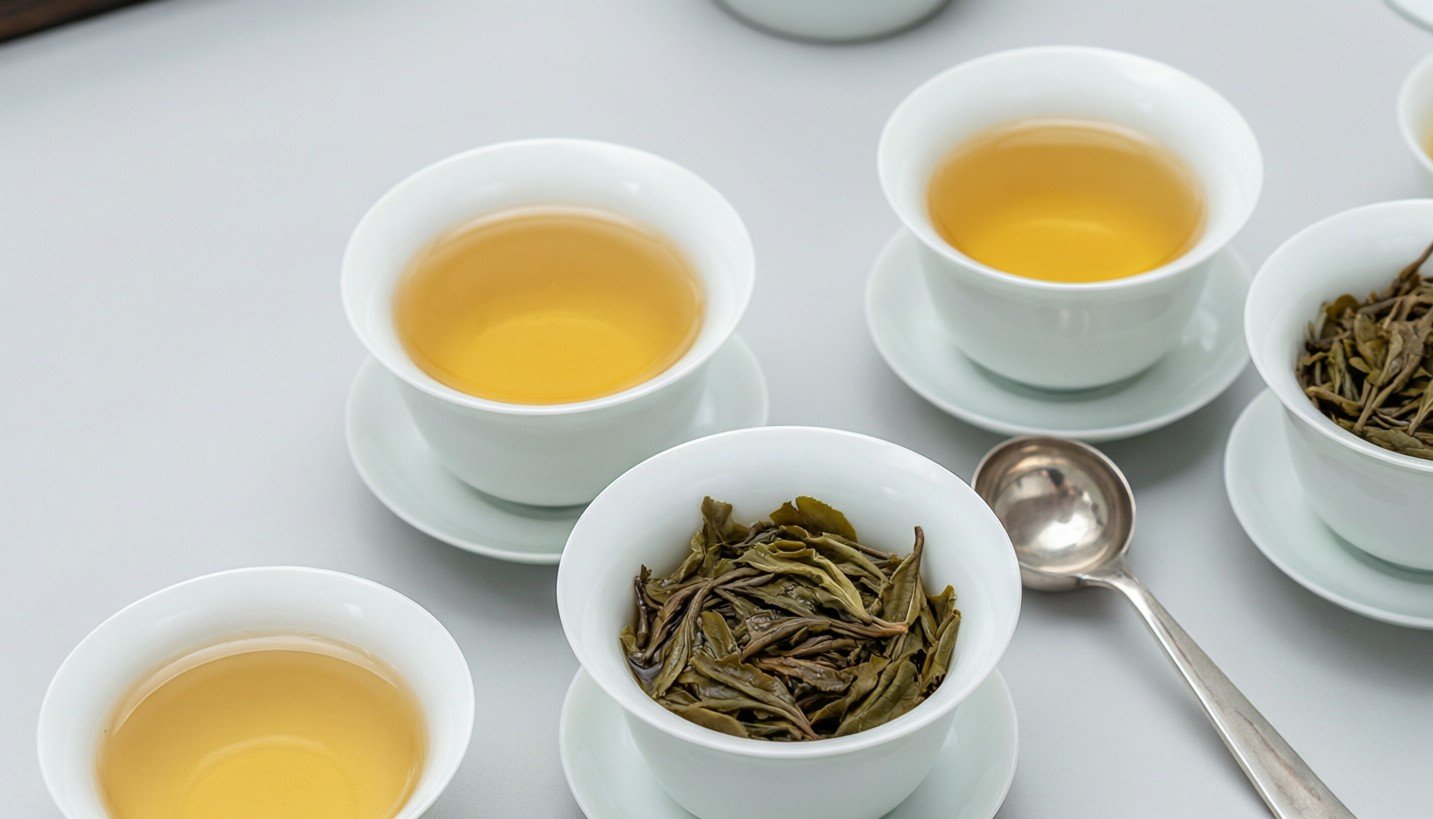
Then cup it under the same conditions you would use for buying decisions: same water, same vessel, same leaf-to-water ratio. Note the first rinse aroma, the liquor color, the texture, and how many steeps the tea holds before it falls apart. In our batch checks at Chinese tea suppliers, we compare dry leaf, rinse aroma, liquor clarity, texture, and re-steep count side by side. That removes much of the bias that comes from packaging and brand reputation.
A common trap is judging a tuocha by its first steep alone. Many pu-erh tuochas, especially raw ones, open up after the second or third infusion. The value question is not whether the first sip is dramatic, but whether the tea stays balanced, clean, and interesting as the session continues. A tea that becomes bitter and hollow by steep four is often too expensive at any price.
Buying in Bulk: What Changes the Value Equation
When you move from buying a few tuochas to buying cartons, the calculation changes. Wholesale value is less about individual flavor preference and more about consistency, storage, and the cost of a mistake across a full shipment.
First, request batch samples from the exact production run you will receive, not a photo set from an earlier year. Then lock the batch code, production date, net weight, and storage description into the sales contract. Many disputes happen because the sample came from one batch and the shipped cartons came from another [2].
Second, pay attention to how the tuochas are packed. Five-piece tube packs and nested cartons are common, but the inner wrapping should be dry, intact, and free of strong ink or plastic smells. If you are shipping to a humid destination, ask for an extra moisture barrier or arrange for climate-controlled transport. Pu-erh can be forgiving, but poor packing can erase the quality you paid for before the tea reaches your warehouse.
Third, adjust your brand strategy by market. For a value-focused retail set, Xiaguan or Longrun often gives the best balance of recognition and cost. For a specialty client who will display and explain origin, Mengku Rongshi or a carefully sourced Lancang lot may carry the story better. Dayi can anchor a premium shelf, but you should calculate whether the retail multiple works before committing to a large position.
Finally, keep a small reference sample from every approved batch. When the next shipment arrives, cup the new lot against the reference. This one habit catches storage drift, recipe changes, and quality slippage faster than any supplier scorecard.
Start Your Pu-erh Tuocha Sourcing
If you are ready to compare actual tuocha lots rather than only labels, send your requirements to Chinese tea suppliers at 427728483@qq.com. To keep the first reply structured, include the following:
- Grade and style: raw sheng or ripe shou tuocha, and any leaf-grade preference
- Annual volume and packaging: bulk cartons, five-piece tubes, private label, or retail boxes
- Destination market and any residue, certification, or labeling requirements
- Preferred age range and price positioning
Use the subject line “Pu-erh tuocha sourcing.” We will respond with current batch availability, sample options, and a clear quotation structure based on the exact grade and volume you need.
FAQ
Are expensive pu-erh tuochas always better?
Not always. Price is driven by leaf grade, region, age, brand pedigree, and market demand. Some expensive lots carry a collector premium that has little relationship to drinking quality. A cheaper Xiaguan or Longrun tuocha can taste better than an overpriced imitation wearing a famous wrapper. The only reliable test is cupping the exact batch under controlled conditions.
Which brand is best for first-time wholesale buyers?
For most first-time importers, Xiaguan offers the safest combination of price, availability, and recognizable quality. If the customer base expects a premium tea program, Dayi’s standard shou range is a better consistency anchor than a sudden bet on rare boutique labels.
How can I tell a real Xiaguan or Dayi tuocha from a fake?
Check the wrapper printing quality, the internal ticket or factory code, the compression quality, and the seller’s storage record. Fake wrappers are often blurrier, made from stiffer paper, or use the wrong production-year format. The most reliable step is to buy through a supplier that can provide batch samples and lot traceability, then compare those samples to a known reference.
Does a bigger tuocha mean better value?
No. Larger or heavier tuochas are often simply a different portion format. The value comes from leaf grade, blend, and pressing quality, not from size. A 100-gram tuo can be far better material than a 250-gram tuo from the same factory. Judge the tea, not the weight.
Should I buy sheng or shou tuocha for resale?
That depends on your market. Shou, or ripe, tuocha is easier to sell for immediate drinking because it is smooth, earthy, and forgiving. Sheng, or raw, tuocha suits customers who want aging potential and a more dynamic tasting experience. Many wholesale programs start with one or two shou options and add sheng as the customer base matures.
References
[1] Standardization Administration of China. GB/T 22111-2008, Product of Geographical Indication — Pu-erh Tea. Beijing, 2008.
[2] Lv, H.-P., Zhang, Y.-J., Lin, Z., and Liang, Y.-R. “Processing and chemical constituents of Pu-erh tea: A review.” Food Research International, vol. 53, no. 2, 2013, pp. 608–618.
No author description available.

白玉京