Tea Tasting Videos: The Complete Buyer’s Guide to Better Tea Content
Tea tasting videos have become a core sales, training, and sourcing asset for Chinese tea suppliers, importers, and specialty retailers. A well-made tasting video works because tea is a sensory product: buyers need to see dry leaf, wet leaf, liquor color, and texture before they can confidently place an order. This guide covers the formats that convert, how to film a professional cupping session, publishing tactics, and the mistakes that make viewers stop trusting a video.
What a Tea Tasting Video Actually Is
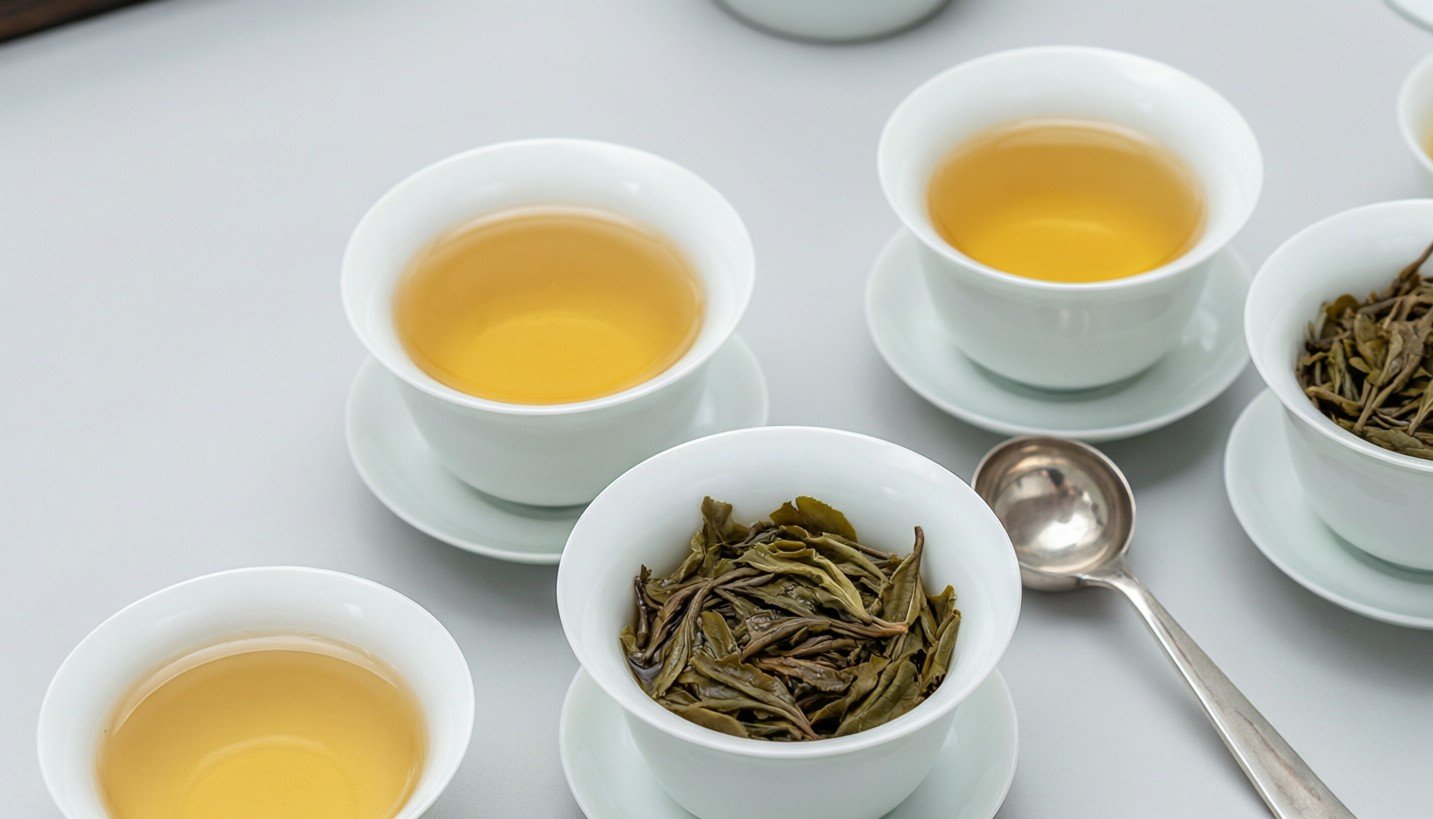
A tea tasting video is a structured sensory evaluation captured on camera. Unlike general tea lifestyle content, it follows a repeatable sequence: dry leaf appearance, dry aroma, wet leaf appearance, wet aroma, liquor color, taste, texture, and finish. Each step is shown rather than just described.
For wholesale buyers, this format acts as a remote cupping record. For retail customers, it explains what a grade, harvest, or origin should look and taste like. The most useful tasting videos do not rely on vague praise. They show the leaf, name the parameters, and connect what is visible on screen to what the viewer should expect.
Why Tea Tasting Videos Work for Chinese Tea Buyers
Chinese tea spans a wide range of color, oxidation, roast, and compression styles. A written product description cannot fully convey the difference between a light-rock Tieguanyin and a heavy-rock Wuyi yancha, or between a young raw pu-erh and an aged one. Video reduces that gap.
Tea tasting videos also create trust with international buyers. They show that a supplier can demonstrate the tea under controlled conditions, explain its grade honestly, and acknowledge flavor trade-offs such as astringency or light fermentation character. For B2B lead qualification, a structured video helps a buyer decide whether a tea is worth ordering as a sample, which saves time and freight cost on both sides.
Five Tea Tasting Video Formats That Convert
The Dry Leaf Review
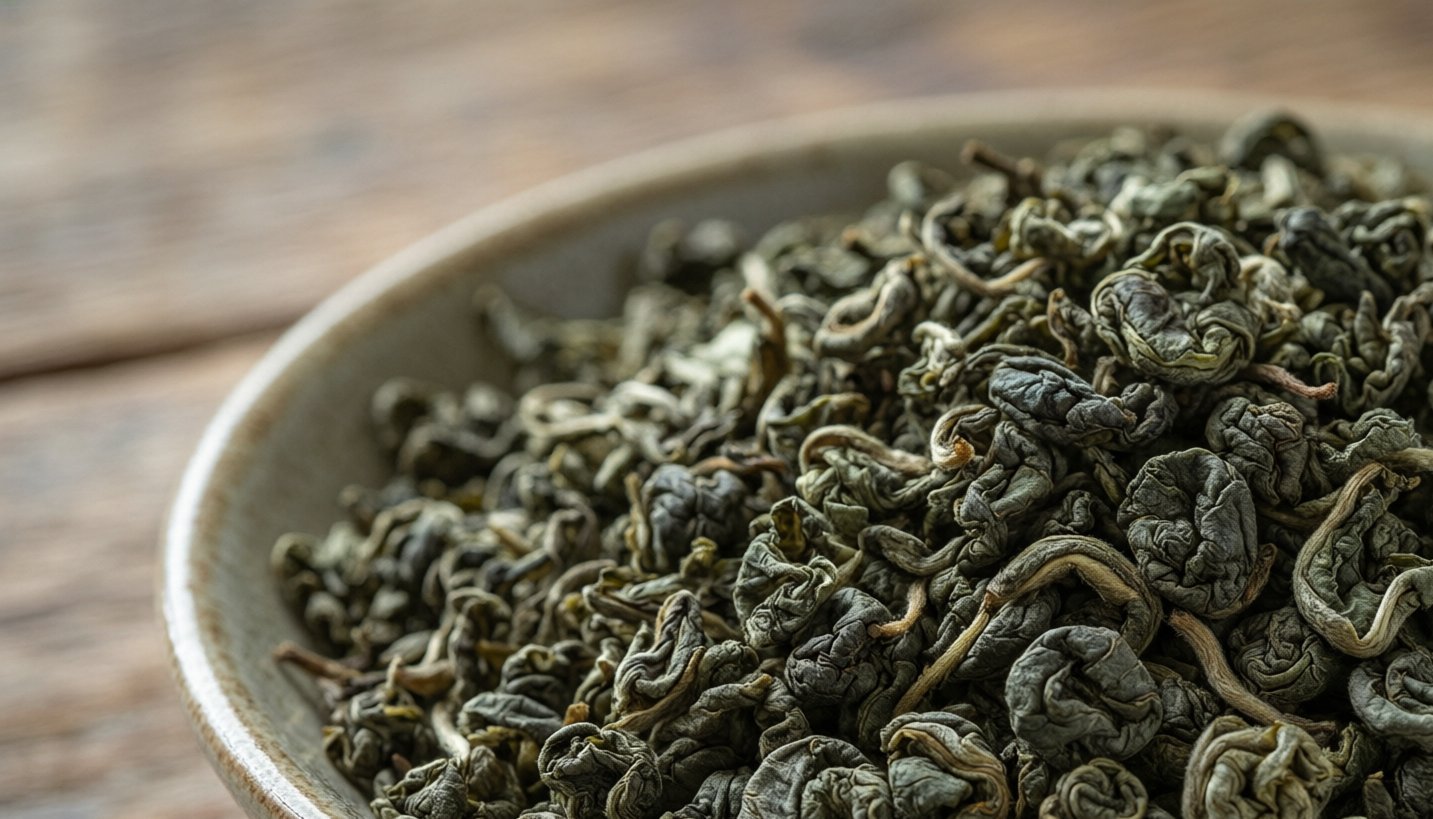
This short format focuses on leaf shape, color, uniformity, tip ratio, and compression. The camera should move slowly across the leaf, then pause on broken leaf, stems, or grade markers. Good dry leaf footage tells a buyer whether the material matches the claimed harvest and grade before water ever touches the leaf.
The Full Cupping Session
A full cupping session uses a neutral cupping set, a scale, a timer, and consistent water temperature. The host weighs the tea, adds water, steeps for the set time, then breaks the crust and evaluates liquor. This is the closest remote equivalent to sitting in a professional cupping room, and it should follow the same sensory order every time.
The Comparative Lineup
A comparative lineup places two or three teas side by side, such as two harvests, two grades, or two origins. The goal is to show contrast: color, aroma, body, sweetness, and finish. This format is especially useful for B2B buyers deciding between pricing tiers or sourcing regions.
The Harvest and Origin Field Tasting
Filmed in or near the tea garden or processing site, this format connects the tasting to altitude, cultivar, harvest date, and processing choices. It works best when the host can show a specific plot or batch note, because it turns an origin claim into something the viewer can see.
The One-Tea Deep Dive
A deep dive spends the entire video on one tea, covering origin, grade, brewing method, liquor color, texture, flaws, and ideal buyer use. This format suits high-value or signature teas that need more context, such as aged white tea, premium rock tea, or specific pu-erh recipes.
How to Produce a Credible Tea Tasting Video
Plan One Tea, One Claim, One Viewer
Before filming, define the single most important claim the video must support. It might be “this is a clean, early-spring green tea with low bitterness” or “this raw pu-erh has enough material and energy to age well.” Then identify the viewer: a wholesale buyer, a retail customer, or a training team. A focused video outperforms a general one because every shot supports the claim.
Set Up Camera, Light, and Audio for Color Accuracy
Tea liquor color is easy to distort with warm household lighting or automatic white balance. Use a neutral grey or white background, set white balance manually, and keep lighting consistent throughout the video. This approach is similar to the controlled environment guidance for sensory evaluation rooms in ISO 8589, which suggests neutral surfaces and controlled lighting to reduce bias [1].
For close-ups, use a macro lens or high-resolution crop to show leaf edges, downy tips, or roast marks. A 45-degree angle works well for dry leaf; a top-down shot works for liquor comparison; a side shot works for showing liquor depth and clarity.
Taste With a Repeatable Cupping Method
A credible tasting video names its parameters. The international baseline for professional tea liquor preparation is ISO 3103, which specifies 2 grams of tea per 100 milliliters of just-boiled water and a 6-minute steep [2]. That method is not right for every style, but it provides a consistent reference point.
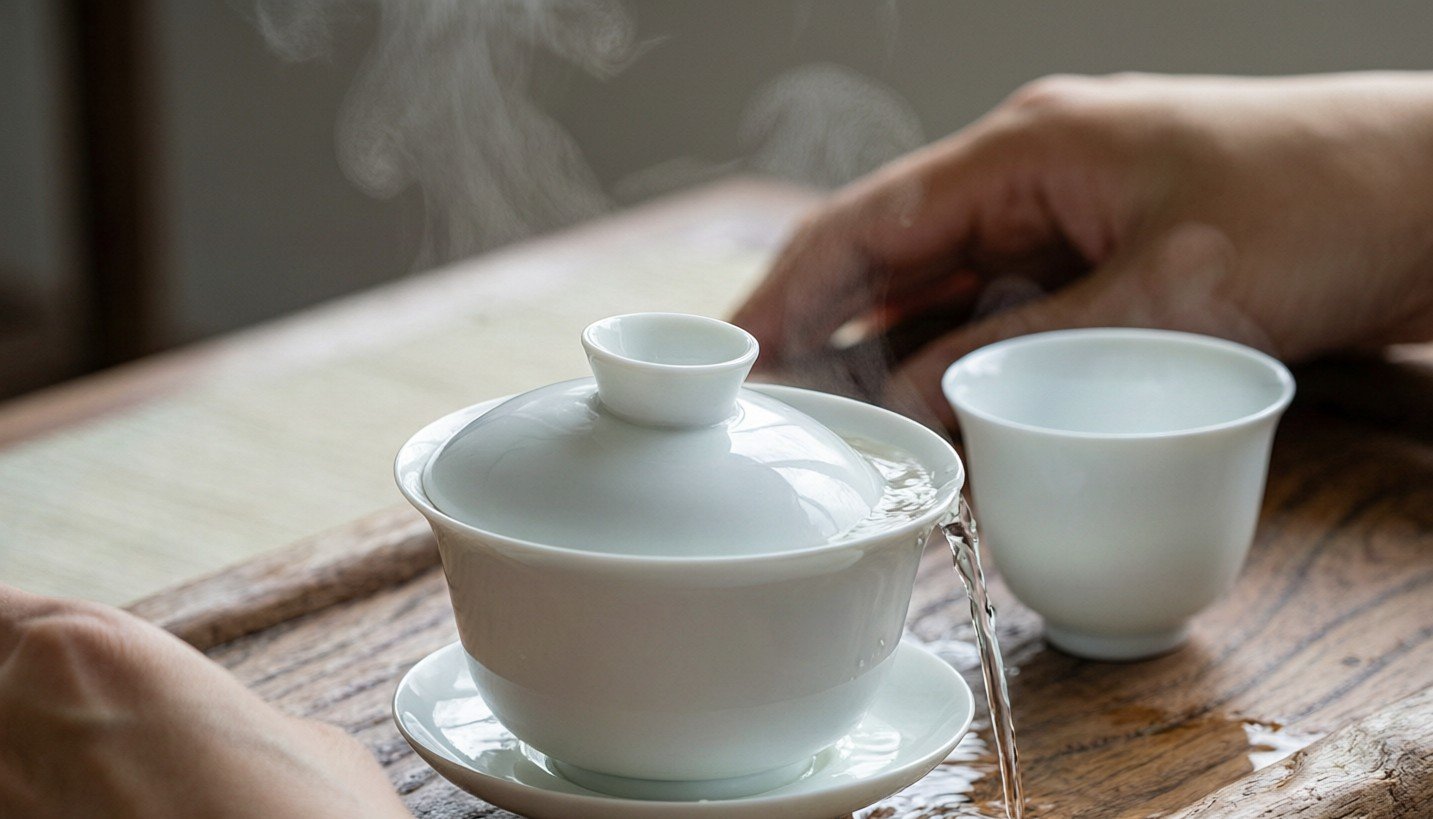
For gongfu-style brewing, state the tea-to-water ratio, water temperature, first infusion time, and whether the leaf was rinsed. A viewer should be able to repeat the session and get a similar result. If a tea is deliberately brewed outside standard parameters, explain why.
Capture the Shots That Prove Quality
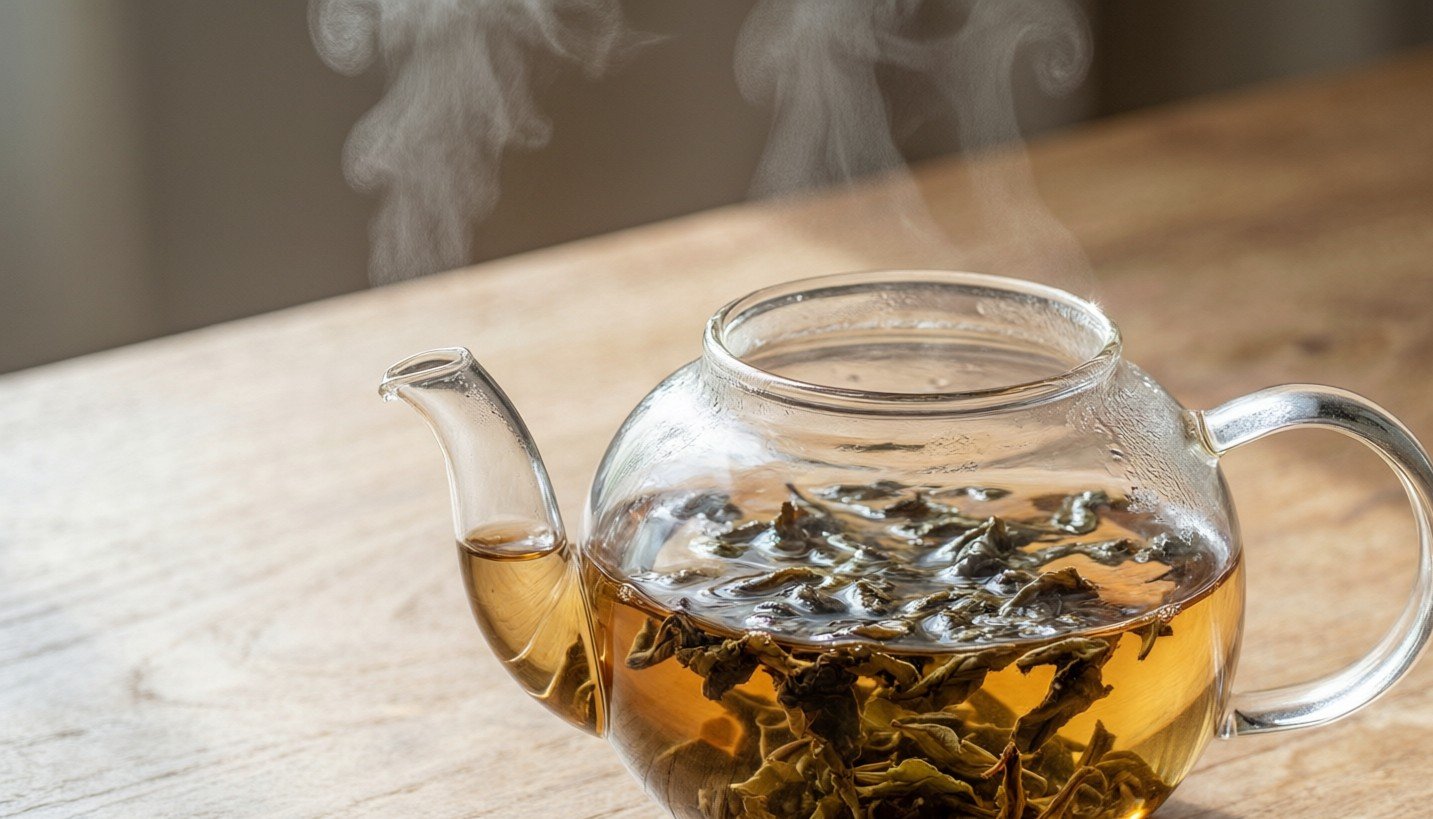
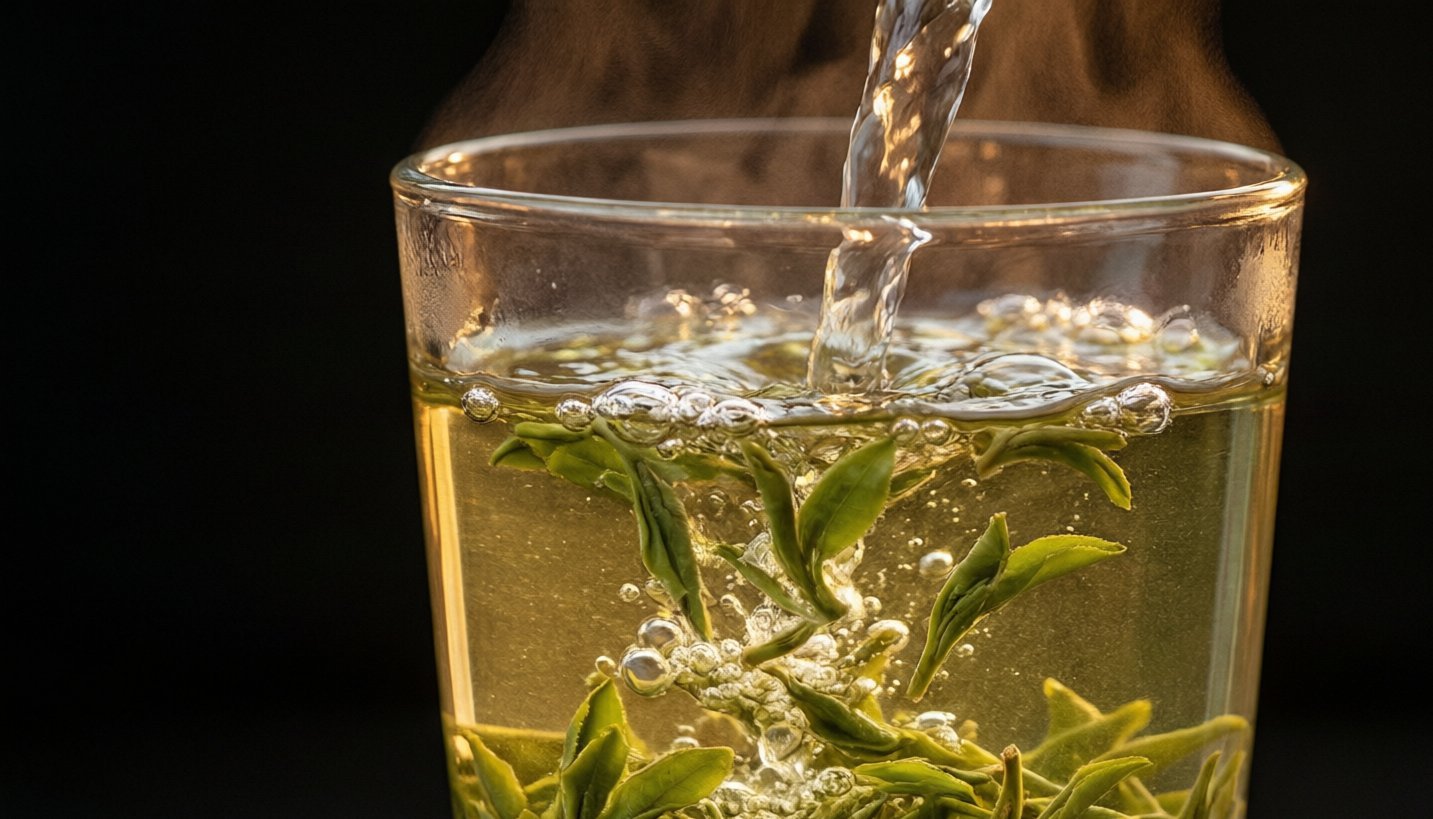
The essential shot list includes: dry leaf close-up, weighed leaf on a scale, water temperature display, first-water contact, wet leaf after steeping, liquor color against a white surface, and the spent leaf at the end. The spent leaf shot is often the most useful for authenticity checks, because it reveals leaf integrity, uniformity, and whether the material matches the grade claim.
Mid-production checkpoint: If you produce tea tasting videos regularly, ask your supplier for a video-ready sample set with batch notes, harvest date, grade, and origin documentation. A consistent sample set makes your footage repeatable and gives you an evidence base for claims. For tea sourcing and sample inquiries, email 427728483@qq.com.
Editing, Publishing, and Measuring Performance
Edit for Retention and Trust
Cut long opening banter. Keep the first 10 to 15 seconds focused on the tea’s most important visual signal: dry leaf color, liquor brightness, or spent leaf clarity. Use captions for tea name, origin, grade, harvest date, and brewing parameters. On-screen text reduces misunderstanding for international viewers and makes the video useful when watched without sound.
Publish With Tea-Specific Search Metadata
Treat the video as part of the product page, not as a separate piece of entertainment. Include the full tea name, origin, grade, and route keywords in the title and description. Add video chapters for dry leaf, cupping, liquor, wet leaf, and conclusion. Search engine guidance for video content recommends providing a clear text description and enabling video indexing on the relevant landing page [3]. YouTube’s chapter format can also help viewers jump to the tasting result they care about [4].
Measure What Matters
Do not judge a tasting video by views alone. Track watch time, retention at the liquor-color and spent-leaf sections, clicks to sample requests, and inquiry-source labels. If viewers consistently drop off before the finish, shorten those sections or move the proof shots earlier.
Common Mistakes That Make Tea Tasting Videos Untrustworthy
- Skipping the spent leaf. This is the most important authenticity shot and the one most often omitted.
- Using inconsistent lighting. Liquor color changes dramatically with warm or auto white balance.
- Vague language. “Smooth and delicious” tells a buyer almost nothing. Name the texture, sweetness, astringency, and finish.
- Hiding flaws. Every tea has trade-offs. Acknowledging light bitterness or short finish builds more trust than pretending the tea is perfect.
- No parameters. A tasting without ratio, temperature, and time cannot be verified.
- Promotion before proof. Viewers trust the tea more when the evidence comes before the sales message.
Let’s Plan Your Tea Tasting Video Content
If you are building tea tasting videos for wholesale sales, retail education, or supplier comparison, start with a defined sample set and a repeatable cupping script. To request video-ready tea samples, share your target tea types, required grades, packaging format, and destination. For sourcing and sample inquiries, contact Chinese tea suppliers at 427728483@qq.com.
FAQ
What equipment do I need to start a tea tasting video?
A camera or smartphone with manual white balance, a neutral background, a light source with consistent color temperature, and a cupping set are enough for a basic video. Add a macro lens for dry leaf detail and a digital scale for parameter accuracy.
How long should a tea tasting video be?
A dry leaf review can work well at 60 to 90 seconds. A full cupping session may run 5 to 8 minutes if you include all sensory steps. Comparative lineups should stay as short as the contrast requires, usually 3 to 5 minutes.
How do I keep tea colors accurate on camera?
Set manual white balance under your filming light, use a neutral grey or white surface, and avoid mixed light sources. Check liquor color against a white porcelain or paper reference in the frame.
Can I film tea tasting videos without cupping equipment?
Yes. A gaiwan or simple brewing vessel works as long as you state the ratio, temperature, and time. The key is consistency and transparency, not specialized equipment.
How many takes should I shoot per tea?
Shoot the critical proof shots at least twice: dry leaf close-up, first pour, liquor color, and spent leaf. This protects you from focus or exposure errors during editing.
Do tea tasting videos work for wholesale buyers?
Yes. They help buyers pre-qualify a tea before requesting physical samples, reduce back-and-forth questions, and make it easier to compare grades or origins remotely.
References
[1] International Organization for Standardization. ISO 8589:2007, Sensory analysis — General guidance for the design of test rooms. ISO, 2007.
[2] International Organization for Standardization. ISO 3103:1980, Tea — Preparation of liquor for use in sensory tests. ISO, 1980.
[3] Google Search Central. Video best practices. https://developers.google.com/search/docs/appearance/video
[4] YouTube Help. Video chapters. https://support.google.com/youtube/answer/9884579
No author description available.

白玉京