Avoid These 5 Ancient Tree Dianhong Tea Brewing Mistakes
Ancient tree Dianhong is not a teabag black tea. It is made from large-leaf Yunnan tea trees with deeper root systems and thicker leaves, and when it is brewed well, the cup tends toward malt, honey, dark fruit, and a soft, almost syrupy texture with very little punishing astringency. The problem is that many people brew it exactly like a generic supermarket black tea: boiling water, long steep, too much leaf. That approach hides everything that makes ancient tree Dianhong worth buying.
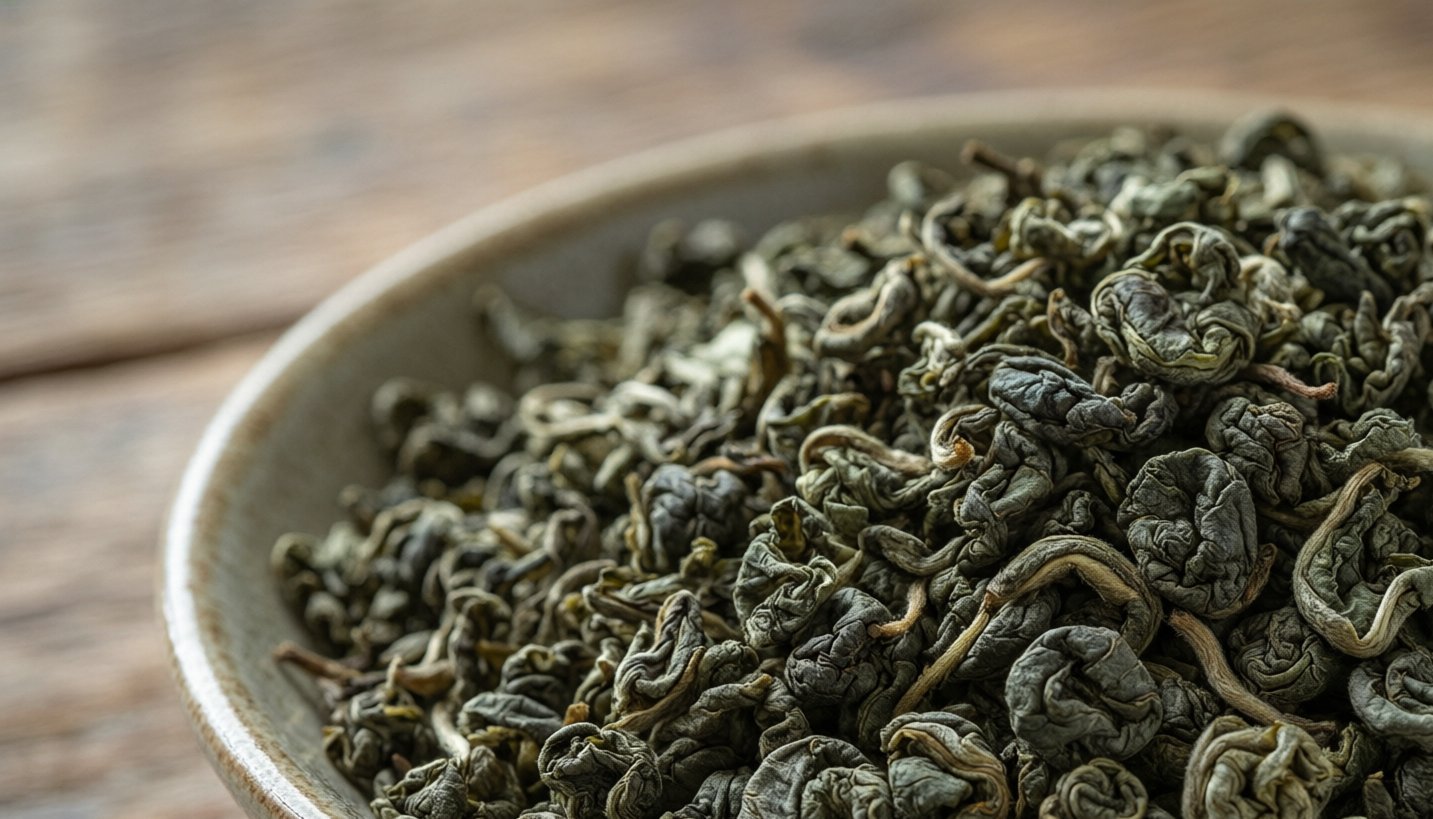
Mistake 1: Water That Is Too Hot
A full rolling boil is the most common way good Dianhong gets turned harsh and one-dimensional. Whole-leaf black teas—especially large-leaf Yunnan material—often show their best balance when the water is below a hard boil, commonly in the 90–95°C range for gongfu-style brewing [1]. When the water is too hot, the extraction runs faster and pulls out more of the astringent polyphenols and caffeine that can bury the tea's natural sweetness [4].
If your cup tastes sharp, drying, or more like aspirin than honeyed malt, lower the temperature before changing anything else. You do not need a thermometer forever, but it helps: after the water reaches a boil, let it rest for 30–60 seconds, or pour it into a cool pitcher once before the teapot.
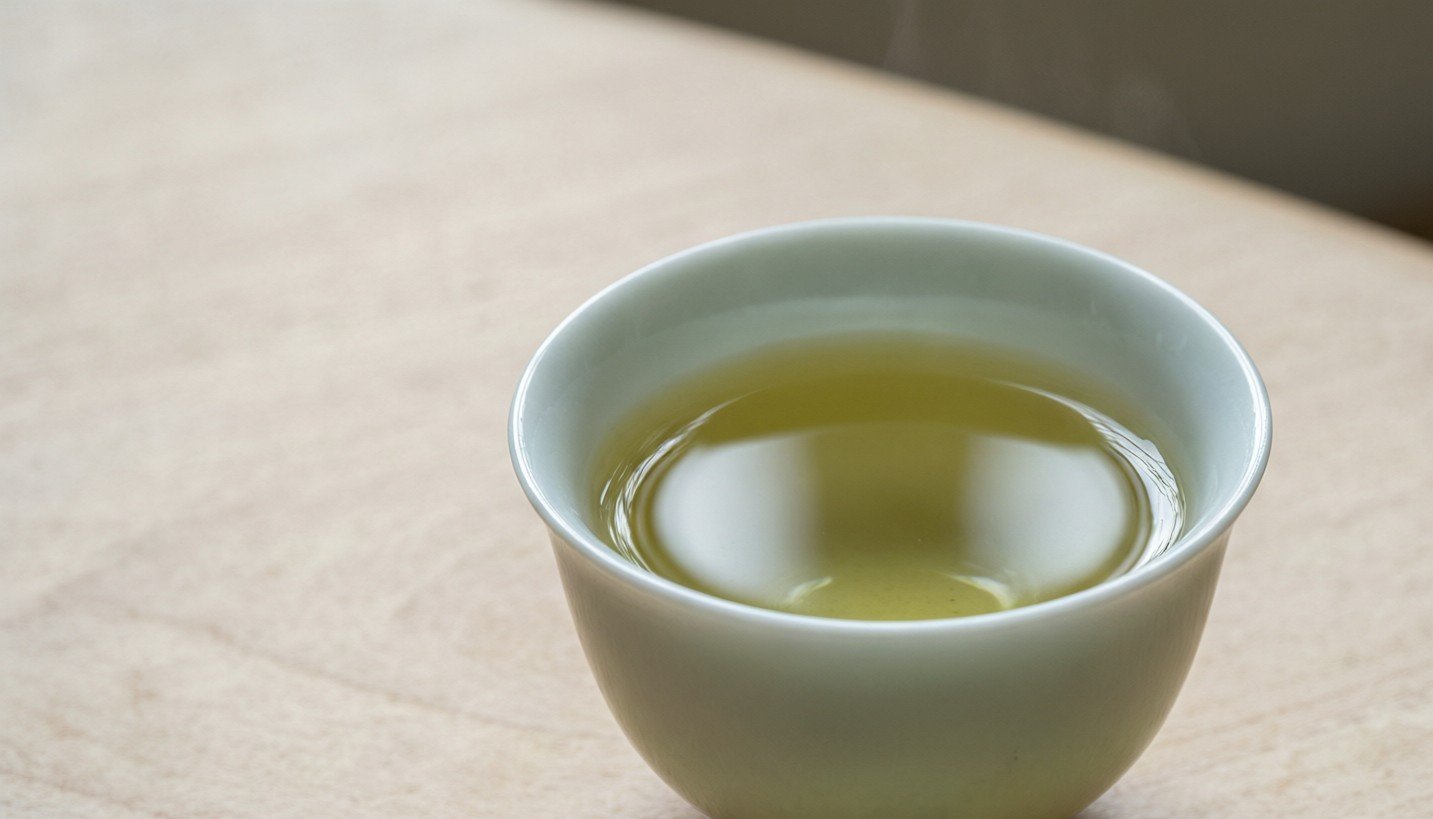
Mistake 2: Too Much Leaf, Too Little Water
Ancient tree Dianhong leaves are often large, loosely rolled, and visually deceiving. A heavy-looking scoop may weigh far less than a broken-leaf black tea, but the opposite problem is just as damaging: packing the gaiwan full and using very little water produces a dense, bitter liquor with no room for the aromatics to separate.
A practical starting point for whole-leaf Chinese black tea is roughly 1 gram per 25–30 ml of water in a small gaiwan, then adjusted to taste [2]. That translates to about 5 g for a 100 ml vessel. If the cup is too weak, increase leaf slightly or extend the steep time; if it is too aggressive, reduce leaf rather than punishing the leaves with colder water alone.
Mistake 3: Letting the First Infusion Run Too Long
Ancient tree Dianhong gives up flavor quickly. The first infusion should be short—often 10–15 seconds once the leaves are fully wet—because the surface oils, sugars, and aromatic compounds dissolve fast. A long first steep may feel like the safer way to get a strong cup, but it usually produces a flat, overcooked first round and leaves nothing delicate for later infusions.
Treat the first steep as an opening gesture, not the finished cup. Pour it fully, taste it, and use what you learn to adjust the next infusion. A better second or third brew is usually the goal with this tea.
Need batch-to-batch consistency for your Yunnan black tea program? Chinese tea suppliers works with whole-leaf ancient tree Dianhong lots backed by origin and harvest data. Contact us at 427728483@qq.com to request cupping samples or discuss wholesale specifications.
Mistake 4: Reboiling Water Through Every Infusion
After a good first steep, the natural impulse is to put the kettle back on and bring the same water to a rolling boil again. Repeated boiling can leave the water tasting flat and reduce the lively mouthfeel that fresh water gives the tea. The effect is not dramatic in a single round, but across five or six infusions it shows up as a dull, muted cup.
Use only what you need, pour it shortly after heating, and add fresh water when you start another round. Keeping the water off a hard boil also prevents the vessel from getting too hot between infusions.
Mistake 5: Using the Wrong Vessel or Leaving Leaves to Stew
Heavy ceramic or cast-iron teapots hold heat for a long time. With a delicate black tea, that retained heat keeps extracting the leaves while the liquor sits, often producing bitterness in the second half of the pot. The same problem happens when you pour only part of the tea and leave the leaves sitting in hot liquid.
A small gaiwan or a thin-walled glazed teapot gives you more control. Pour completely after every steep, and do not leave the lid sealed on hot, wet leaves for minutes at a time. Ancient tree Dianhong can give many infusions, but only if the leaves are not cooking between rounds.
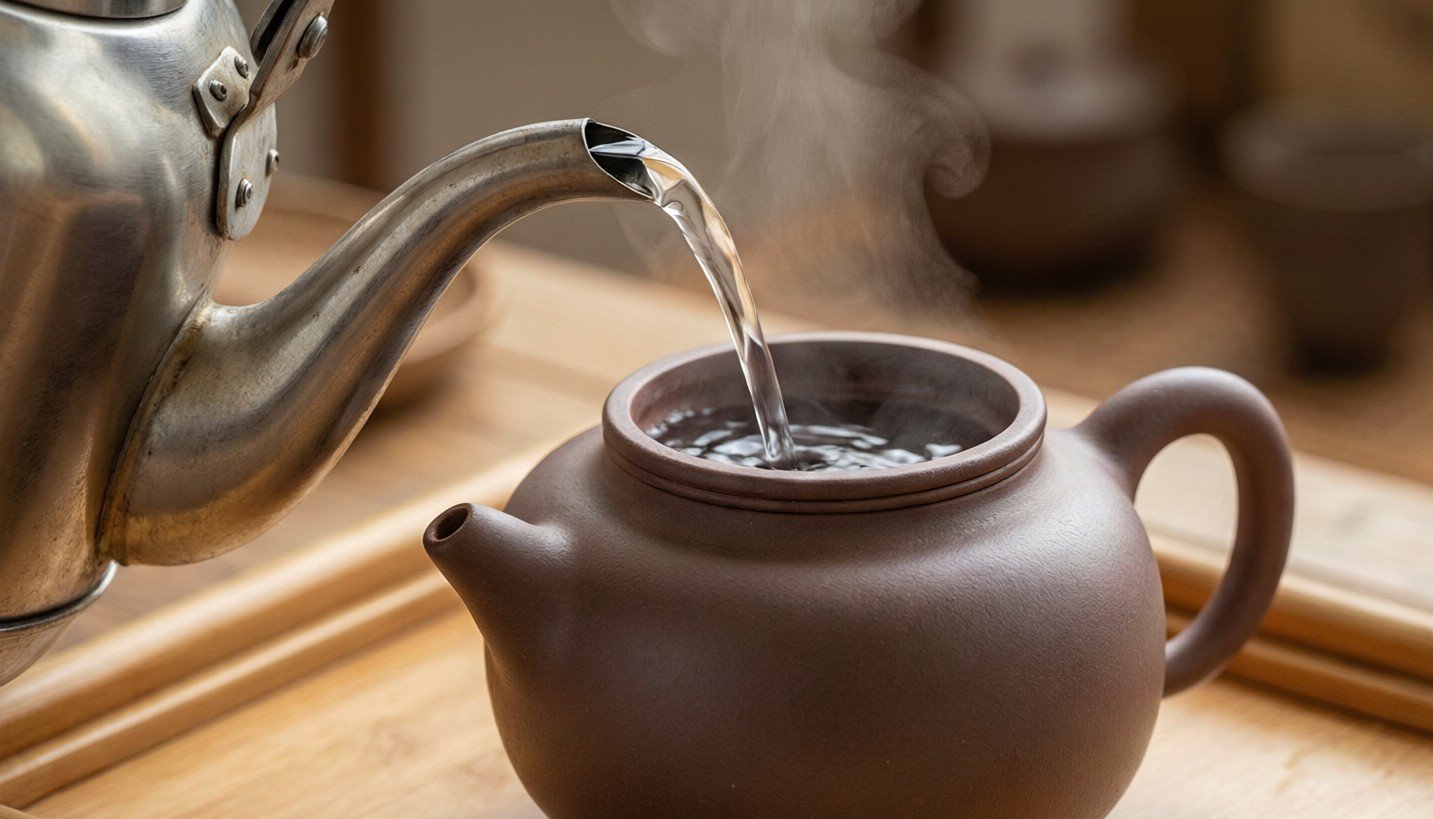
A Better Brewing Baseline for Ancient Tree Dianhong
| Parameter | Starting point | Adjustment |
|---|---|---|
| Leaf | 5 g per 100–110 ml | Use 4.5 g if bitter; 5.5 g if hollow |
| Water temperature | 90–95°C | Drop toward 88°C if harsh |
| First infusion | 10–15 seconds | Taste before changing leaf |
| Later infusions | Add 5–10 seconds each round | Stop when the cup turns watery |
| Vessel | 100–150 ml gaiwan or small glazed teapot | Pour fully after every steep |
ISO 3103 offers a standardized liquor-preparation method for repeatable sensory comparison, but it is a laboratory protocol designed for consistency rather than a serving guide for an aromatic large-leaf tea that rewards shorter, cooler infusions [3]. Use it as a background reference, not as a recipe.
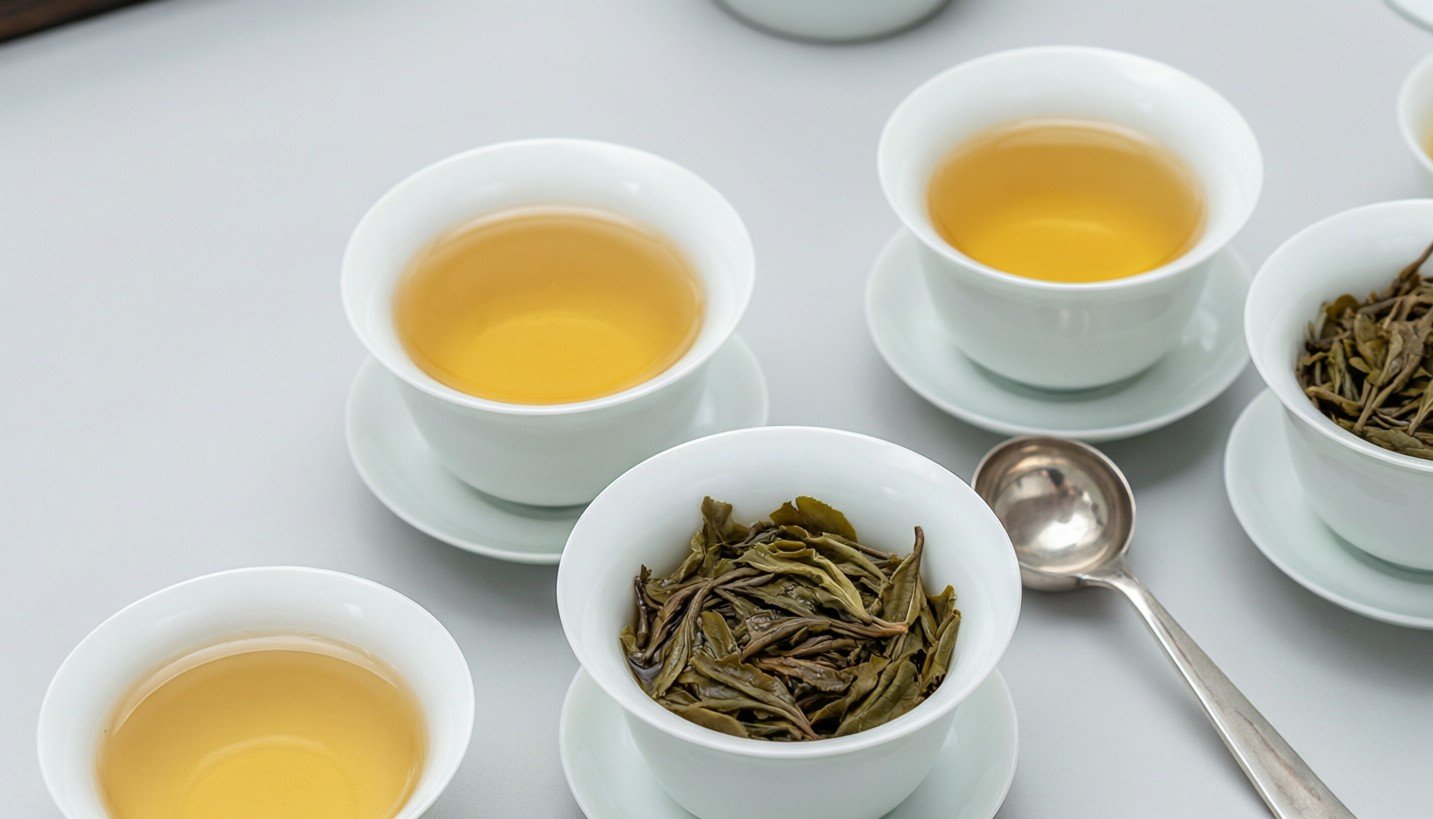
Need a dependable supply of whole-leaf Yunnan black tea? Chinese tea suppliers sources ancient tree Dianhong lots with origin data, cupping notes, and export-ready packaging. Contact us at 427728483@qq.com to discuss wholesale pricing, sample sets, or your 2026 purchase plan.
Frequently Asked Questions
What is the best water temperature for ancient tree Dianhong black tea?
Start around 90–95°C. If the first cup tastes harsh or drying, drop the temperature to about 88°C before adjusting the leaf amount.
How much tea should I use per 100 ml?
A practical baseline is 5 g per 100 ml in a gaiwan. Adjust by taste: less leaf if the cup is bitter, more if it feels thin or hollow.
How many infusions can I get from a good ancient tree Dianhong?
A well-stored, whole-leaf lot can often give six or more short infusions. The count depends on leaf quality, water, and whether you pour fully after each steep.
Should I rinse the leaves first?
A quick rinse can help wake large, tightly rolled leaves and warm the vessel, but it is not mandatory. If you do rinse, keep it very short and discard the rinse immediately.
Can I brew it Western-style in a large teapot?
Yes, but use a lower leaf-to-water ratio and a shorter steep than you would for a broken black tea. In a 500 ml pot, start around 3–4 g and steep for less time than the package suggests, then adjust.
References
[1] M. L. Heiss and R. J. Heiss, The Story of Tea: A Cultural History and Drinking Guide. Berkeley, CA, USA: Ten Speed Press, 2007.
[2] K. Gascoyne, F. Marchand, J. Desharnais, and H. Americi, Tea: History, Terroirs, Varieties, 2nd ed. Buffalo, NY, USA: Firefly Books, 2018.
[3] Tea — Preparation of Liquor for Use in Sensory Tests, ISO 3103:2019, International Organization for Standardization, Geneva, Switzerland, 2019.
[4] Y. S. Zhen, Tea: Bioactivity and Therapeutic Potential. London, U.K.: CRC Press, 2002.
No author description available.

白玉京