Tea Allergen Labeling: The Complete Compliance Guide for Importers
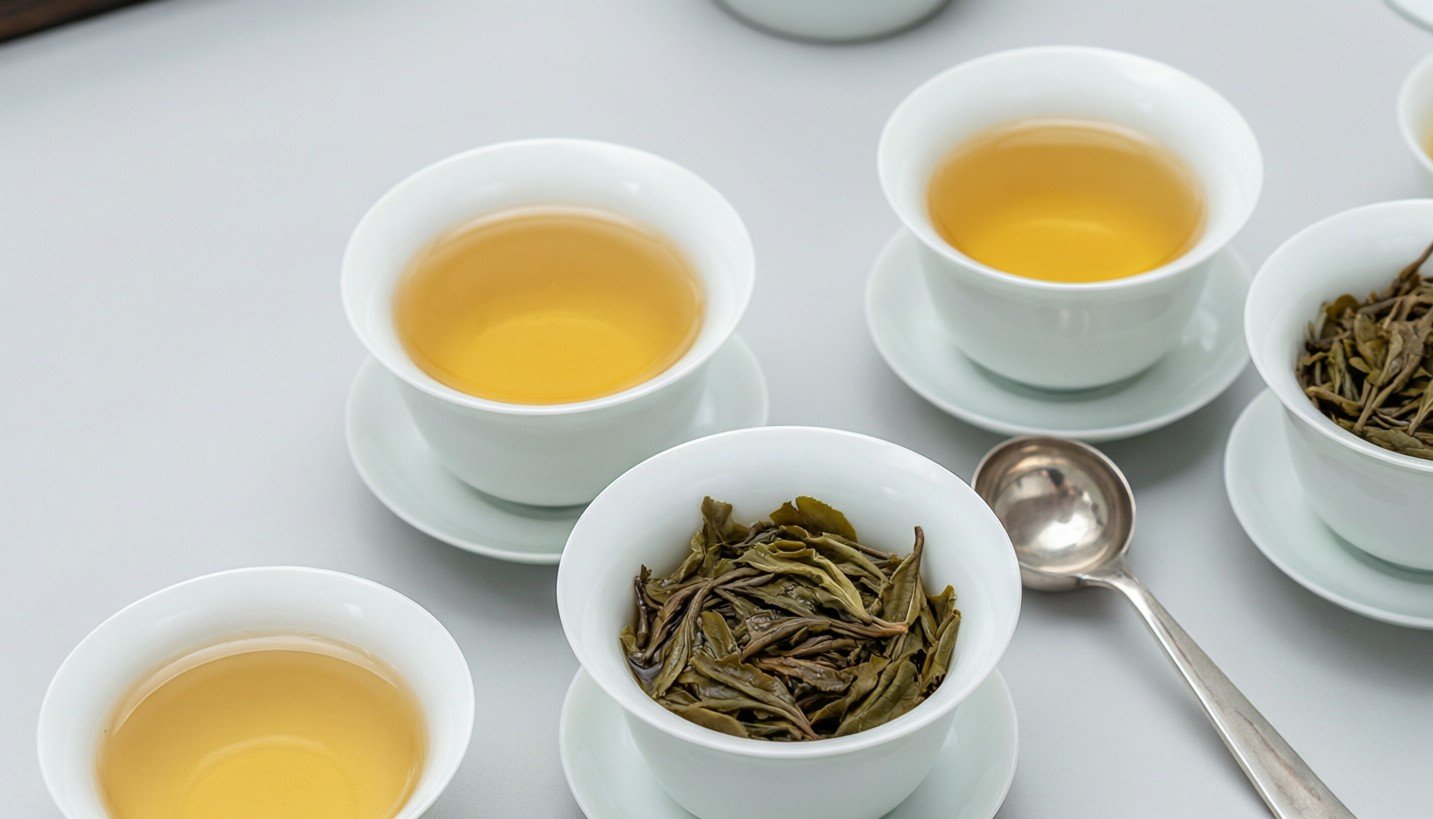
Allergen labeling in tea is less about the Camellia sinensis leaf and more about what may be added to it, blended into it, or carried through the factory alongside it. Pure unflavored tea is not listed as a major food allergen in the United States or the European Union [1][2]. The practical risk sits in flavored teas, fruit and nut inclusions, instant blends, gift sets, and shared processing lines. For importers and private-label brands, the label is the point where supplier documentation, recipe control, and market-specific legal rules all become visible.
A U.S. label that passes pre-shipment review can still fail at an EU border check. The source of a “natural flavor,” a carrier such as soy lecithin, a bakery inclusion added to a gift box, or cross-contact from a multi-product facility can all turn an otherwise straightforward tea into an allergen declaration problem. This guide walks through the regulatory lists, where allergens realistically enter tea products, how major markets format declarations, and the documents a wholesale buyer should request before committing to a purchase.
What Counts as an Allergen in Tea Labeling
Allergen rules start with a defined list, not a general “anything someone might react to” standard. The core references for importers are the U.S. FALCPA/FASTER framework [1], EU Regulation (EU) No 1169/2011 and Commission allergen guidance [2][3], the Codex general standard [4], Health Canada’s labelling rules [5], UK FSA guidance [6], and FDA allergen guidance for industry [7].
The United States list, under FALCPA and the FASTER Act, covers nine major food allergens: milk, eggs, fish, crustacean shellfish, tree nuts, peanuts, wheat, soybeans, and sesame [1]. Tea itself does not appear on that list.
The European Union takes a broader approach. Regulation (EU) No 1169/2011, Annex II, identifies 14 substances or products that must be declared: cereals containing gluten, crustaceans, eggs, fish, peanuts, soybeans, milk, tree nuts, celery, mustard, sesame, sulphur dioxide and sulphites above specified levels, lupin, and molluscs [2][3]. Codex Alimentarius provides the international baseline for prepacked food labeling, and many export contracts refer to it when national law is silent [4].
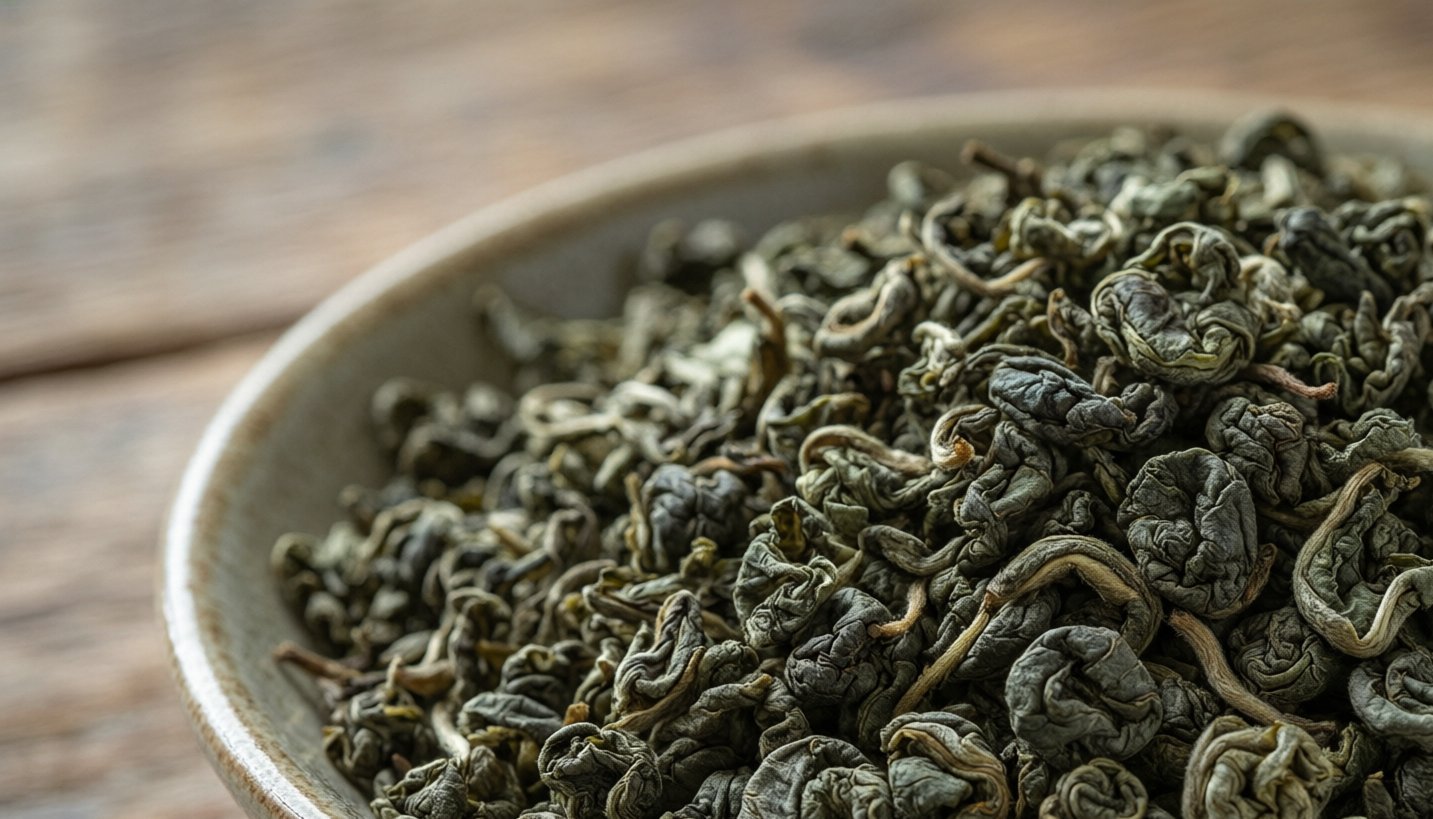
For a plain single-ingredient tea, the label may only need the true name of the food: “green tea,” “oolong tea,” or “black tea.” Once the product contains more than one ingredient, or once a flavoring, carrier, botanical, or inclusion is added, the full ingredient list and allergen rules begin to apply.
Where Allergens Actually Enter a Tea Product
The highest-risk formats are rarely loose-leaf tea sold as a single origin. Risk concentrates in blended and value-added SKUs.
- Flavored teas: flavor houses may use carriers such as soy lecithin, propylene glycol, or maltodextrin derived from wheat. Some flavor systems contain milk solids or nut extracts.
- Fruit, nut, and botanical blends: almond pieces, pistachio slivers, chocolate chips, yogurt drops, or cereal crisps can introduce tree nut, milk, wheat, and soy allergens.
- Instant and RTD bases: powdered milk, creamers, whey protein, stabilizers, and emulsifiers frequently carry dairy and soy allergens.
- Gift sets: tea packaged beside chocolate, cookies, or nut confectionery can create labeling and cross-contact obligations even when the tea itself is unchanged.
- Shared facility risk: a packing line that runs a nut blend in the morning and a plain green tea in the afternoon may leave detectable residue. Supplier allergen matrices and sanitation records matter as much as the tea recipe.
Sulphites deserve a special note because they are treated as an allergen or intolerance substance in the EU, Canada, and many other markets, and are frequently present in dried fruit inclusions rather than in tea leaves. Both the EU and several national rules use a 10 mg/kg (or mg/L) threshold expressed as sulphur dioxide; declaration is required at or above that level [2][3][5].
Labeling Rules by Major Market
The table below is a working comparison. Always verify against the current text of the regulation for the target market, because amendments and retained-law changes occur.
| Market | Primary legal base | Mandatory list | Sulphite threshold | Format note |
|---|---|---|---|---|
| United States | FALCPA (2004), FASTER Act for sesame [1] | Big 9 major food allergens | Sulfites declared if ≥10 ppm in finished food [1][7] | Use a “Contains” statement or allergen in parentheses within the ingredient list |
| European Union | Regulation (EU) No 1169/2011 [2] | 14 substances/products, Annex II | >10 mg/kg or mg/L as SO₂ [2][3] | Emphasize the allergen within the ingredient list; separate “contains” statements are not the primary EU method |
| United Kingdom | Retained EU law, with UK FSA guidance [6] | Same 14-category approach as EU | >10 mg/kg or mg/L as SO₂ | Follow UK FSA formatting and prepacked-for-direct-sale rules for foodservice |
| Canada | Food and Drug Regulations [5] | Priority allergens including sesame, mustard, and sulphites | Sulphites ≥10 ppm | Prepackaged labels require clear allergen declaration on the principal display or ingredient list |
| Codex export baseline | Codex CXS 1-1985 [4] | Internationally recognized allergen classes per Codex list | National rules control thresholds | Many private contracts use Codex as the agreed specification |
The important lesson for importers is not that the lists differ slightly; it is that a single master label rarely satisfies every destination. If a brand plans to ship one SKU to the U.S., the EU, and Canada, the label must be drafted against all three rule sets — or produced in market-specific versions.
How to Read and Verify an Allergen Declaration

United States
Under FALCPA, the major food allergen must be declared either in a “Contains” statement immediately after or adjacent to the ingredient list, or within the ingredient list itself using the common or usual name of the allergen source, with parenthetical clarification where needed [1]. Sesame has been a major allergen since January 1, 2023 [1]. A flavoring that contains protein derived from a major food allergen must disclose that source.
European Union
EU law requires mandatory allergen information to be emphasized in the list of ingredients, typically by bold type, contrast, or a style that clearly distinguishes it from other ingredients [2]. The technical name or source should appear, such as “whey (milk),” “lecithin (soy),” or “spices (mustard).” Sulphites are declared when the finished product exceeds 10 mg/kg or mg/L as sulphur dioxide [2][3].
Precautionary “May Contain” Labels
Precautionary allergen labeling — phrases such as “may contain peanuts,” “produced in a facility that also processes tree nuts,” or “made on shared equipment” — is not a replacement for good manufacturing practices or supplier control. FDA guidance expects facilities to manage cross-contact through sanitation, scheduling, and preventive controls rather than relying on advisory labels as a substitute [7]. In the EU and UK, precautionary allergen labeling is not expressly authorized as a free-standing defense; its use should follow a documented risk assessment [2][6].
Private Label and Wholesale Documentation Checklist
Before paying a supplier or locking a label file, request the following documents for every SKU.
- Full ingredient specification, including carriers, release agents, flavor components, and processing aids where they may carry allergens.
- A finished-product allergen statement listing all allergens present or potentially present from cross-contact.
- Supplier allergen matrix covering all ingredients and co-manufactured products in the facility.
- Certificate of analysis that includes sulphite testing when dried fruit, flavor systems, or other treated ingredients are used.
- Current product label or label artwork for each target market, with the allergen declaration highlighted.
- Change-notification clause: suppliers must inform you in writing before any recipe, ingredient source, or packaging line change.
Need help gathering allergen documentation from Chinese tea suppliers before you commit? Our sourcing team can request ingredient statements, allergen declarations, and current COAs for your target market. Contact us at 427728483@qq.com with your SKU list and destination country.
“Allergen-Free” and “Free-From” Claims
A tea that contains no added milk, nuts, soy, wheat, or eggs should not automatically be labeled “allergen-free.” Allergen status is not only about the recipe; it is also about cross-contact risk and the legal meaning of the claim in each market. Terms such as “gluten-free” have defined regulatory thresholds in many jurisdictions, but “nut-free” or “allergen-free” may not carry a single harmonized definition [1][4]. A blanket claim can create liability if a production line, a rework ingredient, or a supplier change introduces an allergen after the label is printed.
The safer approach for imported tea is to state positively what the product is — for example, “ingredients: green tea” — and to support any free-from claim with testing and a supplier allergen control program. If the brand wants to make a “dairy-free” or “nut-free” claim, it should first define the standard it is claiming against and verify it is lawful in the destination market.
The Cost of a Wrong Allergen Label
A labeling error is not only a border rejection. It can trigger a recall, destroy a retail relationship, or create consumer harm that is expensive to resolve. Importers frequently find that allergen problems come from documentation gaps rather than from the tea itself: a supplier that changes a flavor supplier, a factory that adds a nut line, or a distributor that repacks gift boxes without updating labels. Build the allergen check into the purchase order and the incoming QC inspection, not just the final pre-shipment photo.
Work With a Sourcing Team That Gets Documentation First
Allergen compliance for tea is a supply-chain discipline. It starts with the raw leaf and ends with the label on the shelf, but it is won or lost in the middle: the ingredient specification, the flavor declaration, the production schedule, and the paper trail behind them.
For importers and private-label brands, our team can coordinate supplier allergen declarations, review ingredient documents, and route your SKU list toward the right certificate set for your target market. Contact us at 427728483@qq.com with your target market, product formats, and any existing label artwork. We will prepare the documentation checklist before you place the order.
FAQ
Is pure tea a major allergen?
Pure tea from Camellia sinensis is not listed among the major food allergens in the United States or the 14 substances in the EU’s Annex II list [1][2]. Allergen risk in tea products generally comes from added ingredients, flavorings, inclusions, or cross-contact during processing and packing.
What allergens are most common in tea blends?
Tree nuts, milk, soy, and wheat are the most common additions in commercial tea blends and value-added SKUs. Nut pieces, chocolate, yogurt drops, dairy powders, flavor carriers, and cereal inclusions are the usual sources.
Does a “may contain” statement satisfy FDA requirements?
No. Precautionary advisory labeling is not a substitute for allergen controls and is not treated as a replacement for good manufacturing practices [7]. It should be supported by a documented risk assessment, supplier data, and effective cross-contact management.
What is the difference between U.S. and EU allergen labeling?
The U.S. uses the Big 9 major food allergen list and permits a “Contains” statement [1]. The EU’s Annex II list covers 14 categories, requires emphasis within the ingredient list, and includes celery, mustard, lupin, molluscs, and sulphited foods that are not U.S. major allergens [2][3].
Are sulphites considered allergens in tea?
Sulphites are not a major U.S. food allergen, but they must be declared if present at or above 10 ppm in the finished food [1][7]. In the EU, sulphur dioxide and sulphites are listed in Annex II and are declarable above 10 mg/kg or mg/L as SO₂ [2][3]. In tea products, sulphited dried fruit inclusions are the typical source.
Can I label my tea “allergen-free”?
Avoid a blanket “allergen-free” claim. The phrase has no single harmonized legal definition across major markets, and it can create liability if cross-contact or a future ingredient change introduces an allergen [1][4]. State the positive ingredients accurately and support any specific free-from claim with testing and supplier controls.
References
[1] U.S. Food and Drug Administration. Food Allergen Labeling and Consumer Protection Act of 2004 (FALCPA): Questions and Answers; Food Allergies. https://www.fda.gov/food/food-labeling-nutrition/food-allergies
[2] European Parliament and Council. Regulation (EU) No 1169/2011 on the provision of food information to consumers, Annex II. Official Journal of the European Union. http://data.europa.eu/eli/reg/2011/1169/oj
[3] European Commission. Food Information to Consumers — Allergens. https://food.ec.europa.eu/safety/labelling-and-nutrition/food-information-consumers-legislation/allergens_en
[4] Codex Alimentarius Commission. General Standard for the Labelling of Prepackaged Foods, CXS 1-1985. FAO/WHO. https://www.fao.org/fao-who-codexalimentarius/en/
[5] Health Canada. Food Allergen Labelling. https://www.canada.ca/en/health-canada/services/food-allergies-intolerances/avoiding-allergens-food/allergen-labelling.html
[6] Food Standards Agency (UK). Allergen labelling for food manufacturers. https://www.food.gov.uk/business-guidance/allergen-labelling-for-food-manufacturers
[7] U.S. Food and Drug Administration. Guidance for Industry: Questions and Answers Regarding Food Allergens. https://www.fda.gov/regulatory-information/search-fda-guidance-documents/guidance-industry-questions-and-answers-regarding-food-allergens
No author description available.

白玉京