What Is Wuyi Mountain Tea? A Complete Buyer’s Guide
Wuyi Mountain tea is the English name most buyers use for Wuyi rock tea — yancha — one of China’s most distinctive oolong teas. It comes from the Wuyishan area in northern Fujian Province, and the name is not decorative: this is a tea shaped by rocky terrain, mineral-rich soil, and a long charcoal-roasting tradition. For importers, wholesalers, and retail buyers, understanding Wuyi Mountain tea means understanding a regional category, not a single product.
What most people meet first is Da Hong Pao, the famous “Big Red Robe” oolong. That is an important part of the story, but it is not the whole category. Wuyi Mountain tea also includes Shui Xian, Rou Gui, Qi Lan, and the smaller group of traditional “famous bush” varieties. The shared thread is origin and processing: Wuyishan leaves, partial oolong oxidation, and careful roasting that gives the tea its roasted, mineral, long-finishing character.
What Exactly Is Wuyi Mountain Tea?
Wuyi Mountain tea is a semi-oxidized oolong tea produced in and around Wuyishan City, Fujian Province. Under the Chinese national product standard for Wuyi rock tea, the name is tied to the designated production area [1]. This distinguishes it from other Fujian oolongs, such as Anxi Tieguanyin, which is grown elsewhere and made in a different stylistic direction.
Three features define yancha for buyers:
- It is an oolong, so it sits between green and black tea in oxidation.
- It is roasted, often over charcoal rather than only in electric dryers.
- It is built around texture and finish as much as aroma, with a mineral quality that tasters call yanyun, or “rock rhyme.”
The term “Wuyi Mountain tea” is broadly used in export markets, but the most accurate trade category is Wuyi rock tea. Buyers should know whether a supplier is selling core rock-area tea, semi-rock tea, or high-mountain tea from the wider Wuyishan region, because those positions affect price and flavor.
Where It Comes From and Why the Terroir Matters
Wuyishan sits in northern Fujian, close to the border with Jiangxi. It is a protected mountain landscape with steep cliffs, narrow valleys, river-cut gorges, and mineral-heavy red and purple rock. Tea gardens were historically planted in small pockets between cliffs, where drainage is sharp and direct sun exposure is limited.
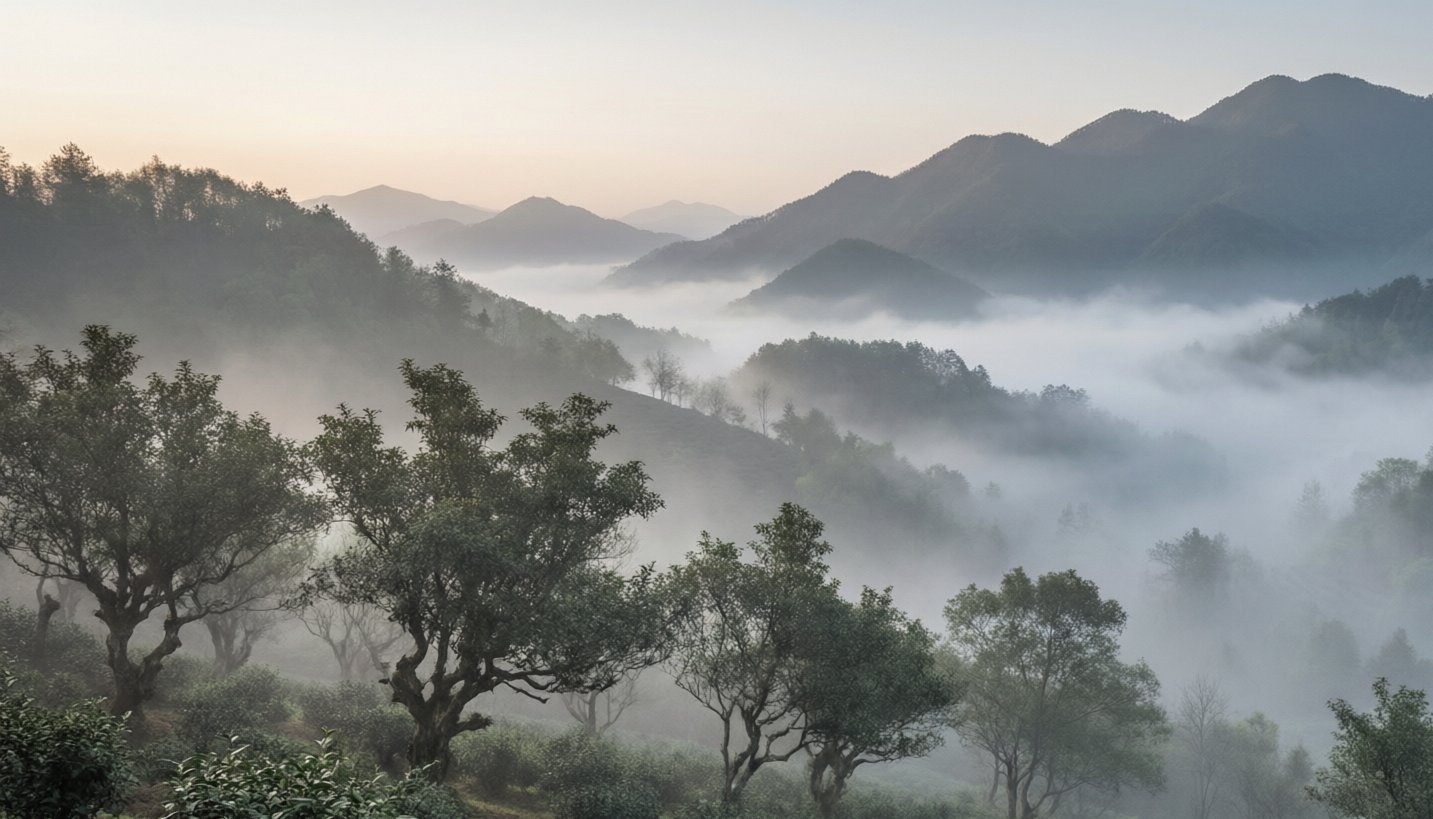
This landscape does more than look dramatic. The rocky, fast-draining soils produce a slower-growing leaf with a firmer cell structure, which supports the heavy rolling, partial oxidation, and repeated roasting used in yancha. The mountain’s cool, misty conditions also slow leaf development and concentrate aroma.
In the Chinese tea trade, origin is commonly discussed in practical tiers:
- Zheng yan, or core rock tea: the most prized cliff and valley gardens inside the protected zone.
- Ban yan, or semi-rock tea: foothill and edge-of-mountain plantings outside the core rock area.
- High-mountain and surrounding Wuyishan tea: larger-production tea from the wider region.
These labels are descriptive market terms rather than a formal quality grade, but they help explain why two Wuyi oolongs can taste and cost very differently.
Da Hong Pao, Shui Xian, Rou Gui and Other Famous Types
Wuyi Mountain tea is sold by cultivar or by named style. The most important names for importers are:
- Da Hong Pao: the most famous Wuyi name. Traditional mother-bush material is no longer sold commercially, and most Da Hong Pao on the market is a deliberate blend of Wuyi cultivars made to express the classic full, roasted, sweet-mineral profile.
- Shui Xian: an older, broad-leaf Wuyi cultivar with a deep, woodsy, honeyed character and strong aging potential.
- Rou Gui: often translated as “cinnamon,” though the spice note is subtle. Rou Gui tends to be aromatic, direct, and warm.
- Qi Lan: valued for an overt floral-orchard aroma and a lighter, more approachable body.
A smaller group of traditional Wuyi bushes — Tie Luo Han, Bai Ji Guan, Shui Jin Gui, and Ban Tian Yao — is often called the “four famous bushes.” These are produced in small volumes and command premium pricing. They matter less for volume buying, but they are useful reference points when a supplier describes a tea as rare or heritage-pedigree.
The key point for buyers: a tea labeled Da Hong Pao is usually a blend, not a single bush. A tea labeled Shui Xian, Rou Gui, or Qi Lan normally indicates the dominant cultivar. The question to ask is whether the lot is single-cultivar or a house blend, because that changes consistency and price.
How Wuyi Rock Tea Is Processed
Wuyi Mountain tea follows the oolong pathway but with more emphasis on repeated rolling, controlled oxidation, and finishing roast [2]. The general sequence is:
- Withering to soften leaves and start aroma development.
- Bruising and tumbling to initiate partial oxidation around the leaf edges.
- Fixation, often called kill-green, to set the oxidation level.
- Rolling and shaping into the tightly twisted strip form typical of Wuyi oolong.
- Roasting, traditionally over charcoal ash in multiple passes, to dry the leaf and build the roasted, mineral finish.
Roast level varies. Lighter roasts preserve floral and fruity top notes; heavier roasts push toward dark nuts, caramel, and a more brooding mineral spine. This is a stylistic decision, not a quality hierarchy. Some buyers prefer the immediate approachability of light-roast yancha; others want the depth and stability of a heavier roast.
The roast also explains why Wuyi Mountain tea is generally less fragile than green tea. Properly stored, roasted yancha can hold its structure for years and, in some cases, deepen with age.
What Wuyi Mountain Tea Tastes Like
The classic Wuyi profile is not subtle in the way many green teas are subtle. It is roasted, structured, and long. Across different cultivars and roasts, you will often find:
- A mineral or wet-rock backbone that tasters call rock rhyme.
- Roasted grain, dark honey, toasted nuts, or caramel from the firing.
- Dark fruit, stone fruit, or spice notes depending on cultivar.
- A clean bitterness that resolves into a sweet, cooling aftertaste.
Color in the cup ranges from amber to deep orange-brown. The lingering aftertaste, called huigan, is one of the main quality markers buyers should evaluate in cuppings. A good Wuyi rock tea leaves the mouth feeling clear, sweet, and slightly cool, even after the liquor is swallowed.
Grades, Zones and What Drives Wholesale Price
Wholesale prices for Wuyi Mountain tea span a very wide range because several factors stack together: production zone, cultivar, harvest season, roast level, age, and grade.
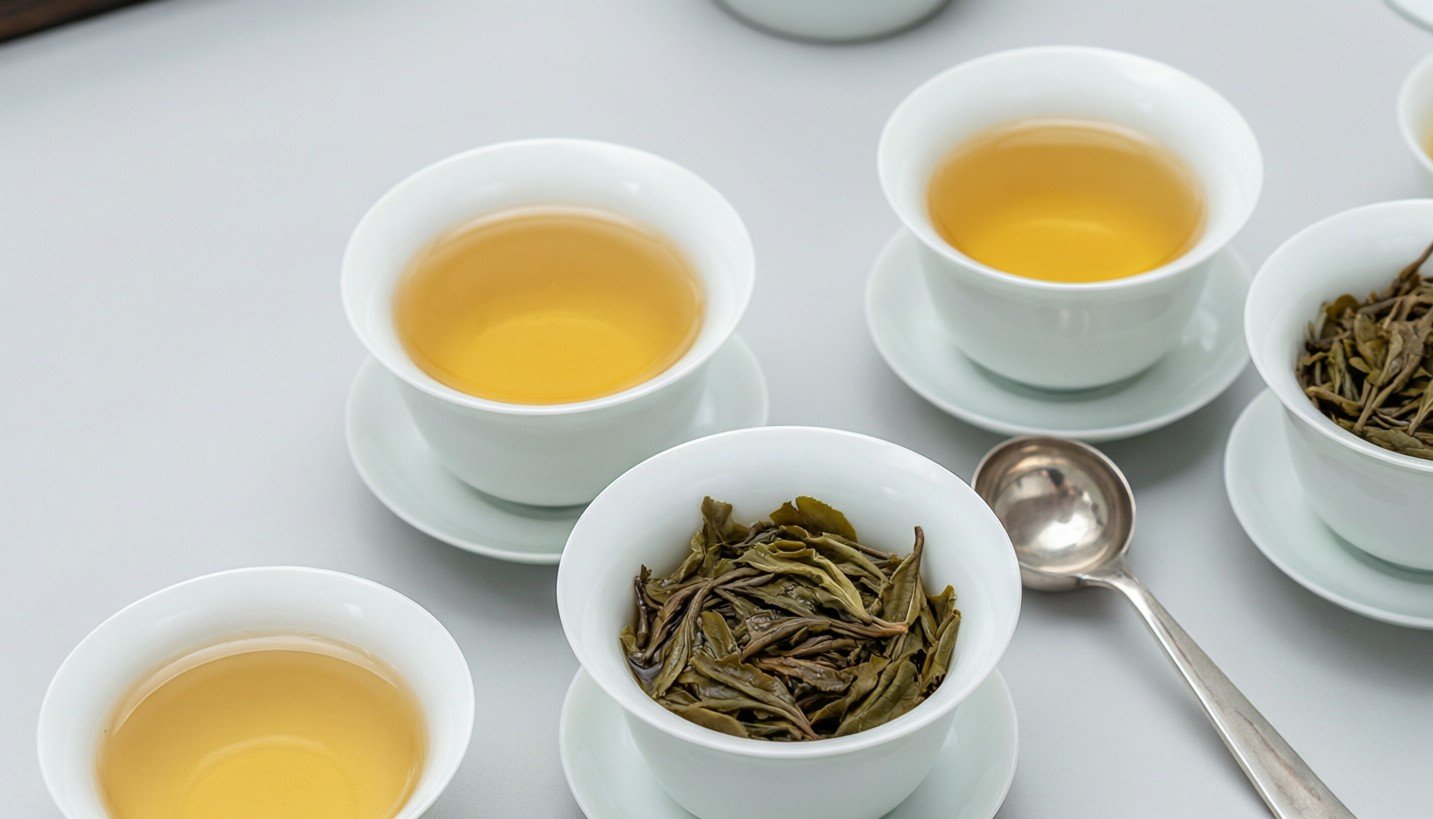
The most important pricing driver is origin. Core rock-area tea is limited and expensive. Semi-rock tea occupies the middle. High-mountain and regional Wuyi tea is the most available for volume programs, private label, and blended retail products.
Grade is another factor. The Wuyi rock tea standard includes graded product levels, and buyers should request the grade designation by name rather than relying on marketing terms such as “premium” or “AAA” [1]. Cultivar also matters. Rare or small-batch bushes cost more than broad-volume cultivars, even at the same roast level.
A practical wholesale buying rule for yancha is to compare lots by cup, not by label. Two teas both called Da Hong Pao can be entirely different products if one is core rock material and the other is a high-mountain blend. Sample cupping is the only reliable way to confirm that the price matches the cup.
Global tea market reporting tends to place Wuyi rock tea within the specialty oolong segment — smaller volume than mainstream black or green tea, but with stronger unit value and a loyal premium audience [3]. This makes it attractive for importers who can market origin and roast character rather than compete on commodity pricing.
How to Brew Wuyi Mountain Tea
Wuyi Mountain tea responds well to gongfu-style brewing, which uses a high leaf-to-water ratio and multiple short infusions. The roast also tolerates near-boiling water, unlike many delicate green or white teas.
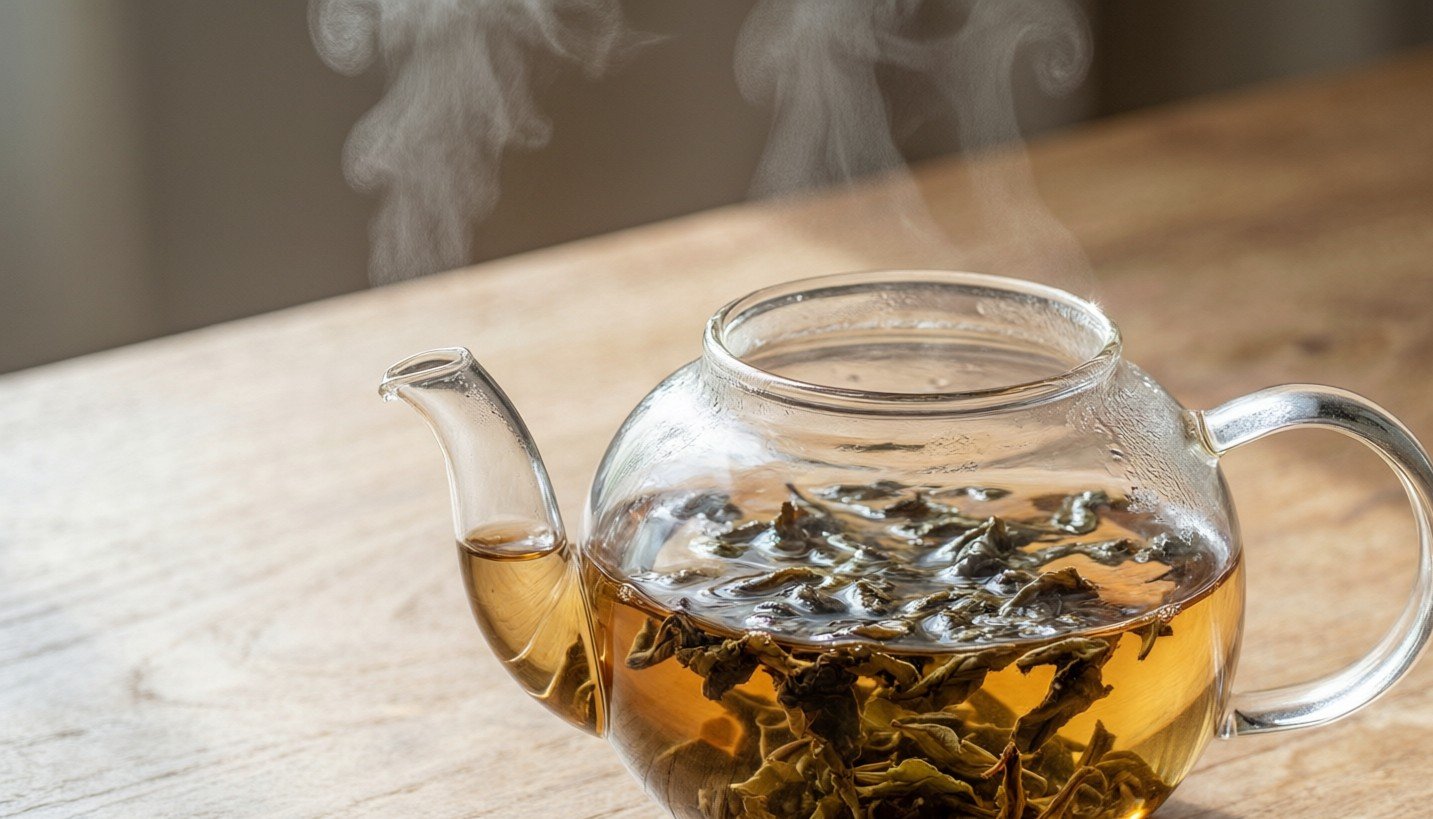
A solid starting point for buyers evaluating samples is:
- Use a gaiwan or small teapot.
- Warm the vessel first.
- Rinse the leaves briefly with hot water and discard the rinse.
- Use near-boiling water.
- Start with short infusions and lengthen them as the leaves open.
The resulting cup should show the roast and mineral structure clearly, but it should not taste charred, sour, or flat. If a sample falls apart into harsh bitterness or empty thinness across several infusions, that is a quality signal worth recording.
How to Buy Wuyi Mountain Tea With Confidence
The main risk in Wuyi Mountain tea buying is not “fake tea” in the abstract; it is origin inflation and vague grade language. A supplier can honestly sell a high-quality Wuyi oolong that is not core rock tea, but the buyer needs to know which category they are paying for.
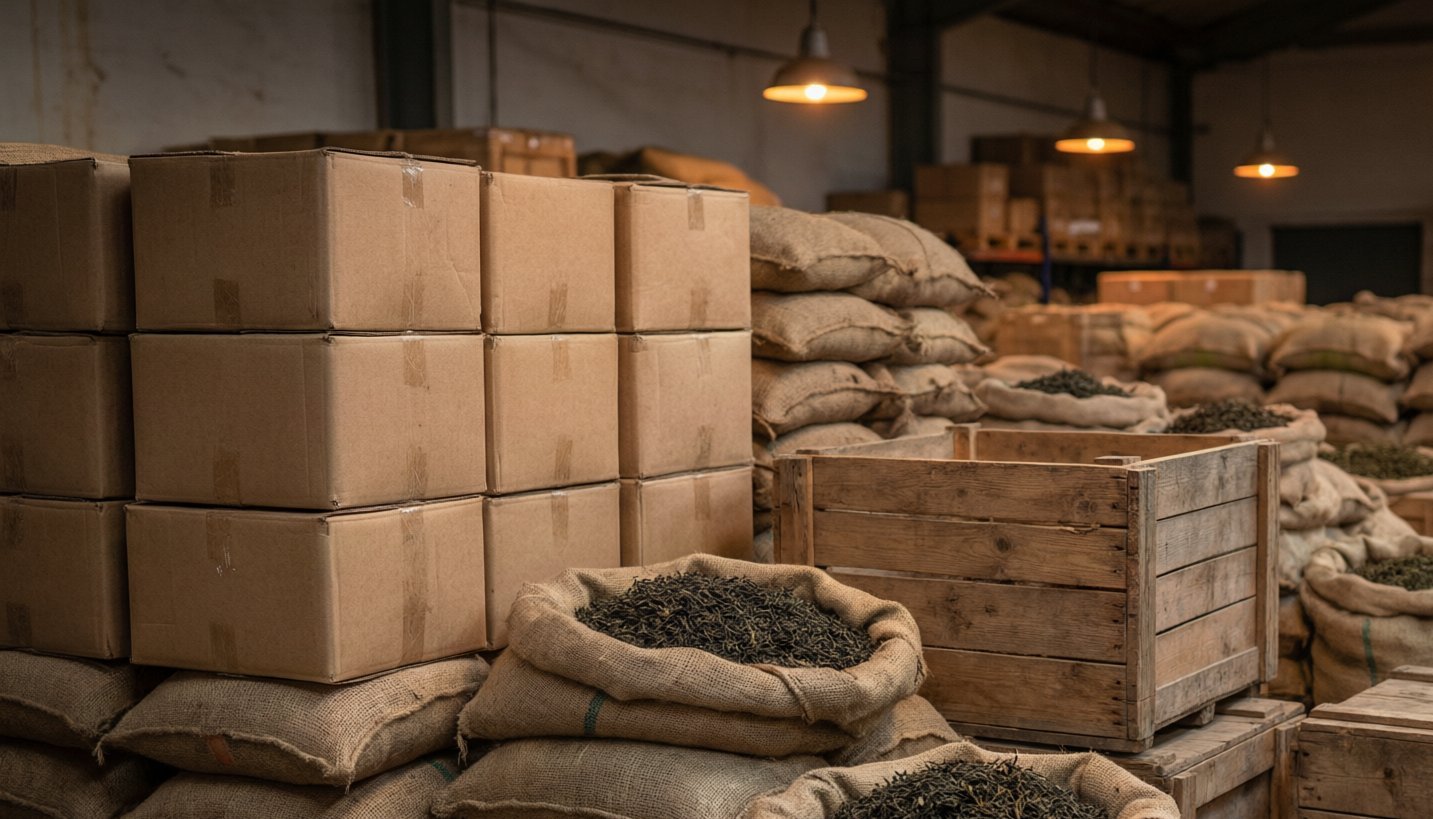
For any serious Wuyi Mountain tea order, request:
- The cultivar, or whether the lot is a Da Hong Pao-style blend.
- The production zone in plain terms: core rock, semi-rock, high mountain, or regional.
- The grade designation under the Wuyi rock tea standard [1].
- The harvest year and roast level.
- Batch lab-test results for pesticide residues and relevant food safety limits.
- Dry leaf, wet leaf, and liquor photos or video before shipment.
If you are sourcing Wuyi Mountain tea, send your target rock zone, preferred roast, and expected volume to 427728483@qq.com. A direct inquiry should always confirm the current harvest year, the GB/T grade certificate, and a sample of the exact lot you are buying — not just a similar tea.
Source Wuyi Mountain Tea Directly
Working directly with a Chinese tea supplier saves the most margin when you can specify the product clearly. When you contact us, include a short inquiry list so we can return a relevant quote quickly:
- Product and cultivar: single-cultivar Shui Xian or Rou Gui, Da Hong Pao blend, or another type.
- Preferred zone: core rock, semi-rock, high mountain, or regional Wuyishan.
- Grade: the GB/T 18745-2006 grade designation [1].
- Quantity and format: loose bulk weight, retail packs, or private label requirement.
- Destination port and certificates required for your market.
Email 427728483@qq.com with these details and ask for current harvest samples plus a per-kilogram quote. Sampling first is the cleanest way to match price, roast, and origin before committing to volume.
Frequently Asked Questions
Is Wuyi Mountain tea the same as Da Hong Pao?
No. Da Hong Pao is the most famous Wuyi style, but Wuyi Mountain tea is the broader category. Most commercial Da Hong Pao is a blended oolong made in the Da Hong Pao style, while Wuyi Mountain tea also includes Shui Xian, Rou Gui, Qi Lan, and other cultivars.
What is the difference between Wuyi rock tea and other oolong tea?
Wuyi rock tea is defined by its Wuyishan origin and its charcoal-oriented roasting. Compared with lighter, more floral Anxi or Taiwanese oolongs, yancha tends to be darker, more mineral, more roasted, and longer on the finish. The prized “rock rhyme” texture is its signature.
What should Wuyi Mountain tea taste like?
Expect roasted grain, dark honey or caramel, a mineral or wet-stone backbone, and a clean, sweet, cooling aftertaste. It should not taste charred, sour, or flat. A quality yancha remains structured across multiple short infusions.
How much does wholesale Wuyi Mountain tea cost?
There is no simple answer because price depends on production zone, cultivar, grade, roast, and harvest year. Core rock-area tea is the most expensive, while high-mountain and regional Wuyi tea is more suitable for volume programs. Buyers should compare samples rather than rely on labels such as “premium” or “supreme.”
How can importers verify Wuyi Mountain tea authenticity?
Ask for the grade designation under GB/T 18745-2006, a clear statement of the production zone, harvest details, batch lab-test results, and a sample of the exact lot under consideration [1]. Cupping the sample remains the most reliable verification step.
How do you brew Wuyi Mountain tea?
Use a gaiwan or small teapot with near-boiling water and a high leaf-to-water ratio. Rinse the leaves briefly, then use short infusions that lengthen as the leaves open. This gongfu method shows the roast, minerality, and aftertaste most clearly.
References
[1] GB/T 18745-2006, Product of Geographical Indication — Wuyi Rock Tea. National standard of the People’s Republic of China.
[2] GB/T 30357.1-2013, Oolong Tea — Part 1: Basic Requirements. National standard of the People’s Republic of China.
[3] FAO Intergovernmental Group on Tea. Current Global Tea Market Situation and Medium-Term Outlook. Food and Agriculture Organization of the United Nations, 2023.
No author description available.

白玉京