Big Tree Tea Brewing: Water Temperature, Ratio & Steep Timing
Big Tree tea is easy to overbrew and just as easy to underbrew. The leaves are larger, often more delicate than they look, and they release flavor in layers rather than all at once. Once you stop treating this like a standard grocery-store black tea, the cup changes: less bitterness, more honeyed texture, and a longer finish. This guide keeps the numbers simple—temperature, ratio, and timing—because those three variables do most of the work.
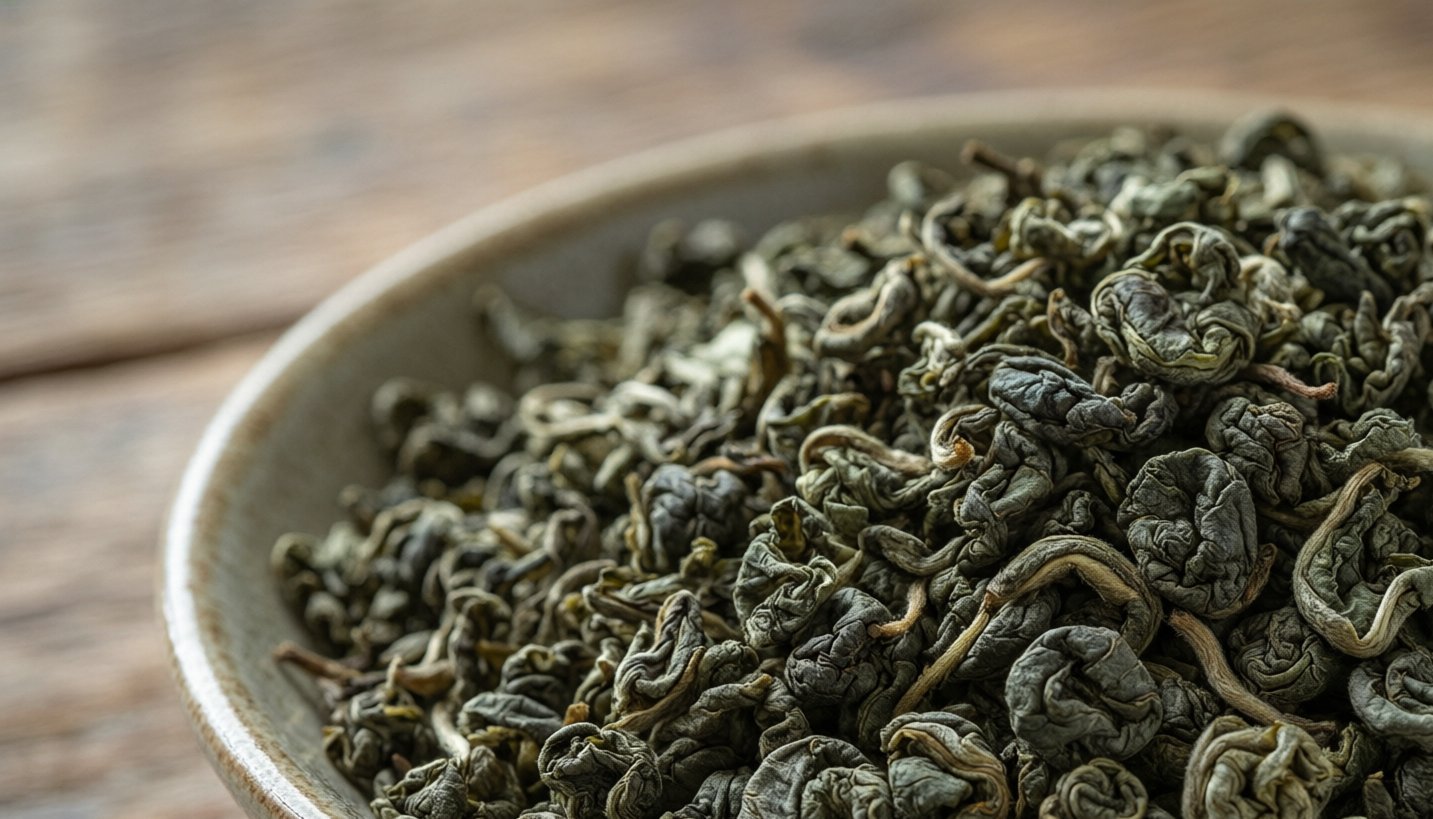
What “Big Tree” Actually Means for Your Brew
In Yunnan sourcing, “big tree” usually refers to tea from older arbor plants, often large-leaf assamica rather than densely planted terrace bushes [1]. The term is looser than buyers sometimes assume, but for brewing it matters for one practical reason: the leaf is generally more robust and better structured than young plantation leaf, so it can handle slightly more heat and longer extraction without collapsing into astringency.
That does not mean boiling water is a blank check. Big Tree black tea is fully oxidized and forgiving, but if your leaf is broken, over-roasted, or your water is hard, the same temperature that works for one lot can ruin another. Big Tree raw pu-erh is a different brewing animal entirely—closer to sheng than to black tea—and should start cooler.
Brewing Targets at a Glance
These are starting windows, not grading rules. Use them to get close, then adjust for the specific lot in front of you.
| Style | Water temperature | Leaf-to-water ratio | First steep | Later steeps |
|---|---|---|---|---|
| Gongfu | 90–95°C / 194–203°F | 1 g leaf : 15–20 ml water | 5–10 seconds | Add 5–10 seconds each round |
| Western mug | 90–95°C / 194–203°F | 2–3 g per 240 ml | 3–4 minutes | 1–2 resteeps maximum |
| Cold brew | Cold or room temperature | 1 g leaf : 100 ml water | 6–8 hours | One extraction, serve chilled |
Professional sensory evaluation is more aggressive. The ISO cupping method applies boiling water for six minutes at a fixed ratio to expose faults [2]. That is useful for comparing lots, but it is not the recipe you want for an enjoyable afternoon cup. Chinese tea sensory standards likewise rely on controlled, repeatable brewing parameters to compare quality across samples [4].
The gongfu column is the one that rewards Big Tree tea most. Short steeps let the top notes, body, and aftertaste separate cleanly instead of blurring together [3].
Gongfu Method: Short Steeps, Full Aroma
A gaiwan or small clay teapot works best. The goal is to keep the ratio high and the time short.
- Warm the vessel, then discard the water.
- Weigh the leaf. For a 100 ml gaiwan, start with 5–6 g.
- Pour at 90–95°C. If the lot is whole-leaf and clean, 95°C is usually safe.
- First steep: 5–10 seconds. You are waking the leaf, not extracting everything.
- Second and third steeps: 10–15 seconds, then extend as the liquor thins.
- Keep the lid open between infusions so the leaf does not steam-cook.
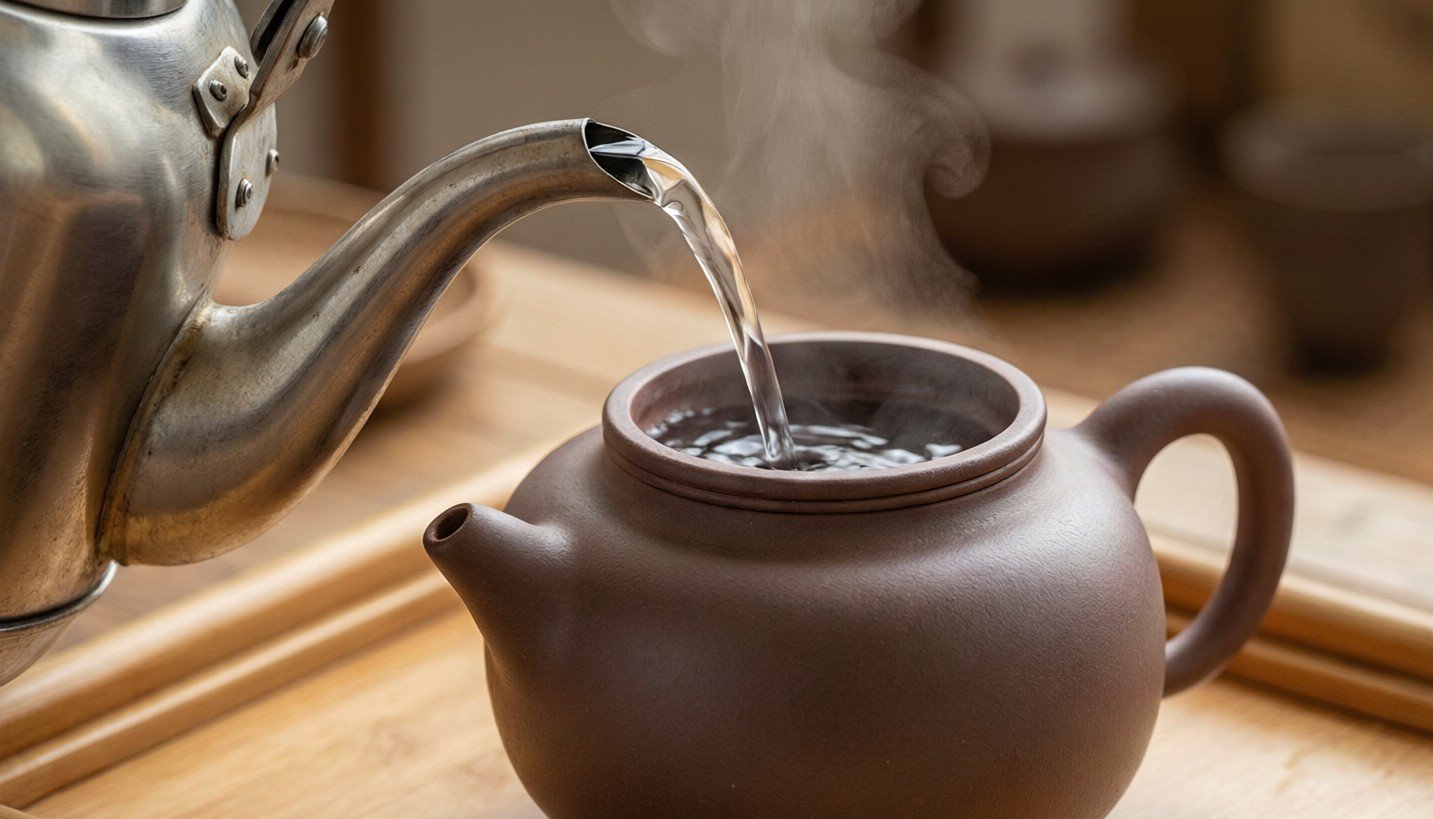
A quick rinse is optional. For Big Tree black tea, a 2–3 second rinse warms the leaf and removes surface dust without wasting flavor. For densely pressed or older raw pu-erh, the rinse is more useful because the leaf needs time to open.
Western Mug and Cold Brew
For a mug, use 2–3 g per 240 ml at 90–95°C for 3–4 minutes [3]. If the result is sharp or drying, lower the temperature before you lower the time. Most bitter mugs of Big Tree tea come from excessive leaf or water that is too hot, not from a few extra seconds.
Cold brew is the most forgiving method. Use 1 g per 100 ml of cold water, refrigerate for 6–8 hours, and strain. Because cold water extracts slowly, the result is sweeter and less tannic, but it will not show the layered high notes that gongfu reveals. Use cold brew for quantity, not for judging quality.
Adjusting for Leaf Age and Oxidation
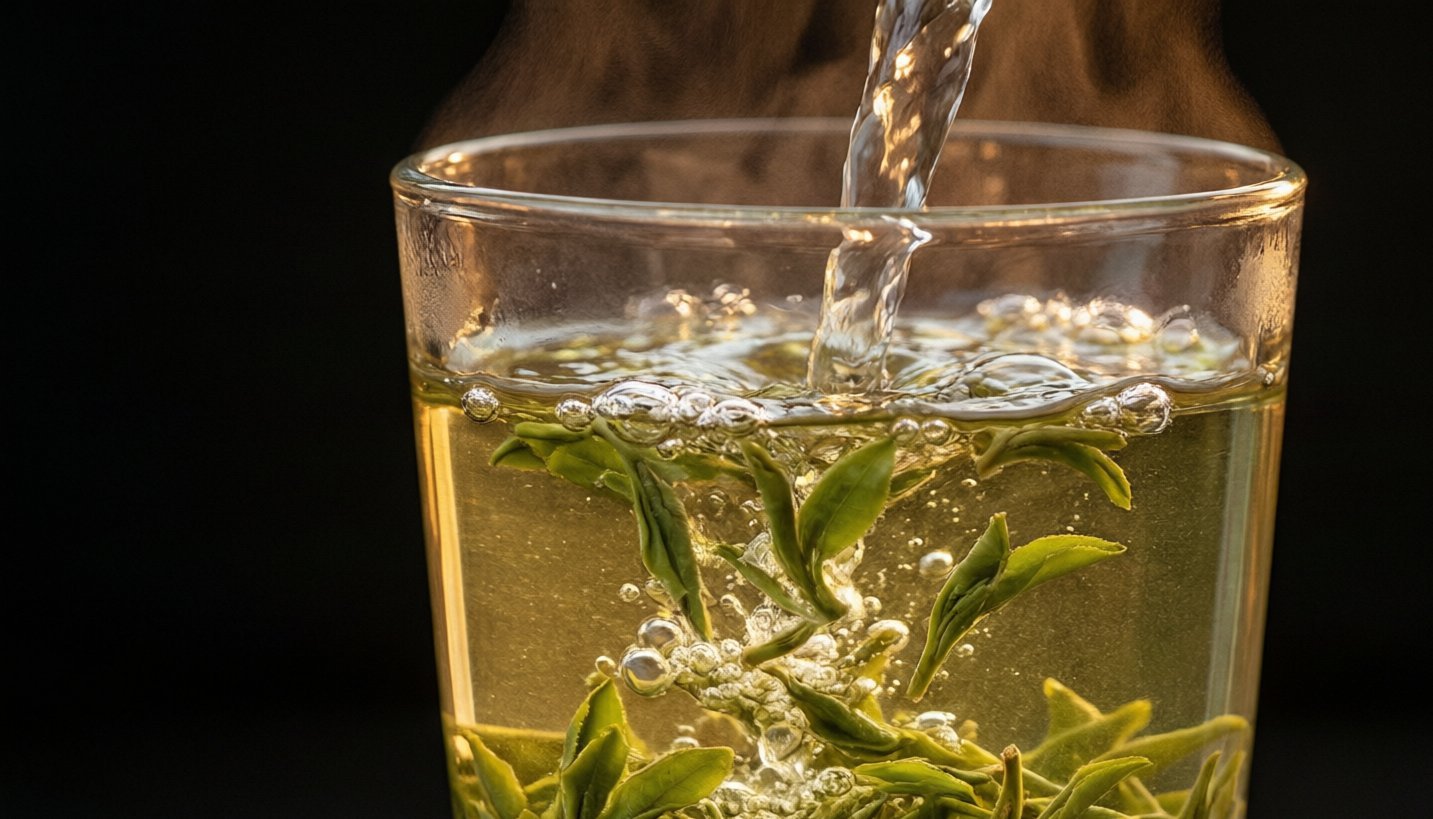
Big Tree tea is not one product. A fully oxidized black tea can take more heat; a young raw pu-erh should start near 90°C and earn hotter water only if the body feels thin. Pay attention to leaf size, too. Small, broken leaf extracts faster than long, whole leaf, so cut steep time when the dry leaf looks fragmented.
A scale is the biggest upgrade you can make. Spoon measurements are unreliable because whole-leaf Big Tree tea is bulky and varies in density. Weigh once, note the result, and repeat the good cups.
A quick sourcing note: if you are dialing in this guide with a specific lot, ask your supplier for the harvest season, oxidation level, and whether the material is whole leaf before you buy. A 50 g reference sample is enough to test the chart side by side. Contact Chinese tea suppliers at 427728483@qq.com with the lot number and your target cup style.
Five Mistakes That Flatten Big Tree Tea
- Overleafing the gaiwan. More leaf does not mean more flavor; it means faster, muddier extraction. Stick to the ratio and adjust steeps.
- Using fully boiling water for young raw leaf. The cup turns sour and harsh. Start cooler and let the leaf guide you.
- Steeping the first round too long. The first infusion should be a preview, not the whole movie. Ten seconds is usually enough.
- Ignoring water quality. Hard water mutes sweetness and amplifies bitterness. Filtered or spring water with moderate minerality is safer than distilled or heavily chlorinated tap water.
- Leaving the leaf to steam. Covered between steeps, the leaf keeps cooking. Let it breathe.
Need Big Tree Tea That Holds Up to These Parameters?
Send an inquiry with the following details and a supplier can match the lot to your brewing style:
- Tea style: Big Tree black tea or raw pu-erh
- Harvest year and season
- Target cup style: gongfu, Western mug, or cold brew
- Volume and destination port
- Email: 427728483@qq.com
Frequently Asked Questions
Can I use boiling water for Big Tree black tea?
You can, but 90–95°C is the safer starting window for most whole-leaf lots. Fully boiled water may work for a clean, whole-leaf black tea, but it often pushes broken leaf or young raw pu-erh into harshness.
What ratio should I use for a standard mug?
Use 2–3 g per 240 ml. If the mug tastes weak after four minutes, add leaf rather than extending the steep too far, because overlong steeping extracts more bitterness than flavor.
How many times can I resteep Big Tree tea?
Gongfu-style, good Big Tree black tea often gives five to eight infusions. Western-style, one or two resteeps is more realistic. Raw pu-erh can go longer if the leaf is whole and the temperature is controlled.
Should I rinse the leaves first?
For black tea, a short rinse is optional. For pressed or aged raw pu-erh, a rinse helps the leaf open and removes loose dust. Use water at brewing temperature and keep the rinse under five seconds.
References
[1] K. Gascoyne, F. Marchand, J. Desharnais, and H. Americi, Tea: History, Terroirs, Varieties, 3rd ed. Richmond Hill, ON, Canada: Firefly Books, 2018.
[2] Tea — Preparation of Liquor for Use in Sensory Tests, ISO 3103:1980, International Organization for Standardization, Geneva, Switzerland, 1980.
[3] M. L. Heiss and R. J. Heiss, The Story of Tea: A Cultural History and Drinking Guide. Berkeley, CA, USA: Ten Speed Press, 2007.
[4] Methodology for Sensory Evaluation of Tea, GB/T 23776-2018, Standardization Administration of China, Beijing, China, 2018.
No author description available.

白玉京