Raw Pu-erh (Sheng) Tea: An Honest Look at What It Is and Isn’t
Raw pu-erh (sheng cha) is one of the most misunderstood teas in wholesale sourcing. It is often described with wine-like aging language, investment-market confidence, and traditional health claims, but far less often defined in operational terms that help a buyer make a reliable lot decision. Under China's formal classification, raw pu-erh is neither an English-style black tea nor a fresh green tea, even though its appearance and cup can resemble both at different points in its life. This article separates the standard-backed definition from the marketing story and identifies what sheng is and is not for sourcing purposes.
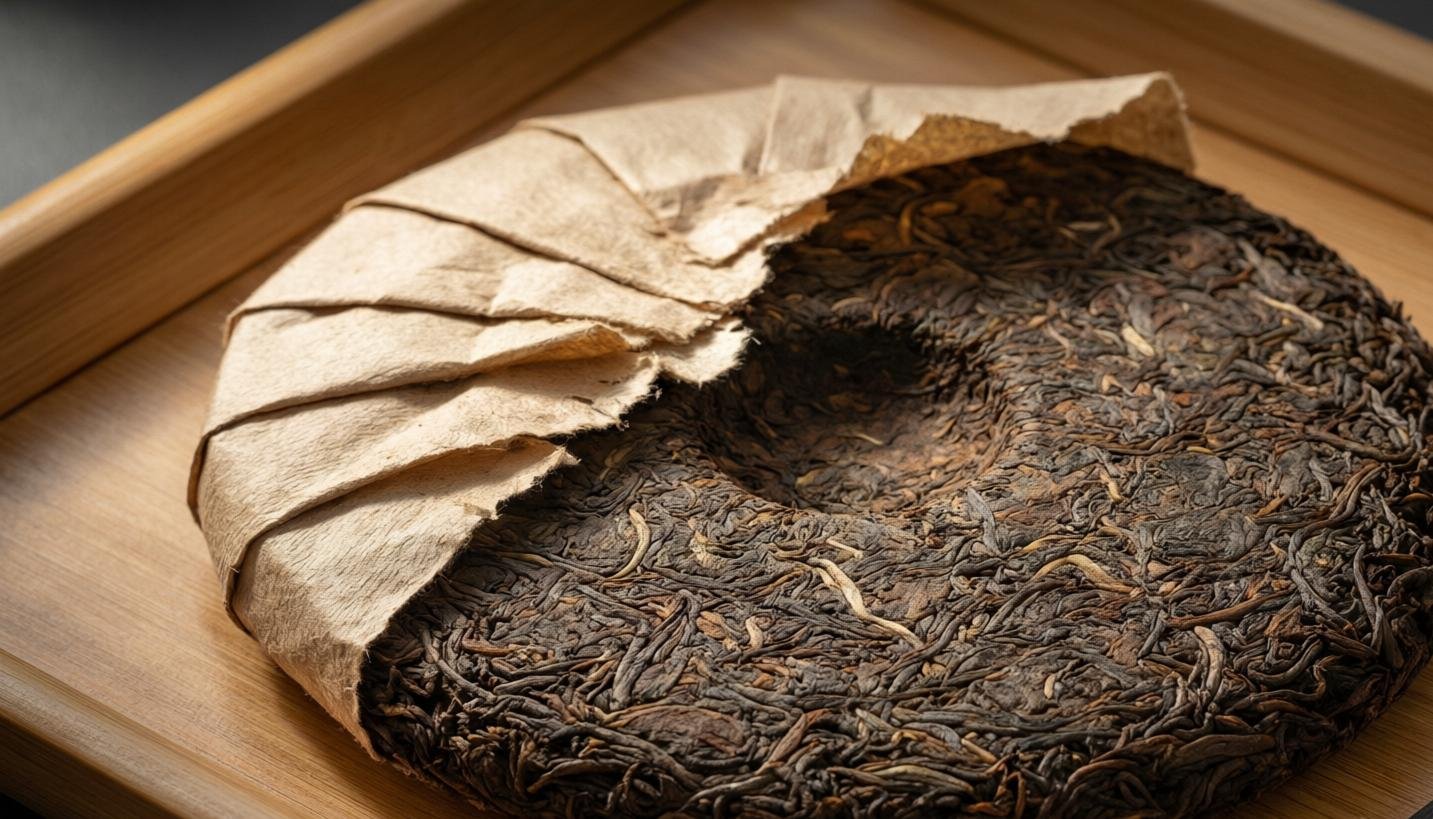
What Raw Pu-erh Actually Is Under the Formal Definition
Under GB/T 22111-2008, raw pu-erh is made from sun-dried Yunnan large-leaf maocha. That definition carries two practical controls: the base material must come from the defined geographical area, and primary processing must include fixing, rolling, and sun-drying rather than the full oxidation used for black tea [1]. Once produced, raw pu-erh can be sold loose or compressed.
The key distinction is that raw pu-erh does not undergo pile fermentation before pressing. In the same classification framework, ripe pu-erh (shou) is separated by that additional microbial step [1][2]. Raw pu-erh therefore begins closer to a sun-dried green tea and changes slowly over time. That is why age and storage are discussed so heavily, but neither should be treated as an automatic grade.
What the category includes:
- Yunnan large-leaf material from the defined geographical area.
- Primary processing through fixing, rolling, and sun-drying.
- Loose or compressed finished forms.
- Slow change over time under suitable storage.
What the category is not:
- It is not a pile-fermented shou pu-erh before or without controlled fermentation.
- It is not an oolong, which involves partial oxidation and specific shaping.
- It is not an English-style black tea, even when extended age darkens the leaf.
Common Myths That Distort Buyer Decisions
The biggest myth is that all raw pu-erh improves with age. This is not true. Aging only reveals or degrades what was already present in the material and the storage environment. Warehouse conditions, pressing density, raw leaf grade, and prior storage determine whether time adds value or creates musty, sour, or flat tea. Older does not automatically mean better [1].
Another common error is treating raw pu-erh as unfinished or half-made black tea. It is not black tea. Its color can shift from light amber to deep amber or reddish-brown over years, but the processing path is different. Young raw pu-erh can be aggressive, bitter, and astringent. Aged raw pu-erh may soften, but bitterness alone is not proof of aging potential.
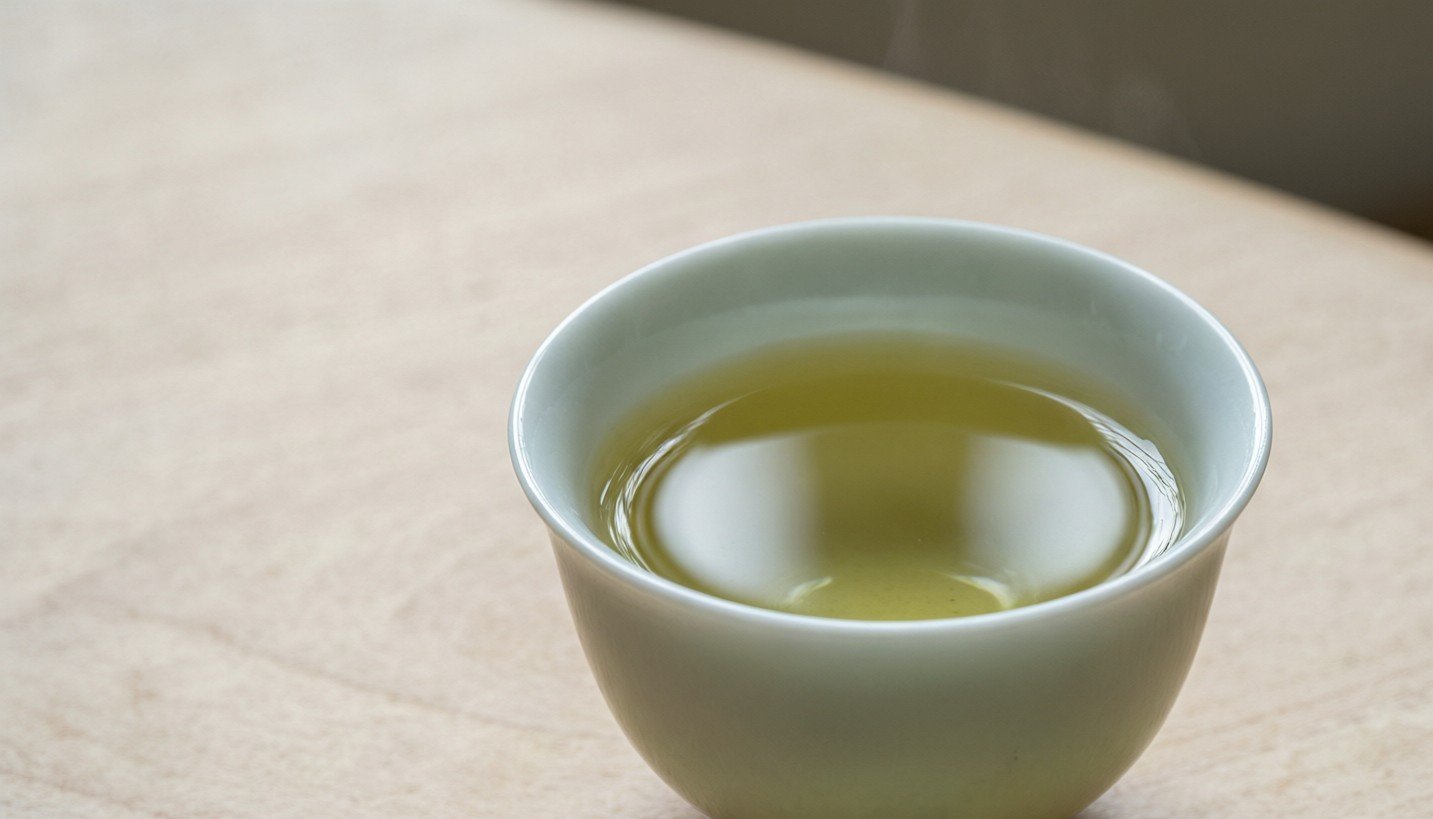
Raw pu-erh is also not automatically healthier than other teas simply because it is pu-erh. A large body of research has examined tea polyphenols, caffeine, and related compounds, but the strongest findings concern tea drinking in general rather than raw pu-erh as a special category [3]. Specific disease-prevention claims made for raw pu-erh should be treated as marketing until they are supported by direct testing in the destination market [3].
If you are comparing raw pu-erh specifications across suppliers, start with the formal definition above and ask for documentation before price. Buyers who cut through age stories and ask for origin, storage history, and current cup notes make better lot decisions.
How Aging Changes What You Are Buying
Raw pu-erh aging is slower than shou fermentation, but it is not a single chemical reaction. The change is driven by oxidation, enzymatic activity, residual moisture, and microbes. If storage is too dry, the tea can remain harsh for years. If it is too wet, the tea can sour or develop mould. The warehouse environment often matters more than the printed year.
Buyers should ask for:
- The origin lot and base material.
- The press year and whether the tea is loose or compressed.
- Storage history, including humidity and temperature range where available.
- Sensory notes from the current cup, not only from an old vendor tasting record.
Terms such as "gushu" or "big tree" can describe plant age, but they are not standardized under GB/T 22111-2008. Without a laboratory report or a documented provenance trail, a buyer cannot verify age claims from taste alone [1].
How to Evaluate a Raw Pu-erh Sample
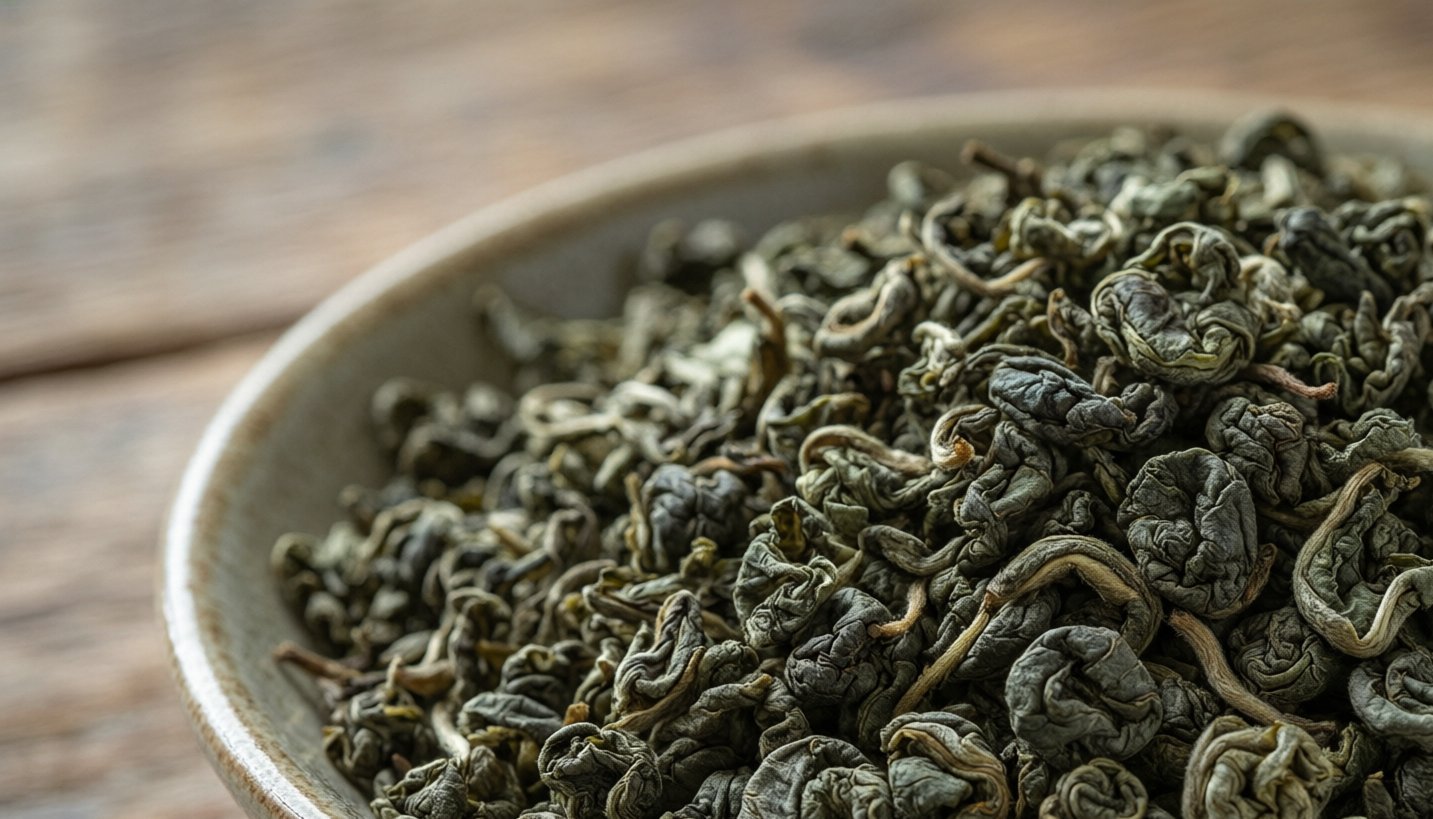
Professional cuppers assess dry leaf, aroma, taste, mouthfeel, and leaf base. For raw pu-erh, the sample should be judged on both its current state and its likely near-term stability.
| Criteria | Supports a reliable raw pu-erh | Signal of risk |
|---|---|---|
| Dry leaf | Uniform, whole, adequately sun-dried, clean production aroma | Musty, scorched, dusty, mixed grades |
| Liquor | Clear and bright, usually amber to golden in young sheng | Muddy or turbid without cause |
| Aroma | Green-hay or floral in young lots; dried fruit or honey in aged lots | Flat, sour, or smoky from poor processing |
| Taste | Brisk or rounded depending on age, with returning sweetness | Sharp bitterness that does not resolve; chemical astringency |
| Leaf base | Elastic, even, no blackening | Soggy, brittle, grey-brown, or dead-smelling |

This comparison is more useful than age alone. A clean three-year-old lot can outperform a poorly stored twelve-year-old lot.
Health Claims: Evidence vs Hype
Raw pu-erh and other teas contain caffeine, polyphenols, amino acids, and minerals. The scientific literature supports tea consumption as part of a balanced diet, but the strongest evidence is for tea drinking overall, not for one type of pu-erh [3]. Weight loss, detox, and blood sugar claims require direct clinical evidence and must comply with destination-market food labeling rules.
For wholesale buyers, the practical issue is compliance. If a health claim is not allowed in the target market, it becomes a labeling and legal risk. A product description based on taste, grade, storage, and standard compliance is safer than one built on unapproved health promises.
Before finalizing a raw pu-erh order, send your supplier one request: ask for current cup notes, storage conditions, and the relevant grade or standard documentation. If you need help comparing raw pu-erh lots or verifying material against GB/T 22111-2008, contact Chinese tea suppliers at 427728483@qq.com.
Sourcing Checklist for Raw Pu-erh Buyers
- Request the maocha origin and harvest year.
- Confirm whether the lot is pure Yunnan large-leaf material.
- Ask if the tea is loose or pressed and whether the pressing year matches the material.
- Verify storage history and current moisture.
- Compare a brewed sample, not just the dry leaf.
- Request export documentation and any available test reports.
Get a Raw Pu-erh Lot Verified
If you are sourcing for private label, retail, or foodservice, do not buy raw pu-erh on story alone. Chinese tea suppliers can provide lot samples, storage notes, and documentation for Yunnan raw pu-erh. For direct inquiry, email 427728483@qq.com with your target format, volume, and market, and request a cupping set before any contract.
FAQ
Is raw pu-erh the same as ripe pu-erh?
No. Raw pu-erh is processed without pile fermentation, while ripe pu-erh (shou) goes through controlled microbial pile fermentation [1][2]. They taste and age differently.
Does raw pu-erh always improve with age?
No. Clean material and suitable storage usually produce a more rounded flavor over time, but poor material or bad storage can ruin a lot. Age alone is not a quality grade.
Is raw pu-erh a green tea?
At pressing, raw pu-erh resembles a sun-dried green tea, but it is classified as raw pu-erh under the geographical-indication standard [1]. Its legal category and aging trajectory are different.
What does young raw pu-erh taste like?
Young raw pu-erh can be bright, grassy, floral, bitter, or astringent, with a distinct sun-dried note. It often returns sweetness and lasts across several infusions.
Can raw pu-erh carry health claims?
Health claims must follow the rules of the destination market. Most direct evidence supports tea consumption generally, not raw pu-erh as a treatment. Avoid medical claims in wholesale sales material [3].
How should raw pu-erh be stored?
Storage should be clean, moderately dry, odour-free, and stable. Warehousing must prevent mould, moisture damage, and cross-contamination. Buyers should request storage history for aged lots.
References
[1] GB/T 22111-2008, Product of Geographical Indication — Pu'er Tea. General Administration of Quality Supervision, Inspection and Quarantine of the People's Republic of China.
[2] ISO 20715:2016, Tea — Classification of Tea Types. International Organization for Standardization.
[3] Yang CS, Landau JM. Effects of tea consumption on nutrition and health. J Nutr. 2000;130(10):2409–2412.
No author description available.

白玉京