Laobanzhang Raw Pu-erh Health Effects: What the Evidence Actually Shows
Raw pu-erh from Lao Ban Zhang has become one of the most talked-about teas in both collector and wellness circles. It carries a heavy reputation: powerful body feel, deep bitterness, strong aftertaste, and a long list of health claims. But reputation is not evidence.
The honest starting point is that almost no clinical trials have tested Laobanzhang raw pu-erh specifically. Most of what we know comes from research on tea leaves in general, fermented tea, caffeine, and tea polyphenols. That does not mean the health interest is empty — it means the specific village name does not by itself change the pharmacology of the cup.
The key question is not whether Lao Ban Zhang is special. The better question is what raw pu-erh actually delivers, which effects are reproducible, and which claims outrun the science.
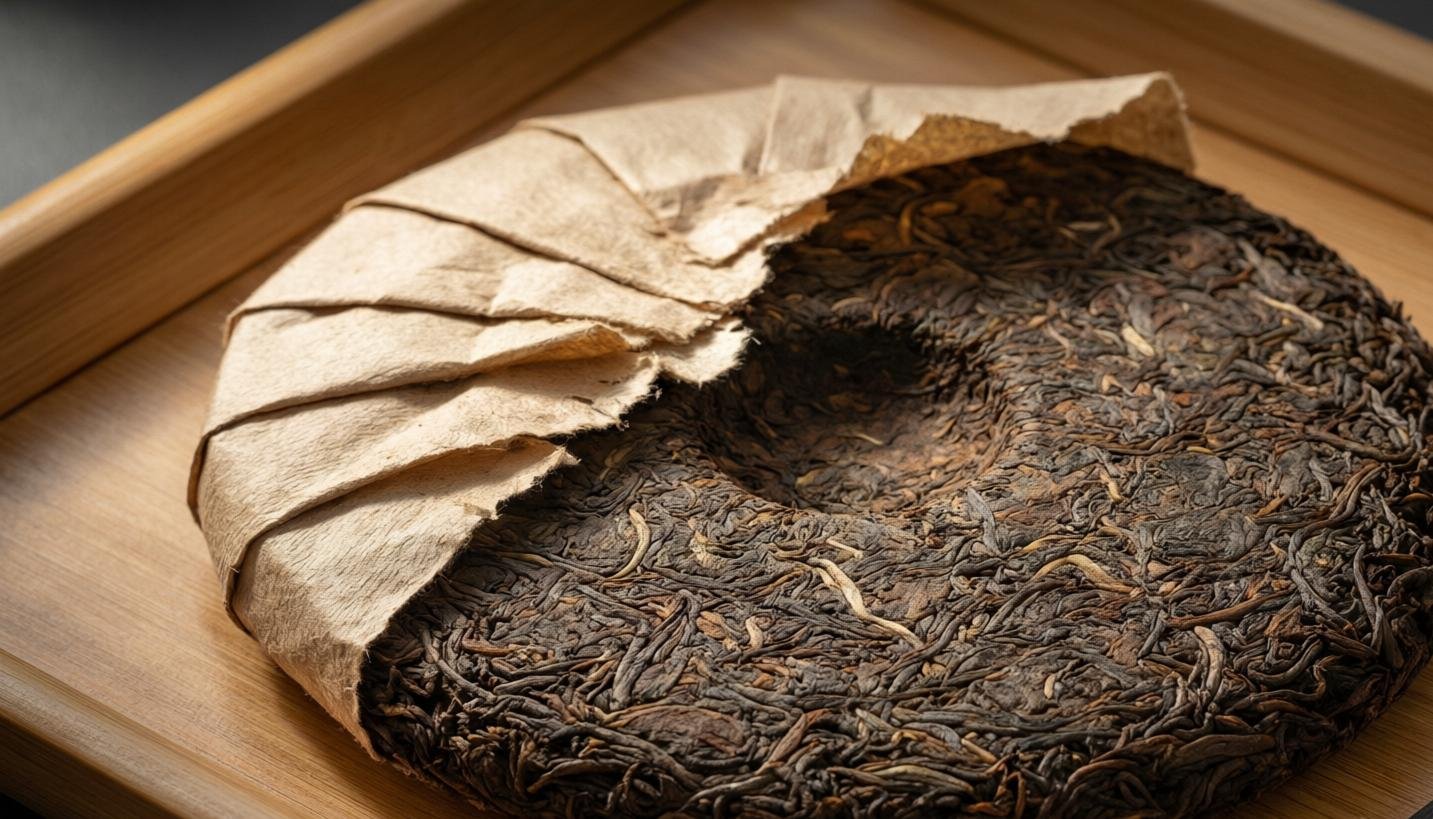
What Makes Laobanzhang Raw Pu-erh Different?
Lao Ban Zhang is a village in the Bulang Mountain area of Menghai, Yunnan. Its raw pu-erh — sheng cha — is made from large-leaf Camellia sinensis var. assamica, sun-dried, and usually compressed into cakes for slow aging.
Several features matter for health and flavor:
- The large-leaf assamica material tends to be high in polyphenols and methylxanthines, which is why the tea can feel strong and slightly bitter when young.
- Because it is raw pu-erh rather than ripe pu-erh, the tea undergoes gradual microbial and enzymatic change during storage rather than the accelerated wet-piling used for shou pu-erh.
- The drinker gets a moving target: the same cake will change in caffeine, polyphenol profile, and astringency across years.
This last point is important. A young Laobanzhang raw pu-erh is not chemically identical to a 12-year-old version. Research on "pu-erh" often blurs this distinction, mixing young and aged, raw and ripe tea.

Where the Health Claims Come From
Most health claims for Laobanzhang raw pu-erh are borrowed from three broader research areas:
- Green tea polyphenols, especially EGCG and other catechins, which have been studied for antioxidant, metabolic, and cardiovascular effects [1].
- Fermented tea research, mostly on ripe pu-erh, which examines how microbial transformation changes tea compounds and gut interactions [2].
- Caffeine and L-theanine, where the evidence is strongest but often less exciting than disease-prevention claims [3].
Raw sheng pu-erh sits in an odd position. It starts closer to green tea than to black tea, then moves toward something more fermented as it ages. So a blanket statement such as “raw pu-erh lowers cholesterol” is not supported by a large, specific human trial. What exists is suggestive, not definitive.
What Human and Laboratory Research Actually Shows
The strongest evidence is for general tea consumption, not for any single village tea.
Cardiovascular and metabolic markers. Reviews of tea intake have found modest associations between regular tea drinking and better markers of lipid metabolism and vascular function [4]. These findings are encouraging, but association does not prove that a specific Laobanzhang cake will produce the same result in a given person.
Gut microbiota. Fermented teas, especially ripe pu-erh, have drawn interest for their ability to shift gut bacteria in laboratory and small human studies [2]. Raw pu-erh, particularly aged raw pu-erh, may share some of this action, but the research base is thinner.
Caffeine and alertness. The best-documented acute effect of raw pu-erh is simply caffeine. A cup of young sheng pu-erh is not a medical supplement; it is a caffeinated drink with polyphenols. The alertness effect is real and dose-dependent [3].
Antioxidant capacity. Tea catechins show antioxidant activity in cell and animal models [1]. The leap from "high antioxidant capacity in a test tube" to "disease prevention in humans" is where many tea claims fail.
The fair summary: raw pu-erh can be part of a healthy daily pattern, but the word “proven” should be reserved for effects like caffeine, hydration, and enjoyment — not for curing or preventing chronic disease.
How Brewing Changes What Is in the Cup
Brewing method changes the health-relevant chemistry as much as the leaf itself.
- Temperature. Hotter water extracts more catechins and caffeine but also more bitterness and astringency.
- Ratio. More leaf per volume produces a stronger cup, but strength is not the same as benefit.
- Time. Longer steeps pull more compounds out, including the ones that can irritate an empty stomach.
- Rinsing. A quick rinse is standard for compressed pu-erh, but it removes only surface dust, not the caffeine or polyphenol content.
A practical approach is to start with a moderate ratio, short first steeps, and water just below boiling — around 90–95°C — adjusting to taste. This is a tea to drink repeatedly, not once at maximum strength.
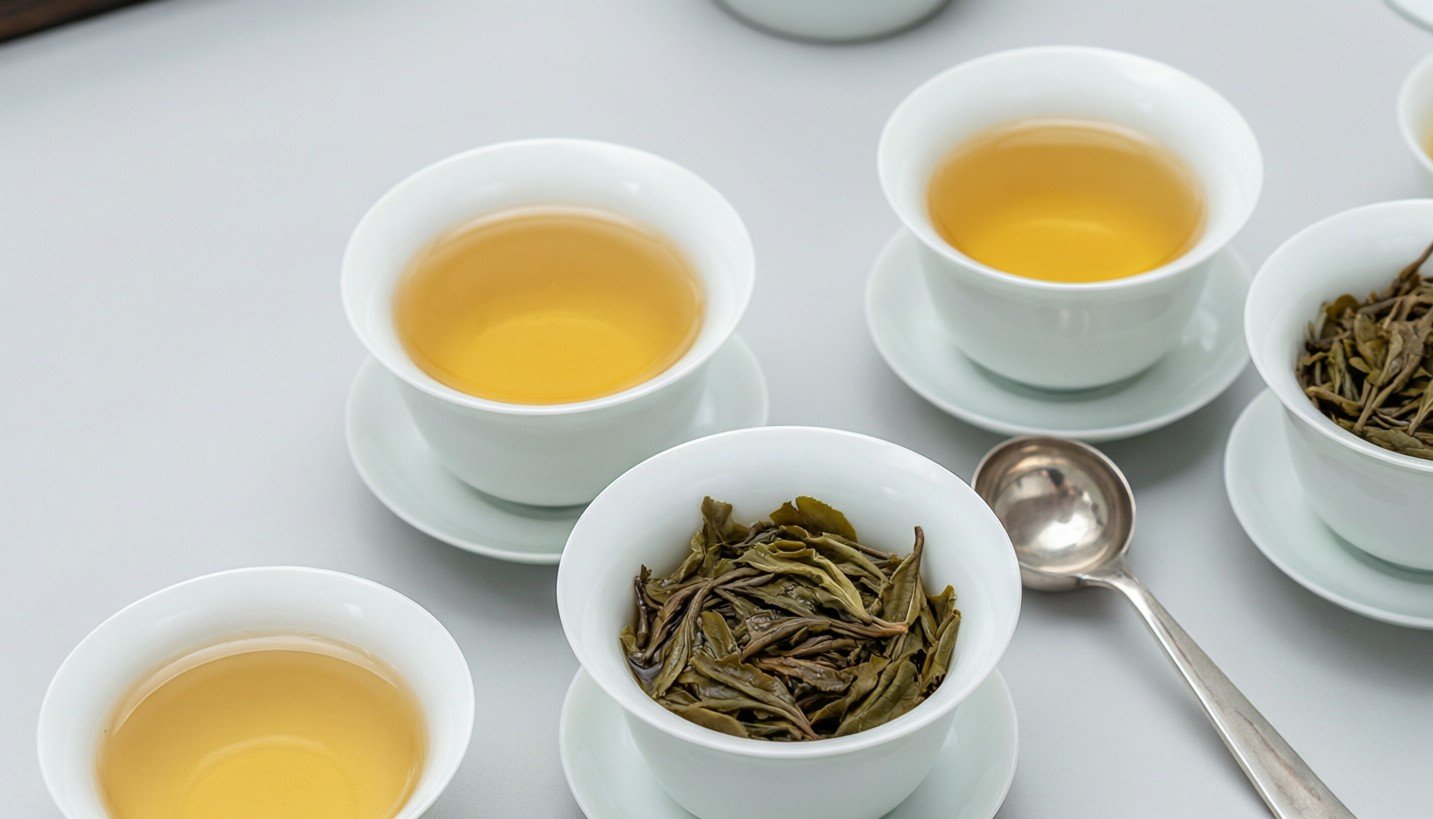
Safety, Caffeine, and Everyday Limits
Raw pu-erh is not risk-free, and most risks come from caffeine and improper storage.
- For healthy adults, habitual caffeine intake up to 400 mg per day is considered safe [5].
- Pregnant women have a lower recommended ceiling, commonly cited at 200 mg per day [5].
- Large amounts of strong raw pu-erh on an empty stomach can cause nausea or stomach irritation.
- Poorly stored pu-erh can develop mold or off-fermentation products; any cake with visible mold or a musty, chemical, or plastic-like smell should not be consumed.
The most important safety factor for raw pu-erh is the sourcing and storage chain. A cheap cake with uncertain origin carries more risk than any small difference in cultivar or village fame.
How to Buy Without Betting on Hype
If the health framing matters to you, evaluate the tea the same way a buyer would:
- Ask for harvest year and origin, not just the village name.
- Check whether the cake has been dry-stored and whether the seller can describe the storage location.
- Taste before committing to volume. A strong, clean, returning sweetness after bitterness is a better sign than a flat or sour cup.
- Be skeptical of direct health promises. A seller promising weight loss or disease treatment is a red flag, regardless of the tea.
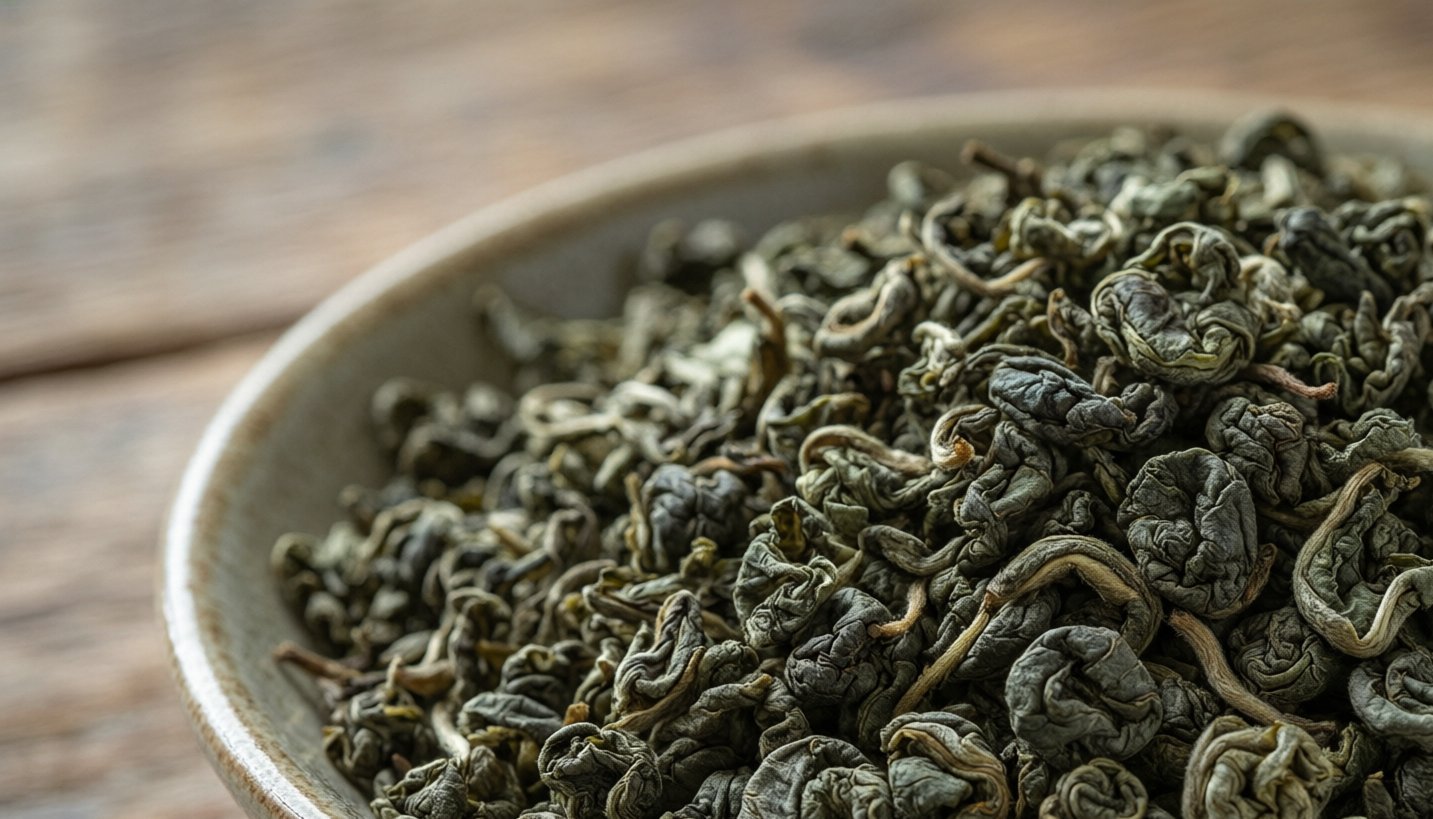
Need origin-checked Laobanzhang raw pu-erh? If you are sourcing for wholesale, retail, or a specialty tea program, we can provide cupping samples and verify harvest, storage, and batch details before you commit. Email 427728483@qq.com with your target volume and cake or bulk format.
Wholesale Laobanzhang Raw Pu-erh Inquiry
As a Chinese tea supplier, we help importers, tea shops, and corporate buyers source raw pu-erh with documented origin, harvest year, and storage records.
Tell us:
- Your target grade and volume
- Cake, brick, or loose-leaf format
- Preferred age range
- Destination market and any certification needs
We can arrange culling samples, batch photos, and pricing for qualified wholesale inquiries. Contact 427728483@qq.com and we will reply with next steps.
FAQ
Does Laobanzhang raw pu-erh help with weight loss?
Tea polyphenols and caffeine can modestly support energy expenditure, but the evidence does not show that Laobanzhang raw pu-erh causes meaningful weight loss on its own. Diet, activity, and overall calorie balance remain the larger factors.
Is raw pu-erh healthier than ripe pu-erh?
They are different. Young raw pu-erh behaves more like a strong green tea, while ripe pu-erh is fermented and may interact differently with the gut. Neither is universally healthier; the better choice depends on your caffeine tolerance and stomach sensitivity.
How much raw pu-erh can I drink per day?
For most healthy adults, keeping total caffeine from all sources under 400 mg per day is a reasonable ceiling. For raw pu-erh, that often means several cups of moderate strength, but individual caffeine sensitivity matters more than a fixed cup count.
Does aging increase the health benefits?
Aging changes flavor, mouthfeel, and some tea compounds, but there is no strong human evidence that a 15-year-old cake is biologically superior to a 3-year-old one. Buy aged tea because you value the taste, not as a supplement upgrade.
Should I drink it on an empty stomach?
Young raw pu-erh can be harsh on an empty stomach because of caffeine, bitterness, and astringency. Eating first, reducing leaf ratio, or choosing a more aged cake can help.
References
- Cabrera C, Artacho R, Giménez R. Beneficial effects of green tea—a review. Journal of the American College of Nutrition. 2006;25(2):79-99.
- Hayat K, Iqbal H, Malik U, Bilal U, Mushtaq S. Tea and its consumption: benefits and risks. Critical Reviews in Food Science and Nutrition. 2015;55(7):939-954.
- EFSA Panel on Dietetic Products, Nutrition and Allergies. Scientific Opinion on the safety of caffeine. EFSA Journal. 2015;13(5):4102.
- Tang GY, Meng X, Gan RY, et al. Health functions and related molecular mechanisms of tea components: an update review. International Journal of Molecular Sciences. 2019;20(24):6196.
- Yang CS, Wang X, Lu G, Picinich SC. Cancer prevention by tea: animal studies, molecular mechanisms and human relevance. Nature Reviews Cancer. 2009;9(6):429-439.
No author description available.

白玉京