Pu-erh Tea Market 2026: 7 Import Trends to Watch Now
Pu-erh no longer trades as one product. In 2026, importers are effectively buying four markets at once: young sheng, aged sheng, shou, and village-level micro-lots. The common thread is that buyers now pay for proof—origin documents, batch test results, and storage records—rather than story alone. Global tea bodies have pointed to this same split, describing a market in which specialty leaf and daily-use tea move on different pricing tracks [1]. Chinese industry reports add a specific pu-erh layer: aged sheng and branded cakes are absorbing domestic attention, while export buyers broaden their shou and convenience formats to protect margin and keep volume moving [2].
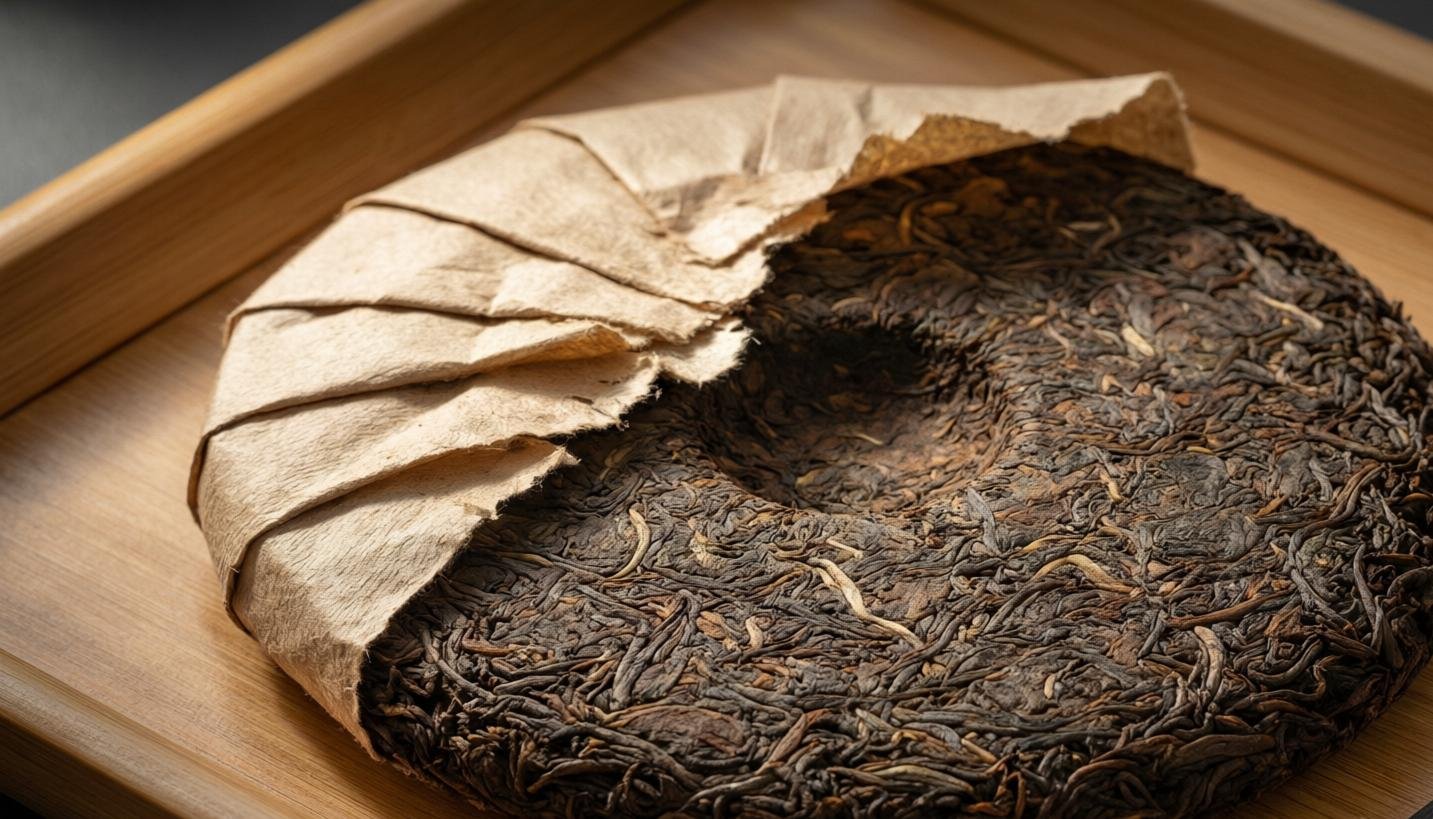
Where the 2026 Pu-erh Market Is Heading
The market is not moving in one direction; it is splitting into distinct demand pools with different price logic. Importers who treat those pools as one SKU strategy will either overpay for daily tea or under-document collectible tea.
| Trend signal | Import response |
|---|---|
| Aged sheng premiums remain collectible-driven | Separate aged stock from daily inventory; verify storage chain before paying age premiums |
| Shou moves from cheap filler to daily mainstay | Source clean, consistent shou with moisture and microbial-safety data |
| Village-level micro-lots command a premium | Buy with village, harvest season, and batch-specific paperwork |
| Health interest rises faster than health science | Keep labeling compliant with destination-market food rules |
| MRL enforcement tightens in Europe | Require current residue test certificates per lot |
| Smaller cakes, sachets, and cold brew gain share | Add 6–8 g sachets and 100–200 g cake formats |
| Yunnan weather volatility widens price gaps | Pre-book spring raw material and hold safety stock |
A practical example: a buyer who once ordered one 357 g shou recipe now runs three SKUs—a 200 g shou cake for retail, 8 g sachets for office accounts, and a small aged sheng allocation for collectors. The sourcing logic is familiar, but the paperwork, moisture control, and storage profile are completely different.
The Price Split: Sheng, Shou, and the Middle Ground
Yunnan export data reflect a widening gap between product types rather than one uniform pu-erh price [3]. The expensive segment is not simply “pu-erh”; it is aged raw sheng with storage records, known recipe lineage, clean compression, and documented aging conditions.
The middle of the market—young raw sheng and better shou—is where most value-conscious importers can still operate. The bottom is low-grade shou and loose bulk, which remains competitive but is the segment most exposed to quality disputes, moisture damage, and compliance problems.
GB/T 22111-2008 defines pu-erh through geographic protection and processing type, but it does not guarantee age, storage quality, or village origin [4]. That gap is why price depends so heavily on documentation beyond the basic certificate: batch records, pressing dates, storage city, and humidity logs now change what a lot is worth [3].
Traceability and Authenticity Are Now the Baseline
Importers who treat traceability as a premium add-on will be repeatedly outbid or, worse, left holding tea that cannot survive a buyer audit. The 2026 baseline is batch-level information: production date, raw material origin, pressing factory, pressing weight, and storage history.

GB/T 22111 provides the legal frame for geographical-indication pu-erh [4]. ISO 20715 clarifies tea classification for import documentation [7]. Neither standard replaces supplier evidence; they define what should be recorded and how the product should be described.
Before shipment, practical verification includes:
- Pre-shipment photos of the exact cartons and wrappers
- Batch test results for pesticide residues, moisture, and water activity
- Storage records for any tea sold as aged
- Retained physical samples for dispute comparison
A aged wrapper or red mark does not confirm age. Storage records do.
Health Claims, Functional Demand, and Regulatory Limits
The gut-health and microbiome conversation has made shou pu-erh more interesting to European and North American buyers. The regulatory boundary, however, is sharp. Tea can be marketed for its sensory character and normal consumption, but it cannot be sold with disease-prevention or treatment claims without falling outside the food classification in most destination markets [5][6].
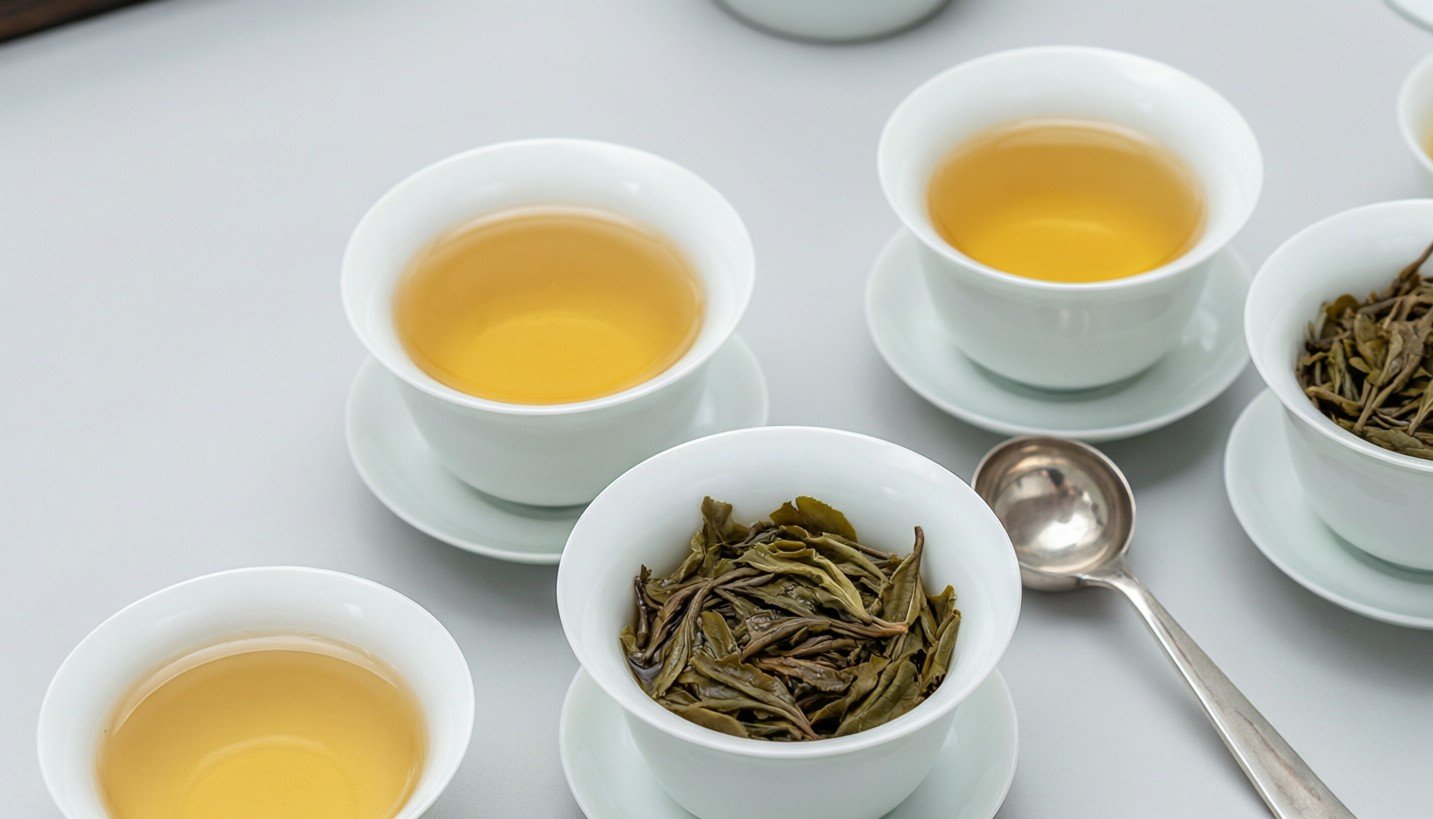
The more immediate import risk is residue testing. European Union maximum residue levels cover a long list of pesticides, including substances that can appear even when the garden is not spraying—such as anthraquinone from drying smoke or processing contamination [5]. A lot that passes one market may fail another, so the destination MRL should be fixed in the purchase contract and verified with a current certificate from an accredited laboratory.
Formats, Channels, and Climate Risk to Watch
Unit sizes are falling across the category. Cold brew and sachet demand favors leaf that is small enough to infuse quickly but still visibly whole; small cakes fit the same delivery platforms that already carry specialty coffee [1]. This is not just a retail trend. Foodservice and office-account buyers increasingly want portion-controlled formats rather than a 357 g cake and a scale.
Climate volatility remains a procurement variable, not a background risk. Spring drought can delay or reduce harvests, and wet pressing seasons create moisture problems during transport and storage. The implication is operational: commit early for spring raw grades that matter to your range, and inspect shou frequently if it will sit in inventory for more than a few months.
Need a sourcing partner who can separate the 2026 noise from your actual SKU plan? Email 427728483@qq.com with your target grades, destination market, and volume. We can walk you through FOB/CIF pricing, batch testing options, and current lead times before you place a first order.
A 2026 Pu-erh Sourcing Action Plan
- Define the buyer, not just the tea. Wholesale-to-retail, office accounts, private clients, and foodservice each need different formats and price points.
- Set destination MRL limits in the contract. Do not accept a generic “EU compliant” phrase. Ask for the actual test scope and a current certificate [5].
- Demand batch-level documents. Origin, pressing date, material description, and storage history should be in the pro forma invoice file, not sent later when a dispute appears [4].
- Build moisture checks into arrival. Relative humidity, compressed-cake moisture, and any unusual mustiness should be recorded on arrival before stock is signed off [3].
- Pre-book spring raw strategically. If your program depends on spring sheng, commit earlier and hold enough safety stock for the grades you cannot substitute.
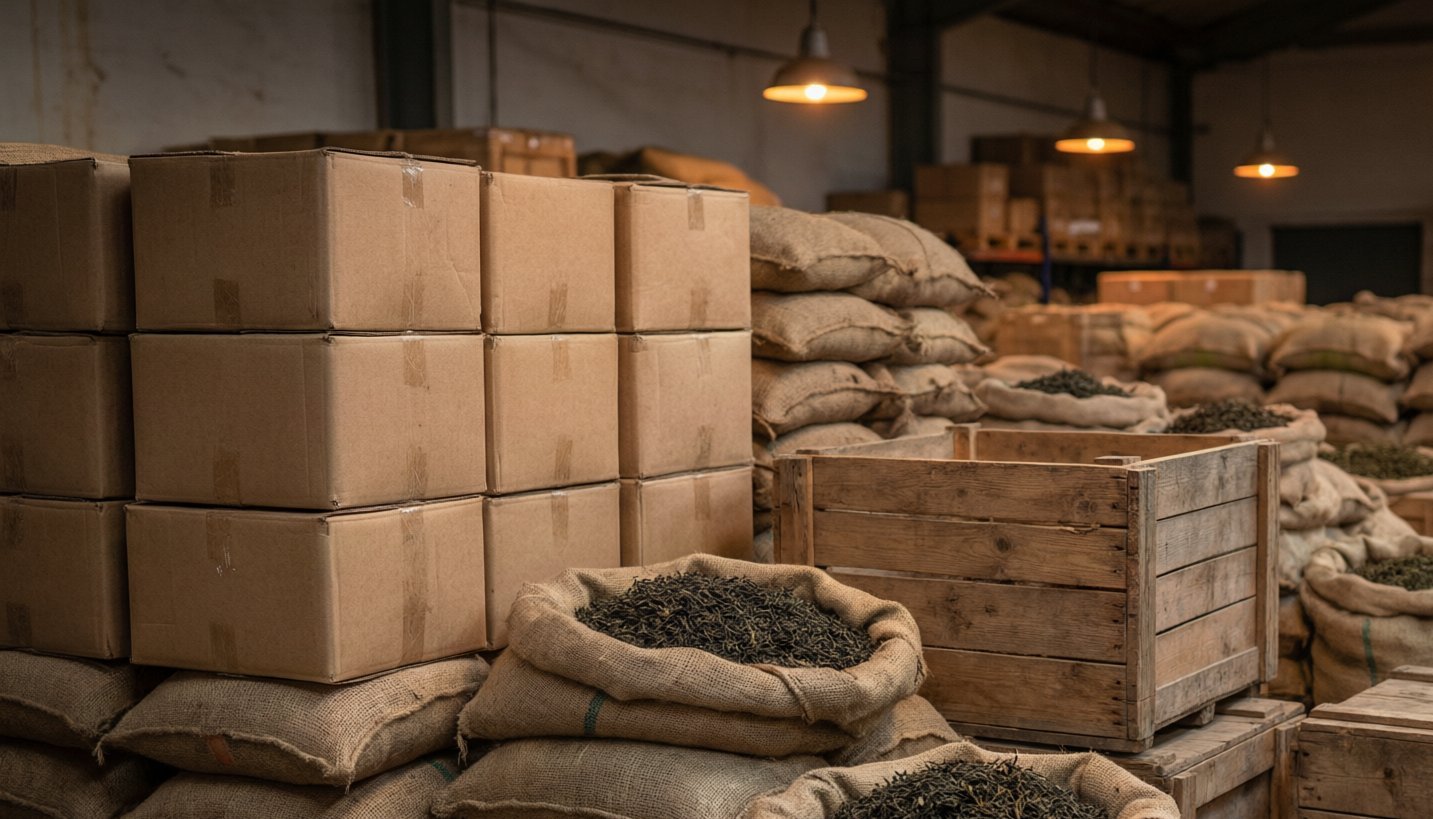
Ready to build or refresh your 2026 pu-erh program? Send an inquiry with the following details to 427728483@qq.com:
- Target grades or villages
- Volume per SKU
- Destination market and documentation requirements
- Target FOB or CIF price band
We will respond with current availability, sampling options, and lead times.
Frequently Asked Questions
Is 2026 a good year to start importing pu-erh tea?
Yes, if the entry plan is built around a specific format and channel rather than “pu-erh in general.” First-time importers generally get the cleanest margin from well-documented shou and small-cake retail formats, not from chasing aged sheng.
Which is easier for a first-time importer: sheng or shou?
Shou is usually easier to keep stable in transit and storage, and it fits daily consumption demand. Sheng requires better moisture control and becomes more complex when age is part of the value claim.
What documents should I ask for before shipping pu-erh?
At minimum: production date, raw material origin, pressing factory, batch number, residue test certificate, moisture or water-activity result, and storage history if the tea is sold as aged.
How do I avoid mold and moisture damage in transit?
Select packaging that buffers the cake, ship in dry containers where possible, add desiccants when the route crosses humid zones, and inspect on arrival for mustiness, swollen wrappers, or soft compression.
Should I stock more aged sheng or more shou for retail?
Most retailers need more shou and young-to-mid sheng for daily sales, plus a small aged sheng allocation for credibility and gifting. The ratio depends on channel, but daily-use formats normally turn faster than collectible cakes.
What is the biggest compliance mistake first-time pu-erh importers make?
Assuming one residue certificate works for every destination. European Union, US, and Asian import markets have different limits, and the purchase contract should therefore name the destination MRL standard before sampling begins [5][6].
References
[1] Food and Agriculture Organization of the United Nations, Intergovernmental Group on Tea, Current Market Situation and Medium-Term Outlook, FAO, Rome, 2024.
[2] China Tea Marketing Association, China Tea Market Review and Pu-erh Segment Observations, Beijing, 2025.
[3] Kunming Customs District, Yunnan Tea Export Statistics by Product Category, Kunming, 2024.
[4] GB/T 22111-2008, Product of Geographical Indication—Pu'er Tea, General Administration of Quality Supervision, Inspection and Quarantine of China, Beijing, 2008.
[5] Regulation (EC) No 396/2005, Maximum Residue Levels of Pesticides in or on Food and Feed, consolidated MRL database for tea, European Commission, Brussels, 2025.
[6] U.S. Food and Drug Administration, Food Labeling Guide and FSMA Preventive Controls for Human Food, Washington, DC, 2024.
[7] ISO 20715:2023, Tea — Classification of Tea Types, International Organization for Standardization, Geneva, 2023.
No author description available.

白玉京