Food Safety Certifications for Tea Factories: HACCP, ISO 22000, and BRC Explained
For a tea factory selling into Europe, North America, or mature retail chains, food safety certification has moved from a baseline advantage to a standard import requirement. The three names that appear most often in buyer RFPs are HACCP, ISO 22000, and BRCGS. They are related but not interchangeable, and asking for the wrong one can slow a sourcing decision or leave a shipment open to rejection at the border.
This guide explains what each standard covers, where it fits in a tea operation, what documentation buyers should request, and how to verify a factory's certificate before committing to a container.
The three standards at a glance
HACCP is a hazard-control method rather than a full management-system standard. It requires a factory to identify biological, chemical, and physical hazards, then control the points where loss of control would create an unacceptable food safety risk [1].
ISO 22000 wraps HACCP inside a complete food safety management system. It adds leadership responsibility, planning, documented procedures, performance evaluation, and continuous improvement around the HACCP core [2].
BRCGS is a retailer-driven certification scheme. It combines HACCP, quality management, hygiene requirements, supplier approval, factory environment, and product control into one audited standard with a published grade [3].
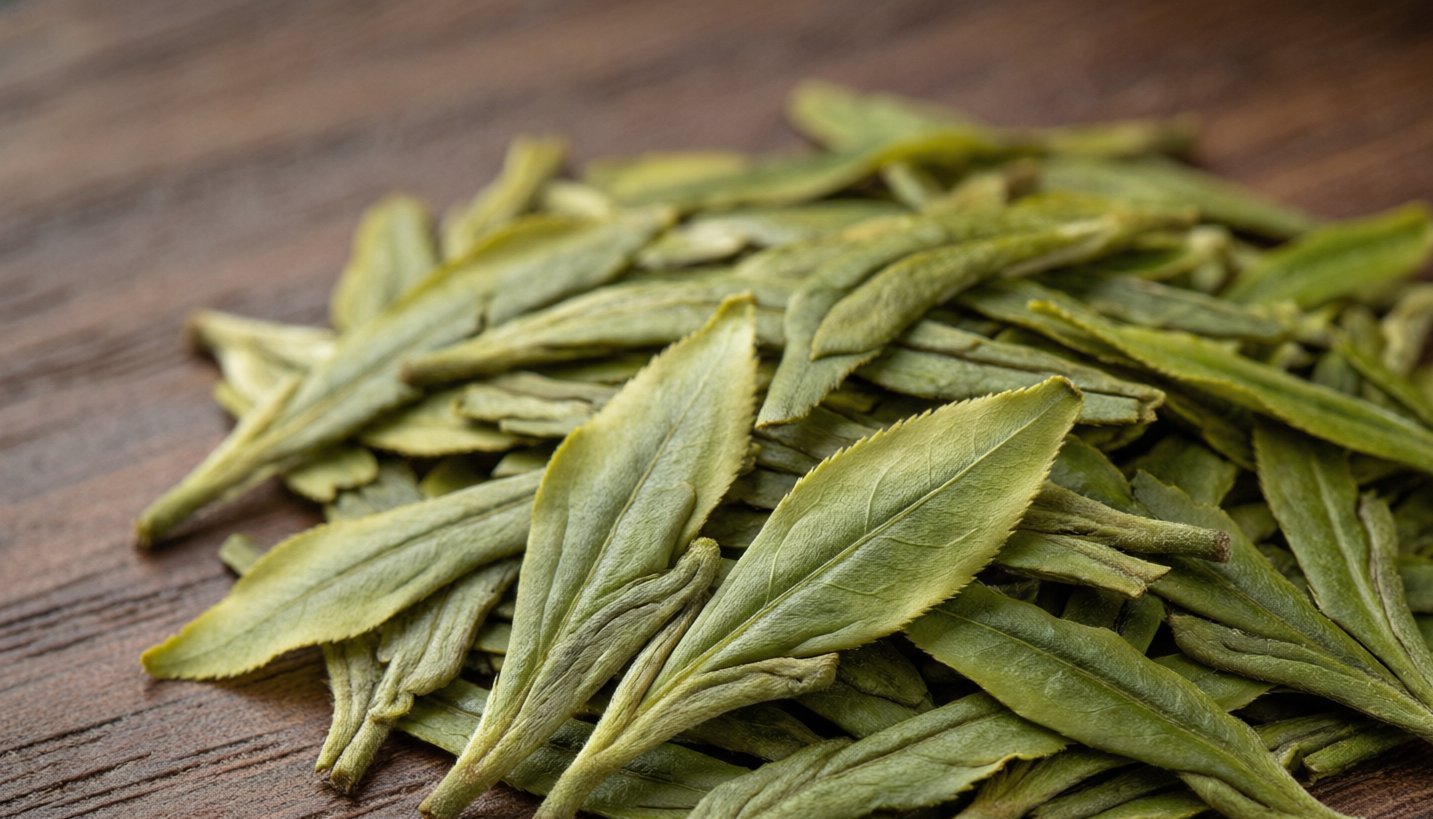
HACCP on a tea production line
At its core, HACCP follows the seven principles defined by Codex: conduct a hazard analysis, determine critical control points, establish critical limits, establish monitoring, establish corrective actions, establish verification, and maintain records [1].
For tea, that analysis must be specific to the actual process: withered leaf, pan-fired or steamed leaf, rolling, oxidation, drying, sorting, blending, packing, and warehousing. A HACCP plan written for a generic food plant is not enough.
Biological, chemical, and physical hazards in tea
The main hazard groups are predictable, but each factory manages them differently.
- Biological hazards include mold, yeast, and pathogen growth when moisture is not controlled during drying and storage.
- Chemical hazards include pesticide residues, heavy metals, cleaning agents, and non-food-grade lubricants or packaging materials.
- Physical hazards include metal, stone, glass, plastic fragments, and foreign material introduced during sorting, blending, or packing.
Buyers do not need to accept a factory's word that hazards are controlled. They should ask for the HACCP plan itself, or at minimum the hazard analysis summary and the CCP monitoring table.
Critical control points vs. prerequisite programs
One useful test of a credible HACCP plan is whether the factory understands the difference between a CCP and a PRP.
A critical control point is a step where a measurable control can be applied to prevent, eliminate, or reduce a hazard to an acceptable level. In tea processing, final drying and metal detection often function as CCPs.
Prerequisite programs are the supporting conditions: sanitation, pest control, maintenance, personal hygiene, water quality, and supplier approval. These matter, but they are not usually the place to put a CCP.
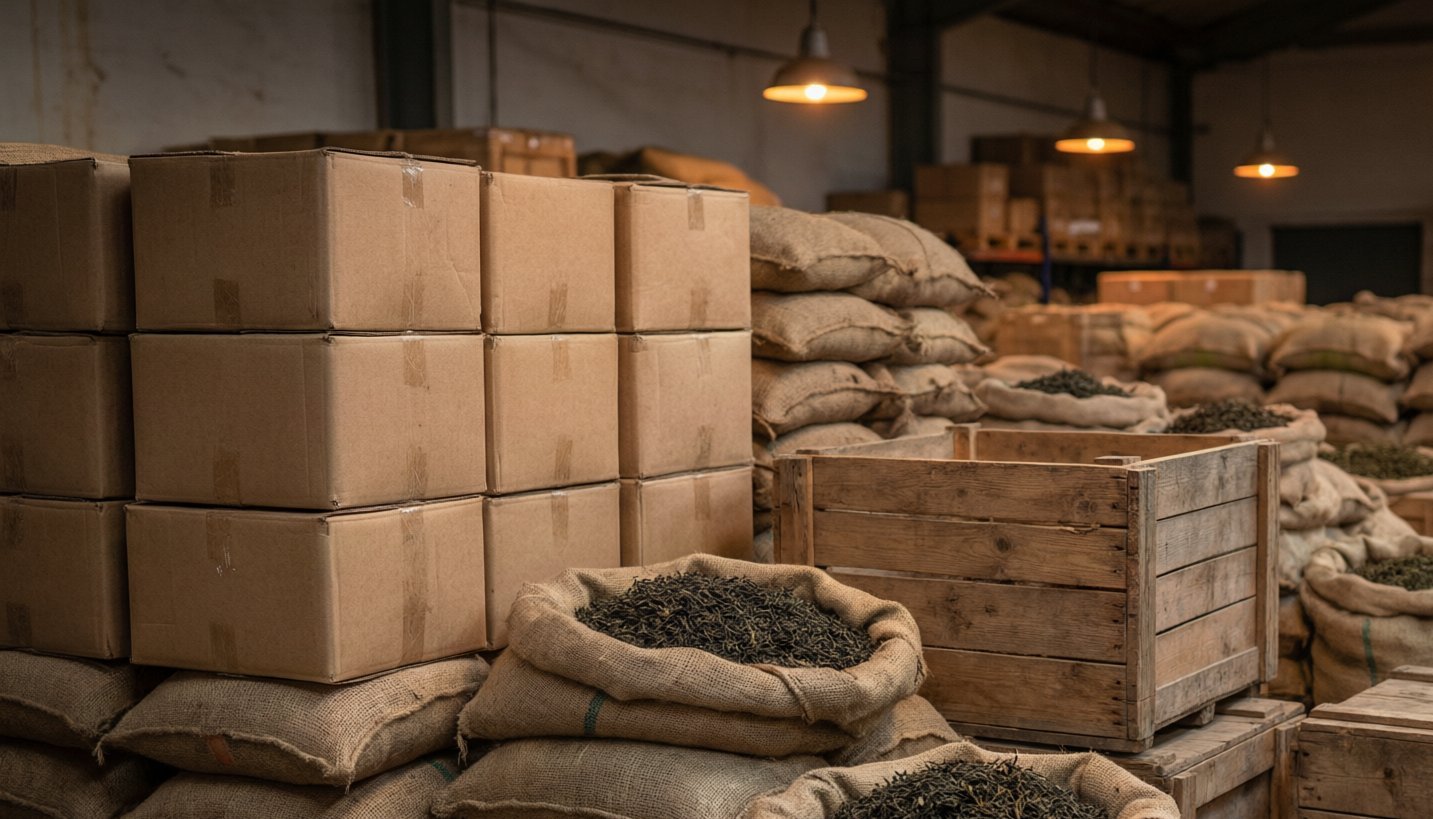
ISO 22000: food safety management beyond HACCP
ISO 22000:2018 is built around the Plan-Do-Check-Act cycle and risk-based thinking across the entire organization [2]. For a tea factory, that means senior management is expected to demonstrate leadership, resources, and commitment rather than treating certification as a quality-department exercise.
Key elements include:
- documented food safety policy and objectives
- internal and external issue analysis
- defined roles and food safety team
- PRPs covering the physical environment
- traceability and recall procedures
- emergency preparedness
- HACCP and operational PRPs
- performance monitoring, internal audits, and management review
The standard is explicit about traceability. A factory should be able to link incoming raw leaf and packaging to finished lots, and finished lots to customers. One-step-forward, one-step-back traceability is not a premium feature; it is a requirement [2].
BRCGS: retailer-driven audit and grades
BRCGS differs from ISO 22000 in an important way: the audit results in a certificate grade, and many retailers only work with factories holding a minimum grade. Issue 9 of the BRCGS Global Standard for Food Safety added a stronger focus on food safety culture, meaning auditors look at behavior, training, and management commitment rather than documentation alone [3].
The standard covers HACCP, supplier approval, site standards, product control, process control, personnel, high-risk areas where relevant, and food defense. For tea, the relevant scope should state the actual activities audited, such as tea sorting, blending, packing, or storage.
Which certification fits your tea factory?
The right combination depends on the destination market and customer type.
- European and UK private-label retail programs often request BRCGS or an equivalent GFSI-recognized scheme.
- Ingredient, foodservice, and food-manufacturing customers frequently accept ISO 22000.
- U.S. importers must still ensure compliance with FSMA preventive-control requirements, which HACCP and ISO 22000 support but do not replace as a regulatory matter [5].
- European buyers may also require pesticide residue test results against EU MRLs, which is a compliance data issue separate from certification [4].
For most export-focused Chinese tea factories, a credible combination is HACCP as the method, ISO 22000 as the management system, and BRCGS where specific retail accounts require it.
Documentation importers should request
A certificate alone is not enough. Request the supporting document set before issuing a purchase order.
- valid HACCP or ISO 22000 certificate with site address, scope, issue date, and expiry date
- HACCP plan summary or flow diagram keyed to the tea process
- hazard analysis and CCP/OPRP table
- monitoring, deviation, and corrective-action records for at least one full batch cycle
- traceability and recall test record
- pesticide residue and heavy metal test reports for the offered tea
- BRCGS audit grade or latest audit summary where applicable [3]
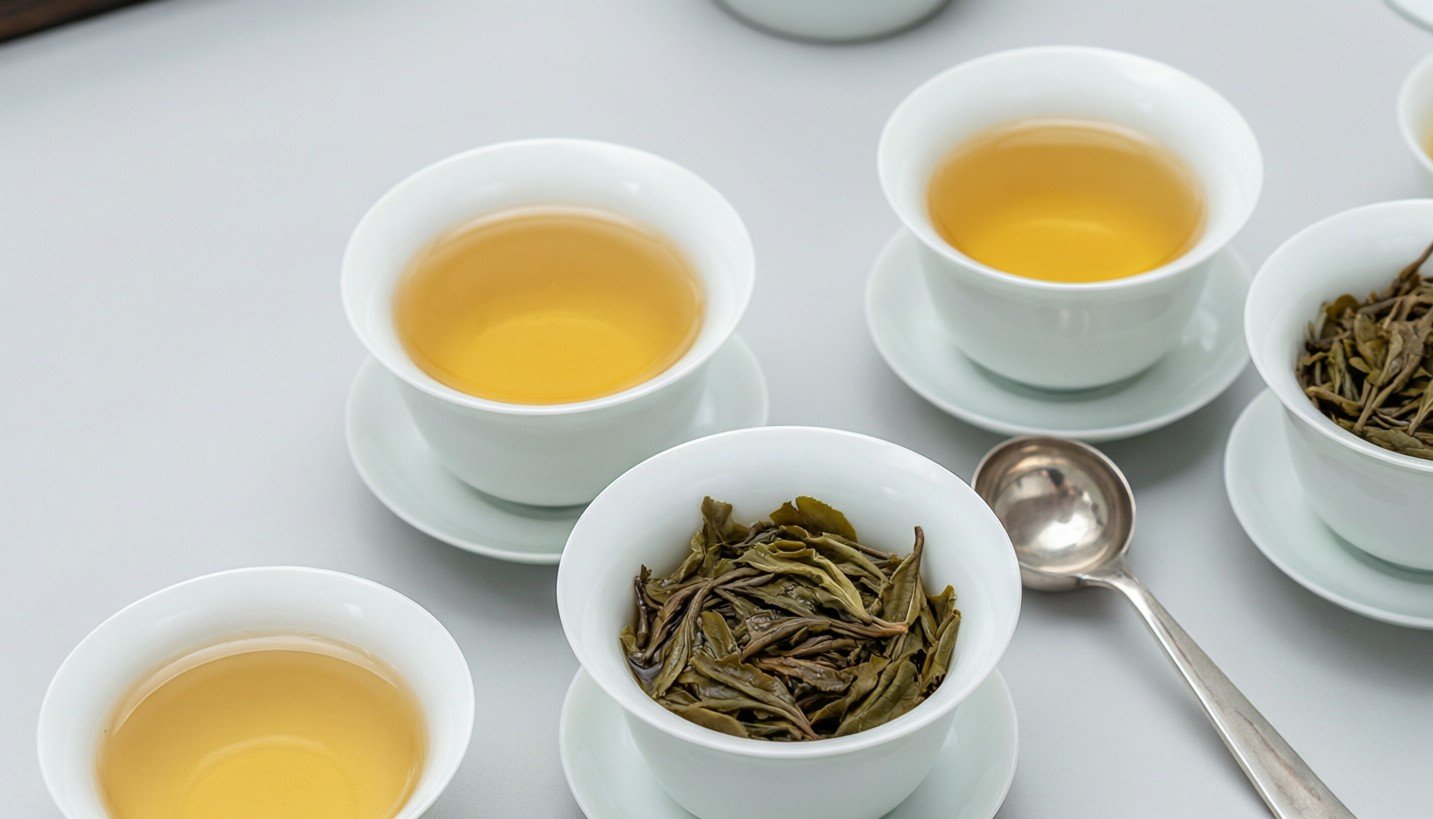
How to verify a certification before you buy
Certification fraud and expired scopes are real risks in international sourcing. Verification takes work, but it is easier than a rejected shipment.
Start with the certificate number and the certification body name. Confirm that the body is accredited by a recognized accreditation body and that the certificate appears in the body's public directory. Check the scope wording: it should reference tea processing, packing, or storage at the actual production site, not a trading company address.
For BRCGS, confirm the grade and site on the BRCGS directory [3]. For ISO 22000, confirm the standard version and certificate validity through the certification body [2][6]. If the supplier cannot provide a verifiable certificate number or a scope statement, treat the claim as unproven.
If you are currently sourcing black, green, oolong, or dark tea and need help matching certifications to your destination market, contact Chinese tea suppliers at 427728483@qq.com. Send your tea type, target market, and annual volume, and request certificates with the correct scope for your order.
Need certified tea supply?
We help importers and brands match Chinese tea factories to EU, US, and retailer certification requirements. Contact Chinese tea suppliers at 427728483@qq.com with the following:
- tea type and grade
- destination market
- expected annual volume
- certification requirements from your customer
We can shortlist factories, collect valid certificates, verify the scope, and arrange pre-shipment samples and audit support for your order.
FAQ
Does HACCP certification automatically cover ISO 22000?
No. HACCP validates the hazard-control system, but ISO 22000 requires the broader management system around it, including leadership, planning, traceability, and continuous improvement. They are separate certificates even when the same certification body audits both.
Do all tea factories need BRCGS?
No. BRCGS is usually driven by specific retail customers. Many foodservice and ingredient buyers accept ISO 22000 or HACCP. Check the exact certificate your customer will accept before finalizing a supplier.
What should a valid tea factory certificate include?
It should include the factory name and production-site address, the scope of activities such as tea sorting, packing, or storage, the standard and version, the certification body name, and issue and expiry dates. A certificate for a trading company does not prove the factory itself is certified.
How can I check a Chinese tea factory's certificate?
Request the certificate number and certification body, then verify it in the certification body's public directory or the BRCGS directory for graded sites. Confirm the scope and address match the actual factory, and ask for the latest audit summary where available [3][6].
Does organic certification replace food safety certification?
No. Organic certification addresses agricultural practice and prohibited inputs, while HACCP, ISO 22000, and BRCGS address food safety. Many export programs run both systems in parallel, but one does not substitute for the other.
Is a pesticide test report the same as food safety certification?
No. A pesticide residue report shows results for a specific lot against a market's residue limits [4]. Food safety certification shows that the factory has a systematic process for controlling hazards across production and packing.
References
[1] Codex Alimentarius Commission, General Principles of Food Hygiene, CXC 1-1969, Rev. 2020, Food and Agriculture Organization / World Health Organization.
[2] International Organization for Standardization, ISO 22000:2018, Food safety management systems — Requirements for any organization in the food chain, 2018.
[3] BRCGS, Global Standard Food Safety, Issue 9, 2022.
[4] European Commission, EU Pesticides Database, ec.europa.eu/food/plant/pesticides/eu-pesticides-database.
[5] U.S. Food and Drug Administration, 21 CFR Part 117, Current Good Manufacturing Practice, Hazard Analysis, and Risk-Based Preventive Controls for Human Food.
[6] International Organization for Standardization, ISO 19011:2018, Guidelines for auditing management systems.
No author description available.

白玉京