Why Is Gongmei Tea So Expensive? The Real Cost Drivers Explained
Gongmei tea occupies a curious place in the white tea market. It is not the rarest white tea grade, yet buyers often find it priced far above ordinary white tea bags or generic loose-leaf tea. The reason is not hype alone: authentic Gongmei sits at the intersection of protected origin, demanding hand-processing, weather-dependent withering, and a supply chain that rewards careful aging. For importers and retail buyers, understanding those drivers makes the difference between paying for real value and paying for a label.
What Gongmei Tea Actually Is
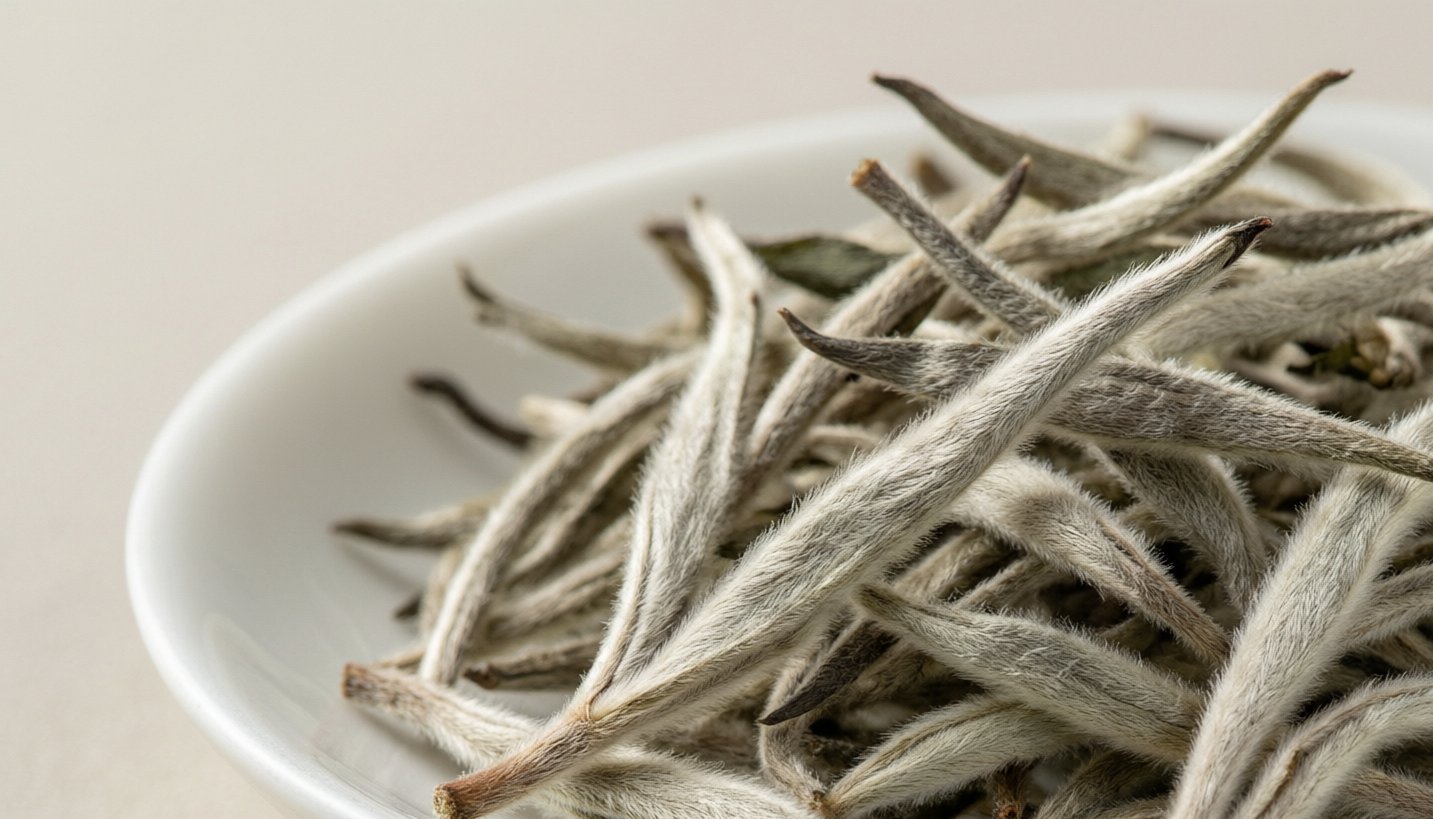
Gongmei is a traditional white tea, most strongly associated with Fuding and Zhenghe in Fujian Province. Under the Chinese national standard for white tea, Gongmei is produced from the Da Bai or Da Hao tea varieties through withering and drying, typically using one bud with two to three leaves [1]. That leaf structure separates it from Baihao Yinzhen, which is essentially buds only, and from Baimudan, which usually carries a visibly different bud-to-leaf profile.
The harvest window is relatively short. Spring material gathered under the right temperature and humidity conditions produces the clean, sweet-cereal character buyers expect from Gongmei. Later or rainy-season picking changes the leaf thickness, moisture load, and withering behavior, which shifts both flavor and final price. This is one reason why origin and harvest timing are not marketing details; they are yield and quality variables that directly affect cost.
Why Gongmei Tea Commands a Premium Price
Limited Authentic Raw Material
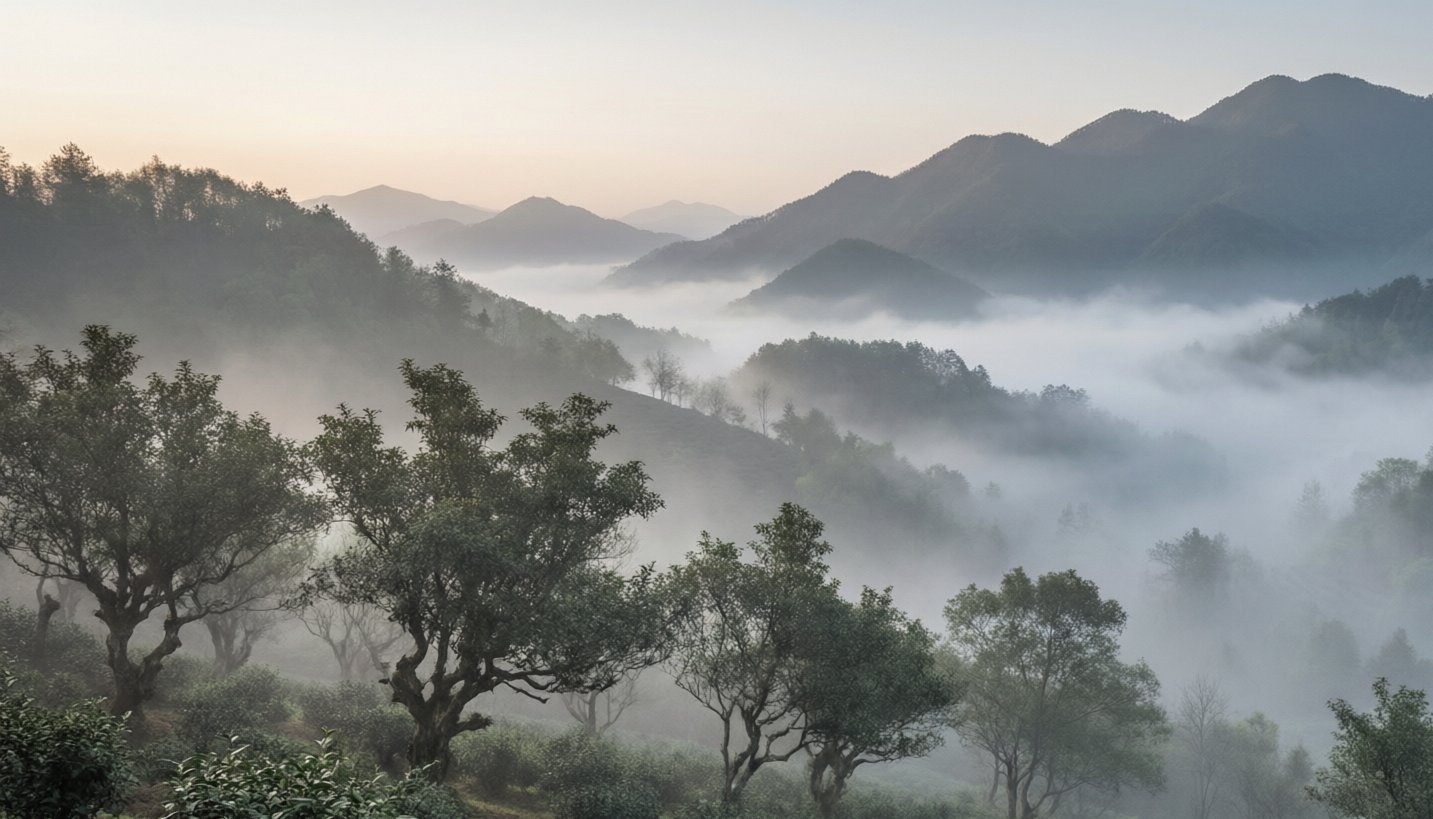
Real Gongmei starts with suitable Fujian white tea cultivars grown in the right microclimate. Not every white tea-producing region can replicate the combination of altitude, cloud cover, and traditional bush management found in the core producing areas. When domestic demand rises or a season is short, the price of finished lots moves quickly because the raw material cannot be expanded overnight.
The FAO has consistently described specialty tea as a growth segment within global tea trade, with white tea attracting premium pricing in both mature and emerging markets [2]. That demand pressure reaches the farm level and shows up in wholesale quotes long before it reaches retail shelves.
Hand Harvesting and Selective Plucking
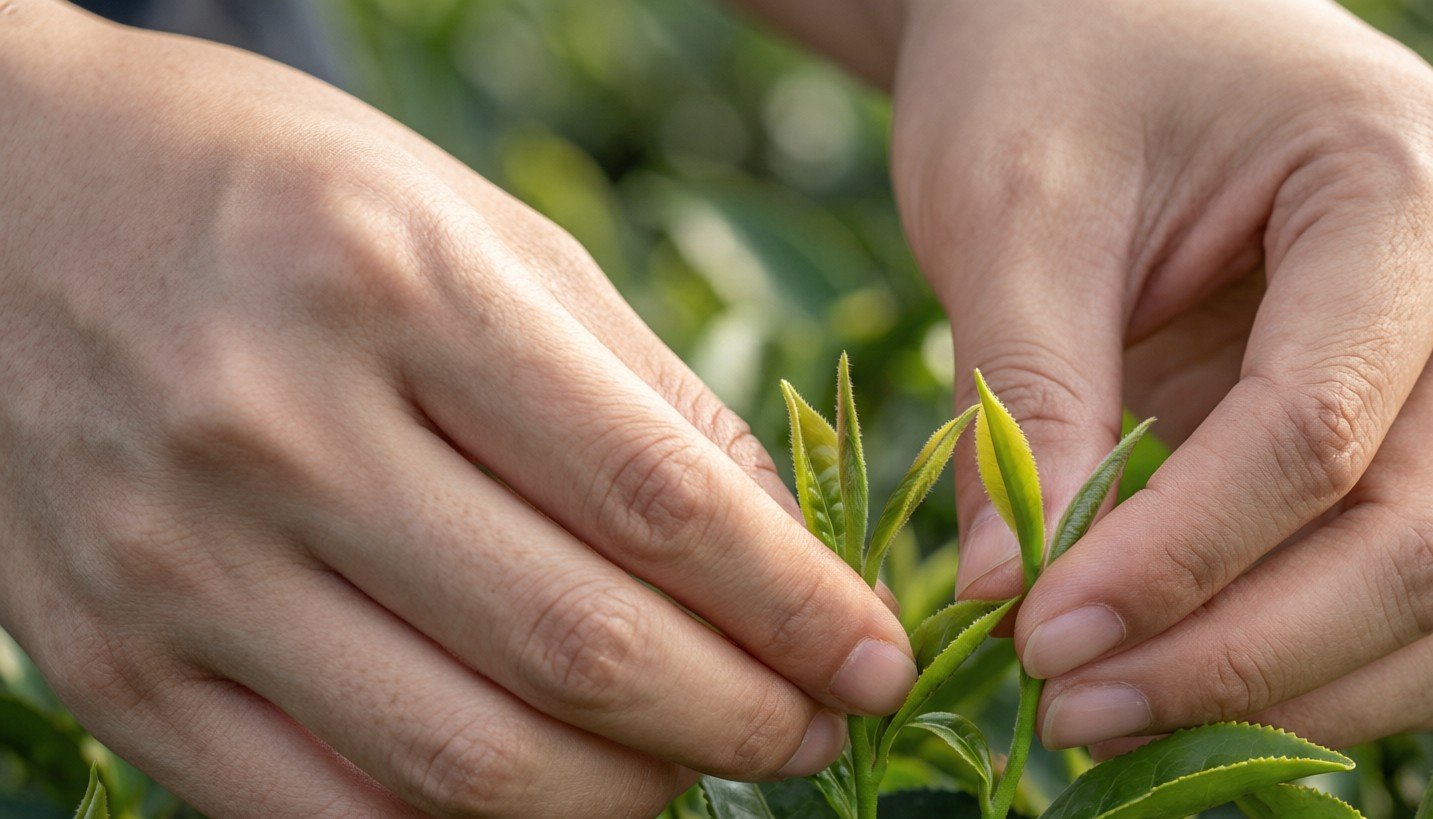
Gongmei is not a machine-only commodity tea. The standard plucking requires the picker to choose the correct bud-and-leaf combination while leaving immature or overgrown stems behind. Hand plucking is slower, weather-sensitive, and increasingly subject to labor scarcity in Fujian. When labor rates rise or fewer seasonal workers are available, the cost per kilogram of usable leaf climbs.
There is also a yield consideration. A high proportion of fresh leaf weight is lost during withering and drying. The finished dry tea is only a fraction of the harvested weight, so every moisture-loss percentage point affects how much tea the producer can actually sell.
Long, Weather-Dependent Processing
Gongmei production may look simple, but it is not fast. The leaves are withered over many hours, often in a mix of indoor and outdoor conditions depending on weather, humidity, and leaf thickness. If withering is rushed, the tea develops a green, raw edge. If it stalls, the tea can turn dull or sour. Skilled producers adjust the process continuously rather than following a fixed timer.
That time and expertise carry cost. Unlike high-volume black tea lines that can be fired quickly and packed, Gongmei requires patient monitoring and clean, well-ventilated processing space. Rainy spring weather can delay production, shrink the ideal harvest window, and force producers to reject material that would have passed in a drier year.
Aging Potential and Storage Cost
One of the main reasons buyers pay more for Gongmei is its ability to improve with age when stored properly. A well-kept Gongmei loses its early grassy edge and develops a deeper honeyed or dried-fruit tone. But aging is not free. Tea storage requires controlled moisture, stable temperature, and protection from strong odors [3]. Warehouses must manage air exchange without letting the tea dry out too much or absorb ambient humidity.
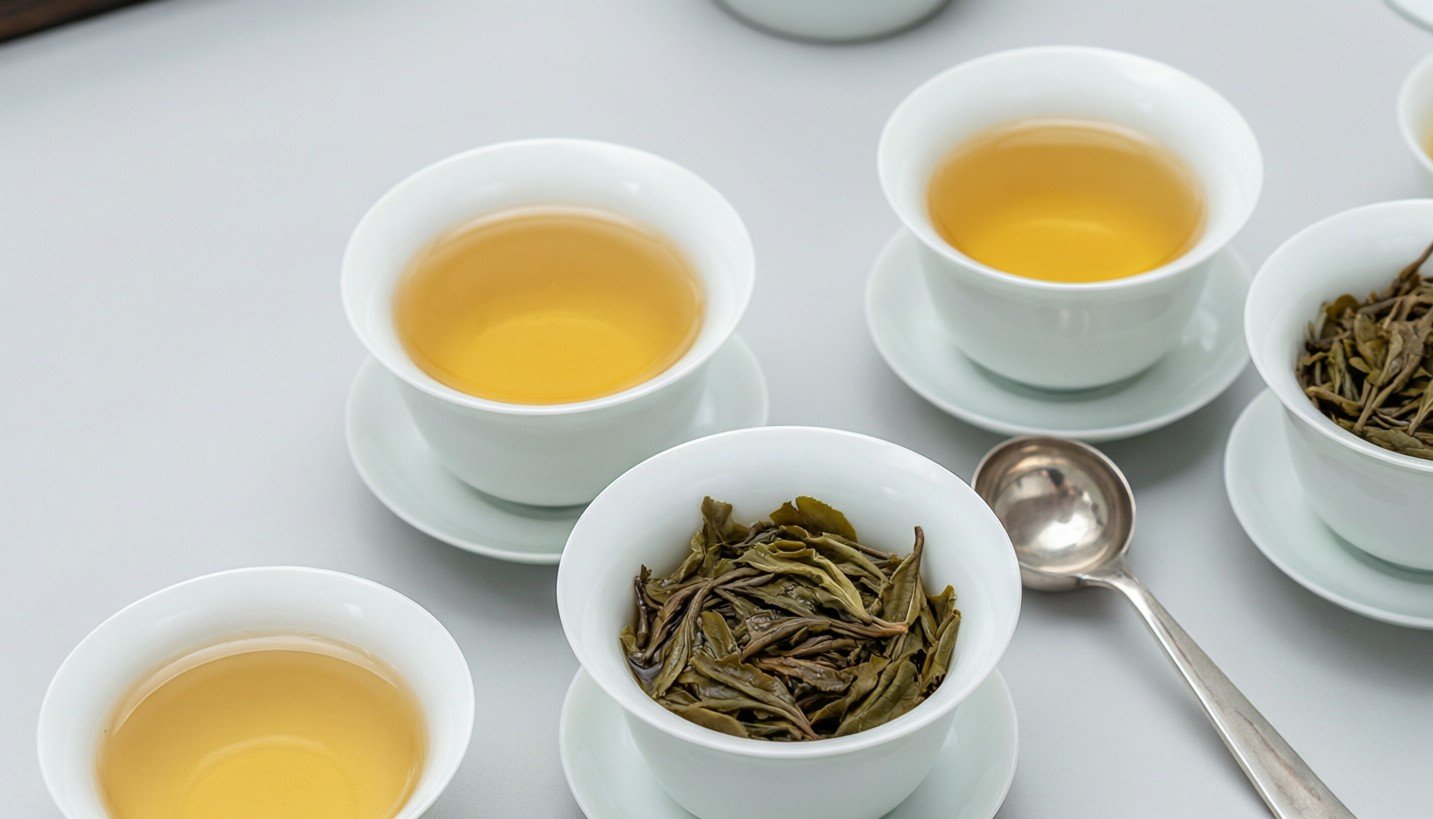
Aged stock also ties up capital. A supplier holding tea for two or three years before release is financing that inventory, monitoring it, and accepting the risk of loss or breakage. Those costs are reflected in the price of genuinely aged Gongmei, and they help explain why apparently similar teas can differ sharply in quote.
Grading, Testing, and Traceability
Buyers often underestimate the cost of producing a compliant lot. Export-grade Gongmei may require pesticide residue testing, heavy metal screening, moisture analysis, and documentation showing the tea meets destination-market requirements. For organic or certified lots, audit costs and segregated processing add another layer of expense.
A lot that is merely labeled “Gongmei” may be cheap. A lot that is graded, tested, traceable to a specific harvest period, and packed for export is a different product with a different cost base. This is one reason professional buyers look beyond the first quote and ask what is included.
Wholesale Markup, Lot Size, and Packaging
At the wholesale level, price is also shaped by volume. Small trial orders absorb more fixed costs for sampling, inspection, and freight per kilogram. Large container programs spread those costs across more tea, which is why a 50 kg inquiry and a 500 kg inquiry rarely receive the same unit price.
Packaging also matters. Loose bulk leaf is less expensive to pack than small retail tins or nested gift boxes. If a buyer wants a Gongmei line destined for supermarket shelves, the packaging, labeling, and compliance work add cost before the tea even ships.
What Buyers Should Look For Before Paying a Premium
A higher price is only justified when the tea, the lot documents, and the supplier’s storage practices align. Professional importers typically check four things.
First, they request the production season and region. Spring Gongmei from the core Fujian white tea counties tends to be cleaner and more aromatic than rainy-season material. Second, they ask for testing documentation covering moisture, pesticide residues, and any contaminants relevant to the destination market. Third, they sample the tea before committing to volume. A good Gongmei should smell dry and clean, open up with hot water without turning bitter or vegetal, and hold its texture over multiple infusions.
Fourth, they verify age claims rather than accepting a dark wrapper. Genuinely aged Gongmei changes in color, aroma, and leaf character, but age alone is not quality. Poorly stored older tea can be worth less than fresh, well-made tea. USDA trade reporting has noted continued importer interest in loose-leaf specialty tea, but that interest has also made the market more crowded with inconsistent lots [4]. Due diligence is the buyer’s best protection against overpaying.
Source Gongmei Tea With Confidence
If you are sourcing Gongmei for retail, private label, or wholesale distribution, work with suppliers who can show the harvest, the grade, and the compliance paperwork in one place.
Contact Chinese tea suppliers at 427728483@qq.com with your target grade, estimated volume, destination market, and packaging preference. Ask for current harvest samples, testing documents, and FOB or CIF pricing based on your lot size. A clear inquiry helps us match you with the right Gongmei lot instead of the cheapest available label.
Frequently Asked Questions About Gongmei Tea Pricing
Why is Gongmei cheaper than Silver Needle but still expensive?
Within the white tea hierarchy, Gongmei is generally more affordable than Baihao Yinzhen because it contains more leaf material and fewer buds. It is still expensive compared with generic tea because it requires specific cultivars, careful hand plucking, long withering, and clean storage. The final price reflects the cost of making a stable, traceable white tea lot, not just the name.
Does aged Gongmei always cost more?
Not always. Well-stored aged Gongmei often commands a higher price because the supplier has financed storage and monitored the tea over time. But poorly stored aged tea can lose value. Buyers should judge age alongside aroma, dryness, and storage documentation rather than paying extra for age alone.
How can buyers verify authentic Gongmei?
Ask for the production region, harvest season, cultivar information, and testing documents. Compare the dry leaf, brewed aroma, and mouthfeel against a reference sample. For larger orders, request a pre-shipment sample from the actual lot and confirm that moisture and pesticide results meet your destination market requirements.
What is the difference between Fuding and Zhenghe Gongmei?
Both are respected white tea origins. Fuding Gongmei tends to be associated with a clean, sweet, approachable profile, while Zhenghe Gongmei can show a slightly more robust or mineral-leaning character. The difference is partly cultivar, partly microclimate, and partly processing tradition. Neither is automatically higher quality; the specific lot matters more than the county name.
What order volume is needed for stable pricing?
There is no single minimum, but larger orders usually achieve better unit pricing because inspection, freight, and handling costs are spread across more tea. Start with a clear trial sample, confirm the style, then scale to a regular container or pallet program to improve price stability.
References
[1] GB/T 22291-2017, White Tea, Standardization Administration of China, 2017.
[2] FAO, “World tea production and trade: Current and future development,” Food and Agriculture Organization of the United Nations, Rome, 2022. [Online]. Available: https://www.fao.org/markets-and-trade/commodities/tea/en/
[3] GB/T 30375-2013, Tea storage, Standardization Administration of China, 2013.
[4] U.S. Department of Agriculture, Foreign Agricultural Service, “Tea: World Markets and Trade,” Washington, DC, 2024. [Online]. Available: https://fas.usda.gov/data/tea-world-markets-and-trade
No author description available.

白玉京