Private Label Aged White Tea: The 2026 Brand Launch Playbook
Aged white tea has become one of the most attractive private label opportunities in specialty tea. It carries a clear origin story, improves in storage when handled correctly, supports premium pricing, and gives a young brand the kind of provenance that usually takes years to build. But the gap between a real private label program and a rebadged commodity lot is not the label itself. It is the specification, the sourcing evidence, and the compliance work behind it.
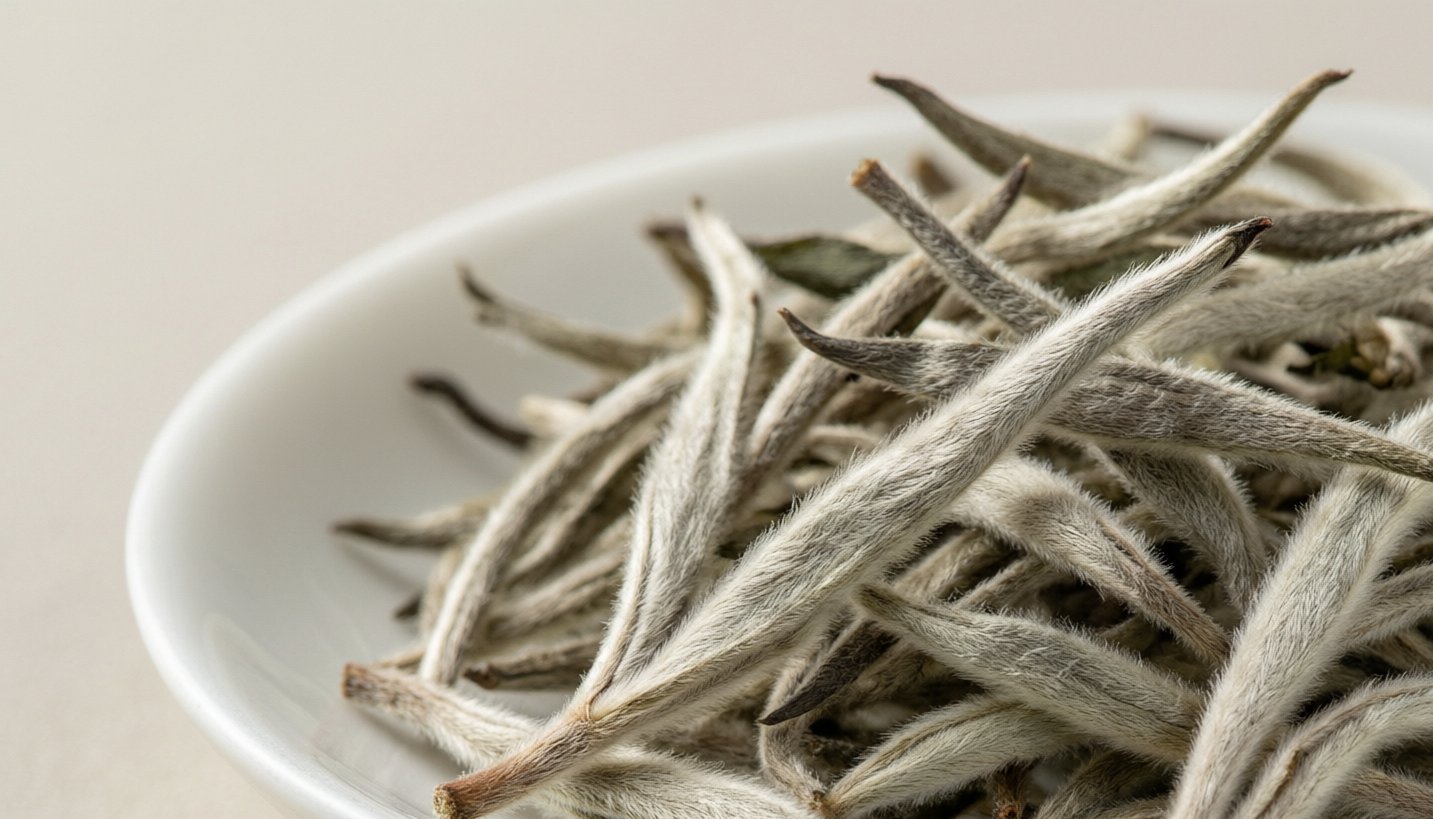
This guide walks through the decisions that matter before you place an order: what qualifies as aged white tea, how to choose the right base material, which sourcing model fits your business, what packaging and import rules apply, and how to protect quality after the first shipment.
What Counts as Aged White Tea (and Why "Aged" Claims Go Wrong)
White tea starts with minimal processing: withering and drying rather than kill-green, rolling, or full oxidation. China's national white tea standard, GB/T 22291-2017, structures white tea around grades including Baihao Yinzhen, Baimudan, Gongmei, and Shoumei [1]. That standard is useful for defining the leaf style, but it does not automatically prove that a tea is aged.
In the private label context, "aged" should mean something verifiable. The supplier should be able to connect a lot to a harvest year, a storage environment, and a production or compression date. Without that chain, a buyer is not buying age. The buyer is buying a claim.
Common problems include young white tea labeled as aged, poorly stored tea that darkened quickly due to humidity, and blends where only a small percentage of aged material is mixed into fresh leaf. None of these are automatically fraudulent, but each one becomes misleading if the brand presents the product as a genuine aged lot.
The practical test is evidence: batch records, storage logs, sensory notes before and after aging, and a physical sample that can be bench-matched against a reference. If the supplier cannot provide those, the age claim should be treated as unproven.
Choose Your Base Material and Quality Tier
The most important private label decision is not the brand name. It is the base material. Different white tea grades age differently, sell at different price points, and carry different authenticity risks.
The table below is a working checklist, not a fixed purchasing formula. Use it when comparing supplier proposals.
| Quality signal | What to request | Why it matters |
|---|---|---|
| Bud-heavy grade | Baihao Yinzhen or high-grade Baimudan with harvest date and origin | Supports premium launch story; authenticity risk is higher |
| Mid-tier leaf | Baimudan with consistent bud-to-leaf ratio | Balanced cost, flavor, and room for margin |
| Mature leaf grade | Gongmei or Shoumei with aging lot details | Volume-friendly; age proof becomes more important |
| Origin claim | County-level or village-level source documents | Supports Fuding, Zhenghe, or broader Fujian claims |
| Age and storage | Harvest year, storage location, compression date | Separates genuine aged stock from quick-darkened leaf |
| Moisture and condition | Moisture content, dry-leaf aroma, cake integrity | Protects shelf life and reduces arrival disputes |
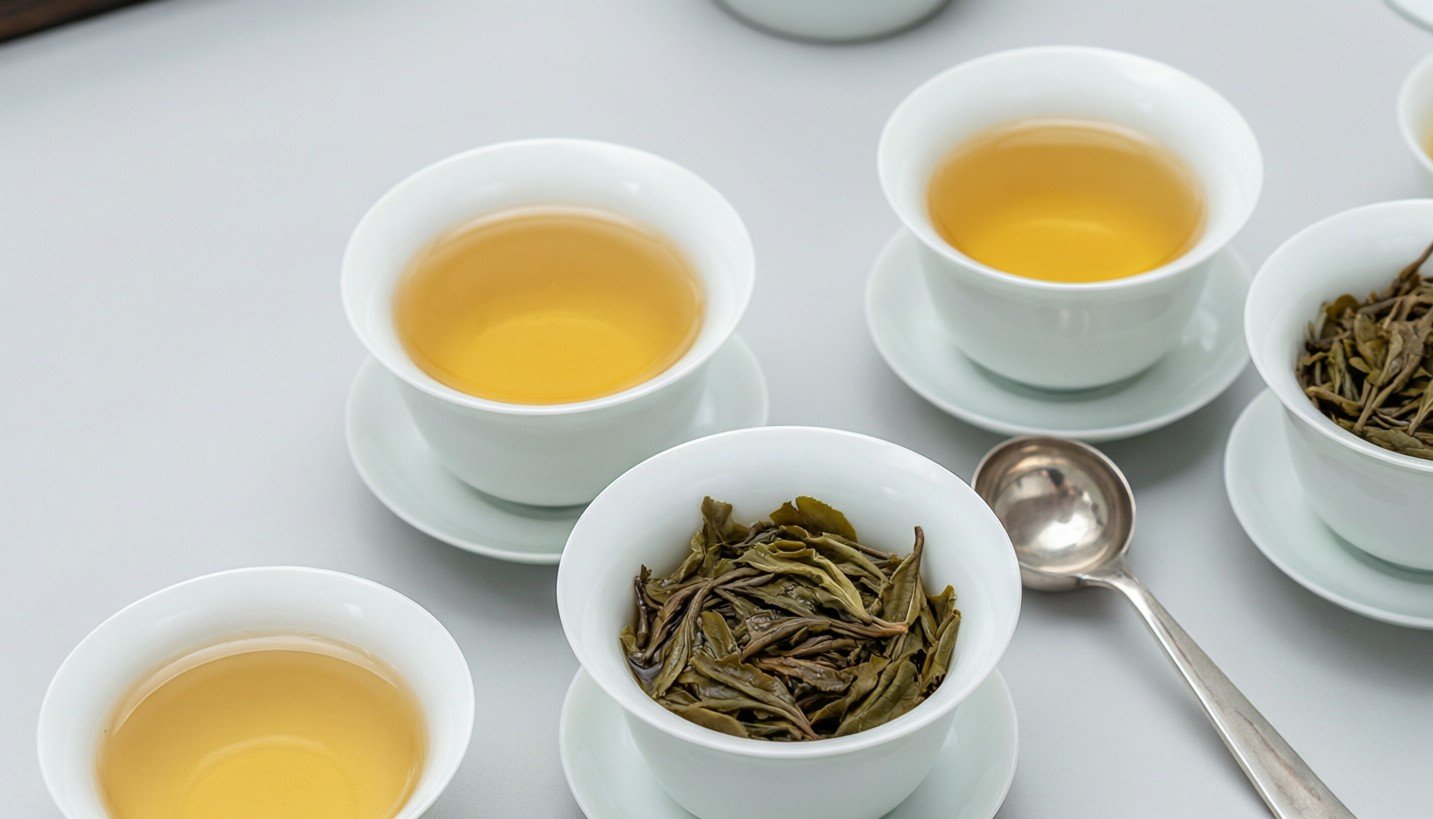
Aged white tea does not need to be expensive to be legitimate, but it does need to match the story you plan to print on the package. If the brand promises a seven-year aged cake, the sample should show the depth expected from extended storage. If the brand is built around a fresher, sweeter aged style, a three-to-five-year-old lot may be more appropriate.
Do not choose a grade first and invent the brand afterward. Work the other direction: define the target consumer, the retail price, and the sensory profile, then have suppliers blind-match samples against that brief.
Sourcing Models and the Specification Playbook
Private label aged white tea usually fits one of three sourcing models:
- OEM: you provide the full specification and brand identity; the factory presses, packs, and labels to your standard.
- ODM: the supplier offers an existing aged white tea base and packaging system; you select the elements and adapt the label.
- Stock white label: you buy an existing packed lot and change the outer label or carton with limited customization.
OEM is the most flexible but requires the strongest specification. ODM is faster because the base material and packaging structure are already stabilized. Stock white label is best for a small market test, but it gives you the least control over age claims and repeatability.
A reliable specification should include the following:
- Target grade and pluck standard.
- Acceptable origin and harvest window.
- Age range, compression type, and storage history.
- Aroma, liquor color, and mouthfeel reference points.
- Packaging format, net weight, and label requirements.
- Moisture, residue, and safety test requirements.
- Preshipment sample and golden sample approval process.
- Batch traceability and reorder consistency rules.
Before sampling, ask the supplier how the tea was stored. Natural, dry, well-ventilated storage tends to produce cleaner development. Humid or poorly controlled storage can speed darkening but often introduces musty or thin character. If a lot looks too dark for its stated age, request the storage log rather than relying on appearance alone.
Packaging, Compliance, and Import Documentation
Aged white tea is sold as loose leaf, compressed cakes, dragon balls, small bricks, and portion packs. Compressed white tea production is covered by the compressed white tea standard GB/T 31751-2015, which gives manufacturers a structural reference for production, sensory quality, and physical requirements [2].
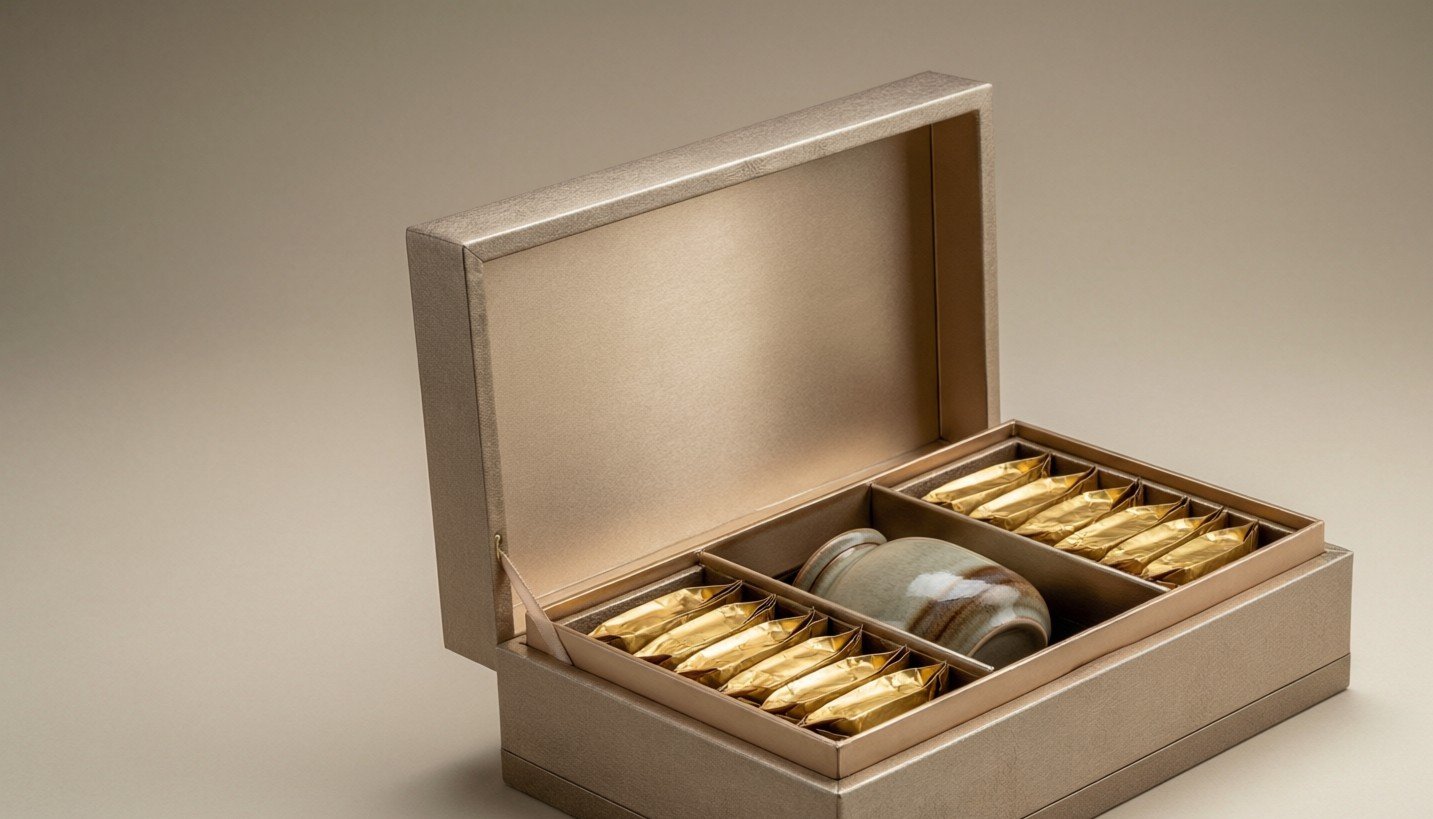
For private label work, packaging should do more than look premium. It should preserve the tea and make the age claim transparent. A strong label includes harvest year, production batch, origin, storage type, and a lot code that ties back to the supplier's records. Avoid vague phrases such as "vintage style" unless they are supported by actual age.
Import requirements depend on the destination market. For the European Union, tea must comply with pesticide maximum residue levels under Regulation (EC) No 396/2005 [3]. For the United States, tea imported as a food is subject to FDA import registration, prior notice, labeling, and facility requirements applicable to food products [4]. If the tea is marketed as organic, the certification must match the market: USDA NOP for the United States, the EU organic regulation for Europe, or a recognized equivalent [5].
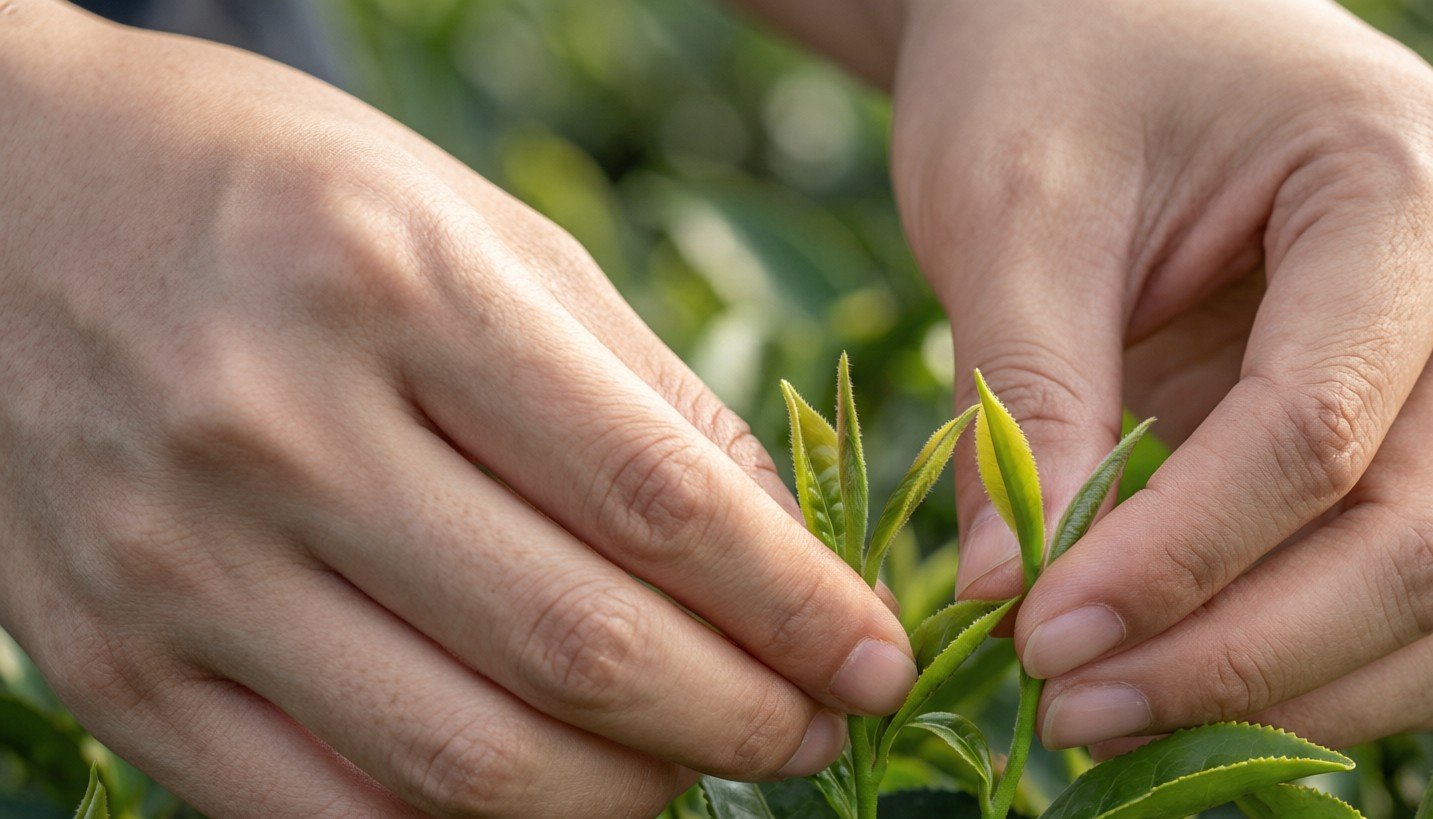
The safest testing position for a private label buyer is to require a laboratory report from the producer and reserve the right to commission independent testing before shipment. Typical areas include moisture, pesticide residues, heavy metals, and, where relevant, microbiological indicators. The exact list depends on the product format and destination rules, so confirm the required scope before the golden sample is approved.
If you are unsure which standard applies to your target market, send the destination country, packaging format, and grade to 427728483@qq.com before finalizing the specification. A small compliance check before production is cheaper than a rejected shipment after it is packed.
Pricing, First Order, and Quality Control After Launch
Private label aged white tea pricing is not a fixed number. It moves with base grade, age, compression labor, packaging structure, testing scope, and order volume. Instead of starting from a price list, start from the unit economics: raw material cost, pressing or packing, label and carton, testing, freight, duties, and a reserve for defects or exchange-rate movement.
The first order should be treated as a controlled trial. Request a preshipment sample from the actual production lot, approve a golden sample, and specify that bulk must match the golden sample in dry-leaf appearance, liquor color, and taste. If a supplier cannot commit to batch-to-sample consistency, that is more important than a slightly lower unit price.
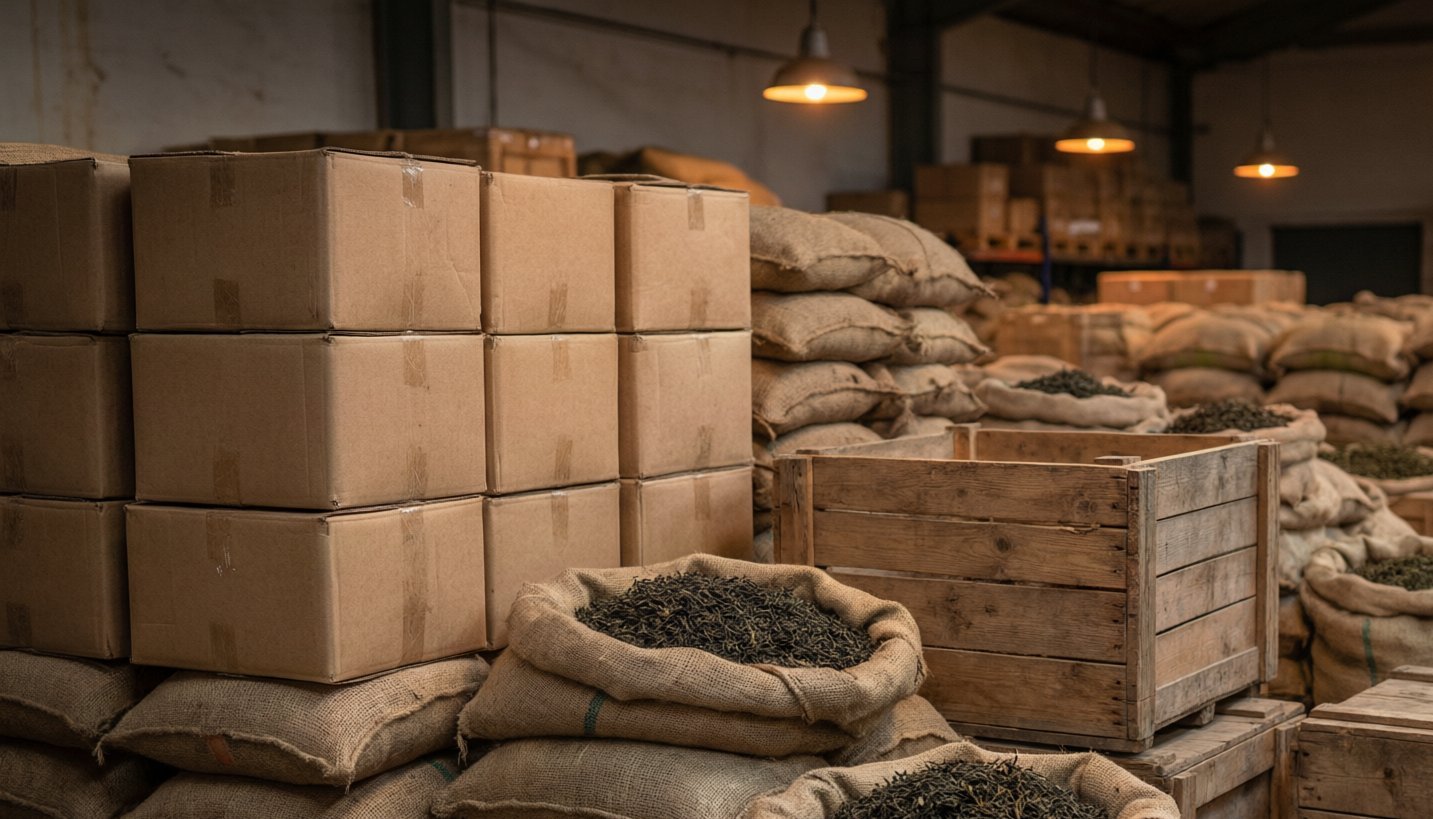
After launch, traceability protects the brand. Keep a retention sample from every received batch, code each shipment to the supplier lot, and store a dated reference for future reorders. If a customer complains about a later batch, you need to know whether the tea changed, the storage changed, or the comparison batch was simply different.
For an aged program, repeatability is the hardest part. A supplier may have one excellent aged lot and no ability to reproduce it. Ask what volume is available at the same age and grade, how long that inventory will last, and when the next equivalent lot will be released. If the answer is unclear, plan your production volume accordingly.
Start Your Private Label Aged White Tea Line
The brands that succeed with aged white tea are not the ones with the best label alone. They are the ones that specify clearly, verify age claims, and keep the same cup quality from the first sample to the third reorder.
To build a private label lot around your market, send the following to 427728483@qq.com:
- Target grade and packaging format
- Desired age profile and origin
- Expected annual volume or starting MOQ
- Destination market and certification requirements
- Brand label, carton, or design brief if available
Frequently Asked Questions About Private Label Aged White Tea
How many years does white tea need to be considered "aged"?
There is no single legal year that makes white tea aged in every market. In practice, many Chinese suppliers and buyers use at least three years as a general benchmark, with older lots carrying stronger aged character and higher premiums. The more important point is evidence: the age claim should be supported by harvest year, storage records, and batch traceability.
Can I use my own brand name and packaging on aged white tea?
Yes. OEM and ODM private label programs allow buyers to use their own brand name, label design, and packaging format. The level of customization depends on the minimum order quantity and whether the supplier is already running a compatible production line.
What is the typical minimum order quantity for private label aged white tea?
MOQ varies by packaging and supplier. Portion packs, small tins, and custom cartons tend to carry higher minimums because of printing and setup costs. Bulk OEM orders usually start lower than fully custom retail-ready programs. The practical approach is to ask for the MOQ by packaging format rather than accepting a single blanket number.
Which tests should I ask for before importing?
At minimum, moisture, pesticide residues, heavy metals, and sensory quality should be covered. For organic claims, require the applicable organic certificate. For the EU, pesticide limits under Regulation (EC) No 396/2005 are a key screening point [3]. For the US, follow FDA food import requirements for labeling, prior notice, and facility compliance [4].
Is private label aged white tea shelf-stable?
Well-dried and correctly stored aged white tea is stable for long periods when kept away from moisture, heat, strong light, and odors. The main risks are excess moisture at production, poor wrappers, and humid storage. Moisture control at the source is more important than expiration dating alone.
What is the difference between OEM and ODM white tea?
OEM means the product is made to your specification and brand. ODM means the supplier already has a developed white tea base, packaging structure, or ready recipe that you adapt under your brand. OEM offers more control and usually more lead time; ODM is faster and often more cost-effective for a first launch.
References
[1] Standardization Administration of China, GB/T 22291-2017, White tea.
[2] Standardization Administration of China, GB/T 31751-2015, Compressed white tea.
[3] European Commission, Regulation (EC) No 396/2005, Maximum residue levels of pesticides in or on food and feed.
[4] U.S. Food and Drug Administration, Importing Food Products into the United States.
[5] U.S. Department of Agriculture, Agricultural Marketing Service, National Organic Program.
No author description available.

白玉京