Anxi Tea vs Similar Teas: A Wholesale Buyer’s Honest Comparison
Anxi tea is one of the most copied names in Chinese oolong. Importers and retailers often buy “Anxi-style” Tieguanyin without realizing how much modern processing differs from the region’s traditional style — let alone how it compares with Wuyi rock tea, Taiwanese high mountain oolong, or Guangdong dancong. This guide compares the factors that matter in a buying decision: oxidation, roast level, aroma structure, storage tolerance, and price logic.
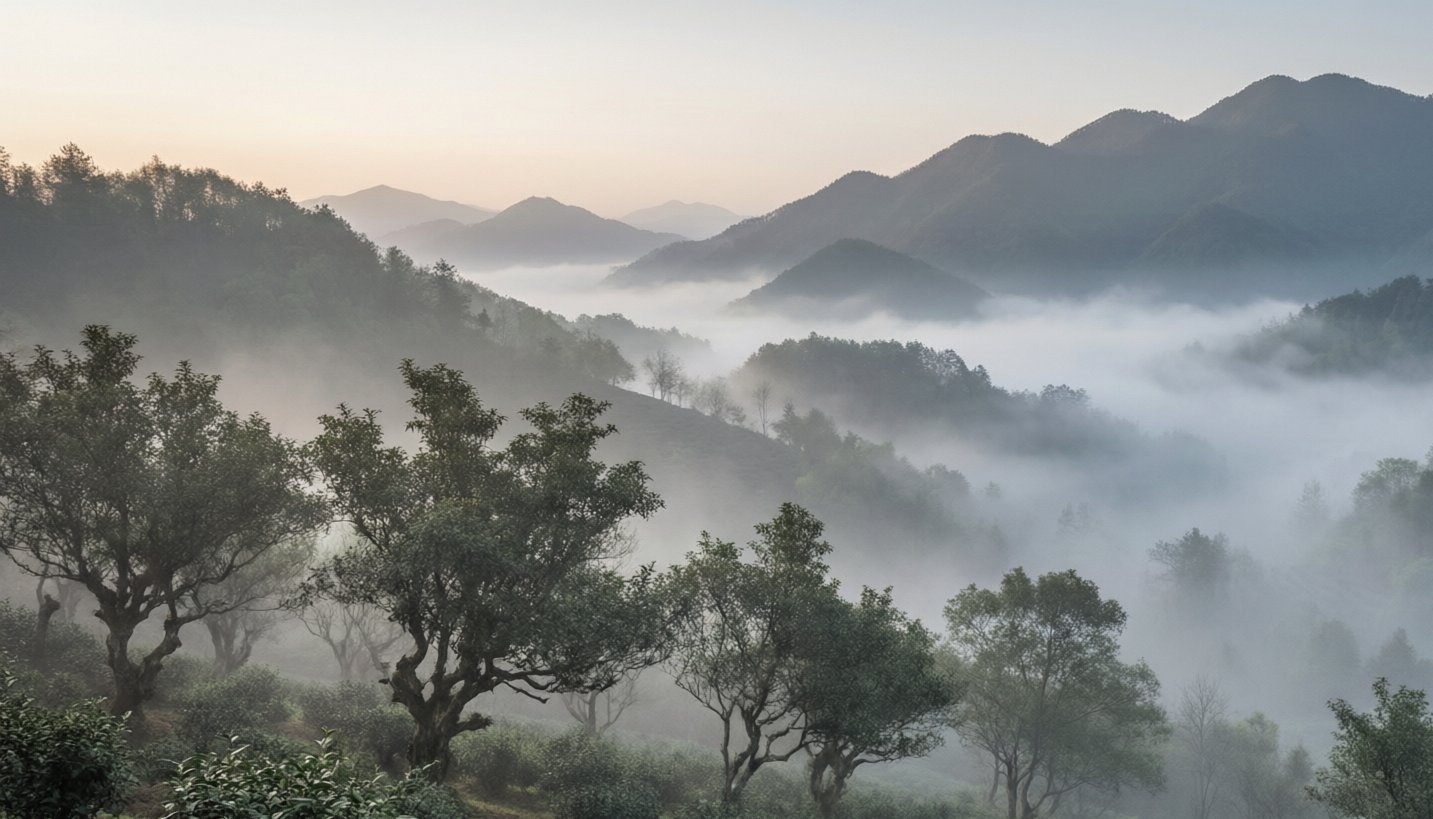
Anxi Tieguanyin is a protected-origin oolong produced in Anxi County, Fujian [1]. It is defined by cultivar, not just geography: true Tieguanyin must come from the Tieguanyin tea cultivar and follow the region’s regulated processing route [2]. That distinction matters because many “Tieguanyin-style” lots on the wholesale market are made from other cultivars or produced outside Anxi.
What “Anxi Tea” Actually Means
For most buyers, Anxi tea means Anxi Tieguanyin, a ball-rolled oolong known for bright floral aroma and a clean, slightly mineral finish. But the county also produces other oolong cultivars such as Benshan, Maoxie, and Huangjingui. These are often cheaper alternatives that can resemble Tieguanyin to an untrained palate.
The word “Anxi” is therefore an origin claim, not a flavor guarantee. A legitimate Anxi Tieguanyin should sit within the taste range set by the Chinese national standard for Tieguanyin [2]. In practice, suppliers separate Anxi Tieguanyin into three broad styles:
- Qingxiang (clear fragrance) — lightly oxidized, modern, vacuum-packed, floral and green-toned
- Nongxiang (strong fragrance) — roasted, more traditional, deeper amber liquor
- Chenxiang (aged fragrance) — aged Anxi Tieguanyin, usually re-roasted over time
Each style behaves differently in storage, pricing, and retail positioning. A buyer who assumes all Anxi Tieguanyin is “light and green” will repeatedly miss the category’s older, roast-forward segment.
Anxi Tieguanyin vs Wuyi Rock Tea
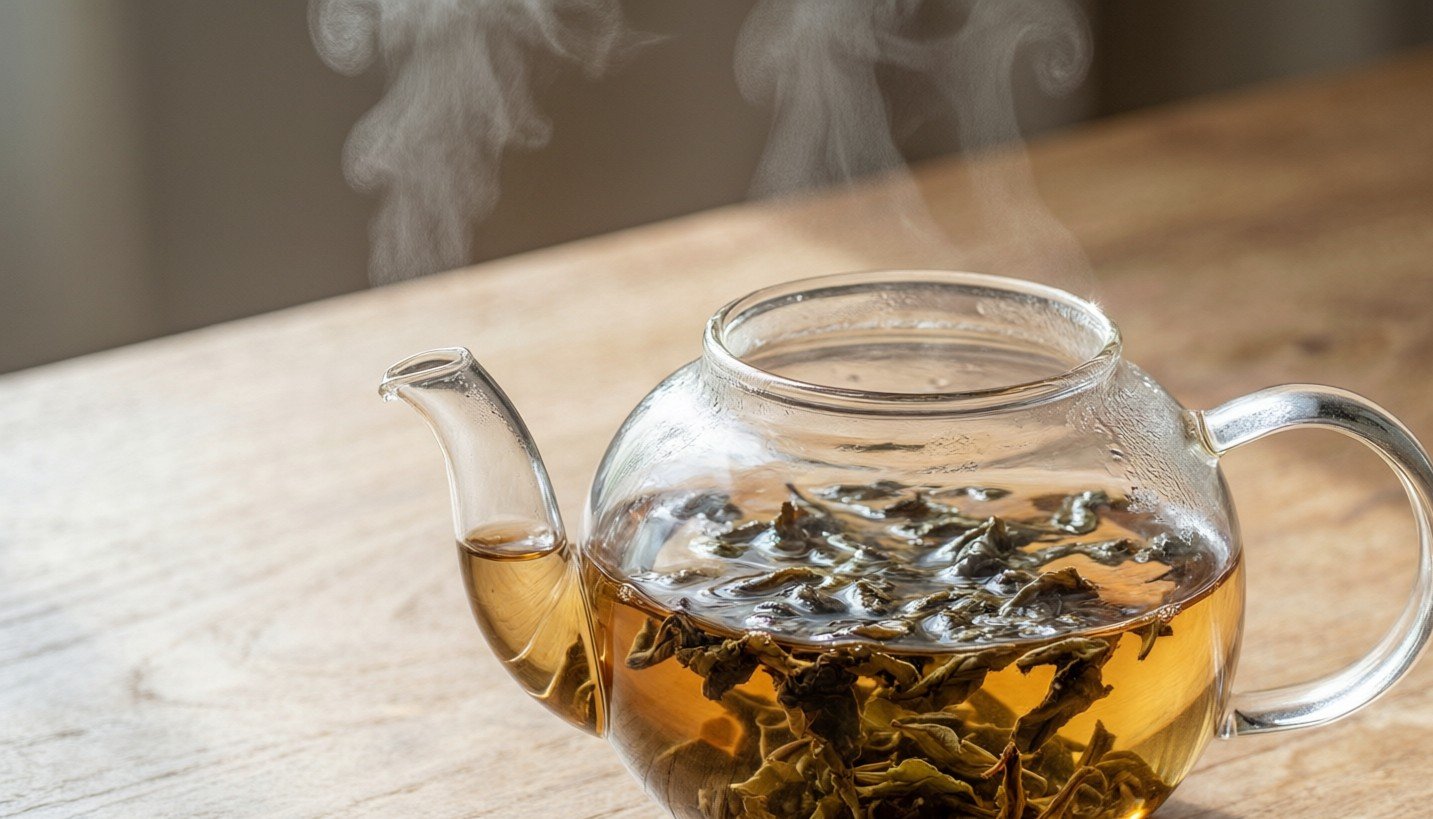
Wuyi rock tea, or yancha, is also produced in Fujian, but the similarity mostly ends at “oolong.” The two categories occupy opposite ends of the oolong flavor spectrum.
| Attribute | Anxi Tieguanyin | Wuyi Rock Tea (Yancha) |
|---|---|---|
| Origin | Anxi County, Fujian | Wuyi Mountains, Fujian |
| Leaf style | Tightly ball-rolled | Strip-style, lightly twisted |
| Typical oxidation | Light to medium | Medium to heavy |
| Roast character | Variable; modern styles often low roast | Usually strong, mineral roast |
| Aroma profile | Florals such as orchid and lily | Roasted stone fruit, cocoa, wet rock |
| Mouthfeel | Refreshing, soft, slightly astringent | Thick, minerally, long finish |
The practical difference is roast and body. Anxi Tieguanyin, especially qingxiang style, is brighter and more volatile; it needs careful vacuum storage. Wuyi rock tea is more forgiving and often improves for a year or two after firing. For a cafe menu or retail shelf where consumers expect a “classic Chinese oolong,” yancha may be easier to sell. For a fragrant, modern tea with strong visual appeal, Anxi Tieguanyin tends to win.
Anxi Tieguanyin vs Taiwanese High Mountain Oolong
Taiwanese high mountain oolong is the closest competitor to modern Anxi Tieguanyin in cup style, but the two earn their aroma differently.
Anxi Tieguanyin’s fragrance is often described as orchid-like, lifted, and direct. Taiwanese high mountain oolong tends toward softer florals, cream, and green vegetal notes. The difference comes from cultivar, climate, and finishing. Many Taiwanese lots are lightly oxidized and lightly roasted, similar in concept to qingxiang Tieguanyin, but the leaf is usually less tightly rolled and the aftertaste is rounder.
From a sourcing perspective, Taiwanese high mountain oolong is typically more expensive per kilogram than comparable-grade Anxi Tieguanyin. Labor and land costs, smaller production volumes, and stronger domestic demand in Taiwan all push prices upward. Anxi Tieguanyin offers more room to negotiate, especially in the middle commercial grades where volume is large.
The trade-off is consistency. Anxi’s volume means a buyer must be strict about grade and origin verification. Taiwan’s smaller harvests can be easier to trace, but the premium is real.
Anxi Tieguanyin vs Fenghuang Dancong
Fenghuang dancong from Guangdong is another aromatic oolong that often gets compared with Tieguanyin. Both can be intensely fragrant, but they are very different teas.
Dancong is strip-style, often medium to heavily roasted, and built around single-bush aroma types such as honey orchid, almond, or gardenia. Its mouthfeel is stronger and more astringent than most Anxi Tieguanyin, and its fragrance tends to sit deeper in the cup. Tieguanyin’s aroma is more immediate and cleaner; dancong’s aroma is more layered and challenging.
For a first-time oolong buyer, Anxi Tieguanyin is usually the safer entry point. Dancong requires more cupping experience because quality varies widely and the same aroma name can describe several different profiles. Tieguanyin grade standards are more formalized [2], which makes contract specifications easier to write and verify.
What Separates a Good Anxi Lot from a Cheap Imitation
At wholesale level, the comparison that matters most is not only between regions. It is between genuine Anxi Tieguanyin and “Tieguanyin-style” lots from other counties or cultivars.
Buyers should check four points on every sample:
- Cultivar and origin documents — the lot should be labeled with origin and cultivar, not just “Tieguanyin”
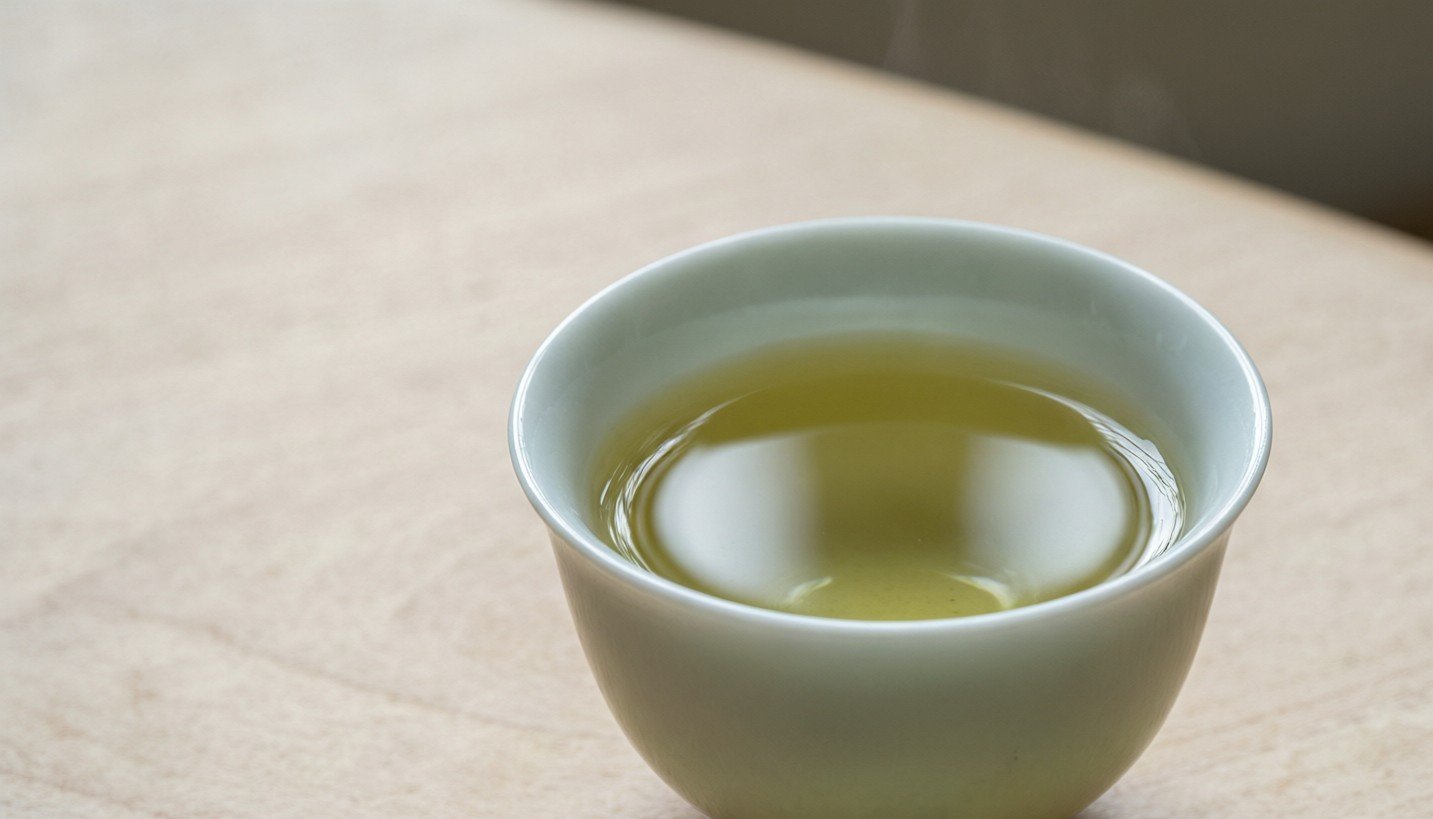
- Leaf appearance — genuine Anxi Tieguanyin is tightly rolled with a slight sand-green or emerald tone depending on roast
- Aroma persistence — the best lots keep a clear orchid or floral note across multiple infusions
- Aftertaste — a clean, sweet returning flavor is more valuable than a big first aroma that disappears
The cheapest “Anxi tea” is often not Anxi Tieguanyin at all. It may be a lower-cost oolong from another province, pressed through heavy roasting to hide weak character. That can be a legitimate product, but it should not be sold as Anxi Tieguanyin.
If you are comparing Anxi Tieguanyin against Wuyi rock tea or Taiwanese oolong for a specific SKU, send your cupping notes, target price band, and packaging requirements to 427728483@qq.com. We can match the closest factory lots and arrange comparison samples.
How to Compare Wholesale Lots
Most buyers make the mistake of comparing only price per kilogram. For Anxi Tieguanyin, price should be evaluated against grade, roast style, and storage format.
A useful comparison matrix covers:
- Harvest season — spring and autumn lots carry better aroma than summer growth
- Clarity of liquor — higher grades stay bright and clean through multiple brews
- Leaf integrity — tightly rolled, whole leaves indicate better picking and handling
- Moisture and packaging — qingxiang Tieguanyin should be vacuum-packed; roasted styles can tolerate more oxygen
- Residual aroma after brewing — the spent leaf should remain fragrant, not smell flat or sour
Build a standard cupping sheet and evaluate every Anxi lot against the same control sample. This prevents a supplier’s cellar bias from driving your buying decision. Oolong remains a relatively small share of global tea trade, with much of its production consumed close to origin [3]. That makes direct sourcing and clear specifications even more important for international buyers.

When Anxi Tieguanyin Is the Right Choice
Anxi Tieguanyin performs best when the buyer wants a recognizable Chinese oolong with broad consumer appeal. It suits:
- Loose-leaf retail lines built on floral, modern profiles
- Restaurant and cafe programs that need a consistent, bright oolong
- Gift sets where the tightly rolled leaf photographs well
- Blended oolong products that require an affordable aromatic base
It is less suitable when the target customer expects heavy roast, mineral depth, or multi-year aging potential. In those cases, Wuyi rock tea, traditional roasted Tieguanyin, or a well-selected dancong may be stronger.
Talk to a Sourcing Team About Your Oolong Comparison
If you are shortlisting Anxi Tieguanyin against Wuyi rock tea, Taiwanese high mountain oolong, or Fenghuang dancong, send the following to 427728483@qq.com:
- Your target retail format and cup profile
- Required quantity and packaging format
- Your destination port and compliance needs
- Any existing cupping notes or competitor samples
We will return a comparison quote and, where useful, arrange cupping samples from two or three lots closest to your target.
Frequently Asked Questions
Is Anxi Tieguanyin a green tea or an oolong?
It is an oolong, but lightly oxidized qingxiang styles can look and taste closer to green tea. The key difference is partial oxidation and the controlled bruising step used in Anxi Tieguanyin production [2].
What is the difference between qingxiang and nongxiang Tieguanyin?
Qingxiang is lightly oxidized and low-roasted, with bright floral notes and green-tinged leaves. Nongxiang is roasted longer, giving a deeper amber liquor, warm aroma, and longer shelf stability.
How does Anxi Tieguanyin differ from Wuyi rock tea?
Anxi Tieguanyin is usually ball-rolled, lighter in body, and more floral. Wuyi rock tea is strip-style, heavily roasted, and carries mineral and dark fruit notes with a thicker mouthfeel.
Does Anxi Tieguanyin improve with age?
Traditional roasted and aged styles can develop with time when stored correctly. Light qingxiang Tieguanyin does not improve; it should be consumed fresh and kept vacuum-packed.
What documents should a buyer request for Anxi Tieguanyin?
Request origin proof such as a geographical indication certificate, a batch test report for pesticide residues, and a specification sheet that states cultivar, harvest season, grade, roast style, and packaging date.
References
[1] General Administration of Quality Supervision, Inspection and Quarantine of the People's Republic of China. Product of geographical indication — Anxi Tieguanyin (GB/T 19598-2006). Beijing: Standards Press of China, 2006.
[2] Standardization Administration of the People's Republic of China. Oolong tea — Part 2: Tieguanyin (GB/T 30357.2-2013). Beijing: Standards Press of China, 2013.
[3] Food and Agriculture Organization of the United Nations. FAOSTAT: Crops and livestock products, tea. Rome: FAO, accessed 2026. https://www.fao.org/faostat/en/#data/QCL.
No author description available.

白玉京